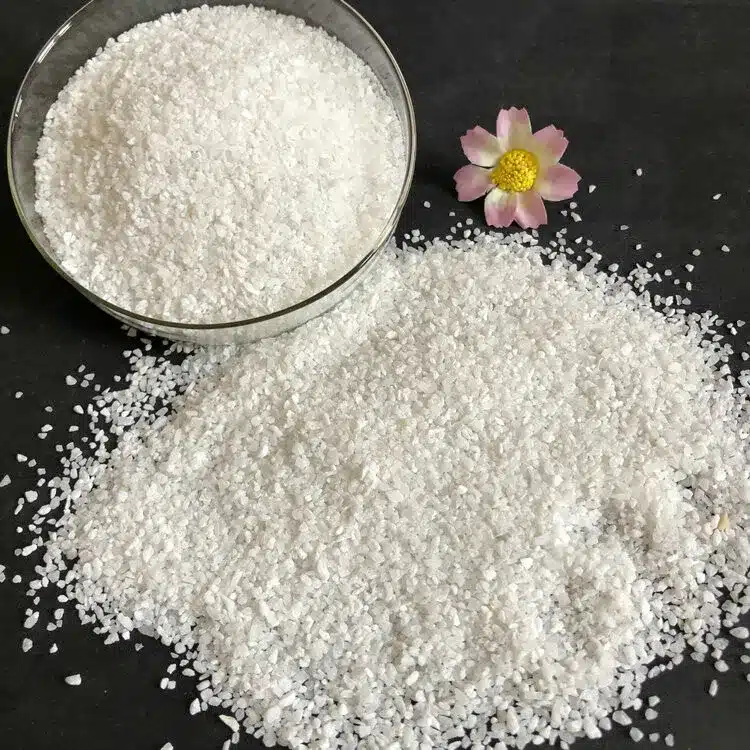
Malzeme Bilgileri

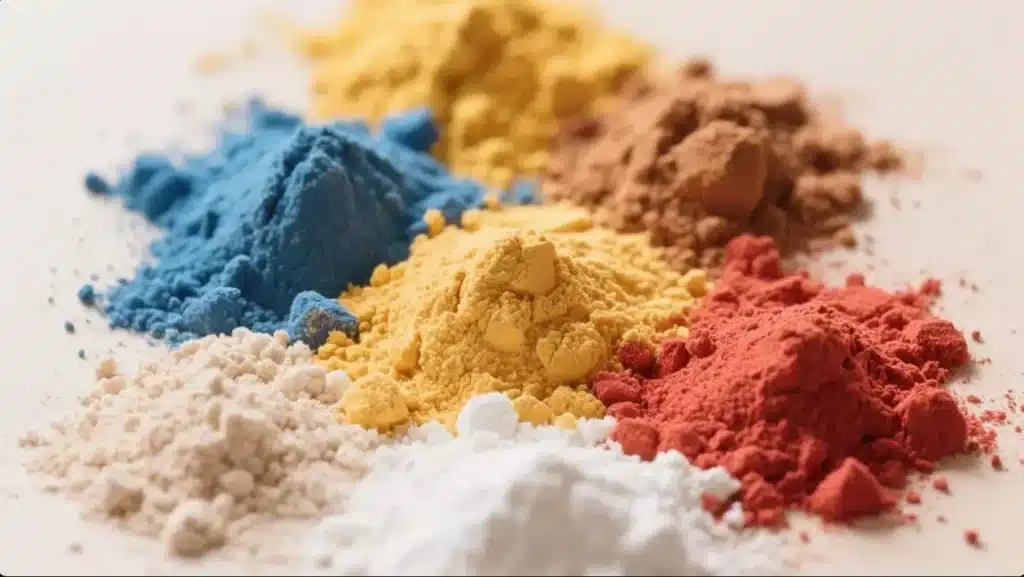
Toz halindeki malzemeler, ilaç, metalurji ve eklemeli imalat dahil olmak üzere birçok endüstride hayati öneme sahiptir. Mikrometreden milimetreye kadar değişen boyutlardaki bu ince parçacıklar, benzersiz özelliklere sahiptir ve birçok uygulama için uygundur. Tozların özelliklerini ve davranışlarını bilmek çok önemlidir. Bu, süreçleri optimize etmek ve istenen sonuçları elde etmek için hayati öneme sahiptir.

Toz halindeki malzemelerde en önemli faktörlerden biri parçacık boyutu ve dağılımıdır. Bu faktörler, tozların akışkanlığını, paketleme yoğunluğunu ve reaktivitesini önemli ölçüde etkiler. Katmanlı üretimde, dar bir parçacık boyutu aralığı katman homojenliğini artırabilir. Bu da nihai üründe daha iyi mekanik özelliklere yol açar.

Bir diğer önemli husus ise parçacıkların morfolojisidir. Toz halindeki malzemelerin şekli ve yüzey dokusu, işleme sırasındaki davranışlarını etkileyebilir. Küresel tozlar, düzensiz şekilli parçacıklara göre daha iyi akar ve paketlenir. Bu nedenle, 3D baskı için idealdirler.

Ayrıca, toz halindeki malzemelerin kimyasal bileşimi, ilaç sektörü gibi alanlarda kritik öneme sahiptir. Bu alanda saflık ve tutarlılık hayati önem taşır. Üreticiler, tozların sıkı kalite standartlarını karşıladığından emin olmalıdır. Bu, nihai ürünlerin etkinliğini ve güvenliğini garanti altına almak içindir.

Son olarak, toz halindeki malzemelerin nasıl saklanacağı ve kullanılacağını anlamak çok önemlidir. Bu, kirlenmeyi ve bozulmayı önler. İyi teknikler tozların bozulmadan kalmasını sağlar. Böylece, amaçlanan kullanımlarında iyi performans göstereceklerdir.

Sonuç olarak, toz halindeki malzemelerle ilgili bilgiler birçok faktörü içerir. Bunlar arasında parçacık boyutu, morfoloji, kimyasal bileşim ve işleme yöntemleri yer alır. Toz halindeki malzemeleri kullanarak ürünlerini yenileyen ve geliştiren endüstriler için bu unsurların kapsamlı bir şekilde anlaşılması hayati önem taşır.

quartz sand 1

Types of Glass and the Related Quartz Sand

Silicon dioxide is the main structural component of glass. It helps glass have high strength and good chemical stability. That’s why quartz sand is the most important industrial raw material in the glass industry. It is used in flat glass, container glass, ultra-clear glass, photovoltaic glass, quartz glass, and more. According to statistics, China’s flat […]

Types of Glass and the Related Quartz Sand Devamını oku "»

Powder Pic

What is the difference between the role of dispersants and modifiers in powder modification?

Although both dispersants and modifiers are used to optimize powder performance during modification processes, they differ significantly in their core mechanisms of action, functional objectives, and durability. The specific differences are as follows: 1. Mechanism of Action and Functional Objectives Type Dispersant Modifier Principle of Action Reduces particle interactions through physical adsorption (e.g., charge repulsion,

What is the difference between the role of dispersants and modifiers in powder modification? Devamını oku "»

Talc Powder

Do you know these five typical applications of talc in the coating industry?

Talc, a rare non-metallic mineral, is truly versatile. Its natural lamellar structure gives it many powerful properties, such as lubrication, anti-adhesion, flow aid, fire resistance, acid resistance, insulation, a high melting point, and chemical inertness. When talc’s multiple “superpowers” are harnessed in coatings, it can significantly improve material performance while reducing product costs. It also

Do you know these five typical applications of talc in the coating industry? Devamını oku "»

PE Wax

Who knew polyethylene wax (PE wax) had so many types and specs?

Polyethylene wax (PE wax), also known as polymer wax, is widely used due to its excellent cold resistance, heat resistance, chemical resistance, and wear resistance. In normal production, this type of wax can be directly added to polyolefin processing as an additive, which enhances the gloss and processing performance of the product. As a lubricant,

Who knew polyethylene wax (PE wax) had so many types and specs? Devamını oku "»

GCC

How Did Limestone Achieve Its Multi-Faceted Transformation?

Limestone is a sedimentary rock primarily composed of calcite (calcium carbonate, CaCO3). It is typically formed in marine or lake environments and precipitated through biological and chemical processes. The characteristics and types of limestone are as follows: • Color: Generally gray, white, yellow, brown, etc., depending on the impurities it contains. • Texture: The texture

How Did Limestone Achieve Its Multi-Faceted Transformation? Devamını oku "»

白垩

Calcium Carbonate: 11 Identities in Nature

Calcium carbonate is an inorganic compound with the chemical formula CaCO₃. In nature, it takes on multiple forms, including calcite, limestone, marble, white marble, chalk, stalactites, and travertine, among others. It is also the main component of coral, shells, eggshells, and more. 1. Calcite Calcite is the most common calcium carbonate mineral in nature. It

Calcium Carbonate: 11 Identities in Nature Devamını oku "»

bentonite 1

“Invisible Guardian” Bentonite! Why Does It Shine in Industrial Wastewater Treatment?

Bentonite is a non-metallic mineral with montmorillonite as its main component. It plays a vital role in many industrial fields due to its unique physical and chemical properties. In particular, it has earned the title of “invisible guardian” in industrial wastewater treatment. But how exactly does it shine in this application? What Makes Bentonite Special?

“Invisible Guardian” Bentonite! Why Does It Shine in Industrial Wastewater Treatment? Devamını oku "»

Silicon Carbide Ceramics 4

Market Overview and Application Field Analysis of Silicon Carbide Ceramics

The main synthetic raw materials for silicon carbide ceramics are quartz sand and petroleum coke. The silicon carbide ceramic manufacturing process mainly includes four types: reaction sintering, pressureless sintering, hot-pressing sintering, and recrystallization sintering. Among these, reaction sintering holds the largest market share, pressureless sintering offers excellent performance, hot-pressing sintering is more costly, and recrystallization

Market Overview and Application Field Analysis of Silicon Carbide Ceramics Devamını oku "»

Bentonite 1

Most Effective Approach to Improve Iron Grade in Pellet Ore

— The Widespread Application Value of High-Efficiency, Energy-Saving Modified Bentonite The steel industry is a major consumer of energy and a significant emitter of atmospheric pollutants, making it a key focus for energy conservation and emission reduction efforts. Faced with increasing constraints on resources and the environment, green development has become the only viable path

Most Effective Approach to Improve Iron Grade in Pellet Ore Devamını oku "»

Alumina Powder

Top 10 Heat-Resistant Additives for Polymer Materials

In polymer engineering, thermal stability is a crucial performance parameter. Various specialized additives are employed to enhance heat-resistance additives in polymeric materials. 1. Silicone Additives These additives feature unique Si-O bonds with exceptional thermal properties (-50°C to 250°C). They significantly improve thermal stability in polymers while maintaining excellent electrical insulation properties. Additionally, they provide superior

Top 10 Heat-Resistant Additives for Polymer Materials Devamını oku "»