Yüzey modifikasyonu, toz malzeme mühendisliğinde kilit teknolojilerden biridir. performansı artırmak Ve genişleyen uygulamalar. Başlıca mekanizmalar aracılığıyla, örneğin: fiziksel adsorpsiyon, kimyasal bağlama, kaplama/biriktirme ve yüzey aşılama, Bu sayede iyileştirme gibi hedeflere ulaşılır. dağılabilirlik, uyumluluğu artırma Matris sayesinde akışkanlık ve işlenebilirlik artar, nem emilimi, oksidasyon veya kimyasal reaksiyonlar önlenir.. Bunlar arasında, modifiye edici maddelerin eklenmesinin toz parçacık boyutu dağılımı üzerindeki etkisi, malzeme bilimi, yüzey kimyası ve toz mühendisliğini içeren önemli bir konudur. Toz modifikasyon işlemi sırasında, modifiye edici maddeler (bağlayıcı maddeler, yüzey aktif maddeler, silanlar, titanatlar vb.) toz parçacıklarının yüzeyinde etki gösterir. fiziksel adsorpsiyon veya kimyasal reaksiyonlar, Bu sayede yüzey özelliklerini değiştirirler. Bu yüzey modifikasyonu, tozun parçacık boyutu dağılımını dolaylı veya doğrudan etkileyebilir.
Değiştirici Türleri
| Değiştirici Kategorisi | Temsilci Çeşitler | Birincil İşlev | Tipik Uygulama Tozları |
| Silan Bağlayıcı Maddeler | KH-550, KH-560 | Kimyasal bağ, arayüzü geliştirir. | SiO₂, Cam tozu, Talk |
| Titanat Bağlayıcı Maddeler | KR-TTS, NDZ-201 | Viskoziteyi azaltır, yükleme kapasitesini artırır. | CaCO₃, BaSO₄, Mika |
| Alüminat Bağlayıcı Maddeler | Alüminat A-1 | Isıya dayanıklı, toksik olmayan | Al(OH)₃, Mg(OH)₂ |
| Yağ asitleri | Stearik asit, Oleik asit | Hidrofobizasyon, düşük maliyet | CaCO₃, ZnO |
| Yüzey aktif maddeler | SDS, CTAB, Tween | Dağıtma, stabilizasyon | Nano oksitler, Kil |
| Polimerler | PEG, PVP, PAA | Sterik engel | Fe₃O₄, Ag, TiO₂ |
| İnorganik Kaplama | SiO₂, Al₂O₃ | İşlevselleştirme, koruma |
Değiştiricilerin Parçacık Boyutu Dağılımı Üzerindeki Etkisi
1. Topaklanmayı Önleme ve Dağılabilirliği İyileştirme
Birçok inorganik toz (örneğin, kalsiyum karbonat, silika, talk vb.) yüksek yüzey enerjisine sahiptir ve kurutma veya depolama sırasında kümelenme eğilimindedir, bu da ikincil veya üçüncül parçacıklar oluşturur. Bu durum, daha geniş bir parçacık boyutu dağılımına ve artan ortalama parçacık boyutuna yol açar. Modifiye ediciler, tozun yüzey enerjisini azaltabilir, parçacıklar arasındaki van der Waals kuvvetlerini sterik engelleme veya elektrostatik itme yoluyla engelleyerek kümelenmeyi azaltabilir. Etkin bir modifikasyondan sonra, tozun dağılımı kolaylaşır. Lazer parçacık boyutu analizörü ile ölçülen D50 (ortalama parçacık boyutu) azalabilir ve parçacık boyutu dağılımı daralabilir.
2. Kaplama Tabakası Görünür Parçacık Boyutunu Artırır
Bazı değiştiriciler (örneğin, uzun zincirli yağ asitleri, silan bağlayıcı maddeler) parçacık yüzeyinde organik bir kaplama filmi oluşturur. İnorganik çekirdeğin gerçek boyutu değişmeden kalsa da, dinamik ışık saçılımı (DLS) veya lazer kırınımı analizi, parçacık boyutu ölçümüne kaplama katmanını da dahil edebilir ve bu da görünür parçacık boyutunda bir artışa yol açabilir. Bu "artışın" gerçek parçacık büyümesi değil, ölçüm yönteminin yüzey modifikasyonuna verdiği tepki olduğunu unutmayın.
3. Değişiklik Süreci Koşullarının Etkisi
Islak modifikasyon genellikle bir çözücü içinde gerçekleştirilir; bu da düzgün kaplamayı destekler ve topaklanmayı azaltmaya yardımcı olarak potansiyel olarak daha konsantre bir parçacık boyutu dağılımına yol açar. Kuru modifikasyonda, karıştırma düzensiz olursa, lokal aşırı modifikasyona veya artan topaklanmaya neden olabilir ve bunun tersine parçacık boyutu dağılımını genişletebilir. Optimal dağıtıcı etki, en dar parçacık boyutu dağılımıyla sonuçlanır. Fazla modifiye edici, parçacıkların yeniden topaklanmasını teşvik eden ve daha büyük parçacıkların artmasına yol açan bir "bağlayıcı" görevi görebilir.
4. Sonraki İşlemler Üzerindeki Etki
Modifiye edilmiş tozlar, öğütme, eleme veya granülasyon gibi sonraki işlemlerde farklı davranırlar. Geliştirilmiş yüzey kayganlığı, öğütme verimliliğini değiştirebilir; artırılmış akışkanlık da daha homojen bir eleme sağlayabilir. Bunların hepsi dolaylı olarak nihai ürünün parçacık boyutu dağılımını etkileyebilir.
Buradan da görülebileceği gibi, modifiye edicilerin toz parçacık boyutu dağılımı üzerindeki etkisini değerlendirirken, modifikasyon türü, dozaj, işlem koşulları ve test yöntemleri dikkate alınarak kapsamlı bir analiz yapılması gerekmektedir.
| Etki Yönü | Sebep | Parçacık Boyutu Dağılımı Üzerindeki Etki |
| Parçacık boyutunu küçültün, dağılımı daraltın. | Topaklanmanın giderilmesi, dağılımın iyileştirilmesi | D50↓, Span↓ |
| Görünür parçacık boyutunu artırın | Yüzey kaplama tabakası | D50↑ (ölçülen değer) |
| Dağıtımı genişletin | Homojen olmayan veya aşırı modifikasyon | Çok modlu dağıtım, Span↑ Cuochuan Toz Araştırma Enstitüsü |
Uygun Niteleyiciyi Nasıl Seçersiniz?
1. Değişiklik Amacını Tanımlayın
Öncelikle, uygun değiştiriciyi seçmek için neden değişiklik yaptığımızı açıklığa kavuşturmalıyız. Aşağıdaki görsel, yaygın değişiklik amaçlarını özetlemektedir:
| Değişiklik Amacı | İlgili Performans İhtiyacı | Olası Değişiklik Yönü |
| Polimerlerde dağılımı iyileştirin | Topaklanmayı azaltın, mekanik özellikleri iyileştirin | Matris ile uyumluluğu artırın |
| Akışkanlığı iyileştirin | Kolay taşıma, karıştırma, enjeksiyon kalıplama | Yüzey yağlaması, sürtünmeyi azaltır. |
| Hidrofobik/hidrofilik dönüşümü gerçekleştirin | Neme dayanıklı, kibrit çözücü sistemi | Yüzey polaritesini ayarlayın |
| Termal kararlılığı iyileştirin | Yüksek sıcaklıkta işlem sırasında herhangi bir bozulma meydana gelmez. | Yüksek sıcaklığa dayanıklı değiştiriciler seçin. |
| İşlev kazandırmak (iletken, antibakteriyel vb.) | Özel başvuru şartları | Fonksiyonel moleküler modifikasyon |
| Maliyetleri düşürün | Performans düşüşü olmadan dolgu maddesi miktarını artırın. | Arayüz kusurlarını azaltın |
2. Toz Yüzey Özelliklerinin Analizi
Farklı tozların yüzey kimyasal özellikleri büyük ölçüde değişmekte olup, bu durum modifiye edici seçimini doğrudan etkiler. Aşağıdaki görsel, toz türüne göre uygun modifiye edicilerin nasıl seçileceğini göstermektedir:
| Toz Tipi | Yüzey Özellikleri | Uyumlu Değiştiriciler |
| Hidroksil İçeren Tozlar (SiO₂, Al₂O₃, Cam tozu, Montmorillonit) | Yüzey -OH bakımından zengin, Yüksek polarite | Silan bağlayıcı maddeler (örneğin, KH-550) |
| Metal Tuz Tozları (CaCO₃, BaSO₄, ZnO, Mg(OH)₂) | Yüzeyde Ca²⁺, Zn²⁺, vb. metal iyonları bulunur. | Yağ asitleri (Stearik asit), Titanat, Alüminat |
| Karbon Malzemeler (Karbon siyahı, Grafen, Karbon nanotüpler) | İnert yüzey, Polar olmayan | Oksidasyon ön işlemi + Silan/Polimer aşılama |
| Nano Metal Oksitler (TiO₂, Fe₃O₄, ZnO) | Topaklanmaya yatkın, Yüksek yüzey enerjisi | Oleik asit, PVP, Silanlar, Fosfat esterleri |
| Organik Tozlar (Nişasta, Selüloz) | -OH ve -COOH grupları içerir. | Silanlar, Anhidritler, İzosiyanatlar Cuochuan Toz Araştırma Enstitüsü |
3. Uygulama Sistemini Eşleştirin
Modifiye edilmiş tozun nihayetinde belirli bir "matris" veya "ortam" ile bütünleşmesi ve onunla uyumlu olması gerekir. Sağlanan görseldeki tablo, önerileri matris türüne ve polariteye göre sınıflandırır.
| Matris Tipi | Polarite | Önerilen Değişiklikler ve Terminal Grupları |
| Polar Polimerler (PA, PET, PC, Epoksi reçine) | Yüksek | Amino, Epoksi, Karboksil grupları (ör. KH-550, KH-560) |
| Polar Olmayan Polimerler (PP, PE, PS) | Düşük | Uzun alkil zincirleri, Vinil grupları (örneğin, Stearik asit, KH-570) |
| Sulu Sistemler (Kaplamalar, Seramik Bulamaçları) | Polar/İyonik | Anyonik/Noniyonik yüzey aktif maddeler, PAA, PEG |
| Yağ Bazlı Sistemler (Mürekkep, Yağlayıcılar) | Kutupsuz | Oleik asit, Span serisi, Uzun zincirli silanlar Cuochuan Toz Araştırma Enstitüsü |
4. Sürecin Uygulanabilirliğini Değerlendirin
| İşlem Yöntemi | Uygun Değiştirici Özellikleri | Önemli Hususlar |
| Kuru Proses Modifikasyonu (Yüksek hızlı karıştırıcı) | Orta erime noktası, Kolay dağılım, Düşük uçuculuk | Stearik asit önceden eritilmeyi gerektirebilir; Silanlar seyreltilip püskürtülebilir. |
| Islak Proses Modifikasyonu (Su/çözücü içinde reaksiyon) | Suda çözünebilir veya emülsifiye edilebilir | Sonrasında kurutma işlemi gereklidir; Atık su arıtımına dikkat edilmelidir. |
| Yerinde Modifikasyon (Sentez sırasında eklenir) | Reaksiyon sistemiyle uyumlu | Örneğin, CaCO₃ çöktürme işlemi sırasında sodyum stearat eklenmesi. Cuochuan Toz Araştırma Enstitüsü |
Verilen görseldeki tablo, farklı işlem yöntemlerini ve bunlara ilişkin hususları özetlemektedir.
Doğru değiştiriciyi seçmek, çok boyutlu bir eşleşme anlamına gelir. Amaç × Toz × Matris × İşlem × Maliyet. “Önce küçük ölçekli denemeler, ardından karakterizasyon ve doğrulama, sonrasında ise uygulama geri bildirimi” şeklinde kapalı döngü bir strateji benimsenmesi önerilir.”
Destansı Toz
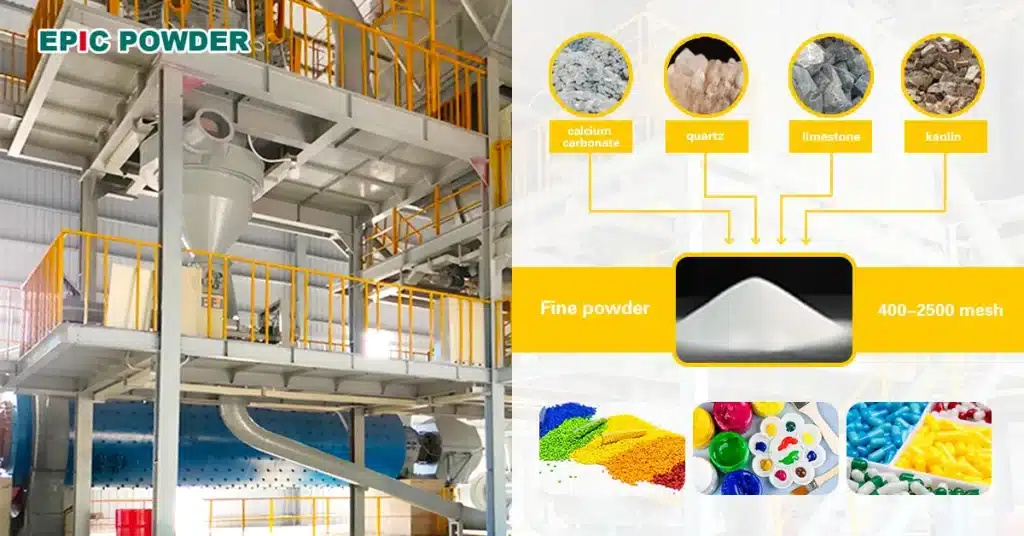
EPIC Toz Makine bölümümüz, dünya çapındaki endüstriler için verimli, güvenilir ve özelleştirilmiş toz işleme çözümleri sunmaya kendini adamıştır. Gelişmiş teknoloji ve 20 yıllık deneyimimizle, müşterilerimizin daha yüksek ürün kalitesi ve üretim verimliliğine ulaşmalarına yardımcı oluyoruz. Bir sonraki projenizi nasıl destekleyebileceğimiz hakkında bilgi edinmek için bugün bizimle iletişime geçin.
E-posta: [email protected]

“Okuduğunuz için teşekkürler. Umarım makalem yardımcı olmuştur. Lütfen aşağıya yorum bırakın. Ayrıca EPIC Powder çevrimiçi müşteri temsilcisiyle de iletişime geçebilirsiniz. Zelda Daha fazla bilgi için lütfen iletişime geçin.”
— Jason Wang, Kıdemli Mühendis