Metal kirliliği, pil malzemesi üretiminde en ciddi kalite risklerinden biridir. Katot veya anot tozunda birkaç milyonda bir oranında demir, nikel veya bakır bile istenmeyen elektrokimyasal yan reaksiyonları tetikleyebilir, kapasite kaybını hızlandırabilir veya en kötü durumda kısa devreye veya termal kaçış olayına neden olabilir. Sorun şu ki, çelik rotor tekerlekleri ve metal temas yüzeylerine sahip geleneksel sınıflandırma ekipmanı da kendi başına bir kirlilik kaynağıdır.
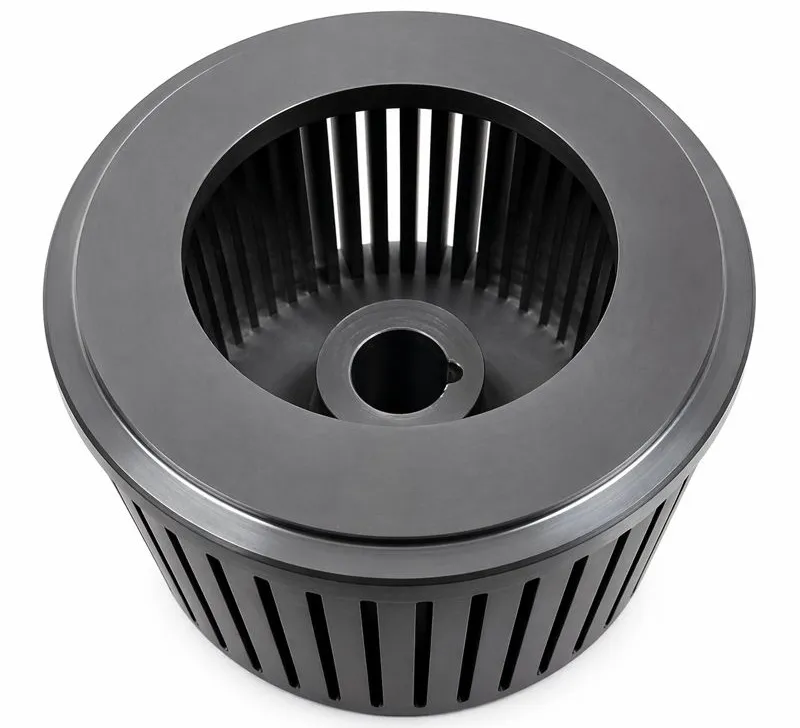
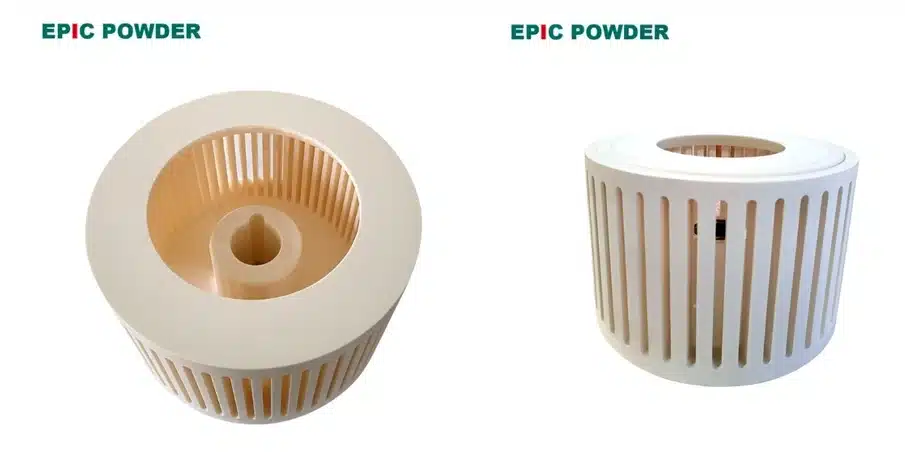
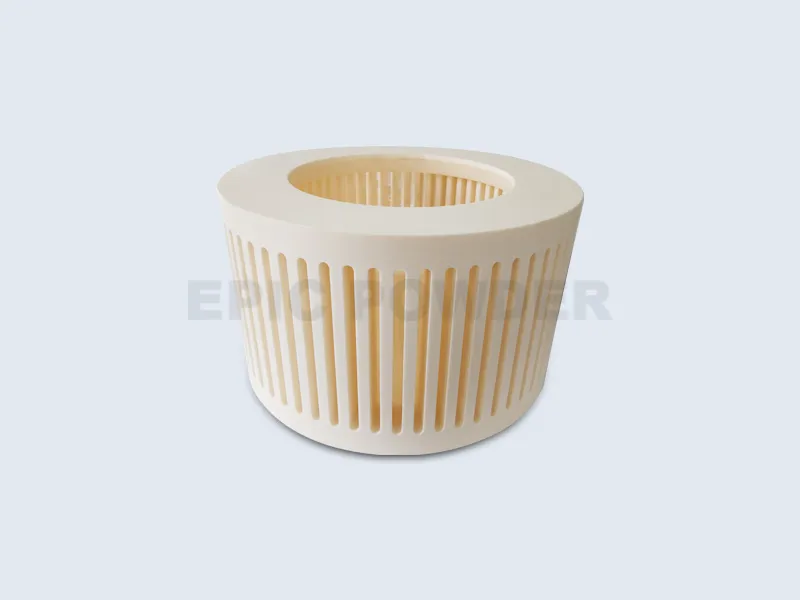
Seramik tekerlekli sınıflandırıcılar bu sorunu kaynağında çözüyor. Ürünle temas eden her yüzeyi seramik veya inert polimer malzemelerle değiştirerek, geleneksel sınıflandırıcılarla aynı hassasiyette parçacık boyutu sınıflandırması sağlıyorlar: dar kesim noktaları, ayarlanabilir D50 ve D97, yüksek verimlilik; üstelik metal aşınma parçacıklarının ürün akışına girmesi riski olmadan.
EPIC Powder Machinery olarak, LFP, NMC, grafit anot ve katı hal elektrolit tozu üretimi için seramik tekerlekli sınıflandırıcılar tedarik ediyoruz. Bu makale, seramik sınıflandırıcıların nasıl çalıştığını, seramiğin pil uygulamaları için neden doğru malzeme seçimi olduğunu ve sınıflandırma aşamasından metal kirliliğini ortadan kaldırdığınızda gerçek üretim sonuçlarının nasıl göründüğünü açıklamaktadır.
Sınıflandırmada Metal Kirliliğinin Göründüğünden Daha Büyük Bir Sorun Olmasının Nedenleri
Pil malzemesi üreticileri genellikle kirlilik kontrolü çalışmalarını ham maddelere, senteze ve sinterlemeye odaklıyor. Tüm bu dikkatli işlemlerden sonra gelen sınıflandırma adımı ise sıklıkla göz ardı ediliyor. Bu bir hatadır.
Geleneksel bir hava sınıflandırıcısında, aşındırıcı pil tozuyla sürekli temas halinde, 1000-3000 devir/dakika hızında dönen çelik veya paslanmaz çelik bir rotor tekerleği bulunur. Sertleştirilmiş yüzeylerde bile aşınma sürekli ve ilerleyicidir. Salınan metal parçacıkları küçüktür (tipik olarak 0,1-5 mikron), bu da lazer kırınım analizinden tespit edilemedikleri ve ürün içinde homojen olarak dağıldıkları anlamına gelir. Kirlilik elektrokimyasal testlerde ortaya çıktığında, tüm partiyi etkilemiş olur.
Metal kirliliğinin pil performansına etkileri nelerdir?
•Katot malzemelerinde demir (Fe) kirliliği: Fe iyonları, döngü sırasında elektrolite karışır, anot üzerinde birikir ve lityum kaplamayı hızlandırır. Bu durum kapasite kaybına ve lityum dendrit oluşumu riskinin artmasına neden olur. LFP'de, yabancı demir özellikle zararlıdır çünkü malzemenin birincil elektrokimyasal mekanizması olan demir redoks merkezini bozar.
•Paslanmaz çelikten nikel ve krom: Paslanmaz çelik sınıflandırıcı yüzeylerinden Ni ve Cr'nin sızması, NMC katotlarında geçiş metalinin çözünmesine katkıda bulunur; bu zaten yüksek nikel içerikli kimyasallarda birincil bozunma mekanizmalarından biridir. Sınıflandırıcıdan gelen yabancı Ni ve Cr'nin eklenmesi bu süreci hızlandırır.
•Manyetik parçacıklar: Sınıflandırıcılardan kaynaklanan metalik aşınma parçacıkları genellikle ferromanyetiktir. Pil hücrelerinde, manyetik parçacıklar hücrenin iç elektrik alanı altında ayırıcıdan geçerek mikro kısa devreler oluşturabilir; bu, katot tozundaki öldürücü parçacıklarla aynı arıza modudur, ancak ham maddeden ziyade işleme ekipmanından kaynaklanır.
Üstün kaliteli pil malzemeleri için kirlilik eşiği oldukça yüksektir. NMC 811 katot için, toplam manyetik yabancı madde (MFM) özellikleri genellikle 0,1 ppm'nin altındadır. Otomotiv uygulamalarında kullanılan LFP için, işleme ekipmanından kaynaklanan Fe kirliliğinin toplam miktara katkısı 1 ppm'den az olmalıdır. Bu seviyeler seramik temas yüzeyleri gerektirir; en yüksek kalitede paslanmaz çelikle bile güvenilir bir şekilde elde edilemezler.
| Pil Malzemesine Göre Tipik Metal Kirlenme Eşik Değerleri NMC 622 / 811 katot (otomotiv): Toplam MFM < 0,1 ppm | Fe < 0,5 ppm | Cr < 0,3 ppm (işleme ekipmanından) LFP katot (enerji depolama / EV): Ekipmandan kaynaklanan Fe katkısı < 1 ppm | Toplam manyetik parçacıklar < 0,5 ppm Grafit anot (üstün kalite): Sınıflandırma aşamasından elde edilen Fe < 2 ppm | Toplam metaller < 5 ppm Katı hal elektrolit (LLZO, LGPS): Toplam metalik safsızlık < 5 ppm | Ferromanyetik parçacık yok (iyonik iletkenlik etkisi) Not: Özellikler, hücre tasarımına ve müşteriye göre değişiklik gösterir. Lütfen hücre üreticinizle teyit edin. |
Seramik Tekerlek Sınıflandırıcısı Nasıl Çalışır?
Seramik tekerlekli sınıflandırıcı, geleneksel hava sınıflandırıcısıyla aynı aerodinamik prensiple çalışır: rekabet eden merkezkaç ve sürtünme kuvvetleri, parçacıkları boyutlarına göre ayırır. Temel fark, bu kuvvetleri üreten yüzeylerin metal yerine seramik olmasıdır.
Sınıflandırma Mekanizması
Malzeme, hava akımıyla parçacıkların dönen sınıflandırıcı tekerleğe doğru taşındığı sınıflandırma bölgesine beslenir. Tekerlek, gelen tüm parçacıklara merkezkaç kuvveti uygular:
• Hedef boyuta uygun ince parçacıklar: Tekerlek yarıçapında merkezkaç kuvvetini aşan aerodinamik sürtünme kuvvetine maruz kalırlar. Tekerlek boşluklarından geçerler ve hava akımıyla birlikte, belirtilen özelliklere uygun ürün olarak dışarı çıkarlar.
• Kesme noktasının üzerindeki iri parçacıklar: Bu parçacıklar, sürtünme kuvvetinden daha yüksek bir merkezkaç kuvvetine maruz kalırlar. Dışarı doğru fırlatılırlar, çarktan uzaklaşırlar ve ya atık olarak toplanırlar ya da daha fazla boyut küçültme için yukarı akıştaki öğütme işlemine geri gönderilirler.
İnce ve kaba fraksiyonların ayrıldığı partikül boyutu olan kesim noktası, iki ayarlanabilir parametre ile kontrol edilir: tekerlek dönüş hızı (daha yüksek hız, kesimi daha ince hale getirir) ve hava akış hızı (daha yüksek hava akışı, kesimi daha kaba hale getirir). Her ikisi de makine durdurulmadan çalışma sırasında sürekli olarak ayarlanabilir. Bu, D50 ve D97'nin hassas bir şekilde hedeflenmesini ve farklı ürün özellikleri arasında hızlı geçişi sağlar.
Seramik Neden Önemli? — Önemli Malzeme Özellikleri
| Mülk | Seramik (Al2O3 / ZrO2) | Paslanmaz Çelik (316L) |
| Mohs sertliği | 8-9 (Al2O3) / 8.5 (ZrO2) | 5.5-6.5 |
| Aşınma oranı ve pil tozu arasındaki ilişki | Çok düşük | Orta düzeyde — zaman içinde ölçülebilir |
| Aşınma sonucu metal iyonu salınımı | Sıfıra yakın | Fe, Cr, Ni sürekli olarak ppm seviyesinde |
| Pil malzemeleriyle kimyasal reaksiyon | Atıl | Asidik veya florlu bileşiklerle reaksiyona girebilir. |
| Manyetik özellikler | Manyetik olmayan | Hafif manyetik (östenitik 316L) |
| Termal kararlılık | Mükemmel (>1000 derece C) | İyi (yaklaşık 800 dereceye kadar) |
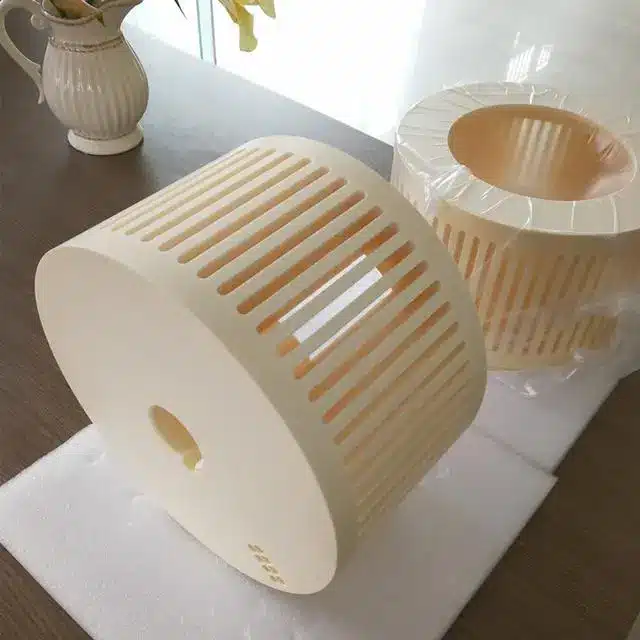
Alümina (Al2O3) seramik, çoğu pil malzemesi sınıflandırma uygulamasında standart tercihtir; sert, inert ve uygun maliyetlidir. Zirkonya (ZrO2) ise en yüksek sertlik ve en düşük aşınma oranının gerekli olduğu durumlarda, genellikle en aşındırıcı malzemeler veya en zorlu saflık özellikleri için kullanılır. Her ikisi de sınıflandırma tekerleğinden kaynaklanan metal kirliliğini bir kirlenme yolu olarak ortadan kaldırır.
Seramik Tekerlek Sınıflandırıcısının Uygulanması: Adım Adım
Adım 1: Kirlilik Spesifikasyonunuzu Doğrulayın
Sınıflandırıcıyı seçmeden önce, kirlilik spesifikasyonunuzu nicel terimlerle belirleyin. 'Metal içermez' bir spesifikasyon değil, bir hedeftir. Önemli olan gerçek sayı, sınıflandırma aşamasına atfedilebilen belirli metallerde (Fe, Ni, Cr, Cu) ve toplam manyetik yabancı maddede izin verilen maksimum artıştır. Bu sayıyı hücre üreticinizden veya şirket içi kalite standardınızdan edinin.
Bu sayı daha sonra ekipman seçimini yönlendirir: seramik tekerlek tipi (Al2O3 veya ZrO2), yüzey kalitesi ve ikincil bir güvenlik önlemi olarak ek manyetik ayırma işlemine ihtiyaç duyulup duyulmadığı.
Adım 2: PSD Hedeflerinizi Tanımlayın
Parçacık boyutu hedeflerinizi niteliksel tanımlamalar yerine belirli sayılar olarak belirtin. Pil malzemeleri için en azından şunları tanımlayın:
•D50: Ortanca parçacık boyutu (örneğin, 5 mikron, 12 mikron)
•D97 veya D99: izin verilen maksimum iri parçacık boyutu — bu, parçacık kontrolü için en önemli özelliktir.
•Aralık: (D90-D10)/D50 — dağıtım genişliğinin bir ölçüsü; daha dar bir aralık elektrot kaplamasının homojenliğini artırır.
Bu üç rakam, sınıflandırma gereksinimlerinizi tam olarak tanımlar ve ekipmanın teslimattan önce doğru şekilde belirlenmesini ve doğrulanmasını sağlar.
Adım 3: Hava Akışını ve Tekerlek Hızını Ayarlayın
Sınıflandırıcı kurulduktan sonra, kesme noktası optimizasyonu için farklı tekerlek hızlarında ve hava akışı ayarlarında 3-5 deneme çalışması yapılması gerekir. Her çalışmadan sonra üründen örnek alın ve lazer kırınımı ile PSD'yi ölçün. Sonuçları grafik haline getirerek D50 ve D97 hedeflerinize aynı anda ulaşan parametre setini bulun.
Onaylanmış parametre setini proses reçeteniz olarak belgeleyin. Seramik sınıflandırıcılar yüksek oranda tekrarlanabilir özelliktedir; reçete oluşturulduktan sonra, besleme malzemesinin özellikleri tutarlı olduğu sürece, aynı tekerlek hızı ve hava akışı ayarları, üretim partileri boyunca güvenilir bir şekilde aynı parçacık boyutu dağılımını sağlayacaktır.
Adım 4: Aşınma İzleme ve Bakım
Seramik jantlar metal jantlara göre önemli ölçüde daha yavaş aşınır, ancak yine de aşınırlar. Aşınmayı iki yöntemle takip edin:
• Periyodik PSD trend analizi: Kesme noktasının kademeli olarak daha kaba boyutlara doğru kayması, sınıflandırıcı tekerleği aşınmasının ilk göstergesidir. D97'yi her çalıştırmada takip edin ve tutarlı bir yukarı yönlü eğilim olup olmadığını inceleyin.
• Planlı bakım sırasında görsel inceleme: Planlı her bakım durağında seramik tekerlek yüzeyini kırılma, çatlama veya yüzey pürüzlülüğü değişiklikleri açısından inceleyin. Seramik kırılması bir kirlenme riskidir; seramik parçacıkları inerttir ancak pil tozunda yine de istenmeyen parçacıklardır.
Seramik taşlama disklerinin değiştirme aralığı, malzemenin aşındırıcılığına ve üretim hızına büyük ölçüde bağlıdır, ancak pil malzemesi hizmetinde kullanılan alümina diskler için tipik aralıklar 3.000-8.000 çalışma saatidir.
Seramik taşlama disklerinin değiştirme aralığı, malzemenin aşındırıcılığına ve üretim hızına büyük ölçüde bağlıdır, ancak pil malzemesi hizmetinde kullanılan alümina diskler için tipik aralıklar 3.000-8.000 çalışma saatidir.
Üretim Sonuçları: Üç Pil Malzemesi Uygulaması
VAKA ÇALIŞMASI 1
LFP Katot Sınıflandırması — Sınıflandırıcıdan Demir Kirliliğinin Giderilmesi
Sorun
Otomotiv akü üreticilerine LFP katot malzemesi tedarik eden bir firma, yüksek demir içeriği nedeniyle bir müşteri tesisinde gelen kalite kontrolünden geçemiyordu. ICP-MS analizi, yabancı demirin sınıflandırma aşamasına kadar uzandığını ortaya koydu; paslanmaz çelik sınıflandırıcı tekerleği, işlem geçişi başına yaklaşık 3 ppm Fe katkısı sağlıyor ve müşterinin 1 ppm'lik ekipman katkı limitini aşıyordu.
Çözüm
EPIC Powder Machinery, paslanmaz çelik sınıflandırıcı tekerleği ve gövde kaplamalarını alümina seramik bileşenlerle değiştirdi. Başka hiçbir işlem değişikliği yapılmadı. Kesme noktası, hava akışı ayarları ve verim aynı kaldı.
Sonuçlar
• Sınıflandırıcıdan kaynaklanan Fe katkısı: 3 ppm'den 0,2 ppm'nin altına düşürüldü — müşteri spesifikasyonlarına uygun.
• Manyetik yabancı madde: 0,8 ppm'den 0,05 ppm'nin altına düşürüldü.
• PSD performansı: değişmedi — D50 ve D97, önceki değerlere göre 2% içinde kaldı.
Müşteri yeterliliği: Yükseltme işleminden sonraki iki üretim döngüsü içinde otomotiv akü üreticisinde gelen kalite kontrol denetiminden başarıyla geçti.
VAKA ÇALIŞMASI 2
NMC 811 Yüksek Nikel Katot — Sıfır Krom ve Nikel İlavesiyle Sıkı PSD Kontrolü
Sorun
Yüksek nikel içerikli NMC 811 katot üreticisi, kalsine edilmiş tozlarını D50 10 mikron ve D97 32 mikronun altında olacak şekilde sınıflandırmak ve sınıflandırıcıdan gelen toplam Cr ve Ni katkısını her biri 0,3 ppm'nin altında tutmak istiyordu. Mevcut sınıflandırıcıları 1,2 ppm Cr ve 0,9 ppm Ni katkısı sağlıyordu (her ikisi de belirtilen değerlerin üzerindeydi) ve hücre üreticisindeki çevrim ömrü verileri, kısmen geçiş metal kirliliğine atfedilen beklenenden daha hızlı kapasite kaybı gösteriyordu.
Çözüm
EPIC Powder, D50 10 mikron ve D97 32 mikron hedeflerine sahip NMC 811 için belirtilen zirkonya seramik tekerlek sınıflandırıcıyı tedarik etti. ZrO2, belirtilen seviye için gereken daha yüksek sertlik ve daha düşük aşınma oranı nedeniyle ve ZrO2'nin herhangi bir aşınma senaryosunda Cr, Ni veya Fe içermemesi nedeniyle Al2O3 yerine seçildi.
Sonuçlar
- Sınıflandırıcıdan gelen Cr ve Ni katkısı: Tespit limitinin altında (<0,05 ppm her biri)
- PSD: D50 10,2 mikron, D97 31 mikron — her parti spesifikasyonlara uygun.
- Pil üreticisindeki döngü ömrü: 80% kapasite korunumunda 680 döngüden 820 döngünün üzerine çıkarıldı (yaklaşık 20% iyileşme).
Müşteri geri bildirimi: Kirlenmeyle ilgili kalite sorunları, kurulumdan sonraki üç ay içinde ortadan kaldırılmıştır.
| Pil Malzemesi Sınıflandırma Gereksinimlerinizi EPIC Powder Machinery ile Görüşün İster LFP, NMC, grafit veya katı hal elektrolit tozlarını sınıflandırıyor olun, EPIC Powder Machinery, özel malzeme ve saflık özelliklerinize uygun seramik tekerlekli bir sınıflandırıcı yapılandırabilir. Tüm ürünle temas eden yüzeyler seramik veya polimer kaplıdır - metal yok, kirlenme riski yok. Tam üretim taahhüdünden önce laboratuvar ölçekli denemeler mevcuttur. Malzeme veri sayfanızı, mevcut PSD'nizi ve hedef özelliklerinizi bize gönderin, size önerilen bir yapılandırma ve deneme planı sunalım. Ücretsiz Deneme veya Danışmanlık Talep Edin: www.epic-powder.com/contact Seramik Sınıflandırıcı Ürün Yelpazemizi Keşfedin: www.epic-powder.com |
Sıkça Sorulan Sorular
Seramik sınıflandırıcı, standart metal sınıflandırıcılarla nasıl karşılaştırılır?
Seramik sınıflandırıcılar, özellikle metal kirliliğinin kritik bir endişe kaynağı olduğu durumlarda, standart metal sınıflandırıcılara göre önemli bir avantaj sunar. Metal tekerleklerin aksine, seramik tekerlekler pil malzemelerine metal parçacıklarının girmesi riskini ortadan kaldırarak metal kirliliğinden arındırılmış bir işlem sağlar. Üstün aşınma direnci ve kimyasal kararlılığa sahiptirler; bu da daha uzun hizmet ömrü ve daha tutarlı sınıflandırma performansı anlamına gelir. Bu da seramik tekerlekli sınıflandırıcıları, saflığın tartışılmaz olduğu hassas pil uygulamaları için ideal hale getirir.
Seramik tekerlekli bir sınıflandırıcı, metal bir sınıflandırıcıyla aynı kesme noktası hassasiyetine ulaşabilir mi?
Evet, sınıflandırma prensibi aynıdır. Kesme noktası, tekerlek malzemesine değil, tekerlek yüzeyindeki parçacıklar üzerindeki merkezkaç kuvveti ve aerodinamik sürtünmenin dengesine bağlıdır. Seramik tekerlekler, metal tekerleklerle aynı hassasiyet toleranslarında işlenebilir ve eşdeğer kesme noktası kontrolü sağlayabilir. EPIC Powder Machinery'nin seramik sınıflandırıcıları, çoğu pil malzemesi uygulaması için 1-2 mikron ve üzeri D50 değerlerine ve 1,5'in altında (D90-D10)/D50 değerlerine ulaşır. Tekerlek malzemesi, kirlenme performansını, aşınma oranını ve hizmet ömrünü etkiler; boyut ayrımının hassasiyetini değil.
Mevcut sınıflandırıcılar seramik tekerleklerle sonradan donatılabilir mi, yoksa tamamen değiştirilmeleri mi gerekir?
Birçok durumda, seramik tekerlek ve ilgili temas yüzeyi kaplamaları, tüm makineyi değiştirmeye gerek kalmadan mevcut bir sınıflandırıcı gövdesine sonradan takılabilir. Uygulanabilirlik, sınıflandırıcı modeline ve tekerlek montaj sisteminin geometrisine bağlıdır. EPIC Powder Machinery, mevcut sınıflandırıcılar için sonradan takma değerlendirmeleri sunmaktadır; mevcut makinenize seramik tekerlek takılmasının mümkün olup olmadığını değerlendirir ve mümkünse seramik tekerlek tertibatları ve kaplama kitleri sağlar. Sonradan takma işlemi, genellikle tam ekipman değişiminden daha hızlı ve daha düşük maliyetlidir. Mevcut gövde geometrisi uyumlu bir seramik tekerlek takılmasına izin vermiyorsa, tam ünite değişimi önerilir. Mevcut sınıflandırıcı modelinizle mühendislik ekibimizle iletişime geçin, size sonradan takma seçenekleri hakkında bilgi verebiliriz.
Destansı Toz
Destansı Toz, 20 yılı aşkın süredir ultra ince toz sektöründe deneyime sahibiz. Ultra ince tozun kırma, öğütme, sınıflandırma ve modifikasyon süreçlerine odaklanarak, ultra ince tozun gelecekteki gelişimini aktif olarak destekliyoruz. Ücretsiz danışmanlık ve özelleştirilmiş çözümler için bizimle iletişime geçin! Uzman ekibimiz, toz işleme süreçlerinizin değerini en üst düzeye çıkarmak için yüksek kaliteli ürün ve hizmetler sunmaya kendini adamıştır. Epic Powder – Güvenilir Toz İşleme Uzmanınız!
“Okuduğunuz için teşekkürler. Umarım makalem yardımcı olmuştur. Lütfen aşağıya yorum bırakın. Ayrıca EPIC Powder çevrimiçi müşteri temsilcisiyle de iletişime geçebilirsiniz. Zelda Daha fazla bilgi için lütfen iletişime geçin.”
— Jason Wang, Mühendis