With the rapid development of high-end powder processing such as ultrafine powders, lithium battery cathodes and anodes, and high-purity quartz, wear-resistant and contamination-resistant materials have become the “hidden trump card” in the field of pulverizing equipment. Among them, silicon nitride (Si3N4) combines high hardness, ultra-low wear rates, zero metal contamination, and strong acid-alkali resistance. Known in the industry as “ceramic steel,” it is rapidly replacing traditional metals and conventional ceramics to become a core foundation material for advanced öğütme ekipmanı—such as bead mills, jet değirmenleri, Ve hava sınıflandırıcıları.
What is Silicon Nitride?
Silicon nitride is a high-performance structural ceramic, composed of silicon and nitrogen elements bonded by strong covalent bonds. It relies on a unique diamond-type three-dimensional crystal lattice structure. This structure completely overcomes the shortcomings of ordinary ceramics, such as fragility, easy chipping, and poor impact resistance. The dense components formed after sintering not only exhibit structural stability but also possess extremely high fracture toughness. It is currently one of the materials with the best overall performance in grinding chambers and grinding media.
Four Core Capabilities Solving Industry Pain Points
Silicon nitride breaks through performance bottlenecks in crushing equipment by precisely adapting to extreme working conditions:
- Ultra-High Hardness and Zero Contamination: With a Mohs hardness of 9.0, its bending strength far exceeds that of most alloys. It exhibits extremely low wear rate when subjected to rapid impact and intense friction from high-hardness materials. This completely solves the pain points of “metal contamination” and “foreign object introduction” in the processing of lithium battery materials and high-purity semiconductor powders.
- Impact-Resistant with High Thermal Shock Tolerance: Its density is only 3.2g/cm3—over 40% lighter than bearing steel. This dramatically reduces centrifugal loads on high-speed rotating parts like turbines and rotors. It features an extremely low coefficient of thermal expansion. It is resistant to the high temperatures generated by high-frequency impacts and friction, and will not crack under rapid heating and cooling.
- Corrosion and Wear Resistance: Exceptional chemical stability allows it to endure strong acids, alkalis, and corrosive slurries in ultra-fine wet grinding. It resists rust, degradation, and impurity leaching, extending component service life while lowering long-term maintenance costs.
- Self-Lubricating with Low Friction Loss: The low surface friction coefficient effectively reduces material adhesion to the walls. It improves the flow efficiency and throughput of materials within the grinding chamber.
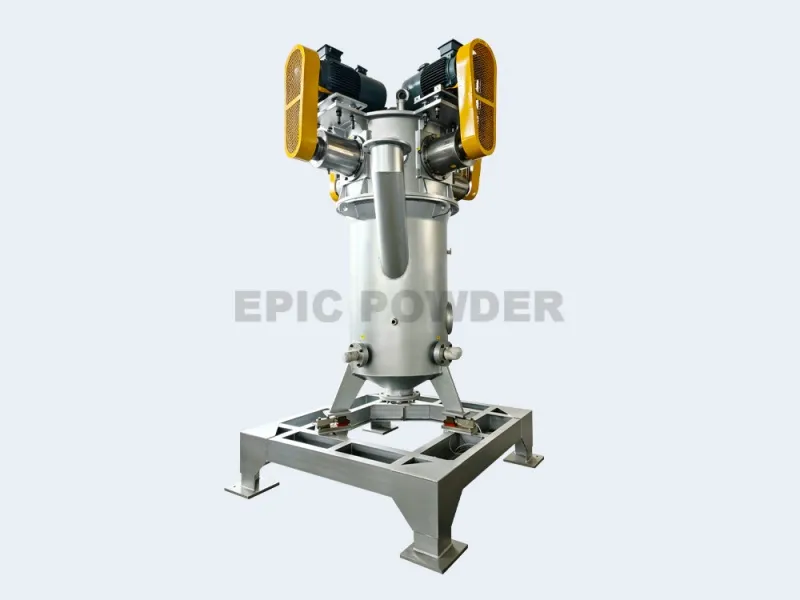
Comprehensive Applications Upgrading Powder Equipment
Thanks to its versatile physicochemical properties, silicon nitride has moved from the laboratory to industrial applications. A deep dive into the core components of grinding equipment:
- Ultra-Fine Bead Mills (Wet Grinding): It is used to manufacture silicon nitride grinding beads, chamber liners, dispersers, and separators. In nano-scale grinding for battery materials like lithium iron phosphate and silicon-carbon anodes, it provides efficient dispersion with zero metal contamination.
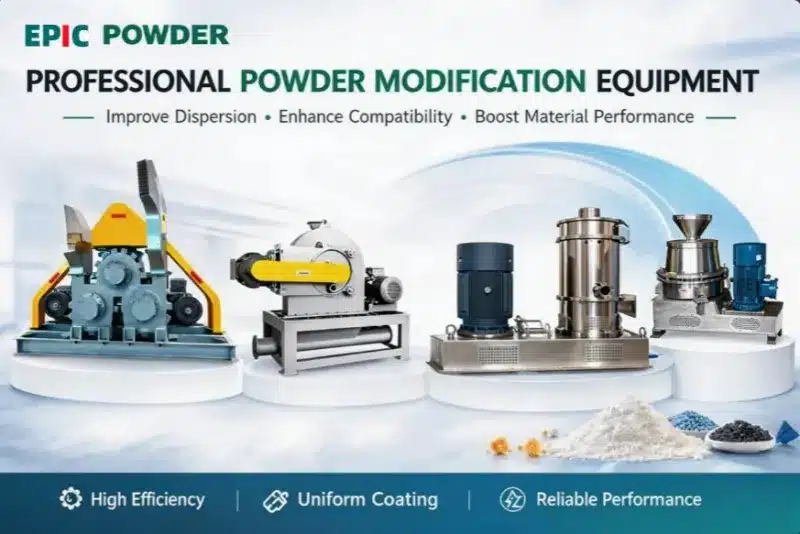
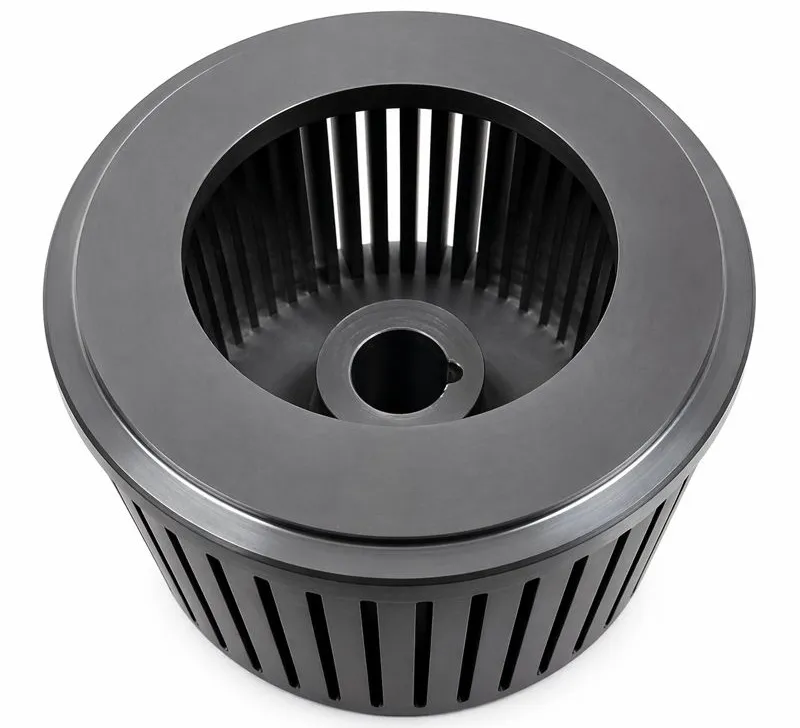
- Jet Mills and Classifiers (Dry Grinding): It is crafted into nozzles, classifying wheels, and protective liners. It is used to manufacture components such as nozzles, airflow classifiers, and protective liners. The use of silicon nitride in high-speed classifiers not only improves dynamic balance but also increases the maximum speed limit. It also thoroughly solves the problem of severe erosion and wear on classifier blades caused by high-hardness materials.
- Mechanical Pin/Disc Mills: We manufacture high-wear-resistant needles, impact blocks, and grinding discs. These components can withstand high-speed grinding of materials while maintaining uniform particle size distribution.
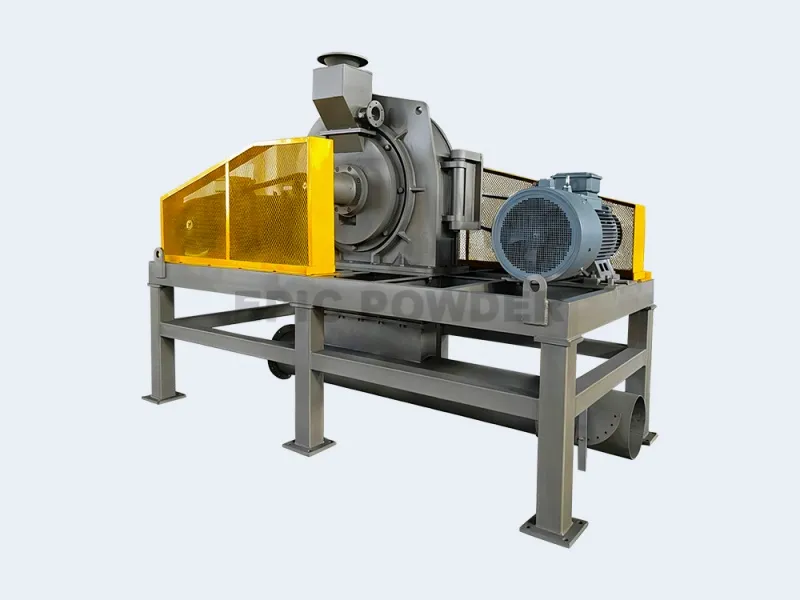
Çözüm
As high-end powder processing advances toward ultra-fine limits, high purity, and tight consistency, the flaws of traditional materials—such as metal liner wear and ceramic cracking—have become increasingly clear. Silicon nitride bridges this gap by balancing hardness, toughness, corrosion resistance, and purity control.
As sintering processes improve and costs steadily decline, silicon nitride is expanding deep into new energy, high-purity quartz, and electronic ceramic sectors. It is rapidly cementing its role as an indispensable core material for next-generation crushing and grinding equipment.

“Okuduğunuz için teşekkürler. Umarım makalem yardımcı olmuştur. Lütfen aşağıya yorum bırakın. Ayrıca daha fazla sorunuz için Zelda çevrimiçi müşteri temsilcisiyle iletişime geçebilirsiniz.”
— Gönderen Emily Chen