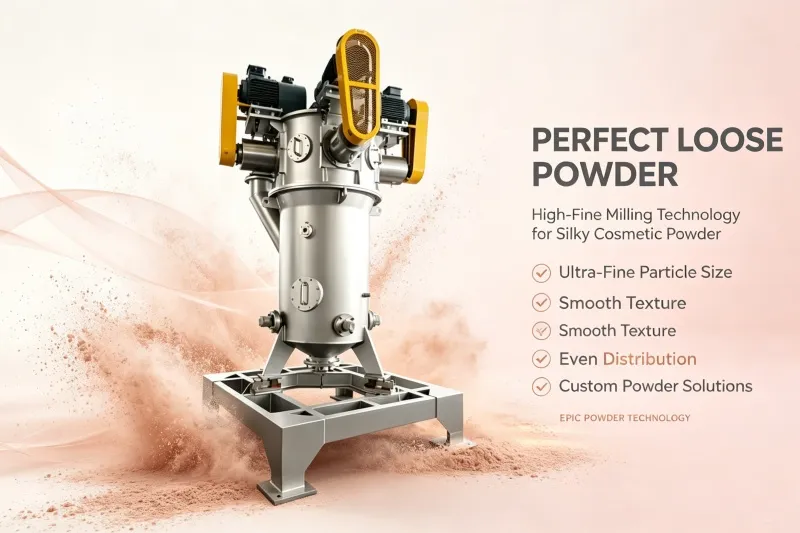
Fondöten, ruj, gece kremi, yüz maskesi, göz farı, güneş kremi… Kusursuz makyajı olan güzel bir kadının arkasında sayısız inorganik toz bulunur. Toz halindeki ham maddeler, kokulu pudralar, allık, fondöten, gevşek pudra ve diş macununda hayati öneme sahip temel bileşenlerdir. Kozmetik formülasyonlarının 1 ila 1'ini oluştururlar. İnorganik tozlar genellikle kapatıcılık, pürüzsüzlük, yağ emilimi, yayılabilirlik ve güneş koruması gibi işlevler sağlar. Bazı renkli tozlar ayrıca pigment görevi görerek kozmetiklere canlı renkler katabilir. Toz işlemede tutarlılık ve kontrol arayan üreticiler için Epic Powder'ın Jet Mill'i en iyi çözümü temsil eder. Epic'in Jet Mill teknolojisi, yüksek performanslı kozmetikler için kritik öneme sahip ince öğütülmüş, dar dağılımlı inorganik tozların üretiminde mükemmeldir.
Kozmetik Ürünlerde Kullanılan Tozların Sınıflandırılması ve Tanıtımı
1. İnorganik Tozların Sınıflandırılması ve Avantajları
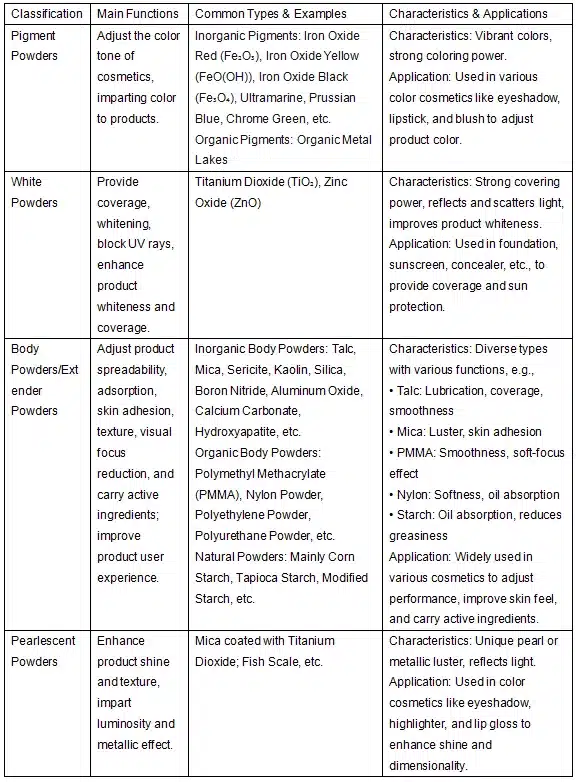
İnorganik tozlar çeşitlidir. Yapısal olarak metal ve alaşım tozları, oksit ve hidroksit pigmentleri ve diğer inorganik malzemeler olarak sınıflandırılırlar. Görünüm ve özelliklerine göre ise şu şekilde ayrılırlar: renkli tozlar, beyaz tozlar, dolgu tozları ve sedefli tozlar. İşlevsel özelliklerine göre şu şekilde sınıflandırılabilirler: renklendiriciler, dolgu maddeleri ve güneş koruyucu maddeler.
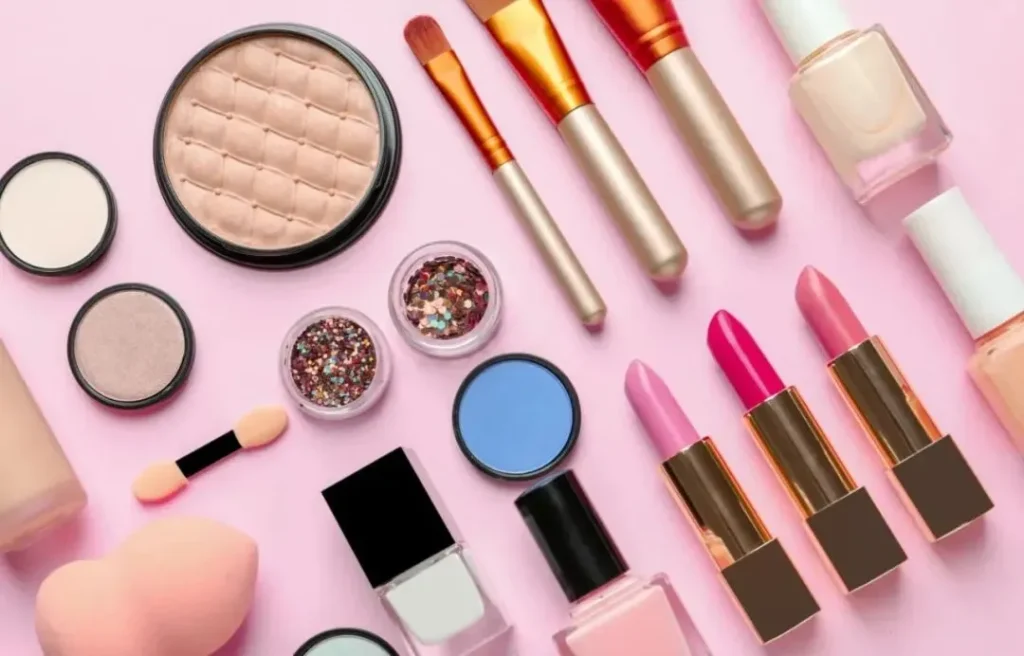
Organik tozlara kıyasla, inorganik tozlar pratik üretim ve uygulamada üç önemli avantaj sunar:
Öncelikle, inorganik tozlar kimyasal olarak inert, kokusuz ve tahriş edici olmayan yapıdadır, bu da onları kullanım açısından daha güvenli hale getirir. Organik tozların yoğun kullanımından kaynaklanabilecek cilt kanseri veya kimyasal alerjiler gibi tehlikelerden etkili bir şekilde kaçınırlar.
İkinci olarak, kozmetikte kullanıldıklarında sterilizasyon ve koku giderme sağlayabilirler. Bir tozun katalitik aktivitesi varsa, kozmetikteki koku bileşenlerini parçalayabilir ve kozmetik sistemindeki yağları oksitleyerek bozulmaya ve hoş olmayan kokulara yol açabilir. Kimyasal olarak kararlı olan inorganik tozlar, bu olayı etkili bir şekilde azaltır. Dahası, çoğu inorganik toz, diğer malzemelere kıyasla mükemmel UV emilim tepe noktalarına sahiptir ve bu da onların kozmetikte koruyucu madde olarak kullanılmalarına olanak tanır.
Üçüncüsü, inorganik tozlar bol kaynaklara sahip, daha uygun fiyatlı ve kolay temin edilebilir olup, seri üretimleri daha kolaydır.
En Yüksek Performansın Kilidini Açmak: Jet Tozlaştırmanın Rolü
Kozmetik tozlarında ultra ince parçacık boyutu, dar dağılım ve yüksek saflık gibi istenen özelliklerin elde edilmesi genellikle jet öğütme gibi gelişmiş işleme tekniklerine dayanır. Bu öğütme teknolojisi, parçacıklar arası çarpışma oluşturmak için yüksek hızlı basınçlı hava veya buhar kullanır ve mekanik aşınmadan kaynaklanan kirlenme olmadan hassas boyut küçültme sağlar. Jet öğütme, modern kozmetiklerde pürüzsüz doku, kusursuz uygulama ve artırılmış etkinlik için gerekli olan mikron ve alt mikron tozların üretimi için çok önemlidir. Kontrollü jet öğütme işlemi, tutarlı kaliteyi garanti ederek bor nitrür, silika ve kaplanmış pigmentler gibi yüksek değerli inorganik tozlar için idealdir.
Kozmetikte Yaygın Olarak Kullanılan 18 İnorganik Toz
Günümüzde kozmetik alanında yaygın olarak kullanılan inorganik tozlar arasında talk, kaolin, mika, silika, montmorillonit, kalsiyum karbonat, magnezyum karbonat, diyatomlu toprak, turmalin, bor nitrür, alüminyum oksit, hidroksiapatit, çinko oksit, titanyum dioksit, demir oksit, ultramarin, manganez moru ve karbon siyahı bulunmaktadır.
(1) Talk
Talk, esas olarak hidratlanmış magnezyum silikattan oluşan bir silikat mineralidir. Tozu beyaz, mikro kristal yapılı, katmanlı bir yapıya ve pürüzsüz, kaygan bir dokuya sahiptir. Çin, bol miktarda talk kaynağına sahiptir ve başlıca üretim Liaoning, Shandong, Guangxi, Jiangxi ve Qinghai illerinde gerçekleşmektedir; dokusu menşeine göre değişiklik gösterir. Kozmetik amaçlı kullanılan talk, genellikle beyaz, parlak ve pürüzsüz ise yüksek kalitededir.
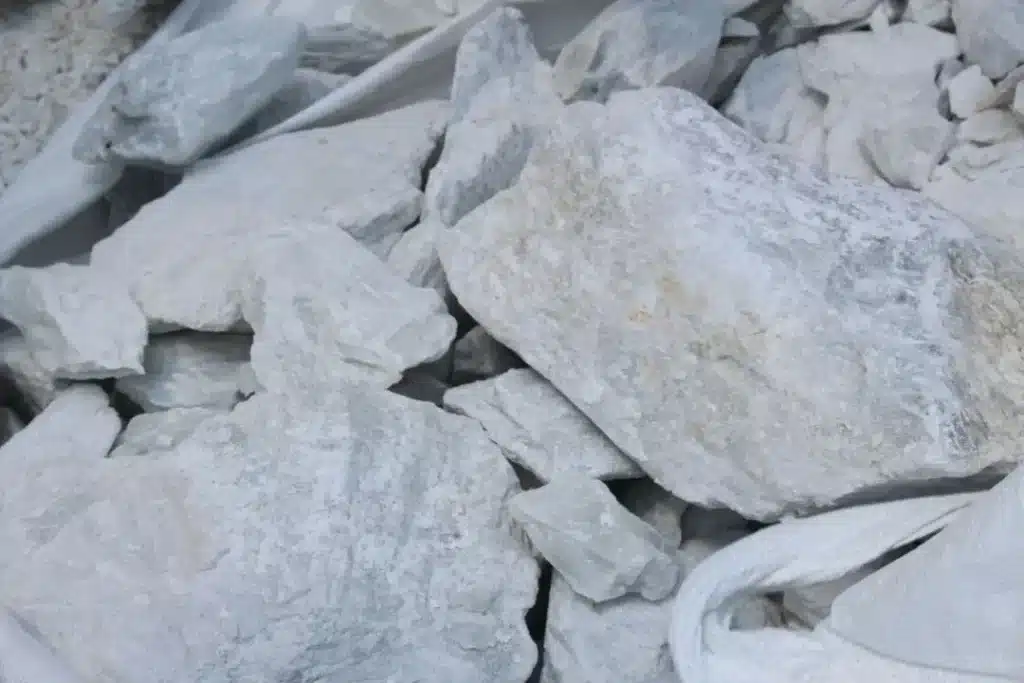
Talk, beyaz rengi, yumuşak dokusu, iyi yayılma özelliği ve pürüzsüzlüğü nedeniyle ağırlıklı olarak kokulu pudralarda, sıkıştırılmış pudralarda ve bebek pudralarında kullanılır. Ayrıca diğer hammaddeleri modifiye ederek kayganlıklarını ve yayılma özelliklerini artırır.
Talk pudrası, genellikle asbestle ilişkilendirilen talk cevherinin ezilmesiyle elde edildiğinden ve Çin kozmetik düzenlemeleri asbest içeren talkı yasakladığından, kozmetik ürünlere eklenmeden önce asbestten arındırılması gerekir.
(2) Kaolin
Çin kili veya beyaz kil olarak da bilinen kaolin, 1:1 oranında silikon-oksijen tetrahedra ve alüminyum-hidroksijen oktahedra'dan oluşan katmanlı bir silikattır ve ana bileşeni 2SiO₂·Al₂O₃·2H₂O'dur.
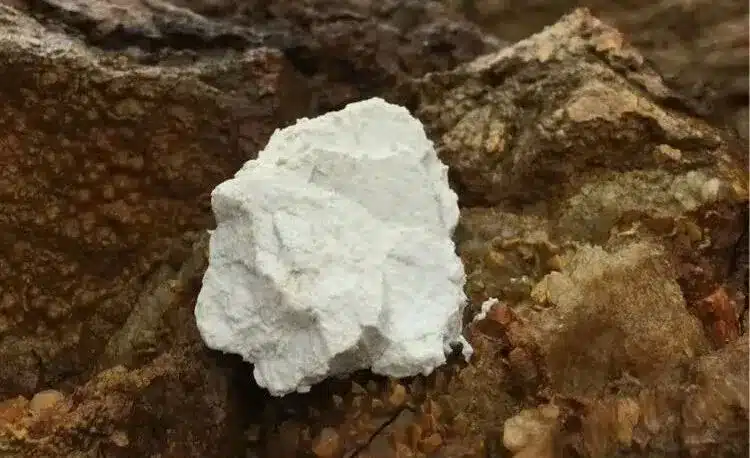
Kaolin, topraksı bir kokuya ve kararlı kimyasal özelliklere sahip, beyaz veya soluk sarı bir tozdur. Cilde iyi yapışır, sebum üretimini engeller ve teri emer. Genellikle kokulu pudralarda, sıkıştırılmış pudralarda ve temizlik ürünlerinde kullanılır.
(3) Mika
Mika, sürekli katmanlı silikat yapısına sahip, açık gri, pullu kristal toz halinde görünen, karmaşık hidratlı alüminosilikatlar grubunu ifade eder. Mika tozu iyi kimyasal kararlılığa ve güçlü yapışma özelliğine sahiptir. Ayrıca orta derecede parlaklık ve yumuşaklık, iyi örtücülük ve dağılabilirlik sunarak kozmetik formülasyonlara iyi karışır ve ürün dokusunu ve görünümünü iyileştirir.
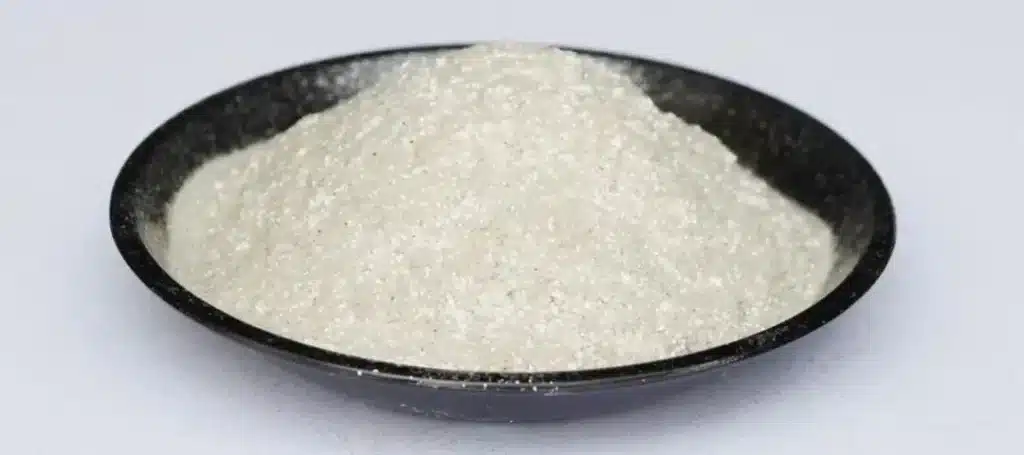
Özel işlemlerden geçirilerek üretilen sentetik mika, renkli kozmetik ürünlerinin beyazlığını, parlaklığını ve kalıcılığını artırır ve ağırlıklı olarak parfümlü pudralarda, sıkıştırılmış pudralarda, allık ve fondötenlerde kullanılır.
(4) Silika
Bunlara mikrokristalin silika, çöktürülmüş silika, dumanlı silika ve silika jel tozu dahildir.
Çökeltilmiş silika, genellikle güçlü kayganlık, yağ emme ve adsorpsiyon özelliklerine sahip ve kararlı kimyasal özellikler gösteren beyaz bir tozdur. Genellikle göz farı, diş macunu ve kozmetik hammaddelerinin modifikasyonunda kullanılır.
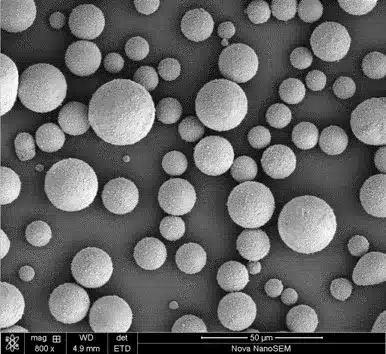
Küresel silika tozu, iyi akışkanlığa ve geniş özgül yüzey alanına sahip olduğundan ruj, sıkıştırılmış pudra ve fondöten kremi gibi ürünlerde kullanıma uygundur.
(5) Montmorillonit
Montmorillonit, cilt gözeneklerindeki makyaj kalıntılarını, kirleri ve fazla yağı etkili bir şekilde temizler ve emer, aşırı geniş gözenekleri sıkılaştırır, ölü hücrelerin dökülmesini ve peelingi hızlandırır ve cilt tonunu iyileştirmek için melanini açar.
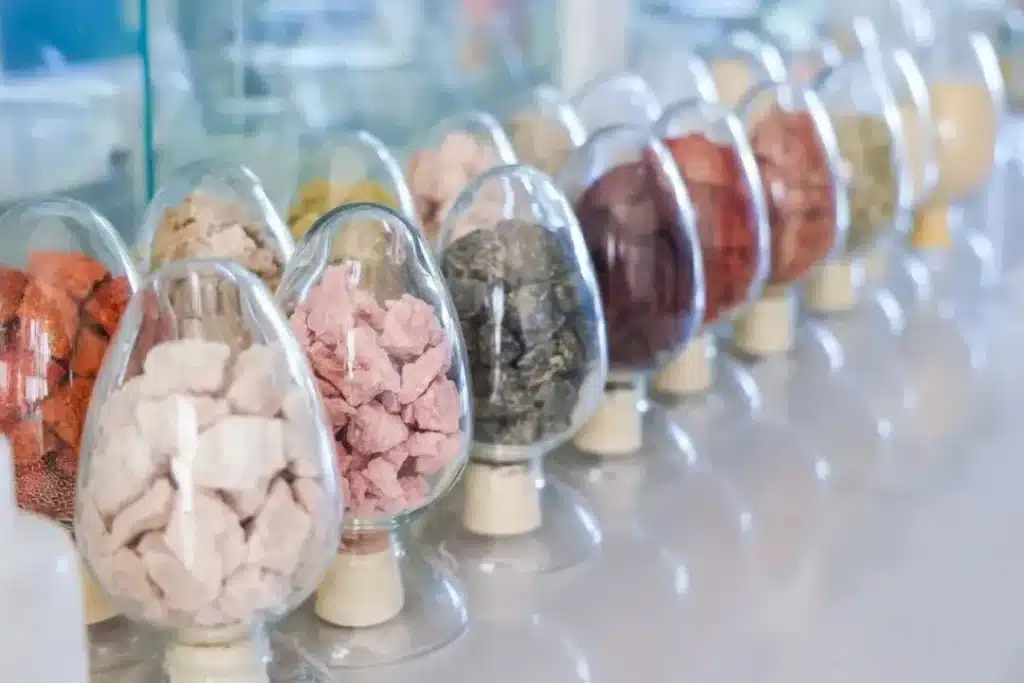
Kozmetik ürünlerde kullanılacak montmorillonit seçimi, beyazlık, ağır metal içeriği ve incelik açısından belirli gereksinimlere tabidir. Uygun montmorillonit, kozmetik macun bileşenlerinde (kıvam artırıcı, süspansiyon, emülsiyonlaştırıcı), yüz maskelerinde ve nemlendirici krem bazlarında (temizleyici, detoksifiye edici, kaşıntı giderici, güzelleştirici ve nemlendirici) kullanılabilir.
(6) Kalsiyum Karbonat
Kalsiyum karbonat, esas olarak kokulu pudralar, sıkıştırılmış pudralar, allık ve bebek pudrası gibi kozmetik ürünlerde kullanılır. Talkın parlaklığını giderir, iyi emiciliğe sahiptir ve ayrıca kokular için karıştırıcı görevi de görebilir.
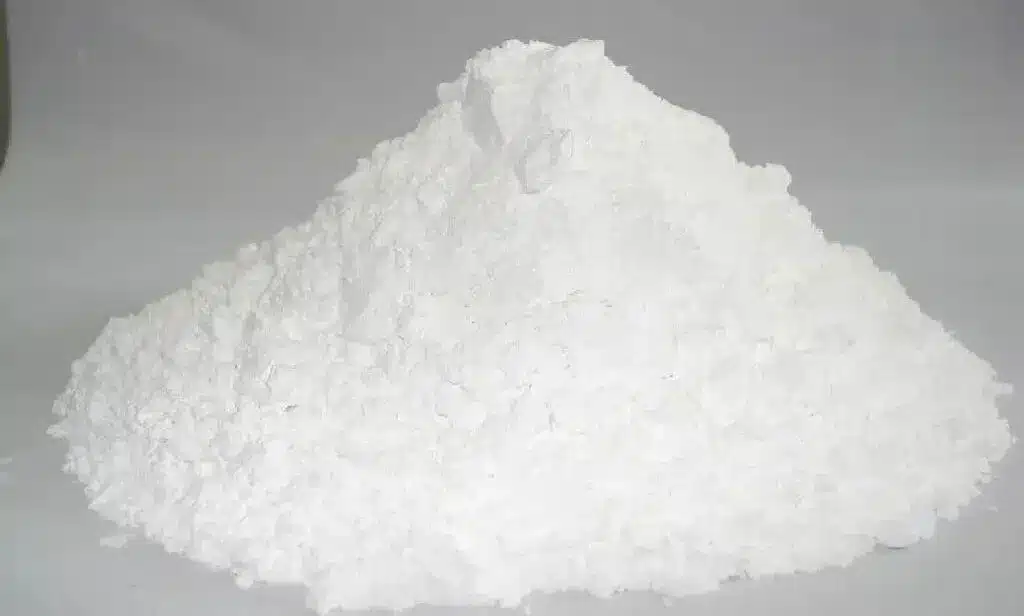
Kalsiyum karbonat, cilt bakım ve kozmetik ürünlerinin akışkanlığını ve viskozitesini iyileştirebilir ve pH değerini ayarlayabilir. Ayrıca, ürün dokusunu ve stabilitesini sağlamak için kozmetik ürünlere viskozite düzenleyici bir bileşen olarak eklenebilir.
(7) Magnezyum Karbonat
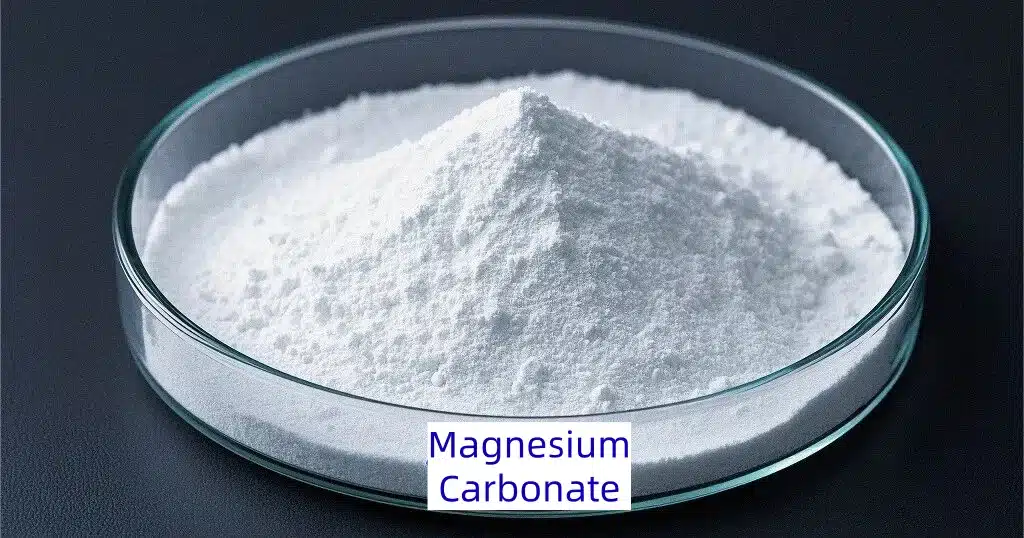
Magnezyum karbonat, öncelikle kokulu tozlar ve sıvı tozlar gibi kozmetik ürünlerde emici madde olarak kullanılır. Güçlü emiciliğe sahip olup, 1'lik bir güvenlik risk faktörüne sahiptir, nispeten güvenli kabul edilir ve genellikle hamile kadınlar üzerinde herhangi bir etkisi yoktur. Bununla birlikte, aşırı kullanım cilt lipidlerini emebilir ve kuruluğa neden olabilir, bu nedenle dozaj genellikle 15%'yi geçmemelidir. Toz kozmetik ürünlerin üretiminde, koku genellikle diğer bileşenlerle karıştırılmadan önce emilim için magnezyum karbonat ile eşit şekilde karıştırılır.
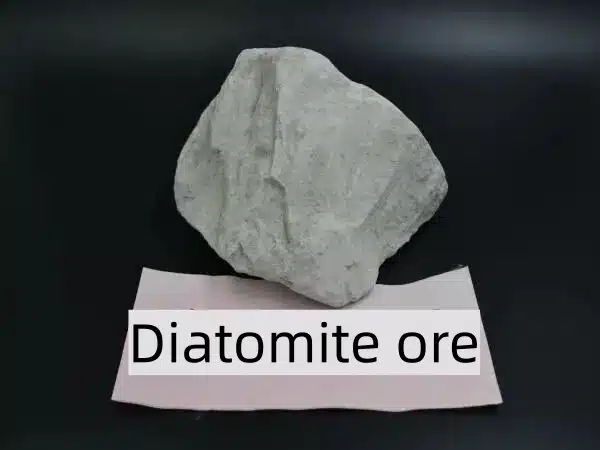
(8) Diyatomlu Toprak
Gözenekli yapısı ve yüksek yağ emme özelliğiyle ucuz bir pudra dolgu maddesidir. Başlıca kozmetik ürünlerdeki çeşitli pudra ve sıkıştırılmış pudralarda kullanılır ve yüz maskelerinde de kullanılabilir.
(9) Turmalin
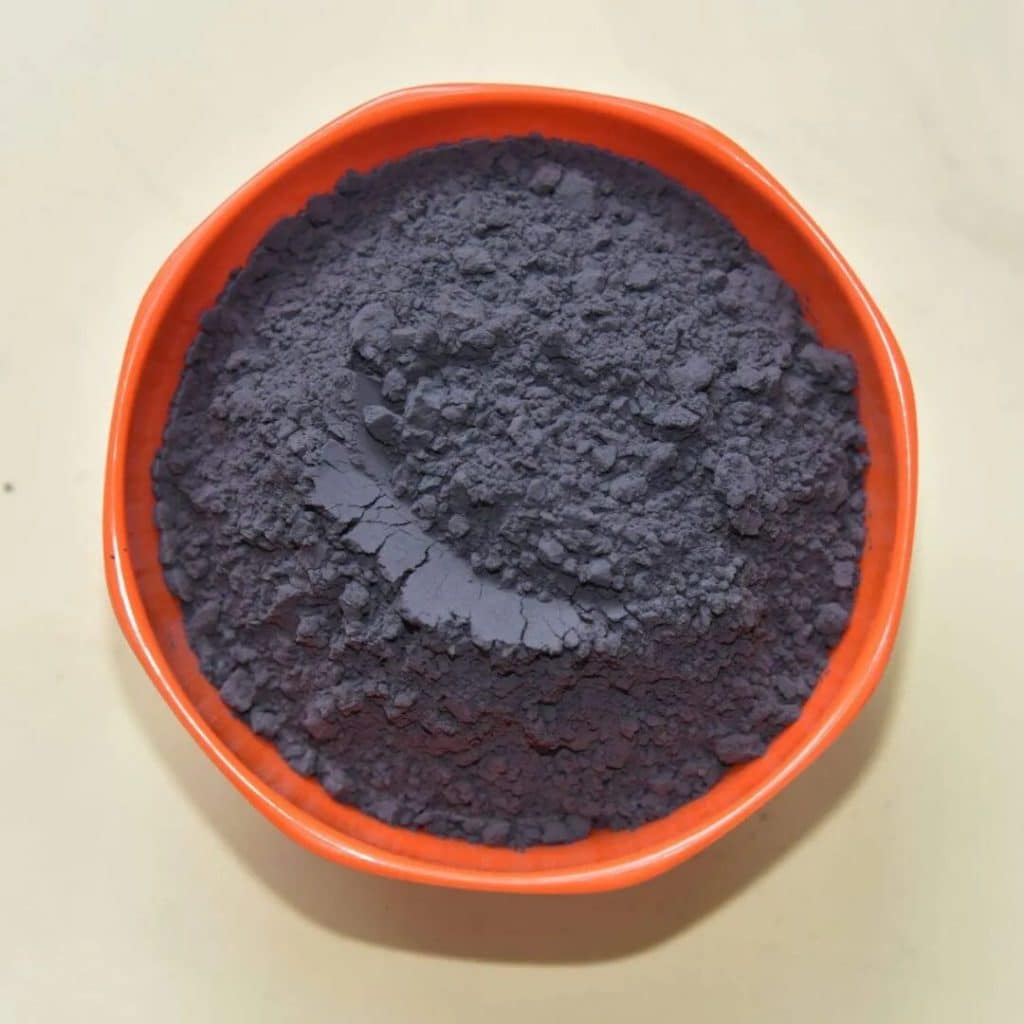
Turmalin sadece çeşitli renklerde bulunmakla kalmaz, aynı zamanda piroelektrik ve piezoelektrik özelliklere sahip eşsiz bir mineraldir. Çalışmalar, kozmetik ürünlere turmalin eklemenin cildin ürünü emilimini artırmaya yardımcı olabileceğini öne sürüyor. L'Oréal bir zamanlar "nadir turmalinle zenginleştirilmiş" olduğunu iddia ettiği bir gece kremi piyasaya sürmüştü.“
(10) Bor Nitrür
Bor nitrür (BN), grafitinkine benzer katmanlı bir yapıya sahip, saf beyaz renkte, ancak karbon atomlarının yerini bor ve azot atomlarının aldığı inorganik bir bileşiktir. Kozmetik amaçlı kullanılan altıgen bor nitrür tozunun ortalama parçacık boyutu, ticari isme ve kaliteye bağlı olarak değişmekle birlikte genellikle 1 ila 47 µm arasında değişmektedir.
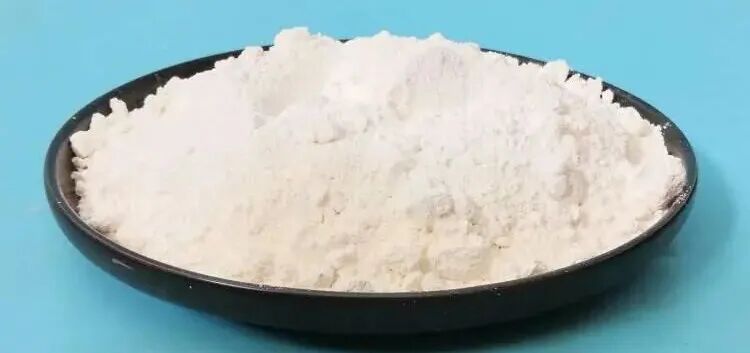
Bor nitrür, kozmetik ürünlerde kayganlık düzenleyici, beyazlatıcı ve parlatıcı görevi görür. Kayganlığı, cilt uyumluluğunu ve beyazlatma/parlatma etkilerini önemli ölçüde artırır. Sıkıştırılmış pudra gibi neredeyse tüm kozmetik endüstrisi ürünlerinde bir bileşen olarak kullanılır., pudra, fondöten, göz kalemi, göz farı, allık, ruj, ve çok sayıda cilt bakım ürünü.
İstatistiklere göre, Kozmetik Gönüllü Kayıt Programı kapsamında bor nitrür 643 kozmetik formülasyonunda kullanılmaktadır. En yüksek kullanım yoğunluğu göz farı ürünlerinde görülmektedir.
(11) Alüminyum Oksit
Alüminyum oksit, kozmetikte esas olarak aşındırıcı ve kıvam arttırıcı olarak kullanılır. Ayrıca, allık, fondöten, ruj ve yüz temizleyicilerinde yaygın olarak kullanılan, topaklanmayı önleyici ve emici madde görevi de görebilir.
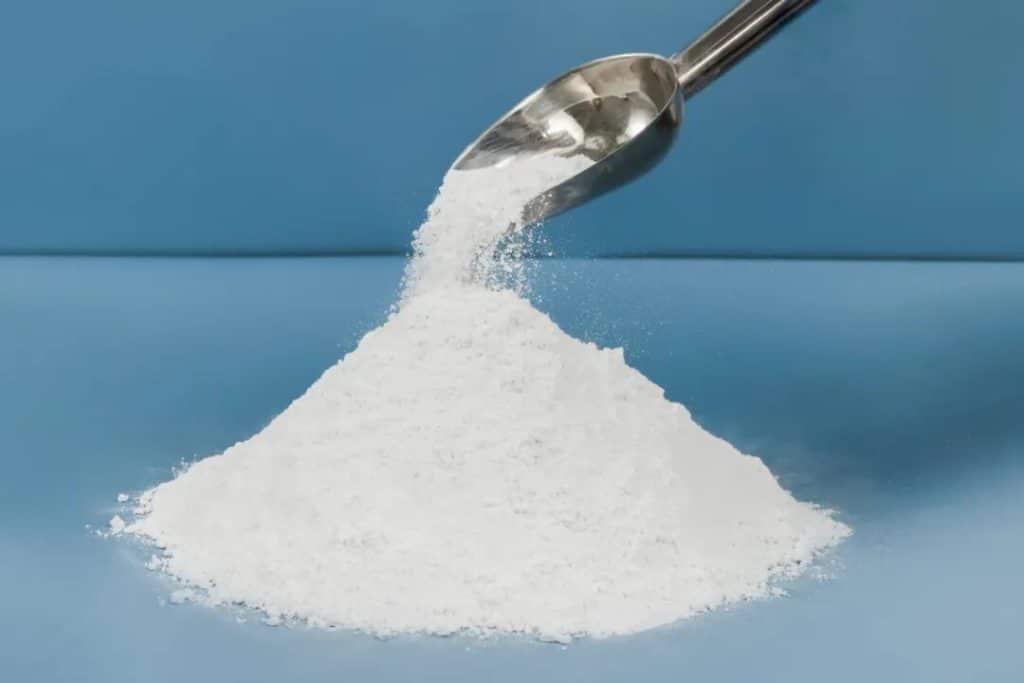
Ayrıca, alüminyum oksit, mineral pigmentler için çözünmeyen bir taşıyıcı görevi görebilir ve genellikle mineral makyaj ürünlerinde tozlarla karıştırılır. Aşındırıcı yapısı nedeniyle, bu kristaller sıklıkla peeling ve cilt gençleştirme işlemlerinde, özellikle mikrodermabrazyonda kullanılır.
(12) Hidroksiapatit
Ultra ince hidroksiapatit tozu, peeling etkili temizleyicilerde mikro partikül aşındırıcı olarak kullanılabilir ve cilde zarar vermeden ölü deri hücrelerini uzaklaştırmaya yardımcı olur. Ayrıca, fondöten ve gevşek pudra gibi makyaj ürünlerinde, pudranın pürüzsüzlüğünü ve yapışmasını artırmak için genellikle hacim artırıcı ve doku düzenleyici olarak kullanılır. Optik özellikleri ayrıca ışığı dağıtarak, ince çizgileri ve kusurları görsel olarak bulanıklaştıran "yumuşak odak" etkisi yaratır.
(13) Çinko Oksit
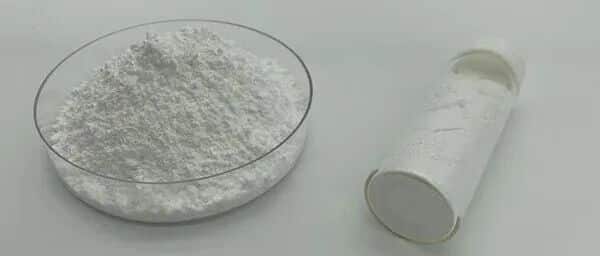
Çinko oksit, beyaz, kokusuz, tatsız, homojen doku ve partikül boyutuna sahip, kimyasal olarak nispeten kararlı, kolay dağılan bir tozdur; bu da ince, pürüzsüz, yumuşak ve güçlü yapışma özelliğine sahip ürünler elde edilmesini sağlar.
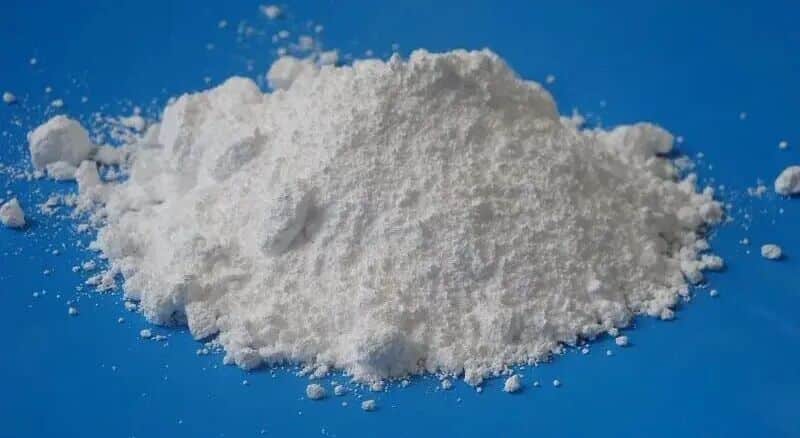
Çinko oksit, UV ışınlarını emme ve yansıtma yeteneğine sahip mükemmel güneş koruyucu özelliklere sahiptir. "Kozmetik Güvenlik ve Teknik Standartları (2015 Baskısı)"nda izin verilen iki inorganik güneş koruyucu maddeden biri olarak, izin verilen maksimum konsantrasyonu organik güneş koruyuculardan çok daha yüksektir ve 25%'ye ulaşır. Başlangıçta, çinko oksit büyük parçacık boyutlarına ve zayıf dağılabilirliğe sahipti, bu da belirgin bir beyazlık bırakıyordu, ancak teknolojik gelişmeler nano çinko oksiti ortaya çıkararak bu sorunu kademeli olarak çözdü. Ek olarak, çinko oksit güçlü renklendirme gücüne, kapatıcılığa ve bazı yardımcı antibakteriyel etkilere sahip olduğundan güneş kremi, fondöten, BB krem vb. için uygundur.
(14) Titanyum Dioksit
Kimyasal formülü TiO₂ olan titanyum dioksit, çinko oksit gibi kokusuz, tatsız beyaz bir tozdur. "Kozmetik Güvenlik ve Teknik Standartları (2015 Baskısı)"nda izin verilen maksimum konsantrasyonu 25% olup, pratik uygulamalarda ağırlıklı olarak rutil formu kullanılmaktadır.
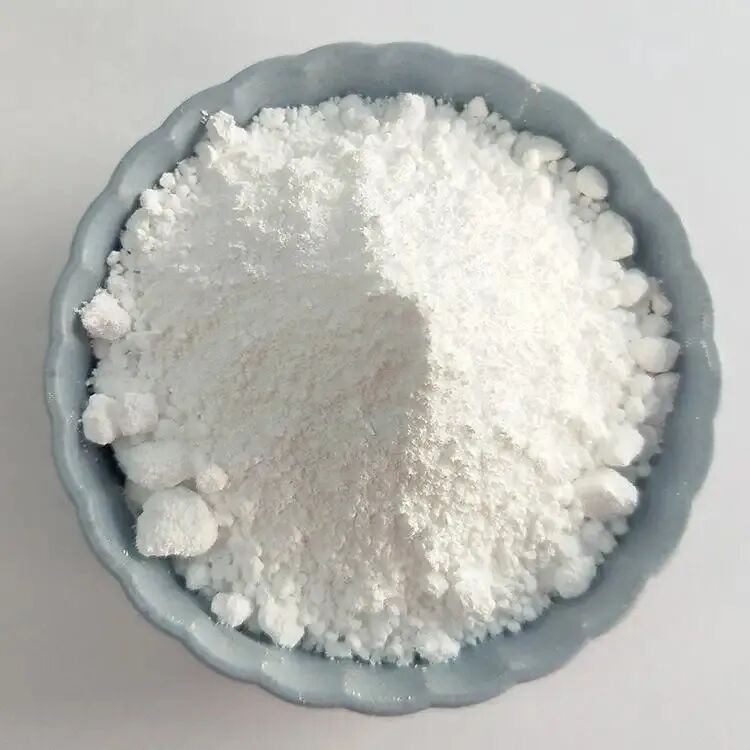
Güneş koruyucu ürünlerin popülaritesiyle birlikte nano titanyum dioksit kullanımı da artmıştır. Bununla birlikte, küçük parçacık boyutu nedeniyle, genellikle stabilitesini ve dağılabilirliğini artırmak için yüzey işlemine ihtiyaç duyan bazı fotokatalitik aktivite gösterir. Renkli kozmetik ürünlerine az miktarda titanyum dioksit eklemek, cildi beyazlatabilir, cilt tonunu eşitleyebilir ve kusurları gizleyebilir. Genellikle güneş kremlerinde, fondötenlerde ve sıkıştırılmış pudralarda kullanılır.
(15) Demir Oksitler
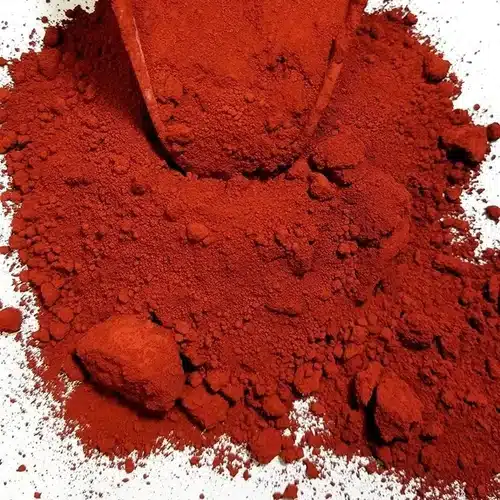
Demir oksitler, demir oksit kırmızısı (CI 77491), sarı (CI 77492), siyah (CI 77499) ve kahverengi (CI 77491, 77492, 77499) dahil olmak üzere kozmetik hammaddelerinin önemli bir kategorisini oluşturur. Hepsi demir oksittir ancak bileşim, yapı, tür ve hazırlama yöntemi bakımından farklılık gösterirler. Bu inorganik pigmentler iyi renklendirme gücü, örtücülük, dayanıklılık ve ışık stabilitesine sahiptir ve allık ve ruj gibi renkli kozmetiklerde yaygın olarak kullanılır.
(16) Ultramarin
Ultramarin (CI 77007), bulut mavisi, Buda mavisi veya oryantal mavi olarak da bilinir ve çerçeve silikat yapısına aittir. Zehirli olmayan, zararsız, kırmızımsı mavi tonlu inorganik bir pigmenttir; bu özel kırmızı-mavi tonu, diğer pigmentlerle karıştırılarak elde edilemez.
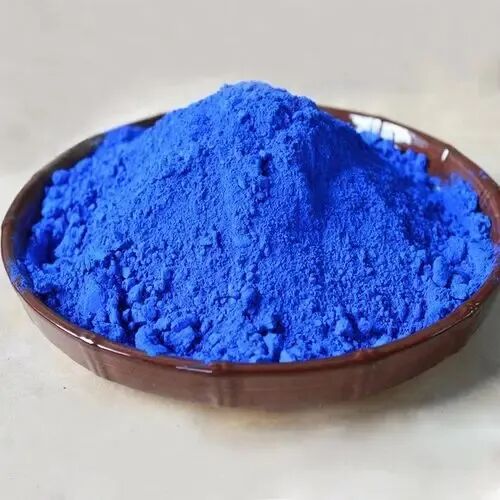
Tarihsel olarak, ultramarin kükürt, kil, kuvars ve karbon karışımının kalsinasyonuyla elde ediliyordu, ancak günümüzde daha yaygın olarak sentetik olarak üretiliyor. Sentetik ultramarin yüksek saflık, güçlü renklendirme gücü ve renk kalıcılığı sunar ve göz farı, ruj ve allık gibi renkli kozmetik ürünlerinde yaygın olarak kullanılır.
(17) Manganez Moru
Manganez moru (CI 77742), canlı rengini üç değerlikli manganez iyonlarından alan bir tür mor tozdur. Manganez kaynağı olarak genellikle potasyum permanganat, manganez oksit veya manganez karbonat kullanılır.
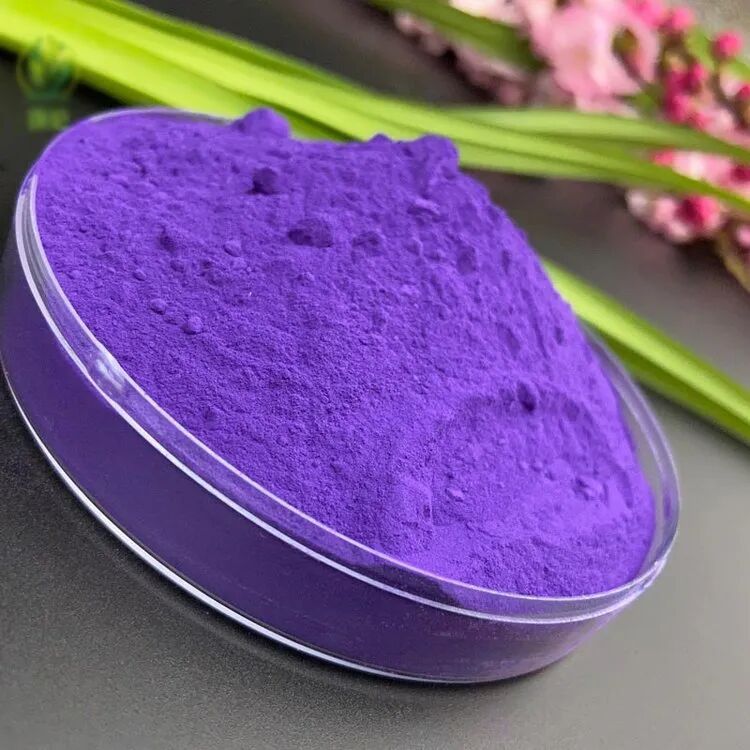
Manganez moru, kırmızı alt tonlu, ışığa ve ısıya dayanıklı, parlak ve zengin bir renge sahiptir. Başlıca göz farı, eyeliner vb. kozmetik ürünlerinde gerekli kırmızı-mor tonunu sağlamak için kullanılır. Ayrıca kırmızı-mor tonları gerektiren diğer alanlarda da kullanılabilir.
(18) Karbon Siyahı
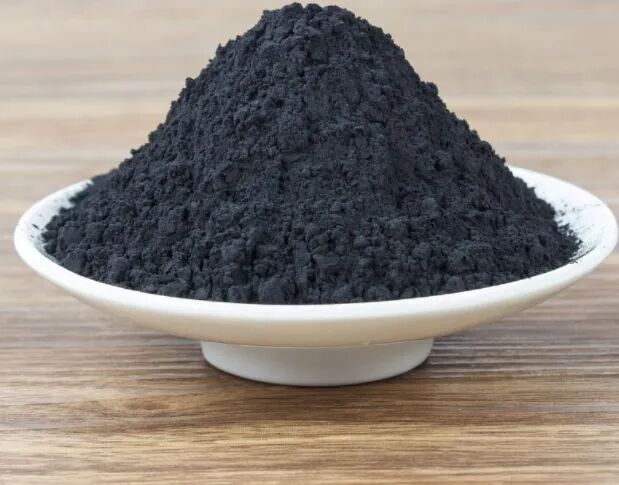
Karbon siyahı, güçlü renklendirme ve kapatma gücüne sahip olup, göz farı, kaş kalemi ve tiyatro makyajı gibi siyah kozmetik ürünlerinde yaygın olarak kullanılmaktadır. Ayrıca, karbon siyahı beyazlatıcı ve güneş koruyucu etkilere de sahip olup, kozmetik endüstrisi için daha fazla olanak sunmaktadır.
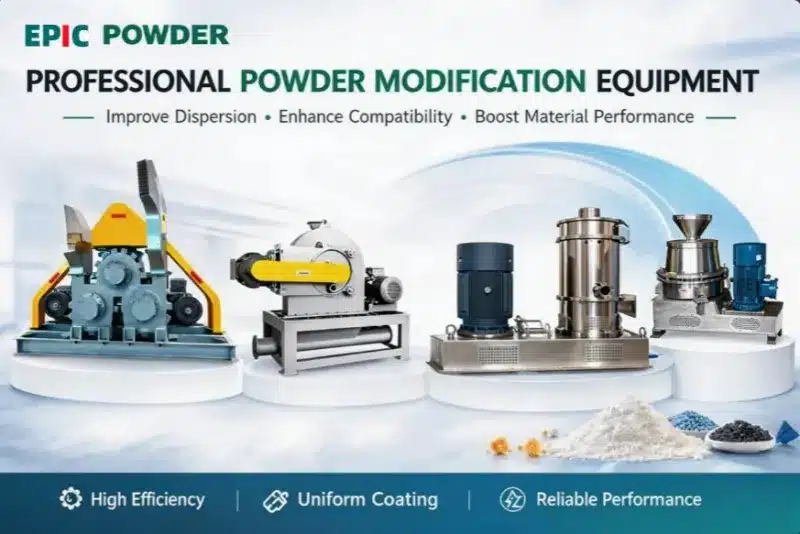
Destansı Toz
Toz işleme süreçlerinde tutarlılık ve kontrol arayan üreticiler için, Destansı Toz Jet Mill, en üst düzey çözümü temsil eder. Epic'in Jet Mill teknolojisi, yüksek performanslı kozmetik ürünler için kritik öneme sahip, ince öğütülmüş ve dar dağılımlı inorganik tozların üretiminde mükemmeldir. Jet Mill'in avantajları arasında üstün partikül boyutu kontrolü, minimum kirlenme riski, artırılmış ürün saflığı ve ısıya duyarlı malzemeleri etkili bir şekilde işleme yeteneği yer almaktadır. Epic Toz Jet Öğütme sistemlerini kullanarak, üreticiler günümüzün zorlu kozmetik standartlarının gerektirdiği olağanüstü pürüzsüzlük, yapışma ve optik özelliklere ulaşabilirler. Bu, nihai ürünlerinin piyasada öne çıkmasını sağlar.