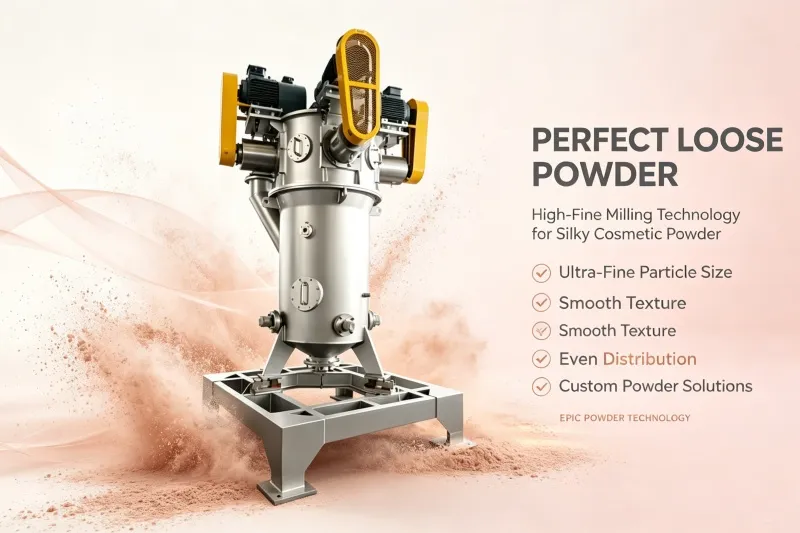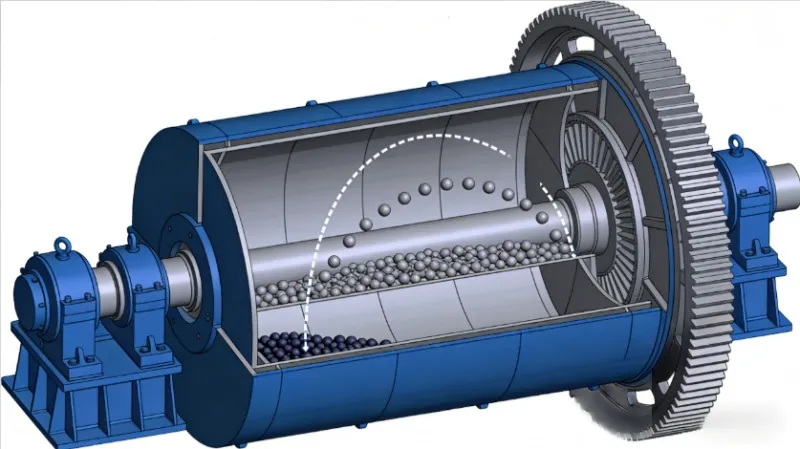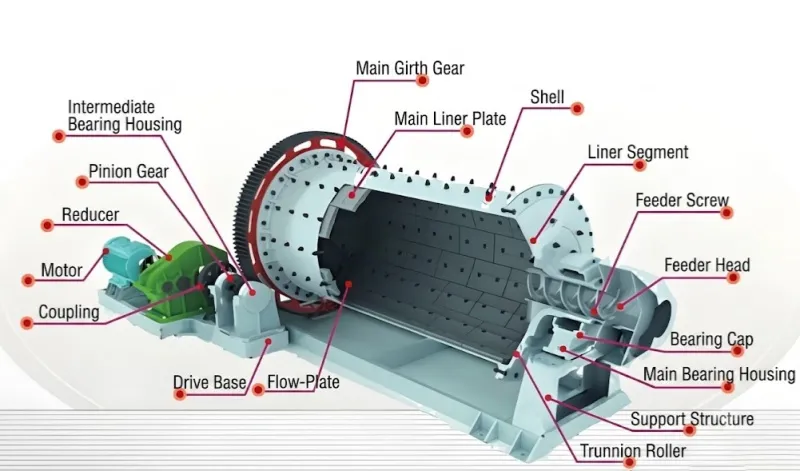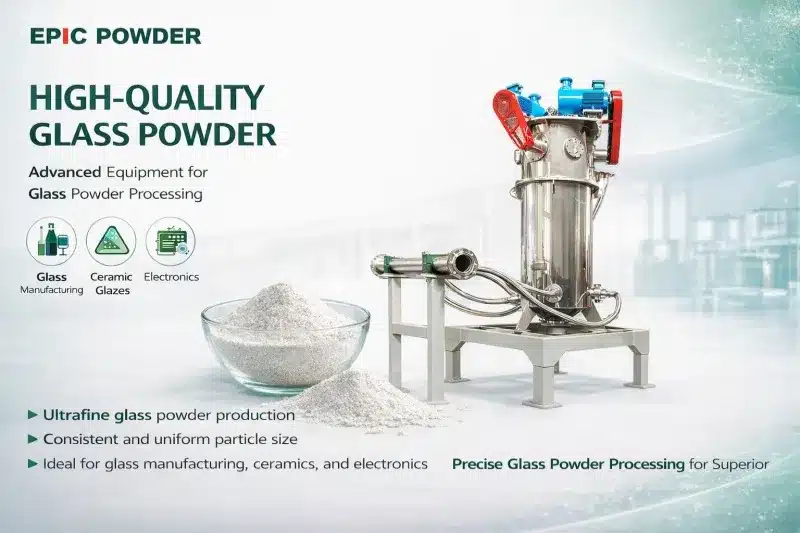
Modifiye plastikler, genel amaçlı plastiklerden ve mühendislik plastiklerinden elde edilen plastik ürünleri ifade eder. Dolgu, karıştırma ve takviye gibi fiziksel veya kimyasal modifikasyon işlemlerinden geçirilmişlerdir. Bu işlemler, alev geciktiricilik, mukavemet, darbe direnci ve tokluk gibi özellikleri önemli ölçüde iyileştirir. Bu modifikasyonlar, plastik bileşenlerin nihai üreticilerin performans gereksinimlerini karşılamasını sağlar. Ayrıca hafiflik, zengin renk seçenekleri ve mükemmel kalıplanabilirlik gibi avantajlar da sunarlar. Epic Powder Machinery, ultra ince öğütme ve hassas sınıflandırma çözümlerinin önde gelen küresel sağlayıcısıdır. Gelişmiş jet değirmeni ve hava sınıflandırıcı değirmen sistemlerimizle yüksek kaliteli polimer ve fonksiyonel tozların üretilmesine yardımcı oluyoruz.
Araştırmalar, içten yanmalı motorlu araçlar için, boş ağırlıktaki her 101 tonluk azalmanın yakıt tüketimini 6-81 ton azaltabileceğini ve emisyonları yaklaşık 41 ton düşürebileceğini göstermektedir. Elektrikli araçlar için ise, araç kütlesindeki her 10 kg'lık azalma sürüş menzilini yaklaşık 2,5 km artırabilir. Maliyet-performans oranı, ağırlık azaltma etkisi ve mükemmel kapsamlı özellikler, Modifiye plastikler, otomotiv sektöründe önemli bir malzeme haline gelmiştir.
Araç başına kullanım açısından Almanya, ortalama 340-410 kg modifiye plastik kullanımıyla (araç plastik içeriğinin 251.000 tonun üzerinde) dünya lideri konumunda. Çin'de ise bu rakam, araç başına sadece 160 kg olup, kullanım oranı yalnızca 131.000 ton civarındadır. Bu, Amerika Birleşik Devletleri'nde görülen 250-310 kg'lık rakamdan önemli ölçüde daha düşüktür. Otomotiv uygulamalarında en yaygın kullanılan modifiye plastikler PP, PUR, PA, PVC, ABS ve PC'dir. PP, PA ve ABS çeşitlilik ve hacim bakımından öne çıkmaktadır.
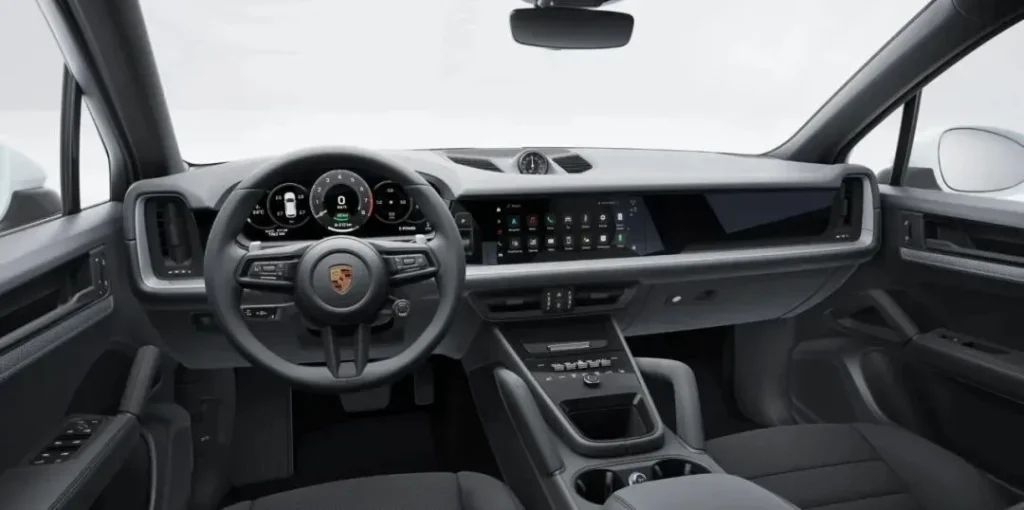
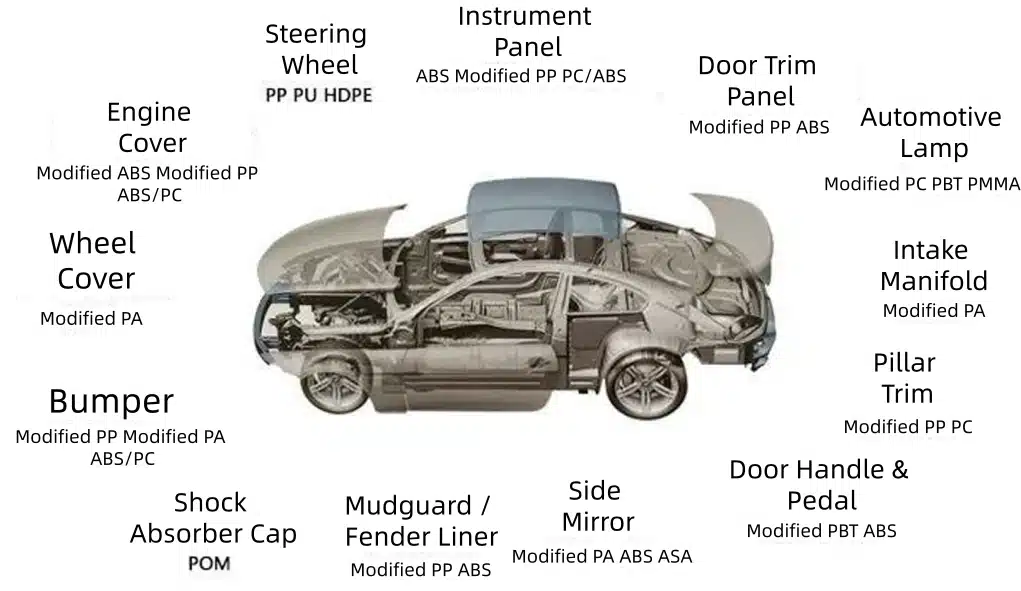
Modifiye plastikler, iç ve dış döşeme parçalarında, yapısal bileşenlerde ve fonksiyonel parçalarda yaygın olarak kullanılmaktadır. İç parçalar arasında orta konsollar, gösterge panelleri ve dekoratif paneller; dış parçalar arasında ızgaralar, tamponlar ve trim şeritleri yer almaktadır. Yapısal parçalar arasında ön modüller ve direk çerçeveleri bulunmaktadır. Fonksiyonel parçalar arasında farlar, emme manifoldları ve yakıt depoları yer almaktadır.
Otomotiv Modifiye Polipropilen (PP)
PP, mevcut en hafif plastiktir (yoğunluk 0,89–0,91 g/cm³) ve performans ile maliyet arasında mükemmel bir denge sunar. Otomobiller için ideal bir hafif malzemedir. 60'tan fazla otomotiv bileşeni modifiye edilmiş PP'den üretilmektedir; tamponlar, gösterge panelleri, kapı iç panelleri ve klima bileşenleri, toplam otomotiv PP tüketiminin 601.000 tondan fazlasını oluşturmaktadır.
Tipik modifikasyon örnekleri ve uygulamaları:
① Sertleştirilmiş ve güçlendirilmiş PP, elastomerlerin (EPDM veya POE) ve inorganik dolgu maddelerinin (talk, kalsiyum karbonat, kaolin vb.) birleştirilmesiyle üretilir. Tamponlar ve gösterge panelleri gibi büyük, yüksek darbe dayanımlı parçalarda yaygın olarak kullanılır. Yeni Škoda Scala, gösterge paneli, torpido gözü ve orta konsolunda Borealis'in yeni geliştirdiği düşük yoğunluklu iç mekan sınıfı PP Daplen EE058AI'yi (10% talk dolgulu ve elastomer modifiye edilmiş) kullanıyor ve bu sayede 6,5% ağırlık azalması sağlarken düşük koku, düşük emisyon ve düşük buğulanma özelliği sunuyor.
② Uzun cam elyaf takviyeli PP (LGFPP, elyaf uzunluğu 10–25 mm), metallere ve termoset kompozitlere kıyasla üstün sürünme direnci ve –501T ağırlık azalması sunar. Genellikle ön uç modülleri, gösterge paneli taşıyıcıları, akü tepsileri, koltuk iskeletleri ve kapı modülleri için kullanılır. Tamamen plastik ön uç modülleri, birden fazla metal parçayı tek bir enjeksiyon kalıplı bileşene entegre ederken ağırlığı –401T azaltabilir.
③ Enjeksiyon köpürtme, şişirme köpürtme veya ekstrüzyon köpürtme gibi kimyasal köpürtme ajanları ve işlemleriyle üretilen mikro hücreli köpüklü PP, 80–350 μm hücreler oluşturur ve parça ağırlığını 10–201 TP3T (metale kıyasla 501 TP3T'den fazla) azaltır. SABIC, iç parçalar için yüksek yüzey kalitesini korurken ağırlığı önemli ölçüde azaltan ve 151 TP3T'den fazla karbon emisyonu azaltımı sağlayan köpüklü mineral dolgulu PP kalitelerini (PPc F9005, F9007, F9015) piyasaya sürmüştür.
④ Çizilmeye dayanıklı PP, silikon veya amid bazlı maddeler eklenerek elde edilir. Zhejiang Javachem tarafından geliştirilen özel fonksiyonel gruplara sahip yüksek performanslı ultra yüksek moleküler ağırlıklı silikon olan Javachem HG, Volkswagen, GM, Toyota ve diğer OEM'ler tarafından onaylanmıştır. PP iç parçalarına uzun süreli çizilme direnci sağlar, yüksek sıcaklık ve ışık maruziyeti altında yapışkanlığı ve sararmayı ortadan kaldırır ve gerilme kaynaklı beyazlamayı önler.
| Plastik Malzeme | Yoğunluk (g/cm³) | Temel Avantajlar | Başlıca Sınırlamalar | Tipik Uygulamalar |
| PP | 0.9~0.91 | Hafif, Düşük Maliyetli, İyi İşlenebilirlik | Düşük Sıcaklıkta Kırılganlık, Zayıf Hava Koşullarına Dayanıklılık | Tampon, Gösterge Paneli, Saklama Kutusu |
| ABS | 1.05~1.1 | Mükemmel Yüzey İşlemesi, İyi Boyutsal Stabilite | Zayıf Hava Koşullarına Dayanıklılık, Düşük Isı Direnci | Kaplamalı Parçalar, Gösterge Paneli Kapakları, Kontrol Panelleri |
| PC/ABS | 1.1~1.2 | Dengeli ve Kapsamlı Özellikler, Yüksek Isı Direnci | Nispeten Yüksek Maliyet | Üst Düzey Gösterge Panelleri, Hava Yastığı Kapakları |
| POM | 1.41~1.42 | Yüksek Aşınma Direnci, Mükemmel Mekanik Özellikler | Sınırlı Sıcaklık Dayanımı, Yüksek Büzülme | Geçmeli bağlantılar, Dişliler, Kilit Bileşenleri |
| PE | 0.91~0.96 | İyi Düşük Sıcaklık Direnci, Mükemmel Kimyasal Kararlılık | Düşük Isı Direnci, Düşük Mekanik Mukavemet | Yakıt Depoları, Zemin Paspasları, Soğutma Boruları |
| ASA | 1.05~1.1 | Mükemmel Hava Koşullarına Dayanıklılık, Yüksek Darbe Dayanımı | Nispeten Yüksek Maliyet, Orta Derecede Yapışma | Ayna Muhafazaları, Pencere Çerçeveleri |
| PA6 | 1.13~1.15 | Yüksek Mekanik Mukavemet, Aşınma ve Yağa Karşı Direnç | Yüksek Su Emme Özelliği, Zayıf Asit Direnci | Emniyet Kemeri Bileşenleri, Dişliler, Izgaralar |
Genel Mühendislik Plastikleri (Isıya Dayanıklılık ≤150°C) | Özel Mühendislik Plastikleri (Isıya Dayanıklılık >150°C)
Giderek artan performans ve çevresel gereksinimlerle birlikte, otomotiv PP'si "üç yüksek ve bir düşük" ilkesine doğru ilerliyor: yüksek akışkanlık (MFR > 20 g/10 dk), yüksek modül (> 1800 MPa), yüksek darbe dayanımı (> 25 kJ/m²) ve düşük TVOC emisyonları.
Otomotiv Modifiye Poliamid (PA)
PA, mükemmel mekanik özellikler, ısı direnci, aşınma direnci, kimyasal direnç ve kendi kendini yağlama özelliği sunar. PA6 ve PA66, otomotiv PA'sının büyük çoğunluğunu oluşturur ve küresel PA6/PA66 üretiminin yarısından fazlası araçlarda kullanılır.
Tipik örnekler:
① 20–40% cam elyaf takviyeli PA66 (PA66/GF), 310 MPa'ya kadar eğilme dayanımı, yaklaşık 25,4 kJ/m² çentikli darbe dayanımı ve düşük kalıplama büzülmesi (0,3%) değerlerine sahiptir. Motor kapakları, emme manifoldları ve radyatörler gibi kaput altı bileşenlerinde yaygın olarak kullanılır.
② Halojen/antimon trioksit sinerjik sistemleri, PA6'nın UL94 V-0 alev geciktiricilik seviyesine ulaşmasını sağlayarak, onu elektrikli araç batarya muhafazaları, braketleri ve kapakları için uygun hale getirir.
③ Düşük su emme özelliğine sahip, yüksek mukavemetli, polimerler veya nano dolgu maddeleri (montmorillonit, silika) ile modifiye edilmiş PA11/PA12, yakıt ve fren hidroliği hatları için idealdir.
Mevcut Ar-Ge çalışmaları, katı güvenlik ve çevre standartlarını karşılarken daha fazla metal parçanın yerini alacak yüksek akışlı, yüksek ısıya dayanıklı, halojen içermeyen alev geciktirici PA'ya odaklanmaktadır.
| Plastik Türleri | Tip Özellikleri | Uygulamalar (Parçalar) |
| PP | Yüksek kristalinite, düzenli yapı, mükemmel mekanik özellikler, kimyasal kararlılık vb. | Tampon kaplaması, kapı eşiği koruma plakası, bagaj kapağı örtüsü, A/B/C sütun kaplaması, kapı paneli, orta konsol çerçevesi, koltuk koruyucu, gösterge paneli çerçevesi vb. |
| PU | Isı yalıtımı, ses yalıtımı, esneklik, aşınma direnci, yağ direnci ve su direnci gibi mükemmel özelliklere sahiptir. | Tavan döşemesi, direksiyon simidi, gösterge paneli, ön konsol ve iç döşeme, motor ses yalıtım malzemesi. |
| ABS, ABS/PC Alaşımı | Otomotiv boyamasında yaygın olarak kullanılan, plastik yüzey kaplaması için yüksek dayanıklılık ve korozyon direnci özelliklerine sahip bir malzeme. | Direksiyon simidi, kapı kolu, vites topuzu, orta konsol, ön ızgara vb. |
| Bilgisayar | İyi şeffaflık, mekanik özellikler ve hava koşullarına dayanıklılık; kolay boyanabilir ve işlenebilir. | Far kapağı, lamba kapağı, yan cam, panoramik açılır tavan vb. |
| PE | Yüksek dayanıklılığa sahip olup, genellikle otomobillerde şeffaf güvenlik bileşenlerinin üretiminde kullanılır. | Şişirme kalıplama yöntemiyle üretilen boru hatları, yakıt depoları vb. |
| PA | Mükemmel düşük sıcaklık direnci, iyi kimyasal kararlılık, kolay modifiye edilebilirlik vb. | Emme memesi, eksantrik mili kapağı, yağ karteri, emme manifoldu vb. |
| PBT | Yüksek mekanik dayanım ve elastikiyet modülü, nispeten düşük darbe dayanımı, iyi genel mekanik dayanım, ısı direnci vb. | Yüksek mukavemet, olağanüstü kimyasal direnç, ısı direnci ve mükemmel elektriksel özellikler; yüksek kristal yapısı ve yüksek erime noktası. |
Otomotiv Modifiye ABS
ABS, toplam otomotiv plastiklerinin yaklaşık ,3 tonunu oluşturur ve tasarım esnekliği, kaplama, boyama ve kaynak kolaylığı sayesinde iç/dış döşeme ve yapısal parçalarda yaygın olarak kullanılır.
Tipik alaşım örnekleri:
① ABS/PC: mükemmel akış, düşük sıcaklık darbe dayanımı ve ısı direnci → gösterge paneli taşıyıcıları, trim şeritleri, ızgaralar
② ABS/PA: düşük yoğunluk, yüksek dayanıklılık, ısı direnci → havalandırma delikleri, gösterge panelleri, dış parçalar
③ ABS/PVC: iyi düşük sıcaklık darbe dayanımı ve alev geciktiricilik → gösterge panelleri, kapı contaları
④ ABS/PBT: üstün boyutsal kararlılık ve kimyasal direnç → gösterge panelleri ve tamponlar gibi büyük parçalar
| Öğe | Bileşen | Otomotivde Yaygın Kullanılan Plastikler |
| Dış Parçalar | Başlıca tamponlar (ön/arka, iç kaplama), yan etekler, koruma şeritleri, çamurluk iç kaplamaları, jant kapağı kaplamaları, marşpiyeller, radyatör ızgaraları, plaka panelleri vb. parçaları içerir. | Tampon: ABS, Modifiye PP, PC/ABS Dış Dikiz Aynası: ASA, Modifiye PP, Güçlendirilmiş PA6, TPE Lens: Modifiye PC, PMMA Far Çerçevesi: PC, PBT, PBT/PET Far Muhafazası: PP+T40, PP+T20 Far Merceği (Projektör): Çizilmeye Dayanıklı PC Far Reflektörü: PC, PBT, PPS, BMC Arka Far Kapağı: PC, EPDM Arka Stop Lambası Merceği: PMMA Arka Stop Lambası Muhafazası: Isıya Dayanıklı ABS, PC/ABS, ASA Arka Stop Lambası İç Merceği: PC Arka Stop Lambası Ampul Tutucu: ABS Ampul Duy Tipi: PA+GF, PP+T20, PPA+GF, PPS Hava Giriş Izgarası: ABS, Modifiye PP, PC/ABS Çamurluk İç Kaplaması: PP+EPDM Jant Göbeği Kaplaması: PA6+Mineral Dolgu Plaka Paneli: ABS, PC/ABS Yan Etek, Eşik, Sürtünme Şeridi: PP+30% Mineral Dolgu Malzemesi |
| İç Mekan Parçaları | Başlıca gösterge paneli, orta konsol, direkler, kapı panelleri, koltuklar vb. unsurları içerir. | Gösterge Paneli: PP+TALC, PC/ABS, PPO, PVC/ABS Levha Gösterge Paneli Aksesuarları: PP, ABS, PC/ABS, PP+EPDM+TALC Kapı Paneli/Direkleri: PP+EPDM+T20, PC, PC+ABS, TPO, PP+EPDM+T20 |
| Fonksiyonel Parçalar | Başlıca ön modül, motor kapağı, emme manifoldu, klima bileşenleri, kaplar, yakıt sistemi vb. parçaları içerir. | Klima Bileşenleri: PP+T20, HDPE, LDPE Konteynerler: Yüksek Mukavemetli PP, PP Yakıt Deposu: PA11, PA12 Motor Kapağı: PA6+30%GF Soğutma Fanı: Hidrolize Dayanıklı PA66+30%GF Fan Muhafazası: PP+20%TALC Havalandırma Kanalı: HDPE |
| Elektronik Parçalar | Kablo demeti, sensörler, anahtarlar, ateşleme sistemi vb. | Kablo Demeti: PBT, PA6, PA66 Sensör: PBT+GF, PBT, PA6, PA66 Switch: PA, PC, PBT, PBT+GF |
İç mekan tasarımlarının tamamen plastik malzemelere doğru yönelmesiyle birlikte, antibakteriyel, antistatik ve düşük gürültü seviyesine sahip modifiye ABS, yükselen trendler arasında yer alıyor.
Diğer Otomotiv Modifiye Plastikleri
Otomotiv sektöründe çeşitli özelliklere ve geniş uygulama alanlarına sahip yukarıda bahsedilen üç modifiye plastiğe ek olarak, PUR, PC, PE ve POM'un modifikasyonu ve özel kullanımları da araçlarda öne çıkmaktadır.
| Kategori | Alt Marka / Tür | Ürün Özellikleri | Özel Uygulamalar |
| Güçlendirilmiş ve Sertleştirilmiş Reçineler | Hava Koşullarına Dayanıklı Güçlendirilmiş PP Özel Bileşimi | Zorlu dış mekan iklim koşullarında plastik malzemelerin kullanım ömrünü önemli ölçüde uzatabilir. | Klima ünitelerinin dış gövdeleri, eksenel akışlı fan kanatları ve ısıtıcı çıkışları. |
| Cam Elyaf Takviyeli Termoplastikler: Kısa Elyaf Takviyeli Termoplastikler, Uzun Elyaf Takviyeli Termoplastikler, Termoplastik Pultrüzyon Kompozit Cam Elyaf Takviyeli Plastikler | Cam elyaf takviyesi sayesinde PP ürünlerinin mekanik özellikleri kat kat, hatta birkaç kat artırılarak, daha iyi ısı direncine sahip ABS ürünleriyle karşılaştırılabilir hale getirilebilir. | Bilgisayar bileşenleri, mekanik parçalar, elektrikli el aletleri ve aydınlatma parçaları. | |
| Plastik Alaşımlar | PC Alaşım Ürünleri | Bilgisayarın işlem akışını iyileştirirken, ısıya dayanıklılığını da birleştirerek performansı artırır. | Otomotiv gösterge panelleri, bilgisayar ve ofis otomasyon ekipmanları vb. |
| PVC Alaşımlı Ürünler: PVC'nin CPE, NBR, ABS, MBS vb. ile karıştırılmasıyla elde edilen ürünler. | Mükemmel alev geciktirici ve mekanik özelliklere sahiptir. | Ev aletlerinin kasaları, elektrik anahtarları, elektrik sayacı gövdeleri, inşaat malzemeleri vb. | |
| Polyester Alaşımlı Ürünler: PA, PBT, PET alaşımları vb. | Birden fazla reçinenin özelliklerini birleştirerek yüksek performans elde edin. | Otomotiv parçaları, ev aletleri parçaları, elektrikli el aletleri parçaları vb. | |
| Fonksiyonel Masterbatch'ler | Yüksek Darbe Dayanımlı Polistiren Güçlendirilmiş | Genel amaçlı polistirenin boyutsal stabilitesine sahip olmasının yanı sıra, daha iyi darbe dayanımı ve rijitliğe de sahiptir. | Elektronik ve elektrikli ürünler için gövde ve kasalar, vb. |
| Alev Geciktirici Reçineler | Alev geciktirici yüksek darbe dayanımlı polistiren reçine, alev geciktirici polipropilen reçine, alev geciktirici ABS reçine vb. | Alev geciktirici modifikasyon sayesinde, plastik ürünler UL94 V-0 derecesine ulaşabilir ve 650°C hatta 750°C'lik kızgın tellere bile tutuşmadan dayanabilir. | Televizyon kasaları, çamaşır makinesi kontrol paneli tabanları, kablo kontrol ünitesi muhafazaları, buzdolabı evaporatör tepsileri, havalandırma kanalları vb. |
PUR: Tampon enerji emicilerinde, kapı/tavan dolgularında ve koltuk kılıflarında düşük VOC'li, alev geciktirici köpükler ve sentetik deri kullanılmaktadır. NIO ES6, gerçek deriye göre üstün dayanıklılık ve daha düşük VOC sunan BASF Haptex® solventsiz PUR kullanmaktadır.
Bilgisayar: Genellikle kapı çerçeveleri ve gövde panelleri için alaşımlı (PC/PBT, PC/PET); lambalar ve pencereler için yüksek ısıya ve optik sınıf PC kullanılır.
PE: Çok katmanlı yakıt depoları: HDPE + LLDPE yapıştırıcı + EVOH/PA bariyer katmanlarından oluşur ve ko-ekstrüzyon şişirme kalıplama yöntemiyle üretilmiştir.
POM: "Süper çelik" olarak bilinen güçlendirilmiş POM, dişlilerde, rulmanlarda, cam açma mekanizmalarında ve silecek mekanizmalarında metalin yerini alır. Polyplastics POM'un Duracon® serisi, mükemmel yorulma ve aşınma direnci sunar.
Performans, işlevsellik ve çevre koruma alanlarında sürekli yeniliklerle geliştirilen modifiye plastikler, otomotiv sektöründe hafifletme, elektrifikasyon ve akıllı araçların geliştirilmesinde temel bir malzeme haline gelmiştir. "Karbon zirvesi ve karbon nötrlüğü" hedefleri hızlandıkça, yüksek performanslı modifiye plastiklerin araçlardaki uygulama kapsamı ve hacmi hızla genişlemeye devam edecektir.
Epic Powder'ın Ultra İnce Öğütme Teknolojisi, Yüksek Performanslı Polimer Tozlarına Nasıl Güç Katıyor?
Modifiye plastikler, modern otomotiv üretiminde en önemli hafif malzemelerden biri haline gelmiştir. Araç ağırlığındaki her 101 tonluk azalma, içten yanmalı motorlu araçlarda yakıt tüketimini 6-81 ton azaltabilir ve elektrikli araçların menzilini her 10 kg'lık tasarruf için yaklaşık 2,5 km artırabilir. Bu tozların parçacık boyutu, dağılımı ve morfolojisi, bileşim homojenliğini, dağılımını, mekanik özelliklerini ve nihai parça görünümünü doğrudan belirler.
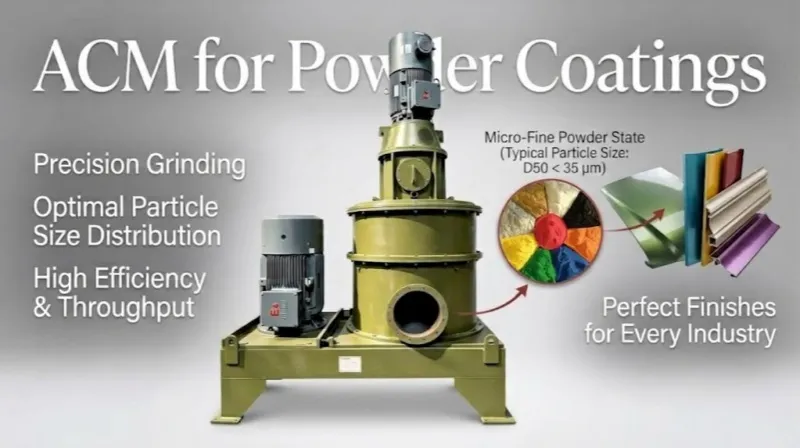
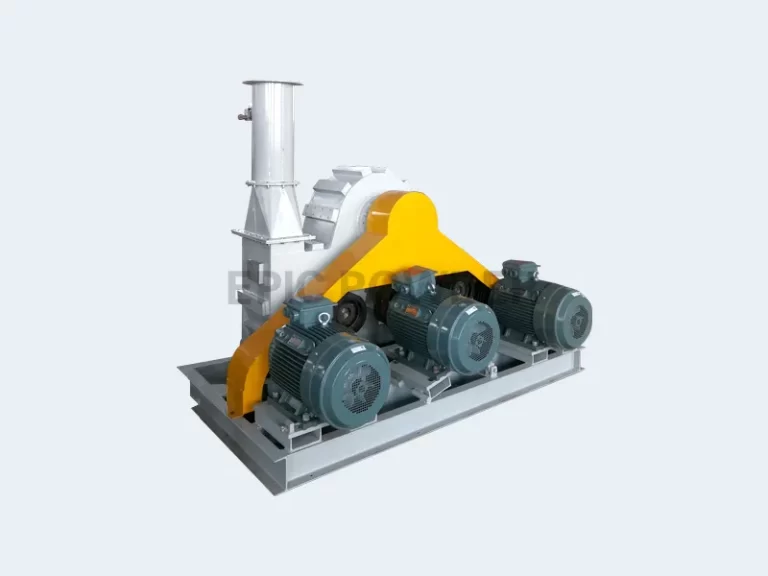
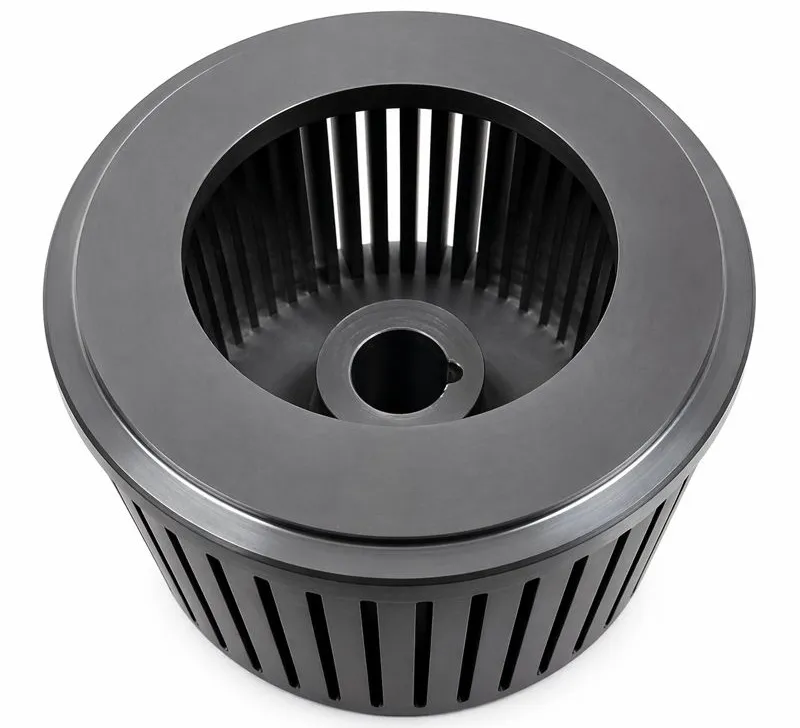
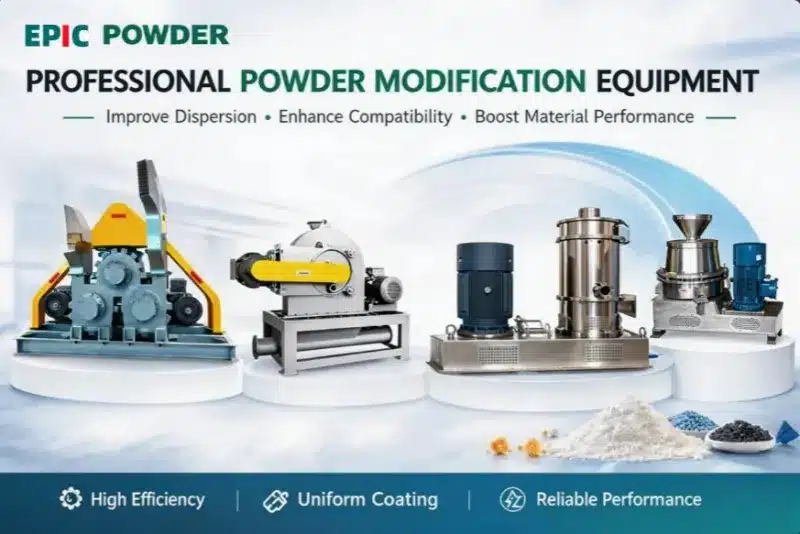
Ultra ince öğütme ve hassas sınıflandırma çözümlerinde önde gelen küresel bir sağlayıcı olan Epic Powder Machinery, gelişmiş jet değirmeni ve hava sınıflandırıcı değirmen sistemleriyle dünyanın en iyi bileşik ve masterbatch işletmelerinin yüksek kaliteli polimer ve fonksiyonel tozlar üretmesine yardımcı olmaktadır.
Epic Powder müşterilerinden gerçek üretim örnekleri
Otomotiv bileşenleri için ultra ince PP tozu
Model: MQW20 Jet Freze
Malzeme: Polipropilen (PP)
Hedef incelik: D50 = 5,1 μm
Sabit kapasite: 75,6 kg/saat
Uygulama: Yüksek akışlı, düşük VOC'li, çizilmeye dayanıklı otomotiv iç PP kompozitleri (gösterge panelleri, kapı panelleri, orta konsollar). Ultra ince ve dar dağılımlı toz, dolgu maddesinin dağılımını önemli ölçüde iyileştirir. Kaplan çizgilerini ve akış izlerini azaltır ve müşterilerin en son OEM düşük koku ve düşük buğulanma gereksinimlerini karşılamasına yardımcı olur.
Otomotiv sızdırmazlık şeritleri ve gösterge paneli kaplamaları için PVC tozu
Model: MJW Hava Sınıflandırma Değirmeni (seramik korumalı)
Malzeme: PVC reçine
Hedef incelik: D50 = 53 μm
Kapasite: 800–1200 kg/saat (formülasyona bağlı olarak)
Avantaj: Öğütme sırasında düşük ısı üretimi, jel oluşumunun olmaması, mükemmel parçacık morfolojisi, mükemmel plastikleştirici emilimi ve pürüzsüz ekstrüzyon/kalenderleme yüzeyleri sağlar.
Otomotiv plastikleri için talk, CaCO₃ ve vollastonit ultra ince tozları
MQW serisi jet frezeleme makinelerini kullanarak, düzenli olarak aşağıdaki sonuçları elde ediyoruz:
- Talk D50 2,5–6 μm → PP/PA bileşiklerinin sertliğini ve boyutsal stabilitesini önemli ölçüde artırır
- CaCO₃ D50 3–8 μm → uygun maliyetli takviye ve darbe modifikasyonu
- Wollastonite D50 4–10 μm → TPO tampon bileşenleri için mükemmel çizilme direnci
Önde gelen otomotiv boya üreticileri neden Epic Powder'ı tercih ediyor?
- Kirlenmeden arındırılmış taşlama (tam seramik kaplama seçeneği mevcuttur)
- Dar parçacık boyutu dağılımı (tipik aralık < 1,5)
- Hassas üst kesim kontrolü – yüzey kusurlarına neden olan iri parçacıkları ortadan kaldırır.
- Geleneksel mekanik değirmenlere göre daha düşük enerji tüketimi
- Laboratuvardan üretime sorunsuz ölçeklendirme (MQW06 → MQW520 mevcut)
- Küresel satış sonrası destek ve yerinde süreç optimizasyonu
Otomotiv endüstrisi elektrifikasyon, zeka ve karbon nötrlüğüne doğru hızla ilerlerken, yüksek performanslı, düşük VOC'li ve geri dönüştürülebilir modifiye plastiklere olan talep artmaya devam edecektir. Epic Powder Machinery, en gelişmiş ultra ince öğütme ve sınıflandırma teknolojisini sunmaya kararlıdır. Müşterilerimizin bugünden yarının katı gereksinimlerini karşılayan üstün polimer tozları üretmelerine yardımcı oluyoruz.
Otomotiv sınıfı toz üretimini bir üst seviyeye taşımaya hazır mısınız?
Ücretsiz malzeme testi ve özelleştirilmiş proses çözümleri için hemen Epic Powder ile iletişime geçin.
www.epic-powder.com | [email protected]

“Okuduğunuz için teşekkürler. Umarım makalem yardımcı olmuştur. Lütfen aşağıya yorum bırakın. Ayrıca EPIC Powder çevrimiçi müşteri temsilcisiyle de iletişime geçebilirsiniz. Zelda Daha fazla bilgi için lütfen iletişime geçin.”
— Jason Wang, Kıdemli Mühendis