Laboratuvar Tipi Spiral Jet Freze Makinesi Nedir?
Laboratuvar tipi spiral jet değirmeni, katı malzemeleri ultra ince tozlara öğütmek için yüksek hızlı sıkıştırılmış gaz kullanan özel bir öğütme makinesidir. Geleneksel mekanik değirmenlerin aksine, jet öğütme, boyut küçültmeyi sağlamak için yüksek hızlı hava akışı içindeki parçacıkların birbirine çarpmasına dayanır; bu da onu hassas ve ısıya duyarlı farmasötik bileşenlerin işlenmesi için ideal hale getirir. Bu ekipman, tutarlı ilaç formülasyonu için gerekli olan ince tozların üretilmesinde çok önemli bir rol oynar.
Spiral jet değirmenleri, çeşitli toz üretim süreçlerinde yaygın olarak kullanılmaktadır. Aktif farmasötik bileşenlerin (API'ler) mikronize edilmesi, daha iyi biyoyararlanım için toz özelliklerinin iyileştirilmesi ve katı dozaj formlarında homojen karıştırmanın sağlanması için gereklidirler. Kontrollü parçacık boyutu dağılımına sahip ultra ince tozlar üretme yetenekleri, hassas dozlamayı destekler ve ilaç performansını artırır.
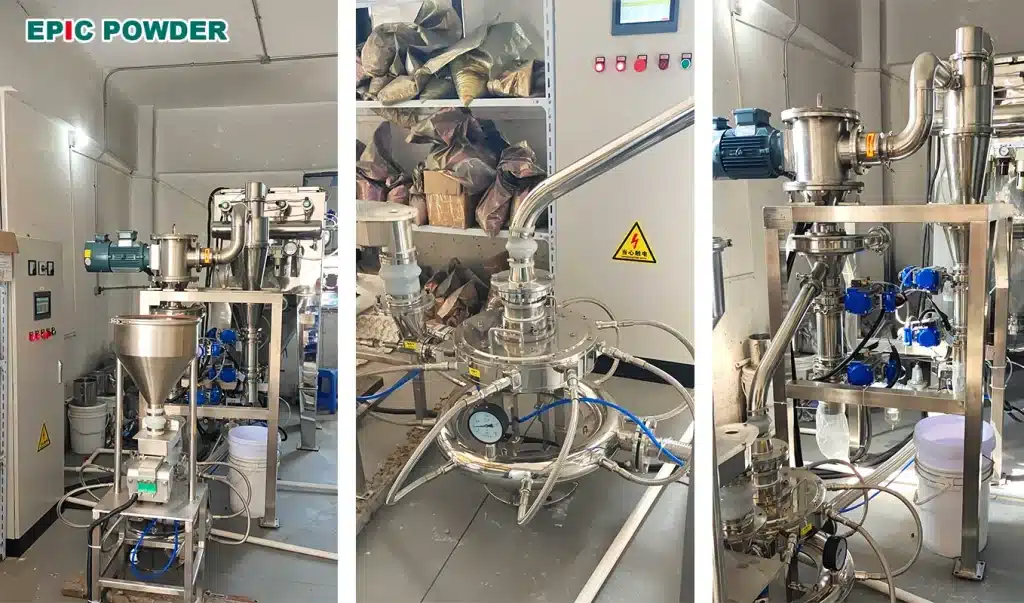
Jet değirmenlerinin ilaç üretiminde yaygın olarak kullanılmasının nedenleri
Spiral jet değirmenleri, parçacıkları hızla ivmelendirmek için yüksek hızlı gaz akımları kullanır ve fiziksel temas olmadan hızlı öğütme sağlar. Bu, büyük partilerin verimli bir şekilde işlenmesine olanak tanıyarak genel üretim verimliliğini artırır.
Jet değirmenlerinde hava akışı ve öğütme parametrelerinin hassas kontrolü, tutarlı parçacık boyutu dağılımı sağlar. Bu yüksek hassasiyet, ilaç etkinliği ve güvenliğini doğrudan etkileyen homojenliğin önemli olduğu farmasötik uygulamalar için kritik öneme sahiptir.
Jet öğütme işlemi, malzemeyle doğrudan temas eden mekanik parçalar içermediğinden, kontaminasyon risklerini en aza indirir. Kontaminasyona yol açmayan öğütme, ilaç tozlarının yüksek saflığını sağlar; bu da mevzuata uyum ve hasta güvenliği için hayati önem taşır.
Spiral Jet Değirmeninin Çalışma Prensibi
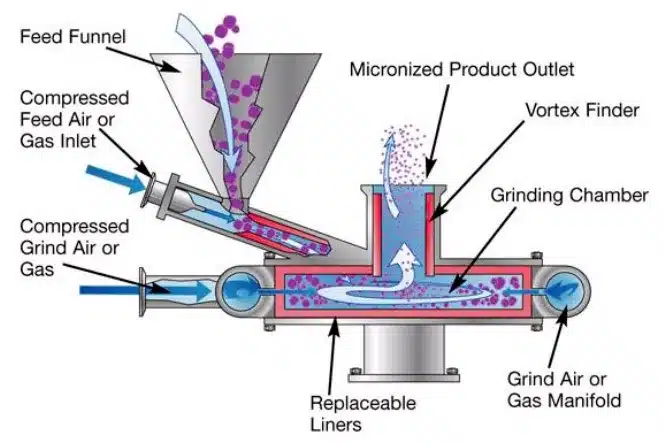
Sıkıştırılmış gazın yüksek hızlı hava akışı nasıl oluşturduğu
Spiral jetli değirmen, yüksek basınçta enjekte edilen sıkıştırılmış gaz (genellikle hava, azot veya buhar) kullanır. Bu gaz, değirmenin içindeki nozullardan genleştiğinde, ultra hızlı bir hava akışı oluşturur. Bu yüksek hızlı hava akışı çok önemlidir çünkü malzemeye herhangi bir hareketli mekanik parça temas etmeden öğütme işlemini sağlar ve böylece kontaminasyon riskini düşük tutmaya yardımcı olur.
Parçacık-parçacık çarpışma mekanizması
Jet değirmeni, bıçaklara veya kırıcılara güvenmek yerine, parçacıkların yüksek hızda birbirleriyle çarpışmasına dayanır. Hızlandırılmış parçacıklar, öğütme haznesinin içinde tekrar tekrar birbirine çarpar. Bu çarpışmalar, malzemeyi çok daha ince parçacıklara ayırır. Parçacıklar arası bu çarpışma, jet değirmenini özellikle hassas farmasötik tozlar için etkili kılan şeydir.
Hava akışı ivmesinin ve öğütme haznesi tasarımının rolü
Öğütme haznesi, hava akışı ivmesini en üst düzeye çıkaracak şekilde şekillendirilmiştir. Tasarım, gaz jetlerini yönlendirerek parçacıkların içeride girdap şeklinde dönmesini sağlar. Bu sürekli dairesel hareket, parçacıkların birbirine birden fazla açıdan çarpmasını sağlayarak verimliliği artırır. Meme tasarımı ve hazne şeklinin kombinasyonu, nihai tozun ne kadar ince olacağını kontrol ederek parçacık boyutu üzerinde sağlam bir kontrol sağlar.
Mekanik frezeleme yöntemlerine göre avantajları
Mekanik değirmenlere kıyasla, spiral jet değirmenlerinin önemli avantajları vardır:
- Hareketli parçaların hiçbiri malzemeyle temas etmiyor. – kirlenmeyi ve aşınmayı azaltır
- Parçacık boyutunun ve dağılımının daha iyi kontrolü
- Öğütme sırasında daha düşük sıcaklık – ısıya duyarlı ilaçlar için uygundur
- Ultra ince, homojen tozlar üretme yeteneği ilaç formülasyonu için hayati öneme sahip
Bu çalışma prensibi, jet değirmenlerini özellikle saflık ve hassasiyetin önemli olduğu birçok uygulama için ideal bir seçim haline getiriyor.
İlaç Uygulamalarında Jet Öğütme Yönteminin Başlıca Avantajları
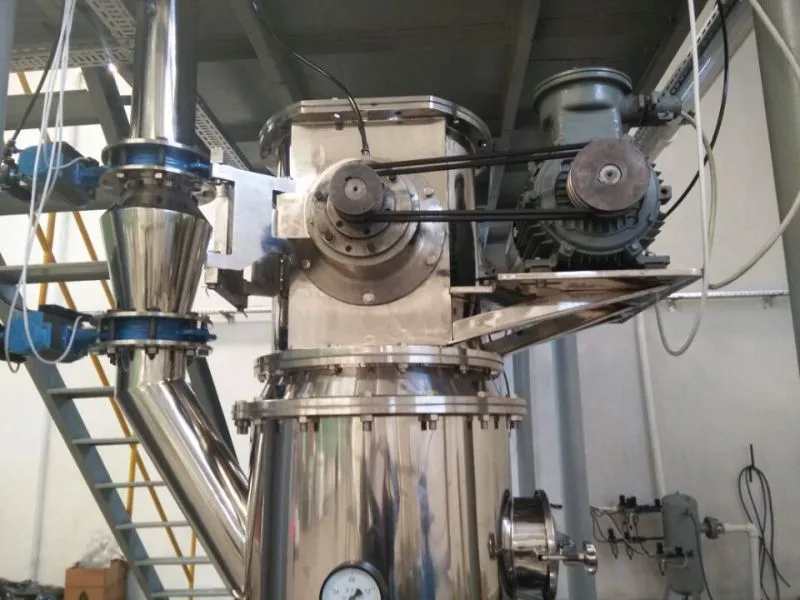
Ultra ince parçacık boyutu kapasitesi
Spiral jet değirmenleri, genellikle birkaç mikron veya daha küçük boyutlarda ultra ince tozlar üretmede mükemmeldir. Bu, ilaç çözünme hızlarını ve biyoyararlanımını iyileştirmek için çok önemlidir. Bu kadar küçük parçacık boyutları oluşturabilme yeteneği, katı ilaç kalite standartlarını karşılamaya ve terapötik etkileri optimize etmeye yardımcı olur.
Dar parçacık boyutu dağılımı
Jet öğütme yöntemi, dar bir parçacık boyutu aralığı sağlar; bu da tutarlı ilaç performansı ve daha kolay formülasyon kontrolü anlamına gelir. Dar boyut dağılımı, ilaç salınımı ve emilimindeki değişkenliği azaltarak, partiden partiye güvenilir ve tekrarlanabilir sonuçlar sağlar.
Pürüzsüz parçacık yüzeyi ve düzenli şekil
Jet değirmenleri tarafından üretilen parçacıklar genellikle pürüzsüz yüzeylere ve düzgün şekillere sahiptir. Bu, farmasötik işlemede akışkanlığı ve karıştırma davranışını iyileştirir, üretim sırasında tozların işlenmesini kolaylaştırır ve tablet veya kapsüllerde daha iyi karıştırma homojenliği sağlar.
Yüksek saflık ve gelişmiş malzeme aktivitesi
Jet öğütme yöntemi, öğütme ortamı yerine sıkıştırılmış gaz kullandığı için kontaminasyon riski minimum düzeydedir. Bu da farmasötik tozların son derece saf kalmasını sağlar. Ayrıca, ultra ince parçacıkların yüzey alanı artar, bu da hassas aktif bileşenlere zarar vermeden malzemenin reaktivitesini ve emilimini artırabilir.
Sıcaklık Etkileri ve Isıya Duyarlı Malzemeler İçin Uygunluk
Gaz Genleşmesi Sırasında Joule-Thomson Soğutma Etkisi
Spiral jetli değirmenler, değirmenin içinde hızla genleşen yüksek basınçlı gaz kullanır. Bu genleşme, sıcaklık düşüşüne neden olur. Joule-Thomson etkisi. Özetle, sıkıştırılmış gaz genleştiğinde soğur, bu da öğütme işleminin soğuk kalmasına yardımcı olur.
Jet freze makinelerinin ideal kullanım alanları:
- Düşük Erime Noktalı Malzemeler
Jet değirmenleri aşırı ısınmayı önlediği için, ısı altında kolayca eriyen veya deforme olan tozlar için mükemmeldir. - Isıya Duyarlı Farmasötik Bileşenler (API'ler)
Birçok aktif farmasötik bileşen (API) ısıya maruz kaldığında bozulur. Jet frezeleme işleminin düşük sıcaklık ortamı, bu bileşenlerin kararlılığını ve etkinliğini korur.
Malzeme Stabilitesi İçin Düşük Sıcaklıkta Öğütmenin Faydaları
- Bozulmayı önler: Hassas parçalar ısıdan zarar görmeden sağlam kalır.
- Etkinliğini korur: Aktif bileşenler amaçlanan etkilerini korurlar.
- Raf ömrünü uzatır: Kimyasal değişim riskinin azalması, ürün ömrünü uzatır.
- Güvenliği Artırır: Stabil tozlar, kullanım ve depolama sırasında riskleri azaltır.
| Fayda | İlaç Tozları Üzerindeki Etki |
|---|---|
| Düşük öğütme sıcaklığı | Isıya duyarlı API'leri korur. |
| Azaltılmış termal stres | Parçacık bütünlüğünü sağlar. |
| Kararlı kimyasal özellikler | İlacın etkinliğini ve güvenliğini korur. |
Bu düşük sıcaklıkta öğütme, bunun başlıca nedenlerinden biridir. ilaç jet değirmenleri Özellikle kalite ve tutarlılığın önemli olduğu küresel üretimde, hassas ilaçlar için tercih edilirler.
Gaz-Katı Oranı: Jet Öğütme İşleminde Kritik Bir Parametre
Gaz-katı oranının tanımı
İlaç üretiminde kullanılan jet öğütme işleminde gaz-katı oranı, öğütme gazı (genellikle basınçlı hava veya inert gazlar) ile öğütülen katı parçacıklar arasındaki hacim veya kütle oranını ifade eder. Bu oran, öğütme işleminin verimliliğinde, hızı, parçacık boyutunu ve ilaç tozlarının genel kalitesini etkilemede çok önemli bir rol oynar.
Yetersiz gaz-katı oranının etkileri
- Azaltılmış kinetik enerjiGaz-katı oranı çok düşük olduğunda, parçacıkları düzgün bir şekilde hızlandırmak için yeterli sıkıştırılmış gaz olmaz. Bu da parçacıkları etkili bir şekilde parçalamak için gereken kinetik enerjiyi düşürür.
- Daha düşük öğütme inceliğiYetersiz gaz akışı, parçacıkların çarpışma kuvvetinin azalmasına ve bunun sonucunda ilaç püskürtmeli değirmenlerin üretmek üzere tasarlandığı ince, homojen parçacık boyutu yerine daha iri taneli tozların oluşmasına yol açar.
Aşırı gaz-katı oranının etkileri
- Enerji israfıGereğinden fazla gaz kullanmak, işletme maliyetlerinin artmasına ve enerji israfına yol açar; çünkü gazın tamamı öğütme işlemine etkili bir şekilde katkıda bulunmaz.
- Parçacıkların dağılabilirliğinin azalmasıAşırı yüksek gaz-katı oranı, parçacıkların çok fazla dağılmasına veya öğütme bölgesinden erken çıkmasına neden olarak üretilen tozların homojenliğini ve inceliğini azaltabilir.
İlaç tozları için gaz-katı oranının nasıl optimize edileceği
- Denge çok önemli.Tozların besleme hızına uygun olarak gaz akışını ayarlayın ve gaz israfı olmadan parçacıkların çarpışması için yeterli enerjinin sağlanmasını temin edin.
- Malzemeye özgü ayarlamaFarklı farmasötik bileşenler (örneğin aktif farmasötik bileşenler veya bitkisel tozlar) farklı tepkiler verir, bu nedenle oranı buna göre ayarlayın.
- Monitör çıktı kalitesiParçacık boyutu dağılımını düzenli olarak kontrol edin ve tutarlı incelik ve saflığı korumak için gaz-katı oranını ayarlayın.
- Hassas kontrol ekipmanları kullanın.Modern jet değirmenleri, çeşitli ilaç üretim ihtiyaçları için optimum gaz-katı oranını korumaya yardımcı olan ayarlanabilir gaz akış sistemleri sunmaktadır.
Gaz-katı oranının optimize edilmesi, yalnızca öğütme verimliliğini artırmakla kalmaz, aynı zamanda dünya çapındaki spiral jetli öğütme uygulamalarında yüksek hassasiyet ve saflığı da korur.
İlaç Üretiminde Jet Öğütme İçin Gerekli Besleme Parçacık Boyutu
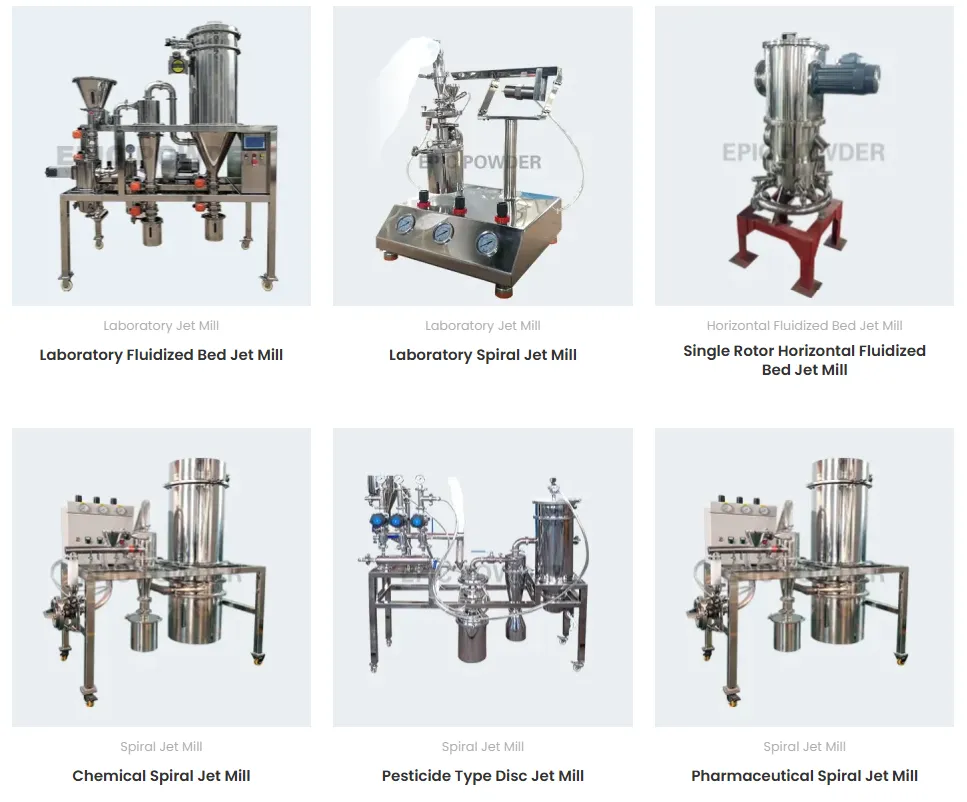
Sert malzemelerin öğütülmesinde ilerleme boyutu kontrolünün önemi
Özellikle sert malzemeler için spiral jet değirmeni kullanırken besleme partikül boyutunu kontrol etmek çok önemlidir. Besleme partikülleri çok büyükse, öğütme verimliliği düşer ve düzensiz partikül boyutları elde edebilirsiniz. Çok küçükse, değirmen tıkanabilir veya daha hızlı aşınabilir. Doğru besleme boyutu, düzgün öğütme, tutarlı çıktı ve daha uzun ekipman ömrü sağlamaya yardımcı olur.
Farklı malzemeler için tipik besleme boyutu aralıkları
Jet frezeleme işleminde en iyi sonuçları elde etmek için farklı malzemeler için belirli besleme boyutu aralıkları gereklidir. İşte kısa bir bakış:
| Malzeme Türü | Tipik Besleme Boyutu Aralığı (Mikron) |
|---|---|
| Kalsine edilmiş malzemeler | 50 – 150 |
| Yüzey işlem görmüş malzemeler | 30 – 100 |
Kalsine edilmiş malzemeler
Bunlar genellikle daha yüksek sertliğe sahiptir ve frezeleme sırasında aşırı aşınmayı önlemek için biraz daha büyük ilerleme hızına ihtiyaç duyarlar.
Yüzey işlem görmüş malzemeler
Bunlar genellikle daha hassastır veya kaplamalıdır, bu nedenle öğütme sırasında kaliteyi korumak için daha ince besleme kontrolü gerektirirler.
Bu besleme boyutu kontrollerinin sağlanması, laboratuvar tipi spiral jet değirmenlerinin ilaç üretimi için hassas, verimli ve ölçeklenebilir öğütme sağlamasına yardımcı olur.
Çalışma Sıcaklığının Jet Frezeleme Verimliliğine Etkisi
Gaz sıcaklığı ve jet hızı arasındaki ilişki
Spiral jetli değirmenlerde, gaz sıcaklığı jet hızını doğrudan etkiler. Daha sıcak gaz daha fazla genleşir ve hava akış hızını artırır. Bu, daha yüksek gaz sıcaklıklarının daha hızlı jetler ürettiği anlamına gelir ki bu da verimli partikül öğütme için çok önemlidir.
Farklı sıcaklıklarda kritik hava hızının karşılaştırılması
Parçacıkları etkili bir şekilde öğütmek için gereken minimum hız olan kritik hava hızı, sıcaklıkla birlikte artar. İşte basit bir açıklama:
| Sıcaklık (°C) | Kritik Hava Hızı (m/s) |
|---|---|
| 20 (oda sıcaklığı) | 150 |
| 50 | 170 |
| 100 | 190 |
| 150 | 210 |
Gördüğünüz gibi, daha yüksek sıcaklıklar, öğütme verimliliğini korumak için daha yüksek püskürtme hızları gerektirir.
Artan sıcaklığın kinetik enerjiyi ve öğütme performansını nasıl artırdığı
- Daha fazla kinetik enerji: Daha yüksek sıcaklık, daha hızlı jetler anlamına gelir ve bu da parçacıkların kinetik enerjisini artırır.
- Daha iyi öğütme: Artan enerji, daha ince ve daha homojen parçacıklara yol açar.
- Verimlilikte iyileşme: Daha hızlı parçacıklar daha sert ve daha sık çarpışarak öğütme işlemini hızlandırır.
- Nem oranının azalması: Daha yüksek ısı aynı zamanda nemi azaltarak tozun akışını iyileştirir ve topaklanmayı önler.
Çalışma sıvısının sıcaklığı arttığında, gaz akış hızı da artar. Hava örneğini ele alırsak, oda sıcaklığında kritik hız yaklaşık 320 m/s'dir. Sıcaklık 480 °C'ye çıkarıldığında, kritik hız 500 m/s'ye kadar ulaşabilir ve bu da yaklaşık 150%'lik bir kinetik enerji artışına neden olur. Bu nedenle, çalışma sıvısının sıcaklığının artırılması, öğütme verimliliğini artırmak için faydalıdır.
Çalışma sıvısının basıncı, jet hızının oluşumunda birincil parametredir ve aynı zamanda nihai parçacık boyutunu etkileyen önemli bir faktördür. Genel olarak, daha yüksek çalışma sıvısı basıncı, daha yüksek jet hızına ve daha büyük kinetik enerjiye yol açar. Titanyum tozu aşırı ısıtılmış buhar kullanılarak öğütüldüğünde, buhar basıncı tipik olarak 0,8–1,7 MPa aralığındadır. Kalsine edilmiş malzemelerin öğütülmesi için genellikle daha yüksek basınçlar uygulanırken, yüzey işlem görmüş malzemelerin öğütülmesi için daha düşük basınçlar uygundur.
Çalışma sıcaklığının ayarlanması, özellikle ultra ince ve homojen ilaç tozları üretmek için farmasötik jet öğütme işlemini optimize etmenin pratik bir yoludur.
Çalışma Basıncı ve Parçacık İnceliği Üzerindeki Etkisi
Jet hızının oluşturulmasında çalışma akışkan basıncının rolü
Laboratuvar tipi spiral jet öğütme işleminde, çalışma sıvısı basıncı kritik öneme sahiptir. Doğrudan sıkıştırılmış gazı hareket ettirerek jet değirmeninin içinde yüksek hızlı hava akışı sağlar. Basınç arttığında, gaz nozullardan daha güçlü bir şekilde hızlanarak daha yüksek bir jet hızı oluşturur. Bu güçlü hava akışı, parçacıkların yüksek hızlarda çarpışmasını ve daha ince tozlara ayrışmasını sağlar. Dolayısıyla, daha yüksek çalışma basıncı, etkili öğütme için daha fazla enerji anlamına gelir.
Basınç, hız ve kinetik enerji arasındaki ilişki
Jet değirmeninde basınç, hız ve kinetik enerji yakından ilişkilidir. Çalışma basıncının artırılması jet hızını artırır; bu da parçacıkların birbirine daha sert çarpması anlamına gelir. Kinetik enerji hızın karesine bağlı olduğundan, jet hızındaki küçük bir artış bile öğütme için kullanılabilir enerjiyi önemli ölçüde artırır. Bu artan kinetik enerji, parçacık boyutunu daha verimli bir şekilde küçültmeye yardımcı olarak, hassas parçacık boyutu kontrolünün gerekli olduğu birçok farmasötik uygulama için önemli olan ultra ince tozlar elde edilmesini sağlar.
Laboratuvar tipi spiral jet frezeleme için tipik basınç aralıkları
Laboratuvar tipi spiral jet öğütücülerin çoğu 0,4 ila 1,0 MPa (megapaskal) basınç aralığında çalışır. Bu aralık, ince parçacık boyutlarına ulaşmak ile aşırı enerji tüketimini veya ekipman aşınmasını önlemek arasında iyi bir denge sağlar. Daha düşük basınçlar öğütme hızını yavaşlatabilir ve parçacık boyutu küçültmeyi sınırlayabilirken, çok yüksek basınçlar gereksiz enerji israfına ve ekipman zorlanmasına neden olabilir. Doğru basıncın seçimi, malzemenin sertliğine, besleme boyutuna ve istenen parçacık boyutuna bağlıdır.
Örnek: aşırı ısıtılmış buhar jeti frezeleme parametreleri
Özellikle neme duyarlı veya steril işlemenin gerekli olduğu durumlarda, aşırı ısıtılmış buhar, jet değirmenlerinde çalışma akışkanı olarak kullanılabilir. Bu gibi durumlarda, tipik aşırı ısıtılmış buhar basınçları 0,5 ila 0,8 MPa arasında değişir. Bu sıcaklık ve basınç kombinasyonu, sterilizasyonun ek avantajıyla birlikte verimli öğütme sağlar. Aşırı ısıtılmış buhar jet öğütme, ısıya duyarlı aktif farmasötik bileşenler için etkilidir ve ürün bütünlüğünü koruyan kontrollü sıcaklık koşullarıyla ince parçacık üretimini birleştirir.
İlaç üreticileri, çalışma basıncını dikkatli bir şekilde yöneterek jet öğütme performansını optimize edebilir, malzeme stabilitesini ve üretim verimliliğini korurken son derece kontrollü parçacık inceliği sağlayabilirler.
Spiral Jet Değirmenlerinin Tipik Uygulamaları
Bitkisel İlaç Tozu İşleme
Geleneksel ve modern bitkisel tıpta, jet değirmenleri kurutulmuş bitkilerden ve bitki özlerinden ince tozlar elde edilmesine yardımcı olur. Yüksek hızlı, kirlenmeyi önleyen öğütme, aktif bileşenleri korurken, kapsül, tablet veya çay için ideal olan pürüzsüz, ince öğütülmüş bitkisel tozlar sağlar. Bu, özellikle Geleneksel Çin Tıbbı (GÇT) ve diğer doğal formülasyonlar için önemlidir.
İnce Kimyasal ve Özel Farmasötik Tozlar
Jet değirmenleri, hassas partikül boyutu kontrolü ve yüksek saflık gerektiren özel tozların ve ince kimyasalların işlenmesinde de üstün performans gösterir. Merhemlerde, inhalatörlerde ve gelişmiş ilaç dağıtım sistemlerinde kullanılan tozların işlenmesinde tercih edilirler; bu uygulamalarda toz kalitesi ürün performansını etkiler. Tozları safsızlık katmadan öğütme yeteneği, jet değirmenlerini bu hassas uygulamalarda tercih edilen bir yöntem haline getirir.
Spiral jet değirmenleri, aktif farmasötik bileşenlerden bitkisel ve özel ürünlere kadar yüksek kaliteli ilaç tozlarının üretimi için vazgeçilmezdir ve küresel ilaç üretiminde tutarlı performans ve güvenliği sağlar.
Doğru Spiral Jet Freze Makinesini Nasıl Seçersiniz?
Dikkate alınması gereken temel parametreler
Doğru spiral jet değirmenini seçmek, verimli ilaç üretimi için çok önemlidir. İşte odaklanılması gereken başlıca faktörler:
Besleme boyutu
- Öğütücünüzün, tıkanma veya verimlilik kaybı olmadan ilk partikül boyutunu işleyebildiğinden emin olun.
- Tipik besleme boyutları malzemeye bağlıdır; daha ince beslemeler öğütme kalitesini artırır.
Hedef parçacık boyutu
- İlaç ürününüz için gereken nihai parçacık boyutunu belirleyin.
- Jet değirmenleri, hassas boyut dağılımı gerektiren tozların ultra ince öğütülmesinde üstün performans gösterir.
Sıcaklık hassasiyeti
- Malzemenizin ısıya duyarlı olup olmadığını göz önünde bulundurun.
- Soğutma özellikli değirmenler veya Joule-Thomson etkisi gibi düşük sıcaklıkta öğütme seçenekleri kullanın.
Basınç ve gaz türü
- Daha yüksek çalışma basınçları genellikle taşlama performansını artırır.
- Malzemenin reaktivitesine ve güvenliğine göre doğru gazı (hava, azot, aşırı ısıtılmış buhar) seçin.
| Parametre | Düşünce | Öğütme Üzerindeki Etki |
|---|---|---|
| Besleme boyutu | Malzeme sertliği ve ön boyutlandırma | Pürüzsüz öğütme; aşırı yüklenmeyi önler. |
| Hedef parçacık boyutu | İstenilen incelik ve homojenlik | Ürün tutarlılığı ve formülasyon kalitesi |
| Sıcaklık hassasiyeti | Öğütme sırasında ısı oluşumu | Etken maddelerin veya yardımcı maddelerin bozulmasını önleyin. |
| Basınç ve gaz türü | Optimum gaz basıncı ve atalet | Öğütme verimliliği ve ürün saflığı |
Güvenilir ekipman tedarikçilerinin önemi
Saygın bir tedarikçi seçmek şunları sağlar:
- Makine performansının ve çalışma süresinin istikrarlı olması.
- Teknik destek ve bakım hizmetlerine erişim
- İlaç üretim standartlarına uyum
- İhtiyaçlarınıza özel olarak uyarlanmış, özelleştirilebilir frezeleme çözümleri.
Küresel ilaç üretiminde, güvenilir jet öğütme ekipmanı kalite ve mevzuat uyumluluğu için olmazsa olmazdır. Güvenilir tedarikçiler seçmek riskleri azaltır ve öğütme işleminizin endüstri standartlarını karşılamasını garanti eder.
Destansı Toz
Destansı Toz Madencilik, kimya, gıda, ilaç vb. sektörler için ince toz işleme teknolojisinde uzmanlaşmış bir firmayız. Ekibimiz çeşitli toz işleme alanında 20 yılı aşkın deneyime sahiptir ve Çin'deki en büyük ultra ince barit tozu üretim hattı olan Jet Değirmen Hattı'nı tasarlayıp kurmuştur.
Toz işleme projelerinde, özellikle toz öğütme, toz sınıflandırma, toz dağıtma, toz yüzey işleme ve atık geri dönüşümü konularında profesyonel bir tedarikçiyiz. Danışmanlık, test, proje tasarımı, makineler, devreye alma ve eğitim hizmetleri sunuyoruz.

“Okuduğunuz için teşekkürler. Umarım makalem yardımcı olmuştur. Lütfen aşağıya yorum bırakın. Ayrıca EPIC Powder çevrimiçi müşteri temsilcisiyle de iletişime geçebilirsiniz. Zelda Daha fazla bilgi için lütfen iletişime geçin.”
— Jason Wang, Kıdemli Mühendis