Toz boyanızda parlaklık tutarsızlığı, beklenmedik kırılganlık veya partiler arasında değişen parçacık boyutu gibi sorunlar varsa, en olası çözüm taşlama aşamasıdır. Taşlama sırasında aşırı ısınma, toz boya üretiminde en yaygın ve en az teşhis edilen kalite sorunlarından biridir.
Çoğu toz boya formülasyonunun temelini oluşturan reçineler – polyester, epoksi ve polyester-epoksi hibritleri – ısıya duyarlıdır. Öğütme sıcaklıkları yumuşama başlangıç noktalarının üzerine çıktığında, işler hızla ters gider: değirmen içinde kısmi kürleşme, termoplastikliğin kaybı, erken çapraz bağlanma ve daha sonraki ayarlamalarla düzeltilemeyecek partikül boyutu dağılımı sorunları ortaya çıkar.
EPIC Powder Machinery olarak, sürekli kalite sorunlarını doğrudan değirmen sıcaklığına bağlayan toz boya üreticileriyle çalıştık. Bu makale, aşırı ısınmanın nedenlerini, reçinenize ne yaptığını ve hava sınıflandırıcılı değirmenlerin bu sorunu nasıl ortadan kaldırdığını – öncesi ve sonrası sonuçlarını gösteren gerçek bir üretim örneğiyle – açıklıyor.
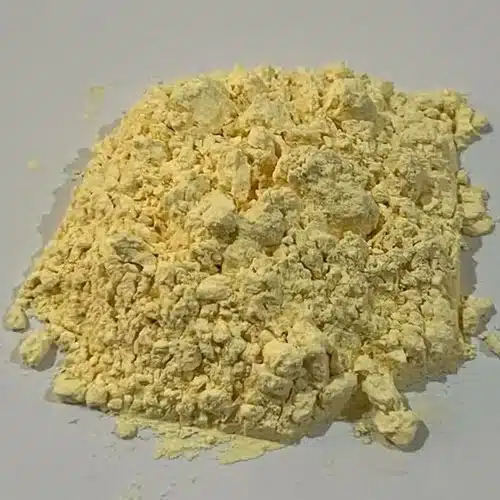
Geleneksel Toz Boya Fabrikalarında Aşırı Isınmanın Nedenleri
Çekiçli değirmenler ve pimli değirmenler, toz boya öğütme işlemlerinin geleneksel ve en çok kullanılan makineleridir. Talaşları toz haline getirmede etkilidirler, ancak çalışma prensipleri gereği ısı üretirler ve bu ısının yönetimi kolay değildir.
Geleneksel değirmenlerde sıcaklık artışına üç şey neden olur:
- Mekanik darbe ve sürtünme: Çekiçli ve pimli değirmenler, parçacıkları yüksek hızda tekrar tekrar vurarak boyut küçültme işlemini gerçekleştirir. Her darbe ısı üretir. Yüksek verimde, ısı dağılmasından daha hızlı bir şekilde birikir.
- İri tanecikler için uzun kalış süresi: Elekten geçmeyen aşırı büyük parçacıkların yeniden öğütülmesi gerekir. Bir parçacık öğütme bölgesinde ne kadar uzun süre kalırsa, o kadar çok ısı emer. Yeniden öğütme döngüleri sorunu daha da kötüleştirir.
- Sınırlı hava akışı ve soğutma: Birçok geleneksel değirmende öğütme bölgesinden geçen hava akışı yetersizdir. Isı uzaklaştırılmak yerine birikir ve uzun süreli çalıştırmalarda veya sıcak ortam koşullarında öğütme bölgesi sıcaklıkları 60-80 dereceye ulaşabilir.
Çoğu mineral veya kimyasal toz için bu durum yönetilebilir. Ancak ısıya duyarlı toz boya reçineleri için durum böyle değildir.
Aşırı Isınmanın Reçinenize Verdiği Zararlar
Polyester, epoksi ve hibrit reçine sistemlerinin tümü, formülasyona bağlı olarak genellikle 50-70 santigrat derece aralığında karakteristik bir yumuşama başlangıç sıcaklığına sahiptir. Taşlama sıcaklıkları bu aralığa yaklaştığında veya bu aralığı aştığında, aynı anda birkaç sorun ortaya çıkabilir:
- Değirmen içinde kısmi kürleme: Reçine fırına ulaşmadan önce çapraz bağlanmaya başlar. Sonuç olarak, uygulama sırasında düzgün bir şekilde eriyemeyen ve akamayan bir toz oluşur; bu da zayıf film oluşumuna ve yapışmanın azalmasına yol açar.
- Termoplastik özelliğin kaybı: Aşırı ısınan reçine, normal uygulama sıcaklıklarında yumuşama ve akma özelliğini kaybederek, pürüzsüz ve parlak bir sonuç beklenirken pürüzlü, portakal kabuğu görünümünde veya mat yüzeyler oluşturur.
- Tutarsız parçacık boyutu dağılımı: Yumuşamış reçine parçacıkları birbirine yapışır veya freze yüzeylerine yapışarak daha geniş ve daha az kontrollü bir parçacık boyutu dağılımı (PSD) oluşturur. Elektrostatik uygulama, dar bir PSD'ye dayanır; daha geniş dağılımlar, düzensiz film kalınlığına ve tutarsız şarjlanmaya neden olur.
- Kürleme maddelerinin erken çapraz bağlanması: Formülasyondaki sertleştiriciler ve çapraz bağlayıcılar, yüksek sıcaklıklarda reçine ile reaksiyona girerek fırındaki etkili kürlenme süresini kısaltabilir ve tozun raf ömrünü azaltabilir.
Isı hasarının sinsi yanı, hemen fark edilmeyebilmesidir. Kısmi kürleşme ve termoplastiklik kaybı, genellikle frezeleme aşamasından ziyade uygulama koşullarına atfedilen, ince parlaklık değişimleri veya yapışma tutarsızlığı şeklinde ortaya çıkar.
Hava Sınıflandırma Değirmenleri Aşırı Isınma Sorununu Nasıl Çözüyor?
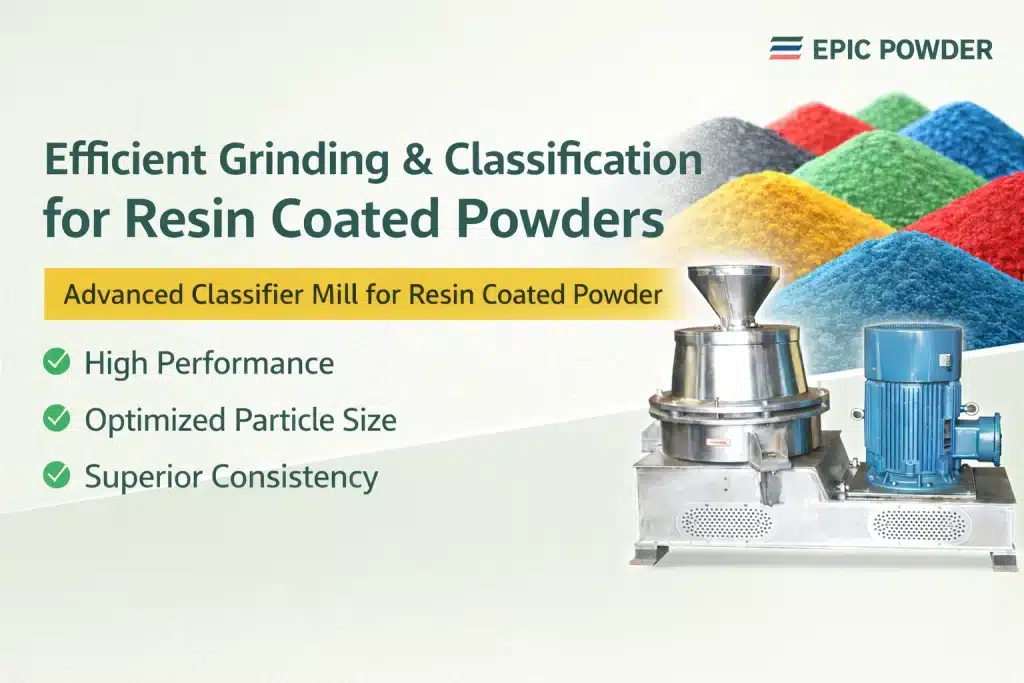
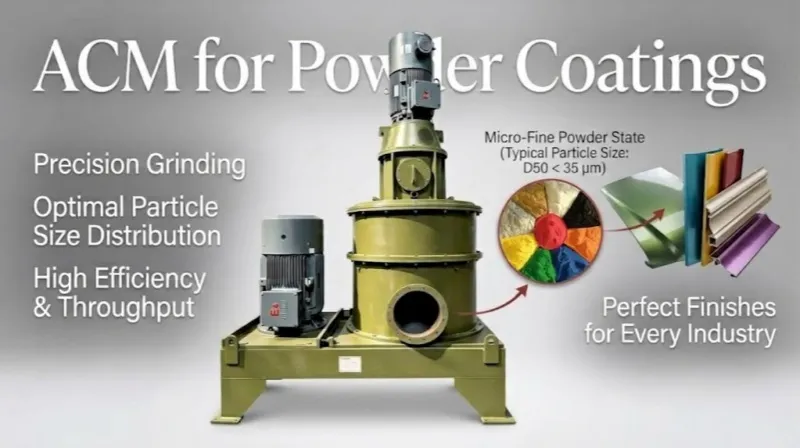
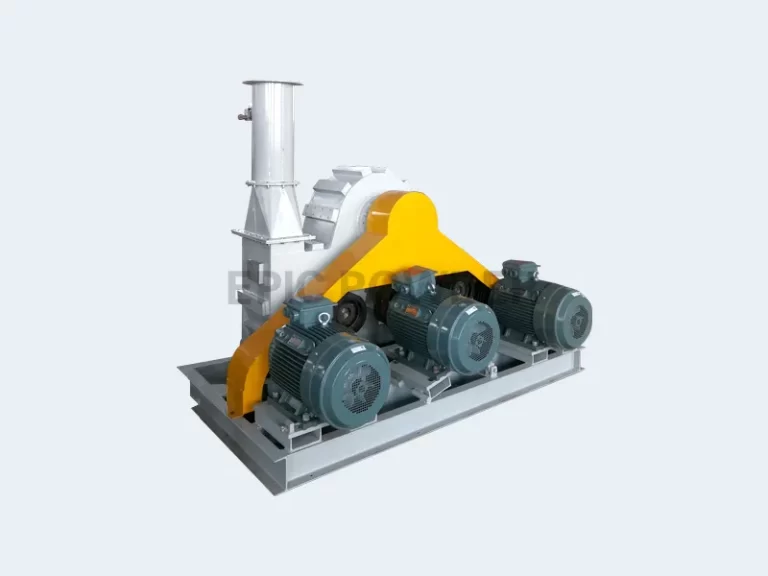
Hava sınıflandırıcılı değirmen (ACM), darbeli öğütmeyi sürekli dinamik hava sınıflandırmasıyla tek bir ünitede birleştirir. Bu tasarım, ısı biriktikten sonra yönetmeye çalışmak yerine, ısı oluşumunu kaynağında ele alır.
Sürekli Yüksek Hacimli Soğutma Hava Akışı
ACM, öğütme bölgesinden sürekli olarak büyük miktarda hava çeker. Bu hava akışı iki şey yapar: Isıyı öğütme bölgesinden oluştuğu hızda uzaklaştırır ve ince parçacıkları hedef boyuta ulaştıktan hemen sonra sınıflandırıcıya taşır. İyi yapılandırılmış bir ACM'deki öğütme bölgesi sıcaklıkları, aynı verimde karşılaştırılabilir bir çekiçli değirmene göre genellikle 15-30 derece C daha düşüktür.
Kısa Süreli İkamet Süresi
İnce parçacıklar, boyut spesifikasyonuna ulaştıkları anda öğütme bölgesinden uzaklaştırılır. Değirmende birikmezler, ilave ısı emmezler veya diğer yumuşatılmış parçacıklarla topaklanma riski taşımazlar. Bu kısa kalış süresi, ACM tasarımındaki en önemli ısı kontrol mekanizmalarından biridir.
Hassas Parçacık Boyutu Kontrolü
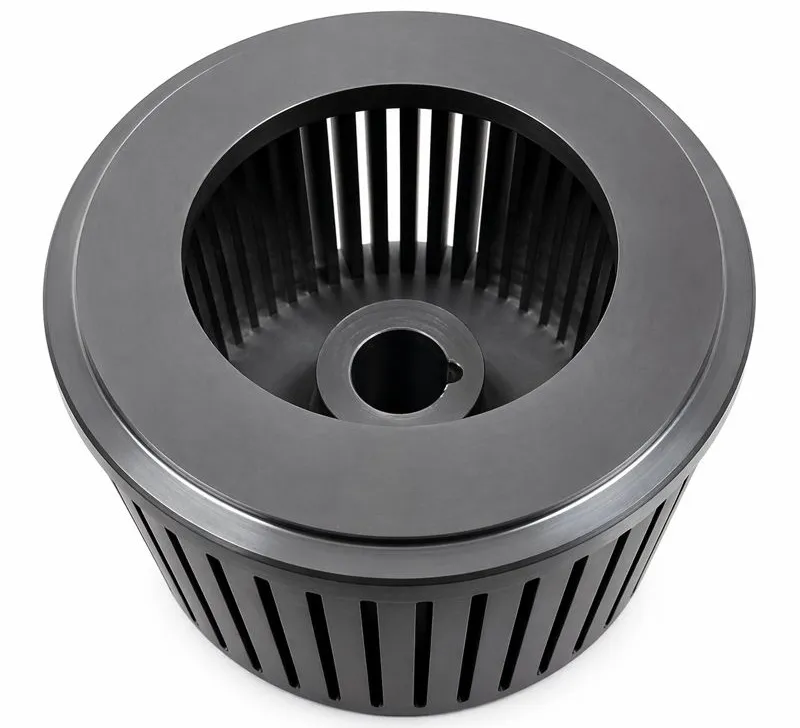
Entegre dinamik sınıflandırıcı, değirmenden çıkan parçacıklar için bir üst boyut sınırı belirler. Kaba parçacıklar daha fazla küçültülmek üzere öğütme bölgesine geri gönderilir; ancak sınıflandırıcı ayarlanabilir olduğundan, kesme noktasını hassas bir şekilde ayarlayabilirsiniz. D50, D97 ve aralık, kontrol edilebilir parametrelerdir. Bu, çekiçli değirmenlerin sabit elek yaklaşımının yerini sürekli olarak ayarlanabilir, gerçek zamanlı bir sınıflandırma sistemiyle değiştirir.
| Özellik | Çekiç / Pim Freze | Hava Sınıflandırma Değirmeni (ACM) |
| Öğütme bölgesi sıcaklığı | 60-80 derece C yaygın | Genellikle 35-45 derece C |
| Reçine bozulma riski | Üretim sıcaklıklarında yüksek | Düşük ve kontrollü hava akışı birikmeyi önler. |
| Parçacık boyutu kontrolü | Sabit ekran – sınırlı ayar | Ayarlanabilir sınıflandırıcı tekerlek – hassas D50/D97 |
| Para cezaları ikamet süresi | Birikebilir ve aşırı ısınabilir. | Sınıflandırmanın hemen ardından kaldırıldı. |
| Partiden partiye tutarlılık | Ortam sıcaklığına bağlı olarak değişkendir. | Mevsimler ve vardiyalar boyunca istikrarlı |
| Reddedilme oranı (ısıya bağlı) | Genellikle yaz aylarında 5-15% | Genellikle 2%'nin altında |
| Enerji verimliliği | Daha yüksek – yeniden öğütme döngüleri yükü artırır. | Daha düşük – tek geçişli sınıflandırma, yeniden işleme ihtiyacını azaltır. |
Gerçek Dünya Örneği: 12% Reddedilen Üründen 2%'nin Altına Düşülmesi
| VAKA ÇALIŞMASI Çekiçli değirmenden ACM'ye geçiş: Polyester Reçine Toz Boya Üreticisi - Sorun Avrupa'da faaliyet gösteren bir toz boya üreticisi, çekiçli değirmen kullanarak polyester-epoksi hibrit reçine sistemi üretiyordu. Yaz aylarında, ortam sıcaklıkları yükseldiğinde, bitmiş panellerde sürekli olarak parlaklık kaybı, normalden daha yüksek hurda oranları ve değirmen çıkışında zaman zaman tozun topaklanması gibi sorunlar yaşıyorlardı. Şirket içi testleri, sorunun temel nedeninin öğütme bölgesinde 65-70 santigrat dereceye ulaşan öğütme sıcaklıkları olduğunu ortaya koydu; bu sıcaklık, reçine karışımının yumuşama başlangıç sıcaklığının üzerindeydi. Çözüm EPIC Powder Machinery, üretim hacimlerine uygun boyutlarda, optimize edilmiş yüksek hacimli soğutma hava akışı konfigürasyonuna ve ayarlanabilir bir sınıflandırıcı tekerleğe sahip bir Hava Sınıflandırıcı Değirmeni tedarik etti. Öğütme bölgesi sıcaklığı, tam üretim yükü altında 40 santigrat derecenin altına düştü. Sınıflandırıcı tekerlek, elektrostatik püskürtme uygulamalarının gerektirdiği özelliklere uygun olarak, D50 35 mikron ve D97 90 mikronun altında değerler üretecek şekilde ayarlandı. Sonuçlar Test edilen tüm formülasyonlarda parlaklık değerleri (60 derece geometri) belirtilen sınırlar içinde geri kazanıldı. İlk işletme ayında ret oranı 8-12%'den 2%'nin altına düştü. Mevsimsel sıcaklık değişimleri artık ürün kalitesini etkilemiyor. Belirtilen sınırlar dışındaki partilerin yeniden öğütülmesinin azalması nedeniyle verimlilik yaklaşık 20% arttı. |
Hava Sınıflandırmalı Değirmen Sistemine Geçiş: Nelere Dikkat Edilmeli?
Toz boya üretimi için çekiçli veya pimli değirmenden ACM'ye geçmeyi düşünüyorsanız, geçişten en iyi şekilde yararlanmanıza yardımcı olacak birkaç pratik nokta şunlardır:
- Reçinenizin yumuşama başlangıç sıcaklığını öğrenin: Reçine tedarikçinizden DSC yumuşama başlangıç verilerini isteyin. Bu size bir hedef verir: tam üretim yükünde taşlama bölgesi sıcaklığınız bu değerin en az 10-15 derece C altında kalmalıdır.
- Frezeleme yöntemini belirtmeden önce hedef PSD'nizi tanımlayın: Tipik toz boya elektrostatik uygulamaları için D50 değeri 30-50 mikron, D97 değeri ise genellikle 90-100 mikronun altındadır. Sınıflandırıcı tekerlek seçimi bu hedeflere bağlı olduğundan, ekipman yapılandırılmadan önce özelliklerinizi doğrulayın.
- Formülünüz üzerinde deneme amaçlı bir öğütme işlemi gerçekleştirin: Reçine karışımları, akış düzenleyiciler ve pigment kombinasyonları, öğütme davranışını ve ısı oluşumunu etkiler. Gerçek formülasyonunuz üzerinde (genel bir test malzemesi değil) yapılacak bir deneme öğütme işlemi, karar vermeden önce sıcaklık, parçacık boyutu dağılımı ve verim hakkında güvenilir veriler sağlar.
- Devreye alma sırasında sıcaklığı izleyin: Devreye alma sırasında değirmen çıkışına bir termokupl takın ve ilk üretim denemelerinizde sıcaklık ile verim arasındaki ilişkiyi kaydedin. Bu temel veri, daha sonraki çalışmalarda herhangi bir sapmayı tespit etmeyi kolaylaştırır.
- Hava filtrelerini ve sınıflandırıcıyı temiz tutun: Kısıtlı hava akışı, aşırı ısınma sorunlarına geri dönmenin en hızlı yoludur. Haftalık bakım kontrol listenize hava filtresini ve sınıflandırıcı tekerleğini de ekleyin.
Aşırı Isınma Toz Boya Kalitesini Etkiliyor mu?
| Parlaklıkta tutarsızlık, yüksek ret oranları veya ortam sıcaklığına bağlı olarak değişen reçine davranışı görüyorsanız, öncelikle öğütme aşamasını incelemeye değer. EPIC Powder Machinery'nin hava sınıflandırıcılı değirmenleri, düşük öğütme sıcaklıkları ve sıkı partikül boyutu dağılımı sağlayan soğutma hava akışı sistemleri ve hassas sınıflandırıcı kontrolü ile ısıya duyarlı malzemeler için özel olarak tasarlanmıştır. Ücretsiz proses danışmanlığı sunuyoruz ve ekipmana karar vermeden önce reçine formülasyonunuzda test öğütmeleri yapabiliyoruz. Malzeme veri sayfanızı ve hedef partikül boyutu dağılımınızı bize gönderin, size bir öneriyle geri döneceğiz. Ücretsiz Danışmanlık Talep Edin: www.epic-powder.com/contact Hava Sınıflandırma Makinesi Ürün Yelpazemizi Keşfedin: https://www.epic-powder.com/machines/ |
Sıkça Sorulan Sorular
Reçine hasarını önlemek için toz boya frezeleme işlemi hangi sıcaklığın altında tutulmalıdır?
Bu, kullandığınız reçine sistemine bağlıdır. Ancak genel bir kılavuz olarak, çoğu polyester ve epoksi bazlı toz boya için öğütme bölgesi sıcaklıkları 50-55 santigrat derecenin altında kalmalıdır. Bazı termoplastik reçineler daha düşük sıcaklıklarda bile hassastır. En güvenli yaklaşım, reçine tedarikçinizden DSC yumuşama başlangıç verilerini edinmektir. Öğütme sıcaklıklarını bu değerin en az 10-15 santigrat derece altında tutun. Optimize edilmiş soğutma hava akışına sahip bir hava sınıflandırıcılı değirmen, üretim verimliliğinde sıcaklıkları sürekli olarak 35-45 santigrat derece aralığında tutabilir.
Hava sınıflandırıcılı değirmen, çekiçli değirmene göre partikül boyutunu nasıl daha iyi kontrol eder?
Çekiçli değirmen, partikül boyutunu sınırlamak için sabit bir boşaltma eleği kullanır. Eleği ayarladıktan sonra, partikül boyut dağılımını (PSD) ayarlamak için değirmeni durdurmanız ve eleği fiziksel olarak değiştirmeniz gerekir. Hava sınıflandırıcılı değirmen ise bunun yerine dinamik dönen bir sınıflandırıcı çark kullanır. Çark hızı, kesme noktasını belirler – daha hızlı çark hızı daha ince ürün, daha yavaş ise daha kaba ürün üretir. Üretimi durdurmadan D50 ve D97 değerlerini ayarlayabilirsiniz. Bu, parti bazında çok daha sıkı bir PSD tutarlılığı sağlar ve hız ayarını değiştirerek aynı makinede farklı özelliklerde üretim yapmayı pratik hale getirir.
Hava sınıflandırıcılı bir değirmen tüm toz boya reçine türlerini işleyebilir mi?
Evet. Hava sınıflandırıcılı değirmenler, toz boyalarda kullanılan polyester, epoksi, polyester-epoksi hibrit, poliüretan ve akrilik reçine sistemleri için uygundur. En önemli avantajı, soğutma hava akışı tasarımının yapılandırılabilir olmasıdır. Hava akışı hacmi ve sıcaklığı, farklı reçine yumuşama noktaları için ayarlanabilir. Daha sert, daha yüksek yumuşama noktasına sahip reçineler, daha yumuşak, sıcaklığa daha duyarlı sistemlere göre daha az soğutma müdahalesine ihtiyaç duyar. EPIC Powder Machinery, bir sistem belirlerken ACM hava akışı parametrelerini reçine türüne ve üretim hacmine özel olarak yapılandırır.
Destansı Toz
Destansı Toz, 20 yılı aşkın süredir ultra ince toz endüstrisinde çalışma deneyimine sahibiz. Ultra ince tozun kırma, öğütme, sınıflandırma ve modifikasyon süreçlerine odaklanarak, ultra ince tozun gelecekteki gelişimini aktif olarak destekliyoruz. Ücretsiz danışmanlık ve özelleştirilmiş çözümler için bizimle iletişime geçin! Uzman ekibimiz, toz işleme değerlerinizi en üst düzeye çıkarmak için yüksek kaliteli ürünler ve hizmetler sunmaya kendini adamıştır. Epic Powder – Güvenilir Toz İşleme Uzmanınız!

“Okuduğunuz için teşekkürler. Umarım makalem yardımcı olmuştur. Lütfen aşağıya yorum bırakın. Ayrıca EPIC Powder çevrimiçi müşteri temsilcisiyle de iletişime geçebilirsiniz. Zelda Daha fazla bilgi için lütfen iletişime geçin.”
— Gönderen Jason Wang, Mühendis