Katı hal yöntemi, günümüzde üretim için en olgun ve yaygın olarak benimsenen süreçlerden biridir. lityum demir fosfat (LiFePO4) katot malzemeleri. Demir fosfat ve lityum karbonatı birincil hammadde olarak kullanan bu süreç, hassas dozajlama, ıslak öğütme, yüksek sıcaklıkta indirgeyici sinterleme ve ardından gelen son işlem aşamalarıyla büyük ölçekli üretim sağlar. Her aşama için ayrıntılı üretim iş akışı ve temel kontrol noktaları aşağıda özetlenmiştir:
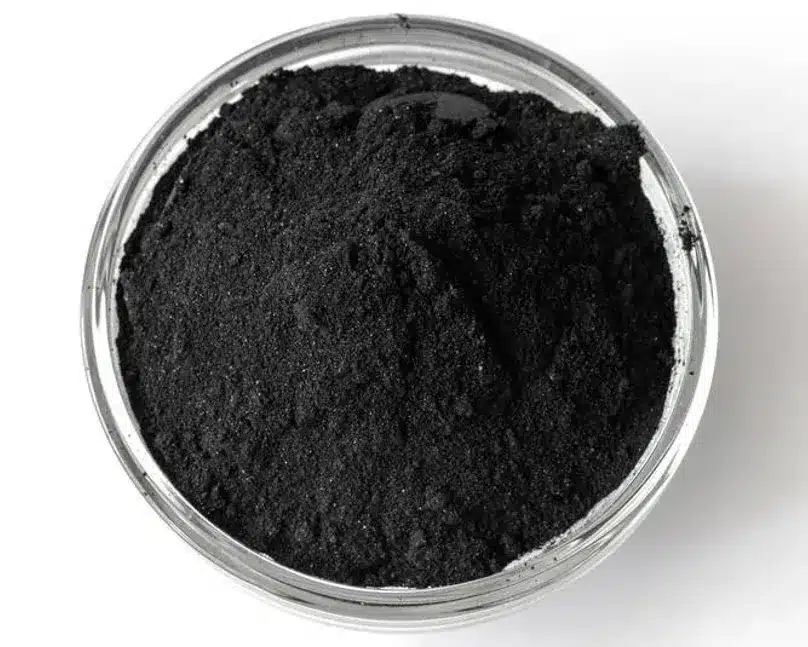
Karıştırma ve Gruplandırma
Kontrol ve depolamadan sonra, demir fosfat, lityum karbonat, glikoz ve katkı maddeleri (iletken maddeler) gibi ham maddeler geçici olarak ham madde deposunda saklanır. Demir fosfat ve lityum karbonat tonluk torbalar halinde tedarik edilir. İlk olarak, demir fosfat ve lityum karbonat içeren tonluk torbalar silonun üstüne yerleştirilir. Silo içi kesme aletleri kullanılarak, malzemenin siloya düşmesi için tonluk torbanın alt kısmı kesilir. Siloda geçici olarak depolanan malzemeler, bir dozaj tankında formüle göre tartılır. Glikoz ve iletken maddeler doğrudan dozaj tankına eklenir.
Demir fosfat ve lityum karbonat gibi malzemelerin boşaltılması sırasında toz oluşur. Besleme sırasında, malzeme çıkışında oluşan tozu toplamak için egzoz portu devreye alınır. Toplanan toz, karıştırma işlemine geri döndürülür ve arıtılmış egzoz gazı atölyede çökelir.
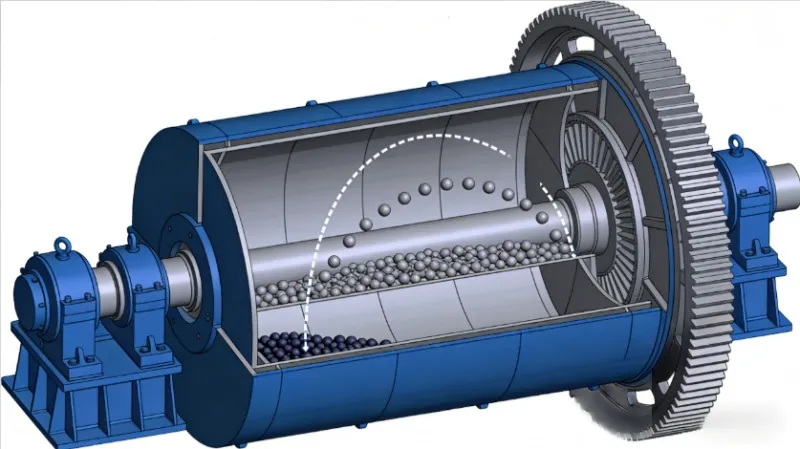
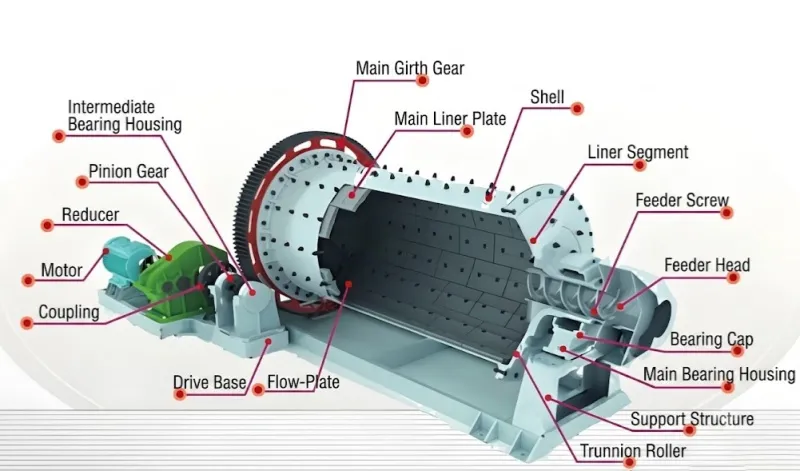
Karıştırma Değirmeni ve Bileme
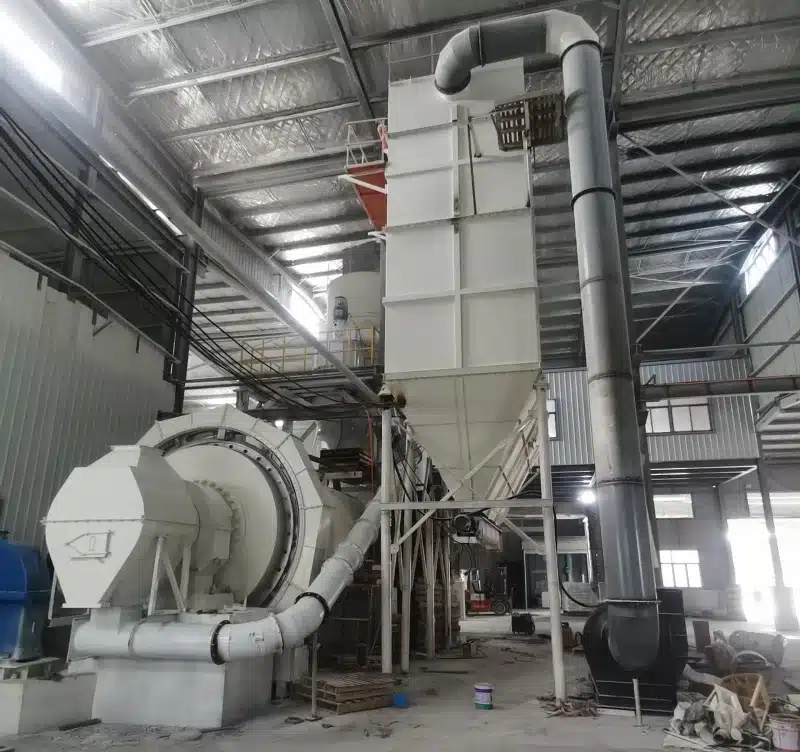
Malzemelerin karıştırılması için ıslak bir işlem kullanılır. Demir fosfat, lityum karbonat, glikoz, saf su ve iletken maddeler karıştırma tankında bir araya getirildikten sonra, malzemeler bir bulamaç oluşturur ve bu bulamaç bir karıştırma değirmenine pompalanır. Parçacık boyutunu 50 mesh'in altına düşürmek için oksitlenmiş zirkonya bilyeleri öğütme ve karıştırma işleminde kullanılır. Bulamaç daha sonra parçacık boyutu 100 mesh'in altına düşene kadar daha fazla öğütme için bir kum değirmenine aktarılır.
Üretim sırasında, malzemeyi düşük sıcaklıkta tutmak için karıştırma değirmeni ve kum değirmeni buzlu suyla soğutulur. Buzlu su, devridaimli bir soğutma suyu havuzuna ve soğutma kulesine geri döndürülür, soğutulur ve deşarj edilmeden tekrar kullanılır. Buzlu su, tekrar kullanım için bir soğutma sistemi tarafından daha da soğutulur. Karıştırma değirmeni ve kum değirmeni ıslak malzemelerle kapalı bir sistemde çalıştığı için toz oluşmaz. Bununla birlikte, karıştırma, öğütme ve soğutma kulesi işlemleri bir miktar gürültüye neden olur.
Sprey Kurutma
Öğütülmüş bulamaç, püskürtmeli kurutucuya pompalanır. Kulenin tepesinde, yüksek hızlı santrifüjlü bir atomizör, bulamacı ince damlacıklara püskürtür; bu damlacıklar çok kısa sürede sıcak havayla temas ederek yarı mamul toz haline gelir. Kurutucu, ısı kaynağı olarak doğal gaz kullanır. Sıcak hava kurutucuda ısıtılır ve kurutma odasının tepesindeki hava dağıtıcısına girer. Sıcak hava, 320°C sıcaklığa ulaşmak için spiral bir şekilde kurutma odasına girer.
Tüm yarı mamul malzemeler, kurutma kulesinin altından ve siklon toz toplayıcısından sürekli olarak dışarı atılır. Egzoz gazı, toz giderme için bir fan yardımıyla torba filtreye çekilir. Torba filtre tarafından toplanan toz, kurutma işlemine geri döndürülür. Arıtılmış egzoz gazı, 25 m yüksekliğindeki bir bacadan dışarı atılır. Torba filtrenin gözenek boyutu <0,1 μm'dir. Egzoz gazı giriş ve çıkış sıcaklığı yaklaşık 100°C'dir; su buharı damlacıklara dönüşmez ve torba filtreyi etkilemez. Püskürtmeli kurutucu, çalışma sırasında gürültü üretir.
Sinterleme
Püskürtmeli kurutma toz toplayıcısı tarafından toplanan malzeme, vakumlu besleme kullanılarak sızdırmaz bir boru hattı aracılığıyla sinterleme işlemine aktarılır ve bu sayede toz oluşumu önlenir. Malzeme, sızdırmaz bir silindirli fırında sinterlenir. Sinterleme sıcaklıkları, sinterleme işlemine göre farklı bölgelerde ayarlanır, tipik olarak 700–800°C (silindirli fırın elektrikli ısıtma kullanır). Malzemeler, silindir üzerindeki grafit potalara (toz oluşumu yok) yüklenir. Silindirin dönüşü, potaları ileri doğru hareket ettirerek sinterleme işlemini tamamlar.
Sinterleme sırasında üç değerlikli demir, demir(II) iyonuna indirgenir. Azot jeneratörü ile hazırlanan yüksek saflıkta azot, inert bir atmosfer sağlamak için sinterleme fırınına verilir. LiFePO₄, yüksek sıcaklıkta ,9% (LiFePO₄'e göre) reaksiyon dönüşümü ile sentezlenir ve LiFePO₄ verimi ,5%'dir.
Başlıca reaksiyon mekanizması aşağıdaki gibidir:
- Lityum karbonatın CO₂ salınımıyla parçalanması:
Li₂CO₃ → Li₂O + CO₂ - İnert atmosfer altında glikoz karbon ve suya ayrışır:
C₆H₁₂O₆ → 6C + 6H₂O - Demir fosfat, karbonun varlığında lityum ile reaksiyona girerek LiFePO₄ sentezler:
2FePO₄ + Li₂O + 6C → 2LiFePO₄ + 5C + CO
Genel tepki:
2FePO₄ + Li₂CO₃ + C₆H₁₂O₆ → 2LiFePO₄ + 5C + CO₂ + CO + 6H₂O
After sintering, the material is cooled and sent to the crushing and classification section. The post-sintering section of the roller kiln uses a water-circulating jacket and air cooling. Circulating water is cooled by a fiberglass cooling tower and reused.
Sinterleme sırasında glikozun ayrışması nedeniyle yan reaksiyonlar meydana gelir:
C₆H₁₂O₆ → 6C + 6H₂O
C + CO₂ → 2CO
Azot jeneratörü, ham madde olarak havayı ve adsorban olarak karbon moleküler elekleri kullanan hava ayırma teknolojisini kullanır. Basınç salınımlı adsorpsiyon yöntemiyle çalışarak oksijen ve azotu seçici olarak adsorbe eder ve ayırır. Azot jeneratörünün çalışması sırasında gürültü oluşur.
Sinterleme reaksiyonları, sinterleme egzoz yakma sistemine giren büyük miktarda su buharı, CO, CO₂ ve eksik glikoz ayrışmasından kaynaklanan az miktarda uçucu ürün üretir. Egzoz, doğal gazla tutuşturulur ve 15 m yüksekliğindeki bir bacadan dışarı atılır. Yanma egzoz kirleticileri arasında toz, SO₂ ve NOx bulunur. Yanmadan kaynaklanan atık ısı, püskürtmeli kurutma işleminde hava ön ısıtması için geri kazanılır.
Jet Frezeleme
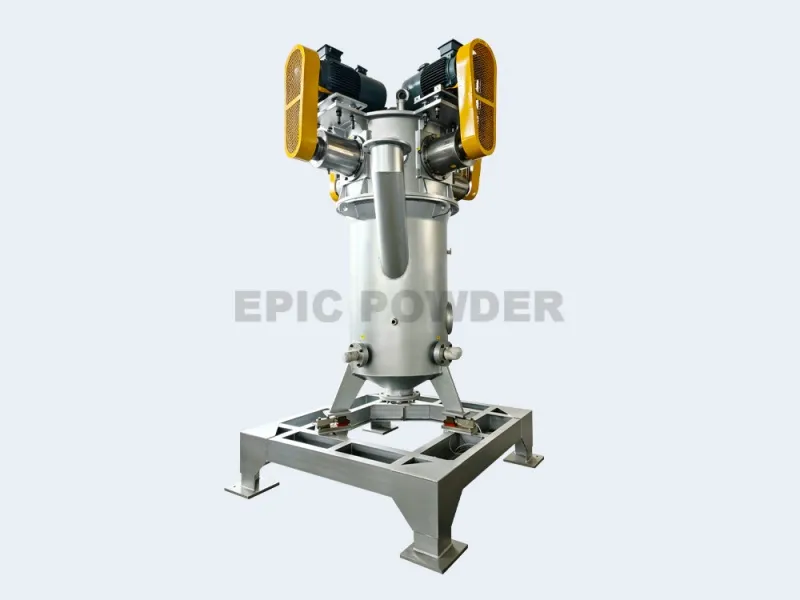
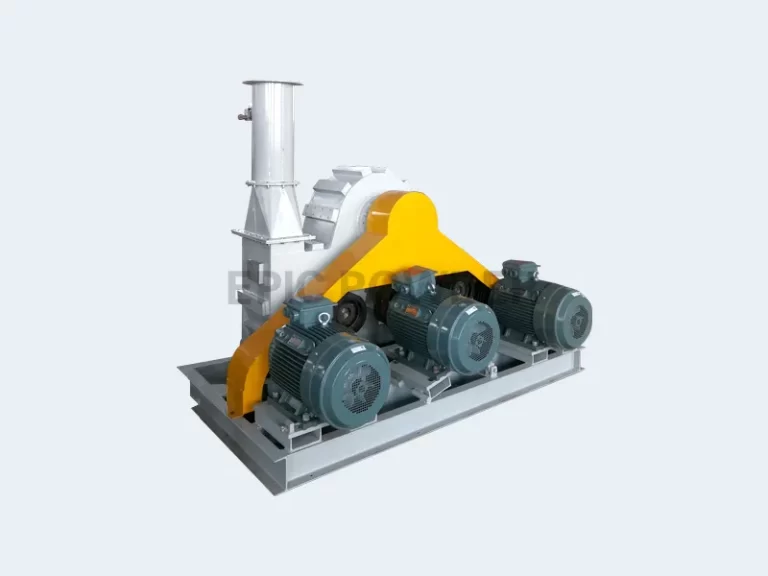
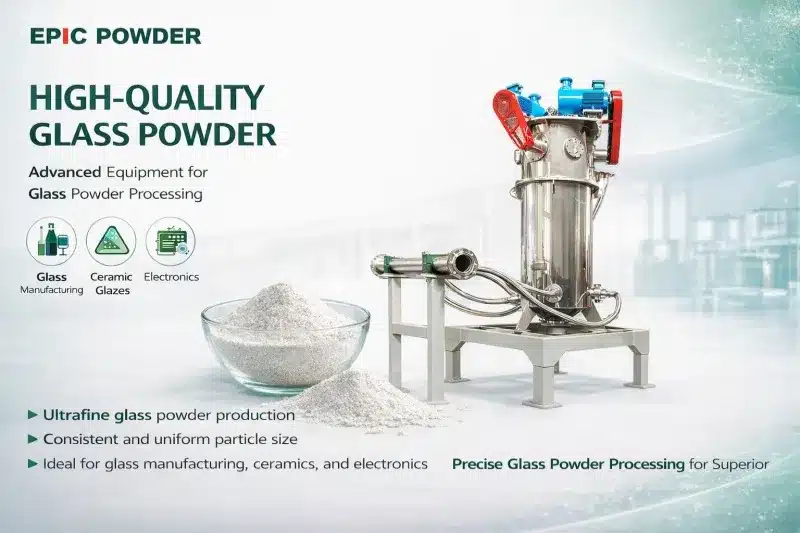
Sinterleme sonrası malzeme, toz haline getirilmek üzere jet öğütme işlemine aktarılır. Akışkan yataklı bir jet öğütücü kullanılır. Sıkıştırılmış hava, öğütme odasını çevreleyen dört Laval nozülünden geçirilerek süpersonik hava akışı oluşturulur. Öğütme bölgesinde, parçacıklar nozül kesişme noktalarında çarpışarak toz haline gelir.
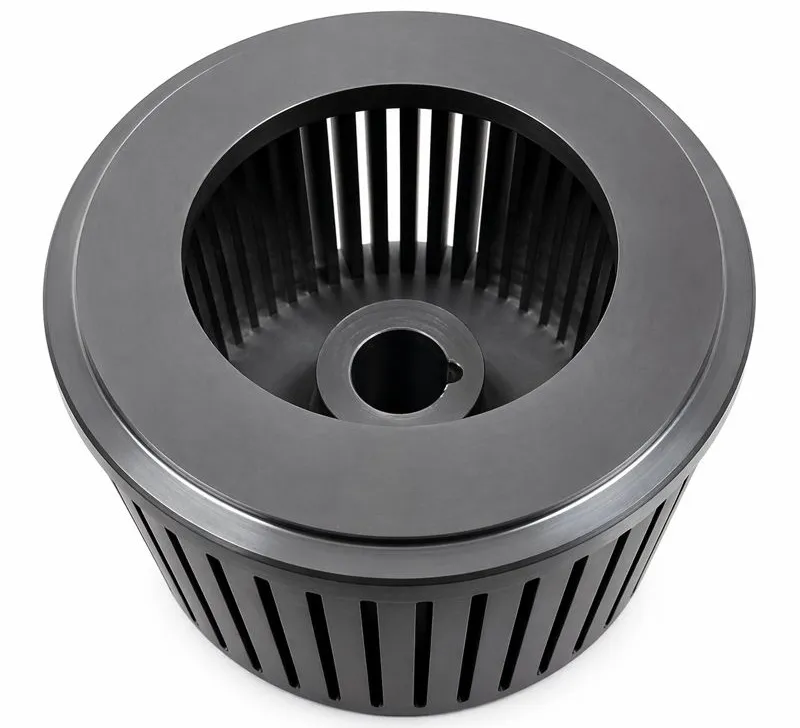
Ground material is carried by the rising airflow into the classification zone. A high-speed classifier wheel separates fine particles, which are collected by cyclone separators and bag filters. Coarse particles return to the grinding zone for further milling. Exhaust gases are filtered and recirculated via the fan turbine to the mill; gases are reused and not discharged. Material collected by cyclone and bag filters is conveyed to the next process. The jet milling process operates in a closed loop, producing no dust emissions.
Manyetik Ayırma ve Eleme
Jet değirmeninin altına elektromanyetik kuru toz ayırıcılar ve elekler monte edilmiştir. Siklon ve torba filtreler tarafından toplanan malzeme, demir giderme ve manyetik safsızlıkları ortadan kaldırmak için bu cihazlara düşer. Demir giderme kabı kapatılmıştır. Eleme ve demir giderme işleminden sonra malzeme vakumlu paketleme makinesine girer. Bu işlem tamamen kapalıdır ve az miktarda demir cürufu dışında toz üretmez; bu cüruflar da toplanıp geri dönüştürülür.
Vakumlu Ambalajlama
Toz halindeki ürün, vakumla kapatma işlemi için otomatik olarak vakumlu paketleme makinesine beslenir. Paketleme torbasının içindeki hava, az miktarda tozla birlikte dışarı atılır. Vakumlu paketleme sırasında oluşan toz, kapalı paketleme odasındaki dahili torba filtresi tarafından toplanır. İşlemden sonra, atık gaz atölyede birikir.
Çözüm
Özetle, hassas dozajlama ve karıştırmadan nihai vakumlu paketlemeye kadar katı hal lityum demir fosfat üretiminin her adımı yakından bağlantılı ve sıkı bir şekilde kontrol edilmektedir. Öğütme partikül boyutu, sinterleme atmosferi ve manyetik demir uzaklaştırma gibi kritik noktaların hassas bir şekilde yönetilmesiyle, nihai katot malzemesinin kalitesi ve saflığı etkili bir şekilde garanti altına alınmaktadır.

“Okuduğunuz için teşekkürler. Umarım makalem yardımcı olmuştur. Lütfen aşağıya yorum bırakın. Ayrıca, daha fazla sorunuz için Zelda çevrimiçi müşteri temsilcisiyle iletişime geçebilirsiniz.
— Gönderen Emily Chen
“