Modern alanında lityum pil malzemeleri, LiNiₓCoᵧMn₁₋ₓ₋ᵧO₂ gibi tek kristalli üçlü malzemeler, güç bataryası katotları için önemli bir odak noktası haline gelmiştir. Mükemmel döngü kararlılıkları, yüksek enerji yoğunlukları ve güvenlikleri nedeniyle oldukça değerlidirler. Bununla birlikte, daha yüksek performans için malzeme parçacık boyutları inceltilmeye devam ettikçe, bu malzemeler genellikle işleme, depolama ve hazırlama sırasında "kümelenme" sorunuyla karşı karşıya kalmaktadır. Üçlü Malzeme Hava Jet Değirmeni kullanmak, bu kümelenmeleri parçalamak, hem toz dağılımını hem de kaplama homojenliğini iyileştirmek, performans düşüşünü ve üretim tutarsızlıklarını önlemek için uygulanabilir ve verimli bir çözüm sunmaktadır.
Hava jetli değirmen, son yıllarda ultra ince toz işleme alanında yaygın olarak kullanılmaktadır. Bu değirmen, topakları parçalamak için uygulanabilir bir çözüm sunmaktadır. Bu makale, Üçlü Malzemelerin nasıl kullanılacağını incelemektedir. Hava Jetli Değirmen Bu zorlukların üstesinden gelmek için, kümelenme mekanizmalarını, çalışma prensiplerini ve süreç optimizasyonunu inceleyen teknoloji.
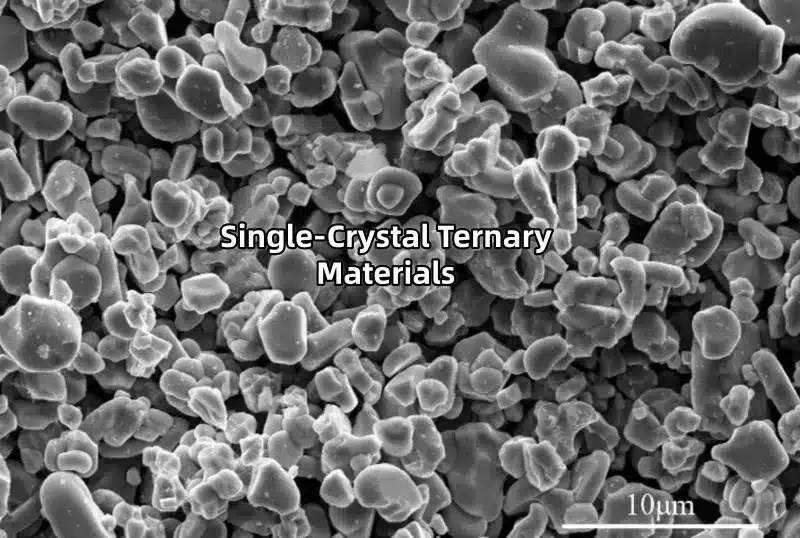
I. Tek Kristalli Üçlü Malzemelerde Kümelenmenin Nedenleri
Çözümleri tartışmadan önce, tek kristalli üçlü malzemelerin neden kümelenme eğiliminde olduğunu anlamak gerekir. Kümelenme, toz parçacıklarının mikroskobik veya makroskobik seviyelerde, esasen parçacıklar arasındaki yapışma veya bağlanma nedeniyle kümeler oluşturması olgusudur. Tek kristalli üçlü malzemeler için başlıca nedenler şunlardır:
- Yüksek yüzey enerjisi ve nem adsorpsiyonu
Tek kristalli NCM malzemeleri nispeten yüksek yüzey enerjisine sahiptir. Daha ince parçacıklar Van der Waals çekimine daha yatkındır ve bu da kümelenme oluşumuna yol açar. Ayrıca, malzeme depolama veya işleme sırasında havadan nem emerse, az miktarda yüzey hidroksit oluşabilir ve bu da parçacıklar arası çekimi daha da artırabilir. - Parçacık morfolojisi ve boyut dağılımı
Tek kristalli malzemeler genellikle küresel veya küreye yakın şekildedir ve küçük ve dar parçacık boyutu dağılımlarına sahiptir. Bu tür parçacıklar, özellikle nemli veya elektrostatik olarak yüklü ortamlarda, istifleme sırasında kolayca yoğun topaklar oluşturur. - Üretim süreçlerinden kaynaklanan artık gerilim
Ham madde hazırlama ve bilyalı öğütme veya püskürtmeli kurutma gibi işlemler sırasında, tek kristalli parçacıklarda yüzey kusurları veya iç gerilimler oluşabilir. Bu kusurlar yüzey pürüzlülüğünü artırarak, parçacıkların çarpışma veya titreşim sırasında mekanik olarak daha kolay kenetlenmesine ve topaklanmalar oluşturmasına neden olur. - Elektrostatik ve sürtünme etkileri
Ultra ince parçacıklar, taşıma, paketleme veya karıştırma sırasında statik elektrik üretme eğilimindedir. Elektrostatik kuvvetler, parçacıklar arası sürtünmeyle birleşerek kararlı topakların oluşmasına katkıda bulunur ve bu da toz akışını ve homojenliğini olumsuz etkiler.
Temelde, kümelenme sorununu çözmek, parçacıklar arası yapışmayı azaltmayı, parçacık boyutu dağılımını kontrol etmeyi ve akışkanlığı iyileştirmeyi gerektirir. Bilyalı öğütme veya titreşimli öğütme gibi geleneksel mekanik yöntemler parçacık boyutunu küçültebilir. Bununla birlikte, ultra ince tozlarda mikro çatlaklara, kafes hasarına veya performans düşüşüne de neden olabilirler. Buna karşılık, benzersiz aerodinamik öğütme mekanizmasına sahip Üçlü Malzeme Hava Jeti Değirmeni, bu zorluğun üstesinden gelmek için etkili bir araç haline gelmiştir.
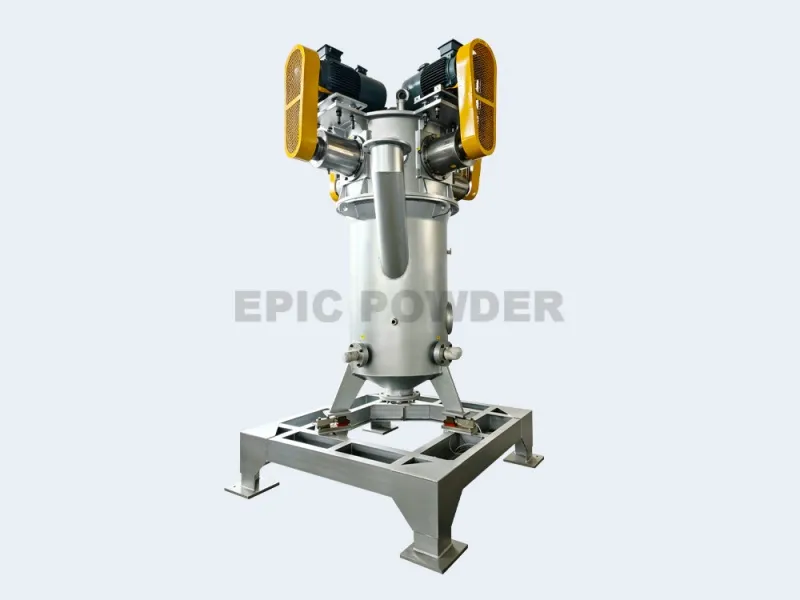
II. Çalışma Prensipleri ve Avantajları Hava Jeti Frezeleme
Hava jetli öğütücü, öğütme işlemini gerçekleştirmek için yüksek hızlı hava akışına dayanan ultra ince toz işleme cihazıdır. Temel prensip, öğütme haznesi içinde yüksek basınçlı hava akışı kullanarak yüksek hızlı darbe ve kesme kuvveti oluşturmaktır. Bu, parçacıkların çarpışmasına, sürtünmesine ve kırılmasına neden olarak ultra ince öğütme sağlar. Aynı zamanda, ekipman verimli bir sınıflandırma sistemine sahiptir. Bu sistem, hedef boyuta uyan parçacıkları sürekli olarak ayırırken, niteliksiz parçacıkları daha fazla öğütme için hazneye geri gönderir. Başlıca özellikleri ve avantajları şunlardır:
- Temassız veya düşük aşınmalı frezeleme
Hava jetli değirmenler, öğütme ortamı yerine yüksek hızlı hava akışına dayanır ve geleneksel bilyalı veya boncuklu değirmenlerin neden olduğu mekanik stresi önler. Bu, özellikle tek kristalli üçlü malzemelerin bütünlüğünü korumak ve mikro çatlak oluşumunu azaltmak, aynı zamanda ekipman aşınmasını ve çapraz kontaminasyonu en aza indirmek için önemlidir. - Yüksek verimli sınıflandırma ve hassas parçacık boyutu kontrolü
Dahili sınıflandırma sistemi, rotor hızı ve hava akış hızına göre parçacık boyutu çıkışının hassas bir şekilde ayarlanmasına olanak tanır. Tek kristalli üçlü malzemeler için bu, etkili bir şekilde kümelenme olasılığını azaltırken dar bir parçacık boyutu dağılımı elde etmek anlamına gelir. - Topakları parçalamak için güçlü hava akımı etkisi
Topaklar genellikle ince parçacıkların Van der Waals veya elektrostatik kuvvetler yoluyla birbirine yapışmasıyla oluşur. Hava jetli değirmenlerdeki yüksek hızlı hava akışı ve pnömatik sirkülasyon, topakları güçlü bir şekilde etkileyip parçalayarak tek tek parçacıklara ayırır ve tozun dağılabilirliğini önemli ölçüde iyileştirir. - Kuru işlem, nem emilimini ve kirlenmeyi azaltır.
Hava jetiyle öğütme genellikle kuru bir işlemdir; bu sayede su veya organik çözücülerin malzeme yüzeyine etkisi önlenir ve tozun nem emilimi ve oksidasyon riski azaltılır. Bu, NCM tek kristalli malzemeler için çok önemlidir, çünkü raf ömrünü uzatır ve elektrokimyasal performansı korur.
III. Hava Jetli Değirmende Topaklanmanın Üstesinden Gelmeye Yönelik Proses Stratejileri
Pratik uygulamalarda, yalnızca hava jetli değirmen kullanmak, topaklanmanın tamamen giderilmesini garanti etmez; malzeme özelliklerine dayalı proses optimizasyonu da gereklidir. Başlıca stratejiler şunlardır:
1. Hava akış hızı ve basıncının optimize edilmesi
Hava jetli değirmenin öğütme etkisi esas olarak hava akış hızı ve basıncından etkilenir. Aşırı derecede kümelenmiş tek kristalli üçlü malzemeler için, öğütme haznesinde yeterli çarpışma ve kesme enerjisi sağlamak amacıyla orta ila yüksek basınçlı hava akışı seçilmelidir. Aşırı yüksek hava akışı, parçacıkların aşırı çarpışmasına ve mikro çatlaklar oluşturmasına neden olabilir, bu nedenle deneysel olarak bir denge bulunmalıdır.
2. Sınıflandırıcı rotor hızının ayarlanması
Sınıflandırıcı rotor, boşaltılabilecek parçacık boyutunu belirler. Yüksek hızlı rotorlar daha ince tozları eleyebilir, ancak aşırı hız, dolaşım süresini artırarak statik birikime ve topaklanmaya yol açabilir. Doğru rotor hızı ayarı, öğütme ve sınıflandırmayı dengeleyerek, topaklanmayı azaltırken nihai parçacık boyutunu etkili bir şekilde kontrol eder.
3. Hava akışı yolu tasarımı ve sirkülasyon sistemi
Hava jetli öğütme makineleri genellikle, niteliksiz parçacıkları öğütme odasına geri döndürmek için kapalı devre bir sirkülasyon sistemi kullanır. Uygun hava akışı yolu tasarımı, parçacık çarpışma sıklığını artırarak, taşıma hattında yeniden kümelenmeyi önlerken kümelerin parçalanmasını iyileştirir.
4. Malzeme besleme yöntemlerinin kontrolü
Parçacık morfolojisi ve nem içeriği, kümelenme olasılığını doğrudan etkiler. Düzgün ve sürekli besleme kullanımı, haznede uzun süreli yığılmayı önleyerek statik birikimi ve küme oluşumunu azaltır. Kurutma veya ön sınıflandırma gibi ön işlemler, öğütme sonuçlarını daha da optimize edebilir.
5. Yardımcı madde olarak dağıtıcı maddelerin eklenmesi
Bazı yüksek performanslı uygulamalarda, hava jeti öğütme işleminden önce veya sonra az miktarda yüzey değiştirici veya dağıtıcı madde eklenebilir. Bu maddeler parçacık yüzeyini kaplayarak yüzey enerjisini ve statik kuvvetleri azaltır, tozun depolama ve sonraki işlemler sırasında iyi dağılmasını sağlar ve böylece topaklanma sorunlarının üstesinden gelinmesine yardımcı olur.
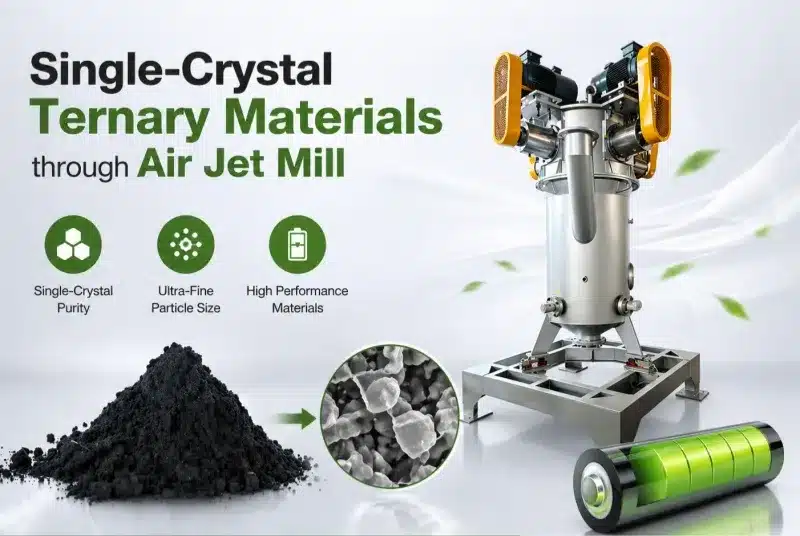
IV. Hava Jeti Değirmeni Tek Kristalli Üçlü Malzemelerin Pratik Uygulamaları
Üçlü Malzemeler Hava Jetli Değirmeni, yerli ve uluslararası birçok güç bataryası katot malzemesi şirketinde başarıyla uygulanmıştır. Örneğin, bir üretici, tek kristalli NCM malzemesinin parçacık boyutunu 10–20 μm'den 2–5 μm'ye düşürmek için hava jetli değirmen kullanmıştır. Öğütme işleminden sonra, toz homojen bir yığın yoğunluğu ve gelişmiş akışkanlık sergilemiştir. Kaplama işlemlerinde, bulamaç dağılımı iyileşmiş, kaplama kalınlığı homojenliği artmış ve pil kapasitesi tutma oranı 5%'den fazla artmıştır. Bu örnek, tek kristalli üçlü malzemelerin kümelenme sorununu çözmede hava jetli öğütmenin etkinliğini açıkça göstermektedir.
V. Sonuç ve Gelecek Perspektifleri
Tek kristalli üçlü malzemelerin kümelenmesi, parçacık inceliği, yüksek yüzey enerjisi ve elektrostatik adsorpsiyondan kaynaklanan uzun süredir devam eden bir sorundur. Üçlü Malzemeler Hava Jet Değirmeni, yüksek hızlı hava akışı ve sınıflandırma mekanizmasıyla özel bir çözüm sunmaktadır. Bu işlem, kümeleri etkili bir şekilde parçalar ve parçacık boyutu dağılımını kontrol eder. Sonuç olarak, malzemenin yapısal bütünlüğünü korurken toz akışını ve dağılabilirliğini iyileştirir.
Hava akış hızı, sınıflandırıcı rotor hızı ve besleme yöntemleri gibi parametrelerin (genellikle dağıtıcılarla birlikte) optimize edilmesiyle, hava jetli değirmen son derece kontrol edilebilir bir işleme çözümü sunar. Gelecekte, pil malzemeleri daha yüksek enerji yoğunluklarına doğru ilerledikçe, bu teknoloji gelişmeye devam edecektir. Gelecekteki optimizasyonlar muhtemelen akıllı kontrol, çevrimiçi parçacık boyutu izleme ve düşük sıcaklıkta öğütmeyi içerecektir. Bu gelişmeler, yüksek performanslı lityum pillerin istikrarlı üretimini sağlayacak ve tüm gelişmiş enerji malzemeleri sektörü için yol gösterici olacaktır.

“Okuduğunuz için teşekkürler. Umarım makalem yardımcı olmuştur. Lütfen aşağıya yorum bırakın. Ayrıca daha fazla sorunuz için Zelda çevrimiçi müşteri temsilcisiyle iletişime geçebilirsiniz.”
— Gönderen Emily Chen