Baritin Piyasa Uygulamaları
Barit temel bir maddedir. metalik olmayan mineral Geniş bir yelpazede endüstriyel uygulamalara sahip ham madde.
Petrol ve Gaz Sondajı
Barit, ince toz haline getirildikten sonra petrol kuyusu sondaj çamuru için ağırlıklandırıcı madde görevi görür. Çamurun özgül ağırlığını artırarak yer altı basıncına dayanmasını, kuyu çökmesini önlemesini ve oluşum sıvılarının sondaj deliğine girmesini engellemesini sağlar.
Kimya Sanayi Hammaddeleri
Barit, baryum oksit, baryum karbonat, baryum klorür, baryum nitrat, çöktürülmüş baryum sülfat ve baryum hidroksit dahil olmak üzere çeşitli baryum kimyasallarının üretiminde kullanılır.
- Saf Baryum Sülfat: Kimyasal olarak saf baryum sülfat, beyazlık ölçümü için standart referans görevi görür.
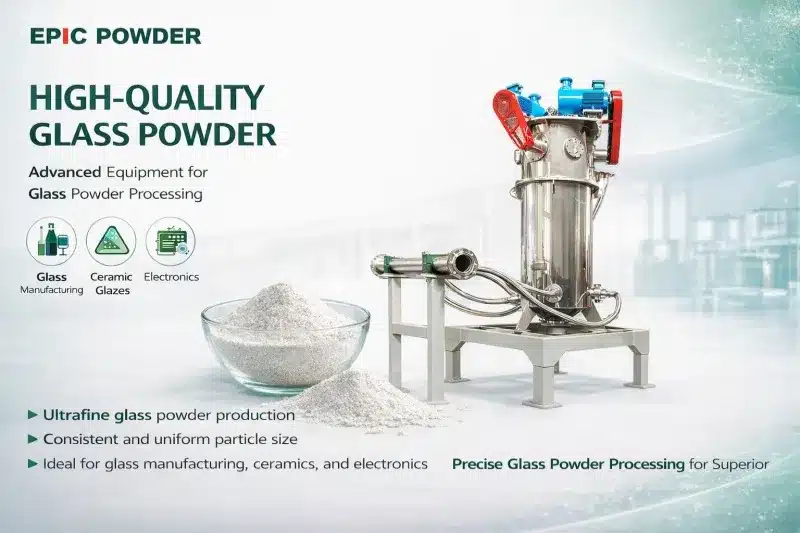
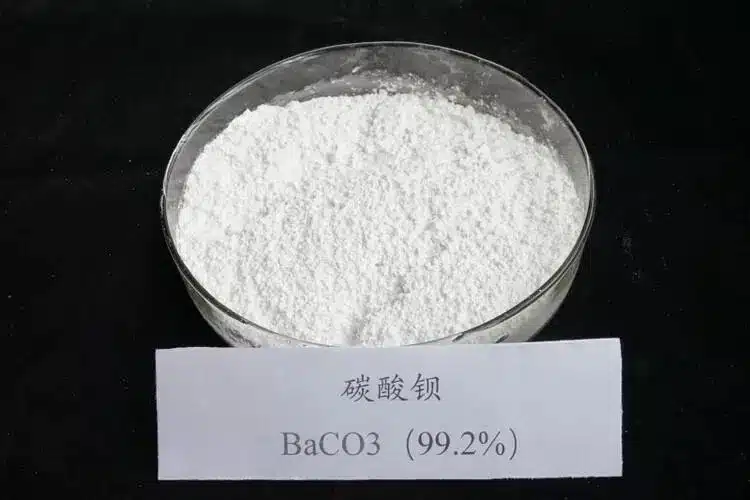
- Baryum Karbonat: Optik cam için temel bir malzemedir. Cama baryum oksit (BaO) ekleyerek kırılma indeksini artırır ve diğer optik özelliklerini geliştirir. Ayrıca seramiklerde sır formülasyonunda da kullanılır.
- Baryum Klorür: Tarım ilacı olarak kullanılır.
- Baryum Nitrat: Havai fişek ve cam sanayinde kullanılır.
- Baryum Permanganat: Yeşil pigment görevi görür.
Dolgu Maddeleri ve Pigmentler
- Litopon Pigmenti: Barit, litopon pigmentinin üretiminde önemli bir bileşendir.
- Endüstriyel Dolgu Maddeleri: Barit tozu, boya, kağıt, kauçuk ve plastik endüstrilerinde yaygın olarak dolgu maddesi olarak kullanılır. Yağlarla karıştırılıp kumaş tabanlarına uygulandığında ise muşamba elde edilir.
Diğer Endüstriyel Kullanımlar
- Petrol ve İnşaat: Gazyağı arıtımında, çimento mineralleştiricilerinin formülasyonunda ve radyasyon kalkanı harcı ve beton üretiminde kullanılır.
- İlaç: Sindirim sistemi görüntülemesinde kontrast madde olarak kullanılır.
- Diğer Ürünler: Böcek ilaçlarında, deri işlemede ve havai fişek üretiminde kullanılır.
- Baryum Metal Çıkarma: Çıkarılan baryum metali, rulman üretiminde alüminyum, magnezyum, kurşun ve kalsiyum gibi metallerle alaşımlanır. Ayrıca televizyonlarda ve elektronik vakum tüplerinde gaz giderici ve bağlayıcı madde olarak da kullanılır.
Yapılandırması Barit Öğütme Üretim Hatları
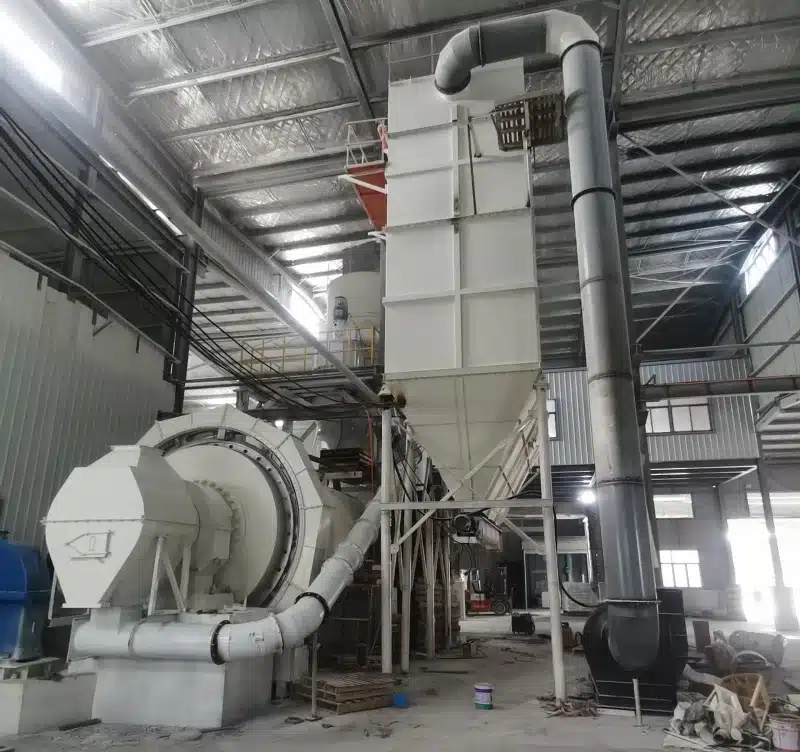
Barit öğütme hattının özü, gerekli toz inceliğine ve üretim kapasitesine göre doğru öğütme ekipmanının seçilmesidir. Komple bir hat dört ana aşamadan oluşur: kırma, öğütme, sınıflandırma ve toplama/paketleme.
Proses Akışı ve Ekipman Yapılandırması
| Süreç Aşaması | Temel Ekipman | Birincil İşlev |
| Ham Madde Ön İşlemi | Çeneli kırıcı, konik kırıcı / darbeli kırıcı, titreşimli elek | Öğütme işlemine hazırlık olarak, büyük ham cevheri homojen küçük parçacıklara (tipik olarak ≤ 20 mm) kırar. |
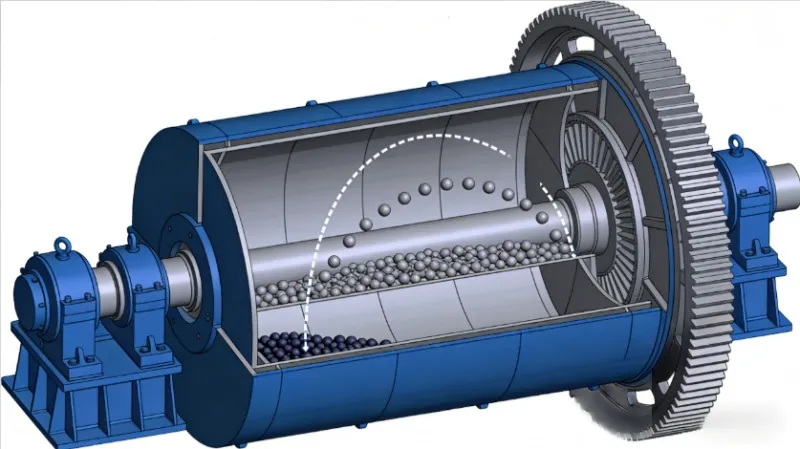
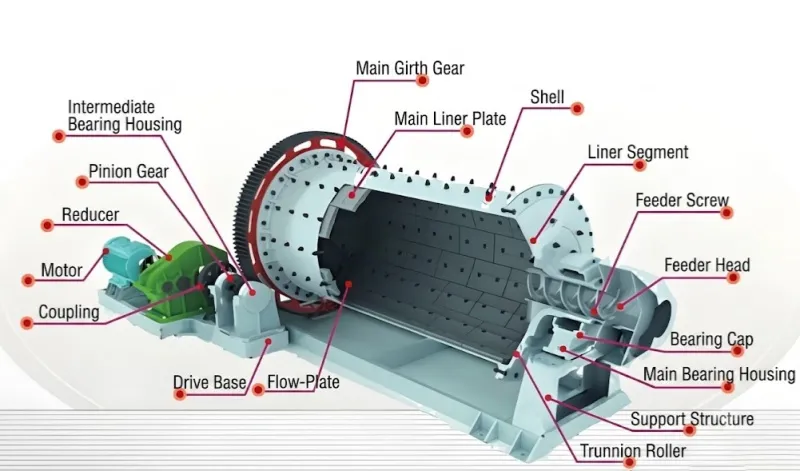
| Bileme | Raymond değirmeni, halkalı silindirli değirmen, ultra ince dikey değirmen, bilyalı değirmen, vesaire. | Çekirdek aşaması. Kırılan malzemeyi istenilen incelikte toz haline getirir. |
| Sınıflandırma | Hava Sınıflandırıcısı | Öğütülmüş toz, incelik gereksinimlerini karşılayan nihai ürünleri ayırmak için eleklerden geçirilir. Kaba toz, yeniden öğütülmek üzere değirmene geri gönderilir. |
| Toplama ve Paketleme | Darbeli toz toplayıcı, vidalı konveyör, otomatik paketleme makinesi | Üretilen tozu verimli bir şekilde toplar, egzoz gazını arındırır, depolar ve nihai ürünü paketler. |
Barit Çekirdek Öğütme Ekipmanlarının Karşılaştırılması
Öğütme değirmeni, üretim hattının kalbidir. Ekipman seçimi, ürün kalitesini ve işletme maliyetlerini doğrudan belirler.
| Ekipman Türü | Uygun İncelik | Tipik Kapasite | Avantajlar ve Uygulama Senaryoları |
| Raymond Değirmeni | 80 – 800 mesh | 1 – 55 t/saat | Ekonomik ve Pratik: Düşük başlangıç yatırımı gerektiren olgun teknoloji. Orta incelikte ve orta ölçekli üretim için en uygunudur (örneğin, inşaat malzemeleri, standart dolgu maddeleri). |
| Halkalı Silindirli Değirmen / Bilyalı Değirmen | 325 – 2500 mesh (5 – 45 μm) | 1 – 22 t/saat | Ultra İnce Uzmanı: Tek geçişte yüksek incelikte toz üretir. Öğütme silindirleri ve halkaları, daha uzun kullanım ömrü için aşınmaya dayanıklı çelikten üretilmiştir. Yüksek değerli ultra ince tozlar için idealdir. |
| Ultra ince Dikey Değirmen | 3 – 45 μm | 1 – 40 t/saat | Yüksek Verimlilik ve Enerji Tasarrufu: Yüksek tek makine kapasitesi, düşük güç tüketimi, yüksek otomasyon ve homojen parçacık dağılımı özelliklerine sahiptir. Yüksek kaliteli ultra ince tozların (örneğin, kaplamalar, plastikler, ilaç sınıfı) büyük ölçekli ve yoğun üretimi için idealdir. |
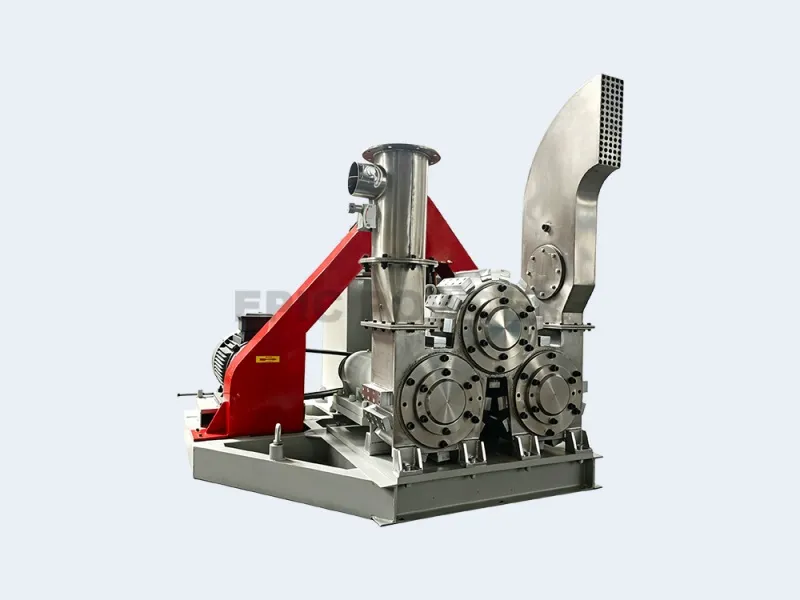
Ekipman Seçiminde Önemli Faktörler
- Hedef Pazar Gereksinimleri
- Sondaj Çamuru ve Genel Dolgu Malzemeleri (~200 mesh): Standart bir Raymond değirmeni yeterlidir.
- Yüksek Kaliteli Kaplamalar, Plastikler ve Radyasyon Kalkanları (1250+ mesh): Halkalı silindirli değirmen, bilyalı değirmen veya ultra ince dikey değirmen seçeneklerinden birini tercih edin.
- Çevre ve Enerji Hususları
- Modern üretim hatları, negatif basınç altında çalışan darbeli torba tipi toz toplayıcılarla donatılmalıdır. Bu, toz sızıntısını önler ve çevre standartlarına uyumu sağlar.
- Ekipman seçerken enerji tüketimini ve bakım maliyetlerini (örneğin aşınma parçalarının ömrü) göz önünde bulundurun.
- Hammadde Özellikleri
- Yüksek Nem İçeriği (>5%): Ezme işleminden sonra kurutma işlemi ekleyin.
- Saflık ve Beyazlık: Demir giderme ve mineral işleme adımlarını dahil ederek nihai ürün kalitesini önemli ölçüde artırabilirsiniz.
Not: Hedeflediğiniz incelik seviyesini, saatlik üretim gereksinimlerini ve yatırım bütçenizi belirledikten sonra, ekipman mühendisleri size özel bir yapılandırma planı sunabilirler.

“Okuduğunuz için teşekkürler. Umarım makalem yardımcı olmuştur. Lütfen aşağıya yorum bırakın. Ayrıca daha fazla sorunuz için Zelda çevrimiçi müşteri temsilcisiyle iletişime geçebilirsiniz.”
— Gönderen Emily Chen