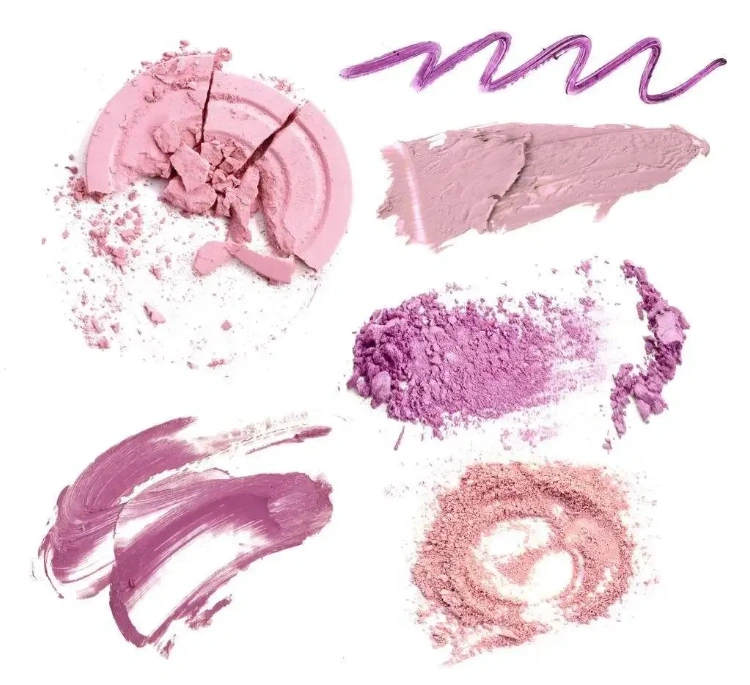
Pudra süngerini cildinize hafifçe bastırdığınızda, gözenekleriniz anında pürüzsüzleşmiş gibi görünür. Parmak uçlarınız cildinizde ipek gibi kayar; içerik listesindeki bu mütevazı isim, Spherical'dır. Silikon Reçine Tozu. Bu, cilde olağanüstü bir his veren temel bileşendir.
Ancak, ideal yumuşak odaklı ve ipeksi pürüzsüzlükte bir deneyim elde etmek, yalnızca malzemenin kimyasal yapısına değil, aynı zamanda öğütme, sentez ve sınıflandırma ekipmanları tarafından toz geometrisinin ve parçacık boyutu dağılımının (PSD) hassas kontrolüne de bağlıdır. Bu makale, küresel silikon reçine tozunun fiziksel gizemlerini, toz işleme mühendisliği ve son kullanım uygulamaları olmak üzere iki açıdan inceleyecektir.
Hammadde Özellikleri: Küresel Silikon Reçine Tozu Nedir?
Küresel silikon reçine tozu, oldukça düzenli küresel şekle ve üç boyutlu çapraz bağlı polisiloksana (örneğin polimetilsilseskioksan) sahip bir mikro tozdur. Parçacık boyutu tipik olarak 1–15 μm aralığında sıkı bir şekilde kontrol edilir.
Silikon yağı (Dimetikon): Doğrusal bir molekül, sıvı halde olup yüksek kayganlık özelliğine sahiptir ancak sabit bir fiziksel şekli yoktur.
Silikon reçine tozu: Sıvı faz hidroliz yoğunlaşması ile özel püskürtme kalıplama veya kontrollü kristalleşme işlemlerinin birleştirilmesiyle geliştirilmiştir. Bu işlem, silikon-oksijen bağ ağını son derece pürüzsüz katı mikro küreler halinde "kilitler". Organosilisyumun düşük yüzey enerjisini korurken, katı parçacıkların yüksek sertlik ve yüksek dağılabilirlik gibi fiziksel özelliklerine de sahiptir.
Neden Küresel Olmaları Gerekiyor? — Parçacık Morfolojisi ve Bileme Kontrol
Tozların mikroskobik geometrisi, sistemin reolojik tepkisini ve tribolojik davranışını doğrudan belirler.
Tribolojik Değişim: “Yüzey Teması”ndan “Nokta Teması”na”
Düz/düzensiz şekilli tozlar (örneğin küreselleştirilmemiş mika veya talk):
Parçacıklar yüzey teması halindedir, bu da yüksek kayma sürtünmesine ve sürüklenme hatta sıkışma eğilimine yol açar.
Küresel tozlar:
Parçacıklar ciltle nokta teması halindedir ve parmak ucunun basıncı altında "minyatür bilyalı rulman" etkisi yaratarak kayma sürtünmesini son derece düşük yuvarlanma sürtünmesine dönüştürür.
Farklı Morfolojilere Sahip Pudraların Fiziksel Davranışları ve Ciltte Bıraktıkları Hissin Karşılaştırma Tablosu
| Parçacık Türleri | Geometrik Özellikler | Mekanik Sürtünme Davranışı | Aşağı Akış Cilt Hissi |
| Küresel Parçacıklar | Yuvarlak ve pürüzsüz, yüksek küresellik | Yuvarlanma Sürtünmesi | İpeksi, çok kolay sürülen, yüksek oranda yayılabilir |
| Pul pul toz | Düz ve üst üste dizilmiş, yüksek en boy oranı | Kayma Sürtünmesi | İyi oturuyor ama ağır, silme direnci yüksek. |
| Açısal Tozlar | Keskin kenarlar, çok sayıda düzensiz kırık | Yüksek Kuru Sürtünme/Yüksek Direnç | Kolayca çizgilere yerleşir, pürüzlü görünür, hafifçe yakar. |
İşleme süreçlerinden kaynaklanan sonuçlar:
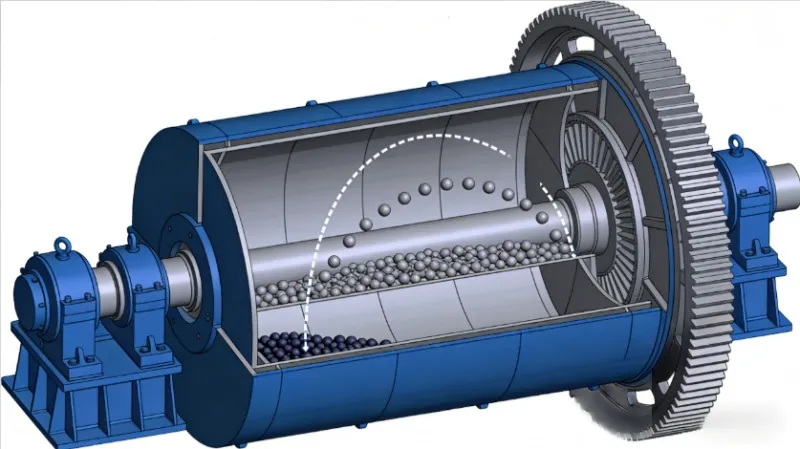
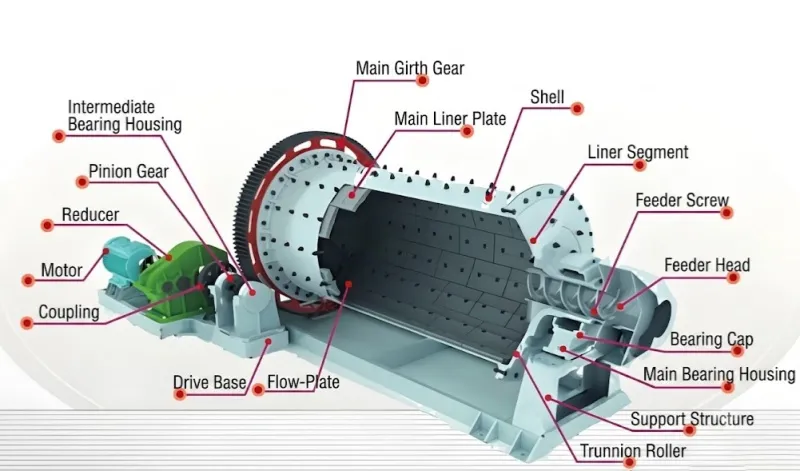
Mekanik kesme ve öğütme (geleneksel kırma ve hava akımıyla öğütme gibi) ile hazırlanan mineral tozları genellikle düzensiz kırıklar veya köşeli şekiller sergiler. Yüksek bilyalı rulman etkisi elde etmek için, genellikle ıslak sentez kristalizasyon kontrolü veya küreselleştirme modifikasyon ekipmanı gereklidir. Bu, tozun son derece yüksek küreselliğe ve dar bir parçacık boyutu dağılımına sahip olmasını sağlar.
Silikon Reçinesi Neden Kullanılmalı? — Kimyasal Yapısı ve Malzeme Özellikleri
Küresel tozlar arasında bile, Naylon-12, PMMA mikroküreler, poliüretan tozu ve silikon reçine tozu, fizikokimyasal davranışlarında önemli farklılıklar göstermektedir:
Son derece düşük yüzey enerjisi (20–25 mN/m): Su ve yaygın yağlardan çok daha düşük bir değere sahiptir. Toz, hidrofobik ve oleofobiktir, nemli ortamlarda kolayca topaklanmaz ve nemi emmeden yağı bastırır.
Kırılma indisi eşleştirme ve optik yumuşak odaklama (Kırılma İndeksi ~1,40–1,42): Küresel ışık saçılması, gelen ışığın mikrosfer yüzeyinde birden fazla dağınık yansımaya uğramasına neden olur. Bu, ince çizgileri ve gözenek gölgelerini fiziksel olarak düzleştirir.
Kimyasal atalet ve kesme direnci: Yüksek hızlı karıştırma ve homojenleştirme pompasıyla yapılan kesme işlemlerinde, yüksek oranda çapraz bağlı silikon reçine mikroküreleri stabil bir yapıyı korur ve kolayca kırılmaz veya şişmez.
Düşük hacim yoğunluğu (1,1–1,3 g/cm³): Ağır silikadan (~2,2) ve talktan (~2,7) önemli ölçüde daha düşük. Bu, sisteme mükemmel süspansiyon stabilitesi ve ağırlıksız bir makyaj etkisi sağlar.
Sıvı ve Toz Fondötenlerde Mühendislik Rolleri
Sıvı Fondötenlerde: Topaklanmayı Önleme ve Akışkanlık Kontrolü
Sıvı fondötenlerdeki inorganik pigmentler ve dolgu maddeleri (titanyum dioksit, demir oksit kırmızı/sarı/siyah gibi) yüksek yüzey enerjileri nedeniyle ikincil kümelenmeye oldukça yatkındır.
Stereoskopik bariyer: Küresel silikon tozu, formülasyonda "fiziksel bir ayırıcı" görevi görerek pigment parçacıklarının yapışmasını ve kümelenmesini önler.
Kayma inceltme yardımcısı: Yayılma yönünde bir kesme kuvveti uygulandığında, bilye-boncuk etkisi sistemin viskozitesini hızla azaltarak "ağızda eriyen" bir yayılma özelliği sağlar.
Toz halindeki malzemelerde: Dağılabilirlik ve aerodinamik özellikler
Yüksek akışkanlık (Serbest akışlı): Yüksek küresellik ve dar parçacık boyutu dağılımı, gevşek pudraya mükemmel akışkanlık kazandırır. Bu, hava akımıyla akışkanlaştırıldığında veya pudra süngeriyle alındığında son derece düzgün bir uygulama sağlar.
Fiziksel yağ kontrolü ve ışık saçılması: Temel film tabakasının mikro boşluklarına yerleştirilmiş mikro küreler, sürekli yağ filminin optik yansımasını fiziksel olarak dağıtarak mat bir görünüm elde edilmesini sağlar.
Yaygın Kozmetik Pudralarının Yatay Karşılaştırması
| Toz Tipi | Parçacık Morfolojisi | İşleme / Kaynak | İpeksi Dokunuş | Yumuşak Odak Etkisi | Yağ Kontrolü | Hacim Yoğunluğu | Maliyet |
| Küresel Silikon Reçine Tozu | Hassas Mikroküreler | Kimyasal Sentez / Kontrollü Kristalizasyon | ★★★★★ | ★★★★★ | ★★★☆☆ | Düşük | Yüksek |
| Gözenekli Silika | Küresel / Gözenekli | Sol-Gel Yöntemi / Kalsinasyon | ★★★☆☆ | ★★★★☆ | ★★★★★ | Çok Düşük | Orta |
| PMMA Mikroküreler | Küresel | Süspansiyon Polimerizasyonu | ★★★★☆ | ★★★★☆ | ★★☆☆☆ | Düşük | Orta |
| Talk / Mika | Tabak benzeri | Mekanik Darbeli Değirmen / Jet Değirmeni | ★★☆☆☆ | ★☆☆☆☆ | ★★☆☆☆ | Yüksek | Düşük |
Derinlemesine İnceleme: Ultra İnce Öğütmenin Kilit Rolü ve Sınıflandırma Formülasyondaki ekipman
Küresel silikon reçine tozunun yüksek maliyeti ve üstün performansı, temelindeki ince toz işleme teknolojisiyle yakından ilişkilidir:
Ultra ince sınıflandırma:
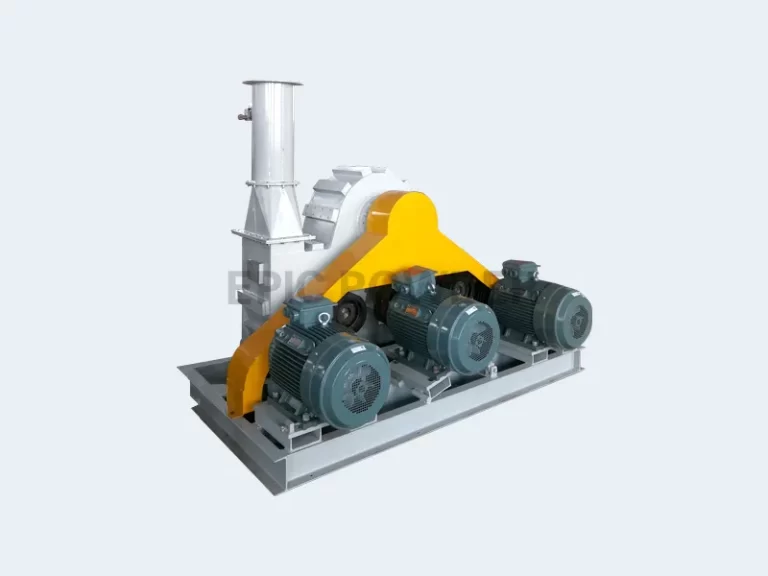
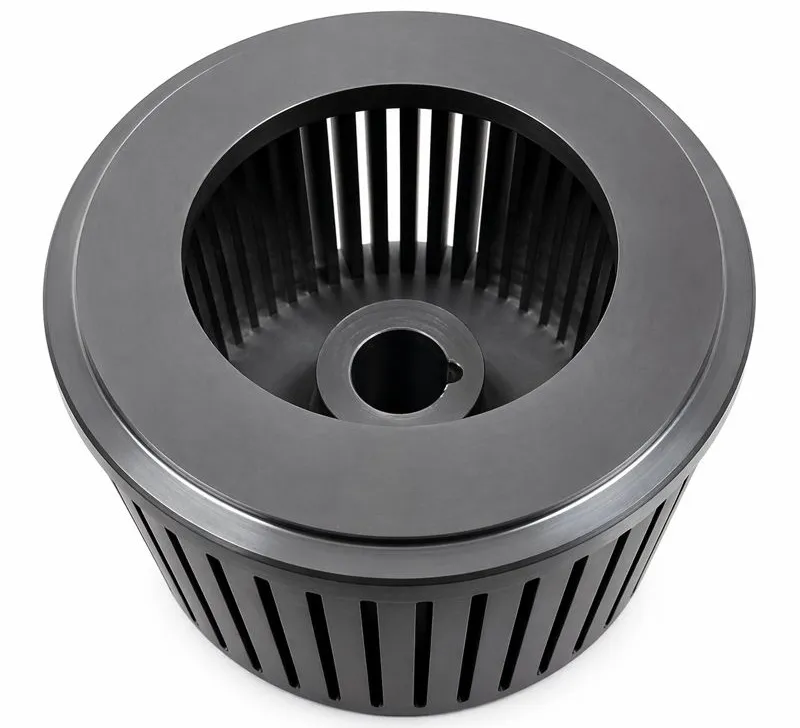
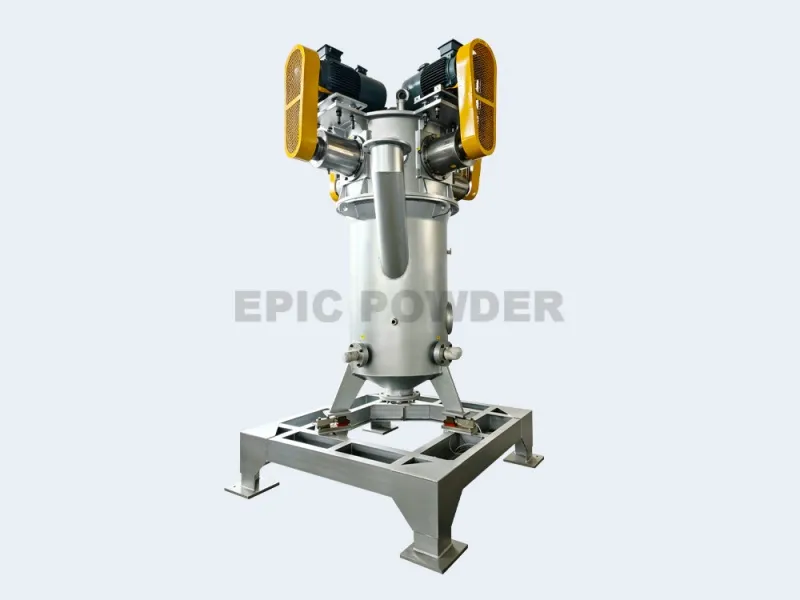
Sentezden sonra, mikrokürelerin aşırı büyük parçacıkları (>15 μm, pürüzlü bir his oluşmasını önlemek için) ve aşırı küçük parçacıkları (<1 μm, gözeneklerin tıkanmasını önlemek için) uzaklaştırmak amacıyla yüksek hassasiyetli hava sınıflandırıcılarından (örneğin dikey türbin sınıflandırıcılarından) geçirilmesi gerekir. Bu, son derece dar bir normal parçacık boyutu dağılımı sağlar.
Dağılım ve Kümelenmenin Giderilmesi:
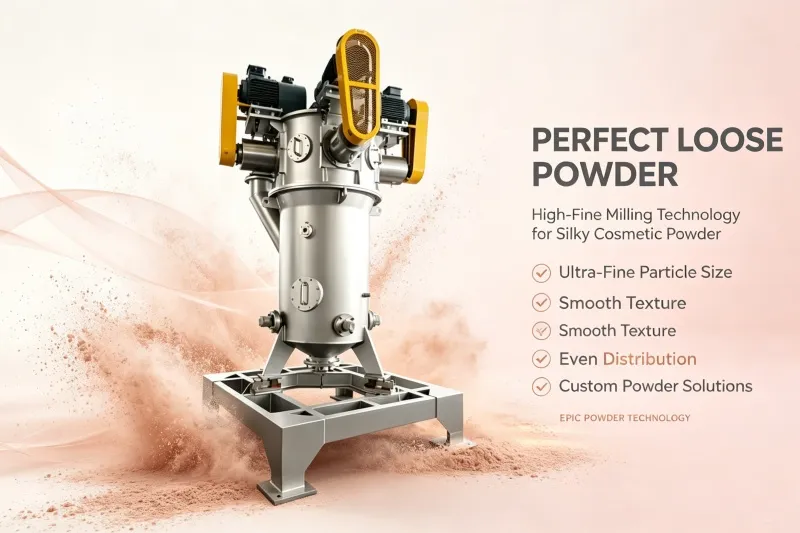
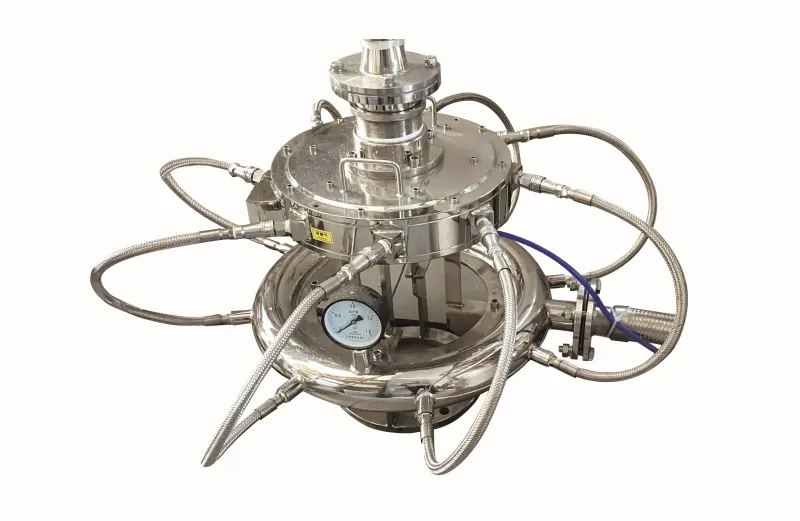
Sıvı sisteme eklenmeden önce, tozun dikey kum değirmeni, yüksek basınçlı homojenizatör veya hava akışlı akışkan yatak kullanılarak önceden dağıtılması gerekir. Bu, elektrostatik ikincil kümelenmeyi ortadan kaldırır ve tekdüze küresel parçacıkların fiziksel aktivitesini serbest bırakır.
Yüzey Modifikasyonu:
Sürekli toz yüzey modifikasyon makineleri, genellikle küresel mikrokürelerin yüzeyini belirli bağlayıcı maddeler veya florürlerle modifiye etmek için kullanılır. Bu işlem, mikrokürelerin hidrofobik ve oleofobik özelliklerini ve yağ fazındaki dağılım stabilitesini daha da artırır.
Çözüm
Küresel silikon reçine tozu, tüketici ürünlerinde hem kimyasal sentezi hem de gelişmiş toz teknolojisini temsil etmektedir.
Hassas sınıflandırma ekipmanları aracılığıyla geometri ve parçacık boyutunu düzenleyerek, her bir görünmez mikro küre "minyatür bir bilyalı rulman" gibi davranır. Toplu olarak, modern yüksek kaliteli kozmetik ürünlerinin temel rekabet bariyerini oluştururlar.

“Okuduğunuz için teşekkürler. Umarım makalem yardımcı olmuştur. Lütfen aşağıya yorum bırakın. Ayrıca daha fazla sorunuz için Zelda çevrimiçi müşteri temsilcisiyle iletişime geçebilirsiniz.”
— Emily Chen tarafından yayınlandı