目次

Barite Grinding: How to Choose the Right Mill for Your Target Market?

Market Applications of Barite

Barite is an essential non-metallic mineral raw material with a wide range of industrial applications.

重晶石粉末
重晶石粉末

Oil and Gas Drilling

Once ground into fine powder, barite serves as a weighting agent for oil well drilling mud. It increases the mud’s specific gravity to withstand subterranean pressure, prevent wellbore collapse, and stop formation fluids from invading the borehole.

Chemical Industry Raw Materials

Barite is used to manufacture various barium chemicals, including barium oxide, barium carbonate, barium chloride, barium nitrate, precipitated barium sulfate, and barium hydroxide.

  • Pure Barium Sulfate: Chemically pure barium sulfate acts as the standard reference for whiteness measurement.
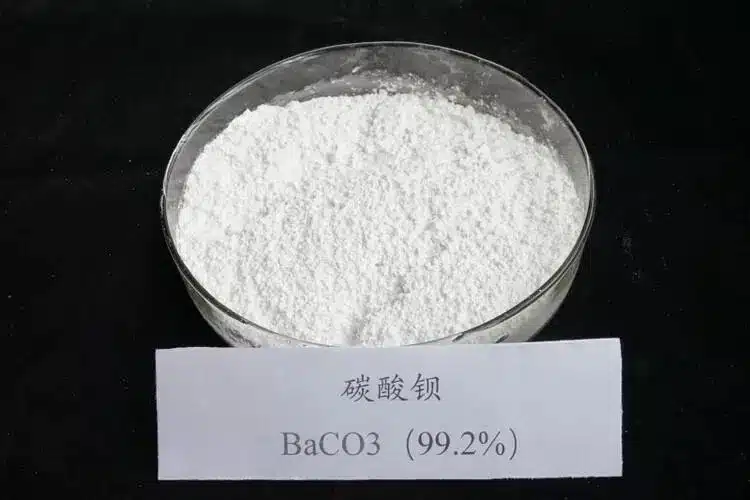
  • Barium Carbonate: An essential material for optical glass. It introduces barium oxide (BaO) into glass, increasing its refractive index and enhancing other optical properties. It is also used to formulate glazes in ceramics.
  • Barium Chloride: Used as an agricultural pesticide.
  • Barium Nitrate: Used in the pyrotechnics (fireworks) and glass industries.
  • Barium Permanganate: Functions as a green pigment.

Fillers and Pigments

  • Lithopone Pigment: Barite is a key ingredient in producing lithopone pigment.
  • Industrial Fillers: Barite powder is widely used as a filler in the paint, papermaking, rubber, and plastics industries. Mixed with oils and applied to cloth bases, it creates oilcloth.

Other Industrial Uses

  • Petroleum & Construction: Used for refining kerosene, formulating cement mineralizers, and producing radiation-shielding mortar and concrete.
  • Medicine: Serves as a contrast agent for gastrointestinal tract imaging.
  • Other Products: Used in pesticides, leather processing, and fireworks manufacturing.
  • Barium Metal Extraction: Extracted barium metal is alloyed with metals like aluminum, magnesium, lead, and calcium to manufacture bearings. It is also used as a getter and binder in televisions and electron vacuum tubes.

Configuration of Barite Grinding Production Lines

Ultrafine-Barite-Powder-Production-Line1

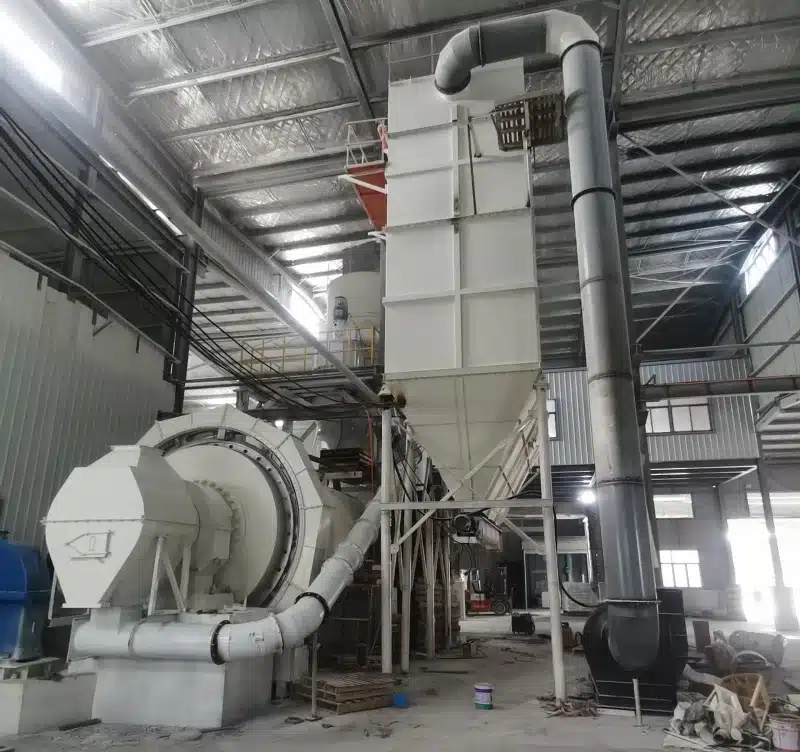
The core of a barite grinding line is selecting the right grinding equipment based on the required powder fineness and production capacity. A complete line consists of four main stages: crushing, grinding, 分類, and collection/packaging.

Process Flow and Equipment Configuration

Process Stageコア機器主な機能
Raw Material PretreatmentJaw crusher, cone crusher / impact crusher, vibrating screenCrushes large raw ore into uniform small particles (typically ≤ 20 mm) to prepare for grinding.
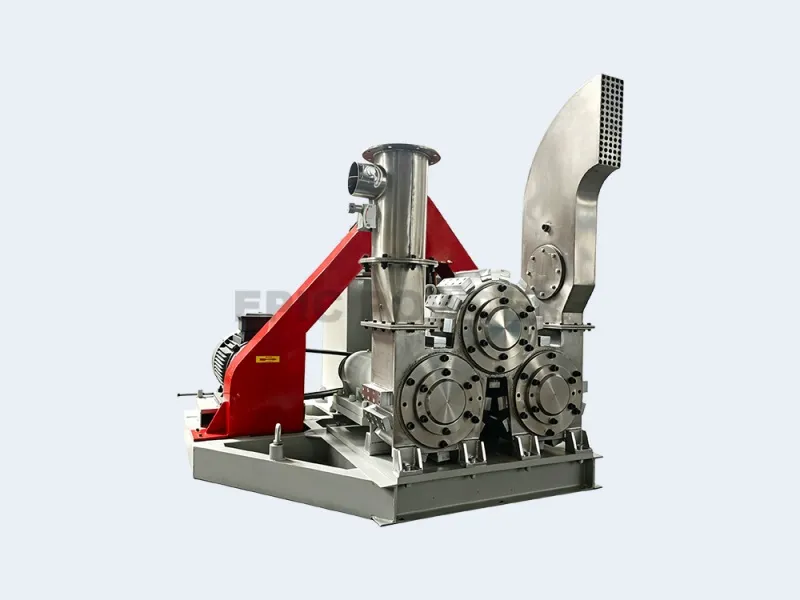
研削レイモンドミル, リングローラーミル, ultrafine 垂直ミル, ボールミル, etc.The core stage. It grinds the crushed material into powder of the required fineness.
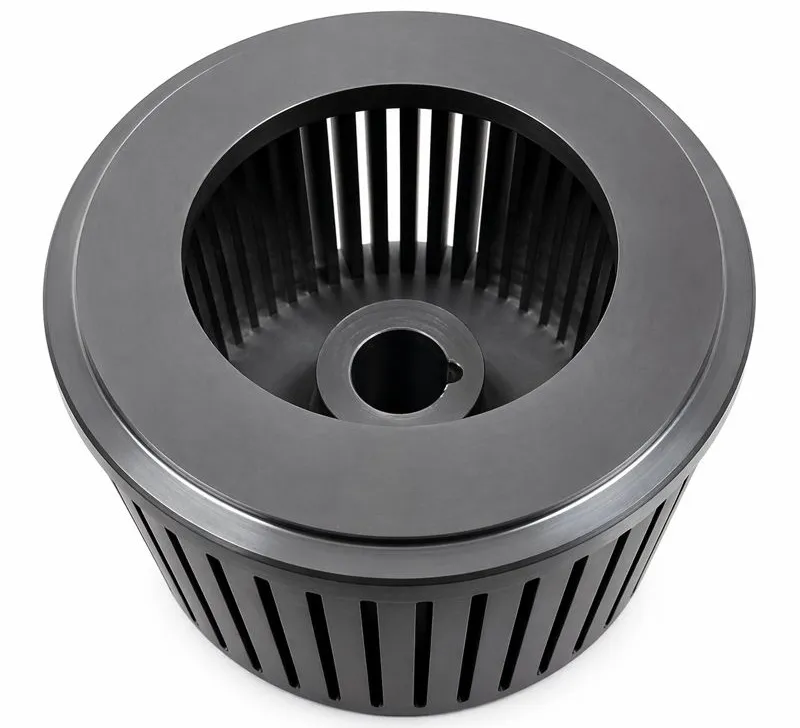
分類空気分級機Screens ground powder to separate finished products that meet fineness requirements. Coarse powder returns to the mill for regrinding.
Collection & PackagingPulse dust collector, screw conveyor, automatic packing machineEfficiently collects finished powder, purifies exhaust gas, stores, and packages the final product.

Comparison of Core Barite Grinding Equipment

The grinding mill is the heart of the production line. The choice of equipment directly determines product quality and operational costs.

機器の種類Suitable FinenessTypical CapacityAdvantages & Application Scenarios
レイモンドミル80 – 800 mesh1 – 55 t/hEconomical and Practical: Mature technology with low initial investment. Best for medium-fineness and medium-scale production (e.g., building materials, standard fillers).
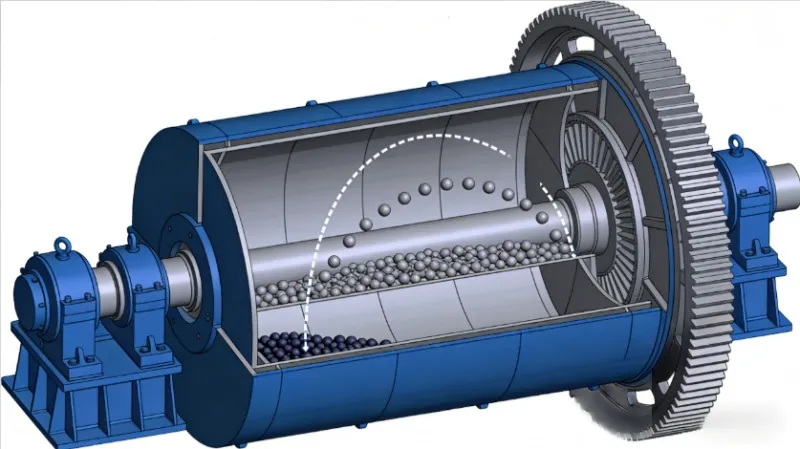
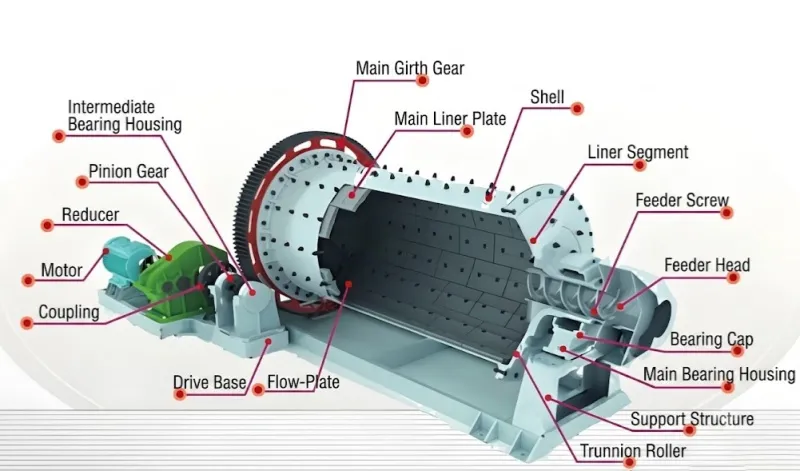
リングローラーミル / ボールミル325 – 2500 mesh (5 – 45μm)1 – 22 t/hUltrafine Specialist: Produces high-fineness powder in a single pass. Grinding rollers and rings use wear-resistant steel for a longer サービス life. Ideal for high-value ultrafine powders.
Ultrafine Vertical Mill3 – 45μm1 – 40 t/hHigh Efficiency & Energy Saving: Features large single-machine capacity, low power consumption, high automation, and uniform particle distribution. Ideal for large-scale, intensive production of high-end ultrafine powder (e.g., coatings, plastics, pharmaceutical grade).
シリカ表面改質装置

Key Factors for Equipment Selection

  1. Target Market Requirements
    • Drilling Mud & General Fillers (~200 mesh): A standard Raymond mill is sufficient.
    • High-End Coatings, Plastics, & Radiation Shielding (1250+ mesh): Choose a ring roller mill, ボールミル, or ultrafine vertical mill.
  2. Environmental & Energy Considerations
    • Modern production lines must be equipped with pulse bag dust collectors operating under negative pressure. This prevents dust leakage and ensures compliance with environmental standards.
    • Factor in energy consumption and maintenance costs (such as wear-part longevity) when selecting equipment.
  3. 原材料特性
    • High Moisture Content (>5%): Add a drying process after crushing.
    • Purity & Whiteness: Incorporate iron removal and mineral processing steps to significantly increase final product quality.

注記: Once you determine your target fineness, hourly output requirements, and investment budget, equipment engineers can provide a tailored configuration plan.


エミリー・チェン

“お読みいただきありがとうございます。この記事がお役に立てば幸いです。ご意見・ご感想は下のコメント欄にお寄せください。その他ご質問がございましたら、ゼルダのオンラインカスタマーサポートまでお問い合わせください。”

— 投稿者 エミリー・チェン
お問い合わせ

弊社の専門家が 6 時間以内にお客様に連絡し、機械とプロセスに関するお客様のニーズについてご相談させていただきます。

    あなたが人間であることを証明するために、

    関連記事