Aplicações de mercado da barita
A barita é essencial mineral não metálico matéria-prima com uma ampla gama de aplicações industriais.
Perfuração de petróleo e gás
Uma vez moída em pó fino, a barita serve como agente de ponderação para a lama de perfuração de poços de petróleo. Ela aumenta a densidade da lama para suportar a pressão subterrânea, evitar o colapso do poço e impedir que fluidos da formação invadam o furo.
Matérias-primas da indústria química
A barita é utilizada na fabricação de diversos produtos químicos à base de bário, incluindo óxido de bário, carbonato de bário, cloreto de bário, nitrato de bário, sulfato de bário precipitado e hidróxido de bário.
- Sulfato de bário puro: O sulfato de bário quimicamente puro atua como padrão de referência para a medição da brancura.
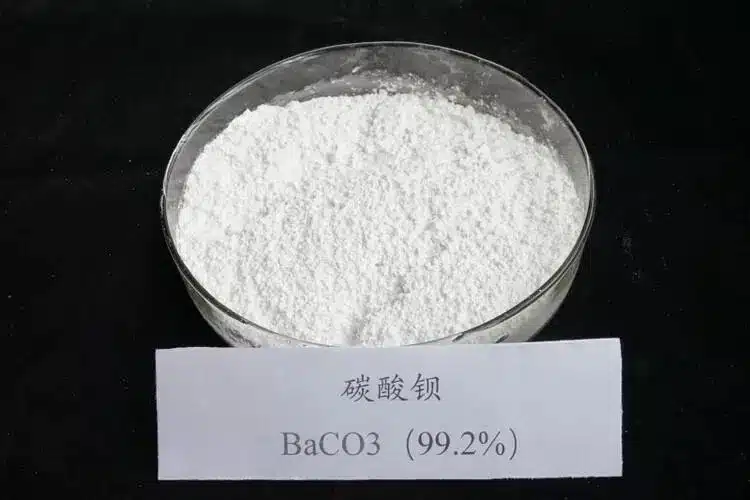
- Carbonato de bário: Um material essencial para vidro óptico. Introduz óxido de bário (BaO) no vidro, aumentando seu índice de refração e melhorando outras propriedades ópticas. Também é usado na formulação de esmaltes para cerâmica.
- Cloreto de bário: Utilizado como pesticida agrícola.
- Nitrato de bário: Utilizado nas indústrias pirotécnica (fogos de artifício) e de vidro.
- Permanganato de bário: Atua como um pigmento verde.
Cargas e pigmentos
- Pigmento de Litopona: A barita é um ingrediente fundamental na produção do pigmento litopona.
- Envasadores industriais: O pó de barita é amplamente utilizado como carga nas indústrias de tintas, papel, borracha e plásticos. Misturado com óleos e aplicado em bases têxteis, cria-se o tecido encerado.
Outros usos industriais
- Petróleo e Construção: Utilizado no refino de querosene, na formulação de mineralizadores de cimento e na produção de argamassa e concreto com proteção contra radiação.
- Medicamento: Serve como agente de contraste para exames de imagem do trato gastrointestinal.
- Outros produtos: Utilizado em pesticidas, processamento de couro e fabricação de fogos de artifício.
- Extração de bário metálico: O bário metálico extraído é ligado a metais como alumínio, magnésio, chumbo e cálcio para a fabricação de rolamentos. Também é utilizado como agente de captura e aglutinante em televisores e válvulas eletrônicas.
Configuração de Moagem de barita Linhas de produção
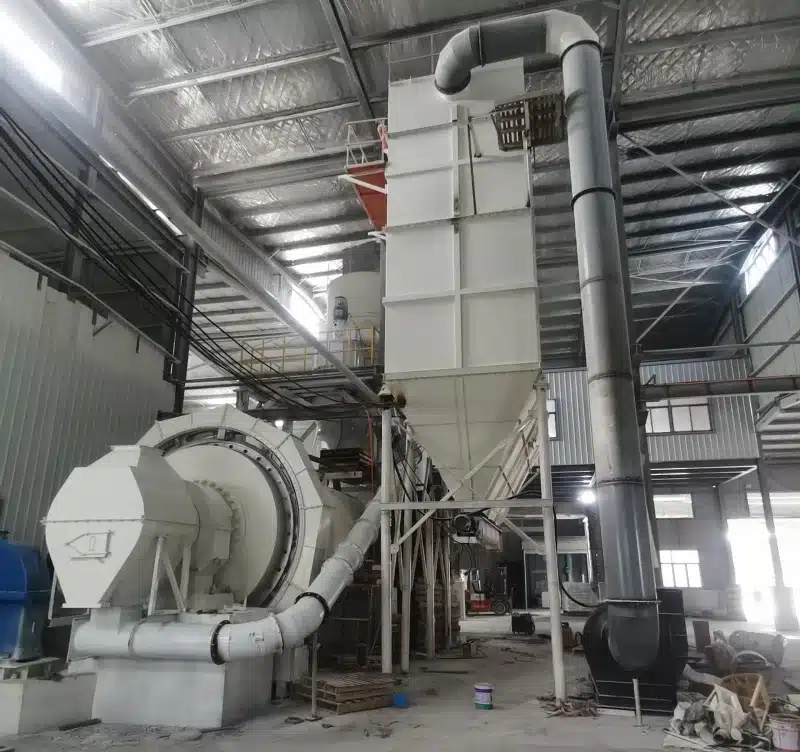
O ponto central de uma linha de moagem de barita é a seleção do equipamento de moagem adequado, com base na finura do pó desejada e na capacidade de produção. Uma linha completa consiste em quatro etapas principais: britagem, moagem, classificação e coleta/embalagem.
Fluxograma do processo e configuração do equipamento
| Etapa do processo | Equipamentos Essenciais | Função principal |
| Pré-tratamento da matéria-prima | Britador de mandíbulas, britador cônico/britador de impacto, peneira vibratória | Tritura minério bruto de grande porte em pequenas partículas uniformes (normalmente ≤ 20 mm) para prepará-las para a moagem. |
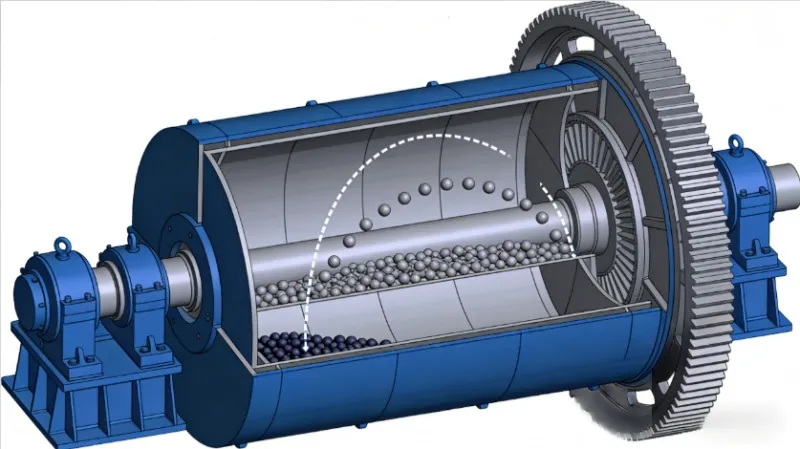
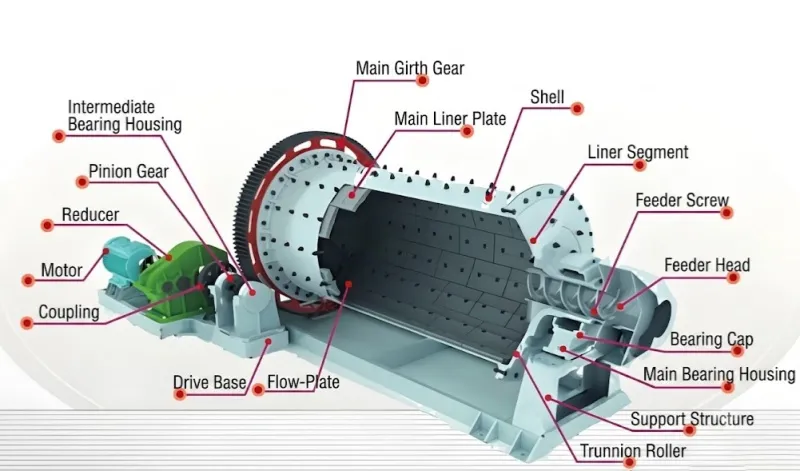
| Moagem | Moinho Raymond, moinho de rolos anulares, moinho vertical ultrafino, moinho de bolas, etc. | A etapa principal. Ela tritura o material britado até transformá-lo em pó com a finura necessária. |
| Classificação | Classificador de ar | Peneira o pó moído para separar os produtos acabados que atendem aos requisitos de finura. O pó grosso retorna ao moinho para ser remoido. |
| Coleta e embalagem | Coletor de pó pulsado, transportador helicoidal, máquina de embalagem automática | Recolhe de forma eficiente o pó acabado, purifica os gases de escape, armazena e embala o produto final. |
Comparação de equipamentos de moagem de barita para extração de núcleos
O moinho de moagem é o coração da linha de produção. A escolha do equipamento determina diretamente a qualidade do produto e os custos operacionais.
| Tipo de equipamento | Finura adequada | Capacidade típica | Vantagens e cenários de aplicação |
| Moinho Raymond | 80 – 800 mesh | 1 – 55 t/h | Econômico e prático: Tecnologia consolidada com baixo investimento inicial. Ideal para granulometria média e produção em escala média (ex.: materiais de construção, cargas padrão). |
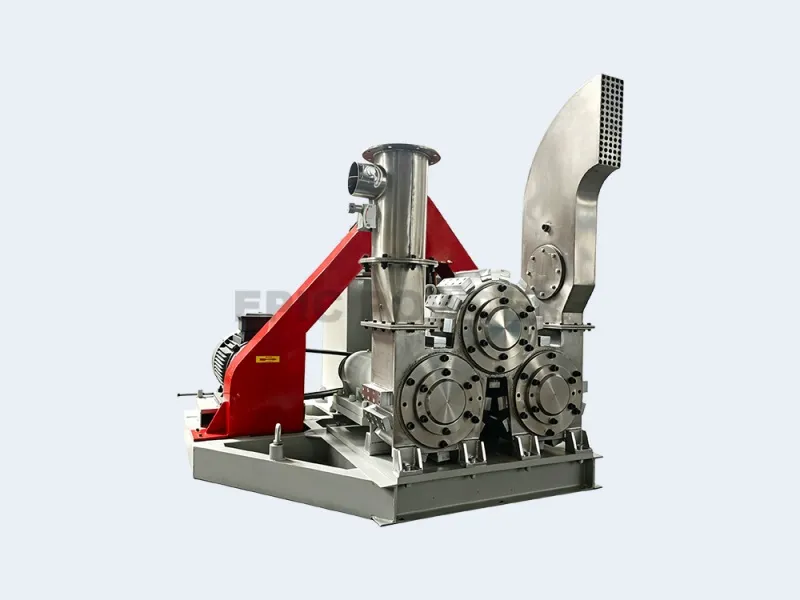
| Moinho de rolos de anel / Moinho de Bolas | 325 – 2500 mesh (5 – 45μm) | 1 – 22 t/h | Especialista em Ultrafinos: Produz pó de alta finura em uma única passagem. Os rolos e anéis de moagem são feitos de aço resistente ao desgaste, garantindo maior vida útil. Ideal para pós ultrafinos de alto valor agregado. |
| Moinho vertical ultrafino | 3 – 45 μm | 1 – 40 t/h | Alta eficiência e economia de energia: Apresenta grande capacidade de produção em uma única máquina, baixo consumo de energia, alto nível de automação e distribuição uniforme de partículas. Ideal para a produção em larga escala e intensiva de pós ultrafinos de alta qualidade (por exemplo, revestimentos, plásticos, grau farmacêutico). |
Fatores-chave para a seleção de equipamentos
- Requisitos do mercado-alvo
- Lama de perfuração e enchimentos em geral (aproximadamente 200 mesh): Um moinho Raymond padrão é suficiente.
- Revestimentos, plásticos e blindagem contra radiação de alta qualidade (malha 1250+): Escolha um moinho de rolos anulares, um moinho de bolas ou um moinho vertical ultrafino.
- Considerações Ambientais e Energéticas
- As linhas de produção modernas devem ser equipadas com coletores de pó de mangas pulsantes que operam sob pressão negativa. Isso evita vazamentos de pó e garante a conformidade com as normas ambientais.
- Ao selecionar equipamentos, leve em consideração o consumo de energia e os custos de manutenção (como a vida útil das peças de desgaste).
- Características da matéria-prima
- Alto teor de umidade (>5%): Adicionar um processo de secagem após a trituração.
- Pureza e brancura: Incorporar etapas de remoção de ferro e processamento mineral aumenta significativamente a qualidade do produto final.
Observação: Após determinar a precisão desejada, os requisitos de produção por hora e o orçamento de investimento, os engenheiros de equipamentos podem fornecer um plano de configuração personalizado.

“Obrigado pela leitura. Espero que meu artigo tenha ajudado. Deixe um comentário abaixo. Você também pode entrar em contato com o suporte online da Zelda para quaisquer outras dúvidas.”
— Publicado por Emily Chen