Silisyum Karbür Nedir? Özellikleri ve Türleri
Silisyum karbür (SiC), silisyum ve karbon atomlarından oluşan son derece dayanıklı bir bileşiktir. Kimyasal yapısı basittir. Bir silisyum atomu bir karbon atomuna bağlanarak, SiC'ye olağanüstü güç ve kararlılık kazandıran benzersiz bir kristal yapı oluşturur.
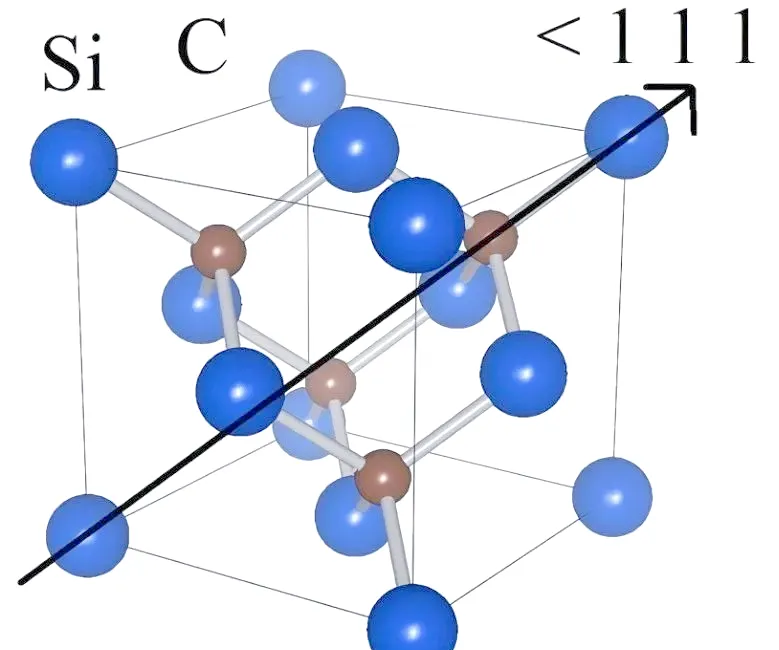
Silisyum Karbürün Başlıca Fiziksel Özellikleri
- Sertlik: SiC, Mohs ölçeğinde 9'un üzerinde bir değere sahip olup, aşındırıcı ve aşınmaya dayanıklı uygulamalar için ideal olan en sert malzemelerden biridir.
- Isı İletkenliği: Isıyı verimli bir şekilde iletir, bu da yüksek sıcaklık ortamlarında ve elektronik cihazlarda fayda sağlar.
- Kimyasal Kararlılık: Oksidasyona, korozyona ve sert kimyasallara karşı dayanıklı olan SiC, aşırı koşullar altında bütünlüğünü korur.
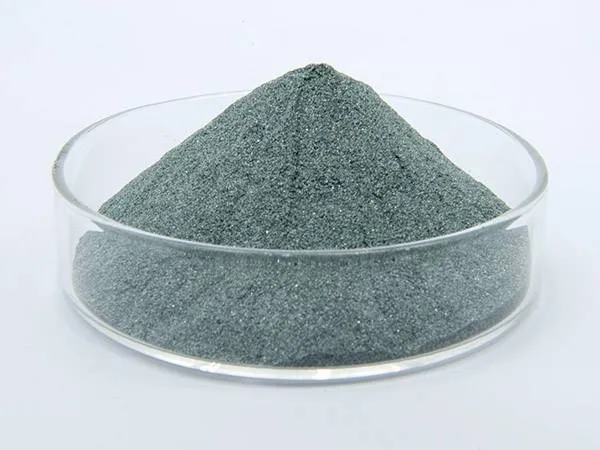
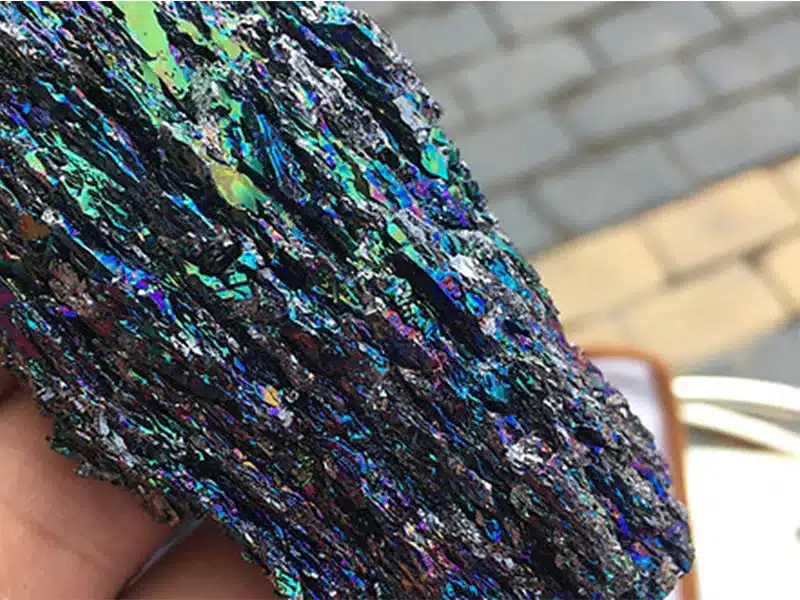
Silisyum Karbürün Yaygın Türleri
- Yeşil SiC: Keskin kenarları ve yüksek saflığıyla bilinen bu malzeme, esas olarak hassas taşlama ve parlatma işlemlerinde kullanılır.
- Siyah SiC: Genellikle daha sert ve aşındırıcıdır, kumlama ve su jetiyle kesme gibi ağır iş uygulamaları için uygundur.
- Kübik SiC (3C-SiC): Eşsiz elektriksel özellikleri nedeniyle yarı iletken ve güç elektroniği alanlarında giderek artan ilgi gören kristal bir formdur.
Kalite ve Saflık Seviyeleri
Silisyum karbür tozu, her biri belirli kullanım alanlarına yönelik olarak tasarlanmış çeşitli kalitelerde bulunur:
- Endüstriyel sınıf: Aşındırıcılar ve refrakterler için dengeli saflık ve parçacık boyutu.
- Yüksek saflık derecesi: Gelişmiş seramik, elektronik ve yarı iletken üretiminde ultra temiz SiC gerektiren uygulamalarda kullanılır.
- Ultra ince toz: Genellikle kaplama veya pil malzemeleri için özel öğütme yöntemleriyle üretilen, dar parçacık boyutu dağılımına sahip bir üründür.
Bu özellikleri ve türleri anlamak, öğütme, termal yönetim veya gelişmiş elektronik gibi özel ihtiyaçlarınız için doğru silisyum karbür tozunu seçmenize yardımcı olur.
Silisyum Karbür Tozunun Uygulamaları
Silisyum karbür tozu, olağanüstü sertliği, termal kararlılığı ve kimyasal direnci sayesinde birçok endüstride yaygın olarak kullanılan çok yönlü bir malzemedir. Aşındırıcılar ve taşlama aletlerinde, SiC tozu keskinliği ve dayanıklılığı nedeniyle değerlidir ve sert malzemelerin kesilmesi, parlatılması ve taşlanması için idealdir. Yüksek kaliteli aşındırıcı tozlar ve taşlama diskleri üretiminde temel bir bileşendir.
Yüksek sıcaklık gerektiren refrakter ve bileşenlerde, silisyum karbürün mükemmel ısı iletkenliği ve kararlılığı, bozulmadan aşırı ısıya dayanmasını sağlar; bu da onu fırın mobilyaları, fırın astarları ve ısıtma elemanları için mükemmel kılar. Sağlamlığı ayrıca, zırh plakaları ve motor bileşenleri gibi parçalarda yapısal bütünlüğü ve aşınma direncini artırdığı gelişmiş seramiklerde de önemli bir bileşen olmasını sağlar.
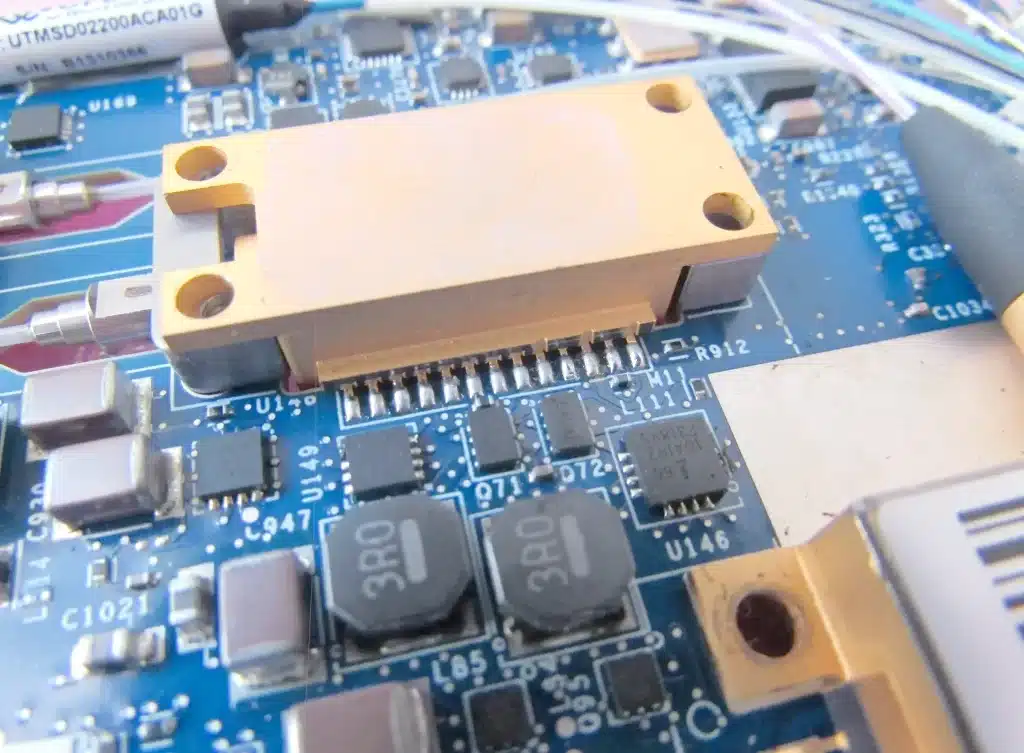
Yarı iletkenler ve güç elektroniği, yüksek voltajlı ve yüksek sıcaklıklı verimli cihazlar sağlayan kübik silisyum karbürün (3C-SiC) benzersiz elektriksel özelliklerinden faydalanmaktadır. SiC tabanlı yarı iletkenlerin enerji verimliliği açısından geleneksel silisyum muadillerinden daha iyi performans göstermesiyle bu kullanım hızla artmaktadır.
Ultra ince silisyum karbür tozunun yeni uygulama alanları arasında, iletkenliği ve dayanıklılığı artıran pil malzemeleri, yüzey sertliğini ve aşınma direncini artıran koruyucu kaplamalar ve otomotivden havacılığa kadar çeşitli sektörler için özel aşınmaya dayanıklı parçalar yer almaktadır.
Silisyum karbür tozunun öğütülmesi ve mikronize edilmesiyle ilgilenen işletmeler için, akışkan yataklı jet değirmenleri gibi gelişmiş yöntemleri araştırmak, bu zorlu uygulamalar için gerekli olan yüksek saflıkta, hassas boyutlu silisyum karbür parçacıklarını sağlayabilir. Ayrıca şunlara da göz atabilirsiniz: zirkonya tozu jet değirmeni üretim hattı, Silisyum karbürün işlenmesinde de kullanılabilen benzer bir teknolojiye sahiptir.
Geleneksel ve Modern SiC Tozu Üretim Yöntemleri
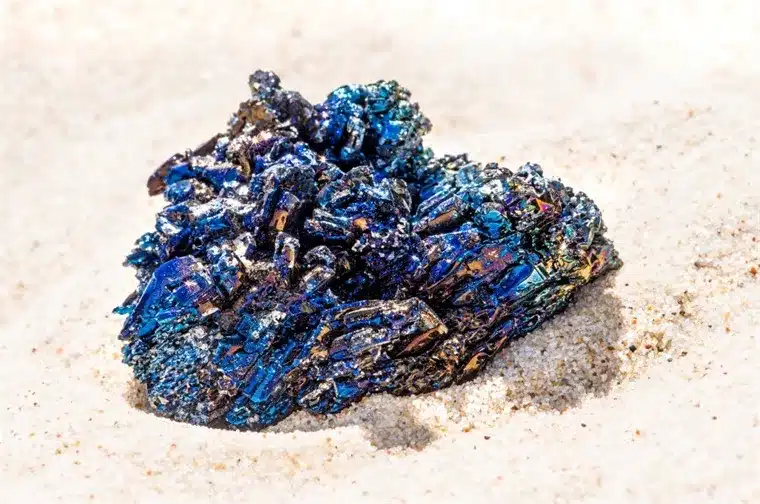
Silisyum karbür (SiC) tozu genellikle, silika kumu ve kokun elektrikli fırında ısıtılarak SiC kristalleri sentezlendiği bilinen Acheson prosesiyle başlar. Bu geleneksel yöntem, uygulamalarda kullanılabilmesi için daha fazla boyut küçültülmesi gereken büyük, kristal yapılı SiC parçaları üretir.
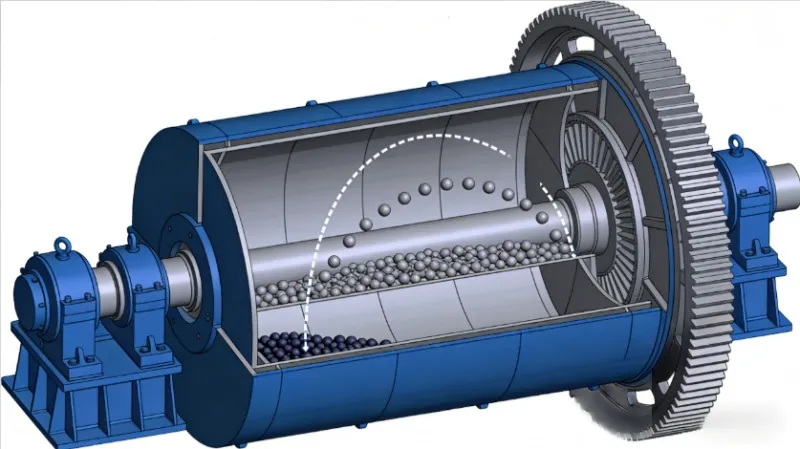
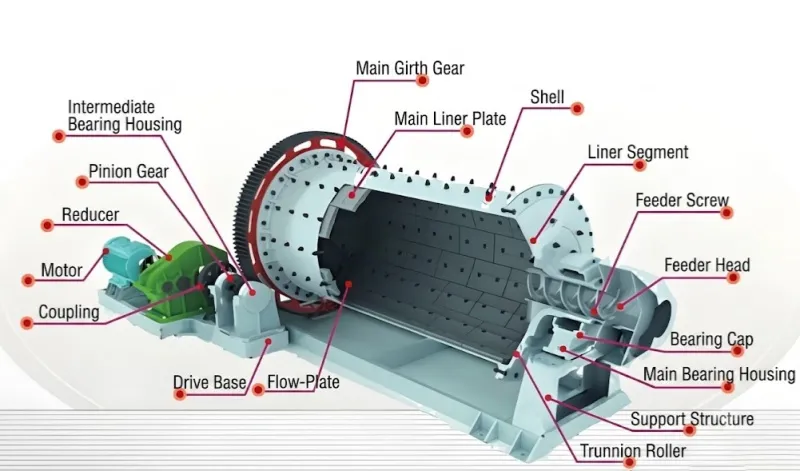
Bu parçaları kullanılabilir toz haline getirmek için yaygın mekanik yöntemler arasında bilyalı değirmen, silindirli değirmen ve çekiçli değirmen bulunur. Bu teknikler yaygın olarak kullanılsa da, ultra ince, yüksek saflıkta silisyum karbür tozu üretmede önemli sınırlamalara sahiptirler. Mekanik öğütme genellikle öğütme ortamından kaynaklanan safsızlıkları ortaya çıkarır ve tutarsız parçacık boyutu dağılımları oluşturur; bu da yarı iletkenler veya yüksek performanslı seramikler gibi gelişmiş uygulamalar için gereken kaliteyi tehlikeye atabilir.
Dahası, mekanik yöntemler, malzemenin sertliğinden (Mohs 9+) kaynaklanan aşırı ısı üretimi ve ekipman aşınması nedeniyle mikron altı SiC tozlarını verimli bir şekilde üretmekte zorlanmaktadır. Bu durum, saflığı daha iyi koruyabilen ve zorlu kullanımlar için ideal olan dar bir boyut dağılımına sahip daha ince parçacık boyutları elde edebilen jet değirmeni öğütme gibi modern tekniklerin önünü açmıştır.
Öğütme teknolojileri ve bunların pigment ve toz işleme üzerindeki etkileri hakkında daha fazla bilgi için, bu detaylı genel bakışa göz atın. spiral jet değirmeni sistemden Destansı Toz.
Silisyum Karbür İçin Jet Frezeleme Nasıl Çalışır?
Jet frezeleme, özellikle akışkan yataklı karşıt jet frezeleme Bu işlem, silisyum karbürün (SiC) ultra ince tozlara öğütülmesi için en iyi seçeneklerden biridir. Parçacıkların yüksek hızlarda çarpıştığı ve mekanik ortam kullanılmadan daha küçük boyutlara ayrıldığı kuru bir öğütme tekniğidir.
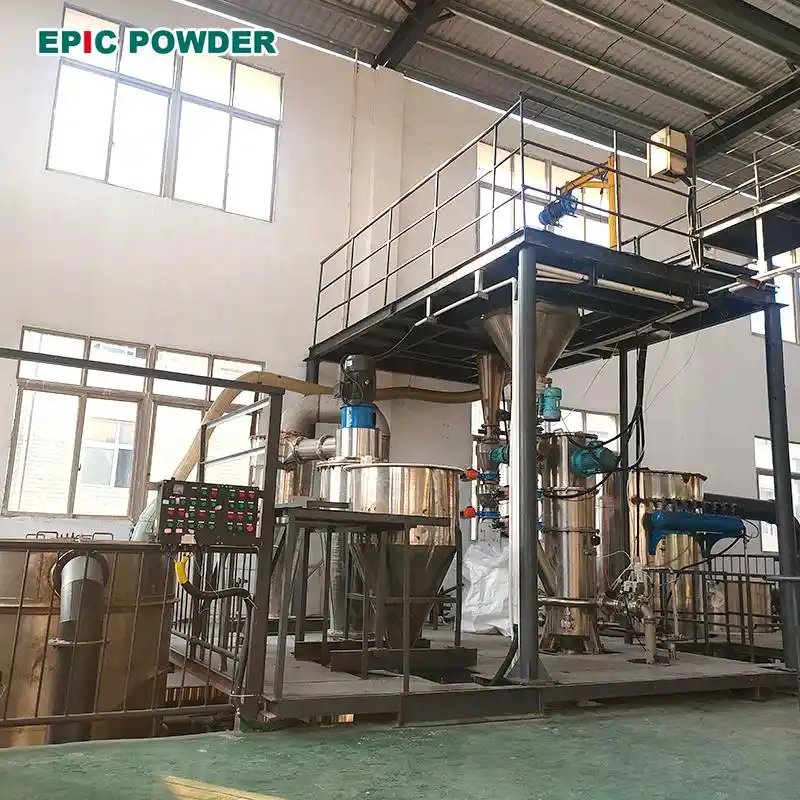
Başlıca İşlem Adımları:
- Besleme
Ham SiC tozu, genellikle sabit bir akış sağlamak için kontrollü bir besleyici vasıtasıyla öğütme haznesine beslenir. - Yüksek Hızlı Parçacık Çarpışması
Sıkıştırılmış hava veya inert gaz jetleri, öğütme odasının içinde parçacıkları zıt yönlerde hızlandırır. Bu parçacıklar süpersonik hızlarda birbirleriyle çarpışarak daha ince boyutlara ayrılır. - Sınıflandırma
Entegre bir sınıflandırıcı çark, ince parçacıkları iri parçacıklardan ayırır. İnce toz ürün olarak dışarı atılırken, daha büyük parçacıklar daha fazla öğütme için öğütme bölgesine geri gönderilir.
Ana Bileşenler:
| Bileşen | İşlev |
|---|---|
| Nozullar | Yüksek basınçlı hava jetlerini doğrudan kullanarak parçacıkları hızlandırın. |
| Öğütme Haznesi | Parçacıkların çarpıştığı ve kırıldığı yer |
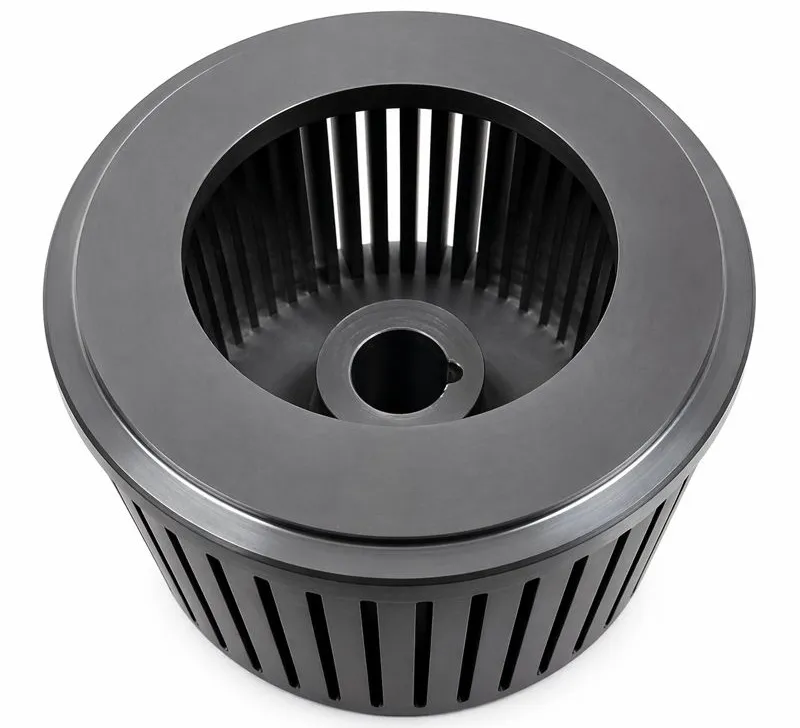
| Sınıflandırma Çarkı | İnce parçacıkları eleyerek partikül boyutunu kontrol eder. |
Önemli Parametreler:
| Parametre | Öğütme Sonucuna Etkisi |
|---|---|
| Hava Basıncı | Daha yüksek basınç, öğütme yoğunluğunu ve inceliğini artırır. |
| Besleme Hızı | Üretim hızını kontrol eder; çok yüksek olması öğütme verimliliğini düşürebilir. |
| Sınıflandırıcı Hızı | Daha yüksek hız, daha sıkı eleme yoluyla daha ince parçacıklar üretir. |
Bu düzenleme şu sonuçlara yol açar: dar parçacık boyutu dağılımı, minimum kirlenme ve mükemmel kontrol silisyum karbür parçacık boyutu dağılımı—ultra ince SiC mikronizasyonu için idealdir.
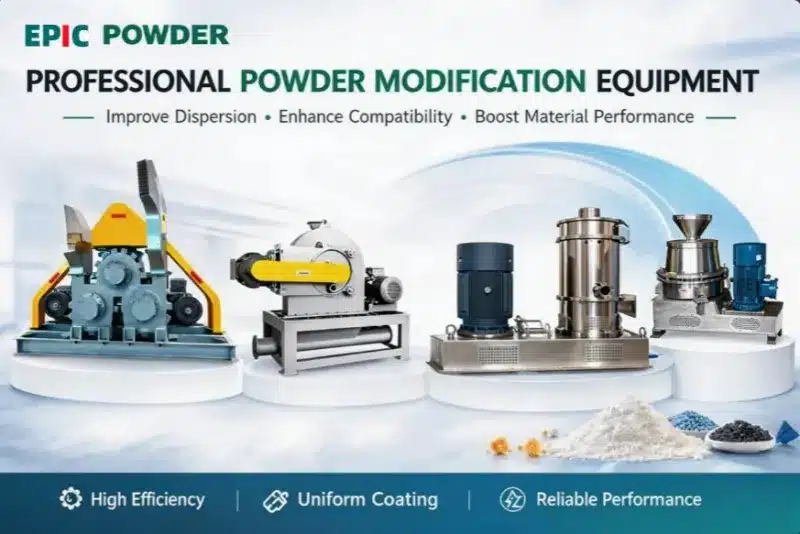
Özel toz işleme çözümleri hakkında daha fazla bilgi için, SiC gibi sert malzemeler için tasarlanmış Epic Powder'ın gelişmiş ekipmanlarına göz atın.
Silisyum Karbürün Jet Frezeleme Yöntemiyle İşlenmesinin Avantajları
Jet öğütme, özellikle tutarlı kalitede ultra ince toz elde etmeyi hedefliyorsanız, silisyum karbürün öğütülmesi için belirgin avantajlar sunar. Başlıca avantajlardan biri şudur: minimum kirlenme—Seramik kaplı jet değirmenlerinin kullanılması aşınmayı azaltır ve SiC tozunun saflığını korur; bu da yüksek saflıkta SiC öğütme uygulamaları için çok önemlidir.
Bu süreç aynı zamanda şunları da sağlar: dar parçacık boyutu dağılımı, Bu sayede silisyum karbür parçacık boyutunun hassas bir şekilde kontrol edilmesi sağlanır. Bu, üreticilerin kapsamlı son işlem gerektirmeden katı spesifikasyonları karşılamasına yardımcı olur. Çünkü jet frezeleme makineleri hareketli öğütücü parça yok, Bu malzemeler daha az ısı üretir ve ekipman aşınmasını azaltır, bu da onları silisyum karbürün sert ve aşındırıcı yapısı için ideal kılar.
Jet öğütme sistemleri, sürekli üretimi verimli bir şekilde gerçekleştirir ve kolayca ölçeklendirilebilir; bu da onları mikron altı boyutlardan birkaç mikrona kadar değişen silisyum karbür tozlarının üretimi için güvenilir bir çözüm haline getirir. Bu verimlilik, düşük kontaminasyon riskleriyle birleşerek, geleneksel mekanik öğütme yöntemlerine kıyasla daha iyi kalite ve tutarlılık sağlar. SiC gibi sert tozların işlenmesi hakkında daha fazla bilgi için, detaylarımıza göz atın. ultra ince öğütme çözümleri.
Elde Edilebilir Parçacık Boyutları ve Kalite Sonuçları
Silisyum karbürün jet değirmeniyle öğütülmesi, 3 ila 100 mikron arasında tipik d97 değerleriyle ve hatta ultra ince silisyum karbür tozu için mikron altı seviyelere kadar etkileyici parçacık boyutu aralıkları elde etmeyi mümkün kılar. Bu mikronizasyon seviyesi, gelişmiş seramik ve yarı iletken uygulamaları gibi hassas parçacık boyutu dağılımı gerektiren endüstriler için çok önemlidir.
Son SiC tozunun ne kadar ince ve homojen olacağını etkileyen çeşitli faktörler vardır:
- Hammaddenin saflığı: Yüksek saflıkta SiC hammaddesi, öğütme verimliliğini ve nihai parçacık kalitesini etkileyebilecek safsızlıkları en aza indirir.
- Süreç optimizasyonu: Hava basıncını, besleme hızını ve sınıflandırıcı hızını ayarlamak, parçacık boyutunu ve verimi hassas bir şekilde ayarlamaya ve dar bir parçacık boyutu dağılımını korumaya yardımcı olur.
- Parçacık şeklini korumak: Akışkan yataklı jet değirmenleri, partikül deformasyonunu en aza indirerek, son kullanım performansı için kritik öneme sahip morfolojiyi korur.
Sonuç olarak, sıkı özellikler gerektiren uygulamalar için hazır, tutarlı boyut ve şekle sahip yüksek kaliteli, mikron altı silisyum karbür tozu elde edilir. Endüstriyel ölçekte, yüksek hassasiyetli SiC tozu üretimi için, sunulanlar gibi özelleştirilmiş çözümler gereklidir. yüksek hassasiyetli jet değirmen sistemleri Parçacık boyutu ve kalitesi üzerinde üstün kontrol sağlar.
SiC İşleme için Epik Toz Jet Değirmeni Çözümleri
Epic Powder, öğütme işlemleri için özel olarak tasarlanmış akışkan yataklı jet değirmenlerinde uzmanlaşmıştır. silisyum karbür, Sert ve aşındırıcı bir malzeme olan bu malzeme, sağlam ekipman gerektirir. Jet değirmenleri, gelişmiş aşınmaya dayanıklı kaplamalara sahiptir. alümina, zirkonya, Ve silisyum karbür, Bu sayede yoğun öğütme işlemleri sırasında minimum kirlenme ve uzun hizmet ömrü sağlanır.
Başlıca Özellikler
| Özellik | Fayda |
|---|---|
| Seramik kaplı öğütme haznesi | Kirlenmeyi azaltır, saflığı korur |
| Akışkan yataklı karşıt jet tasarımı | Etkin parçacık çarpışması, ince öğütme |
| Özelleştirilebilir sınıflandırıcı çarkı | Hassas parçacık boyutu kontrolü, dar parçacık boyutu dağılımı |
| Ölçeklenebilir sürekli çalışma | Endüstriyel talepler için yüksek verimlilik |
Epic Powder'ın jet değirmenleri, üretimde başarısını kanıtlamıştır. yüksek saflıkta ultra ince SiC tozu Mikron altı seviyelere kadar hassasiyet sağlayan çözümleri, elektronik, aşındırıcılar ve gelişmiş seramikler için idealdir. Bu çözümler tutarlı sonuçlar elde edilmesini sağlar. SiC mikronizasyonu Mükemmel parçacık şekli ve dağılımına sahip.
Epic Powder ile Ortaklığın Faydaları
- Özgün süreç ihtiyaçlarını karşılamak için özel sistem tasarımı.
- Seramik kaplamalar sayesinde güçlü kirlilik kontrolü
- Süreç optimizasyonu ve sorun giderme konusunda uzman desteği.
- Gelişmiş jet frezeleme teknolojisine erişim imkanı sunan tesisler... sert malzeme tozlaştırma verimli bir şekilde
Esnek öğütme seçenekleri ve yüksek teknolojili malzemelerle ilgili örnek çalışmalar hakkında daha fazla bilgi edinmek için Epic Powder'ın detaylı genel bakışına göz atabilirsiniz. yüksek teknoloji malzemeleri jet frezeleme çözümleri. Çeşitli malzemeler için jet frezeleme makinelerini tamamlayan çok yönlü bir frezeleme ekipmanına ihtiyacınız varsa, onların ürünleri tam size göre. masa tipi silindirli değirmen ve dikey değirmen sistemleri Mükemmel destek sağlamak.
Epic Powder'ı seçmek, silisyum karbür gibi zorlu malzemeler için özel olarak tasarlanmış, güvenilir ve ölçeklenebilir öğütme çözümlerine yatırım yapmak anlamına gelir; bu da üretiminizin rekabetçi ve tutarlı kalmasını sağlar.
Silisyum Karbürün Jet Frezeleme İşlemi İçin En İyi Uygulamalar ve Optimizasyon İpuçları
Silisyum karbür için jet öğütme işleminden en iyi sonucu almak için, temiz ve önceden işlenmiş ham SiC hammaddesiyle başlamak çok önemlidir. Öğütme işleminden önce büyük boyutlu parçacıkların ve safsızlıkların giderilmesi, parçacık boyutu homojenliğini artırmaya ve ekipman aşınmasını azaltmaya yardımcı olur. Ultra ince SiC tozu üretimi gibi oksidasyona duyarlı uygulamalar için, jet öğütme sırasında azot veya argon gibi inert gazların kullanılması, istenmeyen kimyasal değişiklikleri önler ve tozun yüksek saflığını korur.
Üretim sırasında sürekli izleme ve kalite kontrolü şarttır. Parçacık boyutu dağılımının (PSD) ve toz morfolojisinin düzenli olarak kontrol edilmesi, partiden partiye tutarlılığı sağlar ve katı spesifikasyonlara uyulmasını garanti eder. Gerçek zamanlı proses kontrollerinin uygulanması, geniş PSD veya şekil değişiklikleri gibi herhangi bir sapmayı hızlı bir şekilde belirleyerek hızlı ayarlamalar yapılmasına olanak tanır.
Sık karşılaşılan sorun giderme noktalarından biri, parçacıkların kümelenmesine veya aşırı ince tanecik oluşumuna neden olabilen aşırı öğütmedir. Bunu gidermek için besleme hızını, hava basıncını ve sınıflandırıcı hızını optimize edin; bu parametrelerin ince ayarı, dar parçacık boyutu dağılımını korumaya ve orijinal parçacık şeklini muhafaza etmeye yardımcı olur. Ayrıca, kirlenme belirtilerine dikkat edin; Epic Powder tarafından kullanılanlar gibi seramik astarlı sistemlere sahip jet değirmenleri, kirlenmeyi en aza indirerek temiz ve tutarlı SiC aşındırıcı toz işleme sağlar.
Bu en iyi uygulamaları takip etmek, gelişmiş seramikler veya güç elektroniği gibi zorlu uygulamalar için özel olarak tasarlanmış yüksek kaliteli, yüksek saflıkta silisyum karbür tozu elde edilmesini garanti eder. Özelleştirilmiş öğütme çözümlerine yönelik kapsamlı bir yaklaşım için, akışkan yataklı jet değirmeni teknolojilerini incelemek, SiC mikronizasyon süreçlerinde hassas kontrol sağlamada çığır açabilir.
Destansı Toz
İlgilenenler için Epic Powder, silisyum karbür gibi sert malzemeler için tasarlanmış, aşınmaya dayanıklı kaplamalar ve optimize edilmiş işlem parametrelerini birleştirerek üstün sonuçlar sunan özel jet öğütme ekipmanları sunmaktadır. Yenilikçi üretim hatlarımız hakkında daha fazla bilgi edinmek için bugün bizimle iletişime geçin. yüksek saflıkta malzeme çözümleri.
“Okuduğunuz için teşekkürler. Umarım makalem yardımcı olmuştur. Lütfen aşağıya yorum bırakın. Ayrıca EPIC Powder çevrimiçi müşteri temsilcisiyle de iletişime geçebilirsiniz. Zelda Daha fazla bilgi için lütfen iletişime geçin.”
— Jason Wang, Kıdemli Mühendis