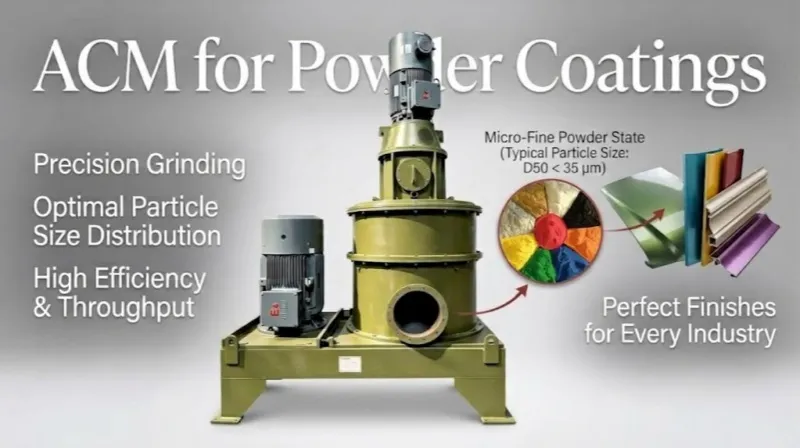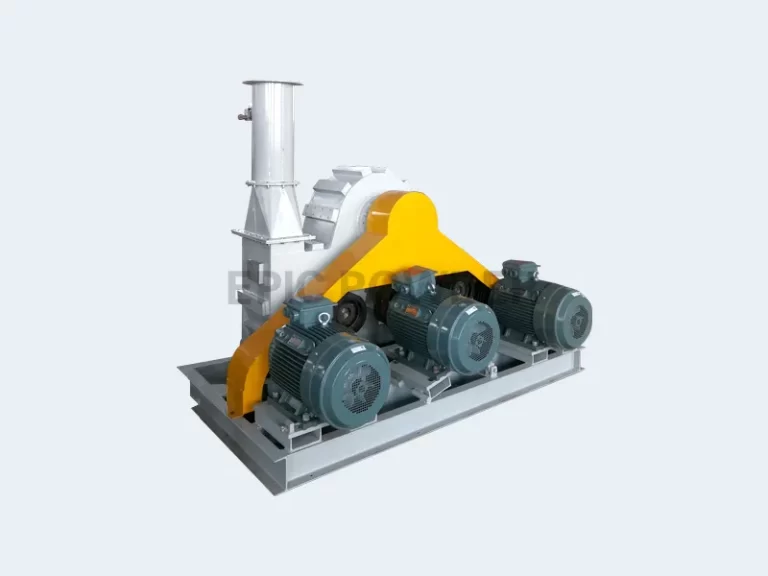
Halkalı silindirli değirmenlerin rCB (geri dönüştürülmüş karbon siyahı) işlenmesinde kullanılması, atık kaynakların yüksek değerli geri dönüşümünde hayati bir atılımdır. Küresel lastik döngüsel ekonomisi ve "çift karbon" stratejileri şu anda ilerleme kaydediyor. Pirolitik karbon siyahı, atık lastik pirolizinden elde edilen birincil katı üründür. N330 gibi ticari siyahların yerini alabilmesi için rCB'nin acilen çevre dostu bir şekilde saflaştırılması gerekmektedir. Özellikle, takviye edici özelliklerini tamamen geri kazandırmak için ultra ince öğütmeye ihtiyaç duyar. Halkalı silindirli değirmenler, bu ince öğütme işlemi için temel ekipman haline gelmiştir. Kuru sürekli çalışma özelliğine sahiptirler ve çok düşük metal kirliliği sağlarlar. Diğer avantajları arasında kontrol edilebilir parçacık boyutu ve orta düzeyde enerji tüketimi yer almaktadır.
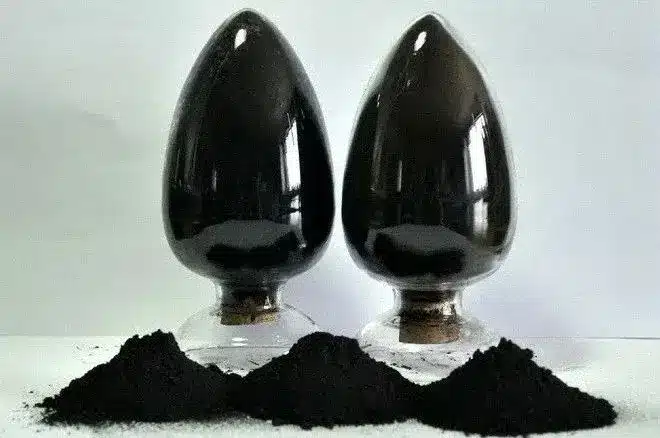
1. Pirolitik Karbon Siyahının Özellikleri ve Öğütme Zorlukları
| Özellik | Toz Ekipmanları Üzerindeki Etki | Halkalı silindirli değirmenlerin avantajları |
| Yüksek safsızlık içeriği (Kül içeriği 10-30%, Zn, Fe, S, vb. içerir) | Ekipman aşınmasına yatkın; kauçuk performansını etkiler | Demir aşınmasını azaltmak için yüksek aşınma direncine sahip alaşım/seramik malzemeler kullanın; Manyetik ayırma işlemi yukarı akış yönünde yapılandırılabilir. |
| Yumuşak topaklar | Dağıtılması zor; özgül yüzey alanını etkiler | Halkalı silindirli değirmen, birleşik bir sıkıştırma ve kesme kuvveti alanı sayesinde etkili bir şekilde topaklanmayı giderir ve jet değirmenlerinde yaygın olarak görülen elastik geri tepme sorununu önler. |
| Gevşek, Gözenekli Yapı | Amorf karbona aşırı öğütülmeye yatkındır; Takviye özelliklerini azaltır. | Ayarlanabilir öğütme basıncı sistemi (yaylı/hidrolik), öğütme yoğunluğunu kontrol ederek birincil parçacık yapısını korur. |
| Heterojenlik ve Yanıcılık | Toz patlaması riski (Minimum Tutuşma Enerjisi < 10 mJ) | GB 15577 patlamaya dayanıklı standardına uygun olarak nitrojen koruması, patlama tahliye delikleri ve statik topraklama ile donatılmıştır. |
| Yüksek nem dalgalanması (tipik olarak 3~8%) | Yapışmaya ve tıkanmaya yatkın sınıflandırıcılar | Nem Kontrolü Önerisi: Bazı modeller, iklimlendirme için mikro buhar kontrol sistemlerini (yaklaşık 3-9%) destekler. |
İnce Öğütmede Halkalı Merdane Değirmeninin Temel Rolü rCB
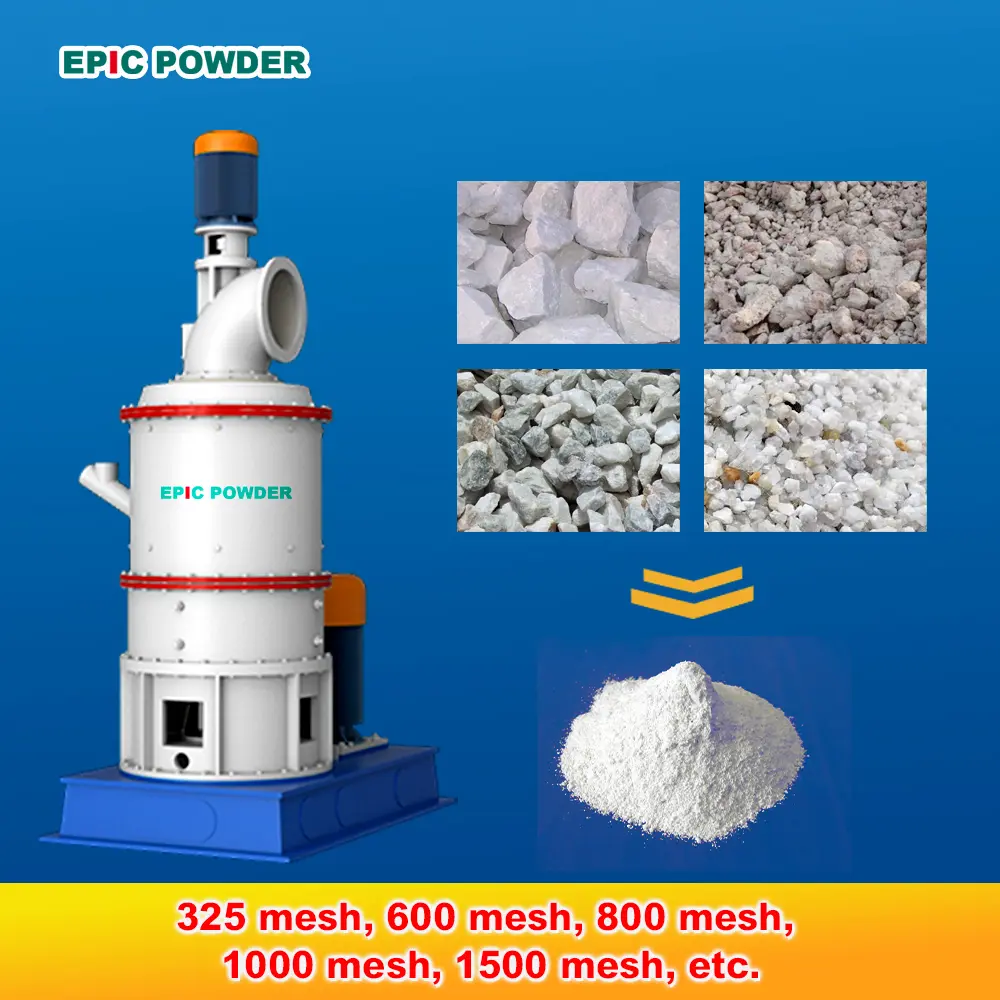
Kümelenmenin Giderilmesi ve Parçacık Boyutunun Küçültülmesi
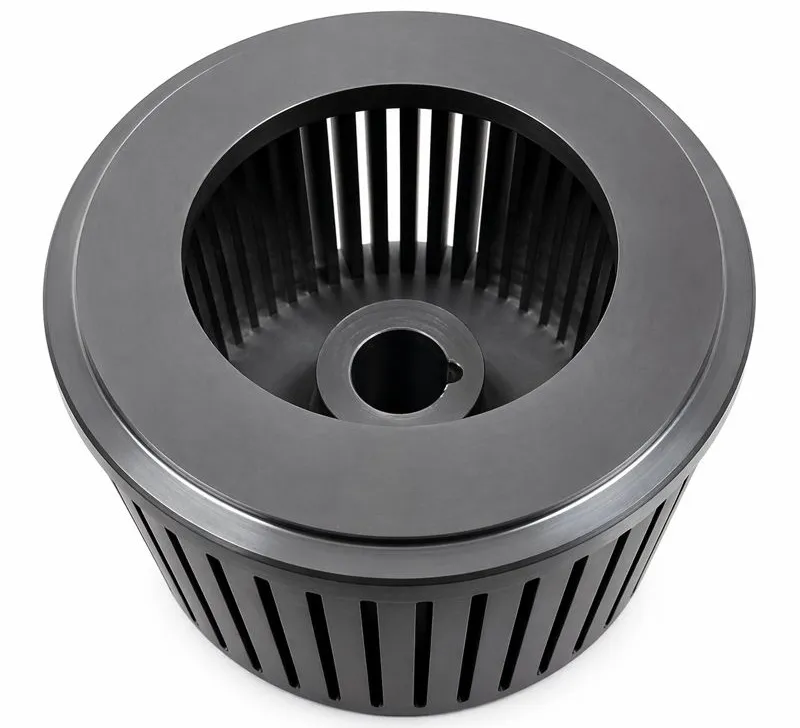
Piroliz sonrası, rCB sert topaklar (D50 ≈ 50–100 μm) oluşturur ve D50 = 20–40 μm'ye (N330 karbon siyahına yakın) öğütülmesi gerekir. Halkalı silindirli değirmen, çoklu öğütme silindirlerinin tekrarlanan yuvarlanma ve kesme hareketiyle topakları etkili bir şekilde parçalar ve birincil karbon siyahı parçacıklarını serbest bırakır. Dahili değişken frekanslı turbo sınıflandırıcı, gerçek zamanlı parçacık seçimi sağlayarak, konsantre nihai ürün parçacık boyutu dağılımı (Aralık < 1,3).
Özgül Yüzey Alanının ve DBP Emiliminin Artırılması
Öğütme işleminden sonra, rCB'nin özgül yüzey alanı 40–60 m²/g'den 70–90 m²/g'ye yükselir. DBP emilim değeri 80–100 mL/100g'den 110–130 mL/100g'ye çıkarak ticari karbon siyahı (N330: 125 mL/100g) seviyesine yaklaşır. Bu özellikler, kauçuk bileşiklerindeki takviye etkisini, çekme dayanımını ve aşınma direncini doğrudan belirler.
Düşük Kirlenme Koruma Önlemleri Kauçuk Performansı
Ticari karbon siyahı, kauçuk yaşlanmasını hızlandırmamak için 50 ppm'den düşük demir içeriği gerektirir. Bazı halkalı silindirli değirmen üreticileri, öğütme haznesinde vida veya rulman bulunmayan ve yüksek krom alaşımlı öğütme silindirleri (Cr ≥ 26%) ile birleştirilmiş bir tasarım kullanmaktadır. Bu, demir göçünü 30-50 ppm'ye kadar kontrol ederek üst düzey uygulamaların taleplerini karşılayabilir.
Entegre Kuru Proses Sistemi
Aşağıda tipik bir rCB ince öğütme üretim hattı gösterilmektedir:
Atık Lastik Pirolizi → Kaba rCB Soğutma → Manyetik Demir Giderimi → Halkalı Silindir Ultra İnce Öğütme → Sınıflandırma → Bitmiş Ürün Toplama
(İsteğe bağlı) Kuru Yüzey Modifikasyonu (Silan/Yağ Asidi Kaplama)
Üretim sürecinin tamamı su ve çözücü içermez, böylece ikincil kirlilik önlenir. Modifiye edilmiş rCB şunu gösterir: önemli ölçüde iyileştirildi Kauçuk matrisinde dağılım, çekme dayanımını 15–20% oranında artırır.
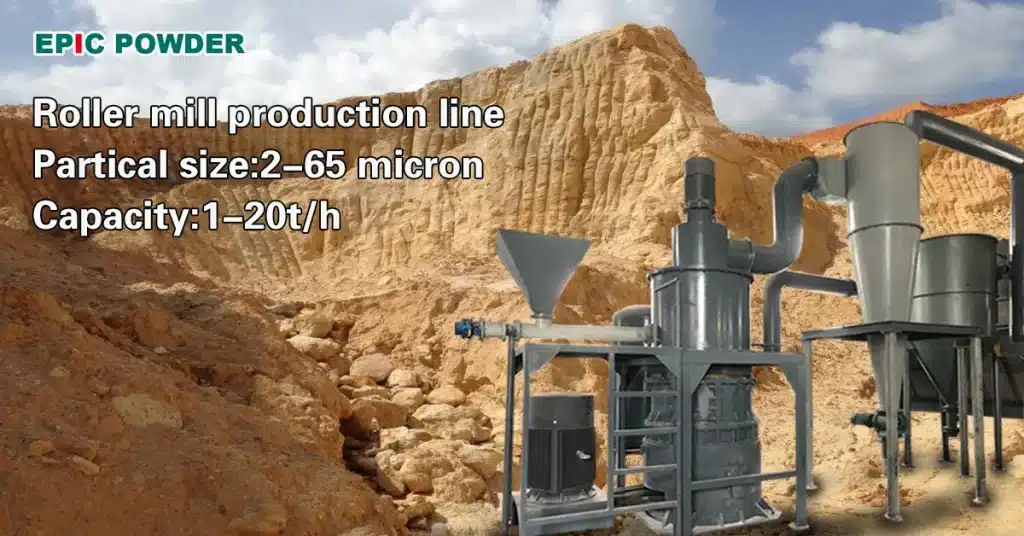
Diğer Öğütme Ekipmanlarıyla Karşılaştırma (rCB için)
| Ekipman Türü | Uygulanabilirlik | Avantajlar | Dezavantajlar | Tavsiye edilen |
| Raymond Değirmeni | Uygun Değil | Düşük maliyet | Kaba parçacık boyutu (≤325 mesh), yüksek metal kirliliği, topaklanmayı giderme özelliği yok. | HAYIR |
| Bilyalı Değirmen | Sınırlı Uygulanabilirlik | Yüksek safsızlık oranına sahip rCB'yi işleyebilir. | Aşırı demir kirliliği (>200 ppm), aşırı öğütme, yüksek enerji tüketimi | Hayır (Kauçuk için yasaktır) |
| Jet Değirmeni | Kullanılabilir | Kirlenme yok, iyi parçacık şekli. | Son derece yüksek enerji tüketimi (>180 kWh/t), düşük kapasite, yüksek kül içerikli geri dönüştürülmüş karbon filtreler için uygun değil. | Sadece üst düzey, sınırlı sayıda üretilen ürünler için |
| Halkalı Silindirli Değirmen | Tercih edilen | Orta düzeyde enerji tüketimi (80-120 kWh/t), güçlü topaklanmayı önleme yeteneği. Entegre modifikasyon imkanı, olgun patlamaya dayanıklı tasarım. | Tek ünite kapasitesi ≤8 t/saat, genişletme için paralel olarak birden fazla ünite gerektirir. | Şiddetle tavsiye edilir |
Gerçek Dünya Uygulama Örnekleri
Aşağıdaki tablo, halkalı silindirli değirmenlerin rCB alanındaki tipik uygulama örneklerini özetlemektedir. Hem yerel hem de uluslararası pazarlardan temsili projeleri kapsamaktadır. Başlıca öne çıkan noktalar arasında belirli teknik çözümler, işleme kapasitesi ve ürün performansı yer almaktadır. Tablo ayrıca bu projelerin önemli ekonomik faydalarını da detaylandırmaktadır.
| Proje Konumu / İşletme Türü | Teknik Çözüm | Ürün Özellikleri | Uygulama Alanı | Ekonomik Faydalar / Teknik Sonuçlar |
| Avrupa Karbon Siyahı Geri Dönüşüm Girişimi | Çevresel Temel Noktalar (tekrarlanabilir hesaplama + tüketim derecelendirmesi dahil) | D50 = 30 μm, BET = 85 m²/g, Fe ≤ 45 ppm | Kamyon Lastiği Jant Teli Bölümü | Tahmini 20%, N330 siyahından daha az gereklidir. Hammadde maliyeti 18% azaltıldı Lastik yuvarlanma direnci 5% azaltılmıştır, AB REACH yönetmeliklerine uygundur. |
| Çin Fuyao Da Çevre Teknolojisi A.Ş. | Karbon Siyahı: Kuru Proses Yüzey Modifikasyonu Entegre Üretim Hattı | D97 ≤ 63 μm, DBP ≥ 115 mL/100g, Kül ≤ 12% | Mühendislik Kauçuk Ürünleri (Yağ Keçesi, Conta) | Yıllık kapasite 12.000 ton Nihai ürün fiyatı 6000 RMB/ton (ham madde fiyatı 2000 RMB/ton) 200%'ye kadar katma değer |
| Shandong Lastik Geri Dönüşüm Üssü | Çok Üniteli Karbon Siyahı Üretim Tesisi Modeli: Kuru Proses Entegre Sistemi | Demir içeriği ≤ 50 ppm, Parçacık boyutu dağılım aralığı < 1,25 | Ticari Araç Lastik Sırtı Kesiti | Lastik sırtı bileşiminde yeni karbon siyahının kullanımıyla 20% standardına ulaşıldı. Orijinal ekipman üreticileri (OEM'ler) tarafından malzeme sertifikasyonundan geçmiştir. Lastik aşınma performansını etkili bir şekilde iyileştirir. |
| Jiangsu Yeni Malzeme Şirketi | Karbon Siyahı: Azot Koruması + Kükürt Giderme ve Toz Giderme (Tamamen Kapalı) | Nem ≤ 0,5%, BET Yüzey Alanı 75-90 m²/g | Yüksek Performanslı Kauçuk Contalar, Titreşim Sönümleme Parçaları | Elektrikli araçlar için otomotiv sektörünün 1. kademe tedarikçi standartlarını karşılamaktadır. Geleneksel ithalata olan bağımlılığı azaltır. İthal ikamesinden elde edilen yıllık tasarruf 8 milyon RMB'yi aşıyor. |
| Güneydoğu Asya Yenilenebilir Kaynak Sanayi Parkı | Lastik Pirolizinin Üç Aşamalı Prosesi (Yüksek çelik içeriğine sahip hammaddelere uyarlanmıştır) | Besleme çeliği içeriği ≤ 8%, Nihai Ürün D50 = 35±2 μm | Küresel Lastik Yenileme Pazarı için Lastik Sırtı | Yerel karbon siyahı tedarik açığını çözüyor. Ekolojik zinciri iyileştirir, kirliliği azaltır. Geri ödeme süresini 2 yıla indirir. |
Çözüm
Pirolitik karbon siyahının ince öğütülmesinde halkalı silindirli değirmenlerin kullanımı, rCB topaklanması, safsızlıklar ve performans istikrarsızlığı gibi endüstriyel darboğazları gidermekle kalmaz, aynı zamanda “atık lastikler → yüksek değerli karbon siyahı → yeşil lastikler” döngüsel ekonomi döngüsünü de tamamlar. Kuru, verimli, düşük kirlilikli ve ölçeklenebilir teknolojik yolu, onu rCB derin işleme alanında ekonomik ve teknik olarak en uygun ana akım ekipman haline getirir. Küresel lastik geri dönüşüm düzenlemeleri sıkılaştıkça (örneğin, AB'nin ELT Direktifi) ve kauçuk endüstrisinin karbon azaltma talebi arttıkça, rCB sektöründe halkalı silindirli değirmenlerin uygulama olanakları genişlemeye devam edecektir.
Destansı Toz
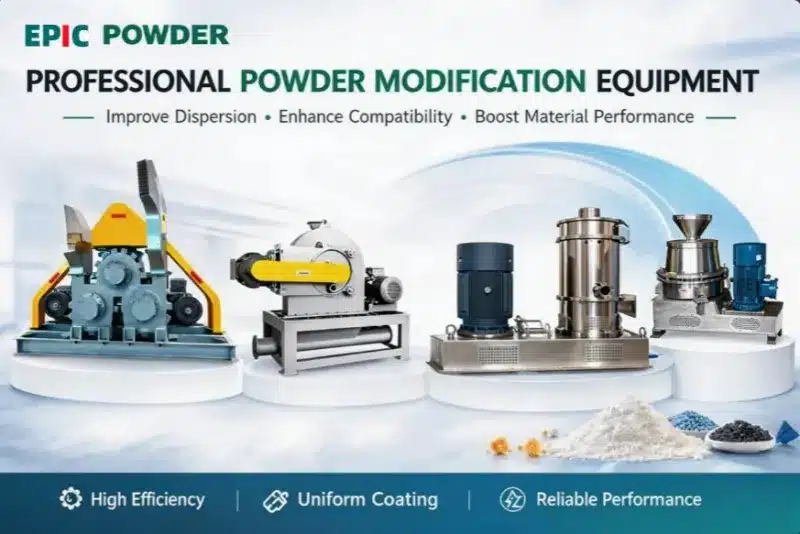
Epik Toz Silindir Değirmeni — Kuru ince toz işleme verimliliğini yeniden tanımlıyor. Geleneksel Raymond ve jet değirmenlerinin iki katından fazla üretim kapasitesiyle üstün ürün inceliği, mükemmel boyut kontrolü ve dikkat çekici stabilite sunuyor.
- Yüksek Çıkış ve Ayarlanabilir Hassasiyet — D97 standardında 3–8 μm'den 10–40 μm'ye kadar toz üretebilme kapasitesine sahiptir. Çok boyutlu eş zamanlı üretim için çok aşamalı sınıflandırıcılarla uyumludur.
- Kolay ve Temiz Kurulum — Büyük çaplı inşaat mühendisliği gerektirmez. Tamamen kapalı sistem, tüm ince tozun toplanmasını sağlayarak toz emisyonu standartlarını karşılar ve sıfır çevre kirliliği sağlar.
- Geniş Endüstriyel Uygulama Alanı — Kalsiyum karbonat (kalsit, mermer, kireç taşı, tebeşir), barit, kaolin, dolomit, magnezit, alümina, ultra ince çimento, cüruf, çelik cürufu ve daha fazlasını öğütmek için idealdir.
Yüksek üretim kapasitesi. Çevre dostu. Çok kademeli kullanıma hazır. — Modern mineral tozu üretimi için gelişmiş çözümünüz.

“Okuduğunuz için teşekkürler. Umarım makalem yardımcı olmuştur. Lütfen aşağıya yorum bırakın. Ayrıca EPIC Powder çevrimiçi müşteri temsilcisiyle de iletişime geçebilirsiniz. Zelda Daha fazla bilgi için lütfen iletişime geçin.”
— Jason Wang, Kıdemli Mühendis