Jet değirmeni nedir ve nasıl çalışır?
Jet değirmeni özel bir alettir. farmasötik mikronizasyon İlaçları ince toz haline getirmek için yüksek hızlı gaz akımları kullanan bir cihaz. Geleneksel mekanik değirmenlerin aksine, jet değirmenleri yüksek hızlı gaz akımlarına dayanır. akışkan enerjili öğütme kesin sonuçlara ulaşmak için API parçacık boyutu küçültülmesi Hareketli parçaları yoktur. Bu da temiz, kirlilikten arındırılmış bir sonuç doğurur. mikronize toz ilaçlar Çeşitli ilaç formülasyonlarında kullanılır.
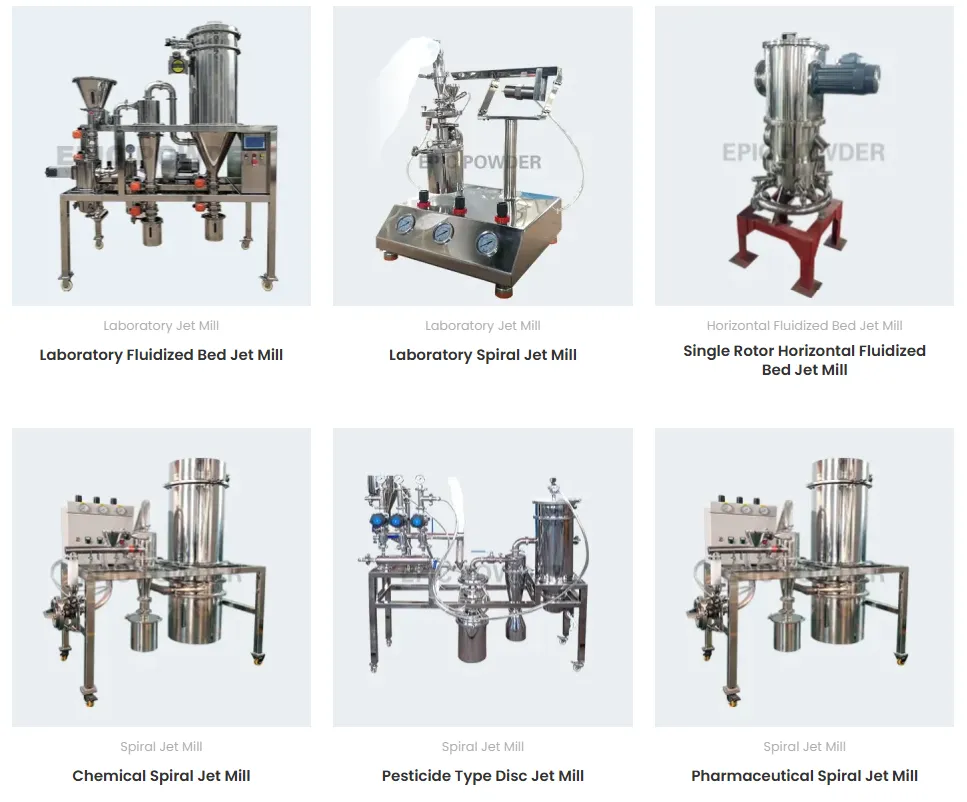
Jet Değirmen Çeşitleri
- Spiral Jet DeğirmenleriÖğütme haznesinin içinde parçacıkları hızlandıran ve çarpışmalara neden olan spiral bir gaz akışı kullanın.
- Akışkan Yataklı Karşıt Jet Değirmenleri: Parçacıkları akışkan halde askıda tutmak ve parçacıklar arası çarpışmayı teşvik etmek için zıt yönlü gaz jetleri oluşturun.
- Döngü Jet Değirmenleri: Parçacıkları hazne içinde döngüsel bir yol boyunca dolaştırarak tekrarlanan darbeler ve daha ince öğütme sağlar.
Çalışma Prensibi
Jet değirmenleri şu prensiple çalışır: akışkan enerjiyle çalışan parçacıklar arası çarpışma. Sıkıştırılmış gaz (hava veya azot), nozullar aracılığıyla yüksek hızda öğütme haznesine enjekte edilir. Parçacıklar hızlanır ve birbirleriyle çarpışarak mekanik öğütme kuvvetleri olmadan daha küçük parçalara ayrılır. Bu yöntem, dar bir parçacık boyutu dağılımı sağlar ve ısıya duyarlı aktif farmasötik bileşenleri (API'ler) korur.
Ana Bileşenler
- Öğütme HaznesiParçacıkların hızlandırıldığı ve çarpıldığı alan.
- NozullarYüksek basınçlı gaz akımlarını doğrudan kullanarak parçacıkları hareket ettirmek.
- Sınıflandırıcıİnce, mikronize parçacıkları daha iri parçacıklardan ayırarak tutarlı boyut sağlar.
- BesleyiciBesleme malzemesinin sürekli olarak verilmesini kontrol eder.
- Tahsilat SistemiÖğütülmüş tozu verimli bir şekilde yakalar ve toplar.
Süreç Akışı
- Besleme EnjeksiyonuToz halindeki farmasötik malzeme, besleyici vasıtasıyla jet değirmenine girer.
- HızlanmaGaz nozulları, oda içinde parçacıkları yüksek hızlara ulaştırır.
- ÇarpışmaParçacıklar çarpışır ve çarpma sonucu boyutlarında küçülme meydana gelir.
- Sınıflandırmaİnce parçacıklar sınıflandırıcıdan geçerken, daha büyük parçacıklar daha fazla öğütme için geri dönüştürülür.
Jet değirmenleri, kontrollü ve kirlenme içermeyen bir işlem sağlayarak aşağıdakiler için idealdir: çok ince öğütülmüş ilaçlar Kritik parçacık boyutu gereksinimlerine sahip olmaları, onları zorlu saflık ve performans kriterlerine sahip aktif farmasötik bileşenler (API'ler) için farmasötik toz işleme alanında hayati bir araç haline getiriyor.
Jet değirmenlerinin ilaçların toz haline getirilmesi için neden ideal olduğu
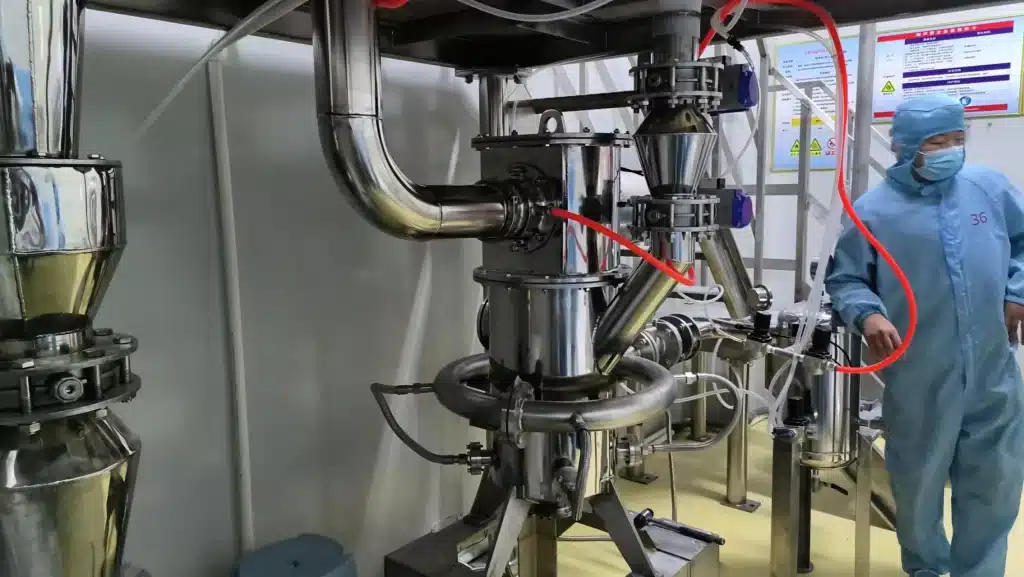
Jet değirmenleri, farmasötik mikronizasyon söz konusu olduğunda, çekiçli, pimli veya bilyalı değirmenler gibi geleneksel mekanik değirmenlere göre belirgin avantajlar sunmaktadır. Başlıca avantajlardan biri, jet değirmenlerinin hareketli parça yok öğütme bölgesinde, yani orada minimum kirlenme ve aşınma. Bu, ilaç üretiminde gerekli olan yüksek saflık standartlarının korunması için çok önemlidir.
Bir diğer önemli avantaj ise şudur: düşük ısı üretimi Hava jeti öğütme işlemi sırasında. Birçok aktif farmasötik bileşen (API) ısıya duyarlıdır veya düşük erime noktasına sahiptir ve geleneksel öğütücüler bozulmaya veya etkinlik kaybına neden olabilir. Jet öğütme, hassas ilaçların bütünlüğünü koruyarak, aşırı ısı olmadan parçacıkları öğütmek için sıvı enerjisi kullanır.
Jet değirmenleri ayrıca şu özelliklere sahip tozlar da üretir: dar parçacık boyutu dağılımı, Bu durum, dozaj formlarının tekdüzeliğini ve daha iyi kontrolünü sağlar. Bu hassasiyet, özellikle solunum yoluyla ilaç verme veya intravenöz formülasyonlar gibi katı parçacık boyutu aralıkları gerektiren uygulamalar için, farmasötik toz işlemede çok önemlidir.
Son olarak, jet frezeleme aşağıdakiler için oldukça uygundur: steril ve aseptik işlem Kapalı sistem tasarımı, çapraz kontaminasyon risklerini en aza indirerek cGMP uyumluluğunu destekler. Bu da jet değirmenlerini yüksek saflıkta, farmasötik kalitede mikronize tozlar için tercih edilen bir seçenek haline getirir.
Bu teknolojinin nasıl çalıştığına dair daha detaylı bilgi edinmek için, hazırladığımız kapsamlı kılavuzumuza göz atabilirsiniz. jet değirmeninin çalışma prensibi.
İlaç Tozlaştırmada Jet Öğütmenin Faydaları
Jet öğütme yöntemi, farmasötik maddelerin toz haline getirilmesinde birçok açık avantaj sunmakta ve bu nedenle birçok ilaç üreticisi tarafından tercih edilmektedir:
- Geliştirilmiş Biyoyararlanım: Jet değirmenleri, daha ince ve daha homojen parçacıklar üreterek, çözünürlüğü düşük ilaçların çözünme hızlarını artırır ve bu da daha iyi emilim ve etkinliğe yol açar.
- Formülasyonlar için En Uygun Parçacık Boyutu: Jet değirmenleri, kuru toz inhalatörler (DPI), enjeksiyonluk ilaçlar ve diğer dozaj formları için ideal partikül boyutlarını tutarlı bir şekilde elde ederek hassas uygulama sağlar.
- Akışkanlık ve Homojenlikte İyileşme: Mikronize tozlar mükemmel akış özelliklerine sahiptir ve homojen bir şekilde karışır; bu da kıvamın çok önemli olduğu düşük dozlu formülasyonlar için hayati önem taşır.
- Yüksek Etkinlikli API'lar (HPAPI'lar) için destek: Jet frezeleme sistemleri, güçlü veya tehlikeli bileşiklerle çalışırken operatörleri koruyan ve çapraz kontaminasyonu önleyen muhafaza özellikleriyle donatılabilir.
Faydalar Hakkında Kısa Genel Bakış
| Fayda | Tanım | Örnek API'ler |
|---|---|---|
| Biyoyararlanım artırımı | Çözünürlüğü düşük ilaçların daha hızlı çözünmesi | Antibiyotikler, steroidler |
| Hassas parçacık kontrolü | İnhalasyon ve enjeksiyon için hedeflenen parçacık boyutu | DPI tozları, enjekte edilebilir süspansiyonlar |
| Daha iyi akış ve karışım kalitesi | Doğru dozajlama için ideal homojen tozlar | Enzimler, düşük dozlu ilaçlar |
| HPAPI'lerin güvenli kullanımı | Zehirli veya güçlü ilaç tozlarının muhafaza edilmesi | Sitotoksik ajanlar |
Jet frezeleme, üretimde gerçekten üstünlük sağlıyor. ilaçlar için mikronize tozlar Sıkı kalite ve performans standartlarını karşılayan ürünler için, steroidler, antibiyotikler ve enzimler gibi yüksek değerli ilaçlar için bu öğütme yöntemi, nihai ürünün güvenli, etkili ve formüle edilmesinin kolay olmasını sağlamaya yardımcı olur.
Parçacık boyutunu ve dağılımını dikkatlice kontrol ederek, jet değirmenleri yalnızca farmasötik performansı iyileştirmekle kalmaz, aynı zamanda üretim verimliliğini ve farmasötik standartlara uyumu da optimize eder. Bu nedenle jet değirmenleri yaygın olarak kullanılmaktadır. ilaç tozu işleme, özellikle için ısıya duyarlı API öğütme ve gelişmiş inhalasyon yoluyla ilaç uygulama sistemleri.
Hava jetiyle frezeleme işleminin nasıl çalıştığına dair daha teknik bilgiler için, bu kapsamlı incelemeye göz atmak isteyebilirsiniz. jet frezeleme nasıl çalışır İlaç tozlaştırma işlemindeki hassas kontrolünü ve verimliliğini anlamak için.
Jet Frezeleme Performansını Etkileyen Başlıca Faktörler
İlaçların toz haline getirilmesi için kullanılan jet değirmeninin verimliliğini ve kalitesini etkileyen birkaç önemli faktör vardır. Öğütme basıncı, itici basıncı ve besleme hızı gibi işlem parametreleri, parçacık boyutunu ve verimi doğrudan etkiler. Özellikle hassas aktif farmasötik bileşenlerle çalışırken veya oksidasyondan kaçınırken, doğru gazı (genellikle hava veya azot) seçmek çok önemlidir.
Malzeme özellikleri de büyük rol oynar. İlaç tozlarının kırılganlığı, sertliği ve başlangıç parçacık boyutu, mikronizasyon sırasında ne kadar kolay parçalanacaklarını belirler. Tipik olarak, jet öğütme işlemi şu hedeflere yöneliktir: parçacık boyutu dağılımı (PSD) 1 ila 10 mikron arasında değişen boyutları, birçok ilaç dağıtım uygulaması için idealdir.
Üretim maliyetlerini düşük tutmak için verimlilikten ödün vermeden enerji tüketimini optimize etmek de önemli bir husustur. Oda sıcaklığında öğütülmesi zor olan yapışkan veya mumsu ilaçlar için, kriyojenik jet öğütme, malzemeyi dondurarak, topaklanmayı önleyerek ve tutarlı süper ince öğütme sağlayarak sağlam bir çözüm sunar.
Bu faktörlerin uyarlanması, farmasötik toz işleme için gerekli olan yüksek saflıkta dar bir parçacık boyutu dağılımı elde etmeye yardımcı olur. Parçacık boyutunu ve işlem değişkenlerini kontrol etme konusunda daha fazla bilgi edinmek için detaylı kılavuzumuzu inceleyebilirsiniz. jet değirmeni hakkında sık sorulan sorular.
Jet Öğütme ve Alternatif Mikronizasyon Yöntemleri Karşılaştırması
İlaç üretiminde mikronizasyon söz konusu olduğunda, jet değirmenleri mekanik darbeli değirmenlere, bilyalı değirmenlere ve pimli değirmenlere kıyasla öne çıkmaktadır. İşte güçlü ve zayıf yönlerini anlamanıza yardımcı olacak kısa bir karşılaştırma:
| Yöntem | Güçlü Yönler | Sınırlamalar | Kullanım Senaryoları |
|---|---|---|---|
| Jet Frezeleme | – Kirlenme içermez (hareketli parça yok) | – Daha yüksek enerji tüketimi | – Isıya duyarlı API'ler |
| – Hassas parçacık boyutu kontrolü | – İlk yatırım maliyeti | – Dar parçacık boyutu dağılımı | |
| – Laboratuvardan üretime ölçeklenebilir | – Çok sert malzemeler için ideal değildir. | – Yüksek saflıkta steril işleme | |
| Mekanik Darbeli Frezeler | – Daha düşük başlangıç maliyeti | – Potansiyel kirlenme (metal aşınması) | – Sert, kırılgan malzemeler |
| – Basit kullanım | – Daha az hassas boyut kontrolü | – Genel frezeleme görevleri | |
| Boncuklu Frezeleme | – Islak öğütme için etkilidir | – Boncuk kirlenmesi riski | – Süspansiyonlar ve dayanıklı malzemeler |
| – Çok ince ıslak mikronizasyon için uygundur. | – Çalışma sırasında ısı üretimi | – Bazı enjeksiyonluk formülasyonlar | |
| Pim Değirmenleri | – Yüksek verimlilik | – Isı üretimi ve kirlenme | – Kaba ila orta büyüklükteki parçacıklar |
| – Kuru ve ufalanabilir malzemeler için uygundur. | – Çok ince tozlar için ideal değil | – Toplu ilaç işleme |
Jet Milling'i Neden Tercih Etmelisiniz?
- Hareketli parça yok, Bu da daha az aşınma ve minimum kirlenme anlamına gelir.
- Isıya duyarlı ve düşük erime noktalı aktif farmasötik bileşenler için idealdir. düşük ısı üretimi nedeniyle.
- Dar parçacık boyutu dağılımı sunar., Solunum yoluyla ve enjeksiyon yoluyla uygulanan ilaçlar için hayati öneme sahiptir.
- Kolayca ölçeklenebilir ve hassas, Ar-Ge'den tam ölçekli üretime kadar.
Alternatifleri Ne Zaman Seçmelisiniz?
- İçin ıslak öğütme veya süspansiyonlar, Bilyalı öğütme daha iyi olabilir.
- Çalışırken çok sert veya aşındırıcı malzemeler Bu durum jet değirmenlerine zarar verebilir.
- İlk yatırım için bütçe kısıtlıysa ve parçacık boyutu hassasiyeti kritik değilse, mekanik öğütücüler yeterli olabilir.
Jet öğütme işleminin temiz ve hava tahrikli yapısı, özellikle saflık ve kıvam gereksinimleri yüksek mikronize toz ilaçlar üretmede, ilaç tozu işleme alanında avantaj sağlamaktadır.
Laboratuvar ölçeğinde hassasiyet için, aşağıdaki gibi seçenekleri inceleyin: laboratuvar jet değirmenleri Erken ilaç geliştirme aşamalarında verimlilik ve kontrol arasında denge sağlayan yöntemler.
İlaç Uygulamaları İçin Doğru Jet Değirmenini Seçmek
Doğru olanı seçmek ilaçları öğütmek için jet değirmeni Bu, ölçeğinize, ürün gereksinimlerinize ve uyumluluk ihtiyaçlarınıza bağlıdır. İşte size yardımcı olacak kısa bir kılavuz:
| Bakış açısı | Laboratuvar Ölçekli Jet Değirmeni | Üretim Ölçekli Jet Değirmeni |
|---|---|---|
| Kapasite | Küçük partiler, Ar-Ge, pilot testler | Büyük partiler, tam ticari üretim |
| Boyut | Kompakt, taşıması kolay | Daha geniş alan, daha yüksek verimlilik |
| Özelleştirme | Çeşitli API'ler için esnek ayarlar | Tutarlı ve ölçeklenebilir çalışmalar için optimize edilmiştir. |
| Malzeme | Saflık için paslanmaz çelik | Paslanmaz çelik, cGMP uyumlu tasarım |
| Temizlik Kolaylığı | Hızlı sökme, kolay temizlik | Hızlı CIP/SIP işlemleri için tasarlanmıştır. |
| İzolasyon/Kontrol Altına Alma | İsteğe bağlı izolatör entegrasyonu | Yüksek performanslı API'ler için tam izolasyon sistemleri |
cGMP Özellikleri Önemlidir
İlaç üretimi sıkı standartlar gerektirir. cGMP jet frezeleme Ekipman. Şunlara dikkat edin:
- Paslanmaz çelik yapı kirlenmeyi önlemek için
- Pürüzsüz yüzeyler ve temizliği kolaylaştırmak için minimum ölü bölge.
- Kolay sökme hızlı geçişler için
- İzolatör ve muhafaza özellikle HPAPI'ler için seçenekler
- Uyumluluğa hazır tasarımlar, düzenleyici onay süreçlerini kolaylaştırmaya yardımcı olur.
Laboratuvardan Üretime Ölçeklenebilirlik
Geliştirme aşamasından tam üretime geçiş kritik önem taşır. Jet freze modelleri şu özellikleri sunmalıdır:
- Farklı kapasitelerde tutarlı parçacık boyutu dağılımı.
- Akışkan enerjili frezeleme için tekrarlanabilir ayarlar
- Hassas malzemeler için havadan nitrojene geçiş seçenekleri
Epic Powder'ın Jet Mill Serisi
Epic Powder, laboratuvar ölçekli mikronizasyondan yüksek kapasiteli ticari üretime kadar, ilaç ihtiyaçlarınıza uygun özel jet öğütme çözümleri sunar. Ekipmanları şunları destekler:
- Hassas taşlama için API parçacık boyutu küçültülmesi
- Düşük kirlilik ve ısı üretimi
- Özelleştirilebilir özellikler şunlarla uyumludur: ilaç tozu işleme standartlar
Jet öğütme işlemi sırasında saflığın sağlanması hakkında daha fazla bilgi için, Epic Powder'ın tüm süreç boyunca steril koşulları koruma konusundaki uzmanlığını inceleyin.
Başlangıçta doğru ekipmanı seçmek, ilerleyen süreçte zaman ve maliyet tasarrufu sağlar; özel olarak tasarlanmış, uyumlu jet freze makineleri seçmek, ilaç üretim verimliliğinde büyük fark yaratır.
En İyi Uygulamalar ve Güvenlik Hususları
Birini kullanırken İlaçları öğütmek için jet değirmeni, Özellikle güçlü aktif farmasötik bileşenler ve hassas farmasötik tozlar kullanılırken güvenlik ve en iyi uygulamalar en öncelikli konular olmalıdır.
Sınırlama ve Operatör Güvenliği
- Operatörleri yüksek etkili aktif farmasötik bileşenlere (HPAPI'ler) maruz kalmaktan korumak için tamamen kapalı sistemler veya izolatörler kullanın.
- Havada bulunan partikülleri en aza indirmek için uygun havalandırma ve toz emme sistemleri uygulayın.
- Risk değerlendirmelerine uygun olarak kişisel koruyucu ekipman (KKD) kullanın.
Doğrulama, Temizleme ve Sterilizasyon
- Çapraz bulaşmayı önlemek için kapsamlı temizlik protokolleri geliştirin, bu özellikle şu alanlarda kritik öneme sahiptir: cGMP jet frezeleme süreçler.
- FDA ve EMA standartlarını karşılamak için temizlik prosedürlerini düzenli olarak doğrulayın.
- Sterilizasyonun etkin bir şekilde sağlanabilmesi için nozullar ve sınıflandırıcılar gibi iç parçalara kolay erişim sağlayan tasarımlardan yararlanın.
- Paslanmaz çelik yapı ve pürüzsüz yüzeyler hijyenik çalışma koşullarını destekler.
Sık Karşılaşılan Sorunların Giderilmesi
- Nem veya yapışkan maddeler nedeniyle tıkanmalar meydana gelebilir; sürekli kurutma sağlayın ve gerekirse kriyojenik yöntemleri değerlendirin.
- Besleme hızlarındaki veya gaz basıncındaki dalgalanmalar nedeniyle tutarsız parçacık boyutu dağılımı (PSD) oluşabilir; işlem parametrelerini dikkatlice izleyin ve ayarlayın.
- Besleme ünitelerinin ve sınıflandırıcıların düzenli bakımı, öğütme performansının optimum düzeyde sürdürülmesine yardımcı olur.
Mevzuat Uyumluluğu
- Tüm süreçlerin, FDA ve EMA yönergeleri de dahil olmak üzere küresel ilaç düzenlemelerine uygun olduğundan emin olun. farmasötik mikronizasyon.
- Denetim ve incelemeleri desteklemek amacıyla süreç kontrolleri, temizlik kayıtları ve doğrulama sonuçlarına ilişkin ayrıntılı dokümantasyon tutun.
Bu en iyi uygulamalara bağlı kalmak, jet öğütme teknolojisiyle güvenli, verimli ve mevzuata uygun farmasötik toz işleme sağlar. Optimum performans ve güvenlik için, aşağıdaki gibi gelişmiş öğütme teknolojilerini incelemek faydalı olacaktır: tek rotorlu akışkan yataklı jet değirmeni Gelişmiş kontrol ve sınırlama seçenekleri sağlayabilir.
Destansı Toz
EPİK TOZ Madencilik, kimya, gıda, ilaç vb. sektörler için ince toz işleme teknolojisinde uzmanlaşmış bir firmayız. Özellikle toz öğütme, toz sınıflandırma, toz dağıtma, toz yüzey işleme ve atık geri dönüşümü konularında toz işleme projelerinin en profesyonel tedarikçisiyiz. Danışmanlık, test, proje tasarımı, makineler, devreye alma ve eğitim hizmetleri sunuyoruz.

“Okuduğunuz için teşekkürler. Umarım makalem yardımcı olmuştur. Lütfen aşağıya yorum bırakın. Ayrıca EPIC Powder çevrimiçi müşteri temsilcisiyle de iletişime geçebilirsiniz. Zelda Daha fazla bilgi için lütfen iletişime geçin.”
— Gönderen Jason Wang, Kıdemli Mühendis