Sodyum İyon Pil Performansının Temelleri
Sodyum Karbonat: Bir Ham Maddeden Çok Daha Fazlası
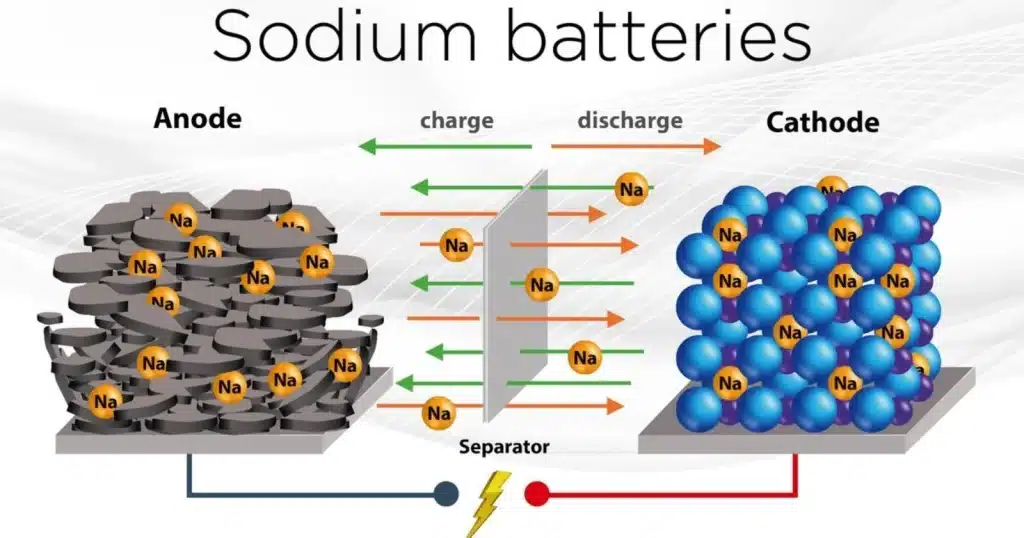
Sodyum karbonat, sodyum iyon pillerinin (SIB) üretiminde basit bir hammadde olmanın ötesinde çok önemli bir rol oynar. Sodyum iyonlarının birincil kaynağı olarak, kalitesi ve özellikleri pilin genel performansını ve güvenilirliğini doğrudan etkiler. Sodyum karbonatın fiziksel ve kimyasal özelliklerinin hassas kontrolü, tutarlı pil kimyası için zemin hazırlar ve enerji yoğunluğunu, kullanım ömrünü ve güvenliği etkiler. Günümüzün rekabetçi enerji pazarında, sodyum karbonatın hazırlanmasının, özellikle hassas öğütme yoluyla, önemini anlamak, sodyum iyon pil teknolojisini geliştirmek için elzemdir.
Parçacık Kalitesinin Pil Kimyasını Doğrudan Nasıl Etkilediği
Sodyum karbonatın parçacık kalitesi –özellikle boyutu, şekli ve homojenliği– sodyum iyon pillerindeki elektrokimyasal süreçleri doğrudan etkiler. Homojen, ince öğütülmüş parçacıklar, diğer elektrot ve elektrolit bileşenleriyle optimum karışımı sağlayarak iyonik iletkenliği artırır ve pilin ömrünü uzatır. Tersine, kötü işlenmiş parçacıklar tutarsızlıklara neden olarak düzensiz elektrokimyasal reaksiyonlara, kapasite azalmasına ve daha hızlı bozulmaya yol açar. Bu nedenle, yüksek hassasiyetli öğütme yöntemleriyle sodyum karbonatın parçacık kalitesini kontrol etmek, üstün pil performansı elde etmek ve yeni nesil enerji depolama çözümlerinin artan taleplerini karşılamak için kritik öneme sahiptir.
Rekabet Avantajı: Sodyum İyon Piller ve Lityum İyon Piller
-30°C'de Üstün Düşük Sıcaklık Performansı
Sodyum iyon piller (SIB'ler), -30°C'ye kadar verimli çalışarak, zorlu soğuk koşullarda bile mükemmel performans göstermeleriyle öne çıkar. Bu da onları aşırı kışların yaşandığı bölgeler veya soğuk zincir lojistiği için ideal kılar. Düşük sıcaklıklarda kapasite kaybına ve daha yavaş şarj olmaya maruz kalan birçok lityum iyon pilin aksine, hassas işlenmiş sodyum karbonat, kararlı elektrot reaksiyonlarını koruyarak güvenilir güç iletimi sağlar. Bu düşük sıcaklık dayanıklılığı, dünya çapında sodyum iyon pil teknolojisine olan ilgiyi artıran önemli bir faktördür.
Maliyet Avantajları ve Tedarik Zinciri Güvenliği
Bol ve ucuz bir hammadde olan sodyum karbonat, sodyum iyon pillerini genel maliyet açısından öne çıkarıyor. Sodyumun madenciliği ve işlenmesi, lityum ve kobaltla ilgili jeopolitik risklerden kaçınılarak, çeşitli küresel bölgelerde yaygın olarak erişilebilir durumda. Bu tedarik güvenliği, üretim maliyetlerini kontrol ederken sürdürülebilir bir şekilde ölçeklendirmeyi hedefleyen üreticiler için çok önemli bir rekabet avantajı sağlıyor. Hassas öğütme, sodyum karbonatın kullanımını optimize ederek, atıkları ve üretim değişkenliğini azaltan tutarlı bir malzeme sunuyor ve maliyet etkinliğini daha da artırıyor.
| Özellik | Sodyum İyon Piller | Lityum İyon Piller |
|---|---|---|
| Ham Madde Bolluğu | Yüksek (Sodyum karbonat) | Sınırlı (Lityum, kobalt) |
| Malzeme Maliyeti | Daha düşük | Daha yüksek |
| Tedarik Zinciri İstikrarı | Daha Güvenli | Kesintilere karşı savunmasız |
| Düşük Sıcaklıklarda Performans | -30°C'de güvenilir | Performans düşüşleri |
Geliştirilmiş Güvenlik ve Çevresel Faydalar
Sodyum iyon piller, lityum iyon pillere kıyasla daha güvenli kimyasal bileşimlere ve daha az toksik elementlere sahiptir. Sodyum karbonatın kararlı yapısı, özellikle pil sınıfı özelliklerine göre uzmanlıkla işlendiğinde, termal kaçış ve kimyasal tehlike risklerini azaltır. Çevresel açıdan, sodyum ekstraksiyonu ve işlenmesi daha az ekolojik etkiye sahiptir ve piller nadir metal kirlenmesi olmadan daha kolay geri dönüştürülebilir. Bu da sodyum karbonatın hassas işlenmesini, yalnızca performans değil, aynı zamanda modern temiz enerji pazarlarının talep ettiği sürdürülebilirlik avantajını da sağlamada kritik bir adım haline getirir.
Saflığı ve partikül homojenliğini artıran gelişmiş öğütme çözümlerine dair detaylı bilgi için, çinko fosfat öğütme hava sınıflandırıcılı değirmen gibi önceki projelerde görüldüğü gibi, karbonat malzemeler için özel olarak tasarlanmış jet değirmen tasarımlarımıza göz atın. üretim hattı.
Sodyum Karbonatın SIB Üretimindeki Hayati Rolü
Elektrotlar ve Elektrolitler için Çok Fonksiyonlu Ön Madde
Sodyum karbonat, sodyum iyon pillerinin (SIB) üretiminde hem elektrotlar hem de elektrolitler için temel bir öncü madde olarak hayati öneme sahiptir. Kimyasal özellikleri, kararlı elektrot malzemelerinin oluşumuna ve elektrolit performansının artırılmasına etkin bir şekilde katılmasını sağlar. Bu çok yönlülük, sodyum karbonatı pilin genel verimliliğini ve ömrünü doğrudan etkileyen temel bir bileşen haline getirir. Bu faydaların ortaya çıkarılması için, hassas işleme yoluyla kalitesinin sağlanması çok önemlidir.
Parçacık Homojenliği ve Pil Tutarlılığı Arasındaki Kritik Bağlantı
Sodyum karbonat tozunun homojen parçacık boyutu ve dağılımı, tutarlı pil performansı için hayati önem taşır. Parçacıklar eşit ve kontrollü bir boyuta öğütüldüğünde, diğer pil bileşenleriyle daha iyi karışarak homojen elektrot ve elektrolit yapıları oluştururlar. Bu homojenlik, kusurları en aza indirir ve pil içindeki iyon akışını iyileştirir; bu da kapasite artışı, daha uzun çevrim ömrü ve partiler arası güvenilir performans anlamına gelir. Bu nedenle, üstün sodyum iyon pillerinin yüksek standartlarını karşılamak için pil sınıfı sodyum karbonat üretiminde hassas öğütme işlemleri vazgeçilmezdir.
Pil Sınıfı Na₂CO₃ İçin Hassas Frezeleme Zorluğu
Malzeme Özellikleri: Kristallerden Ultra İnce Toza Kadar
Pil sınıfı sodyum karbonat (Na₂CO₃), büyük ve düzensiz kristaller halinde başlar ve ultra ince tozlara dönüştürülmesi için hassas öğütme gerektirir. Bu dönüşüm çok önemlidir çünkü pil performansı büyük ölçüde parçacık boyutuna ve dokusuna bağlıdır. Büyük kristaller, sodyum iyon pillerinde düzensiz karışmaya ve zayıf iletkenliğe neden olabilirken, ultra ince tozlar daha iyi elektrot entegrasyonu ve tutarlı reaksiyonlar sağlar.
Öğütme başarısını etkileyen temel malzeme özellikleri:
| Özellik | Öğütme Üzerindeki Etki |
|---|---|
| Kristal Boyutu | Daha büyük kristaller, agresif boyut küçültme yöntemleri gerektirir. |
| Sertlik | Orta sertlik, aşınma olmadan jet frezeleme yapılmasına olanak tanır. |
| Higroskopik Doğa | Nem emilimini önlemek için kontrollü ortamlara ihtiyaç duyar. |
| Saflık | Kimyasal saflığı korumak için öğütme işlemi kirlenmeden yapılmalıdır. |
Kristallerden ince toza geçiş, kimyasal bütünlüğü korurken ince ve homojen parçacıklar elde etmeyi sağlayan ekipman gerektirir.
Hedef Özellikler: Saflık, Boyut ve Dağıtım Gereksinimleri
Pil sınıfı sodyum karbonat elde etmek, çeşitli özelliklerin sıkı bir şekilde kontrol edilmesini gerektirir:
| Özellikler | Gereklilik | Neden Önemli? |
|---|---|---|
| Saflık | ≥99.9% | Performans kaybı veya yan etki olmamasını sağlar. |
| Parçacık Boyutu | Tipik 1-5 mikron | Elektrotlar için yüzey alanı ve akışkanlık dengesini sağlar. |
| Boyut Dağılımı | Dar (düşük polidispersite) | Tutarlı karıştırmayı ve düzgün elektrot kaplamalarını destekler. |
| Nem İçeriği | <0.5% | Topaklanmayı ve bozulmayı önler. |
Hassas frezeleme, parçacıkları bu dar aralığa hizalar ve herhangi bir sapma pil verimliliğini ve kullanım ömrünü azaltabilir. Jet frezeleme ve hava sınıflandırıcıları gibi gelişmiş frezeleme teknolojileri, bu sıkı özelliklere uymak için sıklıkla kullanılır. Örneğin, özel hava sınıflandırıcı Bu sistemler, işleme sırasında aşırı büyük veya aşırı küçük parçacıkları uzaklaştırarak nihai toz halindeki parçacıkların tutarlı dağılımının korunmasına yardımcı olur.
Bu standartların korunması, sodyum iyon piller için sodyum karbonat işlemenin temel zorluğudur; her partinin pil kimyasını ve operasyonel istikrarı optimize etmek için mükemmel şekilde uygun olmasını sağlamak gerekir.
Sodyum Karbonat İşlemesinde Optimum Performans İçin Ekipman Çözümleri
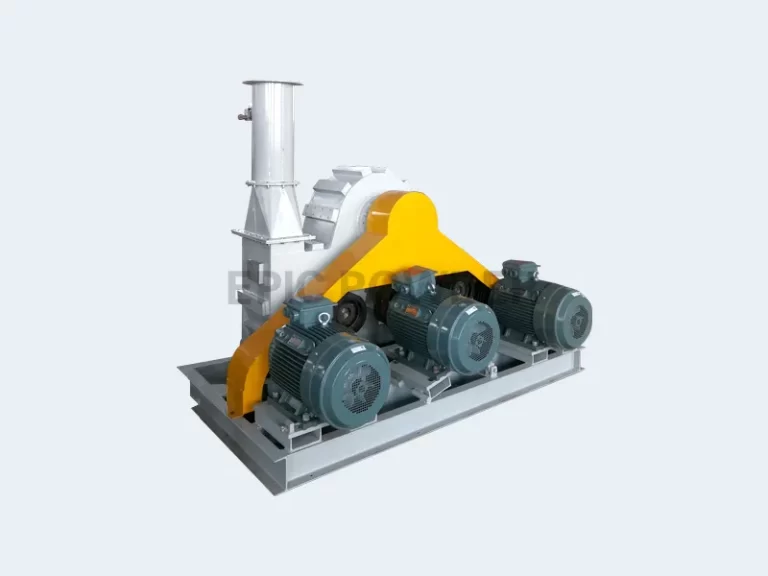
Mekanik Kırıcılar: Etkin Başlangıç Boyutu Küçültme
Mekanik kırıcılar, ham sodyum karbonat kristallerini daha küçük, işlenebilir parçalara dönüştürmenin ilk adımıdır. Büyük parçaları verimli bir şekilde iri parçacıklara indirgeyerek, daha ileri arıtma için zemin hazırlarlar. Bu ilk boyut küçültme, kirlenmeye veya malzeme bozulmasına neden olmadan malzemenin daha hassas öğütülmesine hazırlanması için çok önemlidir.
Jet Mills: Pil Kalitesinde Saflıkta Altın Standart
Sodyum iyon pillerde gerekli olan ultra ince, homojen parçacık boyutlarını elde etmek için jet öğütücüler öne çıkmaktadır. Geleneksel öğütmede yaygın olan metalik kirlenme riski olmadan sodyum karbonatı öğütmek için yüksek hızlı hava akımları kullanırlar. Bu, üstün pil kimyası için gerekli olan mutlak saflığı ve parçacık tutarlılığını sağlar. Jet öğütme ayrıca etkili sıcaklık kontrolü sayesinde malzeme bütünlüğünü koruyarak pil sınıfı Na₂CO₃ işlemede tercih edilen yöntem haline gelir. Kritik pil malzemelerine uygulanan gelişmiş jet öğütme teknikleri için özel çözümlerimizi inceleyin.
Frezelerin Sınıflandırılması: Özel Uygulamalar için Hassas Kontrol
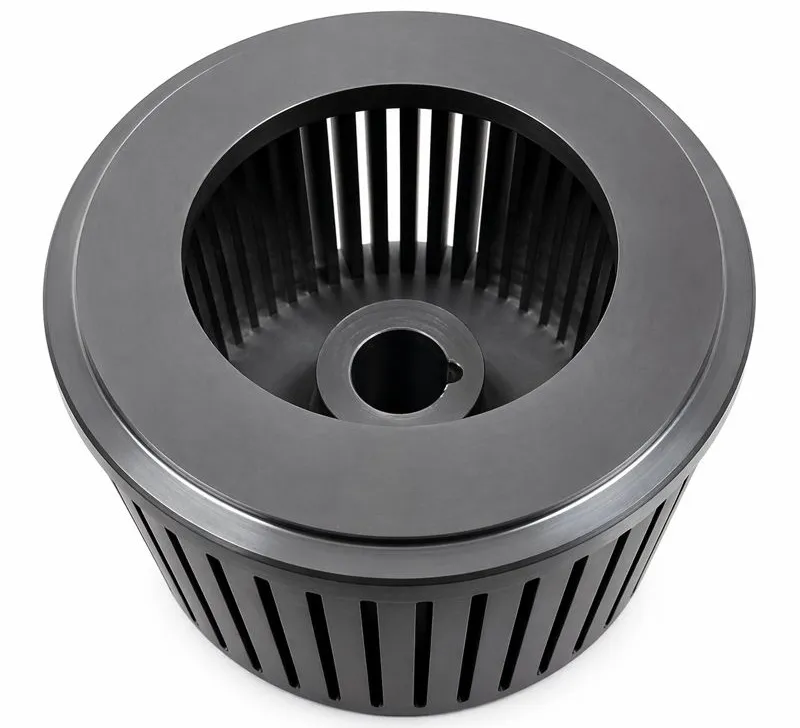
Sınıflandırma değirmenleri, parçacık boyutu dağılımı üzerinde hassas kontrol sağlayarak, belirli pil bileşenleri için özel olarak tasarlanmış sodyum karbonat tozlarının üretilmesine olanak tanır. Parçacıkları boyutlarına göre ayırarak, bu değirmenler elektrot formülasyonlarında ve elektrolit öncüllerinde homojenlik sağlar. Bu hassasiyet, üreticilerin üretim boyunca tutarlı ve yüksek kaliteli malzemeler sunarak pil performansını ince ayar yapmalarına yardımcı olur. Jet öğütme ile birlikte sınıflandırma değirmenleri, optimum parçacık özellikleri için işleme iş akışını tamamlar.
Sodyum Karbonat Üretiminde Jet Öğütme Neden Önemlidir?
Mutlak Saflık: Metalik Kirlenme Riski Yok
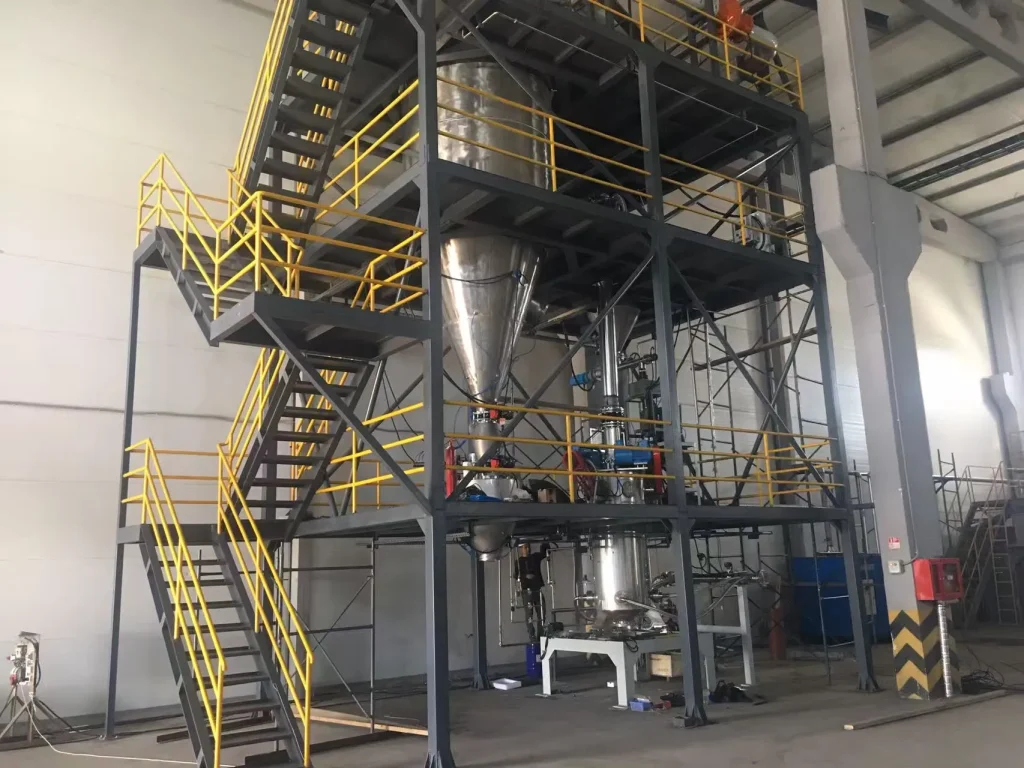
Jet öğütme yöntemi, metal parçaların tozla temas etmediği yüksek hızlı hava veya buhar kullanarak sodyum karbonatı öğütmesiyle öne çıkar. Bu, pil sınıfı Na₂CO₃ elde etmeyi hedeflerken çok önemli bir faktör olan metalik kirlenme riskini ortadan kaldırır. Kirleticiler pil performansını ve ömrünü düşürebilir, bu nedenle jet öğütme yoluyla mutlak saflığın korunması, üstün sodyum iyon piller için şarttır.
Mükemmel Karıştırma İçin Üstün Parçacık Homojenliği
Sodyum iyon pil üretiminde, parçacık boyutu homojenliği elektrot tutarlılığını ve elektrolit performansını doğrudan etkiler. Jet değirmenleri, ultra ince ve homojen boyutlu sodyum karbonat parçacıkları üreterek diğer pil malzemeleriyle mükemmel bir karışım sağlar. Bu homojenlik, güvenilir elektrokimyasal reaksiyonlar ve tutarlı pil çıkışı sağlayarak daha yüksek enerji yoğunluğunu ve daha uzun çevrim ömrünü destekler.
Sıcaklık Kontrolü Malzeme Bütünlüğünü Korur
Isı üreten ve sodyum karbonatın kimyasal özelliklerini değiştirme riski taşıyan mekanik öğütme yöntemlerinin aksine, jet öğütme mükemmel sıcaklık kontrolü sağlar. Bu, malzemenin işlem boyunca stabil kalmasını, bütünlüğünü korumasını ve işlenmiş tozun pil uygulamaları için hayati önem taşıyan katı kalite standartlarını karşılamasını sağlar. Hassas toz özelliklerine ulaşma hakkında daha fazla bilgi için, sayfamıza bakın. Matcha tozu mikronizasyonu için teknik öğütme kılavuzu, Bu da hassas malzemelere uygulanan benzer prensipleri vurgulamaktadır.
Tam İşleme İş Akışı
Adım Adım: Ham Maddeden Pile Hazır Toza
Ham sodyum karbonatın pil kullanımına hazır toza dönüştürülmesi, saflık, parçacık boyutu ve homojenliğin katı Sodyum İyon Pil (SIB) standartlarını karşılamasını sağlamak için tasarlanmış hassas, çok adımlı bir işlem içerir. İşte tipik iş akışı:
- Hammadde Muayenesi
- Kaynağın saflığını ve nem içeriğini doğrulayın.
- Kabul edilemez düzeyde kirlilik içeren partileri reddedin.
- İlk Boyut Küçültme
- Büyük kristalleri parçalamak için mekanik kırıcılar kullanın.
- İnce öğütme için malzemeyi hazırlayın
- Hassas Frezeleme
- Ultra ince ve homojen parçacık dağılımı elde etmek için jet öğütme yöntemi.
- Pil kimyasını ve performansını iyileştirmek için kritik öneme sahip.
- Sınıflandırma ve Eleme
- Büyük veya küçük parçacıkları ayırın.
- Dar parçacık boyutu dağılımı sağlayın.
- Kalite Testi
- Saflık, parçacık boyutu dağılımı ve nem testi
- Pil sınıfı özelliklerinin karşılandığını doğrulayın.
- Ambalaj ve Depolama
- Nem kontrollü ortamlar kullanın.
- Pil üretimine kadar tozun bütünlüğünü koruyun.
Bu iş akışı, sodyum karbonatın SIB performansı için hayati önem taşıyan tutarlı ve yüksek kaliteli bir toz haline getirilmesini garanti eder.
Kritik Proses Parametreleri ve Optimizasyon Stratejileri
İşlem boyunca temel parametreleri kontrol etmek, nihai toz kalitesini optimize etmek için çok önemlidir:
| Parametre | Önem | Optimizasyon İpuçları |
|---|---|---|
| Parçacık Boyutu Dağılımı | Elektrot tutarlılığını ve pil ömrünü etkiler. | Jet değirmeni hızını ve sınıflandırıcı ayarlarını yapın. |
| Saflık Seviyeleri | Yüksek saflık, kirlenme sorunlarını önler. | Kaliteli ham madde temin edin; değirmen aşınmasını izleyin. |
| Nem İçeriği | Aşırı nem, pilin stabilitesini azaltır. | Kurutma yöntemlerini ve nem kontrollü depolamayı kullanın. |
| Öğütme Sıcaklığı | Aşırı ısınma malzemenin bozulmasına neden olabilir. | Jet frezeleme sırasında sıcaklık kontrolü uygulayın. |
| Besleme Hızı | Tekdüzelik ve verimliliği etkiler. | Tıkanmayı önlemek ve tutarlılığı sağlamak için dengeyi koruyun. |
Bu parametrelerin düzenli olarak izlenmesi ve ince ayarlanması, gelişmiş sodyum iyon pillerinin gereksinimlerini karşılayan sodyum karbonat tozu üretiminde büyük fark yaratır.
Hassas frezeleme teknolojileri hakkında daha fazla bilgi edinmek için detaylı kılavuzumuza göz atın. özel jet frezeleme ekipmanı, Pil malzemesi işleme için mükemmel.
Tutarlı Pil Performansı için Kalite Güvencesi
Başlıca Test Yöntemleri: Saflık, Boyut Dağılımı ve Nem
Kalite güvencesi, sodyum iyon pillerinin katı gereksinimlerini karşılamak için sodyum karbonat tozunun titiz testleriyle başlar. Saflık çok önemlidir; herhangi bir kirletici madde pil kimyasını bozabilir ve performansı düşürebilir. Gelişmiş analitik teknikler, ham maddenin pil sınıfı olarak kalmasını sağlamak için safsızlıkları tespit eder.
Boyut dağılımı da aynı derecede önemlidir. Tekdüze parçacık boyutları, tutarlı elektrot karışımını sağlayarak pil güvenilirliğini ve enerji yoğunluğunu artırır. Lazer kırınımı gibi testler, öğütme işleminin ince ayarı için gerekli olan ayrıntılı parçacık boyutu profilleri sağlar. Nem içeriği de yakından izlenmelidir, çünkü aşırı nem pil üretiminde istenmeyen kimyasal reaksiyonlara neden olabilir.
Üretimde Partiden Partiye Tutarlılığın Sağlanması
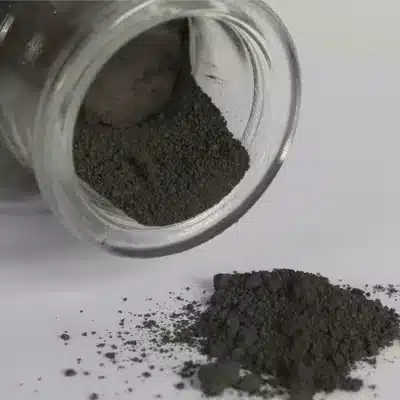
Üretim partileri arasında tutarlı kaliteyi korumak, öngörülebilir pil performansı için çok önemlidir. Bu, öğütme parametrelerinin standartlaştırılmasını ve üretim sırasında sık sık numune alınmasını içerir. Gerçek zamanlı kalite kontrol sistemleri, sapmaları erken tespit ederek maliyetli yeniden işleme ihtiyacını en aza indirir.
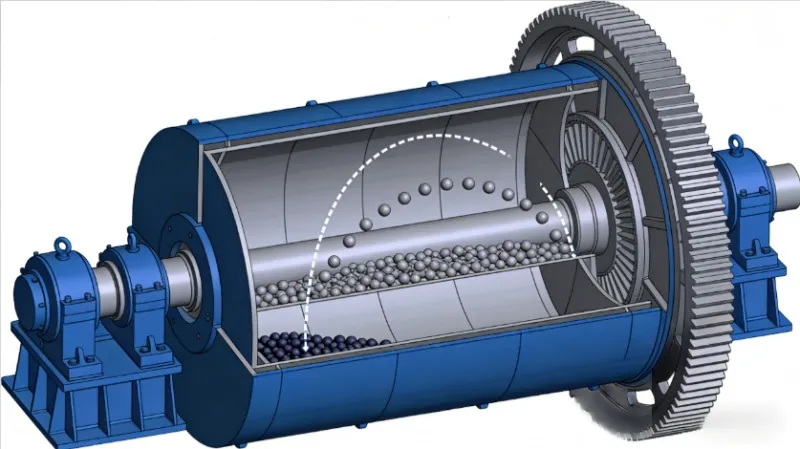
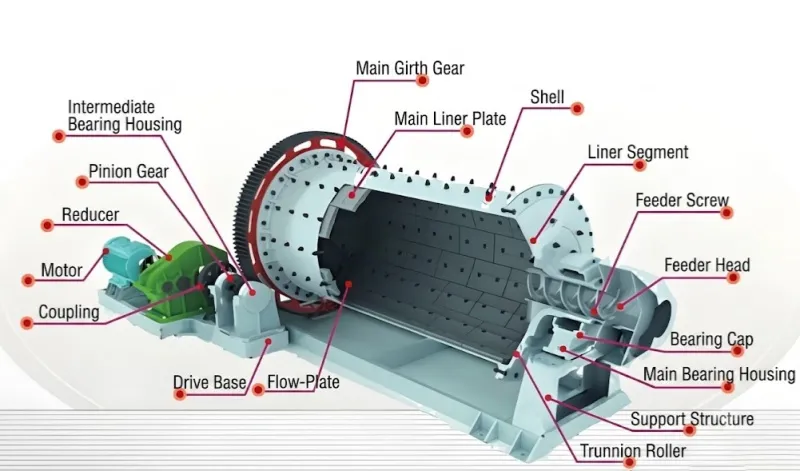
Partiler arası saflık, partikül boyutu ve nem oranında homojenliğe odaklanmak, uzun çevrim ömrü ve verimli enerji depolama için hayati önem taşıyan kararlı elektrokimyasal davranışı garanti eder. Kapsamlı kontrol için, sınıflandırıcılarla birleştirilmiş değirmenler, katı pil malzemesi özelliklerini karşılamak için gereken hassasiyeti sağlar. Bu strateji, Epic Powder'ın detaylandırdığı gibi entegre sistemlerle desteklenmektedir. Bilyalı öğütme ve sınıflandırma üretim hattına genel bakış ve uygulamaları, Böylece her partinin pil kullanımına hazır olması sağlanıyor.
Üreticiler, bu kalite güvence adımlarına öncelik vererek, dünya çapında sodyum iyon pillerinde performansı ve güvenilirliği artıran sodyum karbonatı güvenle sunabilirler.
Epic Toz İşleme Makineleri Çözümlerinin Teknik Avantajları
Karbonat Malzemeler İçin Özel Jet Değirmeni Tasarımları
Epic Powder, sodyum karbonat için özel olarak tasarlanmış jet değirmenleri sunarak, parçacık boyutu ve dağılımı üzerinde hassas kontrol sağlar. Bu değirmenler, sodyum karbonatın kırılgan kristal yapısını verimli bir şekilde işleyerek, yüksek kaliteli sodyum iyon piller için hayati önem taşıyan ultra ince tozlar üretir. Özel tasarım, kirlenme riskini en aza indirir ve homojenliği garanti ederek, tutarlı kimyayı destekleyerek pil performansını artırır.
Komple Proses Kontrolü için Entegre Sistemler
Entegre öğütme sistemlerimiz, jet değirmenlerini gelişmiş sınıflandırıcılar ve toz toplayıcılarla birleştirerek sodyum karbonat işleme için kusursuz bir iş akışı oluşturur. Bu eksiksiz proses kontrolü, parçacık boyutu, saflık ve nem içeriği gibi kritik parametrelerin gerçek zamanlı olarak ayarlanmasına olanak tanır. Entegrasyon, verimi ve tutarlılığı artırarak her seferinde katı pil sınıfı Na₂CO₃ spesifikasyonlarını karşılar. Gelişmiş sistemlerimizin nasıl çalıştığını görün. santrifüj sınıflandırıcılar En iyi sonuçlar için parçacık ayrımını iyileştirin.
| Özellik | Fayda |
|---|---|
| Jet Değirmeni + Sınıflandırıcı Kombinasyonu | Hassas parçacık boyutu kontrolü |
| Gerçek Zamanlı İzleme | Sürekli yüksek saflıkta çıktı |
| Düşük Kirlilik Tasarımı | Malzeme bütünlüğünü korur. |
Laboratuvar Testlerinden Tam Ölçekli Üretim Desteğine
Epic Powder, laboratuvar testlerinden üretim ölçeklendirmesine kadar her aşamada müşterilerine destek vermektedir. Uzmanlarımız, sodyum karbonat parti özelliklerinize ve hedef pil spesifikasyonlarınıza göre özel öğütme çözümleri sunmaktadır. Pilot ölçekli denemeler, tam ölçekli uygulamadan önce öğütme parametrelerini optimize etmeye, riskleri azaltmaya ve üstün sodyum iyon pil malzemeleri için sorunsuz üretim artışını sağlamaya yardımcı olur. Kapsamlı hizmetlerimiz hakkında daha fazla bilgi edinin. spiral jet değirmen sistemleri Araştırmadan büyük hacimli işlemeye uyum sağlayanlar.
Destansı Toz’Şirketimizin makineleri, sodyum karbonat öğütme işleminin yeni nesil sodyum iyon piller için gerekli olan en yüksek standartları karşılamasını sağlayarak, doğrudan daha iyi pil performansı ve ömrüne dönüşen parçacık homojenliği ve saflığı sunar.
Sektöre Etki: Doğru Frezeleme İşlemi SIB Performansını Nasıl Artırır?
Vaka Kanıtı: Düşük Sıcaklıkta Çalışmada İyileştirme
Sodyum karbonatın hassas öğütülmesi, sodyum iyon pillerinin (SIB) -30°C gibi düşük sıcaklıklarda güvenilir bir şekilde çalışabilme yeteneğini artırmada çok önemli bir rol oynar. Tekdüze, ultra ince parçacıklar, elektrot malzemelerinde tutarlı kimyasal reaksiyonlar sağlayarak soğuk koşullarda kapasite kaybını önler. Çalışmalar ve endüstriyel denemeler, sıkı parçacık boyutu dağılımlarına göre öğütmenin, bu aşırı koşullar sırasında iyon akışını korumaya ve iç direnci azaltmaya yardımcı olduğunu, böylece SIB'leri soğuk iklimlerde lityum iyon pillerle rekabet edebilir veya hatta onlardan üstün hale getirdiğini göstermektedir.
Kirlenme Kontrolü Sayesinde Daha Uzun Döngü Ömrü
Öğütme işlemi sırasında kontaminasyonun kontrol edilmesi, SIB'lerin çevrim ömrünü uzatmak için hayati önem taşır. Özellikle jet öğütme yöntemi, yüksek saflıkta, temassız işlem kullanarak metalik kontaminasyonu önler ve sodyum karbonatın kimyasını korur. Bu saflık, genellikle zamanla pil bileşenlerini bozan istenmeyen yan reaksiyonları engeller. Sonuç olarak, uygun şekilde öğütülmüş sodyum karbonattan yapılan piller daha kararlı şarj-deşarj döngüleri sergiler ve kapasitelerini daha uzun süre koruyarak genel dayanıklılığı artırır.
Optimize Edilmiş Parçacıklarla Enerji Yoğunluğunu Maksimize Etme
Enerji yoğunluğundaki artış, hassas öğütme yoluyla elde edilen optimize edilmiş parçacık boyutu ve dağılımından doğrudan kaynaklanmaktadır. Sodyum karbonat parçacıkları homojen ve saf olduğunda, elektrot malzemeleri daha homojen bir şekilde karışarak daha iyi iyonik iletkenliği ve aktif malzeme kullanımını kolaylaştırır. Bu optimizasyon, ağırlık veya hacmi artırmadan pilin kapasitesini artırır; bu da sodyum iyon pillerini enerji depolama çözümlerinde pratik ve yüksek performanslı bir alternatif haline getiren önemli faktörlerdir. Dolayısıyla, doğru öğütme, nihai üründe hem verimliliği hem de çıktıyı en üst düzeye çıkarmayı destekler.
Geleceğe Bakış: Hassas İşlenmiş Malzemelere Artan Talep
Piyasa Trendleri Kalite Gereksinimlerini Yükseltiyor
Sodyum iyon pil (SIB) pazarı hızla gelişiyor ve bu da talebi artırıyor. sodyum karbonatın hassas öğütülmesi Her zamankinden daha yüksek. Sodyum iyon piller daha yaygın hale geldikçe, üreticiler saflık, parçacık boyutu ve homojenlik standartlarını yükseltiyor. Bu, üstün pil performansı ve güvenilirliğinin önünü açmaya yardımcı oluyor.
Piyasayı yönlendiren temel faktörler şunlardır:
| Trend | Sodyum Karbonat Öğütme İşlemine Etkisi |
|---|---|
| SIB'lerin benimsenmesinin artması | Sürekli yüksek kaliteli toz ihtiyacı |
| Daha sıkı pil düzenlemeleri | Kirleticiler ve nem konusunda daha sıkı şartnameler. |
| Daha uzun çevrim ömrüne yönelik talep | Tekdüze parçacık dağılımı gereklidir. |
| Lityum iyon pillerle maliyet rekabeti | Hammadde işleme optimizasyonu |
Bu talepleri karşılamak, hassas öğütme teknolojilerinin gelişmesini ve yüksek kaliteli tozların daha homojen ve kirlilikten arındırılmış olmasını gerektirir. Bu da pillerin beklenen enerji yoğunluğunu ve dayanıklılığını sağlamasını garanti eder.
Pil Malzemesi İşleme Alanındaki İnovasyon Yolları
Artan kalite gereksinimlerini karşılamak için sodyum karbonatın öğütülmesi ve işlenmesinde yenilik kritik önem taşımaktadır. İşte bazı umut vadeden yönler:
- Gelişmiş Jet Freze Tasarımları: Pil sınıfı Na₂CO₃ için hayati önem taşıyan metalik kirlenmeyi ortadan kaldırırken parçacık boyutu dağılımı üzerinde gelişmiş kontrol. Epic Powder'ın özel jet değirmenleri, hassas toz işleme için entegre çözümler sunan bu yenilikçi teknolojinin mükemmel bir örneğidir. Jet değirmeni öğütme çözümleri hakkında daha fazla bilgi edinin..
- Entegre Proses Kontrol Sistemleri: Otomasyon ve gerçek zamanlı izleme sayesinde öğütme parametreleri optimize edilerek, her partide tutarlı çıktı kalitesi elde edilir.
- Çevre Dostu Öğütme Teknikleri: Öğütme işlemi sırasında enerji tüketiminin ve atıkların azaltılması, sodyum iyon pil üretiminin genel sürdürülebilirliğine katkıda bulunur.
- Özel Parçacık Mühendisliği: Elektrot ve elektrolit uygulamaları için yüzey özelliklerini ve parçacık morfolojisini özelleştirme.
Bu yenilikçi yaklaşımları benimseyerek, üreticiler sodyum karbonat tozlarının, dünya genelinde yeni nesil sodyum iyon pillerinin belirlediği zorlu gereksinimleri karşılamasını sağlayabilirler.
Destansı Toz
At Destansı Toz, Geniş bir ekipman modeli yelpazesi sunuyoruz ve özel ihtiyaçlarınızı karşılayacak çözümler geliştiriyoruz. Ekibimiz, çeşitli toz işleme alanlarında 20 yılı aşkın deneyime sahiptir. Epic Powder, maden endüstrisi, kimya endüstrisi, gıda endüstrisi, ilaç endüstrisi vb. için ince toz işleme teknolojisinde uzmanlaşmıştır.
Ücretsiz danışmanlık ve size özel çözümler için bugün bizimle iletişime geçin!
“Okuduğunuz için teşekkürler. Umarım makalem yardımcı olmuştur. Lütfen aşağıya yorum bırakın. Ayrıca EPIC Powder çevrimiçi müşteri temsilcisiyle de iletişime geçebilirsiniz. Zelda Daha fazla bilgi için lütfen iletişime geçin.”
— Jason Wang, Kıdemli Mühendis