Yeni enerji araçlarının, büyük ölçekli enerji depolama sistemlerinin ve gelişmiş yarı iletken endüstrilerinin hızlı gelişimiyle birlikte, karbon malzemelerin performans evrimi, teknolojik atılımların kritik bir itici gücü haline gelmiştir. Üç boyutlu birbirine bağlı gözenek yapısı, yüksek özgül yüzey alanı, mükemmel elektriksel ve termal iletkenlik ve üstün kimyasal kararlılığın benzersiz kombinasyonuna sahip gözenekli grafit, yeni nesil yüksek performanslı lityum iyon pil anotları (özellikle hızlı şarj ve katı hal pil anotları), süper kapasitör elektrot malzemeleri, katalizör taşıyıcıları ve gaz adsorpsiyon uygulamaları için "yıldız malzeme" olarak ortaya çıkmıştır.
Ancak, gözenekli grafitin ticarileştirilmesi yalnızca laboratuvardaki "gözenek yapısı mühendisliğine" değil, aynı zamanda öncü madde tasarımından ve gözenek oluşturma kontrolünden, daha sonraki mikron düzeyinde ultra ince öğütme ve hassas sınıflandırmaya kadar uzanan uzun bir endüstriyel süreç zincirine de bağlıdır. Temel zorluk, metalik kirlenmeden arındırılmış dar parçacık boyutu dağılımı (PSD) ve büyük ölçekli üretim elde ederken aynı zamanda iç mikrogözenekli/mezogözenekli yapının bütünlüğünü nasıl koruyacağımızdır.
Bu makale, gözenekli grafitin endüstriyel üretim sürecinin tamamını dört ana yönüyle derinlemesine analiz etmektedir: hammadde öncülünün seçimi, gözenek oluşturma teknolojileri, yüksek sıcaklıkta grafitizasyon ve en kritik aşama—ultra ince öğütme ve sınıflandırma kontrol.
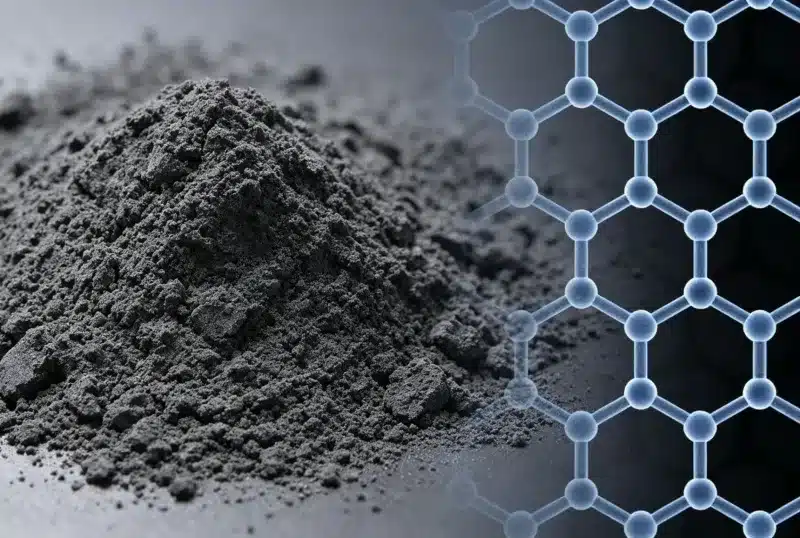
I. Gözenekli Grafit için Hammadde Seçimi ve Ön Madde Tasarımı
Gözenekli grafit hazırlamanın ilk adımı, uygun karbon içeren öncüllerin veya grafit ham maddelerinin seçilmesidir. Ham maddelerin mikro yapısı, karbon içeriği ve kül safsızlıkları, nihai gözenekli grafitin iskelet mukavemetini ve elektrokimyasal aktivitesini doğrudan belirler. Şu anda endüstri ve akademi esas olarak aşağıdaki üç yaklaşımı benimsemektedir:
1. Doğal Grafit veya Yapay Grafitten Doğrudan Gözenek Oluşturma
Özellikler:
Ticari olarak temin edilen doğal pul grafit veya sentetik grafit doğrudan matris olarak kullanılır, ardından kimyasal oksidasyon, aşındırma veya katkılama işlemleri yoluyla gözenek oluşumu sağlanır.
Avantajlar ve Dezavantajlar:
Bu yaklaşım, grafit katmanlarının yüksek kristalliği nedeniyle nispeten düşük maliyet ve mükemmel elektriksel iletkenlik sunmaktadır. Bununla birlikte, grafit yapıları oldukça kararlı olduğundan, işlem sonrası gözenek oluşumu zordur ve elde edilebilecek gözeneklilik ve özgül yüzey alanı için pratik bir sınır vardır.
2. Biyokütle Ön Maddeleri (Biyokütle Kaynaklı Karbon)
Özellikler:
Hindistan cevizi kabukları, lignin, nişasta veya hatta deniz yosunu (örneğin, kırmızı algler) gibi doğal olarak gözenekli veya kolayca karbonize edilebilen yapılara sahip biyokütle malzemeleri öncü madde olarak kullanılır.
Avantajlar ve Dezavantajlar:
Bu malzemeler çevre dostu ve yaygın olarak bulunur ve öncül maddelerin kendileri bol miktarda doğal mikrogözenekli yapı içerir. Bununla birlikte, genellikle silikon, potasyum ve kalsiyum külü gibi önemli miktarda safsızlık içerirler ve bu da son derece titiz asit yıkama ve saflaştırma işlemlerini gerektirir. Ayrıca, daha sonraki yüksek sıcaklıkta grafitizasyon sırasında enerji tüketimi nispeten yüksektir.
3. Petrol ve Kömür Kimyasal Türevli Ön Maddeler (Zift, Kok, Reçine)
Özellikler:
Mezofaz zifti, petrol koku, iğne koku ve fenolik reçine yaygın olarak öncü madde olarak kullanılır.
Avantajlar ve Dezavantajlar:
Bu, şu anda özellikle sentetik olmak üzere yüksek performanslı gözenekli grafit üretimi için kullanılan ana endüstriyel yöntemdir. gözenekli grafit anot malzemeleri. Bu öncüller, piroliz sırasında mükemmel akışkanlık sergileyerek gözenek oluşturucu maddelerle homojen bir şekilde karışmalarını sağlar. Ayrıca, yüksek grafitizasyon seviyelerine ulaşarak güçlü iskelet mukavemetine ve mükemmel aşınma direncine sahip gözenekli grafit elde edilmesini sağlarlar.
II. Temel Üretim Süreçleri: Karbonizasyondan Yüksek Sıcaklıkta Grafitizasyona
Gözenekli grafitteki "gözenekler" genellikle karbonizasyondan önce veya karbonizasyon sırasında belirli ortamlar aracılığıyla oluşturulur. Şu anda, endüstriyel gözenek oluşturma ve modifikasyon yöntemleri esas olarak şablon yöntemleri ve kimyasal aktivasyon/aşındırma yöntemleri olmak üzere ikiye ayrılır.
1. Şablon Yöntemi
Şablon yöntemi, özellikle mezogözenekler ve makrogözenekler olmak üzere gözenek boyutu dağılımını kontrol etmek için en etkili yaklaşımlardan biridir.
Sert Şablon Yöntemi:
Silisyum dioksit, magnezyum oksit veya metal oksitler gibi sert malzemeler gözenek oluşturucu kalıp olarak kullanılır. Grafit öncüsü, kalıp malzemesiyle homojen bir şekilde karıştırılır. Yüksek sıcaklıkta karbonizasyondan sonra, kalıp asit yıkama yoluyla uzaklaştırılır ve geriye hassas bir şekilde kontrol edilen ve son derece düzenli gözenek kanalları kalır.
Yumuşak Şablon Yöntemi:
P123 ve F127 gibi blok kopolimerler gibi yüzey aktif maddeler, moleküler kendi kendine birleşme davranışını kullanarak karbon öncülleriyle birlikte bir araya gelir. Daha sonraki ısıtma sırasında, yumuşak kalıp termal olarak ayrışır ve gazlaşarak yerinde düzenli mezogözenekli yapılar oluşturur.
2. Kimyasal Aktivasyon/Aşındırma Yöntemi
Bu yöntem, aktive edici maddeler ve grafit katmanları arasındaki kimyasal reaksiyonlardan yararlanır. Grafen yüzeyindeki karbon atomları seçici olarak aşındırılarak geride gözenekli yapılar bırakılır.
Bu yaklaşımın en büyük avantajlarından biri, seçici aşındırma yeteneğidir. Aşındırma reaksiyonu tamamlandıktan sonra, kalan yapısal katmanlara zarar vermeden doğal olarak sona erer.
3. Ultra Yüksek Sıcaklıkta Grafitizasyon
Şablon yöntemi veya aktivasyon yöntemi kullanılsın, başlangıçta karbonize edilmiş ve şablondan arındırılmış malzemeler çoğunlukla amorf karbon veya yumuşak karbon olup, düşük iletkenliğe ve çok sayıda kafes kusuruna sahiptir. Bu tür malzemeler lityum pil anotlarında veya yüksek performanslı termal iletkenlik uygulamalarında doğrudan kullanılamaz.
Bu nedenle, malzeme, koruyucu bir atmosfer (azot veya argon) altında, 2500°C ile 3000°C arasında değişen sıcaklıklarda, Acheson grafitizasyon fırınında veya sürekli grafitizasyon fırınında ultra yüksek sıcaklıkta ısıl işleme tabi tutulmalıdır.
Kafes Yeniden Yapılandırması:
Bu aşamada, amorf karbon, oldukça düzenli grafit kristallerine dönüşür. Karbon katmanları, düzensiz yapılardan paralel yönelimli grafit düzlemlerine yeniden düzenlenir.
Gözeneklerin Korunması ve Çökmesi Arasındaki Denge:
Yüksek sıcaklıkta grafitizasyon iki ucu keskin bir kılıç gibidir. Bir yandan iletkenliği ve ilk döngü Coulomb verimliliğini önemli ölçüde artırır. Öte yandan, aşırı yüksek sıcaklıklar mikro gözenek sinterlenmesine ve yapısal çökmeye neden olabilir. Bu nedenle, sıcaklık eğrisinin ve bekleme süresinin hassas kontrolü, üreticilerin temel tescilli teknolojilerinden biri olarak kabul edilir.
III. Endüstriyel Darboğaz: Gözenekli Grafitin Özel Öğütme Zorlukları
Ultra yüksek sıcaklıkta grafitizasyondan sonra, gözenekli grafit genellikle gevşek bloklar, büyük topaklar veya kok benzeri sert topaklar halinde görünür. Lityum pil anotları gibi 5 ile 15 μm arasında D50 değerleri gerektiren sonraki uygulama gereksinimlerini karşılamak için, malzemenin ultra ince öğütme (toz haline getirme ve öğütme) işlemine tabi tutulması gerekir.
Ancak, gözenekli grafitin öğütülmesi, geleneksel sentetik grafit veya doğal grafite göre çok daha zordur. Başlıca zorluklar şunlardır:
Gözenekli Yapıların Çökmesi
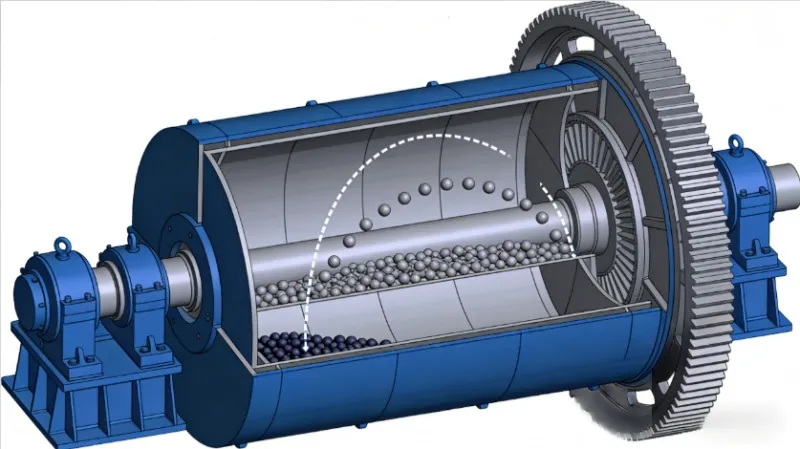
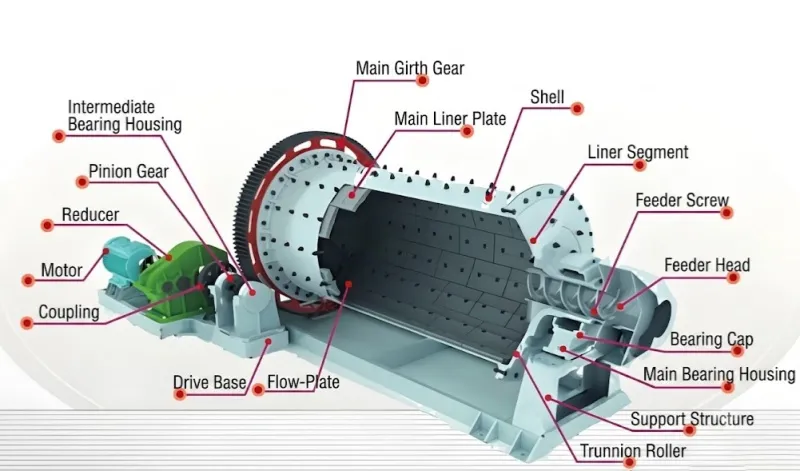
Gözenekli grafit, içinde bol miktarda mikrogözenek ve mezogözenek barındırdığı için, genel mekanik dayanımı yoğun grafite göre önemli ölçüde daha zayıftır. Standart bilyalı değirmenler veya Raymond değirmenleri gibi geleneksel öğütme ekipmanları, güçlü sıkıştırma kuvvetleri ve uzun süreli sürtünme oluşturur; bu da öğütme sırasında özenle tasarlanmış gözenek yapılarının kolayca çökmesine veya gömülmesine neden olabilir. Bu durum, özgül yüzey alanında dramatik bir azalmaya ve gözenekli malzemelerin içsel avantajlarının kaybına yol açar.
Sıkı Saflık Gereksinimleri (Sıfır Metal Kirliliği)
Lityum pillerde ve yarı iletken uygulamalarında, demir (Fe), krom (Cr), nikel (Ni) ve bakır (Cu) gibi metalik safsızlıklar son derece zararlıdır. Bunlar, pillerde ciddi kendi kendine deşarjlara, iç kısa devrelere ve hatta termal kaçışa yol açabilir.
Grafitin kendisi belirli bir aşınma direncine sahip olsa da, geleneksel çelik bileşenler kullanıldığında, taşlama ekipmanının içindeki yüksek hızlı darbeler ve sürtünme önemli metalik aşınmaya neden olabilir.
Son derece Dar Parçacık Boyutu Dağılımı (PSD) Gereksinimleri
Lityum pil anot malzemeleri yalnızca ince parçacıklar değil, aynı zamanda son derece homojen bir parçacık boyutu dağılımı da gerektirir.
Aşırı miktarda ince parçacık oluşursa (çok küçük D10 veya Dmin), malzemenin özgül yüzey alanı çok büyük olur, bu da elektrolitlerle aşırı yan reaksiyonlara ve aşırı kalın bir SEI filminin oluşmasına neden olarak ilk Coulomb verimliliğini (ICE) ciddi şekilde azaltır.
Öte yandan, aşırı büyük parçacıklar uzaklaştırılmazsa (aşırı D90 veya Dmax), kaplama performansı bozulur ve şarj sırasında lokalize lityum kaplama meydana gelebilir.
Aşırı Topaklanma ve Zor Sınıflandırma Gösteren Hafif Malzeme
Gözenekli grafit, son derece düşük yoğunluğa sahiptir ve havada kolayca süzülerek elektrostatik kümelenme oluşturur. Geleneksel sınıflandırıcılar, bu kadar yüksek elastikiyete sahip ve ultra hafif malzemeleri yüksek hızlı dönme koşulları altında doğru bir şekilde ayırmakta zorlanırlar; bu durum genellikle hava akışında kısa devreye ve düşük sınıflandırma verimliliğine neden olur.
IV. Endüstriyel Mikron Taşlama Ekipmanlarının Seçimi ve Proses Yapılandırması
Bu zorlukların üstesinden gelmek için endüstri, gözenekli grafit işleme için geleneksel düşük hızlı, yüksek basınçlı öğütme ekipmanlarını büyük ölçüde terk etti. Bunun yerine, jet değirmenleri ve hava sınıflandırıcı değirmenlerine (ACM) dayalı, basınçsız kesme/darbeli öğütme teknolojileri ana akım çözümler haline geldi.
Mikron düzeyinde gözenekli grafit üretimi için başlıca iki endüstriyel işleme sistemi şunlardır:
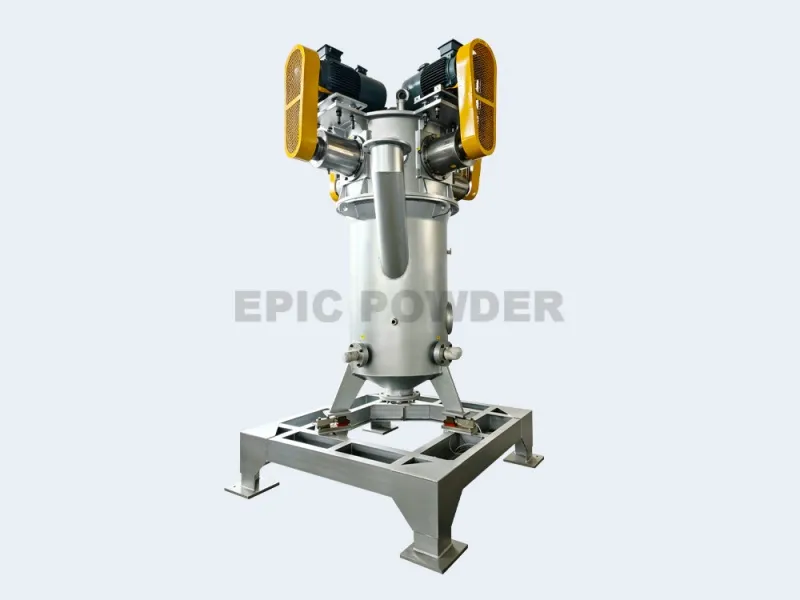
Çözüm A: Akışkan Yataklı Jet Değirmen Sistemi
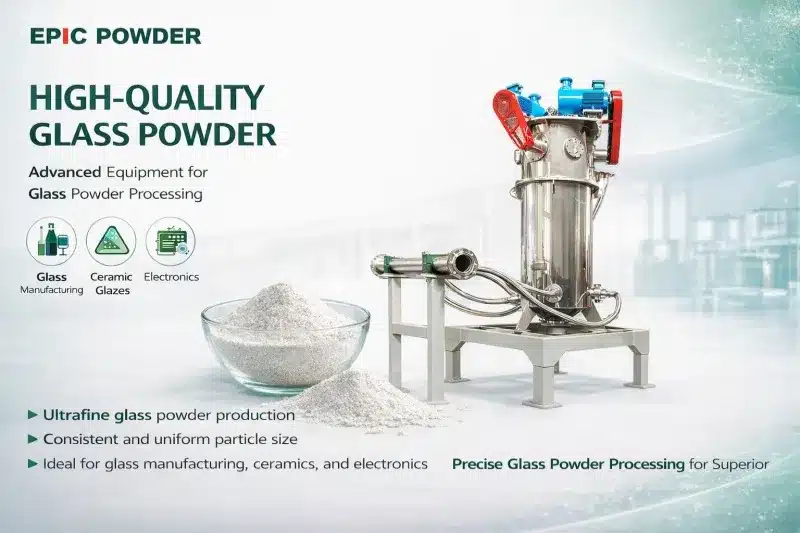
Akışkan yataklı jet değirmeni, ultra yüksek saflıkta ve yüksek değerli gözenekli grafit üretimi için tercih edilen ekipmandır.
1. Çalışma Prensibi
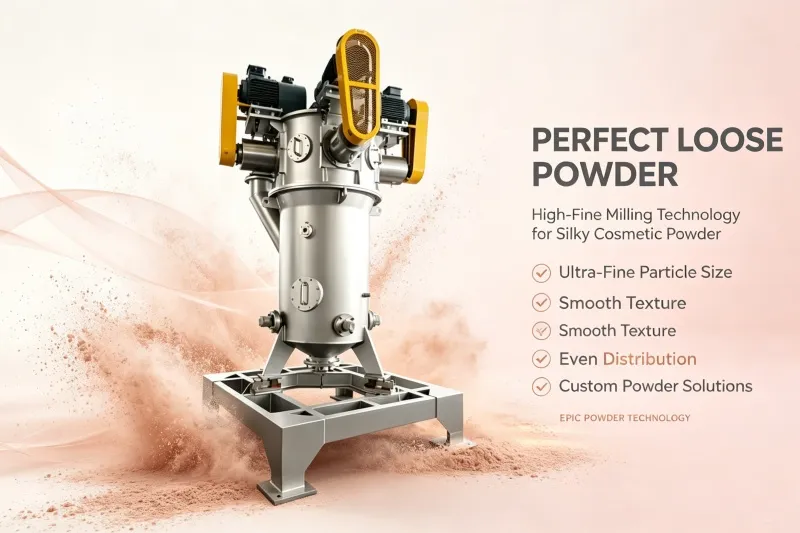
Birbirine zıt yönlü çok sayıda nozul, yüksek basınçlı arıtılmış gazı (genellikle kuru ve yağsız sıkıştırılmış hava veya oksidasyon koruması için azot) süpersonik hava akımına dönüştürerek öğütme odasına enjekte eder. Parçacıklar nozul kesişim bölgesinde çarpışır ve birbirine sürtünür, böylece parçacık boyutunda küçülme sağlanır.
2. Gözenekli Grafitin İşlenmesinin Mutlak Avantajları
Kendiliğinden Öğütme Etkisi
Parçacıklar metal yüzeylere doğrudan çarpmak yerine birbirleriyle çarpışır ve sürtünür. Bu, ekipmanın ömrünü önemli ölçüde uzatmakla kalmaz, aynı zamanda metalik kirlenmeyi de temelden ortadan kaldırır.
Termodinamik Soğutma Etkisi Gözenek Yapılarını Korur
Nozullardaki yüksek basınçlı gazın ani genleşmesi, Joule-Thomson etkisiyle ısıyı emerek öğütme haznesini oda sıcaklığında veya daha düşük bir sıcaklıkta tutar. Gözenekli grafit, hızlı soğuk hava akımıyla anında kırılır, böylece gözenekli mikro yapının korunması en üst düzeye çıkarılır ve yerel aşırı ısınma veya sıkıştırmadan kaynaklanan gözenek çökmesi önlenir.
Hassas Dahili Sınıflandırma
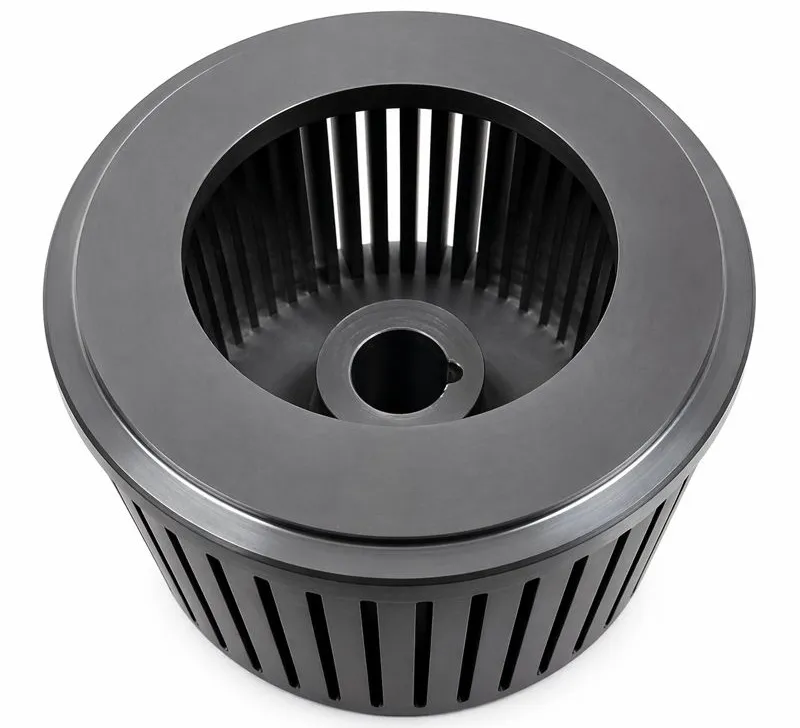
Sistem, yüksek hızlı yatay veya dikey bir sınıflandırıcı tekerleği entegre eder. Sınıflandırıcı tekerleğinin hızını ayarlayarak, son derece hassas kesme noktaları elde edilebilir; bu da çok dik PSD eğrilerini (son derece dar parçacık boyutu dağılımı) korurken 3 ile 15 μm arasında özelleştirilebilir D50 değerlerine olanak tanır.
3. Önerilen Temel Yapılandırmalar (Kirlenme Önleyici Yükseltmeler)
Ultra yüksek saflık standartlarına ulaşmak için, dahili jet öğütme sisteminin kapsamlı bir şekilde modernize edilmesi gerekmektedir:
- Öğütme haznesi astarı: Yüksek saflıkta alümina seramik (Al₂O₃) veya silisyum karbür (SiC)
- Sınıflandırma çarkı: Tamamen seramik sınıflandırma çarkı (monolitik seramik veya seramik karo yapısı)
- Nozullar: Ultra sert bor karbür (B₄C) nozullar
Çözüm B: Hava Sınıflandırıcılı Değirmen (ACM) Sistemi
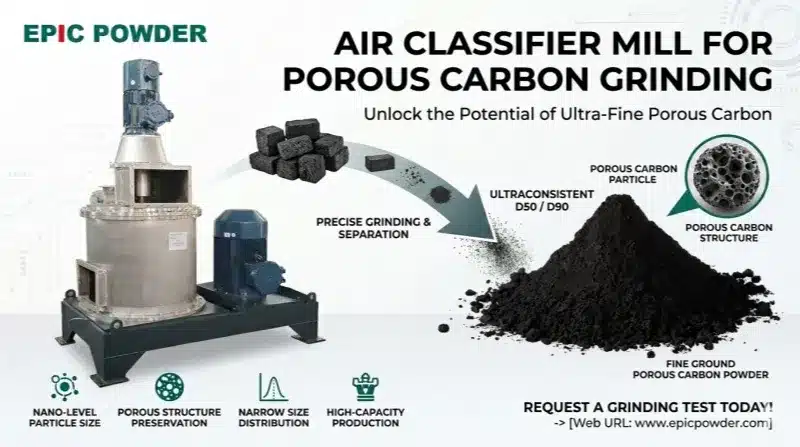
Özellikle petrol koku bazlı gözenekli karbon gibi daha güçlü gözenekli grafit öncülleri için yüksek verim ve maliyet etkinliği gerektiren büyük ölçekli üretimde, hava sınıflandırıcılı değirmen (ACM) ekonomik açıdan cazip bir çözümdür.
1. Çalışma Prensibi
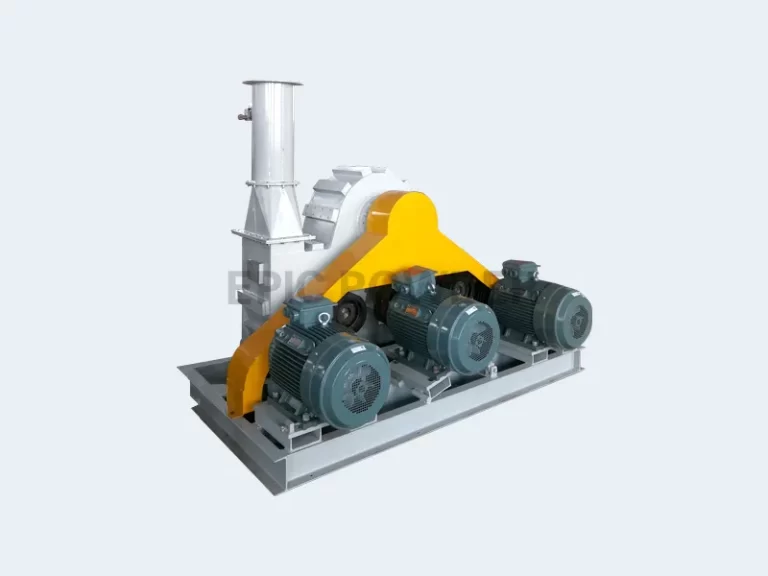
MJW serisi ACM, dahili sınıflandırma sistemine sahip yüksek hızlı mekanik darbeli öğütücüdür. Malzeme öğütme haznesine beslenir ve burada yüksek hızda dönen çekiçler, pimler veya bıçakların astar yüzeyleriyle etkileşiminden kaynaklanan yoğun darbe, kesme ve çarpışmaya maruz kalır.
Öğütülmüş malzeme daha sonra hava akımıyla yukarı doğru iç sınıflandırma bölgesine taşınır. Nitelikli ince parçacıklar hava akımıyla birlikte dışarı çıkarken, iri parçacıklar merkezkaç kuvveti ve yerçekimi etkisiyle öğütme odasına geri düşerek daha fazla öğütülmeye devam eder.
2. Gözenekli Grafitin İşlenmesinin Avantajları
Yüksek Enerji Verimliliği ve Büyük Üretim Kapasitesi
Gaz kinetik enerjisine dayanan jet değirmenleriyle karşılaştırıldığında, mekanik darbeli değirmenler enerjiyi daha verimli kullanır ve önemli ölçüde daha yüksek verim sağlar, bu da onları büyük ölçekli endüstriyel üretim için uygun hale getirir.
Eş zamanlı öğütme ve parçacık şekli modifikasyonu
Yüksek hızlı darbe ve kesme sırasında, gözenekli grafit parçacıkları yalnızca boyut olarak küçülmekle kalmaz, aynı zamanda kenar yuvarlama ve çapak giderme işlemlerine de uğrar. Lityum pil uygulamalarında bu işlem "küreselleştirme" veya "parçacık şekillendirme" olarak bilinir.“
Optimize edilmiş parçacık morfolojisi, sıkıştırma yoğunluğunu ve toz akışkanlığını önemli ölçüde iyileştirir.
Esnek Proses Ayarlaması
Rotor hızını, sınıflandırıcı tekerlek hızını ve hava akış hacmini ayarlayarak, tek bir üretim hattında farklı ortanca parçacık boyutlarına sahip birden fazla ürün kalitesi üretilebilir.
3. Önerilen Çekirdek Konfigürasyonları (Aşınma Direnci ve Demir Önleme)
ACM sistemleri yüksek hızlı mekanik darbelere dayandığı için aşınma direnci ve metal kirlenmesine karşı dayanıklılık kritik öneme sahiptir:
- Darbeli çekiçler ve astarlar: Tungsten-krom-kobalt alaşımı (Stellite) kaplamalar, tungsten karbür (WC) kaplamalar veya tamamen seramik çekiçler.
- İç duvarlar: Malzemeyi metal yüzeylerden tamamen izole etmek için aşınmaya dayanıklı poliüretan kaplamalar veya seramik karo kaplamalar.
V. Kritik Yardımcı Sistem Tasarımı: Sıklıkla Gözden Kaçırılan Ama Temel Bir Unsur
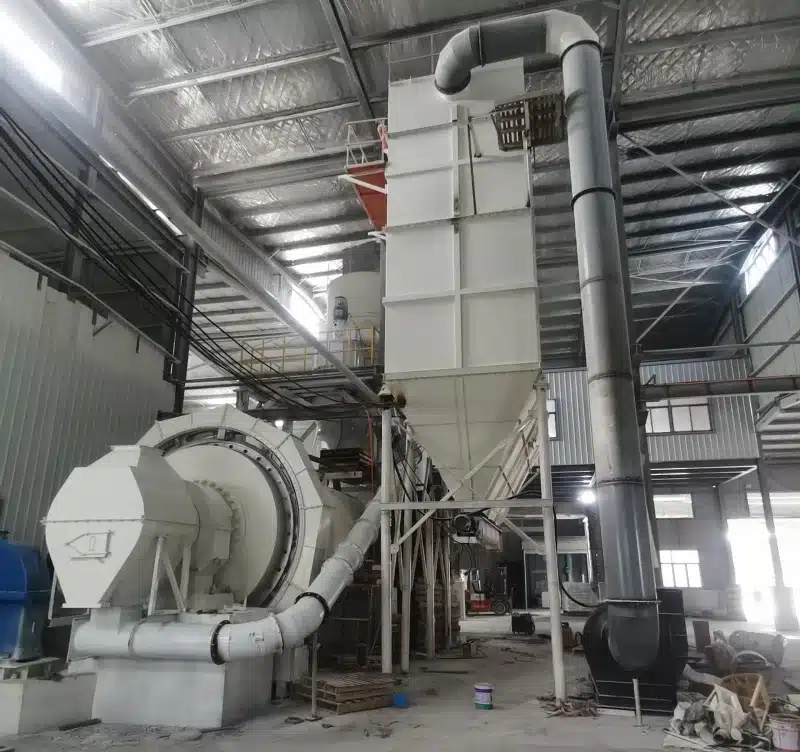
Başarılı bir gözenekli grafit öğütme üretim hattı, yalnızca ana öğütme ekipmanına değil, aynı zamanda genellikle genel süreç istikrarını ve ürün verimini belirleyen yardımcı sistemlerin tasarım kalitesine de bağlıdır.
1. Sürekli Darbesiz Besleme Sistemi
Besleme hızlarının kesinlikle düzgün ve istikrarlı olmasını sağlamak için, hazne titreşim cihazları veya pnömatik titreşim valfleriyle birlikte gravimetrik ağırlık kaybı prensibine dayalı bir besleyici kullanılması şiddetle tavsiye edilir.
Bu, ani aşırı beslemeden kaynaklanabilecek ve iri parçacıkların yer değiştirmesine yol açabilecek geçici sınıflandırıcı çark aşırı yüklenmesini önler.
2. Yüksek Verimli Antistatik Siklon Toplama ve Darbeli Toz Toplama Sistemi
Son ürünün toz toplayıcıya ulaşmadan önce 90%'den fazlasını toplamak için aşınmaya dayanıklı seramik kaplamalı, yüksek verimli mikron sınıfı siklon ayırıcı kullanılmalıdır; böylece sonraki filtreleme yükü azaltılır.
Toz toplayıcı filtre torbalarında antistatik, su geçirmez membran kaplı iğne keçesi malzemeler kullanılmalıdır. Tüm sistemde son derece sıkı topraklama önlemleri uygulanmalıdır.
3. Güvenlik Koruma Tasarımı (Özellikle Kükürt İçeren veya Yanıcı Katkılı Gözenekli Karbon İçin)
Malzeme toz patlaması riski taşıyorsa, tüm üretim hattında kapalı devre inert gaz koruma sistemi (azot kapalı devre sistemi) kullanılmalıdır.
Sistem içindeki oksijen konsantrasyonu sürekli olarak izlenmeli ve 1%–3%'nin altında kontrol edilmelidir.
VI. Sonuç ve Gelecek Perspektifleri
Yüksek performanslı, endüstriyel sınıf mikron düzeyinde gözenekli grafit üretimi, termokimyasal süreçleri (karbonizasyon ve grafitizasyon) gelişmiş toz mühendisliği teknolojileriyle (ultra ince öğütme ve hassas sınıflandırma) entegre eden kapsamlı bir mühendislik disiplinidir.
Ön uçtaki gözenek oluşturma ve grafitizasyon işlemleri, malzemenin "ruhunu" yani benzersiz gözenekliliğini ve mükemmel grafit kafes iletkenliğini sağlar.
Son aşamada uygulanan öğütme ve sınıflandırma sistemleri, malzemenin ticari uygulamada başarılı olup olamayacağını belirler.
Pratik üretimde, akışkan yataklı jet değirmeni ile hava sınıflandırıcılı değirmen (ACM) arasında seçim yapmak, nihai uygulama senaryosuna bağlıdır; öncelik, gelişmiş yarı iletkenler ve yüksek enerji yoğunluklu pil anotları için ultra yüksek saflık mı yoksa yüksek akım enerji depolama cihazları için uygun maliyetli büyük ölçekli üretim mi?.
Tamamen seramik kirlenme önleyici kaplamalar, dar PSD kontrol teknolojileri ve sıkıştırmasız anlık kesme taşlama işlemlerini birleştirerek, üreticiler hassas gözenek yapılarını mükemmel bir şekilde koruyarak yüksek kaliteli mikron düzeyinde gözenekli grafit tozlarını verimli ve ekonomik bir şekilde üretebilir ve böylece küresel enerji depolama ve gelişmiş malzemeler devrimini güçlendirebilirler.

“Okuduğunuz için teşekkürler. Umarım makalem yardımcı olmuştur. Lütfen aşağıya yorum bırakın. Ayrıca daha fazla sorunuz için Zelda çevrimiçi müşteri temsilcisiyle iletişime geçebilirsiniz.”
— Gönderen Emily Chen