Kesme noktasını kontrol etmek kritik optimizasyon yaparken tüm sodyum iyon pil malzemeleri, Ve her şey tek bir kilit faktöre indirgeniyor: Parçacık Boyutu Dağılımı (PSD). Tozlarınızı yalnızca öğütmenin mükemmelleştireceğini düşünüyorsanız, yanılıyorsunuz—hassas sınıflandırma, elektrot yoğunluğunu, hız kapasitesini ve çevrim ömrünü dönüştüren oyun değiştirici unsurdur. Bu kılavuzda, bunu nasıl yapacağınızı keşfedeceksiniz. hava sınıflandırıcıları Kesme noktasını bağımsız olarak ayarlayarak, toz akışkanlığını iyileştirerek ve çeşitli Sodyum-İyon Pil Malzemelerinde performansı özelleştirerek, PSD üzerinde benzersiz bir kontrol sunar.

Parçacık Boyutu Dağılımının (PSD) Başarıyı Ya da Başarısızlığı Belirleyecek Kritik Bir Parametre Olmasının Nedenleri
PSD, Elektrot Yoğunluğu, Hız Kapasitesi ve Çevrim Ömrü Arasındaki Doğrudan Bağlantı
Parçacık Boyutu Dağılımı (PSD), sodyum iyon pil malzemelerinin genel performansını belirlemede kritik bir rol oynar. İnce ayarlanmış bir PSD, elektrot yoğunluğunu etkileyerek pilin enerji depolama kapasitesini ve mekanik stabilitesini doğrudan etkiler. Optimize edilmiş PSD, verimli iyon taşınımını ve elektron hareketini kolaylaştırarak şarj/deşarj hızını artırır; bu da hızlı şarj ve yüksek güç çıkışı için gereklidir. Dahası, PSD'nin kontrolü, tekdüze parçacık boyutları elektrot bozulmasını en aza indirdiği ve tekrarlanan şarj ve deşarj döngüleri sırasında yapısal bütünlüğü iyileştirdiği için tutarlı döngü ömrüne katkıda bulunur. Özünde, PSD, yalnızca verimliliği değil, aynı zamanda sodyum iyon pillerinin ömrünü de etkileyen, hayati önem taşıyan bir parametredir.
Sadece öğütme işlemlerinin sınırlamaları ve bağımsız sınıflandırmaya duyulan ihtiyaç
Öğütme işlemi parçacık boyutunu küçültürken, yalnızca bu yönteme güvenmek genellikle düzensiz ve kontrolsüz parçacık dağılımlarına yol açar. Sadece öğütme işlemleri, ince ve aşırı büyük parçacıklar da dahil olmak üzere geniş boyut aralıkları üretebilir; bu da toz akışkanlığını, paketleme yoğunluğunu ve elektrot homojenliğini olumsuz etkiler. Bu tutarsızlıklar performansı ve üretim tekrarlanabilirliğini sınırlar. Hava sınıflandırması gibi bağımsız sınıflandırma, istenen parçacıkları aykırı değerlerden ayıran boyut eşiği olan parçacık boyutu dağılımı (PSD) "kesme noktası" üzerinde hassas kontrol sağlamak için gereklidir. Bu, üreticilerin öğütme ayarlarını değiştirmeden parçacık boyutu profilini iyileştirmelerine olanak tanıyarak tutarlı kalite ve optimize edilmiş pil malzemesi özelliklerini sağlar.
Hava Sınıflandırma Sistemleri Mükemmel PSD'yi Nasıl Tasarlıyor?
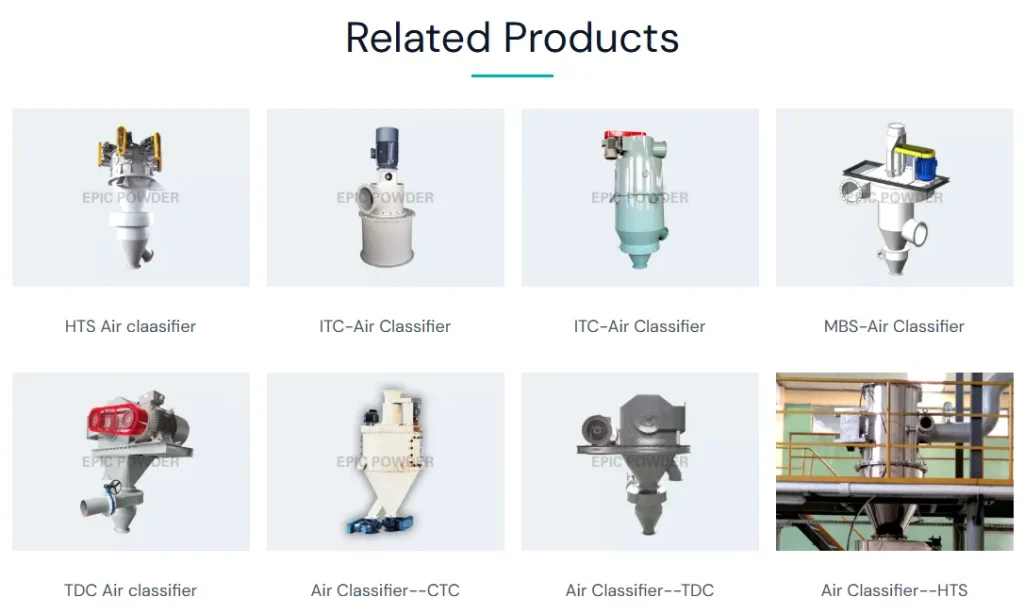
Çalışma Prensibi: Parçacık Boyutu, Kütle ve Şekline Göre Kuru, Keskin Ayırma
Hava sınıflandırıcıları, parçacıkları boyutlarına, kütlelerine ve şekillerine göre ayırmak için hava akımı kullanarak kuru bir işlem gerçekleştirir. Bu keskin ayırma, nem veya kirlenme olmaksızın ortaya çıkan parçacık boyutu dağılımının (PSD) sıkı bir şekilde kontrol edilmesini sağlar. Geleneksel eleme veya ıslak sınıflandırmanın aksine, hava sınıflandırıcıları son derece hassas bir "kesme noktası" (parçacıkların bölündüğü boyut) sağlar; bu da üreticilerin sodyum iyon pil malzemelerini optimum elektrot performansı için ince ayar yapmalarını mümkün kılar. Bu hassasiyet, elektrot yoğunluğu, iletkenlik ve çevrim ömrü arasındaki kritik dengeye ulaşmak için çok önemlidir.
Topaklanmayı Önleme ve Dağılımı Artırma: Toz Akışkanlığını ve Dağılabilirliğini İyileştirme
Boyut ayrımının ötesinde, hava sınıflandırıcılar, Prusya mavisi veya karbonatlar gibi ultra ince veya yapışkan tozları sıklıkla etkileyen, birbirine yapışmış parçacık kümeleri olan aglomeratları parçalamada önemli bir rol oynar. Bu aglomerasyon giderme işlemi, pil elektrotlarında homojen karıştırma ve kaplama elde etmek için çok önemli olan tozun akışkanlığını ve dağılabilirliğini iyileştirir. Geliştirilmiş akışkanlık, daha az işlem aksaklığı ve pil malzemesi partilerinde daha iyi tutarlılık anlamına gelir; bu da nihai pilin performansını ve güvenilirliğini doğrudan etkiler.
Esneklik: Öğütme işlemini değiştirmeden "kesme noktasını" bağımsız olarak ayarlama imkanı.
Hava sınıflandırıcılarının en büyük avantajlarından biri, öğütme aşamasını değiştirmeden kesme noktasını bağımsız olarak ayarlayabilme yeteneğidir. Bu, üreticilerin öğütme makinelerini yeniden yapılandırmadan veya verimlilikten ödün vermeden sert karbonlar ve polianyonik katotlarda üst parçacık boyutu sınırını (örneğin D97 veya D100 değerleri) hassas bir şekilde kontrol edebilecekleri anlamına gelir. Bu esneklik, değişen malzeme özelliklerine veya üretim gereksinimlerine hızlı bir şekilde uyum sağlayarak, verimliliği korurken tutarlı parçacık boyutu dağılımı hedefleri sunar. Sodyum iyon pil üreticileri için bu uyarlanabilirlik, her malzeme ailesinin benzersiz ihtiyaçlarına göre uyarlanmış, sürekli olarak yüksek kaliteli tozlar sağlar.
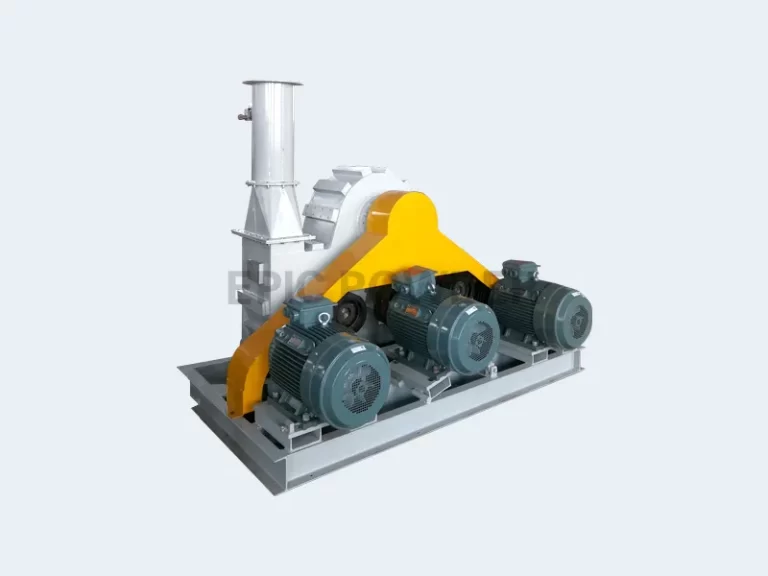
Hava sınıflandırmasıyla iyi uyum sağlayan öğütme çözümleri için Epic Powder'ın gelişmiş ürünlerine göz atın. çekiçli değirmen sistemleri Sınıflandırma öncesinde yüksek verimli öğütme için tasarlanmıştır.
Farklı Malzeme Aileleri İçin Terzilik Sınıflandırması
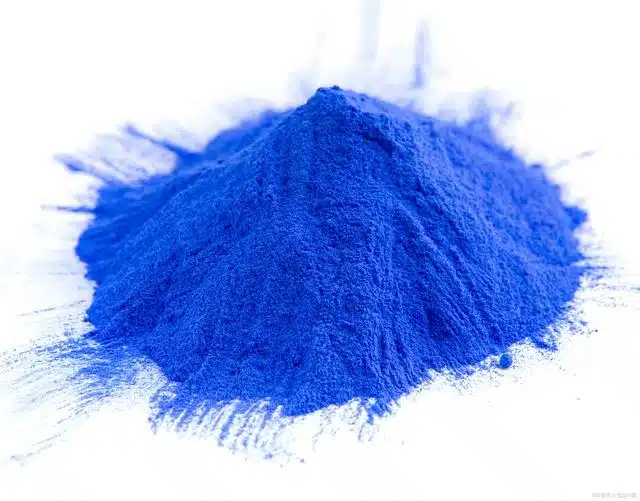
Ultra ince/kohezif tozların (Prusya mavisi, karbonatlar): Topaklanmayı giderme ve büyük boyutlu parçaları uzaklaştırma
Prusya mavisi ve çeşitli karbonatlar gibi ultra ince tozlar, güçlü topaklar oluşturma eğilimindedir ve bu da homojen parçacık boyutunu elde etmeyi zorlaştırır. Hava sınıflandırıcılar bu kümeleri parçalayarak akışkanlığı artırır ve büyük boyutlu parçacıkların karışıma karışmasını önler. Bu da daha pürüzsüz elektrot kaplamalarına ve gerçek parçacık boyutu kontrolü sağlayarak daha iyi pil performansına yol açar.
Sert Karbon ve Polianyonik Katotlar: Elektrot Homojenliği için Üst Kesimin (D97/D100) Sıkı Kontrolü
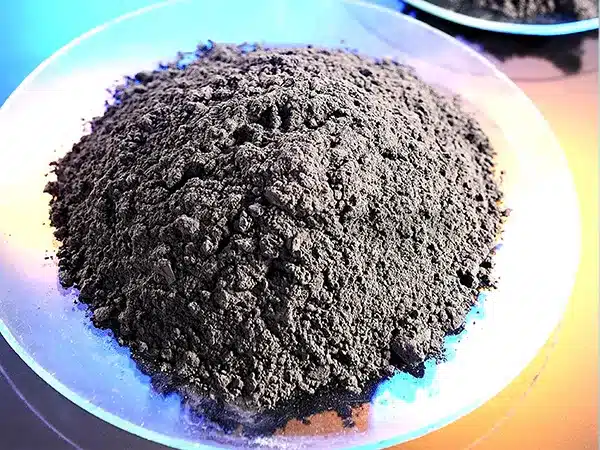
Sert karbon ve polianyonik katotlar gibi malzemeler için, üst parçacık boyutu sınırının (D97/D100) kontrolü kritik öneme sahiptir. Hassas bir kesim noktası, tutarlı elektrot paketleme yoğunluğu ve homojenliği sağlar; bu da daha iyi hız kapasitesi ve daha uzun çevrim ömrü anlamına gelir. Bu üst kesim noktasını taşlama işleminden bağımsız olarak ince ayar yapmak, aşırı işlemeye gerek kalmadan hassas özelliklere ulaşma esnekliği sağlar.
Keşfedebilirsiniz Sert karbon anot malzemelerinin özellikleri ve üretim yöntemleri Bu sınıflandırmanın daha büyük resme nasıl uyduğunu görmek için.
Sistem Tasarımı: Bağımsız Sistemler ve Hat İçi (Kapalı Devre) Sistemler Arasında Mills Yöntemiyle Sınıflandırma
Doğru sınıflandırma kurulumunu seçmek, üretim hedeflerinize bağlıdır:
| Kurulum Türü | Artıları | Ne zaman kullanılır? |
|---|---|---|
| Bağımsız Sınıflandırıcı | Esnek kesim noktası ayarı; mevcut freze makineleriyle kolay entegrasyon. | Frezeleme işlemini değiştirmeden bağımsız PSD kontrolüne veya sınıflandırma yükseltmesine ihtiyaç duyduğunuzda |
| Hat İçi (Kapalı Devre) Sınıflandırması | Üretim hızını en üst düzeye çıkarır; sürekli boyut düzeltmesi | Yüksek hacimli, tutarlı üretim ve sıkı boyut kontrolü gereksinimleri için idealdir. |
Her iki sistem de, verimlilikten veya kaliteden ödün vermeden sodyum iyon pil malzemelerinizin parçacık boyutu dağılımını optimize etmenize olanak tanır; bu da rekabet avantajını korumak için çok önemlidir.
Yeni kullanıcılar için, bizim metal tozu sınıflandırma ve dağıtım çözümleri Pil malzemesi üretimine uygun sistem tasarım seçimlerine dair faydalı bilgiler sunar.
Sınıflandırma yaklaşımınızı belirli toz ailesine ve üretim ölçeğine uyarlayarak, hava sınıflandırıcıları, performansı ve verimi doğrudan etkileyen, bataryaya özel parçacık boyutu dağılımı (PSD) çözümleri sunmak için vazgeçilmez bir araç haline gelir.
Epic Powder'ın Avantajı: Pillere Özel PSD Çözümleri Sunmak
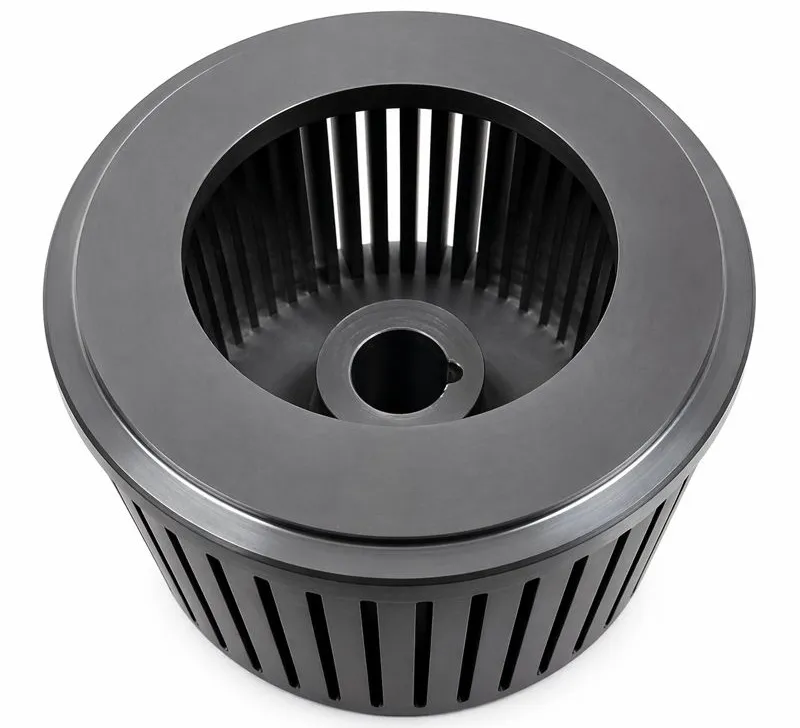
Yüksek Hassasiyetli Sınıflandırıcılar (HTS Serisi): Pil Malzemesi Üreticilerinin Taleplerine Göre Tasarlandı
Epic Powder'ın HTS Serisi sınıflandırıcıları, pil üreticileri düşünülerek tasarlanmıştır. Yüksek performans sunarlar. Parçacık boyutu dağılımı (PSD) üzerinde hassas, tekrarlanabilir kontrol. — Sodyum iyon pil malzemelerinin optimizasyonu için kritik öneme sahiptir. Bu sınıflandırıcılar, tıkanma veya aşınma olmadan ince tozları işleyerek, elektrot yoğunluğunu ve performansını doğrudan etkileyen keskin kesim noktaları sağlar.
- İstikrarlı kesim noktası kontrolü
- Çeşitli malzeme türlerine uyarlanabilir.
- Sürekli çalışma için sağlam tasarım
HTS sınıflandırıcılarını seçerek, üreticiler pil sınıfı malzemelerin yüksek standartlarını karşılamak üzere özel olarak tasarlanmış bir araca sahip olurlar.
Veriye Dayalı Süreç Garantisi: Müşterilerin Hedef PSD Spesifikasyonlarını Tanımlamalarına ve Ulaşmalarına Yardımcı Olmak
Epic Powder, ekipmanın ötesine geçerek şunları sunuyor: veri odaklı yaklaşım Bu, PSD hedeflerinize sürekli olarak ulaşmanızı garanti eder. Kapsamlı test ve analiz yoluyla size şu konularda yardımcı oluyoruz:
- Kendinizi tanımlayın optimum PSD aralığı elektrot performansının iyileştirilmesi için
- Gerçek zamanlı verileri kullanarak sınıflandırma parametrelerini hassas bir şekilde ayarlayın.
- Ölçülebilir süreç kontrolü ile tekrarlanabilirliği ve kaliteyi sağlayın.
Bu destek, riski azaltır ve homojen, yüksek performanslı tozların tedarikine olan güveni artırır.
Komple Ekosistem: Anahtar Teslim Sonuçlar için Entegre Öğütme + Sınıflandırma Sistemleri Sağlama
Kolaylaştırılmış bir çözüm arayan müşteriler için Epic Powder, eksiksiz bir çözüm sunmaktadır. entegre öğütme ve sınıflandırma sistemleri Sodyum iyon pil malzemelerine özel olarak tasarlanmıştır. Bu anahtar teslim yaklaşım şunları içerir:
| Özellik | Fayda |
|---|---|
| Kombine öğütme + HTS sınıflandırması | Tek adımda hassas PSD kontrolü |
| Modüler tasarım | Kolay kurulum ve ölçeklendirme |
| Uzman süreç desteği | Daha hızlı başlatma, daha az kesinti süresi |
Her şeyin sorunsuz bir şekilde birlikte çalışacak şekilde tasarlanması sayesinde, optimize edilmiş malzeme kalitesine daha hızlı ve daha az zahmetle ulaşırsınız.
Bizim nasıl çalıştığımızı keşfedin. Turbo Değirmen çözümleri HTS sınıflandırıcıları ile bir araya gelerek pil malzemeleri için sektör lideri PSD kontrolü sunar.
Pil Malzemelerinin Sınıflandırılması Hakkında Sıkça Sorulan Sorular (Soru-Cevap)
Bağımsız bir sınıflandırıcıyı mı yoksa entegre sınıflandırma özelliğine sahip bir değirmeni mi ne zaman kullanmalıyım?
Bağımsız bir hava sınıflandırıcı ile entegre sınıflandırmaya sahip bir değirmen arasında seçim yapmak, özel üretim ihtiyaçlarınıza bağlıdır. Prosesinizin gerektirmesi durumunda... Kesim noktası üzerinde esnek kontrol Öğütme parametrelerini değiştirmeden, bağımsız bir sınıflandırıcı idealdir. Bu, size şunları sağlar: Parçacık boyutu dağılımını (PSD) hassas bir şekilde ayarlamak Bağımsız olarak, hassas ayırma ve daha iyi toz kalitesi sağlanır. Bu yaklaşım, farklı malzemelerin veya ürün kalitelerinin özel parçacık boyutu dağılımlarına ihtiyaç duyduğu kurulumlar için uygundur.
Öte yandan, entegre sınıflandırma sistemine sahip değirmenler, öğütme ve sınıflandırmayı tek bir sistemde birleştirerek daha kompakt bir alan kaplar ve genellikle daha yüksek verim sağlar. Bunlar Sürekli üretim hatları için mükemmel Özellikle parçacık özelliklerinin nispeten istikrarlı olduğu durumlarda, tutarlı PSD hedefleriyle verimliliği optimize etmeyi amaçlıyoruz.
Pil malzemeleri için frezeleme seçenekleri hakkında daha fazla bilgi edinmek için detaylı kılavuzumuza göz atabilirsiniz. jet değirmen sistemleri.
Sınıflandırma, sert karbon üretimimin verimliliğini ve tutarlılığını nasıl artırabilir?
Sınıflandırma, sert karbon üretiminde hem verimliliği hem de tutarlılığı önemli ölçüde artırır. büyük boyutlu parçacıkların uzaklaştırılması Bu durum elektrot arızalarına yol açabilir ve pil performansını düşürebilir. Kontrol altına alınarak bu durum önlenebilir. En üst kesme noktası (D97/D100) Özetle, hava sınıflandırıcılar daha homojen bir parçacık boyutu dağılımı sağlar, bu da şu anlama gelir: daha iyi elektrot paketleme yoğunluğu ve geliştirilmiş çevrim ömrü.
Dahası, sınıflandırma, standart dışı parçacıkları atmak yerine yeniden işlenmek üzere geri göndererek israfı azaltır. genel malzeme verimliliğini artırır, Bu yöntem maliyetleri düşürür ve ürün kalitesini parti bazında korur. Sınıflandırma sayesinde toz akışkanlığı ve dağılabilirliğinin artması, yüksek performanslı sodyum iyon piller için kritik önem taşıyan homojen bulamaç karışımı ve kaplama kalitesinin elde edilmesine de yardımcı olur.
Sınıflandırmayı entegre bir sistemin parçası olarak veya bağımsız ünitelerle birlikte kullanmak, müşterilerin parçacık boyutu dağılımı (PSD) hedeflerine ulaşmanın ve sert karbon malzeme tutarlılığını artırmanın kanıtlanmış bir yoludur.
Sınıflandırma, sert karbon üretimimin verimliliğini ve tutarlılığını nasıl artırabilir?
Destansı Toz
At Destansı Toz, Geniş bir ekipman modeli yelpazesi sunuyoruz ve özel ihtiyaçlarınızı karşılayacak çözümler geliştiriyoruz. Ekibimiz, çeşitli toz işleme alanlarında 20 yılı aşkın deneyime sahiptir. Epic Powder, maden endüstrisi, kimya endüstrisi, gıda endüstrisi, ilaç endüstrisi vb. için ince toz işleme teknolojisinde uzmanlaşmıştır.
Ücretsiz danışmanlık ve size özel çözümler için bugün bizimle iletişime geçin!

“Okuduğunuz için teşekkürler. Umarım makalem yardımcı olmuştur. Lütfen aşağıya yorum bırakın. Ayrıca EPIC Powder çevrimiçi müşteri temsilcisiyle de iletişime geçebilirsiniz. Zelda Daha fazla bilgi için lütfen iletişime geçin.”
— Jason Wang, Kıdemli Mühendis