Kuvars İşlemesinin Hassasiyet Gerektirmesinin Nedenleri
Yüksek Saflıkta, Kontrollü Boyutlu Kuvars İçin Artan Piyasa Talebi
Kuvars, yarı iletkenlerden güneş enerjisi camlarına ve yüksek kaliteli mutfak tezgahlarına kadar birçok gelişmiş endüstri için temel bir malzemedir. Teknoloji geliştikçe, kuvarsa olan talep de artmaktadır. Parçacık boyutu hassas bir şekilde kontrol edilen yüksek saflıkta kuvars Dünya çapında keskin bir artış göstermiştir. Tutarlı parçacık boyutu dağılımı, ürün kalitesini doğrudan etkileyerek son kullanım uygulamalarında şeffaflığı, mukavemeti ve performansı etkiler. Bu nedenle üreticilerin rekabetçi kalabilmek için katı spesifikasyonları karşılamaları gerekir; bu da sıkı boyut kontrolü ve saflık sağlayan gelişmiş işleme yöntemlerine olan ihtiyacı artırır. Bu makalede, hassas hava sınıflandırıcılarının kuvars parçacıklarını boyut ve yoğunluğa göre nasıl ayırdığını da inceleyeceğiz.
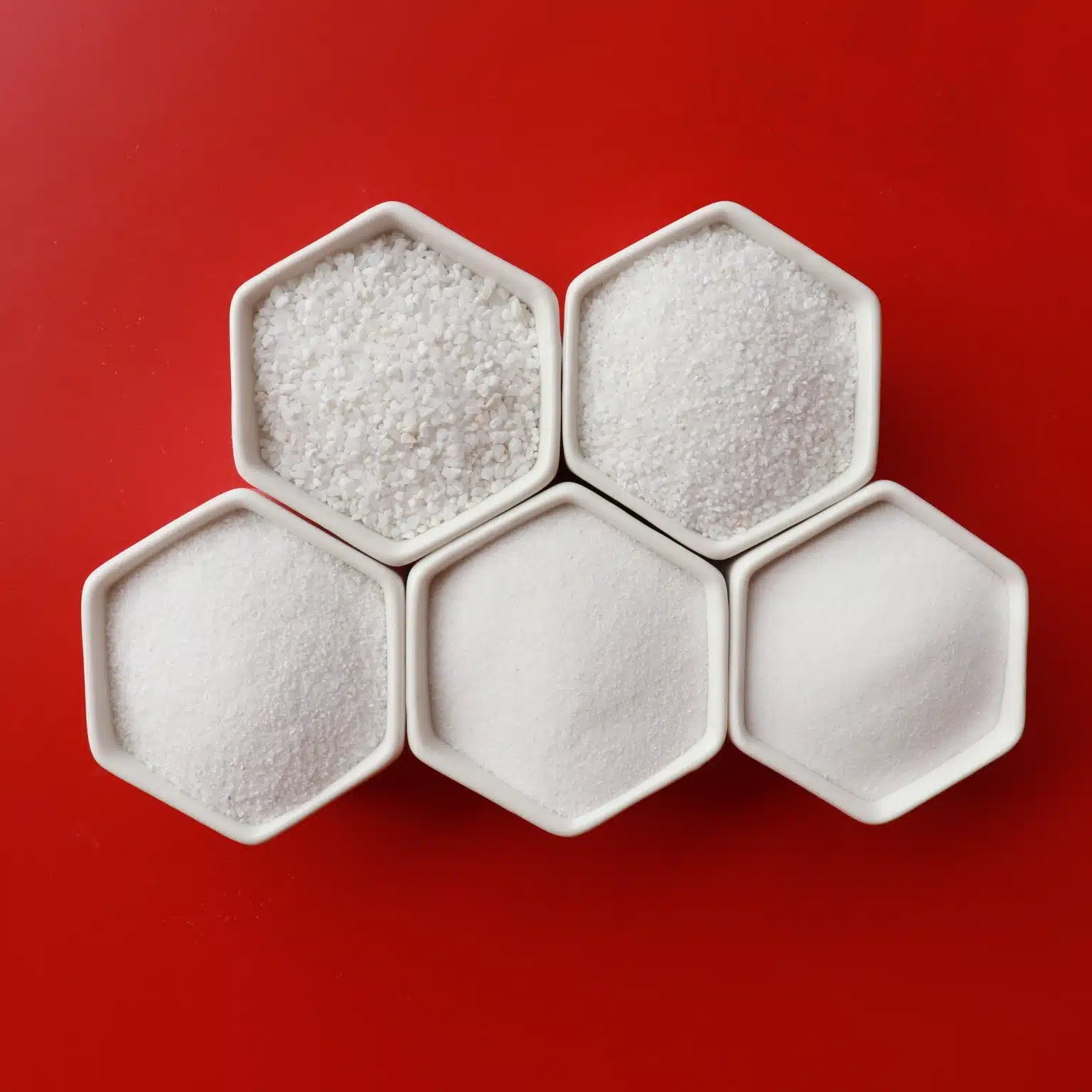
Geleneksel Kuvars Sınıflandırma Yöntemlerinde Sık Karşılaşılan Zorluklar
Geleneksel kuvars işleme yöntemleri genellikle ıslak sınıflandırmaya veya temel mekanik eleme yöntemine dayanır ve bu yöntemlerin çeşitli dezavantajları vardır. Bunlar şunlardır:
- Tutarsız parçacık boyutu dağılımı, Bu durum, ürün kalitelerinde değişkenliğe yol açmaktadır.
- Aşırı öğütme ve aşırı ince tanecik oluşumu, Bu durum, verimi düşürür ve israfı artırır.
- Islak işlemlerde yüksek nem içeriği, Bu durum, sonraki aşamalardaki işleme ve kurutma işlemlerini zorlaştırmaktadır.
- Ekipman aşınması ve bakım sorunları Kuvarsın aşındırıcı yapısından dolayı.
Bu zorluklar, işletme maliyetlerinin artmasına, hammaddenin verimsiz kullanımına ve pazar beklentilerinin karşılanmasında güçlüklere yol açmaktadır. Bu nedenle, kuvars üretimini optimize etmek ve ürün mükemmelliğini korumak için sınıflandırma hassasiyetinin iyileştirilmesi kritik önem taşımaktadır.
Hassas Hava Sınıflandırıcıları Kuvars İşleme Sürecini Nasıl Dönüştürüyor?
Temel Prensip: Parçacık Boyutu ve Yoğunluğuna Göre Kuru, Mekanik Ayırma
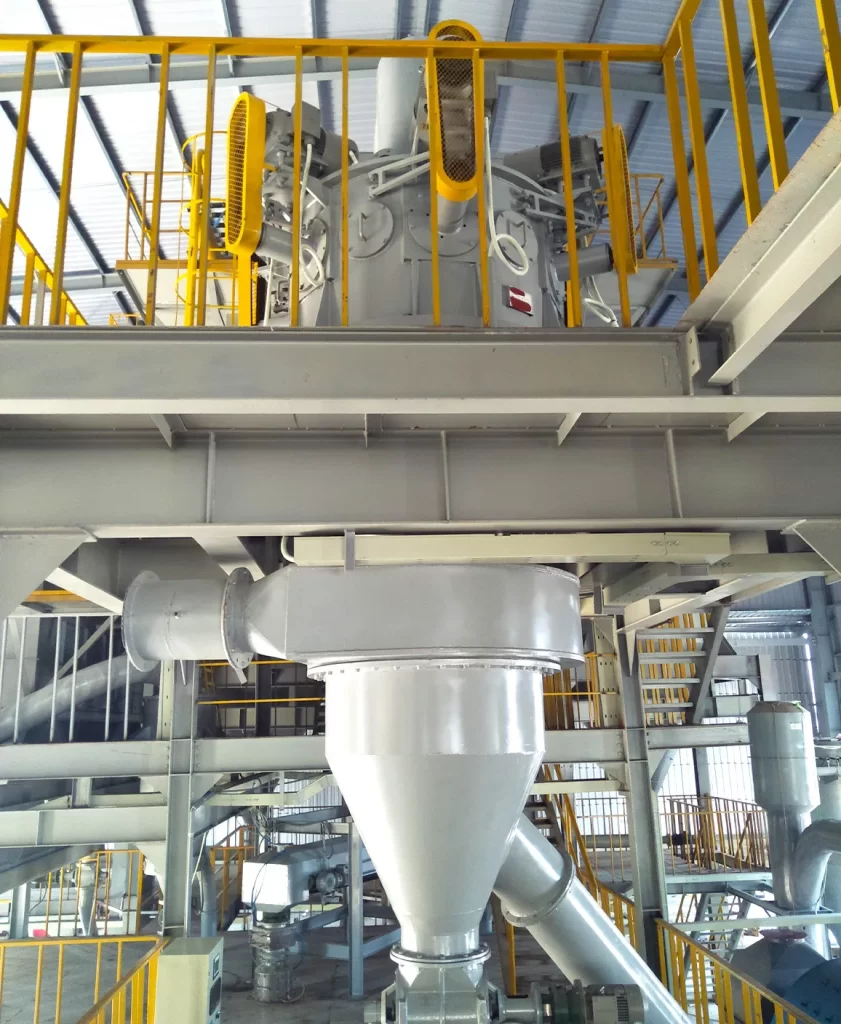
Hassas hava sınıflandırıcıları, kuvars parçacıklarını boyut ve yoğunluğa göre ayırmak için kuru, mekanik bir işlem kullanır. Geleneksel ıslak yöntemlerin aksine, bu yaklaşım nemle ilgili sorunları önler ve daha temiz, daha verimli bir ayırma sağlar. Hava akımları kuvarsı sınıflandırıcıdan geçirir; burada merkezkaç kuvvetleri ve hava akış hızı, parçacık ayrımını hassas bir şekilde ayarlar. Bu yöntem, yarı iletkenler ve güneş camı gibi uygulamalar için gerekli olan saflık ve boyut dağılımı için katı endüstri gereksinimlerini karşılayan yüksek hassasiyetli bir ayırma sağlar.
Daha Keskin Parçacık Boyutu Kesimleri Elde Ederek Tutarlı Ürün Kaliteleri Sağlama
Hassas hava sınıflandırıcılarının en önemli avantajlarından biri, geleneksel sınıflandırıcılara kıyasla daha keskin partikül boyutu kesimleri yapabilmeleridir. Bu daha keskin kesim, kuvars tozu inceliği ve homojenliği için zorlu spesifikasyonları karşılayan tutarlı ürün kaliteleri sağlar. Üreticiler, sınıflandırma parametrelerini hassas bir şekilde kontrol ederek, ürünlerinin son kullanım performansını iyileştiren özel kuvars tozu kaliteleri sağlayabilirler. Tutarlı partikül boyutu, sonraki aşamalarda daha iyi işleme ve daha yüksek müşteri memnuniyetiyle sonuçlanır.
İnce tanecik miktarını ve aşırı öğütmeyi azaltarak verimi en üst düzeye çıkarmak
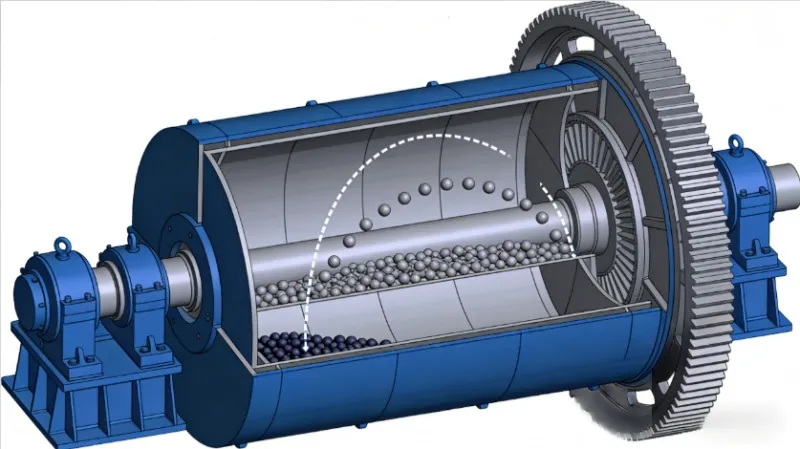
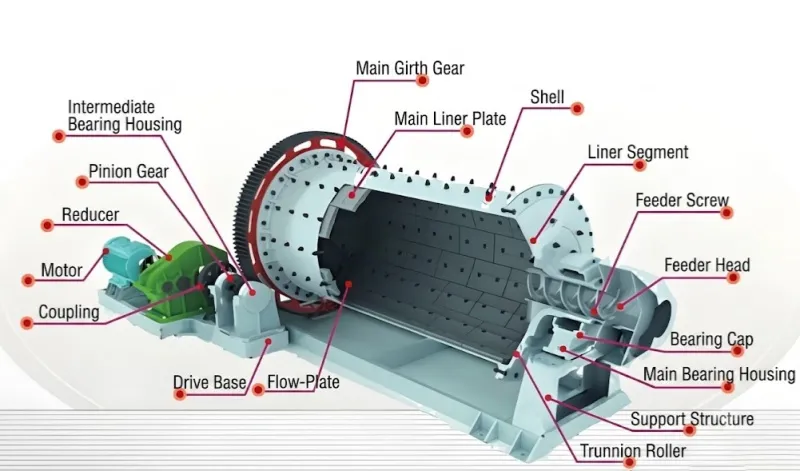
Hassas hava sınıflandırıcıları, gereksiz ince tanecik üretimini en aza indirerek ve kuvars malzemenin aşırı öğütülmesini önleyerek verimi optimize etmeye yardımcı olur. Aşırı öğütme enerji israfına ve genel üretim verimliliğinin düşmesine neden olurken, ince tanecikler ürün kalitesini ve pazar değerini düşürebilir. Parçacık boyutlarını etkili bir şekilde sınıflandırarak, bu sınıflandırıcılar kuvars üreticilerinin daha değerli ürün fraksiyonlarını geri kazanmalarını ve atıkları azaltmalarını sağlar. Bu, yalnızca karlılığı artırmakla kalmaz, aynı zamanda sürdürülebilir ve uygun maliyetli kuvars işleme süreçlerini de destekler. Kuvars gibi aşındırıcı malzemelere özel, kanıtlanmış çözümler için Epic Powder'ın gelişmiş sistemleri, bu avantajları en üst düzeye çıkarmak üzere tasarlanmış dayanıklı, yüksek performanslı ekipmanlar sunar. Ürünlerimizi keşfedin. kuvars tozu bilyalı değirmen ve hava sınıflandırıcı üretim hattı Daha fazla bilgi için.
Kuvars Üreticileri İçin Başlıca Faydalar
Ürün Kalitesinde ve Piyasa Değerinde Artış
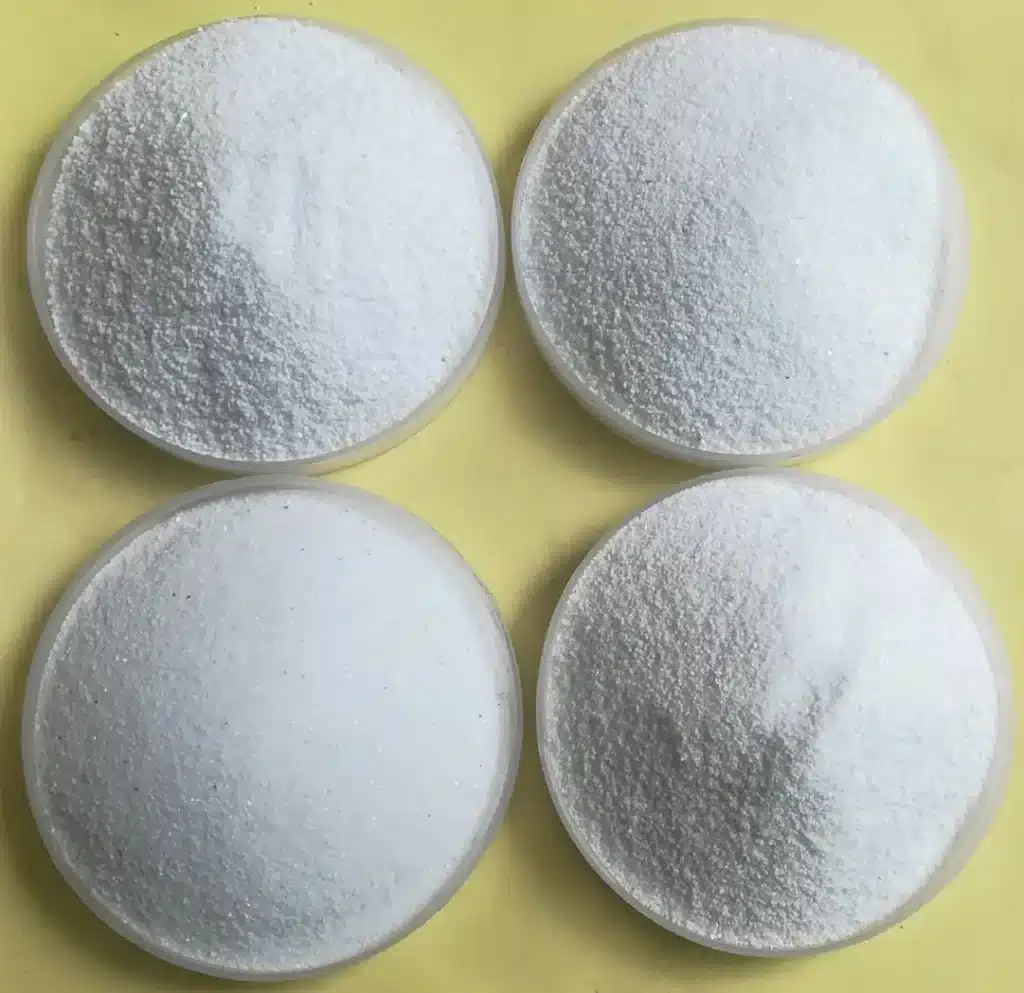
Hassas hava sınıflandırıcıları, kuvars üreticilerinin daha tutarlı parçacık boyutları ve daha yüksek saflık seviyeleri elde etmelerine yardımcı olur. Bu daha keskin ayrım, daha az ince parçacık ve safsızlık anlamına gelir ve bu da doğrudan ürün kalitesinin iyileşmesine yol açar. Daha kaliteli kuvars, yarı iletkenler, güneş paneli camı ve tezgahlar gibi pazarlarda daha yüksek fiyatlarla satılarak genel pazar değerini artırır.
Üretim Verimliliğinde ve Üretim Kapasitesinde Artış
Hassas sınıflandırıcıların kullanılması, ayırma sürecini kolaylaştırır, darboğazları azaltır ve verimliliği artırır. Üreticiler, ürün özelliklerinden ödün vermeden daha fazla malzemeyi daha hızlı işleyebilirler. Bu verimlilik kazanımları, genel tesis verimliliğini olumlu yönde etkiler.
Enerji Tasarrufu ve İşletme Maliyetlerinde Azalma
Aşırı öğütme ve fazla ince parçacık oluşumunu en aza indirerek, hassas hava sınıflandırıcılar sonraki işlemlerin enerji ihtiyacını azaltır. Daha az yeniden işleme, ekipman aşınmasını azaltır ve bakım sıklığını düşürerek işletme maliyetlerini önemli ölçüde düşürür.
Tek bir hammaddeden birden fazla ürün kalitesi üretme esnekliği
Bu sınıflandırıcılar, üreticilerin kesim noktalarını kolayca ayarlamasına olanak tanıyarak, tek bir hammadde partisinden birden fazla kalite elde edilmesini sağlar. Bu esneklik, ek hammadde girdisine gerek kalmadan değişen pazar taleplerine ve müşteri spesifikasyonlarına hızlı yanıt verilmesini destekler.
| Faydalar | Darbe |
|---|---|
| Daha İyi Ürün Kalitesi | Daha yüksek saflık ve tutarlı parçacık boyutları |
| Artan Verimlilik | Daha hızlı işlem, daha az darboğaz |
| Enerji Verimliliği | Optimize edilmiş öğütme sayesinde daha düşük güç tüketimi |
| Maliyet Tasarrufu | Ekipman aşınmasının ve bakım maliyetlerinin azalması |
| Ürün Esnekliği | Tek bir yem partisinden birden fazla kalite |
Kuvars üretim verimliliğini en üst düzeye çıkarmayı hedefleyen üreticiler için, bu sınıflandırıcıları uygun öğütme ekipmanlarıyla (örneğin bir...) birleştirmek faydalı olacaktır. hava sınıflandırma değirmeni Daha da iyi sonuçlar elde edilmesini sağlayabilir.
Kuvars İçin Sınıflandırıcı Seçerken Dikkat Edilmesi Gereken Kritik Noktalar
Aşınma Direnci: Kuvarsın Doğal Sertliğinin Ele Alınması
Kuvars doğal olarak sert ve aşındırıcıdır, bu da ekipmanları sürekli olarak yıpratır. Hassas hava sınıflandırıcı seçerken, uzun hizmet ömrü sağlamak ve arıza sürelerini azaltmak için aşınmaya dayanıklı malzemelerden ve güçlendirilmiş parçalardan üretilmiş modellere öncelik verilmelidir.
İstenilen Kesim Noktası ve Nihai Ürün Özellikleri
Sınıflandırıcı, belirli son kullanım gereksinimlerini karşılamak için tam olarak istenen parçacık boyutu kesimlerini sağlamalıdır. Örneğin:
| Sanayi | Tipik Kesim Noktaları | Ürün İhtiyaçları |
| Yarıiletkenler | D97 ~10μm | Ultra ince, yüksek saflıkta toz |
| Güneş Camı | D50 15–20 μm | Netlik için tutarlı boyut |
| Tezgahlar | D50 30–50 μm | Tekdüze iri parçacıklar |
Sınıflandırıcı ayarlarının bu özelliklere uygun olması, tutarlı ve yüksek kaliteli kuvars ürünleri elde edilmesini sağlar.
Mevcut Kırma ve Öğütme Devreleriyle Entegrasyon
Sorunsuz entegrasyon, darboğazları azaltır ve verimliliği artırır. Hava sınıflandırıcı, öğütme değirmeninden sonra veya kırma ekipmanının yanında olsun, mevcut kurulumunuza büyük değişiklikler gerektirmeden kolayca entegre edilmelidir. Sorunsuz uyumluluk ve optimum performans için Epic Powder'ın ITC-3 hava sınıflandırıcısı gibi sistemleri tercih edin.
Ölçeklenebilirlik: Pilot Projelerden Tam Ölçekli Üretime
İşletmenizin kapasitesine uygun bir sınıflandırıcı seçin. İster küçük bir partiyle test yapıyor olun ister tam üretime geçiyor olun, makine kaliteyi tehlikeye atmadan veya karmaşıklığı artırmadan kapasite değişikliklerine uyum sağlamalıdır. Bu esneklik uzun vadede zaman ve yatırım tasarrufu sağlar.
Kuvars işleme alanında bu tür ölçeklenebilir çözümlere örnek olarak Epic Powder'ın ürünlerine bakabilirsiniz. Shandong'da ITC-3 hava sınıflandırıcı sistemi ile kuvars tozu üretimi.
Kuvars sınıflandırıcı seçerken bu önemli noktalara odaklanmak, ürün kalitesini optimize etmenize, çalışma süresini artırmanıza ve üretim hattınızı verimli bir şekilde düzenlemenize yardımcı olur.
Pratik Entegrasyon ve Operasyonel İpuçları
Kuvars İşleme İş Akışında Optimal Yerleştirme
Kuvars işleme hattınızda hassas hava sınıflandırıcılarını stratejik olarak konumlandırmak çok önemlidir. Genellikle, sınıflandırıcıyı öğütme aşamasından hemen sonra yerleştirmek, besleme malzemesinin doğru ayrıştırma için iyi hazırlanmasını sağlar. Bu kurulum, sınıflandırıcının parçacıkları boyut ve yoğunluğa göre ayırma yeteneğini en üst düzeye çıkararak nihai ürün tutarlılığını artırır. En iyi sonuçlar için, sınıflandırıcıyı son paketleme veya karıştırma adımlarından önce entegre edin; bu, ürün kaliteleri üzerinde daha iyi kontrol sağlar ve sonraki yeniden işleme ihtiyaçlarını azaltır.
İstikrarlı Sınıflandırma Performansı için Tutarlı Veri Akışının Sağlanması
İstikrarlı ve homojen besleme malzemesi, kuvarsın hassas bir şekilde sınıflandırılması için çok önemlidir. Besleme hızındaki veya partikül boyutu dağılımındaki varyasyonlar, sınıflandırıcının verimliliğinde dalgalanmalara neden olarak daha az tutarlı ürün boyutlarına yol açabilir. Sınıflandırıcıya sürekli bir kuvars akışı sağlamak için güvenilir besleyiciler veya ara besleme hazneleri kullanın. Besleme parametrelerinin düzenli olarak izlenmesi, ayırma doğruluğunu ve genel üretim kalitesini etkileyebilecek ani artışları veya düşüşleri önlemeye yardımcı olur.
Aşındırıcı Ortamlarda Uzun Ömür İçin Rutin Bakım
Kuvars doğal olarak aşındırıcıdır, bu nedenle hassas hava sınıflandırıcılarınızın uzun süreli çalışması için bakımı şarttır. Aşağıdakileri içeren düzenli bir bakım programı izleyin:
- Sınıflandırıcı bıçakları ve astarlar gibi aşınan parçaların düzenli olarak kontrol edilmesi
- Aşınmaya dayanıklı bileşenlerin zamanında değiştirilmesi
- Hava besleme sistemlerini temiz ve nemden veya kirleticilerden arındırılmış halde tutmak.
- Mekanik aşınmanın erken belirtileri olarak titreşim ve gürültü seviyelerinin izlenmesi.
Doğru bakım, arıza sürelerini en aza indirir ve zorlu koşullarda güvenilir performans sağlayarak yatırımınızı korur. Aşındırıcı kuvars işleme için özel olarak tasarlanmış çözümler için ürün yelpazemizi inceleyin. santrifüj sınıflandırıcılar Özellikle dayanıklılık ve hassasiyet için tasarlanmıştır.
Epic Powder'ın Kuvars Sektörüne Özel Çözümleri
Dayanıklılık İçin Tasarlandı: Aşındırıcı Kuvarsa Dayanıklı Özellikler
Kuvars doğal olarak sert ve aşındırıcıdır, bu da uzun ömürlü ekipman gerektirir. Epic Powder'ın hassas hava sınıflandırıcıları, sık arıza süreleri olmadan kuvars işlemek için özel olarak tasarlanmış aşınmaya dayanıklı malzemeler ve sağlam bir yapıya sahiptir. Başlıca dayanıklılık özellikleri şunlardır:
- Sertleştirilmiş çelik ve seramik kaplamalar aşınmayı azaltmak için
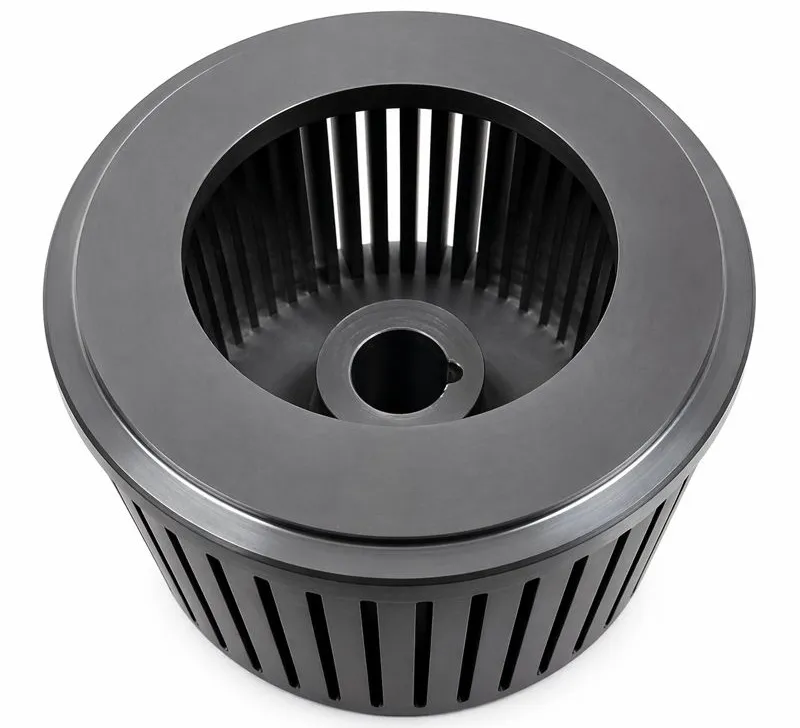
- Sağlam rotor ve sınıflandırıcı tekerlekler tutarlı çalışma için
- Sızdırmaz rulmanlar ve toz geçirmez muhafazalar kritik parçaları korumak için
Bu tasarım tercihleri, ağır hizmet tipi kuvars işleme ortamlarında bile uzun hizmet ömrü sağlayarak üreticilerin ürün kalitesini korurken bakım maliyetlerinden tasarruf etmelerine yardımcı olur.
Örnek Olay: 250 Mesh Kuvarsın 600 kg/saat Hızla D97 10μm İnce ve D50 18μm Kaba Ürünlere İşlenmesi
Epic Powder'ın bir müşterisi, 250 mesh kuvarsı saatte 600 kg işleme kapasitesiyle başarıyla işleyerek iki yüksek değerli ürün sınıfı elde etti:
| Ürün Kalitesi | Parçacık Boyutu Hedefi | Tanım |
|---|---|---|
| İyi | D97 = 10μm | Yarı iletken alt tabakalar ve yüksek saflık gerektiren uygulamalar için idealdir. |
| Kaba | D50 = 18 μm | Güneş panelleri ve tezgah yüzeyleri için uygundur. |
Bu hassas sınıflandırma, tutarlı ve pazara hazır kuvars kaliteleri sağlarken verimi de en üst düzeye çıkarır. Sınıflandırıcılarımız, ince tanecik oluşumunu ve aşırı öğütmeyi en aza indirerek genel üretim verimliliğini artırmaya yardımcı olur.
EPIC'in Ortaklığa ve Süreç Optimizasyonuna Olan Bağlılığı
EPIC Toz Sadece ekipman sağlamakla kalmıyor, EPİK Kuvars üreticileriyle iş birliği yaparak işleme süreçlerini optimize eder. Epic Powder şunları sunar:
- Üretim hedeflerinize uygun özelleştirilmiş çözümler
- Pilot testlerden tam ölçekli devreye almaya kadar teknik destek
- Verimliliği artırmak ve maliyetleri düşürmek için sürekli süreç danışmanlığı.
Kuvars için özel olarak tasarlanmış hassas hava sınıflandırıcılarına odaklanarak, yüksek saflık ve kontrollü parçacık boyutu için pazar taleplerini karşılamanıza yardımcı olurken, işlemlerinizi sorunsuz ve uygun maliyetli tutmanızı sağlıyoruz. Çözümlerimizin kuvars işleme süreçlerinizi nasıl geliştirebileceğini keşfedin. sektör içgörüleri ve vaka çalışmaları Daha fazla bilgi edinmek için.

“Okuduğunuz için teşekkürler. Umarım makalem yardımcı olmuştur. Lütfen aşağıya yorum bırakın. Ayrıca EPIC Powder çevrimiçi müşteri temsilcisiyle de iletişime geçebilirsiniz. Zelda Daha fazla bilgi için lütfen iletişime geçin.”
— Jason Wang, Kıdemli Mühendis