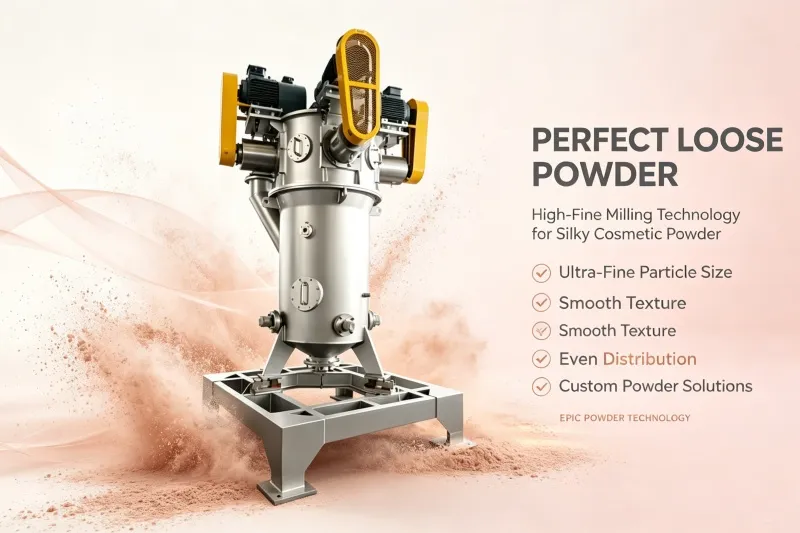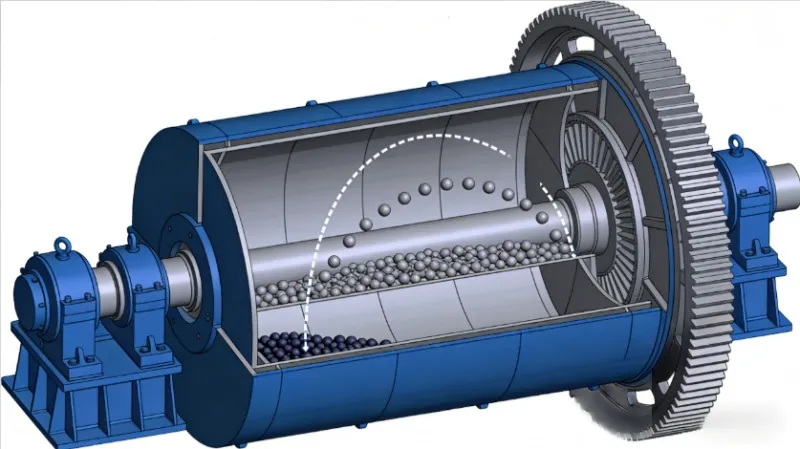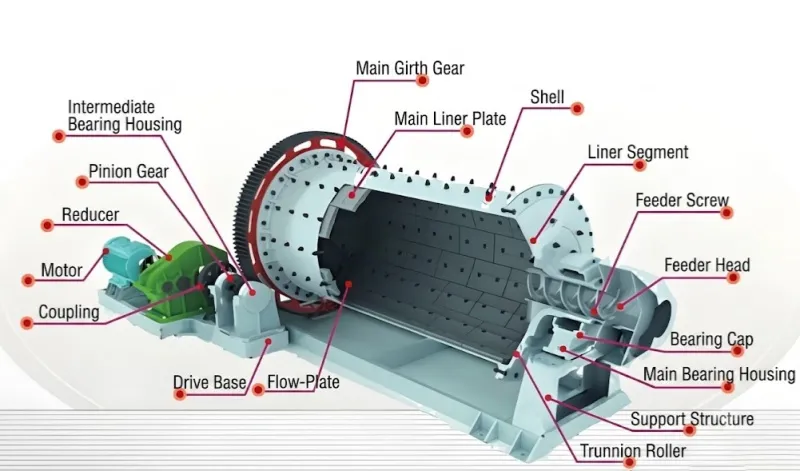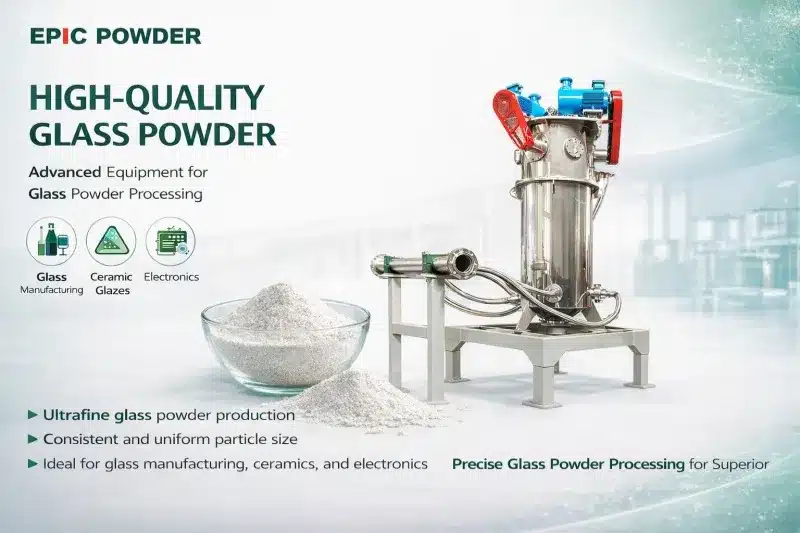
Çeşitli seçenekler arasında, talk pudrası Talk, özellikle polipropilen (PP) olmak üzere plastikler için çok yönlü ve son derece etkili bir modifiye edici olarak öne çıkmaktadır. Ancak, her talk aynı değildir. Temel bir ayrım, talkın farklı türler arasında yer almasıdır. geleneksel (saf) talk pudrası ve yüksek en boy oranı trombosit talk tozu. Bu makale, talk pudrasının 8 önemli modifikasyon fonksiyonunu ve Epic Powder Machinery tarafından sağlanan öğütme ekipmanlarını ele almaktadır.
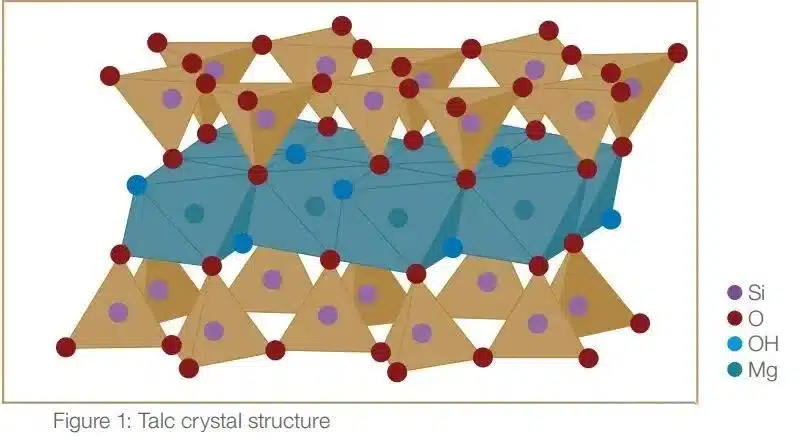
Saf talk, yumuşak, hidrofobik ve kimyasal olarak inert bir hidratlı magnezyum silikattır (Mg₃Si₄O₁₀(OH)₂). Yapısı, iki silika tabakası arasına sıkıştırılmış bir brusit tabakasından oluşur. Plastiklerde talk, öncelikle PP, polietilen (PE) ve poliamid gibi termoplastikleri güçlendirmek için kullanılır ve başlıca uygulama alanları şunlardır: otomotiv parçaları, ev aletleri ve mühendislik plastikleri.
Plastik uygulamaları için en önemli özellik şudur: en boy oranı (plaka çapı ile kalınlığı arasındaki oran). Trombosit talkı, Yüksek en boy oranı sayesinde, daha düşük en boy oranına sahip geleneksel talk pudrasına kıyasla üstün performans iyileştirmeleri sunar.
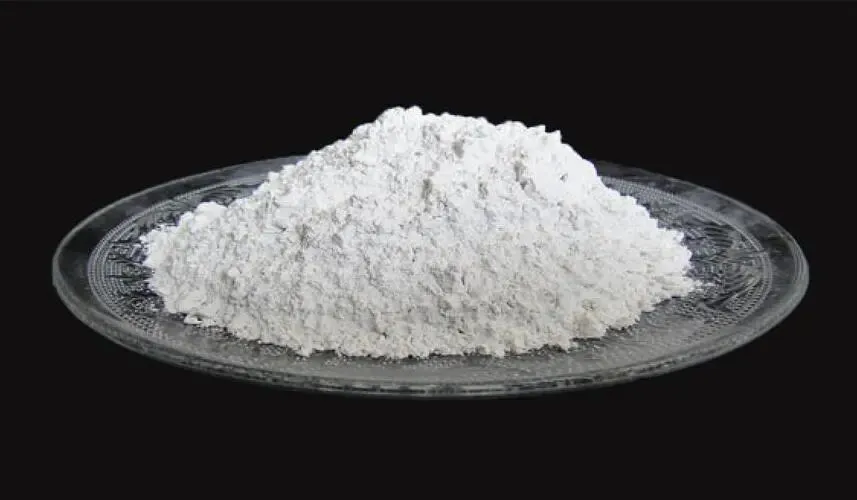
Bu makale, talkın plastiklerdeki 8 temel modifikasyon işlevini değerlendirmekte ve trombosit yapısının kritik fark yarattığı noktaları vurgulamaktadır.
1. Rijitlik (E-Modülü)
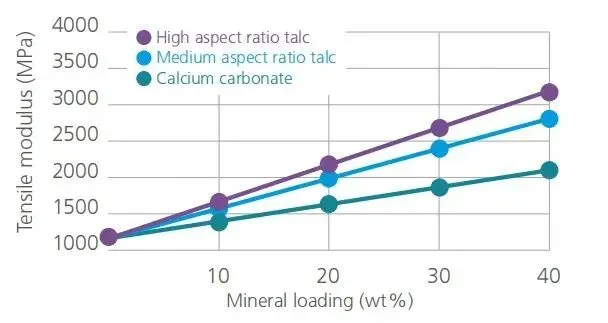
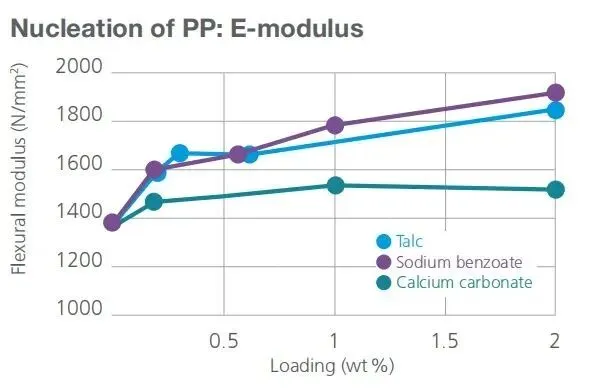
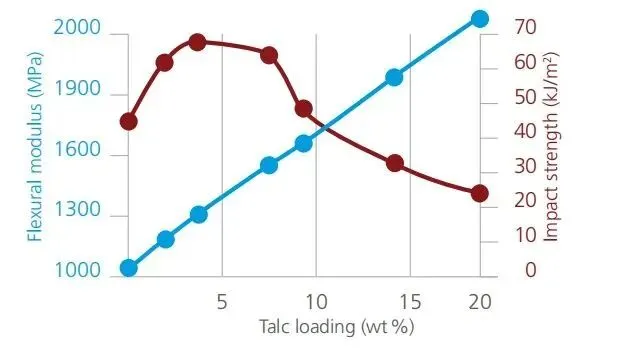
Plastiklere talk eklenmesinin temel nedeni sertliği artırmaktır. Elastik Modüldeki artış, doğrudan orantılıdır. dolgu maddesi yüklemesi, en boy oranı ve incelik talk pudrasının. Yüksek en boy oranlı trombosit talkı Belirli bir yükleme altında en önemli sertleştirme etkisini sağlar.
2. Isı İletkenliği
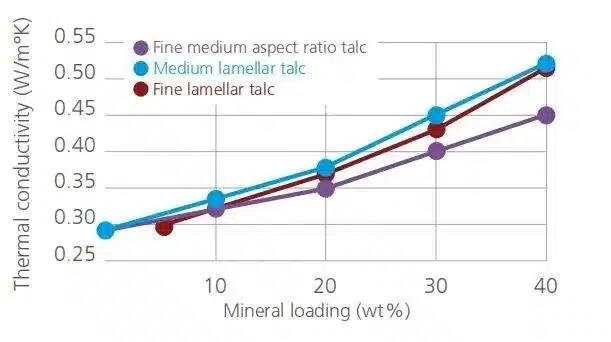
Talk, polimerlere kıyasla önemli ölçüde daha yüksek termal iletkenliğe sahiptir. Talkın eklenmesi, işleme sırasında ısı transferini iyileştirir (daha hızlı ısıtma ve soğutma), bu da şunlara yol açar: Üretim verimliliğinde artış ve daha kısa döngü süreleri Enjeksiyon kalıplama ve termoformlama gibi işlemlerde.
3. Çekirdeklenme
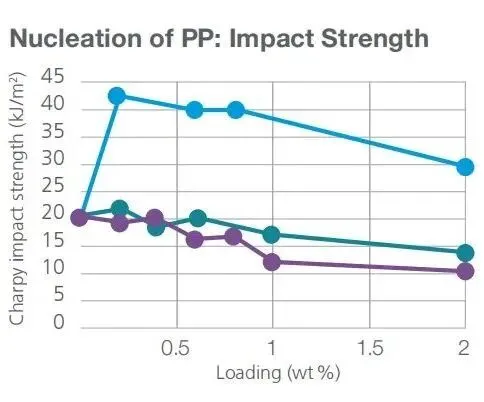
İnce talk pudrası oldukça etkili bir şekilde etki gösterir. çekirdeklenme ajanı PP gibi yarı kristal yapılı polimerlerde kristalleşme sıcaklığını ve hızını artırarak daha ince küresel bir yapı oluşmasını sağlar. Bu da özellikleri iyileştirir. darbe dayanımı ve boyutsal kararlılığa katkıda bulunur ve daha hızlı çevrim sürelerine yol açar.
4. Darbe Dayanımı
Mineral dolgu maddeleri genellikle darbe dayanımını azaltırken, bazı durumlarda bu durumun bir istisnası mevcuttur. ince, yüksek en-boy oranlı trombosit talkı. Optimize edilmiş yüklemelerde (tipik olarak 5-10%), PP bileşiklerinin darbe dayanımını artırabilir; bu da özellikle aşağıdaki gibi uygulamalar için çok önemli bir özelliktir. otomotiv tamponları. Ancak aşırı dolgu maddesi kullanımı azalmaya yol açacaktır.
5. Isı Sapma Sıcaklığı (HDT)
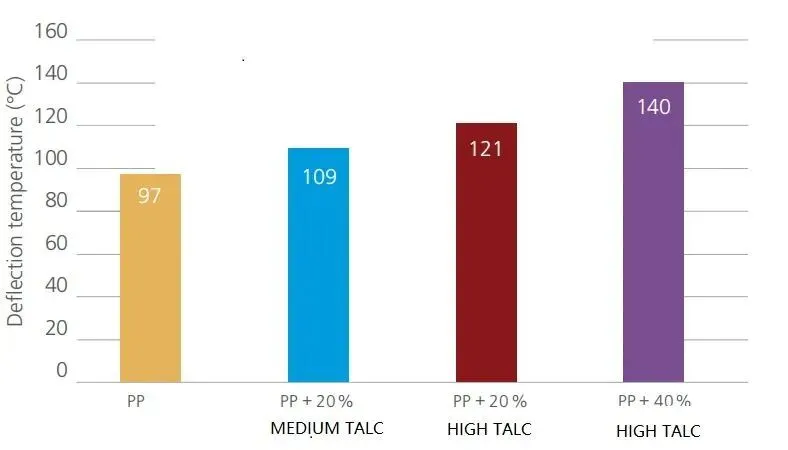
HDT, bir plastiğin yüksek sıcaklıklarda yük altında sertliğini koruma yeteneğini ölçer. Trombosit talkı Poliolefinlerin HDT değerini yükseltmede son derece etkilidir ve bu sayede parçalar, otomotiv motor kaputu altındaki bileşenler veya sıcak dolum ambalajlama için daha uygun hale gelir.
6. Sürünme Direnci
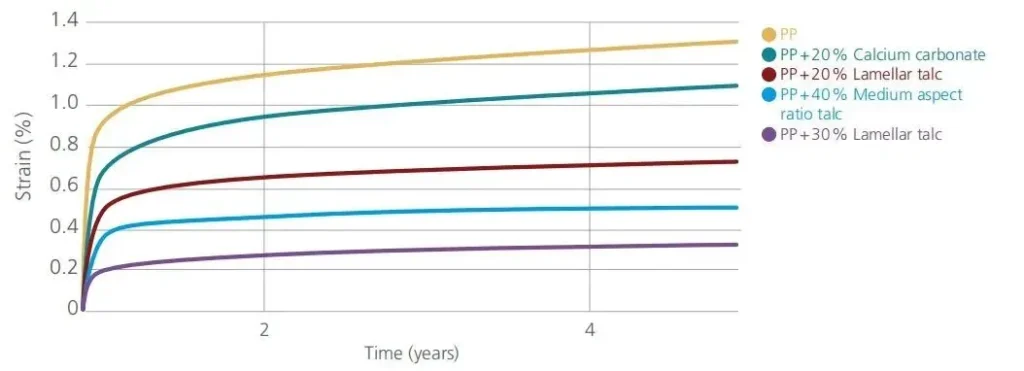
Sünme, bir malzemenin sürekli gerilim altında kalıcı olarak deforme olma eğilimidir. Talk dolgulu polimerler bu özelliği çarpıcı bir şekilde göstermektedir. azaltılmış sürünme Doldurulmamış muadillerine kıyasla. Etkinlik hiyerarşisi şu şekildedir: Yüksek en boy oranlı trombosit talkı > Orta en boy oranlı talk > Talk/CaCO₃ karışımları > CaCO₃ > Dolgusuz PP. Bu, uzun süreli dayanıklılık gerektiren borular ve yapısal parçalar için hayati önem taşır.
7. Bariyer Özellikleri
Talk parçacıklarının plaka benzeri morfolojisi, polimer filmlerin içinde hizalanarak bir yapı oluşturur. “dolambaçlı yol” Bu durum, gazların ve buharların yayılmasını engeller. Bu da önemli ölçüde geçirgenliği azaltır oksijen ve su buharı sayesinde ürünlerin raf ömrünü doğrudan uzatır. gıda ambalajı uygulamalar.
8. Kimyasal Direnç
Talk, doğal olarak hidrofobik ve kimyasal olarak inerttir. Bu özelliği sayesinde doğrudan temas eden malzemeler için ideal bir dolgu maddesidir. gıda teması. Çeşitli simülatörler (su, asetik asit, etanol, zeytinyağı) kullanılarak yapılan migrasyon testleri, talk dolgulu bileşiklerin katı küresel migrasyon limitlerini karşıladığını ve böylece güvenlik ve uyumluluğu sağladığını doğrulamaktadır.
Talk ile Yeni Pazar Fırsatları
Otomotiv ve ev aletleri başlıca pazarlar olmaya devam ederken, yeni ufuklar ortaya çıkıyor:
- PVC Boru ve Profillerde PVC Alternatifi: Talk takviyeli poliolefinler yüksek sertlik ve dayanıklılık sunar. üstün sürünme direnci PVC'nin yerine geçmesi gereken bu malzeme, darbe dayanımını korurken daha ince duvar tasarımlarına olanak sağlıyor.
- Gelişmiş Gıda Ambalajı: Talk dolgulu PP birleştirir Daha yüksek sertlik, geliştirilmiş bariyer özellikleri ve daha iyi işleme verimliliği (çekirdeklenme ve termal iletkenlik yoluyla). Bu da onu sert gıda ambalajları ve sıcak dolum kapları için rekabetçi ve sürdürülebilir bir seçenek haline getiriyor.
Talk pudrası öğütmek için en iyi ekipman hangisidir: Jet Değirmeni, Sınıflandırıcı Değirmen mi yoksa Halkalı Silindirli Değirmen mi?
Yüksek kaliteli talk pudrası üretmek için doğru öğütme ekipmanını seçmek çok önemlidir. Önde gelen bir talk üreticisi olarak Epic Powder, müşterilerinden bu soruyu sık sık almaktadır. Cevap herkese uyan tek bir çözüm değildir: En uygun seçim tamamen hedef ürün kalitenize, kullanım alanınıza ve maliyet hususlarına bağlıdır.
Bu kapsamlı kılavuz, talk işleme ihtiyaçlarınız için en iyi kararı vermenize yardımcı olmak amacıyla üç ana öğütme sistemini (Jet Değirmeni, Sınıflandırıcı Değirmeni (Sınıflandırıcılı Mekanik Değirmen) ve Halkalı Silindirli Değirmen (Raymond Değirmeni)) karşılaştırmaktadır.
Özet: Hızlı Karşılaştırma
| Özellik | Jet Değirmeni | Sınıflandırıcı Değirmen | Halkalı Silindirli Değirmen |
|---|---|---|---|
| Son Parçacık Boyutu | Ultra ince ve en dar dağılım | Hassas ve Kontrol Edilebilir | Kaba ve Geniş Dağıtım |
| Ürün Saflığı/Beyazlığı | En yüksek (Kirlenme yok) | Yüksek (Kontrol Edilebilir) | Düşük (Metal aşınma kirliliği) |
| Parçacık Şekli | Küreselleştirilmiş, Mükemmel Akış | Düzensiz/Pul Pul | Düzensiz, Yapı Hasarlı |
| Enerji Tüketimi | En yüksek | Orta | En düşük |
| Sermaye Yatırımı | En yüksek | Orta | En düşük |
| Üretim kapasitesi | Orta-Düşük | Yüksek | Yüksek |
| İdeal Uygulama | Kozmetik, İlaç, Gıda, Yüksek Kaliteli Plastikler | Kağıt, Plastik, Boyalar, Seramik | İnşaat, Dolgu Maddeleri, Düşük Kaliteli Hammadde |
Detaylı Ekipman Analizi
1. Jet Mill: Üst Düzey Talk Pudrası İçin Birinci Sınıf Seçenek
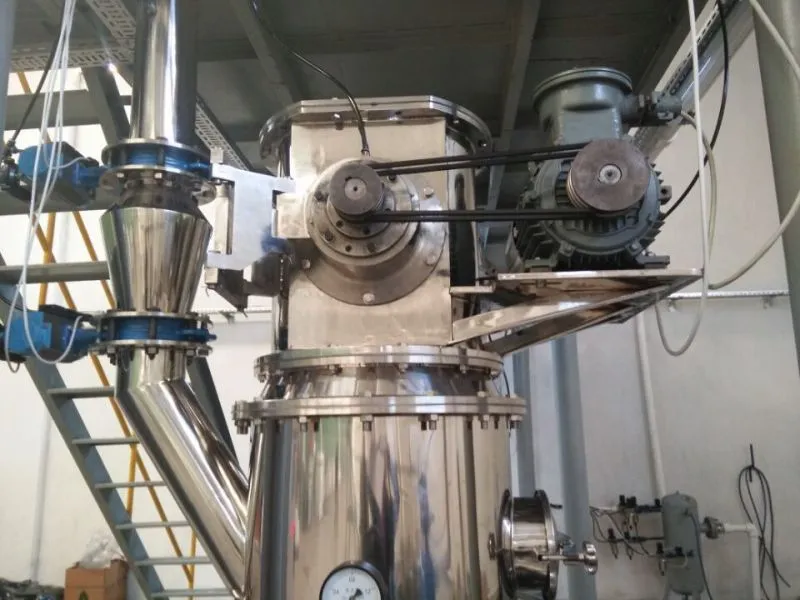
Nasıl Çalışır: Parçacıklar yüksek hızlı bir jet içinde hızlandırılır ve esas olarak parçacıklar arası çarpışma ve sürtünme yoluyla parçalanır; bu işlem yüksek hassasiyetli bir sınıflandırıcı ile entegre edilir.
Başlıca Avantajlar:
- Ultra İnce ve Sıkı Parçacık Boyutu Dağılımı: Sürekli olarak D97=3-45µm kadar ince tozlar üretir. Bu, kaplamalar ve kozmetik ürünlerinde opaklık, pürüzsüzlük ve performans için kritik öneme sahiptir.
- Mutlak Saflık ve Beyazlık: Öğütme işlemi temassız, sağlayarak sıfır metal kirliliği. Bu işlem, talkın doğal parlaklığını ve kimyasal bütünlüğünü korur; bu da kozmetik, ilaç ve gıda ürünleri için vazgeçilmez bir gerekliliktir.
- Düşük Sıcaklıkta Öğütme: Genleşen gaz sistemi soğutur, bu da ısıya duyarlı malzemeler için idealdir.
- Üstün Parçacık Morfolojisi: Çarpışmalar sonucunda, mükemmel akış ve dağılım özelliklerine sahip, kümelenmeden ayrılmış, küreselleşmiş parçacıklar oluşur.
Dikkate alınması gerekenler:
- Sıkıştırılmış gaz ihtiyacı nedeniyle daha yüksek enerji tüketimi.
- Genellikle mekanik değirmenlere kıyasla tek hatlı üretim daha düşüktür.
- Genellikle önceden öğütülmüş yem malzemesi gerektirir.
Epic Powder'ın Tavsiyesi: Üstün kaliteli talk pudraları için tartışmasız en iyi seçim. Cilt bakımında (bebek pudrası, fondöten), ilaçlarda, gıda katkı maddelerinde, yüksek performanslı mühendislik plastiklerinde ve özel kaplamalarda kullanılır.
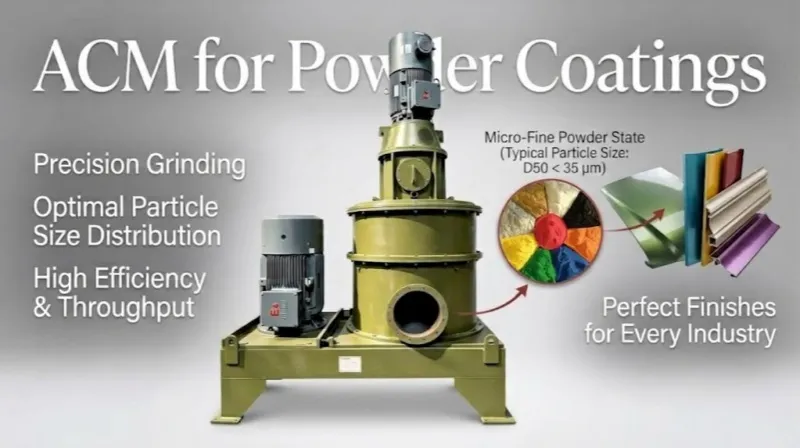
2. Sınıflandırma Değirmeni: Orta Sınıf Kalite İçin Çok Yönlü İş Makinesi
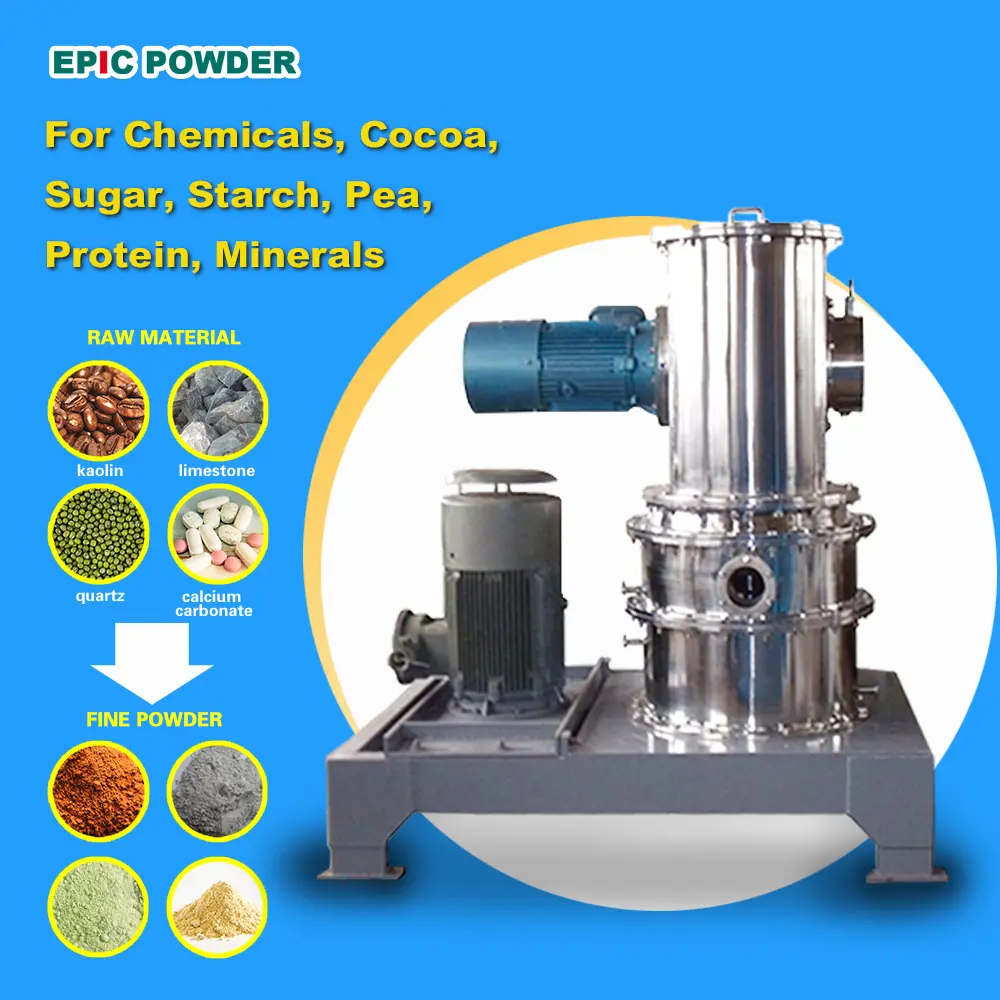
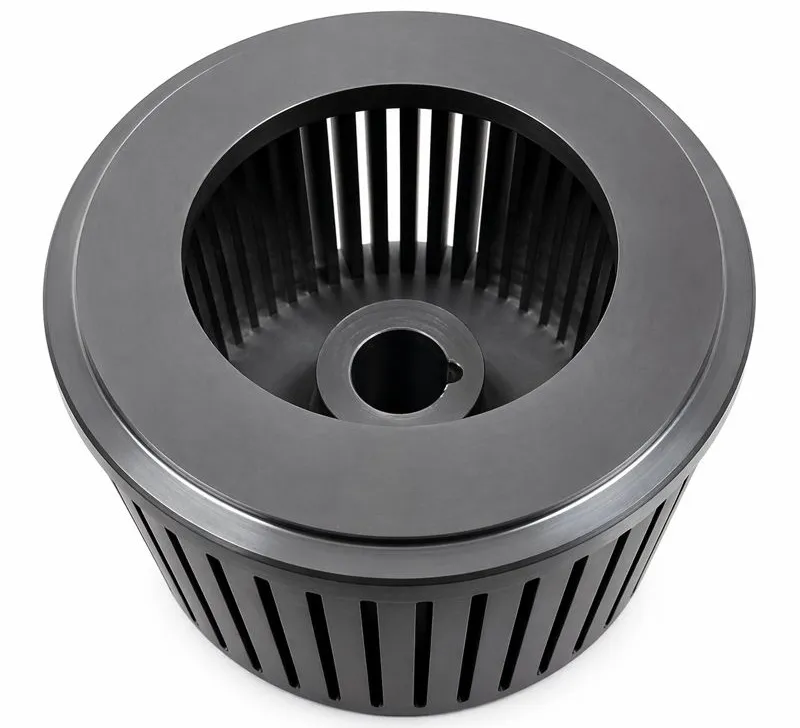
Nasıl Çalışır: Öğütme işlemi için mekanik kuvvetler (sıkıştırma, darbe) kullanır ve ince parçacıkları anında ayıran entegre bir dinamik sınıflandırıcıya sahiptir. Büyük boyutlu parçacıklar, daha fazla boyut küçültme için yeniden dolaşıma sokulur.
Başlıca Avantajlar:
- Kalite ve Maliyet Arasında Mükemmel Denge: Parçacık boyutunun kontrolünü güçlü bir şekilde korurken, jet değirmenlerine kıyasla önemli ölçüde daha iyi enerji verimliliği sunar.
- Yüksek Kapasite ve Ölçeklenebilirlik: Büyük ölçekli ve uygun maliyetli endüstriyel üretim için tasarlanmıştır.
- Esnek Parçacık Boyutu Kontrolü: Sınıflandırıcı hızının ayarlanması, nihai ürünün inceliğinin hassas bir şekilde ayarlanmasına olanak tanır (örneğin, D97'nin 5 µm'den 300 µm'ye çıkarılması).
- İyi Saflık Bakımı: Seramik veya polimer kaplamalı modern değirmenler, kirlenmeyi etkili bir şekilde en aza indirebilir.
Dikkate alınması gerekenler:
- Aşınma kaynaklı kirlenme riski, titiz bakım ve aşınmaya dayanıklı malzemelerin kullanılmasını gerektirir.
- Parçacıklar genellikle düzensiz veya pul pul bir yapıya sahip olup, bu durum bazı uygulamalarda kütle yoğunluğunu ve akışını etkileyebilir.
Epic Powder'ın Tavsiyesi: Çoğu endüstriyel uygulama için ideal çözüm. Performans ve ekonomikliğin dengelendiği yer. Kağıt kaplama, genel amaçlı plastik dolgu maddeleri, boyalar ve seramikler için mükemmeldir.
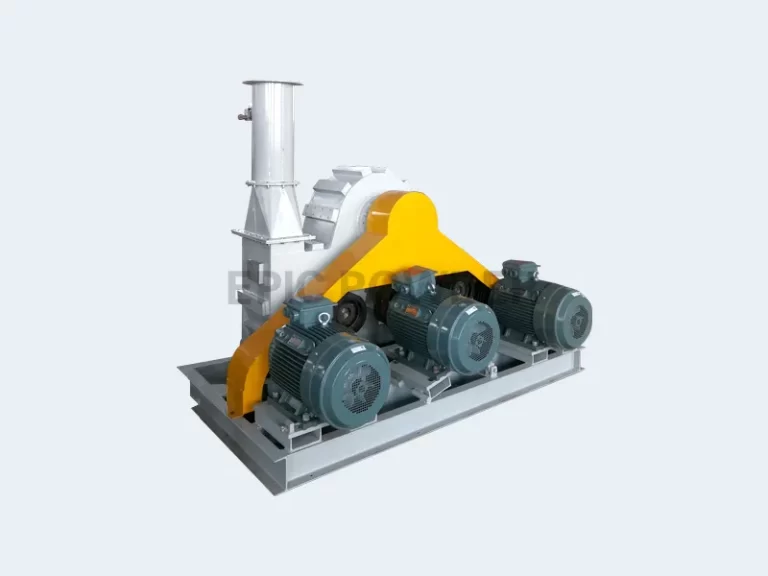
3. Halkalı Merdane Değirmeni (Raymond Değirmeni): Kaba Öğütme İçin Ekonomik Seçenek
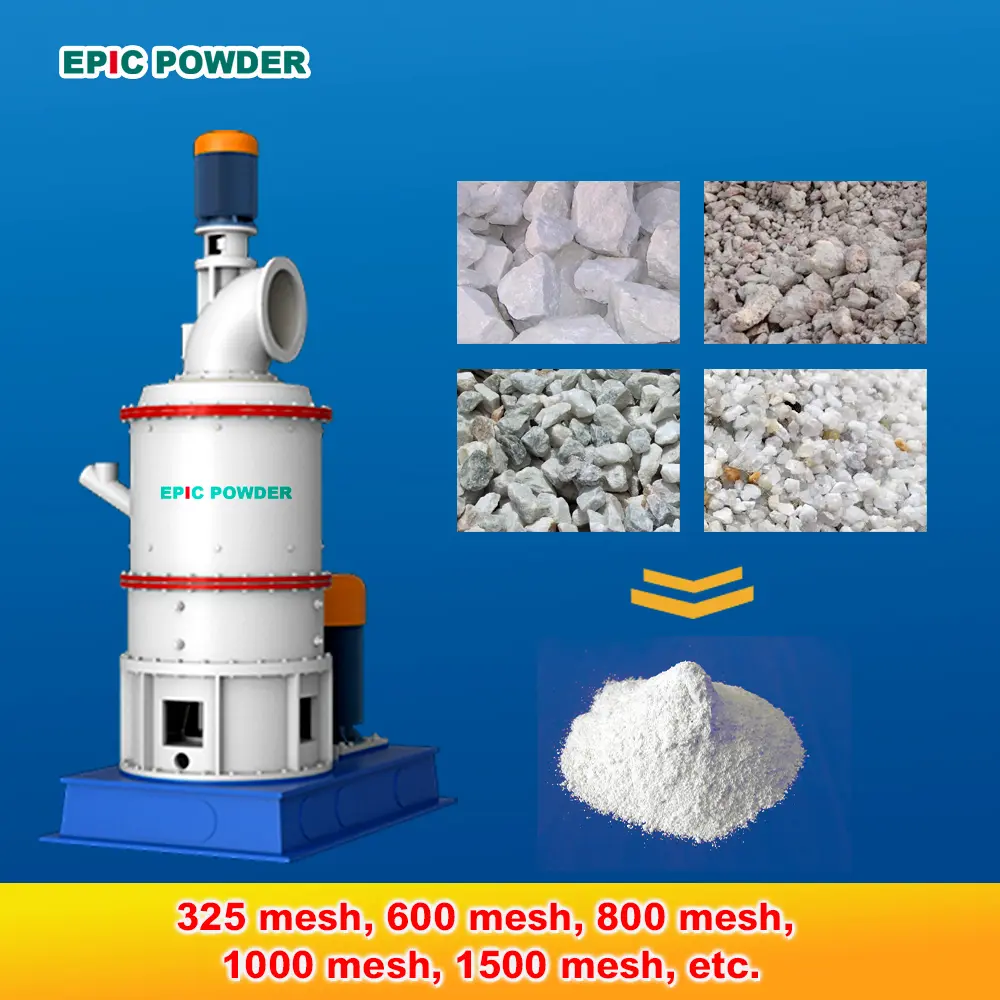
Nasıl Çalışır: Geleneksel mekanik bir değirmen olup, silindirler malzemeyi sabit bir halkaya karşı ezer. Üst kısımda bulunan basit bir hava ayırıcı, temel sınıflandırmayı gerçekleştirir.
Başlıca Avantajlar:
- En Düşük Sermaye ve İşletme Maliyeti: Talk işleme için en uygun fiyatlı başlangıç noktası.
- Kalın öğütülmüş öğütme için yüksek verim: Büyük miktarlarda kaba toz üretimi için verimlidir.
Başlıca Dezavantajları:
- Sınırlı İncelik ve Kötü Boyut Dağılımı: Genellikle D97=5µm'den daha ince ürünler elde edilebilir.
- Yüksek Isı Üretimi: Sürtünme ısı üretebilir ve bu da malzemenin özelliklerini değiştirebilir.
Epic Powder'ın Tavsiyesi: Nispeten uygun düşük değerli uygulamalar Beyazlık ve ultra inceliğin kritik olmadığı durumlarda, örneğin inşaat malzemelerinde, bazı kauçuk türlerinde ve daha ileri işleme için ham madde hazırlığında kullanılır.
Seçim Nasıl Yapılır: Epic Powder'ın Alıcılar İçin Rehberi
Seçiminiz sizin tarafınızdan yönlendirilmelidir. son ürün özellikleri Ve hedef pazar.
- Yüksek Değerli Pazarlar İçin (Kozmetik, İlaç, Gıda): Jet frezeleme olmazsa olmazdır. Ürün saflığı, parlaklığı ve ince dokusu son derece önemlidir. Bu, Epic Powder'ın premium ürün serileri için temel uzmanlık alanıdır.
- Standart Endüstriyel Pazarlar İçin (Plastik, Kağıt, Boyalar): Modern bir Sınıflandırıcı Değirmen En iyi yatırım getirisini sunar. Sürdürülebilir bir üretim maliyetiyle gerekli kalite kontrolünü sağlar. Bu şekilde işlenmiş çeşitli talk kaliteleri sunuyoruz.
- Hammadde/Dolgu Uygulamaları İçin: A Halkalı Silindirli Değirmen Özellikler minimum düzeyde ise yeterli olabilir. Ancak, daha düşük performans veya parlaklığın potansiyel maliyetlerini de göz önünde bulundurun.
Talk pudrası ihtiyaçlarınız için Epic Powder ile iş birliği yapın.
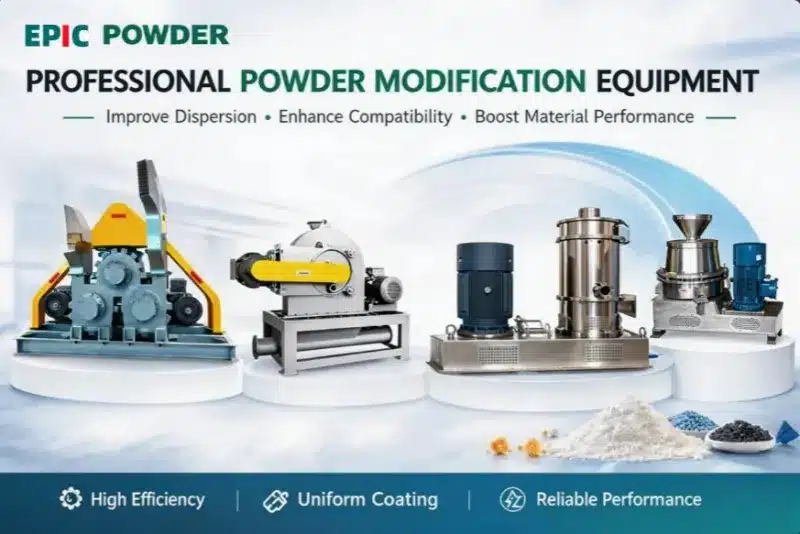
Trombosit ve geleneksel talk arasındaki fonksiyonel farklılıkları anlamak, yüksek performanslı polimerlerin formülasyonu için çok önemlidir. Destansı Toz Makine olarak, talk ve çeşitli tozların üretimi için jet değirmenleri, hava sınıflandırıcı değirmenleri ve halka silindirli değirmenler gibi yüksek kaliteli öğütme ve sınıflandırma ekipmanları sağlıyoruz. Özel ihtiyaçlarınız hakkında görüşmek için bugün Epic Powder ile iletişime geçin.

“Okuduğunuz için teşekkürler. Umarım makalem yardımcı olmuştur. Lütfen aşağıya yorum bırakın. Ayrıca EPIC Powder çevrimiçi müşteri temsilcisiyle de iletişime geçebilirsiniz. Zelda Daha fazla bilgi için lütfen iletişime geçin.”
— Jason Wang, Kıdemli Mühendis
🔗 Web Sitemiz: https://www.epic-powder.com/machines
📧 Bize Ulaşın: [email protected]
📞 Telefon: +8615762272120