Eğer ile çalışıyorsanız LFP, NCM ve grafit gibi pil malzemeleri, Bunu zaten biliyorsunuz. Parçacık boyutu ve saflığı, pil performansını belirleyici faktörlerdir.. İster dar bir parçacık boyutu dağılımı elde etmek, ister ultra yüksek saflığı korumak veya optimum parçacık morfolojisini sağlamak olsun, hassas öğütme kritik bir rol oynar. Jet değirmenleri Lityum iyon katot ve anotların benzersiz taleplerine göre uyarlanmış, kirlilik içermeyen ve enerji verimli bir çözüm sunuyoruz. Bu yazıda, bunun nedenini inceleyeceğiz. jet frezeleme teknolojisi tercih edilen seçenektir LFP, NCM ve grafitin mikronize edilmesi, Epic Powder'ın özelleştirilmiş jet öğütme sistemlerinin, pil üreticilerinin enerji yoğunluğu, çevrim ömrü ve güvenlik alanlarında sınırları zorlamalarına nasıl yardımcı olduğunu da ele alıyor.
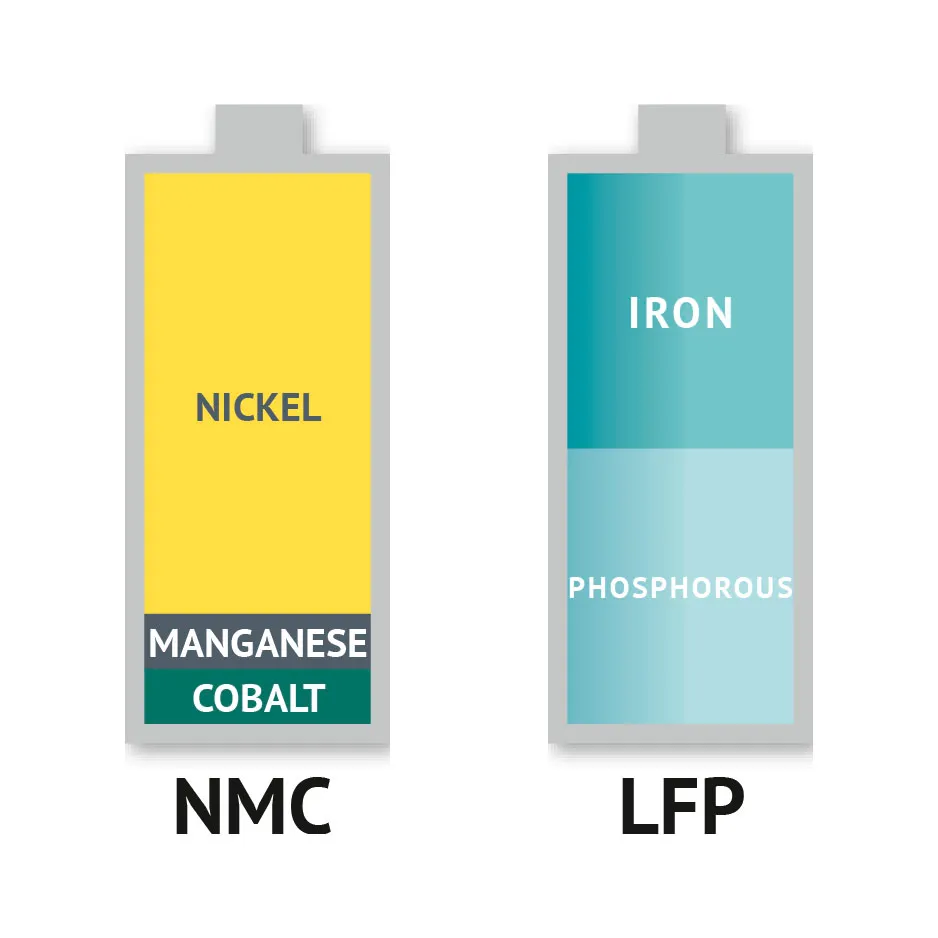
Pil Malzemeleri için Jet Frezeleme Teknolojisini Anlamak
Jet öğütme teknolojisi, LFP, NCM ve grafit gibi pil malzemelerinin işlenmesinde çok önemli bir rol oynar. Temelde, jet öğütme, geleneksel mekanik parçalar olmadan parçacıkları öğütmek için güçlü hava veya nitrojen akımları kullanır.
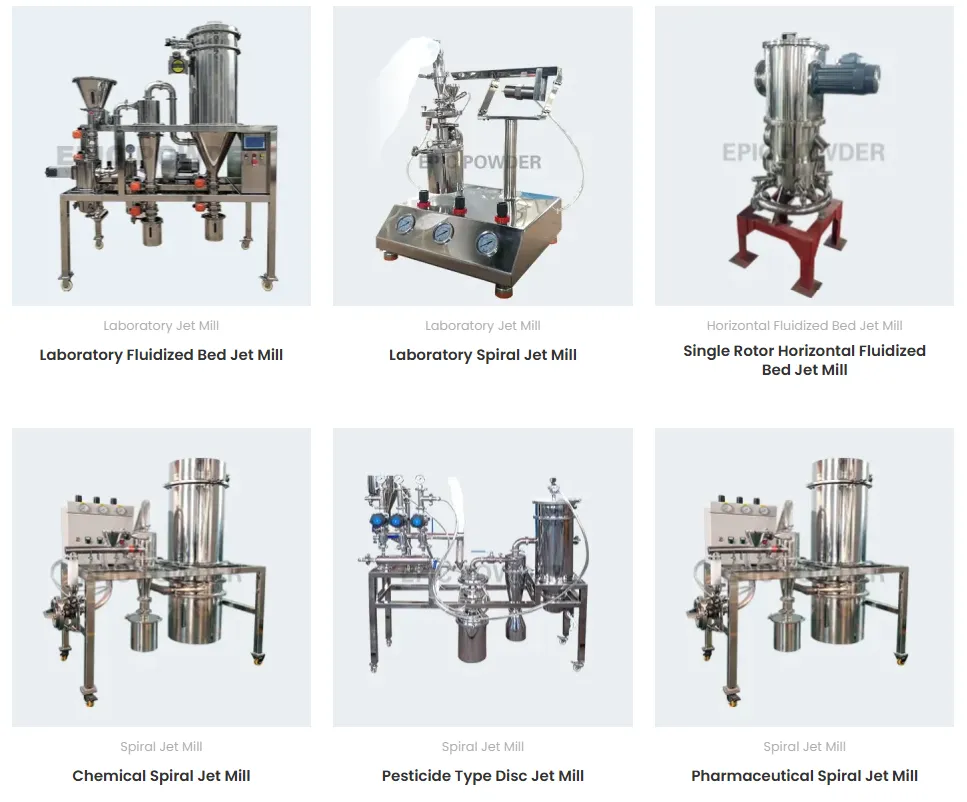
Çalışma Prensibi: Akışkan Yataklı ve Spiral Jetli Değirmenler
Yaygın olarak kullanılan iki jet değirmeni türü, akışkan yataklı karşılıklı jet değirmenleri ve spiral jet değirmenleridir:
- Akışkan Yataklı Karşıt Jet DeğirmenleriÖğütme odasının içinde yüksek hızlı hava veya azot akımında parçacıklar asılı halde bulunur. Karşıt jetler, parçacıkların yüksek hızda birbirleriyle çarpışmasına ve ultra ince tozlara ayrılmasına neden olur.
- Spiral Jet DeğirmenleriParçacıklar teğetsel olarak girer, haznenin içinde spiral şeklinde hareket eder, merkezkaç kuvveti nedeniyle çarpışır ve boyut olarak etkili bir şekilde küçülür.
Başlıca Mekanizmalar: Parçacık-Parçacık Çarpışması ve Yüksek Hızlı Akımlar
Öğütme işleminin temel prensibi şunlardır:
- Parçacık-parçacık çarpışmasıMekanik çarpışma yerine, parçacıklar birbirine sürtünerek kirlenmeyi en aza indirir.
- Yüksek hızlı hava/azot akımlarıBu jetler parçacıkları süpersonik hızlara ivmelendirerek boyut küçülmesini artırır.
- Entegre sınıflandırmaDahili sınıflandırıcılar, parçacıkları boyutlarına göre ayırarak dar bir parçacık boyutu dağılımı (PSD) sağlar.
Mekanik Değirmenlere Göre Avantajları
Jet frezeleme yöntemleri, özellikle hassas pil malzemeleri için belirgin avantajlar sunar:
- Hareketli parça yokBakım ve mekanik aşınmayı azaltır.
- Minimum kirlenme riskiÖğütme işlemi yalnızca parçacık çarpışmalarını içerir ve malzemenin yüksek saflığını korur.
- Ultra ince öğütme özelliği: Tipik olarak 1 ile 20 mikrometre arasında d50 değeriyle hassas bir parçacık boyutu aralığı elde eder.
- Dar PSD: Pil performansı için gerekli olan tutarlı ve homojen tozlar üretir.
Jet değirmen teknolojisi, yüksek saflıkta lityum iyon pil elektrot malzemeleri için optimize edilmiş, verimli ve kirlenme içermeyen mikronizasyon sağlar. Bu da onu hassas parçacık kontrolü gerektiren kritik süreçler için ideal bir seçim haline getirir.
Jet frezeleme yöntemi pil malzemeleri üretiminde neden üstünlük sağlıyor?
Jet öğütme yöntemi, iyon difüzyonunu ve elektrot yoğunluğunu artırmak için çok önemli olan parçacık boyutu ve morfolojisi üzerinde hassas kontrol sağladığı için pil malzemesi mikronizasyonunda öne çıkmaktadır. LFP ve NCM gibi katot malzemeleri ve grafit anotlar için, optimum parçacık boyutu dağılımı (PSD) elde etmek, daha iyi paketleme yoğunluğu ve daha hızlı elektrokimyasal reaksiyonlar sağlar.
En büyük avantajlardan biri malzeme saflığının korunmasıdır. Jet değirmenleri, malzemeyle temas eden mekanik parçalar olmadan çalışır; bu da minimum metal kirlenmesi ve mükemmel oksijen kontrolü anlamına gelir ve genellikle seviyeleri 10 ppm'nin altında tutar. Bu, yüksek saflıkta pil tozları için çok önemlidir, çünkü safsızlıklar pil performansını ve güvenliğini düşürebilir.
Geliştirilmiş pil ölçümleri de bir diğer avantajdır. Jet öğütme yöntemiyle işlenmiş malzemeler genellikle daha yüksek kapasite, daha iyi şarj/deşarj hızı, daha uzun çevrim ömrü ve artırılmış güvenlik marjları sağlar. İnce ayarlanmış parçacık şekilleri ve boyutları, kararlı katı elektrolit ara yüzey (SEI) katmanlarının oluşumunu optimize ederek hacim genişlemesini azaltır ve şarj verimliliğini artırır.
Jet öğütme, büyük ölçekli üretim için enerji verimliliği ve ölçeklenebilirlik de sunmaktadır. İnert gaz jet öğütme sistemlerinin kullanımı, öğütme sırasında güvenliği ve malzeme stabilitesini daha da artırır. Entegre hava sınıflandırıcı sistemleri ile üreticiler, birden fazla işlem adımı olmadan dar parçacık boyutu dağılımı kontrolü elde ederler; bu da jet öğütme makinelerini yüksek kaliteli lityum iyon elektrot malzemeleri için tercih edilen teknoloji haline getirir.
Parçacık boyutunun toz özelliklerini nasıl etkilediği hakkında daha fazla bilgi için, ilgili makalemize göz atın. öğütme parçacık boyutunun toz parçacıkları üzerindeki etkisi.
Jet Öğütme Lityum Demir Fosfat (LFP) Katotları
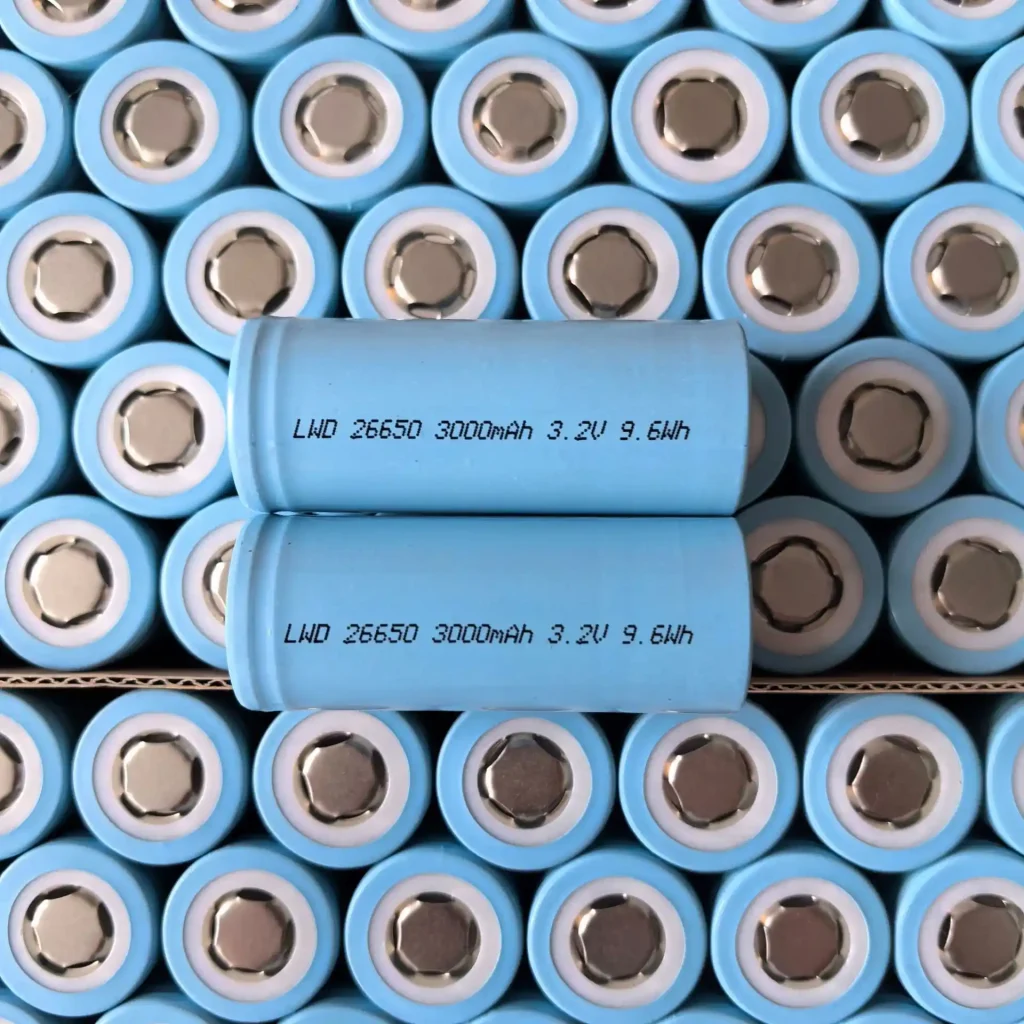
Lityum Demir Fosfat (LFP) katotlar, 10 μm'den küçük homojen parçacıklar elde etmeye ve tutarlı elektrot performansı sağlamak için kümelenmeyi kontrol etmeye odaklanan hassas bir işleme gerektirir. Jet öğütme burada idealdir çünkü kimyasal reaktiviteyi artıran ve elektrot üretimi sırasında düzgün kaplamayı destekleyen ultra ince, homojen tozlar sağlar.
Akışkan yataklı jet değirmenleri kullanılarak, LFP parçacık boyutunun küçültülmesi, eşit şekilde dağılmış aktif malzeme oluşturarak elektrokimyasal kararlılığı artırır. Bu sıkı kontrol edilen mikronizasyon aynı zamanda iyon difüzyonunu ve paketleme yoğunluğunu da artırır; bu da yüksek performanslı LFP piller için kritik öneme sahiptir.
LFP malzemeleri, doğal sertlikleri ve neme karşı hassasiyetleri gibi belirli zorluklar ortaya koymaktadır. Genellikle azot olan inert bir gaz ortamında jet öğütme, oksidasyonu ve kirlenmeyi en aza indirerek bu sorunların giderilmesine yardımcı olur. Bu, katot kimyasını korur ve oksijen seviyelerini 10 ppm'nin altında tutarak, uzun çevrim ömrü ve güvenlik için gerekli olan yüksek saflıkta pil tozları sağlar.
Pratik açıdan bakıldığında, jet öğütme yöntemiyle üretilen LFP tozları, pillerde daha iyi şarj/deşarj hızı ve kapasite tutma özelliği sağlar. Üreticiler, tutarlı elektrot kaplamalarında ve gelişmiş enerji yoğunluğunda kazanımlar elde ederken, jet öğütme yöntemi gelişmiş LFP katot hazırlığı için tercih edilen bir çözüm haline gelmiştir.
Pil malzemelerinde parçacık boyutu kontrol tekniklerine dair detaylı bilgi için Epic Powder, kapsamlı analizler sunmaktadır. parçacık boyutu dağılımı analizi, Bu da LFP işleme sonuçlarınızı optimize edebilir.
Jet Frezeleme NCM (Nikel Kobalt Manganez) Katotları
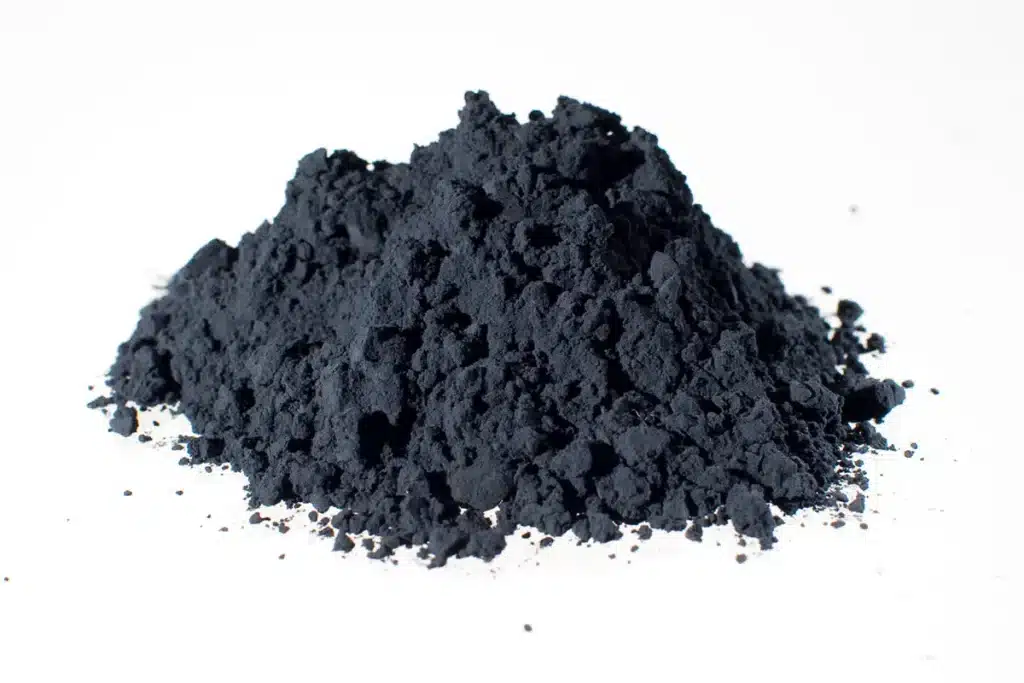
NCM katotlar, her birinin kendine özgü zorlukları olan NCM111, 532, 622 ve 811 gibi çeşitli varyantlarda bulunur. Bu malzemeler kırılgandır ve özel koruma gerektirir. hassas parçacık boyutu dağılımı (PSD) Enerji yoğunluğunu ve çevrim kararlılığını en üst düzeye çıkarmak için.
Jet frezeleme, NCM işleme için önemli avantajlar sunmaktadır:
- Küresel parçacıklar akışı ve paketleme yoğunluğunu iyileştiren
- Yüzey kusurlarının azaltılması elektrokimyasal performansı artıran
- Yeteneği yüksek nikel içerikli malzemeleri öğütmek yapısal bozulmaya neden olmadan
Yüksek nikel içerikli NCM'nin işlenmesi dikkatli kontrol gerektirir. Jet frezeleme makineleri bunu şu şekilde sağlar: akışkan yataklı jet frezeleme Oksidasyonu önleyen ve katot bütünlüğünü koruyan inert gaz altında.
| Özellik | Tek Kristalli NCM | Polikristalin NCM |
|---|---|---|
| Parçacık Yapısı | Düzgün, çatlamaya daha az eğilimli | Daha küçük kristallerin kümeleri |
| Jet Frezeleme Darbesi | Bütünlüğünü korur, daha az kırılma sağlar. | Tekdüze PSD için topaklanmaları kırar. |
| Ortaya Çıkan Performans | Yüksek stabilite, daha uzun ömür | Daha iyi paketleme yoğunluğu, daha yüksek enerji yoğunluğu |
Jet değirmenleri kullanılarak parçacık boyutunun ve morfolojisinin bu hassas kontrolü, daha yüksek kapasite ve daha iyi şarj/deşarj hızı performansı gibi pil ölçütlerinde doğrudan iyileşmelere yol açar.
Pil malzemeleriyle ilgili toz işleme teknikleri hakkında daha fazla bilgi edinmek için detaylı genel bakışımıza göz atın. fonksiyonel toz modifikasyonu.
Jet Frezeleme Grafit Anotları
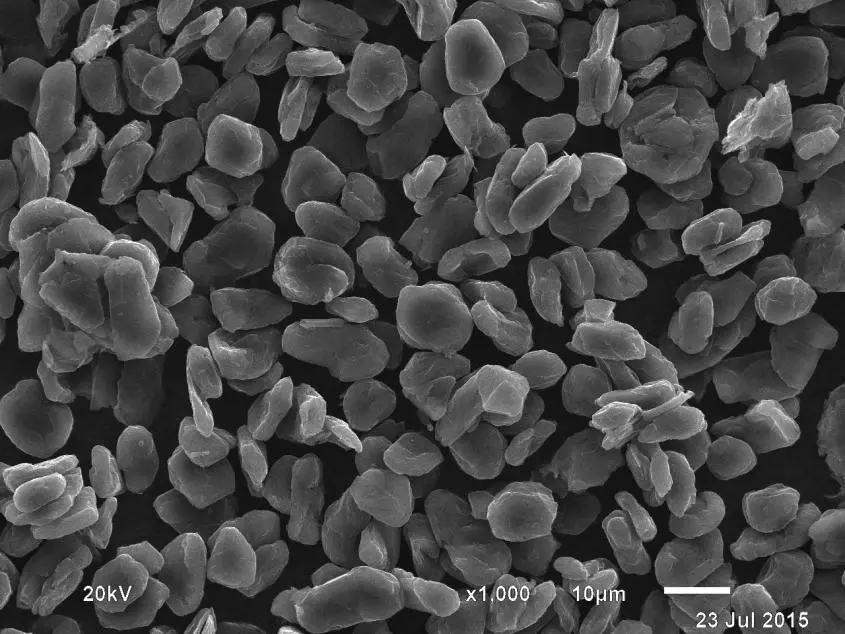
İster doğal ister sentetik olsun, grafit anotların lityum iyon pillerde iyi performans göstermesi için hassas parçacık şekillendirme ve boyutlandırmaya ihtiyaçları vardır. Tipik olarak hedef, şudur: d50 parçacık boyutu 5 ile 20 μm arasındadır. Dar parçacık boyutu dağılımına (PSD) sahip. Jet öğütme, sadece boyutu küçültmekle kalmayıp aynı zamanda yardımcı olduğu için bu amaç için idealdir. küreselleşme—pul pul dökülen grafiti pürüzsüz, küresel parçacıklara dönüştürmek.
Bu küresel şekil, elektrot paketleme yoğunluğunu artırarak daha iyi bir destek sağlar. SEI (katı elektrolit ara fazı) oluşumu ve şarj döngüleri sırasında hacim genişlemesini kontrol etmeye yardımcı olur. Bu faktörler iyileştirme için çok önemlidir. hızlı şarj özelliği ve genel anot stabilitesi.
Jet frezeleme ile birleştirilmiş hava sınıflandırıcı entegrasyonu Bu yöntem, parçacık boyutu dağılımı (PSD) ve parçacık şekli üzerinde hassas kontrol sağlayarak verimi en üst düzeye çıkarır ve nihai üründe homojenliği garanti eder. Günümüzün zorlu pil uygulamaları için optimize edilmiş, yüksek saflıkta, ultra ince grafit tozları güvenilir bir şekilde üretilir ve anot performansını ve çevrim ömrünü artırır.
Grafit mikronizasyonuna özel gelişmiş çözümler için, Epic Powder'ın entegre sınıflandırma sistemlerine sahip, tutarlı kalite ve verimlilik için tasarlanmış özel akışkan yataklı jet değirmenlerini inceleyebilirsiniz. Pil malzemesi mikronizasyon ihtiyaçlarına uygun ultra ince toz işleme yaklaşımları hakkında daha fazla bilgi edinin.
Jet Frezeleme En İyi Seçenek Olduğunda
- İhtiyacınız var ultra ince tozlar dar bir parçacık boyutu dağılımıyla (d50 1–20 μm).
- Sürdürmek yüksek saflıkta pil malzemeleri Minimum metal kirliliği ve oksijen kontrolü (<10 ppm) kritik öneme sahiptir.
- Tutarlı parçacık şekli ve boyutu optimum elektrokimyasal performans için.
- Üretim gerektirir iyi verimle ölçeklenebilirlik ve daha düşük bakım maliyeti.
- En aza indirmek istiyorsunuz. kirlenme riskleri öğütme malzemelerinden veya mekanik parçalardan.
Jet öğütme, özellikle saflık ve kontrollü parçacık boyutu dağılımının kapasiteyi, çevrim ömrünü ve güvenliği etkilediği hassas katot ve anot tozları için pil malzemesi mikronizasyonunda gerçekten öne çıkmaktadır. Sürecinizi optimize etme konusunda daha derinlemesine bilgi edinmek için, Epic Powder'ın pil üretimine özel çözümlerini inceleyebilirsiniz.
Örneğin, onların akışkan yataklı jet değirmenleri İnert gaz sistemlerini hassas sınıflandırma ile birleştirerek, ultra ince, yüksek saflıkta tozları tutarlı bir şekilde elde edin.
Eğer hedefiniz, katı parçacık boyutu dağılımı (PSD) ve saflık gereksinimlerine sahip en üst düzey Li-ion elektrot malzemeleri ise, jet öğütme, geleneksel mekanik öğütücüler ve sınıflandırıcılarla karşılaştırıldığında üstün bir çözüm olarak öne çıkmaktadır.
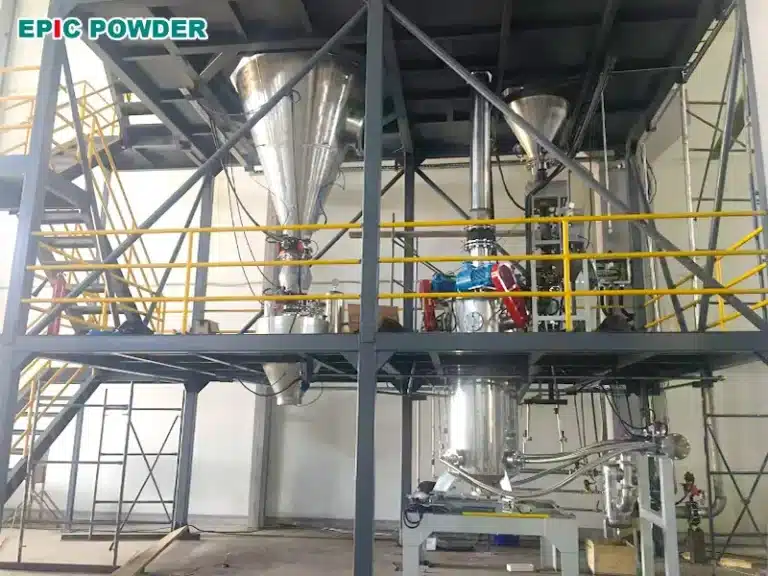
Pil Uygulamaları için Epik Toz Jet Değirmeni Çözümleri
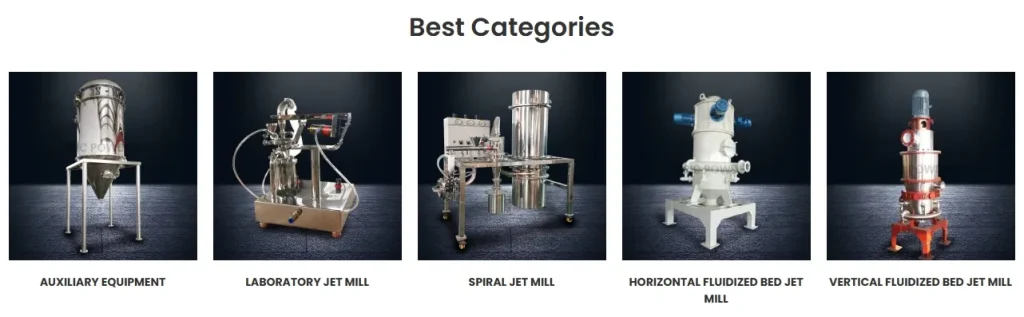
Epic Powder, LFP, NCM ve grafit gibi pil malzemeleri için özel olarak tasarlanmış gelişmiş akışkan yataklı jet değirmenleri sunmaktadır. Bu jet değirmenleri, hassas parçacık boyutu kontrolü sağlar ve lityum iyon elektrot malzemelerinin optimizasyonu için kritik öneme sahip dar bir parçacık boyutu dağılımı (PSD) garanti eder.
Başlıca özellikler şunlardır:
- İnert gaz jetli frezeleme sistemleri Oksidasyonu en aza indirmek ve LFP ve yüksek nikel içerikli NCM gibi hassas malzemeler için gerekli olan ultra yüksek saflığı korumak.
- Entegre hava sınıflandırıcı seçenekleri Parçacık morfolojisinin hassas ayarlanması ve tutarlı toz kalitesinin elde edilmesi için.
- Yüksek verim kapasitesi Hem pilot ölçekli hem de tam ölçekli üretim hatları için uygundur.
- PLC otomasyonu Proses istikrarı ve değişen malzeme gereksinimlerini karşılamak için kolay parametre ayarlamaları sağlar.
Epic Powder'ın çözümleri, minimum kirlenme ile ultra ince tozlar üreterek pil performansını iyileştirme konusunda gerçek dünyada başarı göstermiştir. Özelleştirilebilir sistemleri, enerji verimli çalışmayı korurken farklı üretim ölçeklerine uyum sağlar.
Son teknoloji ürünü jet değirmeni sınıflandırıcılarına dair detaylı bilgi için aşağıdaki bağlantıyı inceleyebilirsiniz. Xian Araştırma Enstitüsü'nün entegre jet değirmeni sınıflandırıcı sistemi laboratuvarı, Bu sayede hassas sınıflandırmanın jet frezeleme teknolojilerini nasıl tamamladığını gösteriyorlar.
İster LFP parçacık boyutunu küçültmeye, ister NCM katot öğütme işlemini mükemmelleştirmeye veya grafit küreleştirmeye odaklanmış olun, Epic Powder'ın akışkan yataklı jet değirmenleri, üstün pil tozu üretimi için güvenilir ve ölçeklenebilir bir yol sunar.
Jet Frezeleme Yöntemiyle Pil Malzemeleri Üretiminde En İyi Uygulamalar ve Dikkat Edilmesi Gerekenler
LFP, NCM ve grafit gibi pil malzemeleri için jet frezeleme makineleriyle çalışırken, optimizasyon işlem parametreleri Tutarlı kalite için çok önemlidir. Başlıca faktörler şunlardır:
- Besleme hızı: Aşırı yüklenmeyi önlemek ve homojen öğütme sağlamak için sürekli ve kontrollü besleme yapın.
- Basınç: İstenilen parçacık boyutuna ulaşmak için (genellikle d50 1–20 μm arasında) besleme ve öğütme basıncını ayarlayın.
- Sınıflandırıcı hızı: Parçacık boyutu dağılımını (PSD) hassas bir şekilde kontrol etmek için ince ayar yapılır; bu, yüksek performanslı lityum iyon elektrot malzemeleri için gerekli olan dar bir PSD'yi mümkün kılar.
Güvenlik ve çevresel kaygılar göz ardı edilmemelidir:
- Sağlam bir yapı kullanın. patlama koruma sistemleri Çünkü kullanılan tozlar ince ve potansiyel olarak yanıcıdır.
- Uygulamak azot geri dönüşümü ve inert gaz jetli frezeleme düzenekleri Oksijen maruziyetini en aza indirmek (<10 ppm), kirlenmeyi azaltmak ve nem kontrolünü sağlamak.
Kalite kontrolü için kapsamlı analiz hayati önem taşır:
- Düzenli olarak gerçekleştirin PSD analizi Lazer kırınımı kullanarak parçacık boyutunun homojenliğini doğrulamak.
- Faydalanmak SEM görüntüleme Parçacık morfolojisini incelemek ve yüzey kusurlarını veya kirliliğini tespit etmek.
- Tozların doğruluğunu şu yollarla teyit edin: pil testi Elektrokimyasal performans iyileştirmelerini değerlendirmek için.
Bu en iyi uygulamaları takip etmek, yüksek saflıkta pil tozlarının korunmasına yardımcı olur, ultra ince toz işlemenin spesifikasyonlara uygun olmasını sağlar ve güvenliği ve ürün tutarlılığını en üst düzeye çıkarırken üretim ölçeğinin artırılmasını destekler. Hava sınıflandırıcı entegrasyonu ve inert atmosferlerle gelişmiş öğütme için Epic Powder, bu parametreleri etkili bir şekilde optimize etmek üzere özel çözümler sunar.
Pil malzemesi mikronizasyonu için Epic Powder'ın akışkan yataklı sistemleriyle hassas sınıflandırma ve kontrollü parçacık boyutu hakkında daha fazla bilgi edinin.
Destansı Toz
Epic Powder, maden endüstrisi, kimya endüstrisi, gıda endüstrisi, ilaç endüstrisi vb. için ince toz işleme teknolojisinde uzmanlaşmıştır. Ekibimiz, çeşitli toz işleme alanında 20 yılı aşkın deneyime sahiptir ve Çin'deki en büyük ultra ince barit tozu üretim hattı olan Jet Değirmen Hattını tasarlayıp kurmuştur.
Toz işleme projelerinde, özellikle toz öğütme, toz sınıflandırma, toz dağıtma, toz yüzey işleme ve atık geri dönüşümü konularında son derece profesyonel bir tedarikçiyiz. Danışmanlık, test, proje tasarımı, makineler, devreye alma ve eğitim hizmetleri sunuyoruz.

“Okuduğunuz için teşekkürler. Umarım makalem yardımcı olmuştur. Lütfen aşağıya yorum bırakın. Ayrıca EPIC Powder çevrimiçi müşteri temsilcisiyle de iletişime geçebilirsiniz. Zelda Daha fazla bilgi için lütfen iletişime geçin.”
— Jason Wang, Kıdemli Mühendis