Ararken Öğütülmüş Kalsiyum Karbonat (GCC) öğütme ekipmanı, Kullanıcılar öncelikle üretim verimliliği, kalite ve işletme maliyeti arasında denge kuran çözümler ararlar. Plastik, kağıt, kaplama veya kauçuk üretiminde olmanız fark etmeksizin, seçiminiz belirli üretim hedeflerine ve malzeme özelliklerine bağlıdır.
GCC Ekipmanlarının Performans Metrikleri
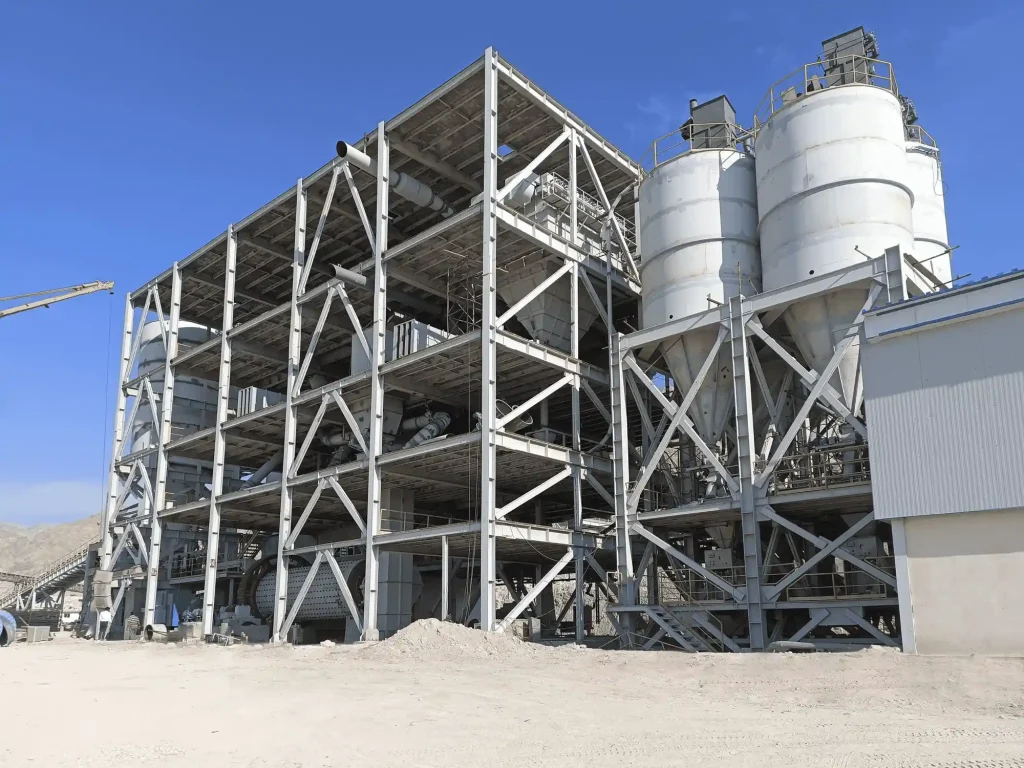
Öğütülmüş Kalsiyum Karbonat (GCC) öğütme ekipmanlarını değerlendirirken, doğru seçimi yapmak için birkaç performans ölçütü kritik öneme sahiptir. Bunlar şunlardır: incelik, üretim kapasitesi, enerji tüketimi, parçacık boyutu dağılımı, bakım gereksinimleri, Ve işletme maliyeti.
- İncelikBu, GCC tozunun ne kadar ince olduğunu tanımlar ve genellikle mikron veya elek boyutu cinsinden ölçülür. Farklı endüstriler farklı incelik seviyeleri gerektirir, bu nedenle öğütme ekipmanının aşırı öğütme yapmadan hedeflenen inceliği sürekli olarak karşılaması gerekir.
- KapasiteÜretim kapasitesi ekipman türlerine göre büyük farklılıklar göstermektedir. Silindirli değirmenler ve dikey silindirli değirmenler gibi yüksek kapasiteli değirmenler büyük endüstriyel hacimleri işlerken, jet değirmenleri daha düşük verimle ultra ince çıktılara odaklanmaktadır.
- Enerji TüketimiÖğütme işlemi enerji yoğun bir işlemdir, bu nedenle ekipman verimliliği önemlidir. Dikey silindirli değirmenler ve halka silindirli değirmenler, geleneksel bilyalı değirmenlere kıyasla genellikle daha iyi enerji tasarrufu sağlar. Ton başına kWh tüketimini izlemek, maliyetleri ve sürdürülebilirliği optimize etmeye yardımcı olur.
- Parçacık Boyutu Dağılımı (PSD)Tekdüze parçacık boyutu dağılımı, tutarlı ürün kalitesi sağlar. Bilyalı değirmen hatlarına entegre edilmiş sınıflandırıcılar gibi bazı ekipmanlar, parçacık şekli ve boyut dağılımının hassas kontrolüne olanak tanır; bu da plastik, kaplama ve kağıt sektörlerinde GCC tozunun performansını etkiler.
- BakımArıza süreleri ve onarım maliyetleri genel maliyeti etkiler. Daha basit mekanik tasarımlar veya aşınmaya dayanıklı parçalara sahip sistemler, bakım sıklığını azaltır. Jet değirmenleri daha özel bakım gerektirebilir.
- Maliyetİlk yatırımın ötesinde, toplam sahip olma maliyeti enerji, aşınma parçaları, işçilik ve yedek parçaları içerir. Daha yüksek başlangıç maliyetine sahip ancak daha düşük devam eden giderleri olan ekipmanlar daha iyi yatırım getirisi sağlayabilir.
Bu ölçütlerin dengelenmesi, GCC üretim hedeflerinize ve pazar taleplerine bağlıdır. Ayrıntılı örnek yapılandırmalar ve teknoloji avantajları için, aşağıdaki gibi gelişmiş çözümleri inceleyebilirsiniz. gelişmiş kalsiyum karbonat işleme hatları Bu, performans ve maliyet verimliliğine odaklanarak Körfez İşbirliği Konseyi (GCC) çıktısının optimize edilmesi konusunda faydalı bilgiler sunabilir.
Körfez İşbirliği Konseyi (GCC) Öğütme Ekipmanı Türlerine Genel Bakış
GCC üretimi söz konusu olduğunda, incelik ve kapasite hedeflerine ulaşmak için doğru öğütme ekipmanını seçmek çok önemlidir. İşte sektörde yaygın olarak kullanılan başlıca kalsiyum karbonat öğütme ekipmanı türlerine hızlı bir bakış:
Bilyalı Değirmen
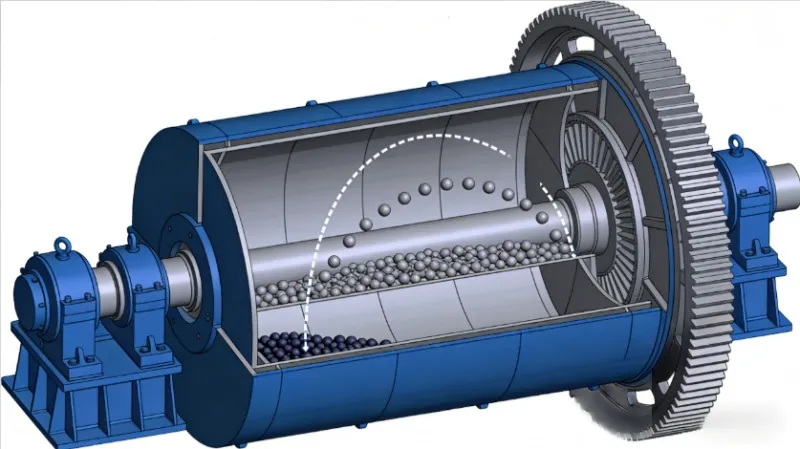
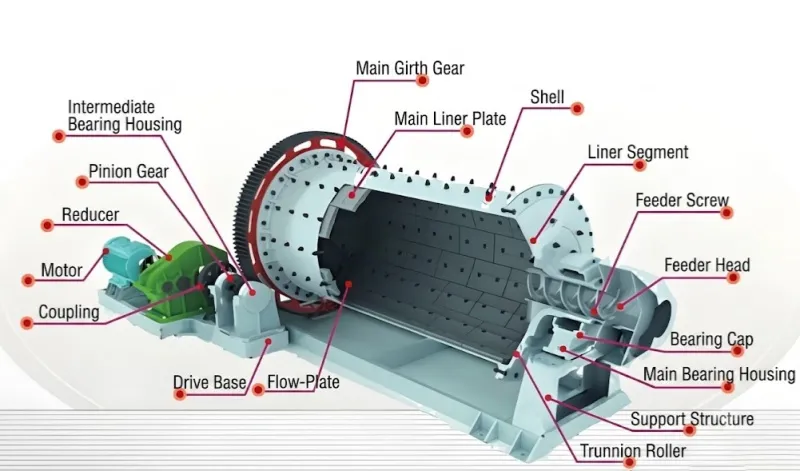
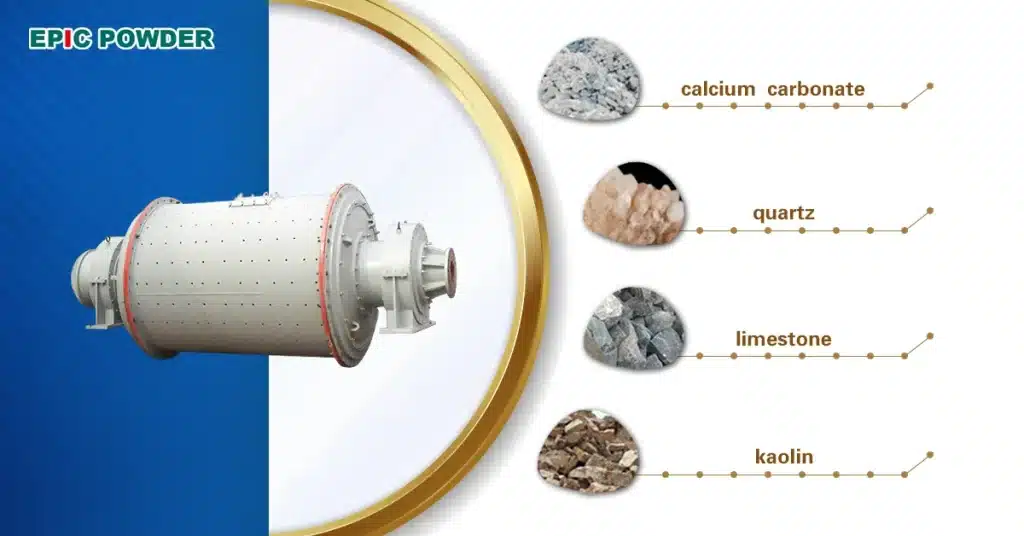
Körfez İşbirliği Konseyi (GCC) ülkelerinde öğütme için klasik bir tercih olan bilyalı değirmenler, güvenilir performansları ve nispeten basit çalışma şekilleriyle bilinir. Çeşitli sertlik seviyelerini işleyebilir ve orta ila ince partikül boyutları elde edebilirler. Etkili olmalarına rağmen, bilyalı değirmenler yeni seçeneklere kıyasla daha fazla enerji tüketme eğilimindedir.
Silindirli Değirmen
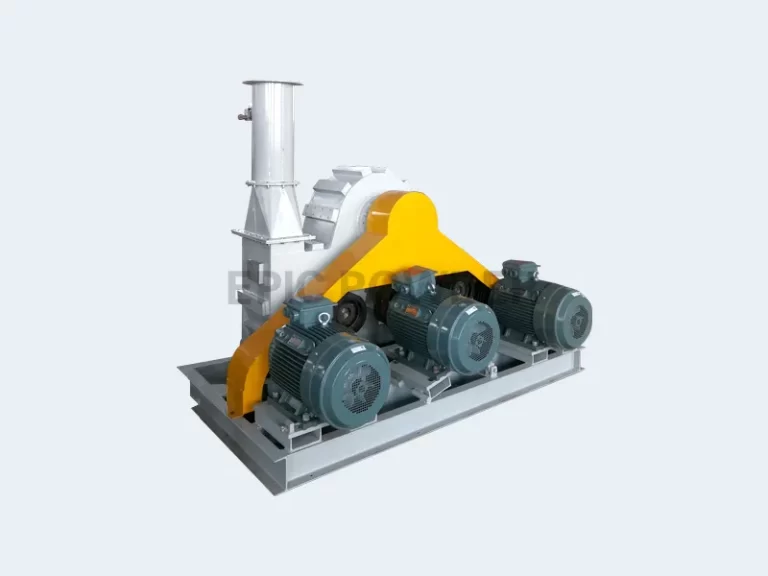
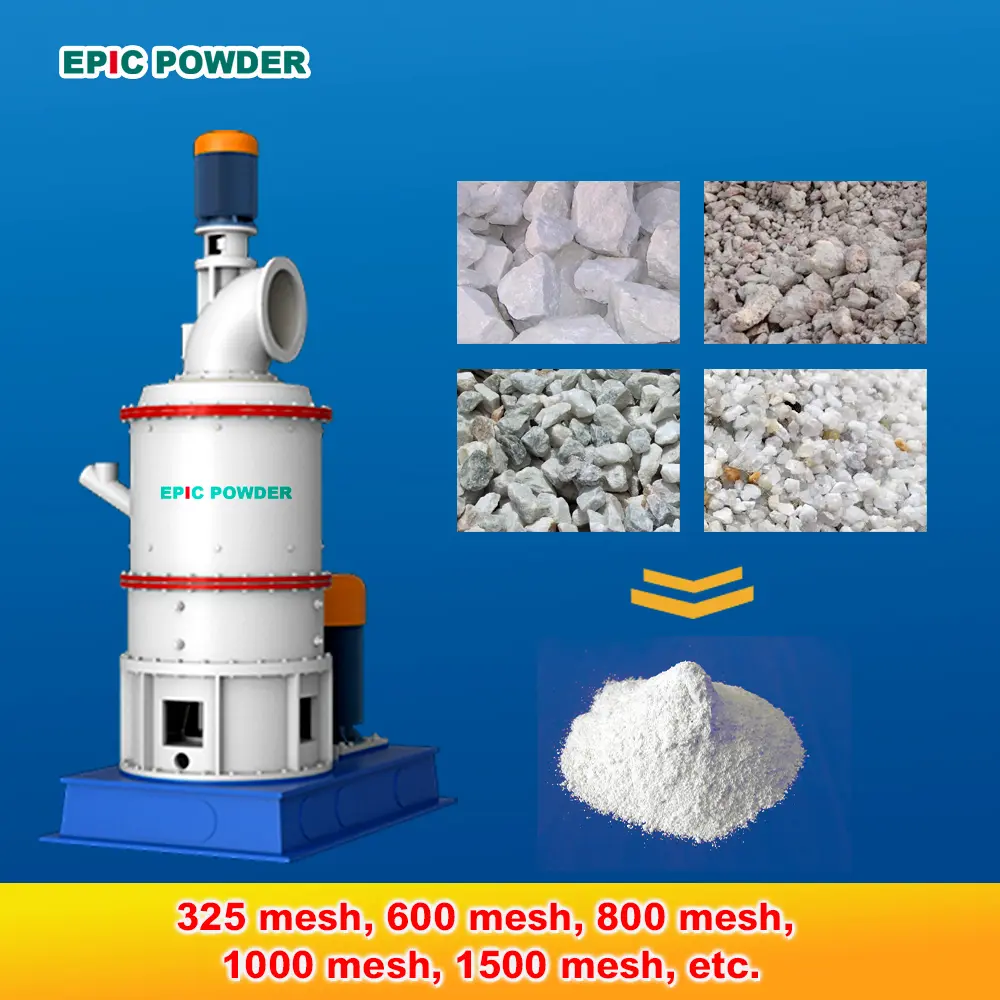
Silindirli değirmenler, GCC'yi öğütmek için sıkıştırma ve kesme kuvveti kullanır ve genellikle bilyalı değirmenlere göre daha iyi enerji verimliliği sunar. Parçacık boyutu dağılımı üzerinde iyi kontrol sağlarlar ve büyük ölçekli üretim için uygundurlar. Silindirli değirmenler, hassas incelik elde etmek için genellikle sınıflandırıcılarla birlikte kullanılır.
Jet Değirmeni
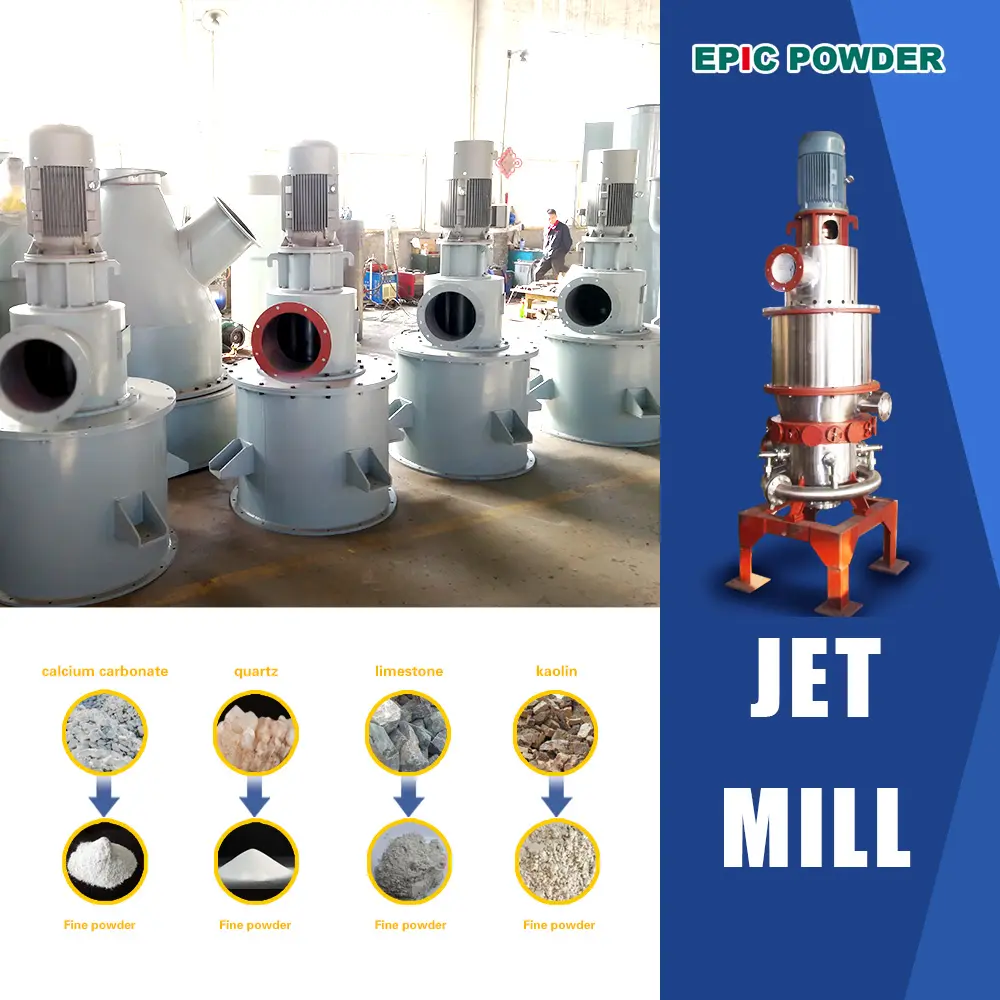
Jet değirmenleri, GCC'yi ultra ince tozlara öğütmek için yüksek hızlı hava akımları kullanır. Hedef çok ince parçacık boyutları ve dar parçacık boyutu dağılımı olduğunda idealdirler. Enerji yoğun olmalarına rağmen, jet değirmenleri özel uygulamalarda tercih edilen keskin, homojen parçacık şekilleri üretir.
Halkalı Silindirli Değirmen
Halkalı silindirli değirmenler, GCC'nin verimli ve yüksek yoğunluklu öğütülmesi için tasarlanmıştır. Tutarlı parçacık boyutu kontrolü ve yüksek verim sağlarlar. Bu değirmen tipi, sıkı parçacık morfolojisi gerektiren uygulamalarda tercih edilir ve özel avantajları hakkında daha fazla bilgi, aşağıdaki gibi ayrıntılı genel bakışlarda bulunabilir. Pirolitik malzemelerde halkalı silindirli değirmenin uygulaması.
Her öğütme türü, farklı üretim senaryolarında öne çıkar; kapasite, incelik hedefi, enerji tüketimi ve son kullanım, en iyi GCC ekipmanını seçmede büyük rol oynar. Bu seçenekleri anlamak, hattı optimum performans ve maliyet verimliliği için uyarlamaya yardımcı olur. Üretim hattınızı özelleştirme hakkında daha fazla bilgi için, özellikle GCC uygulamaları için tasarlanmış yüksek verimli ultra ince toz ekipmanlarına göz atın.
Ekipman Seçimini Etkileyen Başlıca Faktörler
Doğru Körfez İşbirliği Konseyi (GCC) üretim ekipmanını seçmek, performansı ve maliyet verimliliğini doğrudan etkileyen çeşitli önemli faktörlere bağlıdır:
- Malzeme Kalitesi: Kalsiyum karbonat hammaddesinin sertliği, nemi ve kimyasal özellikleri, hangi öğütme ekipmanının en uygun olduğunu etkiler. Daha yumuşak malzemeler bilyalı değirmenlerle iyi sonuç verebilirken, daha sert türler tutarlı incelik için genellikle silindirli veya dikey silindirli değirmenlere ihtiyaç duyar.
- Üretim kapasitesi: Hedef üretim hacminiz, ekipman boyutunu ve türünü belirler. Büyük ölçekli endüstriyel hatlar, dikey silindirli veya halka silindirli değirmenler gibi yüksek kapasiteli değirmenler gerektirirken, daha küçük partiler için jet değirmenleri veya ıslak karıştırmalı değirmenler daha uygun olabilir.
- İncelik Hedefleri: Kullanım amacına bağlı olarak — kaba, ince veya ultra ince GCC tozları olsun — ekipmanın hassas parçacık boyutu dağılımı sağlaması gerekir. Jet değirmenleri ultra ince öğütmede üstün performans gösterirken, bilyalı değirmenler ve silindirli değirmenler daha geniş boyut aralıklarını işleyebilir.
- Bakım Gereksinimleri: Bazı öğütme sistemleri daha sık bakım veya özel parçalar gerektirir. Örneğin, silindirli değirmenlerin bakım ihtiyaçları genellikle ıslak karıştırmalı değirmenlere göre daha düşüktür, ancak arıza sürelerinin etkilerini dikkatlice inceleyin.
- Yatırım ve İşletme Maliyetleri: İlk ekipman maliyetlerini, devam eden enerji tüketimi ve bakım giderleriyle dengelemek çok önemlidir. Dikey silindirli değirmenler gibi yüksek verimli ekipmanların ilk yatırım maliyetleri daha yüksek olabilir, ancak enerji tüketimleri daha düşük olduğundan zaman içinde yatırım getirisini artırırlar.
Bu faktörleri birlikte değerlendirmek, enerji tasarrufu, çıktı kalitesi veya bütçe kısıtlamaları gibi üretim hedeflerinize uygun en uygun öğütme ekipmanını belirlemenize yardımcı olur. Öğütme makinelerinizin sorunsuz çalışmasını sağlamak için bakım stratejileri hakkında detaylı ipuçları için kılavuzumuza göz atın. Jet değirmenlerinde arıza sürelerini nasıl azaltabiliriz?.
GCC Üretimi için Uygulamaya Özgü Öneriler
Farklı endüstriler, parçacık boyutu ve performans ihtiyaçlarına bağlı olarak belirli kalitede öğütülmüş kalsiyum karbonat (GCC) talep eder. Bu gereksinimleri etkili bir şekilde karşılamak için doğru inceliği (iri, ince veya ultra ince) seçmek çok önemlidir. İşte GCC kalitelerinin temel endüstriyel kullanımlarla nasıl eşleştiğine dair kısa bir bakış:
- Kaba GCC: Genellikle şu alanlarda kullanılır: lastik Ve plastik endüstrileri Maliyet etkin bir genişletici olarak. Kaba parçacıklar, hacim ve darbe direncini artırır ancak daha az işlem gerektirir, bu da öğütme ekipmanında enerji tüketimini ve bakım maliyetlerini azaltır.
- Güzel GCC: Popüler olduğu yerler kağıt Ve kaplamalar Yüzey pürüzsüzlüğü ve parlaklığının öncelikli olduğu yerlerde, ince GCC opaklığı ve baskı kalitesini artırır. Burada, kararlı parçacık boyutu dağılımı ve verimlilik için genellikle dikey silindirli değirmenler veya bilyalı değirmen-sınıflandırıcı sistemler gibi ekipmanlar tercih edilir.
- Ultra ince GCC: Özel uygulamalar gibi yüksek performanslı uygulamalarda gereklidir. plastikler, premium kaplamalar, ve gelişmiş kauçuk bileşikleri. Ultra ince parçacıklar, dolgu maddesinin dağılımını ve yüzey modifikasyonlarını iyileştirerek parlaklık ve mekanik dayanıklılık gibi fonksiyonel özellikleri artırmaya yardımcı olur. Jet değirmenleri ve ıslak karıştırmalı değirmenler, hassas parçacık şekli kontrolü ile bu süper ince kalitelerin üretiminde üstün performans gösterir.
GCC tozunun morfolojisinin uygulama alanıyla eşleştirilmesi, hem ürün kalitesini hem de ekipman verimliliğini optimize etmeye yardımcı olur. Örneğin, ultra ince GCC'ye odaklanan plastik üreticileri, genellikle sınıflandırıcı teknolojisini bilyalı değirmenler veya silindirli değirmenlerle birleştiren, dar parçacık boyutu dağılımı ve minimum topaklanma sunan öğütme hatlarına ihtiyaç duyarlar.
Körfez İşbirliği Konseyi (GCC) ülkeleri dışındaki fonksiyonel dolgu maddeleri ve bunların endüstriyel rolleri hakkında detaylı bilgi edinmek için, aşağıdaki konulardaki görüşlerimizi inceleyebilirsiniz. Kaolinden silikaya kadar fonksiyonel dolgu maddeleri, Benzer işleme ve uygulama prensiplerini paylaşan.
Vaka Çalışmaları
Gerçek dünyadaki Körfez İşbirliği Konseyi (GCC) üretiminde başarı, çoğu zaman doğru ekipman kurulumunu ve iş akışını seçmeye bağlıdır. Örneğin, tipik bir üretim hattı şunları birleştirebilir: bilyalı değirmen-sınıflandırıcı sistemi kaba öğütmeden ince öğütmeye kadar, ardından bir silindirli değirmen Yüksek kapasiteli işleme için. Bu yapılandırma, büyük ölçekli operasyonlarda önemli faktörler olan enerji kullanımını kontrol ederken incelik ve verimlilik arasında denge kurar.
Başarılı bir örnekte, dar parçacık boyutu dağılımına sahip ultra ince toz üretmeyi hedefleyen bir Körfez İşbirliği Konseyi (GCC) üreticisi yer aldı. Bu üretici, bir jet değirmeni İstenilen ultra ince morfolojiyi verimli bir şekilde elde etmek için ilk öğütme işleminden sonra, bu düzenek özellikle yüzey düzgünlüğü ve dağılımının kritik olduğu kaplama ve plastik uygulamalarında ürün kalitesini önemli ölçüde iyileştirmiştir.
Bir diğer örnek ise bir şirketin kullandığı yöntemi vurgulamaktadır. dikey silindirli değirmenler Kuru öğütme için, üretimden ödün vermeden enerji tüketimini optimize eder. Dikey silindirli değirmenlerin esnekliği, incelikte hızlı ayarlamalara olanak tanıyarak kağıt dolgu maddelerinden kauçuk katkı maddelerine kadar çeşitli endüstri taleplerini karşılar. Bu uyarlanabilirlik, arıza sürelerini ve bakım maliyetlerini azaltarak yatırım getirisini artırır.
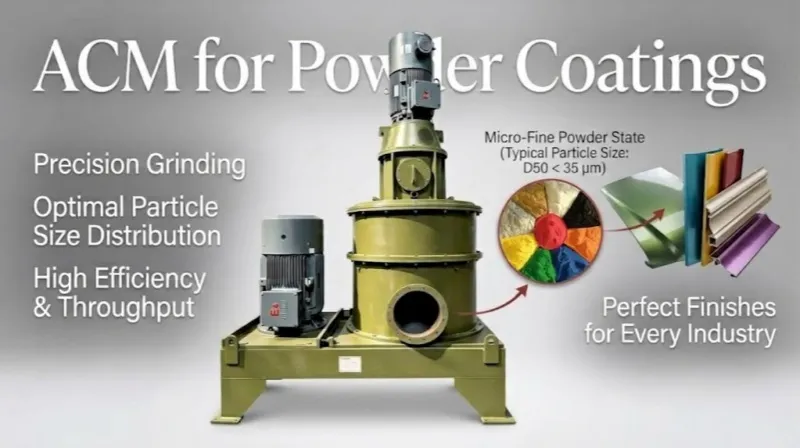
Körfez İşbirliği Konseyi (GCC) üretiminde ekipman hatlarının ve yüzey işlemlerinin optimizasyonuna ilişkin ayrıntılı bilgiler için Epic Powder'ın kaynaklarına göz atın. verimli taşlama makineleri Ve toz boya yüzey modifikasyonu.
Ekipman Performans Analizi
Körfez İşbirliği Konseyi (GCC) üretim ekipmanlarını yan yana karşılaştırdığımızda, birkaç önemli faktör öne çıkıyor: enerji verimliliği, üretim ölçeklenebilirliği, parçacık şekli, maliyet ve yatırım getirisi (ROI). Bu farklılıkları anlamak, ihtiyaçlarınıza en uygun olanı seçmenize yardımcı olur.
Enerji Verimliliği Sıralamaları:
Enerji verimliliği yüksek mineral öğütme sistemlerinde, ton başına daha düşük güç tüketimi nedeniyle genellikle silindirli değirmenler ve dikey silindirli değirmenler en üst sıralarda yer alır. Bilyalı değirmenler, özellikle ultra ince GCC üretimi için genellikle daha fazla enerji tüketir. Jet değirmenleri ise ultra ince öğütme için etkili olmakla birlikte, silindirli sistemlere kıyasla daha yüksek enerji tüketimine sahiptir.
Çıktı Ölçeklenebilirliği:
Bilyalı değirmenler ve silindirli değirmenler, Körfez İşbirliği Konseyi (GCC) ülkelerindeki büyük ölçekli endüstriyel üretim için uygun, yüksek üretim kapasiteli hatlar sunmaktadır. Dikey silindirli değirmenler ayrıca tutarlı çıktı kalitesiyle ölçeklendirmeyi de iyi bir şekilde yönetmektedir. Jet değirmenleri ve ıslak karıştırmalı değirmenler, ince ve ultra ince parçacık boyutu dağılımı kontrolü için mükemmel olsalar da, genellikle özel, düşük kapasiteli tesislerde daha iyi sonuç vermektedir.
Parçacık Şeklinin Etkileri:
Öğütme yöntemi, GCC tozunun morfolojisini ve kalitesini etkiler. Silindirli değirmenler, kaplamalar ve plastikler için uygun, daha düzgün, köşeli parçacıklar üretme eğilimindedir. Bilyalı değirmenler daha küresel şekillere yol açabilir ve bu da dağılabilirliği farklı şekilde etkiler. Jet öğütme, ultra ince GCC gerektiren üst düzey uygulamalar için ideal olan çok ince ve tutarlı parçacıklar üretir.
Maliyet Karşılaştırması ve Yatırım Getirisi:
Yatırım ve bakım maliyetleri büyük ölçüde değişiklik gösterir. Bilyalı değirmen-sınıflandırma hatları genellikle daha düşük ilk ekipman maliyetine sahip olsa da, enerji ve aşınma nedeniyle daha yüksek işletme giderlerine sahiptir. Silindirli değirmen sistemleri, özellikle dikey tipler, genellikle daha yüksek başlangıç yatırımı gerektirir ancak enerji verimli çalışma ve daha düşük bakım maliyetleriyle uzun vadede tasarruf sağlar. Bütçe ve verimlilik arasındaki dengeyi göz önünde bulundurmak, yatırım getirisini en üst düzeye çıkarmak için çok önemlidir.
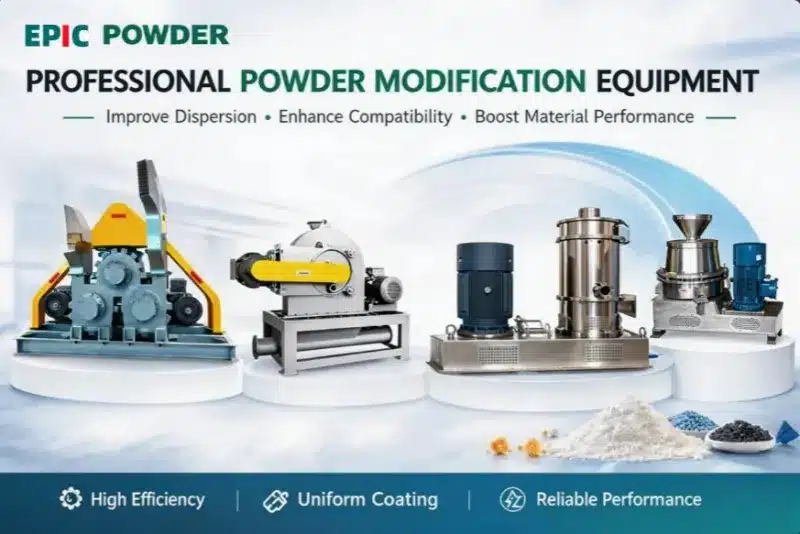
Körfez İşbirliği Konseyi (GCC) ülkelerindeki üretimde ekipman konfigürasyonları ve maliyet etkin stratejiler hakkında daha detaylı bilgi için Epic Powder'ın kapsamlı genel bakışına göz atabilirsiniz. özelleştirilmiş ince toz işleme ekipmanı ve içgörüler üzerine Kalsiyum karbonat değirmenleri için yatırım ve yatırım getirisi.
Bu faktörleri yan yana değerlendirerek, GCC üretim hattınızı enerji tasarrufu, çıktı kalitesi ve maliyet etkinliği açısından optimize edebilirsiniz.
Doğru Körfez İşbirliği Konseyi (GCC) Ekipmanını Nasıl Seçersiniz?
Doğru öğütülmüş kalsiyum karbonat öğütme ekipmanını seçmek, incelik hedeflerinizi üretim kapasitesi, enerji kullanımı ve bütçeyle eşleştirmeye bağlıdır. İşte bu faktörleri etkili bir şekilde dengelemek için kısa bir kılavuz:
| Faktör | Dikkate alınması gereken hususlar | Seçim Üzerindeki Etki |
|---|---|---|
| İncelik Hedefleri | Kaba, ince, ultra ince parçacık boyutu | İstenilen incelik ve parçacık boyutu dağılımını elde etmek için bilyalı değirmen, jet değirmeni veya dikey silindirli değirmen arasından seçim yapın. |
| Üretim kapasitesi | Küçük ölçekli üretim ile büyük ölçekli endüstriyel üretim arasındaki fark | Silindirli değirmenler ve dikey silindirli değirmenler yüksek kapasite için uygundur; bilyalı değirmenler ise daha küçük üretim miktarları için daha iyidir. |
| Enerji Tüketimi | GCC tozunun ton başına enerji maliyeti | Jet değirmenleri ve dikey silindirli değirmenler genellikle daha enerji verimlidir. |
| Bütçe ve Yatırım | Başlangıç maliyeti ile uzun vadeli yatırım getirisi karşılaştırması | Bilyalı değirmenlerin ilk yatırım maliyetleri daha düşüktür, ancak yüksek verimli değirmenler zaman içinde daha iyi yatırım getirisi sunar. |
| Sınıflandırıcı Entegrasyonu | Parçacık şeklini ve boyutunu kontrol etmek için hassas sınıflandırma | Hava sınıflandırıcılı sistemler kaliteyi artırır ve yeniden öğütme miktarını azaltır. |
| Yüzey Modifikasyonu | GCC yüzey işlemine uyumlu ekipman | Entegre sistemler, belirli uygulamalar için GCC tozunun morfolojisini optimize eder. |
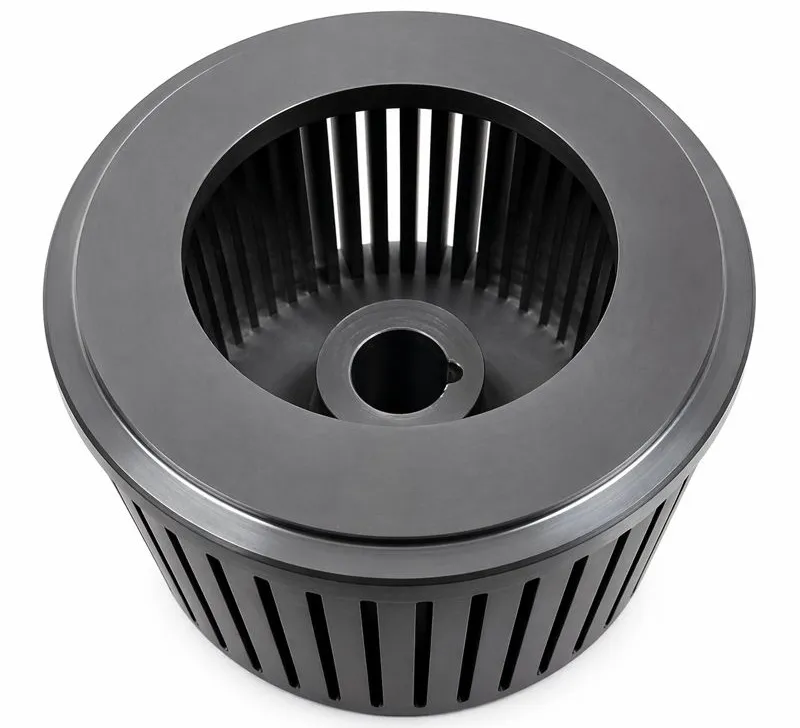
Verimli bir hava sınıflandırma sisteminin entegrasyonu, GCC tozunun inceliğini ve parçacık şeklini kontrol etmek için çok önemlidir ve bu da uygulamalar genelinde performansı etkiler. Prosesiniz yüksek kaliteli ultra ince GCC gerektiriyorsa, öğütücüleri sınıflandırıcılar ve yüzey modifikasyon üniteleriyle birleştirmek şarttır.
Örneğin, Epic Powder, enerji verimliliği ve çıktı kalitesini dengeleyen, özellikle GCC için tasarlanmış optimize edilmiş bilyalı değirmen-sınıflandırma hatları ve silindirli değirmen sistemleri sunmaktadır. Bu sistemler, ham maddelerden nihai toza sorunsuz bir geçişi destekleyerek, hassas GCC özelliklerine ihtiyaç duyan endüstriler için idealdir.
Hakkımızda daha fazla bilgi edinin. hava sınıflandırma değirmeni ekipmanı Gelişmiş Körfez İşbirliği Konseyi (GCC) üretim hatları için. Bu entegrasyon, enerji ve bakım maliyetlerinizi artırmadan incelik hedeflerinize ulaşmanıza yardımcı olur.
İnce öğütme, kapasite, enerji, maliyet ve işleme entegrasyonu gibi unsurları dikkatlice değerlendirerek, üretim hedeflerinize ve pazar taleplerine en uygun GCC öğütme ekipmanını seçebilirsiniz.
Destansı Toz
Destansı Toz Körfez İşbirliği Konseyi'nin (GCC) çeşitli üretim ihtiyaçlarını karşılamak üzere özel olarak tasarlanmış çözümler sunuyoruz. bilyalı değirmen sınıflandırıcı hatları Bu sistemler, tutarlı incelik ve ideal parçacık boyutu dağılımı üretmek üzere optimize edilmiştir ve bu da onları yüksek kaliteli öğütülmüş kalsiyum karbonat gerektiren endüstriler için mükemmel kılar. Bu sistemler, güvenilir öğütmeyi verimli sınıflandırma ile birleştirerek enerji tasarruflu çalışma ve daha düşük bakım maliyetleri sağlar.
Daha yüksek kapasite veya belirli toz morfolojisi hedefleyen müşterilerimiz için, silindirli değirmen sistemleri Düşük enerji tüketimiyle mükemmel performans sunarlar. Bu değirmenler, ince ila ultra ince GCC tozları üretmede üstün performans göstererek, üstün yüzey modifikasyonu ve parçacık şekli gerektiren kaplamalar ve masterbatch'ler gibi uygulamalara fayda sağlar.
Gelişmiş teknolojileri entegre ederek GCC sınıflandırıcı türleri Ve yüzey modifikasyon ekipmanı, Epic Powder, her üretim hattının çıktı, maliyet ve kalite arasında doğru dengeyi sağlamasını garanti eder. İster kaba, ister ince, ister ultra ince GCC'ye ihtiyacınız olsun, özelleştirilmiş öğütme ekipmanımız uygulamanıza uygun tutarlı sonuçlar sunar.
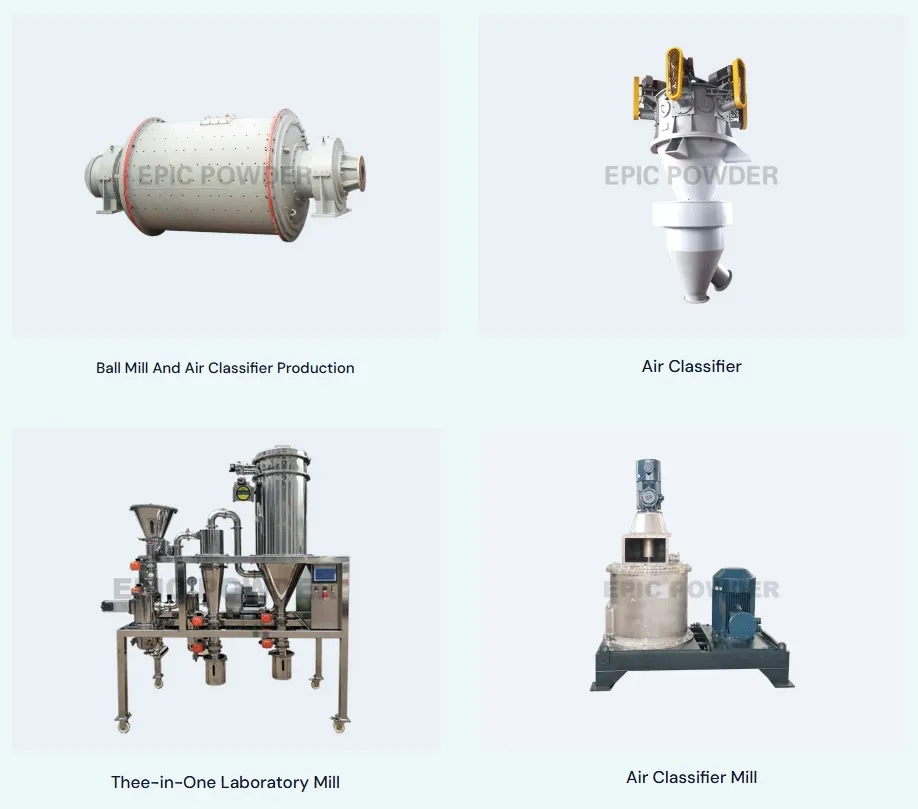
Kanıtlanmış yöntemlerimizi keşfedin. bilyalı değirmen ve hava sınıflandırıcı üretim sistemi Epic Powder teknolojisinin Körfez İşbirliği Konseyi (GCC) üretim hattınızın verimliliğini ve yatırım getirisini nasıl artırabileceğini görmek için.

“Okuduğunuz için teşekkürler. Umarım makalem yardımcı olmuştur. Lütfen aşağıya yorum bırakın. Ayrıca EPIC Powder çevrimiçi müşteri temsilcisiyle de iletişime geçebilirsiniz. Zelda Daha fazla bilgi için lütfen iletişime geçin.”
— Jason Wang, Kıdemli Mühendis