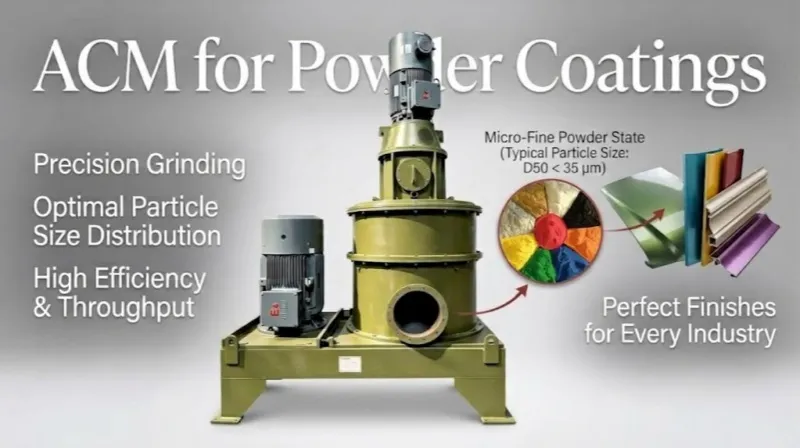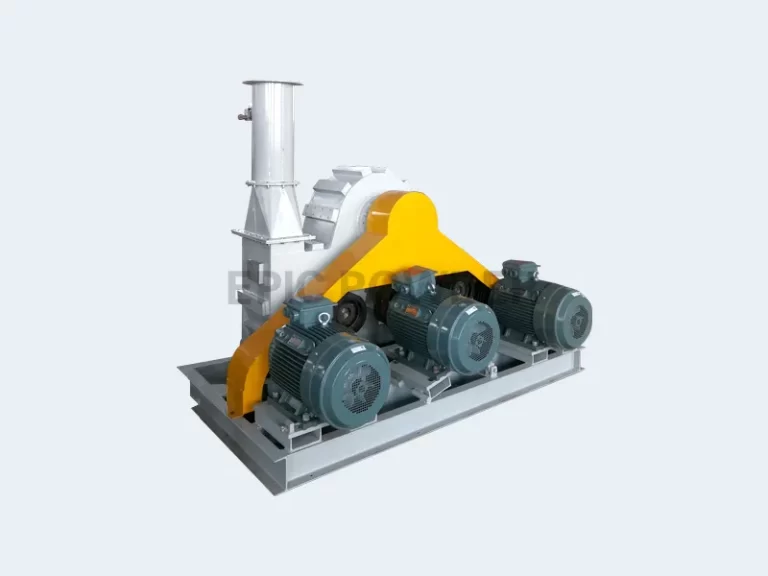
Yüksek performanslı inorganik metalik olmayan fonksiyonel bir malzeme olan silika tozu, bakır kaplı laminatlar, epoksi kalıplama bileşikleri, kaplamalar, boyalar, kauçuk, seramik, kozmetik, ilaç dağıtımı ve kataliz gibi birçok alanda yaygın olarak kullanılmaktadır. Sürekli teknolojik gelişmeler ve alt sektörlerden gelen artan talep ile silika tozu için kalite gereksinimleri sürekli olarak artmaktadır. Sürekli teknolojik gelişmeler ve alt sektörlerden gelen artan talep nedeniyle, silika tozuna yönelik kalite gereksinimleri de sürekli olarak artmaktadır.
Silika Tozu Talep Trendi: Rafine Edilme
Silika tozu, öncelikle doğal veya eritilmiş kuvarsdan, kırma, sınıflandırma, öğütme, manyetik ayırma, flotasyon ve asit liçleme gibi bir dizi hassas işlem yoluyla üretilir. Elektronik, 5G, yarı iletkenler ve fotovoltaik gibi yüksek teknoloji endüstrilerinin hızlı gelişimiyle birlikte, silika tozuna olan talep de artmaya devam etmektedir.
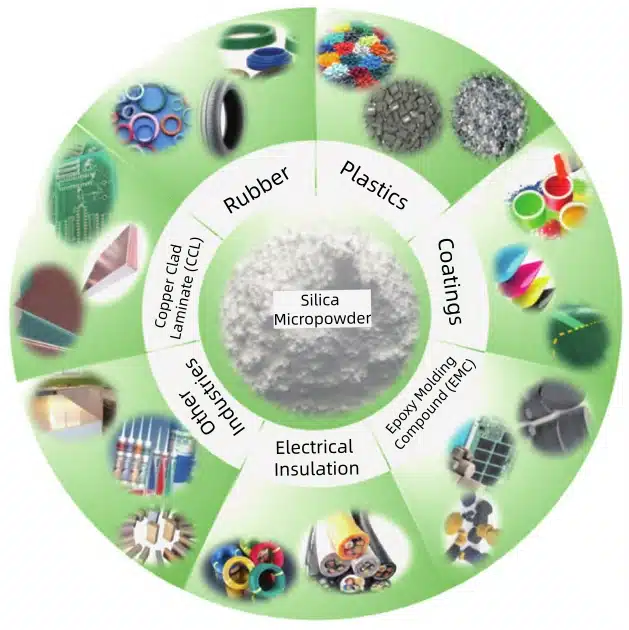
Yüksek saflıkta ultra ince silika tozu, üstün stabilite, takviye ve tiksotropi özellikleri sergiler. Küçük parçacık boyutuna, geniş özgül yüzey alanına, yüksek kimyasal saflığa ve mükemmel dolgu kapasitesine sahiptir. Bu, malzemelerin mekanik özelliklerini önemli ölçüde geliştirir ve bu nedenle ultra ince ve yüksek saflıkta silika tozu, sektörde önemli bir trend haline gelir. Elektronik ürünler giderek daha hafif, kompakt ve minyatür hale geldikçe, bakır kaplı laminatlarda ultra ince silika tozu dolgu maddelerine olan talep de artmaktadır.
Silika Tozu için Ultra İnce Öğütme Teknolojisi ve Ekipmanları
Ultra ince toz hazırlama yöntemleri kimyasal sentez ve fiziksel öğütme olmak üzere ikiye ayrılabilir. Kimyasal yöntemler genellikle düşük verim sağlar ve karmaşık süreçler içerirken, fiziksel öğütme düşük maliyet ve basitlik gibi avantajlar sunarak büyük ölçekli endüstriyel üretim için uygundur.
Öğütme yöntemleri, kuru ve ıslak işlemler olarak further sınıflandırılabilir. Kuru işlem genellikle besleme → öğütme → sınıflandırma → toplama → paketleme aşamalarını içerir. Buna karşılık, ıslak işlem besleme → öğütme → kurutma → topaklanmayı giderme → sınıflandırma → toplama → paketleme aşamalarını içerir. Kuru işlem daha basit ve daha uygun maliyetlidir, bu nedenle çoğu silika tozu üreticisi için tercih edilen yöntemdir. Islak işlem, ek kurutma ve topaklanmayı giderme adımları nedeniyle daha karmaşık ve pahalı olsa da, 5 mikronun altında kesme noktasına sahip ultra ince ürünler veya yüzey işlemi gerektiren ürünler için daha uygundur.
Son yıllarda, ultra ince silika tozu öğütme teknolojilerinde önemli ilerlemeler kaydedilmiştir. Bunlar arasında mekanik öğütme, jet öğütme, ıslak öğütme ve ultrasonik kırma yer almaktadır. Yaygın ultra ince öğütme ekipmanları arasında jet değirmenleri, karıştırmalı değirmenler, titreşimli değirmenler ve gezegen tipi bilyalı değirmenler bulunmaktadır.
Doğru Öğütme Teknolojisini Seçmek: Jet Değirmeni mi, Bilyalı Değirmen mi?
Ultra ince silika tozu işleme ekipmanının optimizasyonu söz konusu olduğunda, doğru öğütme teknolojisini seçmek çok önemlidir. İki ana seçeneği inceleyelim:
Akışkan Yataklı Jet Değirmenleri (Yüksek Saflık ve Yüksek İncelik İçin)
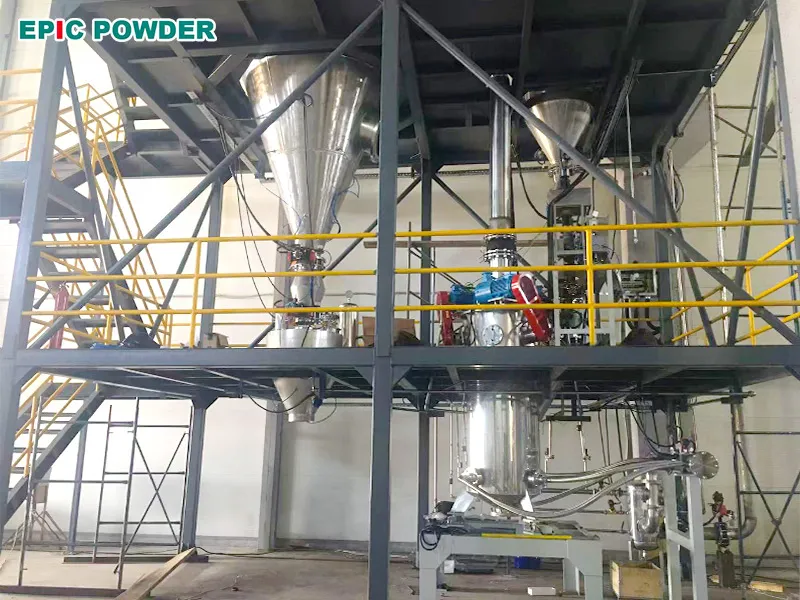
Akışkan yataklı jet değirmenleri, dar parçacık boyutu dağılımına (D50 < 3μm) ve yüksek saflığa sahip en kaliteli silikayı üretmek için tercih edilen yöntemdir. Isı kullanmadan çalıştıkları ve kendi kendine öğütme prensibine dayandıkları için termal hasarı ve kirlenmeyi önlerler.
Optimizasyon İpuçları:
Meme açısını ve basıncını ayarlayın: Bu, daha ince öğütme için parçacık çarpışmasını en üst düzeye çıkarır.
Besleme hızını kontrol edin: Doğru besleme hızını korumak, akışkan yatak yoğunluğunun sabit kalmasını sağlayarak parçacık verimliliğini artırır.
Hava akışını yönetin: Uygun hava akışı, aşırı öğütmeyi önler ve enerji tüketimini azaltır.
Bu kombinasyon, safsızlık eklemeden silika saflığını ve hassas parçacık boyutu dağılımı (PSD) kontrolünü sağlar.
Bilyalı Değirmen + Hava Sınıflandırma Hatları (Büyük Ölçekli Üretim İçin)
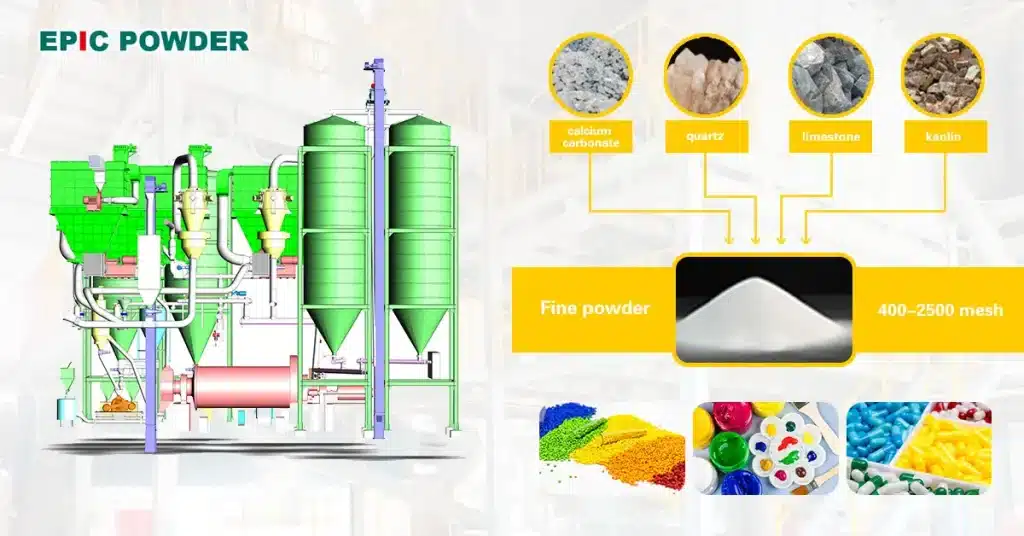
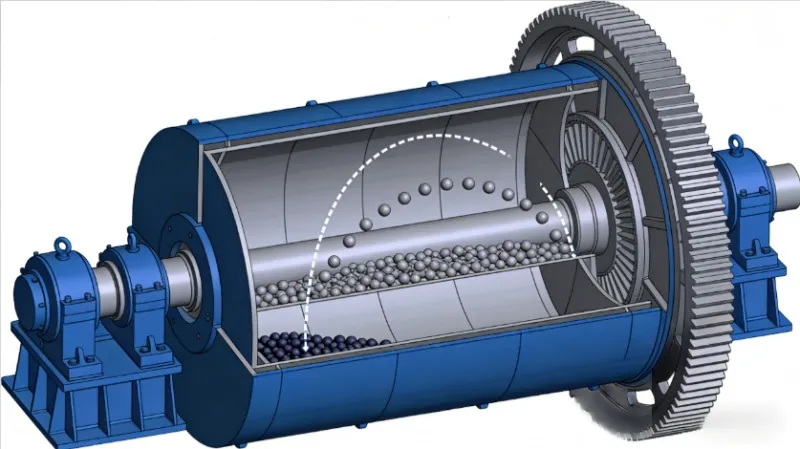
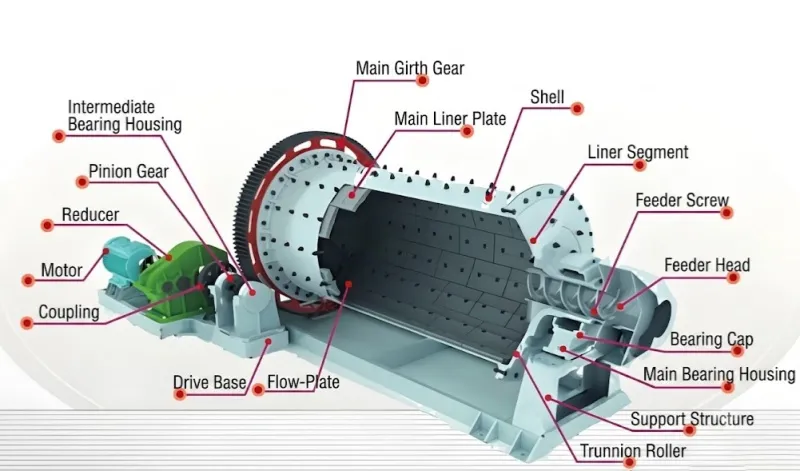
Yüksek hacimli endüstriyel silika üretimi için, hava sınıflandırıcılarla birlikte kullanılan bilyalı değirmenler genellikle daha uygun maliyetlidir. Jet değirmenlerinin inceliğine ulaşamayabilirler, ancak büyük partileri verimli bir şekilde işleyebilirler.
Optimizasyon Odak Noktası:
Medya Seçimi: Silika saflığını bozabilecek demir kontaminasyonunu önlemek için alümina veya zirkonya gibi yüksek yoğunluklu seramik toplar kullanın.
Dolum Oranı: Öğütme verimliliği ve öğütme ortamı aşınma oranı arasında denge kurmak için en uygun öğütme ortamı-toz oranını bulmak çok önemlidir.
Astar Malzemeleri: Öğütme işleminin kirlenmeden gerçekleşmesini ve tozun beyazlığının korunmasını sağlamak için değirmenin içine silika veya seramik kaplamalar yerleştirin.
Bu parametreler ayarlanarak, bilyalı değirmen sistemleri daha düşük işletme maliyetleriyle tutarlı ultra ince silika üretebilir.
Her iki öğütme hattı da, ultra ince silikanın parçacık boyutu ve saflığı için belirlenen katı özelliklere uymak üzere hassas kontrolden önemli ölçüde faydalanmaktadır. İster en üst düzey saflık ister büyük ölçekli üretim olsun, ihtiyaçlarınızı göz önünde bulundurduğunuzda, Epic Powder'ın ekipman konfigürasyonları, ultra ince silika tozu işleme sürecinizin her adımını optimize etmek üzere tasarlanmıştır.
Hassasiyetin Kalbi: Hava Sınıflandırıcısının Optimizasyonu
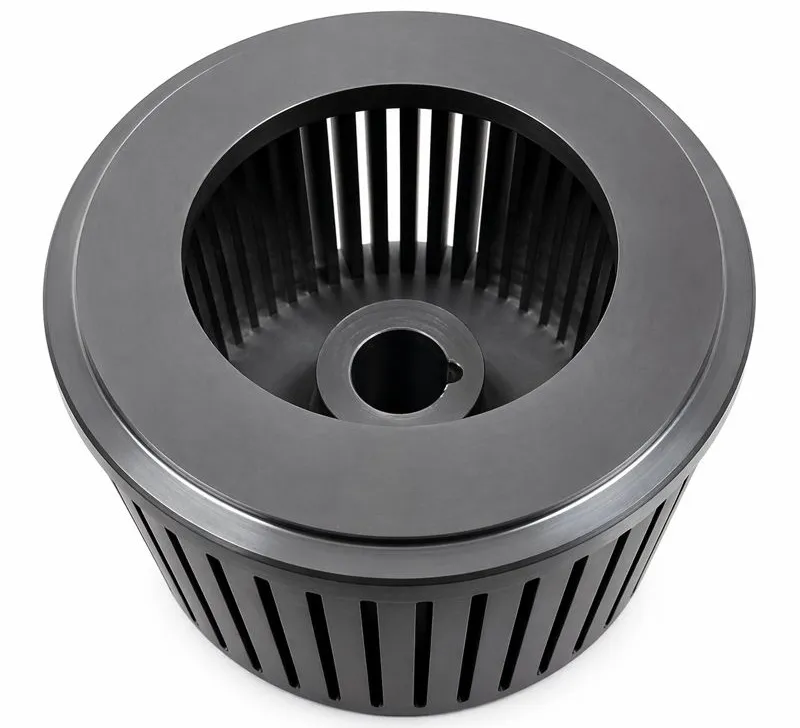
Öğütme işlemi silika parçacıklarını parçalar, ancak nihai kaliteyi gerçekten şekillendiren hava sınıflandırıcıdır. Ultra ince silika tozu işleme sürecinde, hassas kontrol gereklidir. hava sınıflandırıcı tekerlek hızı D97 parçacık boyutu hedeflerinize tam olarak ulaşmanız için bu çok önemlidir. Sınıflandırıcı tekerleği frekansındaki küçük ayarlamalar, teknik özelliklere uymak ile bunları aşmak arasındaki farkı yaratabilir.
Yönetmek ikincil hava akışı İkinci hava girişini ayarlayarak, iri parçacıkları etkili bir şekilde dışarı atabilir ve genel performansı artırabiliriz. sınıflandırma verimliliği. Bu adım, iri parçacıkların ince toz akışına geri kaydığı yaygın "kanca" etkisinden kaçınmaya yardımcı olur ve daha temiz bir kesim ve daha tutarlı silika parçacık boyutu dağılımı (PSD) sağlar.
Sistem istikrarı da büyük rol oynar. İstikrarlı bir sistemin korunması negatif basınç Sınıflandırıcı içindeki bu sistem, toz sızıntısını önler ve üretim boyunca düzgün ve güvenilir bir parçacık boyutu dağılımı (PSD) sağlamaya yardımcı olur. Tüm bu faktörler (tekerlek hızı, ikincil hava akışı ve sistem basıncı) doğru şekilde ayarlandığında, en zorlu uygulamalar için uygun, tutarlı, birinci sınıf ultra ince silika tozu elde edersiniz.
Kuvarsın yüksek sertliği ve dayanıklılığı, geleneksel öğütme yöntemini verimsiz hale getirir. Yüksek enerji tüketimi ve düşük kapasite gibi dezavantajları vardır. Ayrıca, safsızlıkların bulaşması ve ikincil kirlenmeye neden olma riski de mevcuttur. Buna karşılık, Jet frezeleme teknolojisi ideal bir seçimdir. Yüksek hızlı hava akışı kullanarak parçacık çarpışmalarını tetikler. Bu sayede homojen boyutta ve yüksek saflıkta silika tozu elde edilir. Jet öğütme ayrıca tozun dağılabilirliğini ve reaktivitesini de artırır. Özellikle elektronik kapsüllemede yüksek saflıkta silika için uygundur.
Ultra ince öğütme teknolojisindeki sürekli yenilik ve optimizasyonla, silika tozu üretimindeki uygulaması daha da yaygınlaşacaktır. Ultra ince öğütme ve modifikasyon sırasında safsızlıkların oluşmasını veya ikincil kirlenmeye neden olmasını önleyen öğütme ekipmanları ve süreçlerinin araştırılması, yüksek saflıkta ultra ince silika tozu için önemli bir atılım noktası olmaya devam etmektedir.
Ultra İnce Silika Tozu Üretiminin Zorlukları
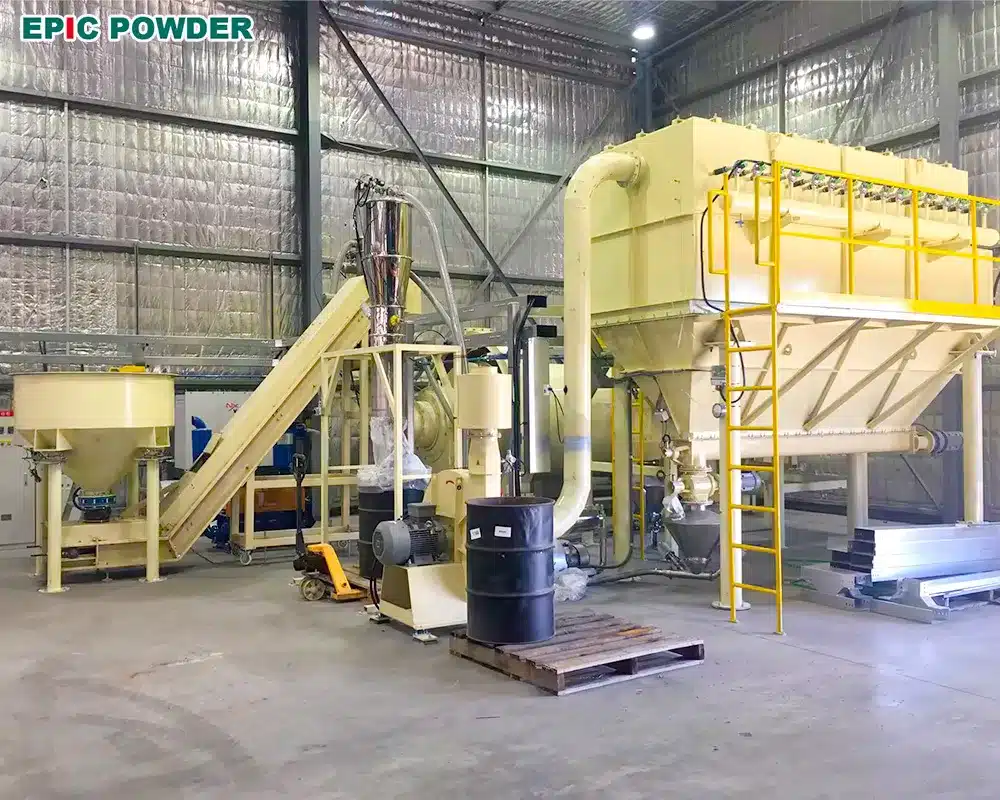
Ultra ince silika tozu üretimi D50 parçacık boyutu 3 μm'nin altında. ve bir dar parçacık boyutu dağılımı (PSD) Özellikle elektronik, kaplamalar ve özel dolgu maddeleri gibi yüksek performanslı uygulamalar için giderek artan bir pazar talebi söz konusudur. Bununla birlikte, bu ultra ince kaliteyi sürekli olarak elde etmek önemli teknik engelleri beraberinde getirmektedir.
Ultra ince silika işleme sürecindeki temel teknik zorluklar
Silikanın 7'ye yakın Mohs sertliği, öğütme ortamı ve ekipmanında hızlandırılmış aşınmaya neden olarak bakım ihtiyaçlarını ve kontaminasyon riskini artırır. Ultra ince silika parçacıkları doğal olarak birbirine yapışır, bu da hem öğütme işlemini hem de sonraki aşamaları karmaşıklaştırır. Endüstriler, demir veya diğer kirleticilerden arındırılmış silika tozları talep eder; bu da öğütme ortamı ve ekipman malzemelerinin seçimini sınırlar.
Tek beden herkese uygun ekipman neden yetersiz kalıyor?
At Destansı Toz, En iyi ultra ince silika tozu üretimini sağlamanın sadece en iyi makineleri kullanmakla ilgili olmadığını anlıyoruz. Bu, hammaddenize, hedef PSD'nize ve saflık taleplerinize göre uyarlanmış ekipman konfigürasyonlarını özelleştirmekle ilgilidir. Hazır çözümler genellikle aşınma direnci, topaklanma kontrolü ve hassas PSD ayarlaması arasındaki karmaşık dengeyi ele alamamaktadır.
Yaklaşımımız şu hususlara öncelik vermektedir:
- Öğütme teknolojisi ve sınıflandırma ayarlarının silika türüne (çökeltilmiş silika vs. dumanlı silika) uygun hale getirilmesi.
- Aşınmaya dayanıklı bileşenlerin ve kirlenmeye karşı dayanıklı malzemelerin kullanılması
- Yüzey modifikasyonu ve nem kontrol stratejilerini entegre etme
Epic Powder, ultra ince silika tozu işleme ekipmanlarını özelleştirerek, arıza sürelerini ve enerji tüketimini azaltarak tutarlı, yüksek kaliteli üretim elde etmenize yardımcı olur.
Yapışkanlık Problemini Çözmek: Topaklanma ve Nemle Başa Çıkma
Ultra ince silika tozu topaklanma eğilimindedir, bu da düzgün işlemeyi ve parçacık boyutu tutarlılığını bozar. Bu yapışkanlık sorununu gidermek için, entegre etmek yüzey modifikasyonu Doğrudan öğütme hattına bağlamak harikalar yaratıyor. pimli frezeler veya turbo frezeler Öğütme işlemiyle aynı doğrultuda ilerlemek, parçacıklar oluşurken onları eşit şekilde kaplamamızı ve topaklanmaları parçalamamızı sağlar. Yakından takip etmek önemlidir. sıcaklık kontrolü Bu aşama çok önemlidir; çok sıcak veya çok soğuk olursa aktivatörler doğru şekilde yayılmaz ve bu da dağılım kalitesini etkiler.
Nem de büyük bir zorluk. sıkıştırılmış havanın çiğlenme noktası Jet değirmenlerinde kullanılan nem, performansı doğrudan etkiler. Daha yüksek nem seviyeleri, parçacıkların yapışmasına, akışkanlığın azalmasına ve üretimin yavaşlamasına neden olabilir. Çiğlenme noktasını düşürmek, kuru ve serbest akışlı silika tozunun korunmasına yardımcı olarak öğütme verimliliğini artırır ve tıkanmaları önler. Nemi bu şekilde yönetmek, sıkı bir çalışma sağlamak için çok önemlidir. silika parçacık boyutu dağılımı (PSD) kontrolü ve tutarlı kalitenin sağlanması.
Hem topaklanma hem de nem sorunlarını doğrudan ele alarak, katı saflık ve incelik gereksinimlerini karşılayan daha pürüzsüz ve daha güvenilir ultra ince silika tozu işleme elde edersiniz.
Giysi Koruması ve Kirlilik Kontrolü
Ultra ince silika tozu, yaklaşık 7 Mohs sertliğine sahip süper aşındırıcı yapısı nedeniyle ekipmanlar için oldukça zararlıdır. Bu da borular, nozullar ve hava sınıflandırıcı çarkları gibi parçaların, uygun şekilde korunmadıkları takdirde, aşınmaya ve yıpranmaya maruz kalacağı anlamına gelir.
Dikkat edilmesi gereken başlıca aşınma bölgeleri:
- Tozun hızlandırıldığı öğütme nozulları
- İnce ve kaba parçacıkları ayıran hava sınıflandırıcı tekerlekler
- Toz akışının yüzeyleri sıyırdığı transfer boruları ve dirsekler.
Bu sorunu çözmek için, aşınmanın yüksek olduğu bölgeleri dayanıklı malzemelerle güçlendiriyoruz. Tungsten Karbür, Silisyum Karbür, veya Poliüretan (PU) astarlar. Bu seçimler sadece ekipmanı korumakla kalmaz, aynı zamanda silika tozunuzun saf kalmasına da yardımcı olur; aşınmış parçalardan kaynaklanan metal kirlenmesi olmaz. Bu, sıkı bağlantının korunması için çok önemlidir. silika parçacık boyutu dağılımı (PSD) ve özellikle yüksek saflıktaki kuvars tozu işleme süreçlerinde beyazlığın korunması.
Aşınma korumasına ve kirlenme kontrolüne odaklanarak, daha uzun ekipman ömrü, daha az arıza ve tutarlı ürün kalitesi elde edersiniz; bu da sorunsuz ve uygun maliyetli ultra ince silika tozu üretimi için ihtiyacınız olan her şeydir.
Enerji Verimliliği ve Maliyet Azaltma
Ultra ince silika tozu işleme ekipmanlarının optimizasyonunda enerji verimliliği ve maliyet düşürme el ele gider. Epic Powder'da, fanı, filtreyi ve kompresörü tek bir entegre ünite olarak ele alarak sistem yaklaşımını benimsiyoruz. Bu bütünsel bakış açısı, öğütme işleminde özgül enerji tüketimini azaltmaya ve genel performansı iyileştirmeye yardımcı olur.
Başlıca stratejiler şunlardır:
Atık Isı Geri Kazanımı: Kompresörler çalışma sırasında ısı üretir. Bu atık ısıyı, uygun olduğunda silika tozunun ön kurutulması için yakalayıp yeniden kullanıyoruz; bu da kurutucuların yükünü azaltıyor ve enerji faturalarını düşürüyor.
PLC Otomasyonu: Akıllı kontrol sistemlerimiz, gerçek zamanlı sensör geri bildirimlerini sürekli olarak izler. Bu sayede sistem, enerji israfını önleyerek optimum performansı korumak için hava akışı, basınç ve sınıflandırıcı tekerlek hızı gibi kritik parametreleri otomatik olarak ayarlar.
Bu önlemleri birleştirerek, yüksek kaliteli silika parçacık boyutu dağılımı (PSD) kontrolünü ve saflığını korurken işletme maliyetlerini düşüren, daha temiz ve daha uygun maliyetli bir süreç elde edersiniz. Bu yaklaşım, ultra ince silika tozu üretiminde ölçeklenebilir, kirlenme içermeyen öğütme ve sınıflandırma için çok önemlidir.
Silika Kalitenize Uygun Çözümü Özelleştirme
Ultra ince silika tozu işleme ekipmanını optimize etmeye gelince, tek bir çözüm kesinlikle herkese uymuyor. İster süper dar silika parçacık boyutu dağılımı (PSD), ister ultra yüksek saflık veya düşük enerji maliyetleri arıyor olun, kurulumu belirli silika kalitenize göre uyarlamak çok önemlidir. Sisteminizin ince ayarını yapmak için odaklandığımız noktalar şunlardır:
Saflık: Özel malzemeler ve astar seçenekleri kirlenmeyi önler ve silika tozunuzun bozulmamış kalmasını sağlar.
PSD Kontrolü: Hava sınıflandırıcı çark hızını ve öğütme parametrelerini ayarlamak, hedeflediğiniz D50 ve D97 partikül boyutlarına sürekli olarak ulaşılmasını sağlar.
Enerji Verimliliği: Optimize edilmiş kompresör ve fan ayarları, kaliteden ödün vermeden özgül enerji tüketimini azaltır.
Destansı Toz
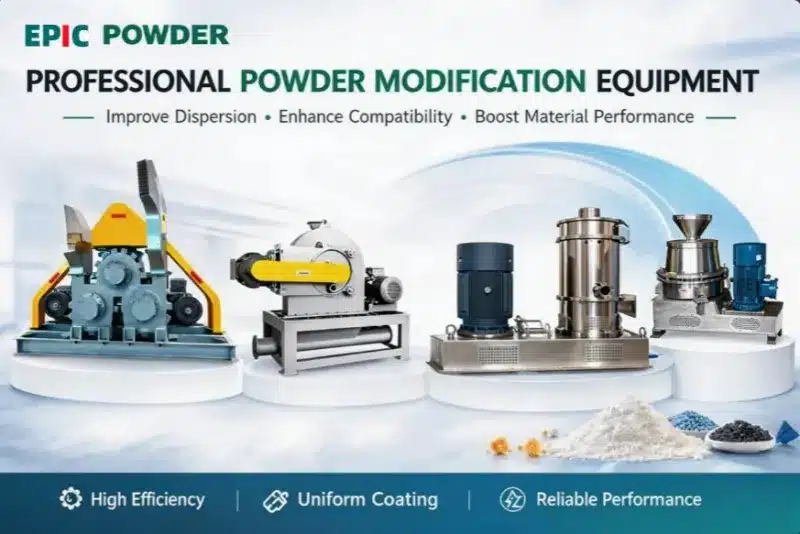
At Destansı Toz, Geniş bir ekipman modeli yelpazesi sunuyoruz ve özel ihtiyaçlarınızı karşılayacak çözümler üretiyoruz. Ekibimiz, çeşitli toz işleme alanlarında 20 yılı aşkın deneyime sahiptir. Epic Powder, maden endüstrisi, kimya endüstrisi, gıda endüstrisi, ilaç endüstrisi vb. için ince toz işleme teknolojisinde uzmanlaşmıştır.
Ücretsiz danışmanlık ve size özel çözümler için bugün bizimle iletişime geçin!

“Okuduğunuz için teşekkürler. Umarım makalem yardımcı olmuştur. Lütfen aşağıya yorum bırakın. Ayrıca EPIC Powder çevrimiçi müşteri temsilcisiyle de iletişime geçebilirsiniz. Zelda Daha fazla bilgi için lütfen iletişime geçin.”
— Jason Wang, Kıdemli Mühendis