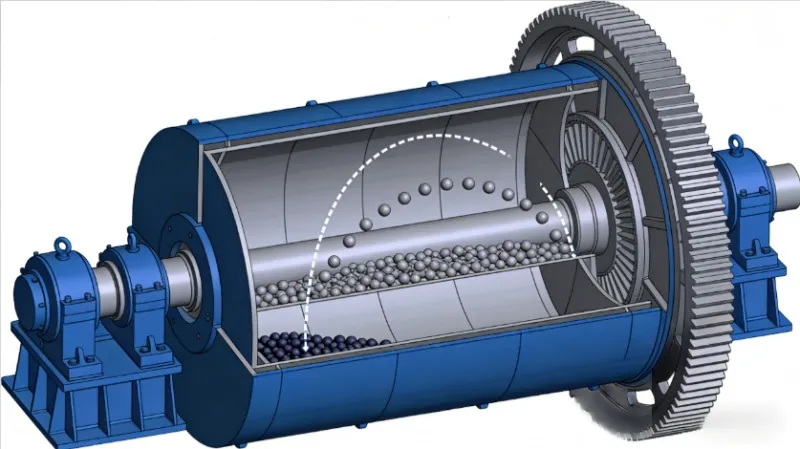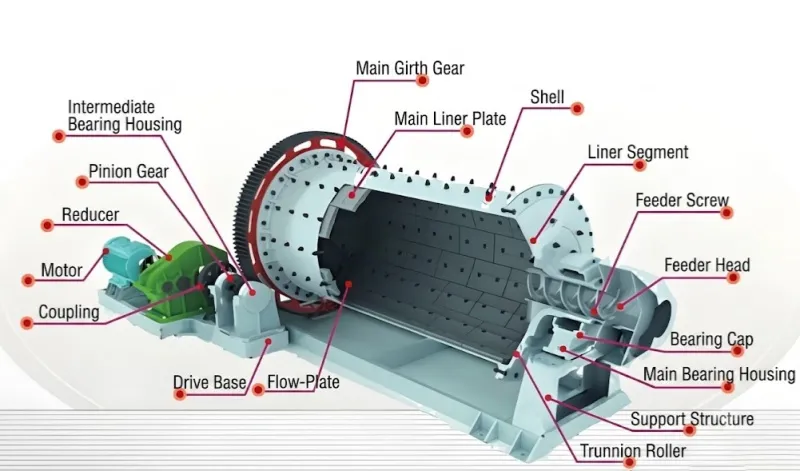
Yüksek saflıkta toz üretiminde bilyalı öğütme sırasında safsızlık kontrolü, en önemli ve en hafife alınan zorluklardan biridir. Öğütme sırasında ortaya çıkan eser miktardaki kirlilik, dielektrik kaybını bir mertebe değiştirebilir, sitotoksisite kaynaklı arızalara yol açabilir. Ayrıca, sinterleme aktivitesini, bitmiş bileşenlerin spesifikasyonlara uymamasına neden olacak kadar azaltabilir. Bunlar, elektronik seramik, biyoseramik ve gelişmiş fonksiyonel malzeme üreticileri için acil sorunlardır.
Sorun sistematiktir: bilyalı değirmen her çalıştığında öğütme ortamı aşınır. Astar aşınır. Proses gazları toz yüzeyiyle etkileşime girer. Bu yolların her biri potansiyel kirleticiler oluşturur ve bunların yönetimi, ekipman seçimi, proses mühendisliği ve öğütme sonrası işlemler arasında koordineli bir yaklaşım gerektirir.
At EPIC Toz Makineleri, Elektronik, ilaç ve ileri malzeme sektörlerindeki üreticilerle birlikte çalışarak, kontaminasyonu en aza indiren bilyalı öğütme sistemleri yapılandırıyoruz. Bu makale, safsızlık kontrolüne yönelik yapılandırılmış, pratik bir kılavuz sunmaktadır. Öğütme ortamı seçimi, astar uyumluluğu, ekipman parametreleri, atmosfer yönetimi ve işlem sonrası saflaştırma konularını kapsamaktadır.
Bilyalı öğütmede safsızlık kontrolü neden sadece bir saflık sorunu değil, aynı zamanda bir performans sorunudur?
Kirlenmeyi, ürün performansından ayrı bir kalite sorunu olarak ele almak cazip gelebilir. Yüksek saflıkta seramik tozu üretiminde böyle bir ayrım yoktur. Birkaç somut örneği ele alalım:
- MLCC dielektrik seramiklerinde, öğütme ortamından kaynaklanan 5 ppm'nin üzerindeki Na⁺ ve K⁺ kontaminasyonu, tane sınırı direncini düşürerek dielektrik kaybını (tanδ) birinci sınıf kapasitör malzemelerini tanımlayan 1×10⁻⁴ eşiğinin üzerine çıkarır.
- Ortopedik implantlar için kullanılan biyoseramiklerde, 0,1 ppm'nin üzerindeki Fe³⁺ kontaminasyonu hücre kültürü testlerinde sitotoksisite tepkilerine neden olur. Bu durum, malzemenin yapısal özelliklerinden bağımsız olarak biyouyumluluk sertifikasyonunu geçememesine yol açar.
- Mikrodalga dielektrik seramiklerde, tungsten karbür öğütme ortamından kaynaklanan %0,01 wt%'nin üzerindeki W kirliliği, temel kalite faktörü olan Q×f değerini 5%'den fazla azaltarak malzemenin 5G filtre uygulamaları için uygunluğunu tehlikeye atar.
Sonuçlar varsayımsal değil. Yetersiz tasarlanmış öğütme sistemlerinden kaynaklanan safsızlık kontaminasyonu, teknik seramik üretiminde parti reddinin önde gelen nedenlerinden biridir. Safsızlık kontrolüne yönelik sistematik bir yaklaşım, pratikte verime ve ürün kalitesine yapılan doğrudan bir yatırımdır.
Adım 1: Öğütme Ortamı ve Astar Seçimi — Kirlenmenin Kaynağında Engellenmesi
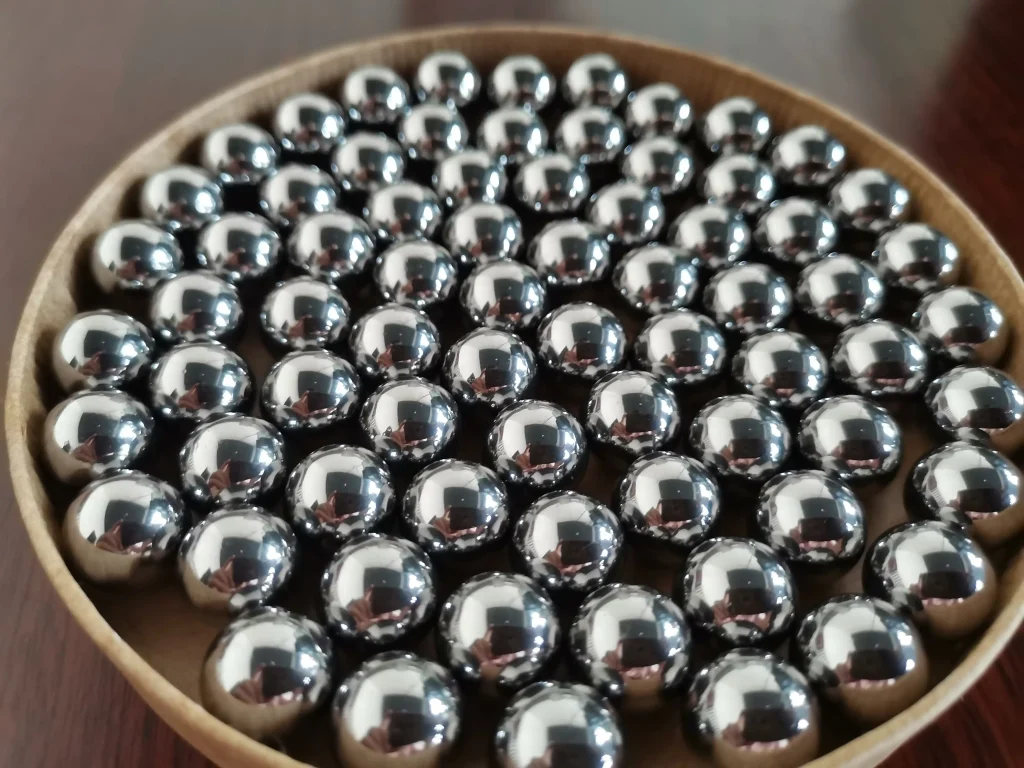
Bilyalı değirmenlerde birincil kirlenme yolu öğütme ortamı ve astar malzemesidir. Öğütme ortamı ile toz ve öğütme ortamı ile astar malzemesi arasındaki her çarpışma, ürüne giren aşınma parçacıkları oluşturur. Malzeme seçiminin amacı, ortaya çıkan aşınma parçacıklarının ya ürünle kimyasal olarak uyumlu olmasını ya da kabul edilebilir düzeyde düşük konsantrasyonlarda bulunmasını sağlamaktır.
Toz Sisteminiz İçin Doğru Öğütme Ortamını Seçmek
Evrensel bir öğütme ortamı spesifikasyonu yoktur; doğru seçim, işlenen tozun kimyasal yapısına, hedeflenen safsızlık sınırlarına ve işleme ortamına (kuru, ıslak, asidik, alkali) bağlıdır. Aşağıdaki kılavuz, en yaygın yüksek saflık uygulamalarını kapsamaktadır:
- ≥ 99.99% saflıkta alümina bilyeler standart tercihtir. Toplam alkali ve geçiş metal safsızlık içeriği (Na, K, Fe, Ca) tipik olarak 10 ppm'nin altındadır. Aşınma oranı, standart alümina ortamının yaklaşık yedide biri kadardır; bu da uzun süreli öğütme işlemlerinde kirlenmeyi orantılı olarak azaltır. Radyasyona duyarlı MLCC uygulamaları için, uranyum ve toryum içeriğinin ayrıca 0,1 ppb'nin altında kontrol edilmesi gerekir; bu da piyasada bulunan birçok ortam sınıfını devre dışı bırakan bir gerekliliktir. Elektronik seramik sistemler (MLCC'ler, piezoelektrikler, mikrodalga dielektrikler)
- Tungsten karbür öğütme ortamı, bu malzemeleri etkili bir şekilde öğütmek için gereken sertliği sunar, ancak W kontaminasyonu yakından izlenmelidir. Silisyum karbür ortam, ortam ve ürün kimyasının uyumlu olduğu durumlarda SiC tozu öğütme için bir alternatiftir. Yüksek sertlikteki tozlar (bor karbür, silisyum karbür, tungsten karbür)
- Gıda sınıfı poliüretan astarlarla eşleştirilmiş zirkonya (ZrO₂) öğütme bilyeleri, sıfır metal iyon göçü olan bir işleme ortamı sağlar. Zirkonya ortamları ayrıca sulu sistemlerde mükemmel korozyon direnci sunarak hidroksiapatit ve biyocam tozlarının ıslak öğütülmesi için uygun hale gelir. Biyoseramikler ve tıbbi sınıf malzemeler
- Zirkonya ortamları (yoğunluk ≥ 3,7 g/cm³), Al³⁺ çözünmesinin önemli olabileceği asidik ortamlarda alüminaya göre önemli ölçüde daha korozyona dayanıklıdır. Asidik ıslak öğütme için zirkonya ortamı seçimi, öğütme verimliliğini korurken iyonik kirlenmeyi azaltır.
Uygulamaya Göre Temel Safsızlık Kriterleri
• MLCC dielektrik seramikleri: Na⁺/K⁺ < 5 ppm | Fe < 1 ppm | U/Th < 0,1 ppb | Aşınma oranı < 0,05‰ döngü başına
• Biyoseramikler: Fe³⁺ < 0,1 ppm | Sıfır metalik iyon göçü | Sitotoksisite: ISO 10993 uyumlu
• Mikrodalga dielektrik seramikleri: W safsızlığı < 0,01 wt% | Q×f değeri korunumu > 95%
• Piezoelektrik seramikler: Geçiş metalleri < 10 ppm toplam | Astar kaynaklı organik kirlilik yok
Astar Malzemesi Uyumluluğu
Öğütme kabı astarı, özellikle öğütme ortamı ile astar arasındaki çarpışmalar yüksek enerjili olduğunda, öğütme ortamından bağımsız olarak kirlenmeye katkıda bulunur. Astar seçimi, öğütme ortamı seçimiyle birlikte yapılmalıdır; uyumsuz bir kombinasyon, öğütme ortamı özellikleri doğru olsa bile kirlenmeye yol açabilir.
• Seramik tozu uygulamalarının büyük çoğunluğu için uygundur. Alümina astarlar, alümina öğütme bilyeleriyle uyumludur ve çapraz kontaminasyona neden olmaz. Zirkonya astarlar, zirkonya bilyeleriyle birlikte kullanıldığında son derece düşük Fe safsızlık seviyelerine ulaşır: kontrollü laboratuvar verileri, bu kombinasyonla 0,001 wt%'nin altında Fe içeriğinin elde edilebileceğini göstermektedir.: Alümina ve zirkonya seramik astarlar
• Özellikle piezoelektrik seramikler ve biyoseramikler olmak üzere, herhangi bir metal iyonuna duyarlı uygulamalar için gereklidir. Poliüretan hidrolize karşı dirençlidir ve ıslak öğütmede kullanılan organik dağıtıcılar ile astar yüzeyi arasında kimyasal reaksiyonları önler. Metal iyonu içermez ve normal öğütme çalışma koşullarında minimum aşınma kalıntısı üretir. Gıda sınıfı poliüretan astarlar
• Aşındırıcı malzemelerin tungsten karbür ortamlarla işlenmesi için uygundur; burada astarın, tercihli aşınmayı önlemek için ortamın sertliğiyle eşleşmesi gerekir.: Silisyum karbür astarlar
Genel kural olarak: mümkün olduğunca astar malzemesini baskı ortamının kimyasıyla eşleştirin ve tam üretime geçmeden önce kısa bir deneme çalışmasıyla kombinasyonu doğrulayın.
Adım 2: Ekipman Parametrelerinin Optimizasyonu — Verimlilikten Ödün Vermeden Aşınmayı Azaltma
Doğru şekilde belirlenmiş ortam ve astarlar kullanıldığında bile, ekipman parametrelerinin yanlış ayarlanması aşınmayı hızlandıracak ve kirlenmeyi artıracaktır. Çalışma parametreleri ile aşınma oranı arasındaki ilişki iyi bilinmektedir ve kontrol edilebilir.
Öğütme Ortamı Boyutu ve Dolum Oranı
Karıştırmalı bilyalı değirmenlerde mikron altı hedef parçacık boyutları (D50 < 1 μm) için, ortam çapı 0,5–3 mm aralığında olmalıdır. Daha küçük ortamlar, birim hacim başına daha fazla temas noktası sağlar ve çarpışma başına daha az darbe enerjisi üretir; bu da ortam kırılmasını ve kırılan ortamın neden olduğu kirlilik artışlarını azaltır. 70–80%'lik bir dolum oranı, verimli çarpışma sayısını en üst düzeye çıkarırken, parçalanmaya katkıda bulunmadan aşınmayı hızlandıran verimsiz ortam-ortam temasını en aza indirir.
Geleneksel bilyalı değirmenlerde daha büyük öğütme ortamı (10–35 mm izostatik olarak preslenmiş alümina bilyeler) ile işlenen renkli sır mürekkepleri ve benzeri uygulamalar için, doğru hız ve dolum oranı optimizasyonu ile aşınma kaybı öğütme döngüsü başına %0,1 içinde tutulabilir. İzostatik olarak preslenmiş öğütme ortamı, dökme öğütme ortamına göre daha yoğun ve daha homojen bir mikro yapıya sahiptir; bu da yüzey gözenekliliğini ve buna bağlı aşınma oranını azaltır.
Planet tipi bilyalı değirmenlerde, devir/dönüş hızı oranı, darbe enerjisi için birincil kontrol parametresidir. Öğütme verimliliğini aşırı öğütme ortamı kırılmasına karşı dengelemek için genellikle 1:2 oranı en uygunudur. Dört öğütme kabının eş zamanlı olarak farklı fazlarda çalıştığı çift planet tasarımları, öğütme ortamı yükü boyunca aşınma dağılımını yaklaşık 40% oranında iyileştirerek üründeki kirlenme noktalarını azaltır.
Öğütme Sırasında Atmosfer Kontrolü
Yüksek enerjili öğütme sırasında oksidasyona duyarlı toz sistemleri için atmosfer kontrolü isteğe bağlı değil, temel bir işlem gerekliliğidir. Özellikle silisyum karbür (SiC) ve alüminyum nitrür (AlN) tozları, hava atmosferli öğütme sırasında hızla yüzey oksit tabakaları oluşturarak yüzey kimyasını değiştirir ve sinterleme reaktivitesini azaltır.
Oksidasyona duyarlı sistemler için argon (Ar) kullanılarak yapılan inert gaz temizleme işlemi tercih edilen yaklaşımdır. Argon havadan daha ağırdır ve öğütme haznesinde oksijenin güvenilir bir şekilde uzaklaştırılmasını sağlar. Azot (N₂) çoğu uygulama için kabul edilebilir ancak bazı nitrür sistemleriyle reaksiyona girer. EPIC Powder Machinery'nin kapalı devre inert gaz bilyalı değirmen konfigürasyonları, öğütme döngüsü boyunca oksijen konsantrasyonlarını 100 ppm'nin altında tutar.
Özellikle reaktif sistemler veya çok uzun öğütme işlemleri için plazma destekli öğütme (P-öğütme) gelişmiş bir alternatif sunar. Yüksek enerjili elektron bombardımanı, öğütme için gereken mekanik kuvveti azaltarak, W ve Fe tozu gibi malzemelerin nano kristalleşme süresini geleneksel öğütme ile 30 saatten 3-15 saate indirir; bu da dolaylı ancak önemli bir oranda ortam aşınmasını ve buna bağlı kirlenmeyi azaltır.
3. Adım: Proses Akışının İyileştirilmesi — Ön İşlem ve Öğütme Sonrası Saflaştırma
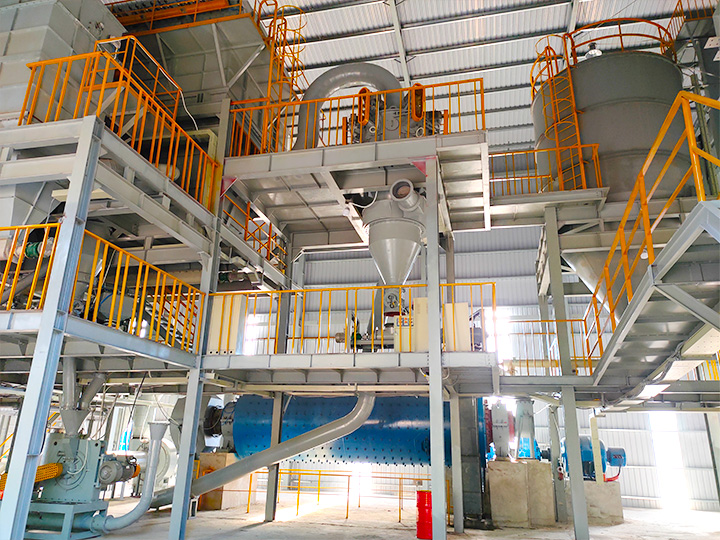
Kirletici madde kontrolü, değirmen girişinde başlayıp değirmen çıkışında sona ermez. Öğütme öncesi hazırlık ve öğütme sonrası arıtma, eksiksiz bir kirlilik yönetimi stratejisinin temel bileşenleridir.
Öğütme Öncesi Ön İşlem
• Lantanit oksitler ve diğer hidratlı ham maddeler, kristal suyunu ve yüzey hidroksil gruplarını gidermek için öğütmeden önce kalsine edilmelidir. Bu adım olmadan, beslemede bulunan nem, öğütme sırasında hedef malzemeden kimyasal olarak farklı ve daha sonraki aşamalarda uzaklaştırılması zor olan hidroksit safsızlık fazları oluşturmak üzere reaksiyona girer. Çoğu lantanit oksit sistemi için 800°C'lik bir kalsinasyon sıcaklığı uygundur.
• Yeni öğütme ortamı, ilk kullanımdan önce en az 30 dakika boyunca susuz etanol ile ultrasonik olarak temizlenmelidir. Bu işlem, üretim sürecinden kaynaklanan yüzey kirliliğini (kalıntı sinterleme yardımcıları, işleme yağlayıcıları ve taşıma artıkları) giderir; aksi takdirde bu kirlilik ilk üretim partisine geçerdi. Bu adım sıklıkla atlanır ve yeni ortamda yapılan ilk parti üretiminde yüksek kirliliğe neden olur.
• Yeni ekipmanlar için veya bakım sonrasında, kontrollü üretime başlamadan önce açıkta kalan yüzeyleri pasifleştirmek amacıyla üretimde kullanılan malzemeyle aynı malzemeden kısa bir deneme partisi çalıştırın.: Değirmen haznesi pasifleştirme
Öğütme Sonrası Saflaştırma
En uygun ortam, astar ve işlem parametreleri seçilse bile, uzun öğütme işlemlerinde bir miktar kirlenme kaçınılmazdır. Öğütme sonrası arıtma adımları, bu kirlenmenin nihai ürüne ulaşmadan önce giderilmesini sağlar:
• Islak bilyalı öğütme bulamaçları için, 8.000 rpm'de santrifüj ayırma, ortam kırılma olayları sonucu oluşan büyük parçacıklı aşınma kalıntılarını uzaklaştırır. Bu iri taneli kirletici parçacıklar üründen daha yoğundur ve orta dereceli santrifüj hızlarında verimli bir şekilde çökelir.
• Nanotoz uygulamaları için, 0,22 μm'lik seramik membran filtrasyon, santrifüjleme ile giderilemeyen mikron altı aşınma kalıntılarını yakalar. Bu adımın etkinliği malzemeye bağlıdır: aşınma kalıntıları, parçacık boyutu veya yoğunluk bakımından üründen ayırt edilebilir olmalıdır.
• Bazı elektronik seramik sistemlerinde, öğütme işleminden sonra seyreltik asit yıkaması, seramik tozuna zarar vermeden metalik kirliliği seçici olarak çözebilir. Yeni iyonik türlerin oluşmasını veya yüzey kimyasının değişmesini önlemek için işlem koşulları dikkatlice doğrulanmalıdır.: Kimyasal süzme
Seramik Uygulamalarına Göre Safsızlık Kontrol Spesifikasyonları
En uygun safsızlık kontrol stratejisi uygulamaya göre değişir. Aşağıdaki tabloda, en yaygın yüksek saflıkta seramik toz sistemleri için önerilen konfigürasyonlar ve temel kontrol hedefleri özetlenmiştir:
| Seramik Tipi | Önerilen Medya + Astar | Temel Safsızlık Sınırları | Performans Etkisi |
| MLCC Dielektrik Seramikleri | ≥99.99% alümina bilyeler + alümina astar | Na⁺/K⁺ < 5 ppm | Aşınma < 0,05‰ | tanδ < 1×10⁻⁴ (üstün kaliteli kapasitör) |
| Biyoseramikler (ortopedik / dişçilik) | Zirkonya topları + gıda sınıfı poliüretan astar | Fe³⁺ < 0,1 ppm | Sıfır metal göçü | ISO 10993 sitotoksisite uyumluluğu |
| Mikrodalga Dielektrik Seramikleri (5G) | WC bilyeler + silisyum karbür astar | W kontaminasyonu < 0,01 wt% | Q×f değerinin korunması > 95% |
| Piezoelektrik Seramikler (PZT, BNBT) | ≥99.99% alümina bilyeler + poliüretan astar | Geçiş metalleri < 10 ppm toplam | Tutarlı d33 / piezoelektrik katsayısı |
| Fotokatalizör Tozları (TiO₂, ZnO) | Zirkonya topları + zirkonya astarı | Fe < 0,001 wt% | Organik kirlenme yok | Fotokatalitik aktivite korunumu |
Gelişen Teknolojiler: Bilyalı Değirmenleme Sırasında Gerçek Zamanlı Safsızlık İzleme
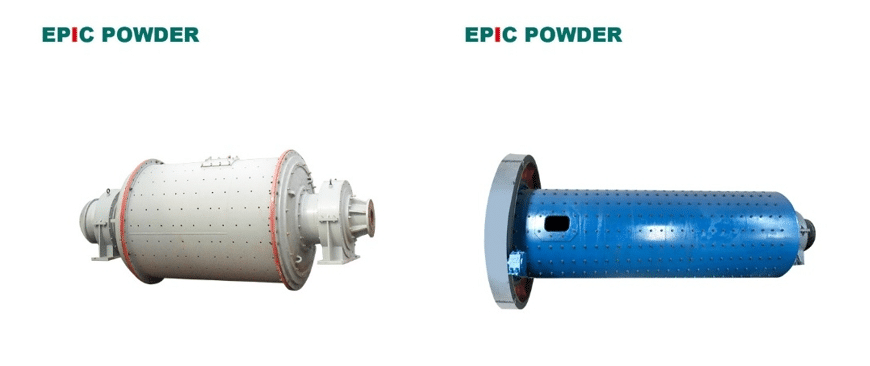
Geleneksel safsızlık kontrolü, işlem sonrası analizlere (ICP-MS veya XRF ölçümü) dayanır. Bu yaklaşımın sınırlaması, kirliliğin meydana geldikten sonra tespit edilmesi ve partinin zaten kabul edilemez hale gelmiş olmasıdır. Yeni nesil proses kontrolü, gerçek zamanlı müdahaleyi mümkün kılan yerinde izlemeye doğru ilerlemektedir.
Öğütme devresine entegre edilmiş çevrimiçi ICP-MS (indüktif olarak eşleştirilmiş plazma kütle spektrometrisi), bulamaç deşarj akışındaki elementel kirliliği sürekli olarak ölçebilir ve üretim zaman ölçeklerinde ppm altı algılama sağlar. Kirlilik eğilimi arttığında (bu da öğütme ortamı aşınmasının hızlandığını gösterir), sistem otomatik parametre ayarlamalarını (öğütme hızını düşürme, dolum oranını ayarlama) tetikleyebilir veya parti tehlikeye girmeden önce operatörü uyarabilir.
Akustik emisyon izleme, tamamlayıcı bir teknolojidir: bilyalı değirmenin akustik imzası, ortam bozuldukça ölçülebilir şekilde değişir. Akustik sinyalin otomatik spektral analizi, ortam aşınma oranıyla ilişkilidir ve yüksek kirlenme riski konusunda invaziv olmayan bir erken uyarı sağlar.
Bu teknolojiler, araştırma aşamasından gelişmiş seramik üretim tesislerinde endüstriyel uygulamaya geçiyor ve kirlilik yönetiminin yönünü gösteriyor: reaktif kalite kontrolünden öngörücü süreç kontrolüne doğru.
| EPIC Powder Machinery ile Bilyalı Öğütme Prosesinizi Görüşün Bilyalı öğütmede safsızlık kontrolü sadece malzeme seçimi sorunu değil, aynı zamanda bir mühendislik sorunudur ve doğru şekilde yapılması sistem düzeyinde bir yaklaşım gerektirir. Ekibimiz EPIC Toz Makineleri Yüksek saflıkta seramik, elektronik ve biyomedikal toz uygulamaları için bilyalı öğütme sistemlerinin belirlenmesi ve yapılandırılması konusunda geniş deneyime sahiptir. İster yeni bir formülasyon geliştiriyor olun, ister laboratuvardan üretime geçiş yapıyor olun, ister mevcut bir süreçteki kontaminasyon sorunlarını gidermeye çalışıyor olun, size yardımcı olabiliriz. Ücretsiz süreç danışmanlığı ve uygulamaya özel ekipman önerileri sunuyoruz. → Ücretsiz Danışmanlık Talep Edin: www.epic-powder.com/contact → Bilyalı Frezeleme Ekipmanlarımızı Keşfedin: www.epic-powder.com |
Sıkça Sorulan Sorular
Bilyalı öğütme sırasında metalik kirlenmeyi önlemenin en etkili yolu nedir?
En etkili yaklaşım, yüksek saflıkta öğütme ortamı, uyumlu astar malzemeleri ve optimize edilmiş çalışma parametrelerinin bir kombinasyonudur. Çoğu yüksek saflıkta seramik uygulaması için, alümina veya poliüretan astarlı ≥99.99% alümina öğütme bilyeleri en iyi kirlilik profilini sağlar. Öğütme hızının azaltılması, ortam-ürün oranının optimize edilmesi ve yeni ortamda ön temizleme döngülerinin çalıştırılması, kirliliği daha da azaltır. Sub-ppm safsızlık gereksinimleri olan uygulamalar için, öğütme sonrası santrifüj ayırma ve membran filtrasyonu da genellikle gereklidir.
Alümina ve zirkonya taşlama malzemeleri arasında nasıl seçim yapabilirim?
En önemli husus, toz sisteminizle kimyasal uyumluluktur. Alümina ortamlar (özellikle ≥99.99% saflık dereceleri), nötr pH'da işlenen elektronik seramikler için standart tercihtir. Zirkonya ortamlar, alüminanın çözündüğü ve Al³⁺ kontaminasyonuna katkıda bulunduğu asidik veya alkali bulamaçlarda ıslak öğütme için tercih edilir. Zirkonya ayrıca, sıfır metalik iyon göçünün gerekli olduğu biyoseramikler için de tercih edilen seçenektir. Zirkonya ortamlar, eşdeğer boyuttaki alümina ortamlara göre yaklaşık 3-5 kat daha pahalıdır, bu nedenle geçiş, doğrulanmış kontaminasyon verileriyle gerekçelendirilmelidir.
İnert gaz atmosferinde öğütme, tüm kirlenmeyi önleyebilir mi?
Argon veya nitrojen kullanılarak yapılan inert gaz atmosferinde öğütme, öğütme sırasında toz yüzeyinin oksidasyonunu önler. Bu, özellikle SiC, AlN ve metal tozları için önemlidir. Bununla birlikte, öğütme ortamı ve astarından kaynaklanan mekanik aşınma kontaminasyonunu önlemez. Bunlar, ayrı kontrol stratejileri gerektiren ayrı kontaminasyon yollarıdır. Maksimum saflık için, inert gaz atmosferinde öğütme, yüksek saflıkta ortam seçimi, optimize edilmiş çalışma parametreleri ve öğütme sonrası saflaştırma ile birleştirilmelidir.

“Okuduğunuz için teşekkürler. Umarım makalem yardımcı olmuştur. Lütfen aşağıya yorum bırakın. Ayrıca EPIC Powder çevrimiçi müşteri temsilcisiyle de iletişime geçebilirsiniz. Zelda Daha fazla bilgi için lütfen iletişime geçin.”
— Jason Wang, Kıdemli Mühendis