Toz işleme ekipmanlarını değerlendiriyorsanız, kuru karıştırmalı bilyalı öğütmenin ıslak bilyalı öğütmeye göre maliyet tasarrufu sağladığını duymuşsunuzdur; ancak avantajlar sadece kurutma adımını atlamaktan çok daha öteye gider. Yüksek değerli, ısıya duyarlı veya oksidasyona yatkın tozlarla çalışan üreticiler için kuru karıştırmalı bilyalı öğütme, hem ürün kalitesini hem de proses ekonomisini temelden değiştirebilir.
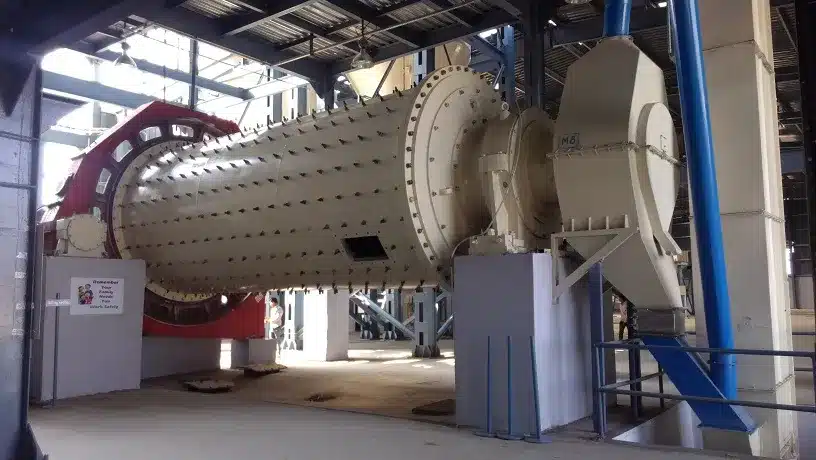
EPIC Powder Machinery olarak, ilaç, ileri seramik, pil malzemeleri ve özel kimyasallar sektörlerindeki müşterilerimiz için kuru karıştırmalı bilyalı değirmen sistemleri tasarladık. Bu makalede, bu teknolojiyi bu kadar cazip kılan unsurları - temel fizik prensiplerinden gerçek dünya mühendislik faydalarına kadar - ayrıntılı olarak ele alıyoruz.
Kuru karıştırmalı bilyalı değirmen nasıl çalışır?
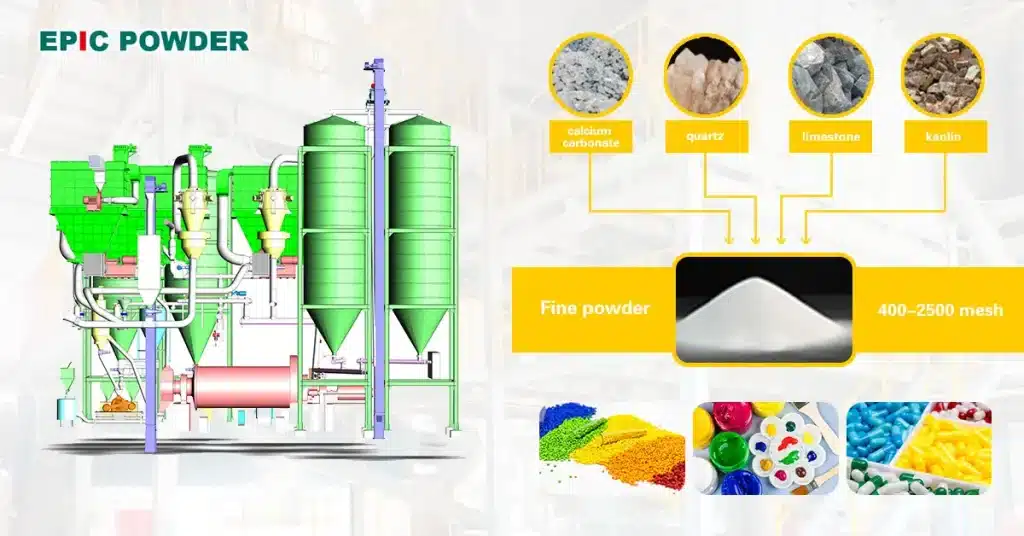
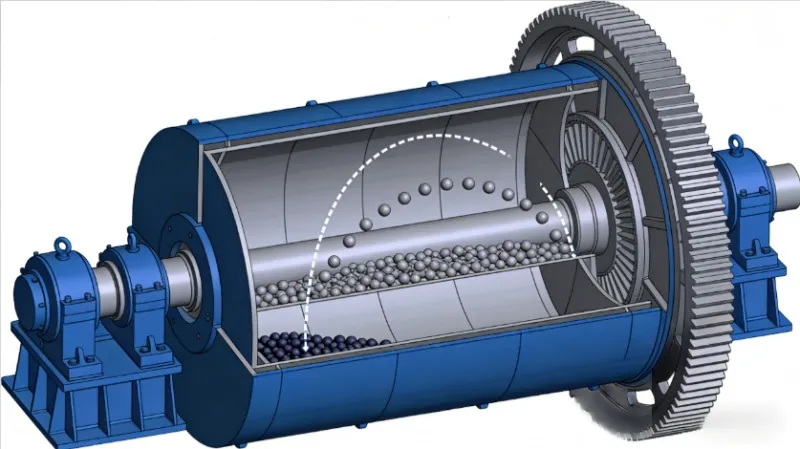
Kuru karıştırmalı bilyalı değirmen, genellikle 500 ile 2000 devir/dakika arasında çalışan yüksek hızlı dönen bir karıştırıcı şaftı kullanarak, kapalı bir öğütme odası içinde ince öğütme ortamını (örneğin 0,3–3 mm zirkonya boncukları veya seramik bilyeler) hareket ettirir. Herhangi bir sıvı ortam olmadan, parçacıklar üç eş zamanlı mekanizma yoluyla küçültülür:
- Güçlü kesme kuvvetleri: Ortamlar arasındaki yüksek hızlı göreceli kayma, parçacık yüzeylerini katman katman soyar.
- Yüksek frekanslı etki: Ortam ile parçacıklar arasında ve parçacıklar ile hazne duvarı arasında meydana gelen hızlı çarpışmalar, tane sınırları boyunca kırılmalara neden olur.
- Sürtünme ve aşınma: Parçacıklar, öğütme ortamı arasındaki boşluklarda tekrar tekrar sıkıştırılır ve inceltilir.
Besleme malzemesini seyreltmek için çözücü kullanılmadığından, birim hacim başına partikül konsantrasyonu önemli ölçüde daha yüksektir; bu da daha iyi enerji transferine ve daha hızlı boyut küçültmeye yol açar. Bu aynı zamanda, filtrasyon, püskürtmeli kurutma ve topaklanmayı giderme gibi ıslak işlemede gerekli olan enerji yoğun sonraki adımları da ortadan kaldırır.
Kuru Karıştırmalı Bilyalı Değirmenin 5 Temel Avantajı
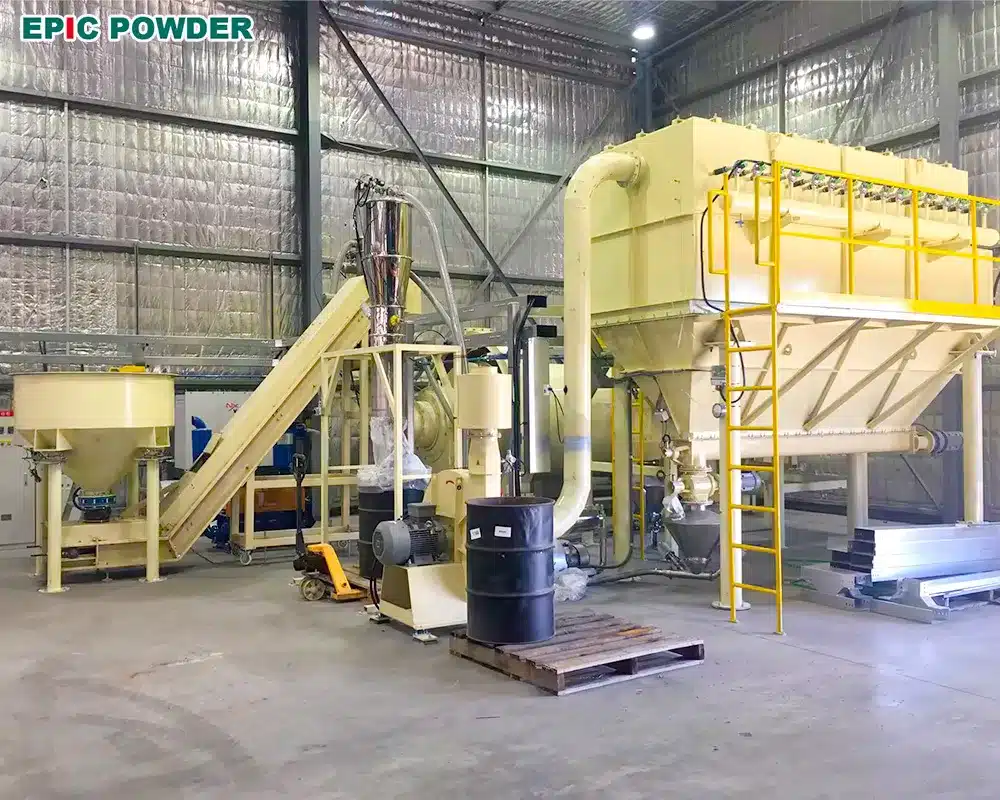
1. Tek Bir Kuru İşlemde Güvenilir Mikron Altı Üretim
Karıştırıcı hızı, ortam-parçacık boyutu oranı (tipik olarak 10-30 kat), ortam dolum oranı ve bekleme süresi gibi temel parametreleri optimize ederek, kuru karıştırmalı bilyalı değirmenler, dar bir parçacık boyutu dağılımıyla (Span < 1,2) çok çeşitli malzemeleri doğrudan D50 ≤ 0,8 µm ve D97 ≤ 1,5 µm'ye kadar öğütebilir.
Al₂O₃, ZrO₂, grafit ve metal oksitler gibi malzemeler, gelişmiş seramikler, lityum pil katot malzemeleri, elektronik macunlar ve daha fazlasının gereksinimlerini karşılamak üzere bu özelliklere göre rutin olarak işlenir. Tüm bunlar, ıslak işleme gerek kalmadan tek seferde yapılır.
2. Sıfır İyonik Kirlenme ve Sert Topaklanma Yok
Islak bilyalı öğütme, özellikle yüksek saflık gerektiren uygulamalar için oldukça zararlı olan iki kirlenme riskini beraberinde getirir:
- Su kaynaklı iyonik kirlenme (örneğin, Na⁺, Cl⁻ sızıntısı), MLCC tozlarının dielektrik performansını ve yarı iletken ambalaj dolgu maddelerinin saflığını düşürür.
- Kuruma sırasında, sıvı buharlaşırken kılcal kuvvetlerin parçacıkları bir araya çekmesi sonucu oluşan sert topaklanma; dağılabilirliği ve sinterleme aktivitesini azaltır.
Kuru işleme, her iki riski de tamamen ortadan kaldırır. Toz, değirmenden doğal dağılmış halde çıkar ve bu da sinterleme veya elektrot kaplama gibi sonraki işlemlerin yüzey kimyasını ve akışkanlığını korur.
3. Daha Düşük Enerji Tüketimi ve Daha Basit Proses Akışı
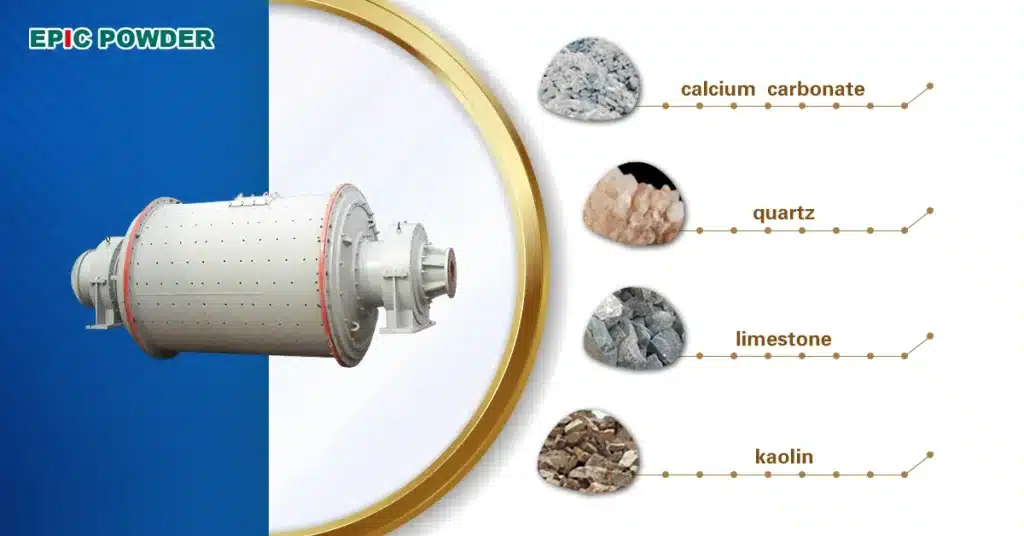
Islak öğütmede, sadece kurutma işlemi bile toplam proses enerji maliyetlerinin -501'ini oluşturabilir. Sektördeki kıyaslama verileri, kuru karıştırmalı bilyalı öğütmenin, ton başına -501 daha düşük enerji tüketimiyle aynı hedef inceliğe ulaştığını sürekli olarak göstermektedir; bu da üretim ölçeğinde anlamlı bir farktır.
İşlem basitleştirmesi de aynı derecede önemlidir. Kuru öğütme şu gereksinimleri ortadan kaldırır:
- Öğütme sonrası filtrasyon veya santrifüjleme
- Püskürtmeli kurutma veya fırınlı kurutma ekipmanı
- Kurutma sonrası topaklanmayı giderme adımları
Sonuç olarak, partikül boyutu özelliklerinden ödün vermeden daha yalın bir üretim hattı, yardımcı ekipmanlara yapılan sermaye harcamalarında azalma ve işletme maliyetlerinde düşüş elde edilir.
4. Hassas Malzemeler için İnert Atmosfer ve Düşük Sıcaklıkta İşleme
Oksidasyona veya ısıya dayanamayan malzemeler için, kuru karıştırmalı bilyalı değirmenler, ıslak sistemlerin kolayca sağlayamayacağı iki önemli mühendislik seçeneği sunar:
- İnert gazla arındırma (N₂ veya Ar): Öğütme işlemi sırasında metal tozlarının (alüminyum, magnezyum), silikon-karbon anot malzemelerinin ve nadir toprak bileşiklerinin oksidasyonunu önler.
- Sıvı azotla soğutma: İlaç ara ürünleri, patlayıcı öncüleri ve mühendislik polimerleri de dahil olmak üzere ısıya duyarlı malzemelerin kriyojenik kuru öğütülmesini sağlayarak termal bozulmayı ve faz değişimlerini engeller.
Bu özellikler, kuru karıştırmalı bilyalı öğütmeyi, özellikle pil teknolojisi, özel kimyasallar ve farmasötik API işleme alanlarında, tek başına jet öğütmeye kıyasla çok daha geniş bir malzeme yelpazesi için uygulanabilir hale getiriyor.
5. Yerinde Mekanik Alaşımlama ve Yüzey Modifikasyonu
Kuru yüksek enerjili bilyalı öğütme, yalnızca boyut küçültme ile sınırlı değildir. Yoğun mekanik ortam, iki ek katma değerli işlevi de mümkün kılar:
- Mekanik alaşımlama: Farklı tozlar arasında katı hal difüzyonu, yüksek sıcaklıkta sinterleme veya kimyasal işleme gerek kalmadan tek adımda nano-kompozit malzemeler (örneğin, WC-Co, Al-SiC) üretir.
- Yüzey modifikasyonu: Öğütme işlemi sırasında silan bağlayıcı maddeler gibi değiştiricilerin eklenmesi, parçacıkları yerinde kaplayarak akış özelliklerini, hidrofobikliği veya sonraki işlemler için arayüz uyumluluğunu iyileştirir.
Bu çift işlevli özellikler, tek bir ekipmanın hem boyut küçültme hem de malzeme mühendisliği sağlayabileceği anlamına gelir; bu da Ar-Ge ve üretim iş akışlarını kolaylaştırır.
Kimler Kuru Karıştırmalı Bilyalı Değirmenleme Yöntemini Düşünmelidir?
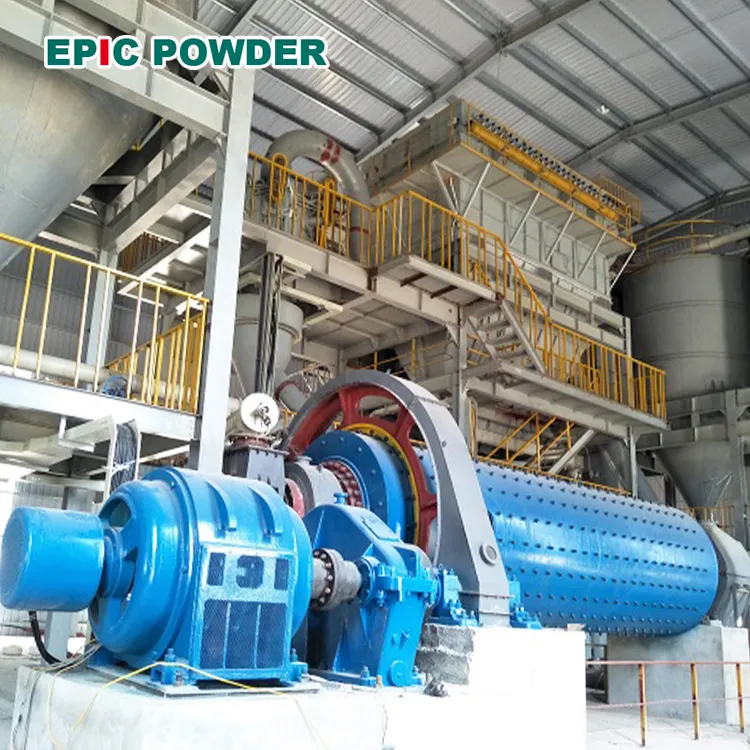
Kuru karıştırmalı bilyalı değirmen, özellikle aşağıdaki gereksinimleri olan üreticiler için çok uygundur:
- Sıvı kirlenmesi olmadan mikron altı parçacık boyutları (D50 < 1 µm)
- Elektronik, ilaç veya pil uygulamaları için yüksek saflıkta toz üretimi.
- Daha küçük proses alanı ve daha düşük işletme enerji maliyetleri
- Oksidasyona duyarlı veya ısıya karşı hassas malzemelerin işlenmesi
- Yerinde yüzey işleme veya kompozit malzeme sentezi
Hizmet verdiğimiz sektörler arasında ilaç, ileri seramik, lityum pil malzemeleri, özel kimyasallar, mineral işleme ve elektronik malzeme üretimi yer almaktadır.
Sıkça Sorulan Sorular
Kuru karıştırmalı bilyalı değirmenleme ile ıslak boncuklu değirmenleme arasındaki fark nedir?
Kuru karıştırmalı bilyalı değirmen, malzemeyi herhangi bir sıvı ortam olmadan öğütür; bu da öğütme sonrası kurutma, filtrasyon ve topaklanmayı giderme ihtiyacını ortadan kaldırır. Islak bilyalı değirmen (kum değirmeni), kurutma sırasında iyonik kirlenmeye ve sert topaklanmaya neden olabilen sıvı bir bulamaç kullanır. Kuru öğütme, genellikle ton başına daha düşük enerji tüketimiyle 35-50 TP'de eşdeğer incelik elde eder.
Kuru karıştırmalı bilyalı değirmen hangi partikül boyutlarına ulaşabilir?
Optimize edilmiş parametrelerle, kuru karıştırmalı bilyalı değirmenler, dar bir dağılımla (Span < 1,2) D50 ≤ 0,8 µm ve D97 ≤ 1,5 µm değerlerine ulaşabilir. Seramikler, pil katot malzemeleri ve elektronik macunlar için alt mikron gereksinimlerini karşılar.
Konuşun EPIC Tozİşleminizle İlgili Makineler
Her toz işleme zorluğu farklıdır. EPIC Powder Machinery'deki mühendislik ekibimiz, kuru karıştırmalı bilyalı öğütme yönteminin mi yoksa jet öğütme, dağıtma ve kaplama teknolojilerinin bir kombinasyonunun mu malzeme ve üretim gereksinimleriniz için doğru çözüm olduğunu belirlemek üzere müşterilerle yakın işbirliği içinde çalışmaktadır.
Bugün ücretsiz süreç danışmanlığı veya laboratuvar denemesi talep edin. Uzmanlarımız size şu konularda tavsiyelerde bulunabilir: ekipman seçimi, Parametre optimizasyonu ve ölçeklendirme planlaması - laboratuvar ölçeğinden tam ölçekli üretime kadar.
→ EPIC Powder Machinery ile iletişime geçin: www.epic-powder.com

“Okuduğunuz için teşekkürler. Umarım makalem yardımcı olmuştur. Lütfen aşağıya yorum bırakın. Ayrıca EPIC Powder çevrimiçi müşteri temsilcisiyle de iletişime geçebilirsiniz. Zelda Daha fazla bilgi için lütfen iletişime geçin.”
— Jason Wang, Kıdemli Mühendis