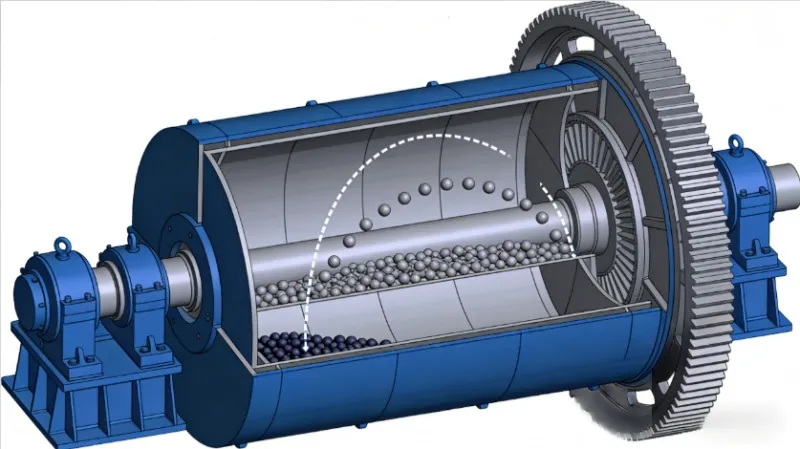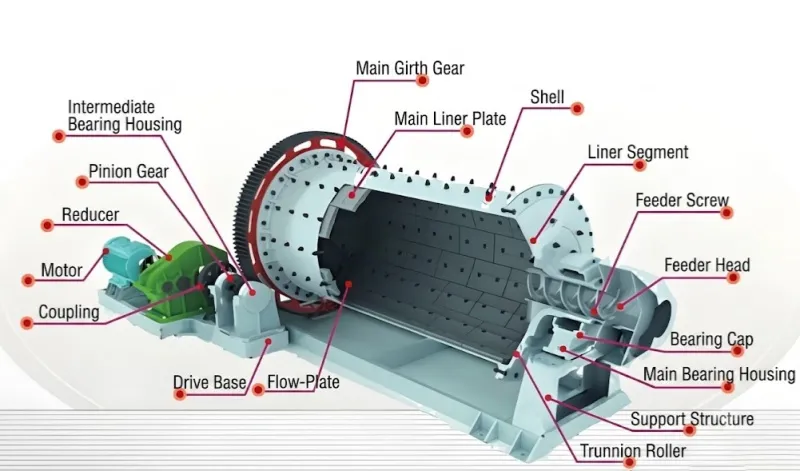
Öğütme değirmeninin iç astarı pasif bir bileşen değildir. Kuru öğütme değirmeninde astar aynı anda üç işlevi yerine getirir: değirmen gövdesini aşındırıcı aşınmadan korur, öğütme ortamının hareketini belirleyen kaldırma hareketini sağlar ve - yüksek saflıkta uygulamalar için kritik öneme sahip - ürününüzle sürekli temas halindedir. Astarın neyden yapıldığına bakılmaksızın, küçük bir kısmı tozun içine karışır.
Çimento veya maden cevheri öğütme işlemlerinde bu oran önemli değildir. Ancak lityum pil katot malzemeleri, elektronik seramik tozları, farmasötik ara ürünler veya gıda bileşenleri için son derece önemlidir. Yanlış seçilmiş bir astar, ürününüzün saflık spesifikasyonunu geçersiz kılabilir, pil performansını düşüren metal iyonları içerebilir veya en kötü durumda parti geri çağırmaya neden olabilir.
Bu kılavuz, kuru öğütme değirmenlerinde kullanılan beş farklı astar malzemesini (alümina seramik, zirkonya seramik, silisyum karbür, silisyum nitrür ve metal (yüksek kromlu dökme demir ve manganez çeliği)) uygulamanız için doğru seçimi belirleyen özellikler açısından karşılaştırır: sertlik, tokluk, kirlilik seviyesi, termal performans ve maliyet. Ayrıca, deneme yanılma yöntemine başvurmadan uygulamanıza uygun astarı seçmenizi sağlayacak doğrudan bir karar çerçevesi sunar.
Bu kılavuz, kuru öğütme değirmenlerinde kullanılan beş farklı astar malzemesini (alümina seramik, zirkonya seramik, silisyum karbür, silisyum nitrür ve metal (yüksek kromlu dökme demir ve manganez çeliği)) uygulamanız için doğru seçimi belirleyen özellikler açısından karşılaştırır: sertlik, tokluk, kirlilik seviyesi, termal performans ve maliyet. Ayrıca, deneme yanılma yöntemine başvurmadan uygulamanıza uygun astarı seçmenizi sağlayacak doğrudan bir karar çerçevesi sunar.
Ürün Kalitesinde Astar Malzemesinin Bu Kadar Büyük Etkisinin Sebebi Nedir?
Kirlenme Yolu
Kuru öğütme değirmeninde, ürünle temas eden tek katı yüzeyler astar ve öğütme ortamıdır. Her ikisi de sürekli olarak aşınır. Aşınma oranı, astar sertliğine, ortam sertliğine, besleme malzemesinin aşındırıcılığına ve öğütme yoğunluğuna bağlıdır. Çok sert seramik astarlar bile bir üretim süreci boyunca ölçülebilir şekilde aşınır.
Oluşan aşınma parçacıkları incedir (tipik olarak 0,1-10 mikron), bu da ürün içinde homojen bir şekilde dağıldıkları ve lazer kırınım analizinden tespit edilemedikleri anlamına gelir. Kirlilik, sonraki kimyasal analizlerde (metal iyonları için ICP-MS, elementel bileşim için XRF) ortaya çıktığında, tüm partiyi etkilemiş olur. Belirli ürününüz için en az zararlı aşınma kalıntısı üreten astar malzemesini seçmek, elinizdeki en önemli kirlilik kontrol yöntemidir.
Sertlik-Dayanıklılık Dengesi
Seramik astarlar, metal astarlardan daha serttir; bu da daha düşük aşınma oranı ve daha az kirlenme anlamına gelir. Ancak sertlik, tokluktan ödün vermeyi gerektirir; daha sert malzemeler daha kırılgandır ve darbe altında kırılmaya daha yatkındır. Bu, temel bir tasarım gerilimi yaratır: En düşük kirlenmeye ihtiyaç duyan uygulamalar (yüksek değerli, saflığa duyarlı malzemeler) genellikle daha düşük darbe enerjisinde daha küçük tanecikler kullanan ince öğütme gerektirir; bu koşullarda seramik astarlar iyi performans gösterir. Kaba öğütme uygulamaları (cevher, çimento) yüksek darbe enerjisinde daha büyük tanecikler kullanır; bu koşullarda metal astarların tokluk avantajı belirleyici hale gelir.
Uygulamanızın sertlik-darbe dayanımı spektrumunda nerede yer aldığını anlamak, astar seçiminde ilk adımdır.
Beş Katmanlı Malzemeler: Özellikleri ve Uygulamaları
1. Alümina Seramik (Al2O3) — İşin Temel Malzemesi
Alümina, yüksek saflıkta kuru taşlamada en yaygın kullanılan seramik astar malzemesidir. Sertlik, kimyasal inertlik, maliyet ve bulunabilirlik açısından diğer seramik seçeneklerine göre en iyi kombinasyonu sunar.
- Sertlik: Mohs 9 (yaklaşık 1500-1800 HV). Çelikten (tipik olarak 600-900 HV) önemli ölçüde daha serttir; bu da çoğu mineral ve kimyasal tozun öğütülmesinde aşınma oranının önemli ölçüde daha düşük olduğu anlamına gelir.
- Dayanıklılık: Orta düzeyde kırılma tokluğuna sahiptir (3-4 MPa m^0.5). Seramik ortamlarla (zirkonya veya alümina bilyeler) ince ve orta öğütme için uygundur, ancak yüksek darbeli kaba öğütme için uygun değildir.
- Kirlenme: Al ve O aşınma ürünleridir. Çoğu pil katodu, seramik ve ilaç uygulamasında, 100 ppm'nin altındaki Al kirliliği kabul edilebilir. Alümina astarların ortadan kaldırdığı Fe kirliliği ise genellikle kritik bir endişe kaynağıdır.
- Kimyasal direnç: Çoğu asit ve alkaliye karşı dayanıklıdır. Orta konsantrasyonlara kadar florür içeren bileşiklerle uyumludur.
- Maliyet: Orta düzeyde. Genellikle metal kaplamaların 2-3 katı, ancak zirkonyum kaplamalara göre 3-5 kat daha ucuz.
Alümina, metal kirliliğinin birincil endişe kaynağı olduğu LFP ve NMC pil katot taşlama, yüksek saflıkta kuvars, elektronik seramik tozları (alümina bazlı) ve farmasötik ara maddeler için doğru varsayılan seçimdir.
2. Zirkonya Seramik (ZrO2, tipik olarak Y-TZP) — Yüksek Performanslı Seçenek
Yttrium oksit ile stabilize edilmiş tetragonal zirkonya polikristali (Y-TZP), başka hiçbir seramik astar malzemesinin eşleşemeyeceği benzersiz bir sertlik ve tokluk kombinasyonu sunar. Tokluk, gerilim kaynaklı bir faz dönüşüm mekanizmasından kaynaklanır; lokalize gerilim altında, zirkonya kristali tetragonal fazdan monoklinik faza dönüşerek enerjiyi emer ve çatlak yayılmasına direnç gösterir.
• Sertlik: yaklaşık 1200 HV — alüminyuma göre biraz daha düşük.
• Dayanıklılık: 6-10 MPa m^0.5 — alüminadan önemli ölçüde daha yüksek. Bu özellik, zirkonyumun zaman zaman daha yüksek darbe olaylarının meydana geldiği daha zorlu taşlama koşulları için uygun olmasını sağlar.
• Kirlenme: Zr ve Y aşınma ürünleridir. Çoğu yüksek saflık gerektiren uygulama için, astar aşınması sonucu oluşan Zr kirlenmesi kabul edilebilir düzeydedir. Zirkonya astarlar, eser miktarda Al kirlenmesinin bile kabul edilemez olduğu durumlarda (örneğin ZrO2 bazlı elektronik seramikler, SOFC elektrolitleri veya diş malzemeleri için) doğru seçimdir.
• Termal sınırlama: Y-TZP, uzun süreli maruz kalma durumunda 200-300 santigrat derecenin üzerindeki sıcaklıklarda geri dönüşümsüz t-m faz dönüşümüne uğrayabilir; bu da mikro çatlamalara ve hızlandırılmış aşınmaya yol açar. Yüksek sıcaklık uygulamaları için uygun değildir.
• Maliyet: Yüksek. Genellikle alümina kaplamaların maliyetinin 3-5 katı.
Zirkonya astarlar, ultra ince öğütme (D50 1 mikronun altında), nano toz hazırlama, yüksek kaliteli farmasötik API öğütme, ZrO2 bazlı seramik üretimi ve herhangi bir öğütme yoğunluğunda mümkün olan en düşük metal kirliliğinin şart koşulduğu her türlü uygulama için uygundur.
3. Silisyum Karbür (SiC) — Termal Uzman
Silisyum karbürün en belirleyici özelliği, yaklaşık 120 W/m K olan termal iletkenliğidir; bu değer, alümina için 20-30 W/m K ve çelik için 50 W/m K'den daha düşüktür. Isı birikiminin önemli olduğu kuru taşlama uygulamalarında, SiC, ısıyı taşlama bölgesinden aktif olarak uzaklaştıran tek astar malzemesidir.
- Sertlik: Mohs sertlik derecesi 9.5 — alüminyumdan daha sert, pratik astar malzemeleri arasında elmastan sonra ikinci sırada.
- Dayanıklılık: orta düzeyde (3-4 MPa m^0.5) — alüminaya benzer.
- Kirlenme: Silisyum (Si) ve karbon (C) aşınma ürünleridir. Çoğu mineral ve kimyasal uygulamada, Si kirliliği kabul edilebilir. Bazı yüksek saflıkta oksit uygulamalarında ise C kirliliği endişe kaynağı olabilir.
- Isı iletkenliği: 120 W/m K — belirleyici avantaj. Karbon bazlı malzemelerin (grafit, karbon siyahı) veya ısıya duyarlı organik malzemelerin yüksek verimli ince öğütülmesinde, SiC astarlar ürün kalitesini bozan sıcaklık artışını önler.
- Oksidasyon duyarlılığı: 800 santigrat derecenin üzerindeki güçlü oksitleyici ortamlarda, SiC, ürünü kirletebilecek bir yüzey SiO2 tabakası oluşturur. Bu durum, tipik kuru taşlama sıcaklıklarında bir sorun teşkil etmez.
- İşlenebilirlik: Zayıf bir malzeme olan SiC'nin karmaşık şekillere işlenmesi zordur, bu da astar geometrisi seçeneklerini sınırlar.
- Maliyet: yüksek — genellikle zirkonya ile benzer veya biraz daha düşük.
SiC astarlar, karbon malzemelerin (piller için grafit anotlar, karbon siyahı, grafen öncüleri), sertleştirilmiş karbür ön karışımlarının (WC-Co) ve termal yönetimin birincil işlem zorluğu olduğu her türlü uygulamanın öğütülmesi için doğru seçimdir.
4. Silikon Nitrür (Si3N4) — Darbeye Dayanıklı Seramik
Silisyum nitrür, düşük yoğunluğuyla birlikte, diğer tüm astar seramikleri arasında en yüksek kırılma tokluğuna ve eğilme dayanımına sahiptir. Bu özellikleri, diğer seramiklerin kırılacağı veya çatlayacağı, sert ve aşındırıcı malzemeleri işleyen yüksek enerjili değirmenler gibi mekanik olarak en zorlu ince öğütme uygulamaları için doğru seçim olmasını sağlar.
•Sertlik: yaklaşık 1400-1600 HV — alüminyuma benzer.
•Dayanıklılık: 6-8 MPa m^0.5 — zirkonya ile karşılaştırılabilir ve zirkonyanın aksine yüksek sıcaklıklarda bozulmaz.
•Eğilme dayanımı: 800-1000 MPa — piyasadaki diğer seramik astarların en yüksek değeri.
•Yoğunluk: 3,2 g/cm³ — alüminadan (3,9), zirkonyadan (6,0) veya SiC'den (3,2) daha düşük. Daha düşük astar kütlesi, değirmen gövdesinin dönme ataletini ve yataklar üzerindeki mekanik yükü azaltır.
•Kirlenme: Aşınma ürünleri Si ve N'dir.
•Termal kararlılık: Oksitleyici olmayan ortamlarda 1200°C'ye kadar tam mukavemetini ve tokluğunu korur. Oksitleyici ortamlarda, 800°C'nin üzerinde yavaş yüzey oksidasyonu meydana gelir.
•Maliyet: Çok yüksek — genellikle en pahalı astar seçeneği. Zorlu sinterleme gereksinimleri nedeniyle piyasada sınırlı bulunabilirlik.
Silikon nitrür kaplamalar, darbe dayanımı ve kimyasal saflığın birlikte gerekli olduğu en sert malzemelerin (WC-Co çimentolu karbür ön karışımları, SiC mikro tozları, bor nitrür ve gelişmiş yapısal seramik öncülleri) yüksek enerjili kuru ultra ince öğütülmesi için haklı bir gerekçeye sahiptir.
5. Metal Astarlar (Yüksek Kromlu Dökme Demir, Manganez Çeliği) — Kaba Taşlama Varsayılanı
Metal astarlar, ürün saflığının önemli olmadığı ve darbe dayanımının birincil gereksinim olduğu uygulamalar için standarttır: cevher kırma, çimento klinker öğütme ve endüstriyel mineral kaba öğütme.
- Darbe dayanımı: Çok yüksek - seramiklere göre en büyük avantajı. Manganez çeliği darbe altında sertleşerek kullanım sırasında yüzey sertliğini artırır.
- Kirlenme: Aşınmadan kaynaklanan Fe, Cr ve Mn kirliliği önemli düzeydedir. Yüksek kromlu dökme demir astarlar, besleme aşındırıcılığına ve taşlama yoğunluğuna bağlı olarak, işleme geçişi başına ürüne tipik olarak 50-500 ppm Fe katkısı sağlar. Bu, saflık hassasiyeti gerektiren herhangi bir uygulama ile bağdaşmaz.
- Maliyet: Düşük maliyet — diğer tüm astar seçeneklerine göre en düşük başlangıç maliyeti ve yaygın olarak bulunan yedek parçalar.
- Bakım: Seramiklere göre daha basittirler; metal astarlar yerel olarak kaynaklanabilir, onarılabilir veya imal edilebilir.
Metal astarlar, pil malzemeleri, elektronik seramikler, ilaçlar, gıda bileşenleri veya Fe, Cr veya Mn kontaminasyonunun ürün kalitesini veya müşteri spesifikasyonlarına uygunluğu etkileyeceği herhangi bir uygulamada kullanılmamalıdır.
Yan Yana Karşılaştırma: Temel Özellikler
| Mülk | Al2O3 | ZrO2 (Y-TZP) | SiC | Si3N4 | Metal (HiCr) |
| Mohs sertliği | 9 | 8.5 | 9.5 | 8.5-9 | 6-7 |
| Kırılma tokluğu (MPa m^0.5) | 3-4 | 6-10 | 3-4 | 6-8 | Çok yüksek |
| Isı iletkenliği (W/m K) | 20-30 | 2-3 | ~120 | 15-20 | 15-50 |
| Demir kirlenmesi riski | Hiçbiri | Hiçbiri | Hiçbiri | Hiçbiri | Yüksek (50-500 ppm) |
| Giyim ürünleri | Al, O | Zr, Y | Si, C | Si, N | Fe, Cr, Mn |
| Darbeli taşlama için uygun mu? | Sınırlı | Evet | Sınırlı | Evet | Evet |
| Yüksek sıcaklık stabilitesi (>500 °C) | Evet | Sınırlı | Evet (oksitlenmeyen) | Evet (oksitlenmeyen) | Sınırlı |
| Göreceli maliyet | Orta | Yüksek (3-5x Al2O3) | Yüksek | Çok yüksek | Düşük |
| Tipik hizmet ömrü (göreceli) | İyi | Harika | Harika | Harika | İyi (metaller için) |
Başvuru-Astar Karar Kılavuzu
Aşağıdaki tablo, yaygın kuru taşlama uygulamalarını önerilen astar malzemesiyle eşleştirir ve gerekçelerini açıklar. Bunu bir başlangıç noktası olarak kullanın; özel malzeme özellikleriniz, taşlama yoğunluğunuz ve kirlilik spesifikasyonunuz öneriyi değiştirebilir.
| Başvuru | Önerilen Astar | Başlıca Sebep |
| LFP / NMC pil katot taşlama | Al2O3 (veya en hassas özellikler için ZrO2) | Demir içermez; Alüminyum kirliliği çoğu katot spesifikasyonu için kabul edilebilir. |
| Grafit / karbon anotlu taşlama | SiC | Isı iletkenliği, grafit yapısının ısıdan zarar görmesini önler. |
| Yüksek saflıkta kuvars / kaynaşmış silika | Al2O3 veya ZrO2 | Demir içermez; seçim, alüminyum kirliliğinin belirtilip belirtilmemesine bağlıdır. |
| ZrO2 bazlı seramikler (SOFC, dişçilik) | sadece ZrO2 | Kimyasal bileşim uyumlu — Astar kaynaklı Al veya Fe kontaminasyonu kabul edilemez. |
| Farmasötik API (oral katı dozaj) | Al2O3 veya ZrO2 | Metal içermemesi gereklidir; ICH Q3A'ya göre Al2O3 genellikle kabul edilebilir. |
| WC-Co çimentolu karbür ön karışımı | Si3N4 | Bu yüksek aşındırıcı besleme için hem sertlik hem de tokluk gereklidir. |
| SiC mikro tozu | Si3N4 veya Al2O3 | Uygun kimyasal seçenek (Si3N4) veya ekonomik demirsiz seçenek (Al2O3) |
| Elektronik cam / EMC dolgu silikası | Al2O3 | Demir içermez; cam formülasyonlarında alüminyum kabul edilebilir; uygun maliyetlidir. |
| Çimento klinker (kuru) | Yüksek kromlu dökme demir | Saflık önemsiz; öncelik darbelere dayanıklılık ve düşük maliyettir. |
| Endüstriyel mineral kaba öğütme | Mangan çeliği veya yüksek kromlu çelik | Saflık şart değil; darbe dayanımı ve değiştirme maliyeti önemlidir. |
Bir astar seçmeden önce sorulması gereken beş soru
| Astar Seçim Kontrol Listesi Ürününüzün demir kirliliği limiti nedir? Toplam Fe miktarının 10 ppm'nin altında kalması gerekiyorsa, seramik kullanmanız gerekir. 1 ppm'nin altında kalması gerekiyorsa, Al2O3 yerine ZrO2 veya Si3N4'ü düşünün. Öğütme yoğunluğunuz nedir?: Seramik öğütme ortamıyla ince öğütme (D50 20 mikronun altında): tüm seramikler uygundur. Kaba veya darbeli öğütme: seramikler arasında sadece Si3N4, diğerleri metaldir. Ürününüzün kimyasal bileşiminde herhangi bir aşınmaya neden olan madde bulunmuyor mu? ZrO2 bazlı malzemeler Al2O3 astarlarla temas etmemelidir. Si'ye duyarlı organik malzemeler SiC astarlarla temas etmemelidir. Üretim sürecinizde ısı bir sorun mu? Ürününüz ısıya duyarlıysa veya üretim tesisiniz yüksek sıcaklıklarda çalışıyorsa, SiC'nin termal iletkenliği, sıcaklık artışına karşı tek astar düzeyinde çözümdür. Üretim adedinizin değerine göre astar maliyeti nedir? Yüksek değerli ürünler (ilaç API'leri, gelişmiş pil malzemeleri) için ZrO2 veya Si3N4 astar maliyeti, parti değerinin küçük bir bölümünü oluşturur. Sıradan mineraller için ise metal astar maliyeti doğru optimizasyondur. |
Astar ve Medya Uyumluluğu: Kritik Bir Ayrıntı
Astar seçimi ve taşlama ortamı seçimi birbirinden bağımsız kararlar değildir. Astar ve ortam, birbirleriyle ve ürünle sürekli temas halindedir. Uyumsuz bir eşleşme, her iki bileşenin aşınmasını hızlandırır ve her iki malzeme de ürün için ayrı ayrı uygun olsa bile temas yüzeylerinden kirlenmeye neden olabilir.
| Astar Malzemesi | Uyumlu Medya | Uyumsuz / Sorunlu Medya | Notlar |
| Al2O3 | Al2O3 topları, ZrO2 topları | Çelik bilyeler, yüksek kromlu demir bilyeler | Seramik astar üzerindeki çelik ortam, astarın kırılmasına ve demir kirliliğine neden olur. |
| ZrO2 | ZrO2 topları, Al2O3 topları | Çelik bilyeler | ZrO2-üzerine-ZrO2, ultra saf uygulamalar için en düşük kirlilik oranına sahip eşleşmedir. |
| SiC | SiC topları, Al2O3 topları, ZrO2 topları | Çelik bilyeler | Karbon malzemelerin taşlanmasında SiC astar + Al2O3 ortamı yaygın olarak kullanılmaktadır. |
| Si3N4 | Si3N4 topları, ZrO2 topları, Al2O3 topları | Çelik bilyeler | Si3N4 astar + ZrO2 ortam, standart yüksek performanslı eşleşmedir. |
| Metal (HiCr) | Çelik bilyeler, HiCr demir bilyeler | Seramik bilyeler (seramikte kırılmalara neden olur) | Metal astar üzerindeki seramik ortam, seramiğin erken kırılmasına neden olur. |
| Hangi astar malzemesinin uygulamanız için doğru olduğundan emin değil misiniz? EPIC Powder Machinery, pil malzemeleri, elektronik seramikler, ilaçlar ve endüstriyel mineraller için kuru öğütme değirmenleri ve bunlara uygun seramik astar setleri tedarik etmektedir. Malzemenizi, hedef inceliğinizi, kirlilik spesifikasyonunuzu ve işleme kapasitenizi bize bildirin, benzer süreçlerden elde edilen uygulama verileriyle desteklenen doğru astar malzemesini önerelim. Ayrıca, tam bir astar seti satın almadan önce, özel besleme malzemeniz üzerinde astar aşınma testi de sunuyoruz. Ücretsiz Astar Danışmanlığı Talep Edin: www.epic-powder.com/contact Kuru öğütme değirmeni ürün yelpazemizi keşfedin: www.epic-powder.com |
Sıkça Sorulan Sorular
Lityum pil katot malzemesi öğütme işlemi için en iyi değirmen astarı hangisidir?
Çoğu LFP ve NMC katot uygulaması için, alümina seramik (Al2O3) önerilen başlangıç noktasıdır. Pil kimyası için birincil endişe kaynağı olan Fe kirliliğini ortadan kaldırırken, iyi aşınma direnci ve gerekli astar geometrilerinde bulunabilirlik sunar. Alümina astarlardaki kirlilik endişesi Al'dir; bu, çoğu katot spesifikasyonunda kabul edilebilir çünkü Al, LFP ve NMC ile ilgili potansiyellerde elektrokimyasal olarak aktif değildir. Katot spesifikasyonunuz toplam Al'nin 50 ppm'nin altında olmasını gerektiriyorsa veya Al kirliliğinin sinterlemeyi veya elektrokimyasal performansı etkilediği bir malzeme işliyorsanız, Y-TZP zirkonya astarlara geçin. Grafit anot taşlama için, SiC astarlar tercih edilir çünkü termal iletkenlikleri, ince taşlama sırasında grafit kristal yapısına ısı hasarını önler.
Seramik değirmen astarlarının ömrü metal astarlara kıyasla ne kadardır?
Servis ömrü, besleme malzemesinin aşındırıcılığına ve öğütme yoğunluğuna büyük ölçüde bağlıdır, bu nedenle doğrudan bir karşılaştırma, özel uygulamanızı bilmeyi gerektirir. Genel bir kılavuz olarak: yumuşak ila orta sertlikteki malzemelerin (Mohs sertliği 6'nın altında) ince öğütülmesi için, alümina astarlar, hacim kaybı bazında metal astarlardan tipik olarak 3-5 kat daha uzun süre dayanır. Zirkonya astarlar, eşdeğer koşullarda metalden 5-8 kat daha uzun süre dayanır. Silikon nitrür astarlar, yüksek darbe koşullarında tüm seramikler arasında en uzun servis ömrüne sahiptir. Bununla birlikte, seramik astarlar metal astarlardan farklı şekilde arızalanır - kademeli olarak aşınmak yerine kırılmaya eğilimlidirler ve kırılan bir astar parçası ürünü kirletebilir veya diğer değirmen iç parçalarına zarar verebilir. Düzenli bakım aralıklarında görsel inceleme şarttır. Metal astarlar kademeli ve tahmin edilebilir şekilde aşınır, bu da bazı operatörler için bakım planlaması açısından tercih edilir.
Mevcut, metal astarlar için tasarlanmış bir değirmene seramik astarlar sonradan takılabilir mi?
Genellikle evet, ancak önemli hususlar dikkate alınmalıdır. Seramik astarlar genellikle çelikten daha yoğundur (alümina 3,9 g/cm³, zirkonya 6,0 g/cm³'e karşılık çelik 7,8 g/cm³), ancak daha yüksek sertlikleri nedeniyle aynı koruyucu işlevi yerine getirmek için daha ince kesitler halinde üretilirler. Değirmenin iç hacmi ve ağırlık dengesi üzerindeki net etki, özel astar tasarımına bağlıdır. Yeniden donatmadan önce, seramik astar tedarikçisinin metal astarlarınızla aynı dış boyutlarda işlenmiş astarlar sağlayabildiğinden (mevcut gövde bağlantı noktalarına uyacak şekilde) ve değirmenin tahrik sisteminin değişen ağırlık dağılımını kaldırabildiğinden emin olun. Bağlantı yöntemi de gözden geçirilmelidir - seramik astarlar genellikle kaynak yerine cıvata ile sabitlenir ve cıvata deseninin uyarlanması gerekebilir. EPIC Powder Machinery, talep üzerine belirli değirmen modelleri için yeniden donatılabilirlik fizibilitesini değerlendirebilir.
Değirmen astarları için zirkonya neden alüminadan çok daha pahalı?
Y-TZP zirkonya astarlarının alümina astarlara göre maliyet farkı üç faktörden kaynaklanmaktadır. Birincisi, hammaddeler: Yttrium stabilizatörlü (Y2O3) yüksek saflıkta zirkonya (ZrO2) üretimi, alüminaya göre daha pahalıdır. İkincisi, sinterleme işlemi: Y-TZP, sinterleme sırasında çok hassas sıcaklık kontrolü gerektirir; sinterleme profili tam olarak doğru değilse, yttrium stabilizasyonu başarısız olur ve ortaya çıkan astarın tokluğu düşük olur. Bu, daha gelişmiş fırın ekipmanı ve daha sıkı proses kontrolü gerektirir. Üçüncüsü, öğütme ortamı uyumu: Zirkonya astarlarından tam kontaminasyon avantajı elde etmek için, alümina ortamına benzer bir maliyet farkı taşıyan zirkonya öğütme ortamına da ihtiyaç duyulur. Ürün değerinin yüksek ve kontaminasyon spesifikasyonunun sıkı olduğu uygulamalar için (farmasötik API, gelişmiş pil malzemeleri, diş seramikleri), bir ZrO2 astar ve ortam setinin toplam maliyeti, parti değerine göre küçüktür ve bu fiyat farkı haklıdır.
Seramik kaplamanın ne zaman değiştirilmesi gerektiğini nasıl anlarım?
Seramik astar aşınmasının iki arıza modu vardır: kademeli aşınma ve kırılma. Kademeli aşınma, planlı bakım aralıklarında astar kalınlığının ölçülmesiyle izlenir; bu aralıklar genellikle aşındırıcı beslemeler için her 500-1.000 çalışma saatinde, daha yumuşak malzemeler için ise her 2.000-4.000 saatte bir yapılır. Değirmen gövdesine kadar aşınmayı önlemek için orijinal kalınlığın 25-30%'sinde bir değiştirme tetikleyicisi ayarlayın. Kırılma iki yöntemle tespit edilir: ürün parçacık boyutu dağılımında ani değişiklikler (kırılmış bir astar, değirmenin iç geometrisini değiştirir ve öğütme işlemini etkiler) ve bakım duraklarında görsel inceleme. Astar yüzeyinde görünen herhangi bir çatlak, kırık veya dökülme alanı, etkilenen bölümün derhal değiştirilmesini tetiklemelidir. Bir diğer gösterge ise üründeki seramik parçacık sayısında ani bir artıştır; büyük seramik parçaları, saklanan bir numune üzerinde elek analizi ile tespit edilebilir. Yüksek saflık gerektiren uygulamalar için, ürün kalitesini etkileyebilecek fark edilmeyen astar arızası riskini önlemek amacıyla, astar kalınlığını kayıt altına almanızı ve görünür aşınmayı beklemek yerine belirli aralıklarla değiştirmenizi öneririz.
Destansı Toz
At Destansı Toz, Geniş bir ekipman modeli yelpazesi sunuyoruz ve özel ihtiyaçlarınızı karşılayacak çözümler üretiyoruz. Ekibimiz, çeşitli toz işleme alanlarında 20 yılı aşkın deneyime sahiptir. Epic Powder, maden endüstrisi, kimya endüstrisi, gıda endüstrisi, ilaç endüstrisi vb. için ince toz işleme teknolojisinde uzmanlaşmıştır.
Ücretsiz danışmanlık ve size özel çözümler için bugün bizimle iletişime geçin!
“Okuduğunuz için teşekkürler. Umarım makalem yardımcı olmuştur. Lütfen aşağıya yorum bırakın. Ayrıca EPIC Powder çevrimiçi müşteri temsilcisiyle de iletişime geçebilirsiniz. Zelda Daha fazla bilgi için lütfen iletişime geçin.”
— Jason Wang, Kıdemli Mühendis