Eğer ile çalışıyorsanız sodyum iyon pil malzemeleri, Bunu zaten biliyorsunuz. hassas parçacık boyutu kontrolü Performansı ve üretim verimliliğini olumlu veya olumsuz yönde etkileyebilir. İster taşlama yapıyor olun... Prusya Mavisi Analogları (PBA'lar) veya sert karbon anotlar, Tutarlı, pil kullanımına hazır tozlar elde etmek hiç de kolay bir iş değil ve hızla sektörün en büyük darboğazı haline geliyor. Bu yazıda, standart tozların neden yetersiz kaldığını, bu malzemelerin sunduğu benzersiz zorlukları ve nasıl çözüleceğini keşfedeceksiniz. hava sınıflandırma değirmeni çözümleri Üreticilerin minimum kirlenme ve maksimum verimle dar partikül boyutu hedeflerine ulaşma biçimini dönüştürüyoruz. Sodyum iyon pil üretiminde rekabet gücünüzü artırmaya hazır mısınız?
Sodyum İyon Pillerindeki Momentum: Parçacık Boyutu Mühendisliği Neden Şimdi Önemli?
Ticari Sodyum İyon Pil Kimyasına Genel Bakış
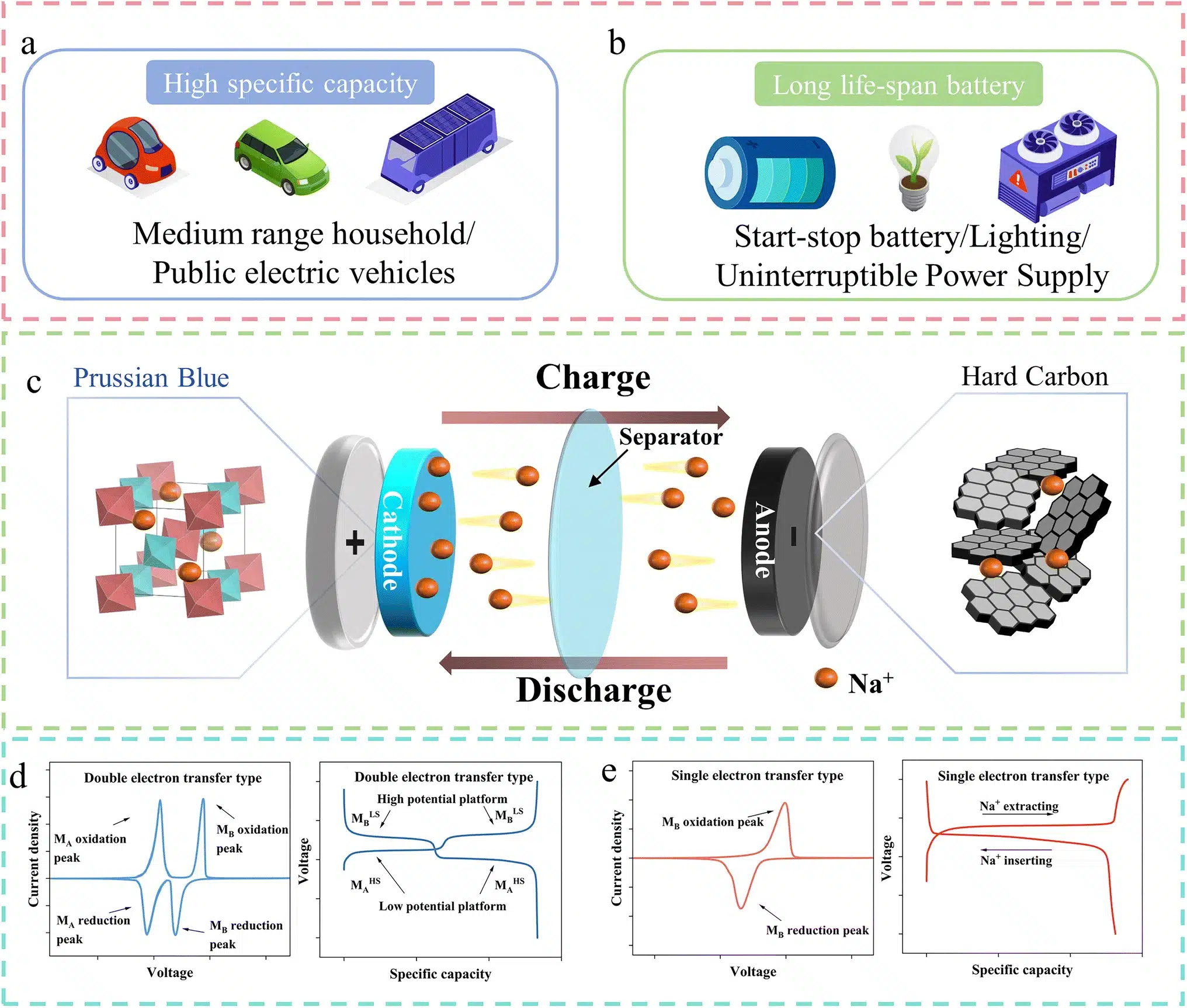
Sodyum iyon piller (SIB'ler), lityum iyon teknolojisine sürdürülebilir ve uygun maliyetli bir alternatif olarak hızla ilgi görüyor. Performanslarının merkezinde, sırasıyla katot ve anot görevi gören Prusya Mavisi Analogları (PBA'lar) ve sert karbon gibi malzemeler yer alıyor. PBA'lar, sodyum iyonu ara katmanlaması için kararlı bir kristal yapı ve yüksek kapasite sunarken, sert karbon uzun çevrim ömrü için gerekli iletkenliği ve dayanıklılığı sağlıyor. Bu malzemeler birlikte, ticari sodyum iyon pil kimyasının omurgasını oluşturarak, dünya çapında enerji depolama çözümlerinde yeniliği yönlendiriyor.
"Hazır Ürünler" ve "Pile Hazır Ürünler" Arasındaki Fark“
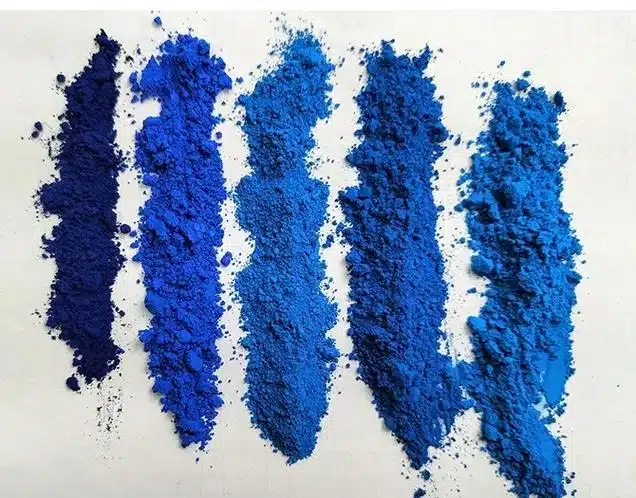
Sodyum iyon pil malzemelerinde kaydedilen ilerlemelere rağmen, kritik bir zorluk hala devam etmektedir: ham tozları, hassas parçacık boyutu kontrolüyle pil kullanımına hazır tozlara dönüştürmek. Hazır PBA'lar ve sert karbon genellikle tutarsız parçacık boyutu dağılımlarına sahiptir; bu da düşük elektrot paketleme yoğunluğuna, azalmış elektrokimyasal performansa ve sınırlı pil ömrüne yol açabilir. Bu eksiklik, üreticilerin sıkı parçacık boyutu özelliklerine ulaşmasını ve ilk şarjdan son şarja kadar optimum pil performansı sağlamasını mümkün kılan, Epic Powder'ın hava sınıflandırmalı öğütme çözümleri gibi özel öğütme ve sınıflandırma teknolojilerine olan acil ihtiyacın altını çizmektedir.
Öğütme Zorluğu: PBA'lar ve Sert Karbon Neden "Kolay" Malzemeler Değildir?
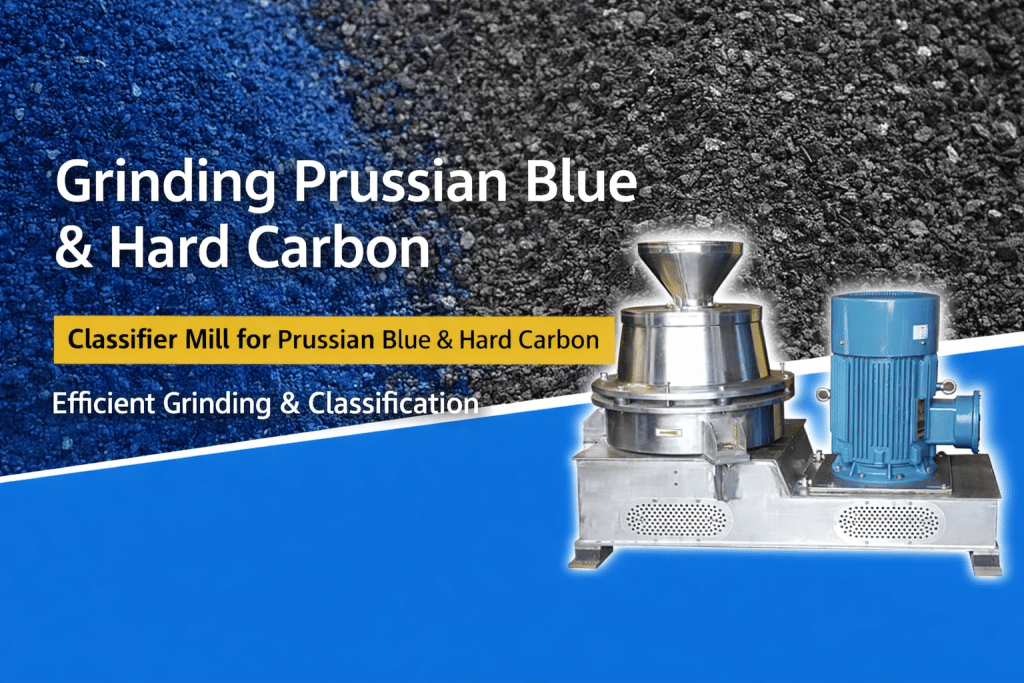
Sodyum iyon pil malzemeleri için hassas parçacık boyutu kontrolü söz konusu olduğunda, tüm tozlar aynı değildir. Prusya Mavisi Analogları (PBA'lar) ve sert karbon, özel çözümler gerektiren benzersiz öğütme zorlukları sunar.
Zorluk 1 – Nem Hassasiyeti (PBA'lar)
Prusya Beyazı gibi PCB'ler neme karşı oldukça hassastır. Öğütme sırasında neme maruz kalma, bozulmaya yol açarak pil performansını etkileyebilir. Bu nedenle, malzeme bütünlüğünü korumak için öğütme işleminin dikkatlice kontrol edilen, inert bir atmosferde yapılması gerekir.
2. Zorluk – Dayanıklılık ve Aşınma (Sert Karbon)
Sert karbonun dayanıklılığı, verimli bir şekilde öğütülmesini zorlaştırır. Aşındırıcı yapısı, geleneksel ekipmanları hızla yıpratır; bu nedenle, sert karbonun fiziksel özelliklerine optimize edilmiş aşınmaya dayanıklı makinelere ihtiyaç duyulur.
3. Zorluk – “Keskinlik” Gereksinimi
Pil sınıfı tozlar, keskin ve tutarlı parçacık boyutu dağılımları gerektirir. Bu "keskinliğe" ulaşmak, daha iyi elektrot paketlemesi ve performansı sağlar. Bu, standart öğütmenin çok ötesinde, öğütme ve sınıflandırma parametreleri üzerinde hassas kontrol gerektirir.
Bu zorlukların her biri, hazır öğütme ekipmanlarının sodyum iyon pil malzemeleri için neden genellikle yetersiz kaldığını vurgulamaktadır. Hava sınıflandırmalı değirmenler ve jet değirmenleri gibi özel olarak tasarlanmış sistemler, malzeme kalitesini ve verimliliğini korurken bu zorlu parçacık boyutu özelliklerini karşılamak için şarttır.
En uygun öğütme verimliliğine ulaşmak için daha derinlemesine bilgi edinmek amacıyla, hava akışlı öğütücülerin ayrıntılı prensiplerini incelemek faydalı olabilir. Burada.
Epic Toz Çözümü: Hava Sınıflandırmalı Değirmen (ACM) ve Jet Değirmen Sistemleri
PBA'lar için – İnert Gaz Kapalı Devre Jet Öğütme
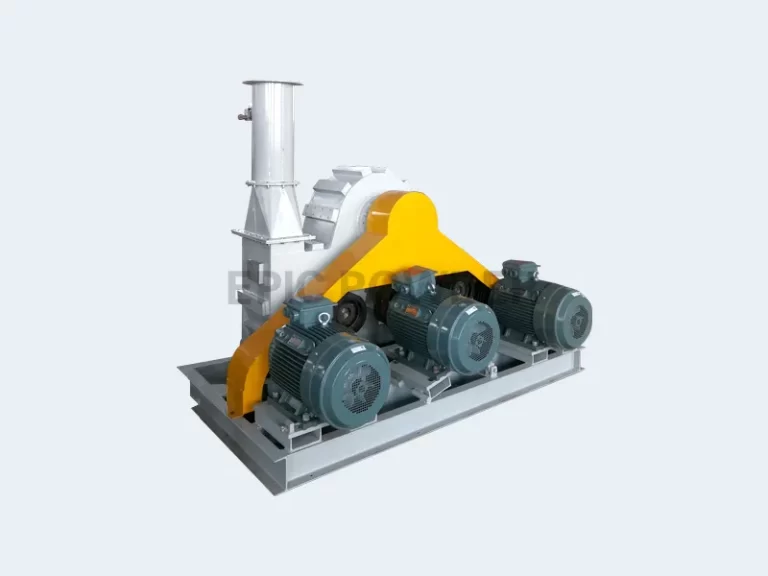
Prusya Mavisi Analogları (PBA'lar) ile çalışmak, nem hassasiyetiyle doğrudan mücadele etmek anlamına gelir. İnert gaz kapalı devre jet öğütme sistemimiz, hava ve neme maruz kalmayı önleyen kapalı bir ortam sunar. Bu düzenek, hassas PBA'ları öğütme sırasında korumakla kalmaz, aynı zamanda parçacık boyutu dağılımı üzerinde hassas kontrol sağlar. Azot gibi inert gazlar kullanarak, sodyum iyon pil malzemelerinin gerçek dünya uygulamalarında güvenilir bir şekilde çalışması için önemli faktörler olan toz saflığını ve stabilitesini koruyoruz.
Sert Karbon İçin – Aşınmaya Karşı Korumalı Tasarıma Sahip Hava Sınıflandırma Değirmeni
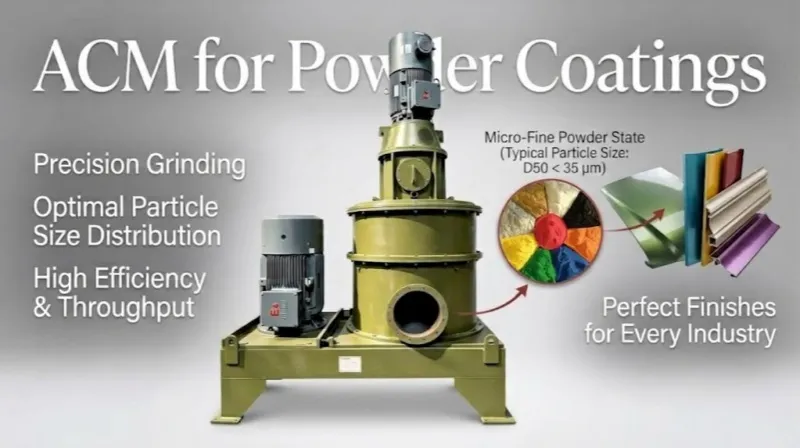
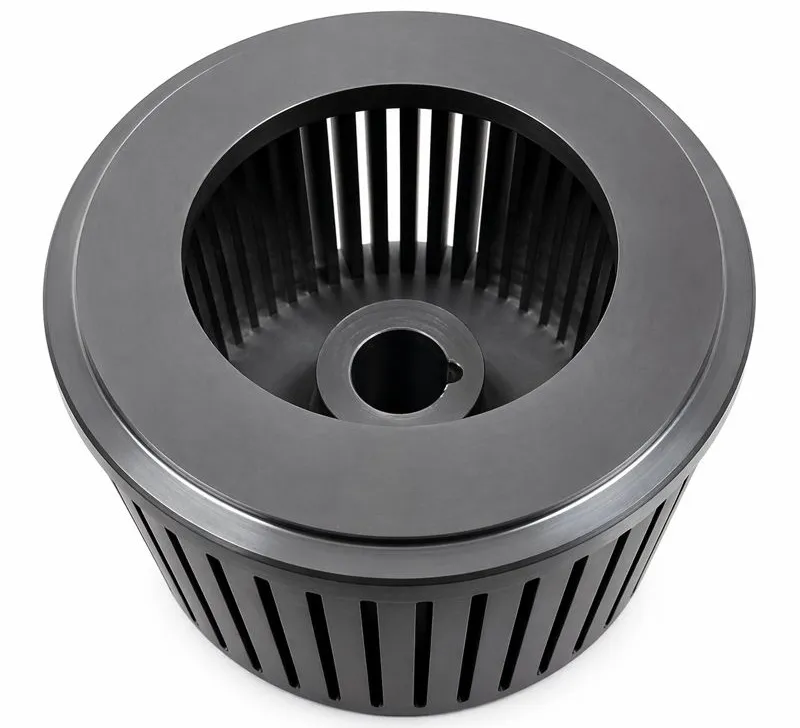
Sert karbonun dayanıklılığı ve aşındırıcı yapısı, uzun ömürlü bir değirmen gerektirir. Hava sınıflandırmalı değirmenimiz, sert karbon gibi yüksek aşınmaya maruz kalan malzemeler için özel olarak tasarlanmış aşınmaya dayanıklı bileşenlere sahiptir. Bu sistem, ince parçacıkları kaba parçacıklardan dinamik olarak ayırarak parçacık boyutunu hassas bir şekilde ayarlar ve ekipman ömründen ödün vermeden istenen D50 değerini elde eder. Aşınmaya karşı korumalı tasarım, daha az arıza süresi ve tutarlı çıktı anlamına gelir; bu da kaliteyi feda etmeden üretimi ölçeklendirmek için çok önemlidir.
Ar-Ge'den Seri Üretime Ölçeklenebilirlik
Epic Powder'ın öğütme çözümleri, kusursuz ölçeklenebilirlik için tasarlanmıştır. İster Ar-Ge aşamasında malzemeleri rafine ediyor olun, ister tam ölçekli üretime geçiyor olun, Hava Sınıflandırma Değirmeni ve Hava Jet Değirmeni sistemlerimiz, verim ve partikül boyutu hedeflerinize zahmetsizce uyum sağlar. Bu esneklik, geliştirme aşamalarınız boyunca tutarlı "pil için hazır" toz kalitesi sağlar ve seri üretime geçerken riskleri azaltır. Optimize edilmiş öğütme ve sınıflandırma parametreleriyle, dünya çapındaki sodyum iyon pil üreticileri için özel olarak tasarlanmış, tekrarlanabilir ve ölçeklenebilir sonuçlar elde edersiniz.
Malzemenize ve hedeflerinize uygun doğru öğütme ekipmanını nasıl seçeceğiniz konusunda ayrıntılı bilgi edinmek için, laboratuvar tipi bilyalı değirmen seçimi kılavuzumuzu faydalı bulabilirsiniz.
Adım Adım: Kaba Beslemeden Pilde Kullanıma Hazır Toza
Adım 1 – Besleme Malzemesinin Karakterizasyonu
Öğütme işlemine başlamadan önce, başlangıç malzemenizi anlamak çok önemlidir. Parçacık boyutu dağılımını, nem içeriğini ve sertliğini karakterize etmek, öğütme sürecini optimize etmeye yardımcı olur. PBA'lar ve sert karbon gibi sodyum iyon pil malzemeleri için bu, parçalanmalarını etkileyen nem hassasiyeti veya aşınma direnci gibi hassas özellikleri belirlemek anlamına gelir. Doğru besleme karakterizasyonu, hassas parçacık boyutu kontrolü ve optimum pil performansı için zemin hazırlar.
Adım 2 – Hedef D50 ve Verimliliğe Göre Ekipman Seçimi
Doğru öğütme sistemini seçmek, hedef D50 partikül boyutuna ve üretim hacmi ihtiyaçlarınıza bağlıdır. Hava sınıflandırıcılı değirmenler ve inert gaz jetli değirmenler, malzeme özelliklerine ve ölçeğe bağlı olarak avantajlar sunar. Örneğin, sert karbonda 5 μm'nin altında ince bir D50 elde etmek, aşınmaya dayanıklı hava sınıflandırıcıları gerektirebilirken, neme duyarlı PBA'lar kapalı devre inert gaz sistemlerinden fayda görür. Verimliliği korurken kaliteden ödün vermemek için ekipmanı verime ve hedef partikül boyutuna uygun hale getirmek çok önemlidir.
3. Adım – Öğütme ve Sınıflandırma Parametrelerinin Optimizasyonu
Rotor hızı, sınıflandırıcı tekerlek ayarları ve besleme hızı gibi parametrelerin ince ayarı, nihai tozun tam spesifikasyonları karşılamasını sağlar. Bu optimizasyon, keskin parçacık boyutu kesimleri elde etmeyi, aşırı öğütmeyi en aza indirmeyi ve özellikle kırılgan PBA'lar ve sert karbon tozları için önemli olan malzeme bütünlüğünü korumayı dengeler. İlk çalıştırmalar sırasında sürekli ayarlama, sodyum iyon elektrot gereksinimlerine göre uyarlanmış, pil kullanımına hazır tozlar için mükemmel öğütme ayarını yapmanızı sağlar.
Adım 4 – Taşlama Sonrası İşlemler
Hedeflenen parçacık boyutuna ulaşıldıktan sonra, uygun işlemler topaklanmayı, kirlenmeyi ve nem emilimini önler. Kontrollü ortam transferi, inert gaz örtüsü ve antistatik önlemler gibi teknikler, depolama ve taşıma sırasında toz kalitesini korur. Öğütme sonrası etkili işlemler, tutarlı elektrot üretimi ve genel pil performansı için kritik öneme sahip olan hassas ayarlanmış parçacık boyutu dağılımını güvence altına alır.
Bu adımları izleyerek, üreticiler kaba hammaddeleri hassas kontrollü sodyum iyon pil malzemelerine dönüştürebilir ve endüstri D50 kıyaslama ölçütlerini güvenilir ve verimli bir şekilde karşılayabilirler. Toz sınıflandırmasının optimizasyonu hakkında bilgi edinmek için uzmanlığımızı inceleyin. Hava sınıflandırıcıları kullanarak kalsiyum karbonat tozu sınıflandırmasında uzmanlaşma.
Kanıtlanmış Sonuçlar: Sodyum İyon Endüstrisinin Parçacık Boyutu Kriterlerini Karşılamak
Durum A – Prusya Beyazı, D50 18,4 μm → D50 5,2 μm
İnert gaz kapalı devre jet öğütme sistemimizi kullanarak, Prusya Beyazı partikül boyutunu kaba D50 değeri olan 18,4 μm'den hassas ayarlanmış D50 değeri olan 5,2 μm'ye başarıyla düşürdük. Bu hassas partikül boyutu kontrolü, malzemenin yüksek performanslı sodyum iyon pil katotları için mükemmel şekilde optimize edilmesini sağlayarak elektrot homojenliğini ve genel pil verimliliğini artırır.
Durum B – D50 9,8 μm'den D50 4,1 μm'ye Sert Karbon
Sert karbon anot malzemeleri için, aşınmaya karşı korumalı tasarıma sahip hava sınıflandırma değirmenimiz, D50 9,8 μm'den 4,1 μm'ye kadar keskin bir parçacık boyutu küçültmesi sağladı. Bu kontrol seviyesi, sodyum iyon pil teknolojisinin geliştirilmesi için kritik faktörler olan elektrot paketleme yoğunluğunu ve döngü stabilitesini artırır.
Üretime Hazır Tutarlılık
Hem PBA'larda hem de sert karbonda, sistemlerimiz parti bazında tutarlı parçacık boyutu dağılımı sağlar. Bu güvenilirlik, malzeme kalitesinden ödün vermeden sodyum iyon pil üretimini Ar-Ge'den seri üretime ölçeklendirmek için çok önemlidir. Uygulamalı süreç optimizasyonumuz ve sağlam ekipman tasarımımız, katı endüstri standartlarını karşılayan istikrarlı, tekrarlanabilir tozlar garanti eder. Toz sınıflandırma yeteneklerimiz hakkında daha fazla bilgi edinmek için, aşağıdaki bağlantıya göz atın. hava sınıflandırıcısının çalışma prensibi ve avantajları hava jeti değirmeni teknik uygulamaları.
Sodyum-İyon Pil Üreticileri Neden Epic Powder'ı Tercih Ediyor?
Malzemeye Özel Mühendislik, "Tek Beden Herkese Uyar" Değil“
Epic Powder olarak, PBA'lar ve sert karbon gibi sodyum iyon pil malzemeleri için hassas partikül boyutu kontrolünün özel çözümler gerektirdiğini biliyoruz. Yaklaşımımız tek tip değil; her malzemenin benzersiz özelliklerine uyacak şekilde öğütme ve sınıflandırma yöntemlerini özelleştirerek optimum performans sağlıyoruz. İster neme duyarlı PBA'lar ister dayanıklı sert karbon olsun, hava sınıflandırmalı değirmen çözümlerimiz pil verimliliği için gerekli olan tutarlı ve hassas partikül boyutları sunar.
Tozdan Poşet Halindeki Hücreye – Elektrot Gereksinimlerini Anlıyoruz
Pil üretim zincirinin tamamına odaklanıyoruz. Uzmanlığımız öğütmenin ötesine geçiyor; parçacık boyutu dağılımını, sonraki aşamalardaki elektrot kaplama ve poşet pil montajı ihtiyaçlarıyla uyumlu hale getiriyoruz. Bu, pil üretimine hazır tozların üretime sorunsuz bir şekilde entegre olmasını sağlayarak elektrot homojenliğini, elektrokimyasal performansı ve kullanım ömrü güvenilirliğini artırır.
Küresel Servis ve Kurulum Desteği
Epic Powder, dünya çapındaki sodyum iyon pil üreticilerine eksiksiz kurulum, devreye alma ve sürekli servis hizmeti sunmaktadır. İlk kurulumdan ölçeklenebilir Ar-Ge'ye ve seri üretim hatlarına kadar, ekibimiz hava sınıflandırma değirmeni ve jet değirmeni sistemlerinizin sorunsuz çalışmasını ve hızlı optimizasyonunu garanti eder. Bu hizmet altyapısı, hassas partikül boyutu kontrolünüzün tüm aşamalarda istikrarlı ve verimli kalmasını sağlar.
| Epic Powder'ı Seçmenin Başlıca Faydaları |
|---|
| PBA'lar ve sert karbon için özel frezeleme çözümleri |
| Parçacık boyutundan elektrot kalitesine kadar süreç entegrasyonu |
| Dünya çapında kurulum ve teknik destek ekibi |
| Laboratuvardan üretime ölçeklenebilir sistemler |
Gelişmiş taşlama teknolojilerimiz hakkında daha fazla bilgi edinmek için detaylı kılavuzumuza bakın. kimya laboratuvarı jet değirmeni ve hava sınıflandırıcı sistemleri İlgili alanlarda uygulanmıştır.
Sıkça Sorulan Sorular
Sisteminiz sert karbon için D50 < 3 μm değerini elde edebilir mi?
Evet, Hava Sınıflandırma Değirmenimiz (ACM) ve Hava Jet Değirmenimiz, sert karbon tozlarını D50 3 μm'nin altına indirgeyebilen hassas parçacık boyutu kontrolü sağlamak üzere tasarlanmıştır. Bu ince boyuta ulaşmak, sodyum iyon pillerinde optimum elektrot performansını garanti eder. Verimlilik ve kaliteyi dengeleyerek, bu kadar sıkı parçacık boyutu gereksinimlerini tutarlı bir şekilde karşılamak için öğütme ve sınıflandırma parametrelerini özelleştiriyoruz.
Çözücü bazlı/ıslak öğütme sistemleri sunuyor musunuz?
Şu anda odak noktamız, PBA'lar ve sert karbon gibi sodyum iyon pil malzemeleri için uygun olan inert gaz kapalı devre jet öğütme ve aşınmaya karşı korumalı hava sınıflandırma değirmenleri de dahil olmak üzere kuru öğütme teknolojileridir. Kuru işlem, özellikle neme duyarlı PBA'larda nemle ilgili sorunları önler. Çeşitli fiziksel özelliklere sahip tozların nasıl işleneceğine dair ayrıntılı bilgiler için kılavuzumuza başvurabilirsiniz. Farklı fiziksel özelliklere sahip tozların karıştırma homojenliğini artırmak için ön işlemden geçirilmesi nasıl yapılır?.
Üretim ölçekli bir sistem için teslim süresi ne kadardır?
Teslim süreleri, sistem konfigürasyonuna ve ölçeğine bağlı olarak değişir. Tipik olarak, üretim ölçekli sistemler, sipariş onayından sonra 16 ila 20 hafta içinde teslim edilebilir. Bu süre, hedeflediğiniz parçacık boyutu ve verim için özel mühendislik çalışmalarını da içerir. Daha sorunsuz proje planlaması için, sodyum iyon pil malzemesi ihtiyaçlarınız konusunda erken danışma, ekipman seçimini ve teslimat programlarını optimize etmemize yardımcı olur.
Destansı Toz
At Destansı Toz, Geniş bir ekipman modeli yelpazesi sunuyoruz ve özel ihtiyaçlarınızı karşılayacak çözümler üretiyoruz. Ekibimiz, çeşitli toz işleme alanlarında 20 yılı aşkın deneyime sahiptir. Epic Powder, maden endüstrisi, kimya endüstrisi, gıda endüstrisi, ilaç endüstrisi vb. için ince toz işleme teknolojisinde uzmanlaşmıştır.
Ücretsiz danışmanlık ve size özel çözümler için bugün bizimle iletişime geçin!
“Okuduğunuz için teşekkürler. Umarım makalem yardımcı olmuştur. Lütfen aşağıya yorum bırakın. Ayrıca EPIC Powder çevrimiçi müşteri temsilcisiyle de iletişime geçebilirsiniz. Zelda Daha fazla bilgi için lütfen iletişime geçin.”
— Jason Wang, Kıdemli Mühendis