Malzeme Bilgileri

Toz halindeki malzemeler, ilaç, metalurji ve eklemeli imalat dahil olmak üzere birçok endüstride hayati öneme sahiptir. Mikrometreden milimetreye kadar değişen boyutlardaki bu ince parçacıklar, benzersiz özelliklere sahiptir ve birçok uygulama için uygundur. Tozların özelliklerini ve davranışlarını bilmek çok önemlidir. Bu, süreçleri optimize etmek ve istenen sonuçları elde etmek için hayati öneme sahiptir.

Toz halindeki malzemelerde en önemli faktörlerden biri parçacık boyutu ve dağılımıdır. Bu faktörler, tozların akışkanlığını, paketleme yoğunluğunu ve reaktivitesini önemli ölçüde etkiler. Katmanlı üretimde, dar bir parçacık boyutu aralığı katman homojenliğini artırabilir. Bu da nihai üründe daha iyi mekanik özelliklere yol açar.

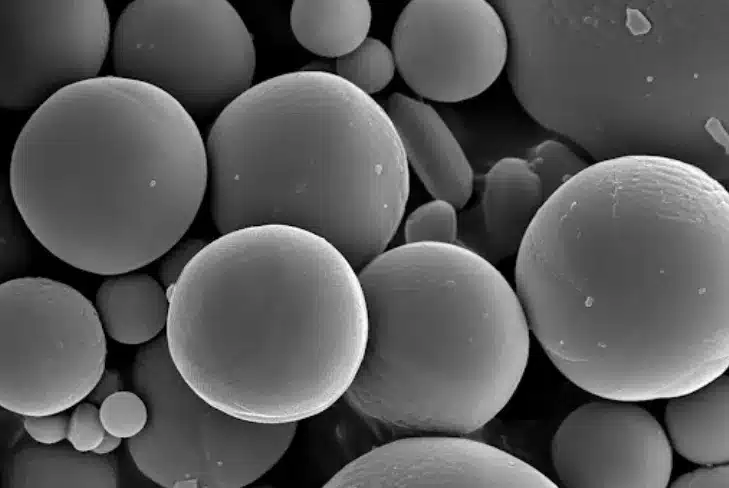
Bir diğer önemli husus ise parçacıkların morfolojisidir. Toz halindeki malzemelerin şekli ve yüzey dokusu, işleme sırasındaki davranışlarını etkileyebilir. Küresel tozlar, düzensiz şekilli parçacıklara göre daha iyi akar ve paketlenir. Bu nedenle, 3D baskı için idealdirler.

Ayrıca, toz halindeki malzemelerin kimyasal bileşimi, ilaç sektörü gibi alanlarda kritik öneme sahiptir. Bu alanda saflık ve tutarlılık hayati önem taşır. Üreticiler, tozların sıkı kalite standartlarını karşıladığından emin olmalıdır. Bu, nihai ürünlerin etkinliğini ve güvenliğini garanti altına almak içindir.

Son olarak, toz halindeki malzemelerin nasıl saklanacağı ve kullanılacağını anlamak çok önemlidir. Bu, kirlenmeyi ve bozulmayı önler. İyi teknikler tozların bozulmadan kalmasını sağlar. Böylece, amaçlanan kullanımlarında iyi performans göstereceklerdir.

Sonuç olarak, toz halindeki malzemelerle ilgili bilgiler birçok faktörü içerir. Bunlar arasında parçacık boyutu, morfoloji, kimyasal bileşim ve işleme yöntemleri yer alır. Toz halindeki malzemeleri kullanarak ürünlerini yenileyen ve geliştiren endüstriler için bu unsurların kapsamlı bir şekilde anlaşılması hayati önem taşır.

Pearlescent Masterbatch

How is Barium Sulfate Used in Plastic Films? Introducing Two Common Functional Masterbatches for Films

Barium sulfate, also known as barite, is a colorless, odorless, and non-toxic inorganic compound with the chemical formula BaSO4. It features high density, high whiteness, good chemical stability, and resistance to acids and alkalis, and is insoluble in water and most acids. These properties make barium sulfate widely applicable in various fields. Natural Barium Sulfate […]

How is Barium Sulfate Used in Plastic Films? Introducing Two Common Functional Masterbatches for Films Devamını oku "»

Glass powder

Electronic Paste : A Synergistic Combination of Functional Powder, Glass Frit, and Vehicle

Electronic paste is a general term for electronic material products in paste or fluid form. They are typically applied onto substrates such as ceramics, glass, polymer films, silicon wafers, and metal bases via screen printing, inkjet printing, coating, pad printing, or 3D printing. After sintering or curing, they form functional layers or patterns. It’s widely

Electronic Paste : A Synergistic Combination of Functional Powder, Glass Frit, and Vehicle Devamını oku "»

Quartzite for metallurgy

Quartzite: A Vital Industrial Mineral

Quartzite is a metamorphic rock composed mainly of quartz. It is far from ordinary—instead, it serves as a critical mineral resource supporting numerous industrial sectors. It forms through the regional metamorphic recrystallization or contact metamorphism of protoliths such as quartz sandstone, other siliceous rocks, or silica-rich rocks near magmatic bodies. Quartzite ore consists of cryptocrystalline

Quartzite: A Vital Industrial Mineral Devamını oku "»

calcium-carbonate1

Several Commonly Used Inorganic Fillers for Plastics

Fillers not only reduce production costs and increase profit margins but also enhance properties such as high-temperature resistance, corrosion resistance, surface hardness, strength, wear resistance, flame retardancy, and insulation to some extent. For plastics, there are commonly used fillers like glass fiber, calcium carbonate, glass microspheres, silicate minerals and titanium dioxide. Glass Fiber Glass fiber

Several Commonly Used Inorganic Fillers for Plastics Devamını oku "»

Jet Mill on site

What Type of Ultra-Fine Grinding Equipment Is Suitable for Porous Carbon with 1200 Mesh Particle Size?

Selecting the right ultra-fine grinding equipment to achieve a 1200-mesh particle size for porous carbon involves carefully considering the material’s unique properties—such as its porosity, brittleness, purity demands, and potential for electrostatic adhesion—alongside the operational principles and performance of various grinding machines. Because porous carbon needs to maintain its delicate structure while reaching such fine

What Type of Ultra-Fine Grinding Equipment Is Suitable for Porous Carbon with 1200 Mesh Particle Size? Devamını oku "»

NdFeB magnetic

What Type of Grinding Mill is Suitable for Producing Ultrafine NdFeB Powder?

NdFeB (neodymium iron boron) is characterized by its high hardness, strong magnetic properties, and vulnerability to oxidation. Producing ultrafine NdFeB powder requires specialized grinding equipment that offers efficient milling, precise particle size classification, and protection against oxidation through inert gas environments. Below is an analysis of the most suitable grinding mills for ultrafine NdFeB powder

What Type of Grinding Mill is Suitable for Producing Ultrafine NdFeB Powder? Devamını oku "»

Diatomite Powder

The Versatile World of Functional Fillers – From Kaolin to Silica – Part 2

In Part 1, we uncovered the secrets behind stronger and more cost-effective plastics, exploring the fundamental roles of calcium carbonate, talc, and wollastonite. But the world of plastic fillers doesn’t stop there. Now, let’s discover how materials like kaolin, mica and silica can be the key to your next innovative plastic compound. Kaolin Kaolin (Al₂O₃·2SiO₂·2H₂O),

The Versatile World of Functional Fillers – From Kaolin to Silica – Part 2 Devamını oku "»

plastic

The Versatile World of Functional Fillers – From Kaolin to Silica – Part 1

Have you ever wondered why some plastic products outperform others in strength, durability, and cost-effectiveness? The secret often lies not in the base polymer itself, but in the sophisticated world of plastic modification through functional fillers. These mineral powders, when properly selected and incorporated, can dramatically enhance material properties while reducing production costs. In this

The Versatile World of Functional Fillers – From Kaolin to Silica – Part 1 Devamını oku "»

Ball mill0

Q&A: Why is Aluminum Powder Used in the Production of Aerated Concrete Blocks?

This article explores the critical role of aluminum powder in manufacturing aerated concrete blocks—a lightweight, energy-efficient building material. Specifically, we will examine how aluminum powder enables the formation of the material’s distinctive porous structure and review the grinding equipment offered by Epic Powder, a specialist in ultra-fine powder processing technology. Q1: Why is aluminum powder

Q&A: Why is Aluminum Powder Used in the Production of Aerated Concrete Blocks? Devamını oku "»

Lithium Iron Phosphate

Is Ceramic Protection Needed in Lithium Iron Phosphate Pulverization?

In the production of lithium iron phosphate (LFP) batteries, maintaining material purity is critical to ensuring electrochemical performance and safety. One key process, the pulverization of LFP cathode materials often raises the question of whether ceramic protection is necessary. Below, we explore the importance of ceramic protection during the grinding process. As a cathode material

Is Ceramic Protection Needed in Lithium Iron Phosphate Pulverization? Devamını oku "»