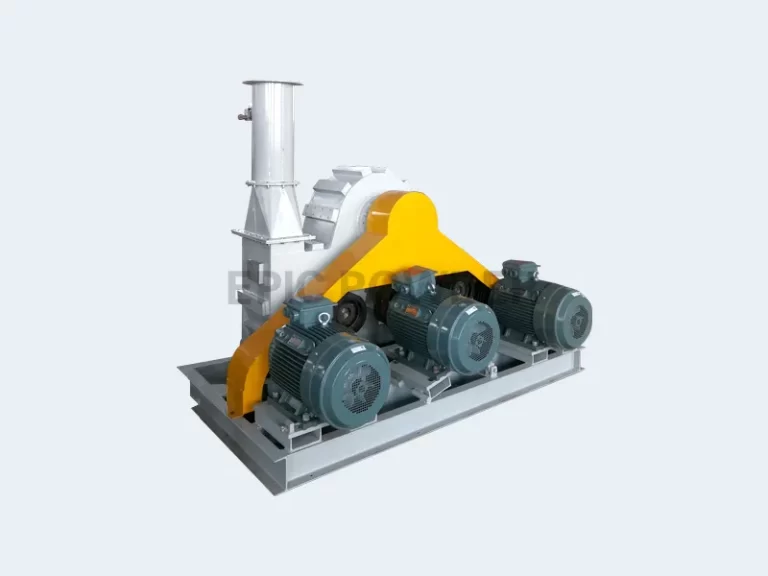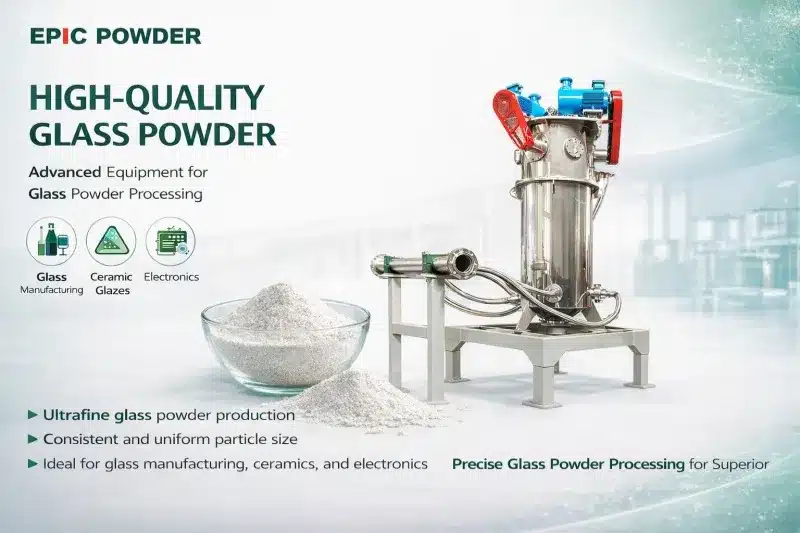
Yeni lityum pil malzemeleri, ilaçlar, ince seramikler, kimyasallar, gıda ve yarı iletkenler gibi yüksek kaliteli toz endüstrilerinde, jet değirmeni (akışkan enerji değirmeni olarak da bilinir), ortam gerektirmeyen, ultra ince öğütme elde etmek için kullanılan temel ekipmandır.
Üretim hattında yeri doldurulamaz bir varlıktır. Bu durum özellikle mikron ve alt mikron seviyesinde yüksek saflıkta tozlar üretirken, metal kontaminasyonunu önlerken veya ısıya duyarlı ve yanıcı/patlayıcı malzemeleri işlerken geçerlidir. Bugün, bu kapsamlı kılavuzda jet değirmenleri hakkında bilmeniz gereken her şeyi ele alıyoruz!
Nedir? Jet Değirmeni?
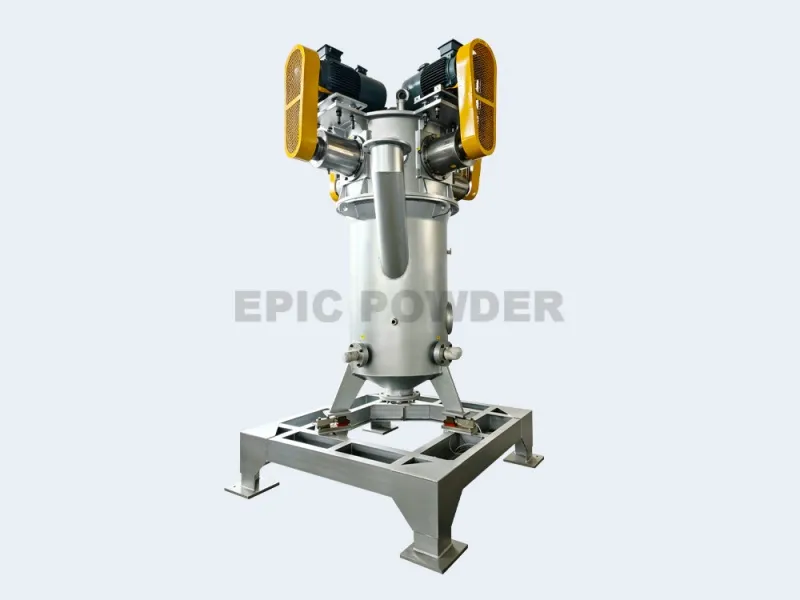
Jet değirmeni, malzeme parçacıklarını hızlandırmak için yüksek basınçlı, süpersonik gaz akımlarına dayanır. Bu parçacıklar, boyut küçültme sağlamak için birbirleriyle çarpışır, darbe alır, sürtünür ve kesilir. Entegre, yüksek hızlı dinamik sınıflandırıcı çarkı sayesinde, ekipman öğütme ve sınıflandırmayı eş zamanlı olarak gerçekleştirir. Bu, tek bir adımda hassas bir şekilde kontrol edilebilir parçacık boyutlarına sahip ultra ince tozlar elde edilmesini sağlar.
Sıkıştırılmış hava, azot, inert gazlar veya soğutulmuş hava ile çalışabilir. Bu özelliği sayesinde yüksek saflıkta, ısıya duyarlı, kolay oksitlenen veya yanıcı ve patlayıcı maddeler için mükemmel bir şekilde uygundur. Kaba öğütmeden ultra ince ve nano ölçekli toz üretimine kadar her şeyi işleyebilen, üst düzey ince toz işleme için ana akım ekipman olarak öne çıkmaktadır.
Jet Değirmeni Nasıl Çalışır?
İşte çalışma prensibinin basit, adım adım açıklaması:
- Gaz Hızlanması: Kurutulmuş ve filtrelenmiş sıkıştırılmış gaz, Laval nozulları aracılığıyla süpersonik hızlara ivmelendirilir. Mach 1.5 ila 2.0 veya daha yüksek, Daha sonra, kapalı bir öğütme haznesine enjekte edildi.
- Malzeme Akışkanlaştırma ve Çarpışma: Vidalı besleyici, ham maddeleri öğütme bölgesine besler. Yüksek hızlı gaz akımları parçacıkları akışkanlaştırır ve askıda tutar. Yoğun türbülansın etkisiyle parçacıklar yüksek hızlarda birbirine çarpar ve sürtünme yoluyla parçalanarak ultra ince parçacık boyutuna ulaşır.
- Otomatik Sınıflandırma: Gaz akımı, öğütülmüş tozu yukarı doğru sınıflandırma bölgesine taşır. Hızlı dönen bir sınıflandırıcı çark, güçlü merkezkaç kuvvetleri oluşturur: iri parçacıklar dışarı fırlatılır ve ikincil öğütme için öğütme odasına geri düşerken, nitelikli ince parçacıklar çarktan geçer ve toplama sistemine doğru hareket eder.
- Ürün Koleksiyonu: Uygun ultra ince toz, toplama için bir siklon ayırıcıya ve bir darbeli jet torba filtreye girerken, temiz egzoz havası dışarı atılır. Toz sızıntısını önlemek için tüm işlem negatif basınç altında çalışır.
Kısacası: Yüksek basınçlı gaz, malzemeyi hızlandırır → parçacıklar birbirleriyle çarpışarak öğütülür → sınıflandırıcı tekerlek tozu otomatik olarak eler → iri taneli malzemeler yeniden öğütülmek üzere geri dönüştürülür. Öğütücü ortam olmadan saf parçacık-parçacık çarpışması, metal safsızlık bulaşmasını kaynağında tamamen ortadan kaldırır.
Jet Değirmenlerinin Başlıca Sınıflandırmaları
Piyasada bulunan jet freze makineleri, yapı, işlem ve uygulama senaryolarına göre genel olarak dört ana kategoriye ayrılır. Farklı modeller, işlemek için en uygun oldukları malzemeler açısından büyük farklılıklar gösterir.
1. Yapısal Konfigürasyona Göre
Spiral Jet Freze:
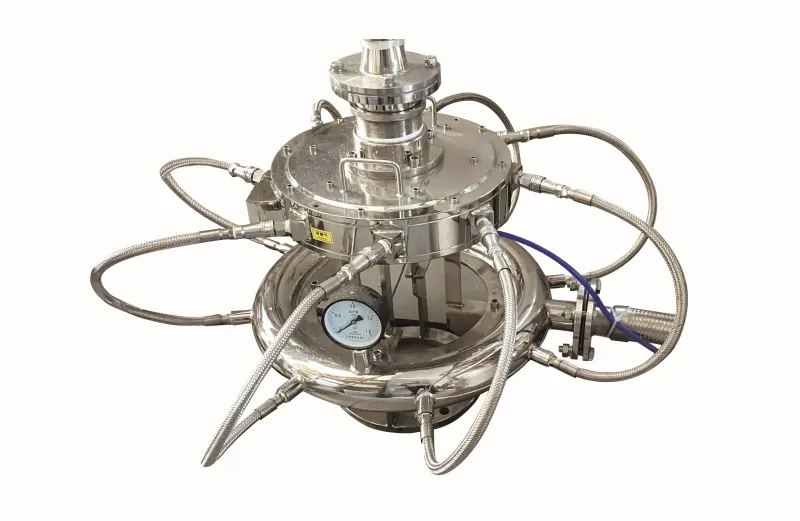
Düz, disk şeklinde bir öğütme haznesine ve çevresine eşit aralıklarla yerleştirilmiş çok sayıda süpersonik nozula sahiptir. Malzemeler disk haznesi içinde yüksek hızlarda dolaşır ve sürekli çarpışmalara maruz kalır. Bu değirmen, dar partikül boyutu dağılımları sağlar ve orta sertlikteki mineraller ve kimyasal dolgu maddeleri için idealdir. Yurtiçinde kullanılan en eski klasik modellerden biri olarak, tek dezavantajı nispeten yüksek özgül enerji tüketimidir.
Akışkan Yataklı Jet Değirmeni:
Endüstriyel seri üretim için ana akım güç merkezi. Haznenin alt kısmına yerleştirilmiş çok sayıda zıt nozul, malzemelerin akışkan halde tamamen askıda kalırken çarpışmasına ve öğütülmesine olanak tanır. Çoklu nozul tasarımı, akışkanlaştırma ve türbin sınıflandırma teknolojilerini entegre eder. Düşük enerji tüketimi, minimum hazne aşınması, yüksek kapasite ve düşük bakım maliyetleri sunar. İşlenen toz, kirlilik içermez ve birinci sınıf kalitededir; bu nedenle lityum pil malzemeleri, aktif farmasötik bileşenler (API'ler) ve gıda tozları gibi üst düzey ince üretim hatlarında yaygın olarak kullanılır.
Halkalı Jet Değirmeni (Oval/Boru Jet Değirmeni):
Malzemelerin tekrar tekrar dolaşmasına ve öğütülmesine olanak tanıyan uzun, halka şeklinde bir boru yapısı kullanır. Kalsiyum karbonat ve talk gibi kırılgan, düşük sertlikteki malzemelerin ultra ince işlenmesi için en uygundur. Tekdüze parçacık boyutları elde edilir, ancak yalnızca birkaç özel varyantı daha sert malzemeleri işleyebilir. Genel ekipman alanı nispeten büyüktür.
Jet Mill'e Karşı Çıkanlar:
Hassas, yüz yüze nozul hizalaması prensibine dayanır. İki yüksek hızlı gaz akımı, malzemeleri doğrudan kafa kafaya çarpışmaya taşır. Öğütme işlemi tamamen parçacıkların kendi kendine çarpmasına dayanır; bu da sıfır ortam kirlenmesi ve sıfır hazne aşınması anlamına gelir. Yüksek öğütme verimliliğine ve mükemmel parçacık boyutu tutarlılığına sahiptir, ancak karmaşık yapısı, büyük kapladığı alan ve yüksek enerji tüketimi, kullanımını çoğunlukla ilaçlar ve gıda katkı maddeleri gibi küçük partiler halinde üretilen, yüksek hijyen gerektiren özel tozlarla sınırlandırmaktadır.
Hedef Jet Freze:
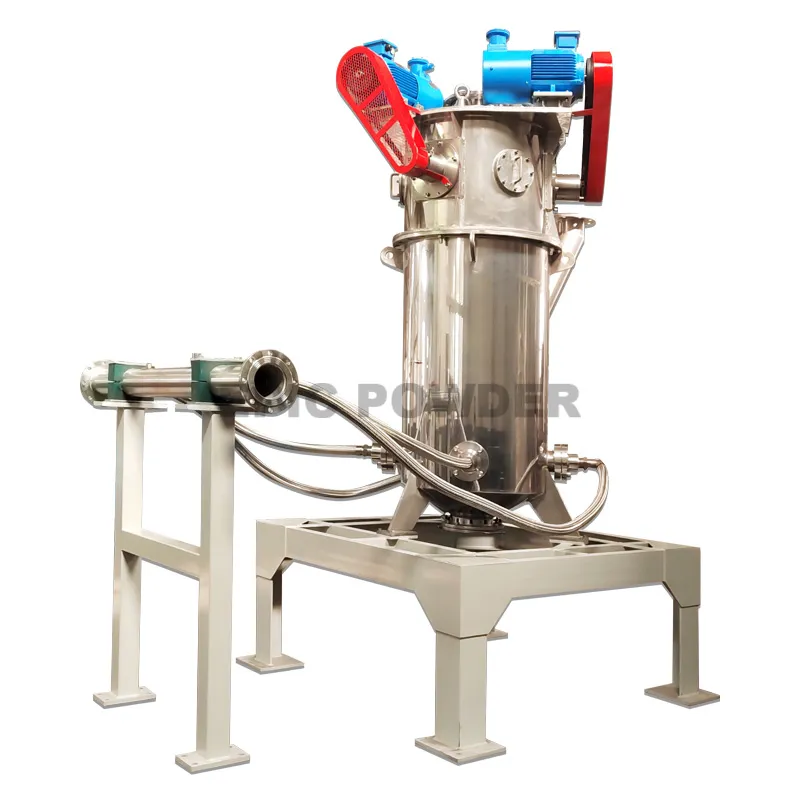
Kimya mühendisliğinde yaygın olarak kullanılan özel bir jet öğütücü. Malzemeler bir nozül içinden hızlandırılır ve boyut küçültme sağlamak için sabit veya hareketli bir hedef plakaya çarpar. Bir hava sınıflandırıcı ile kapalı devre bir sistem oluşturabilir ve özellikle ısıya duyarlı malzemeler ve nadir toprak kalıcı mıknatıs malzemeleri olmak üzere Mohs sertliği 9'un altında olan malzemelerin ultra ince öğütülmesi için uygundur. Bununla birlikte, ciddi hedef plaka aşınması, ürün kontaminasyon riski ve yüksek enerji tüketimi gibi dezavantajları vardır.
2. Koruyucu Gaz İşlemi ile
- Standart Hava Tipi: Kalsiyum karbonat, talk, alümina ve kaplama dolgu maddeleri gibi geleneksel, oksitlenmeyen malzemeler için ortam havasını kullanır. Bu, en uygun maliyetli seçenektir.
- İnert Gaz Korumalı Tip (Azot / Argon): Lityum pil anotları, metal tozları ve fosfitler gibi kolayca oksitlenen, yanıcı veya patlayıcı maddeler için kullanılır. Oksijeni izole eden tamamen kapalı bir devrede çalışır.
- Kriyojenik (Derin Soğutmalı) Jet Değirmeni: Soğutma gazı kaynağıyla donatılmış olan bu cihaz, yüksek ısı hassasiyetine sahip malzemeler (ilaç hammaddeleri, gıda katkı maddeleri, reçine tozları) için özel olarak tasarlanmıştır ve tüm öğütme işleminin düşük sıcaklıklarda kalmasını sağlayarak topaklanmayı veya termal bozulmayı önler.
3. Üretim Ölçeğine Göre
- Laboratuvar Ölçekli Jet Değirmeni: 50–300 litrelik küçük ölçekli Ar-Ge ve numune alma işlemleri için tasarlanmıştır. Malzeme kaybını en aza indirir ve üniversiteler ile araştırma laboratuvarları için idealdir.
- Endüstriyel Üretim Jet Değirmeni: Yeni enerji ve ilaç fabrikalarındaki büyük ölçekli üretim hatları için özel olarak tasarlanmış, saatte onlarca kilogramdan birkaç tona kadar değişen işleme kapasiteleri sunar.
4. İç Astar Malzemesi ile
- Mevcuttur paslanmaz çelik kaplamalar, seramik kaplamalar ve poliüretan kaplamalar. Yüksek saflıkta, demir içermeyen ürünlere ihtiyaç duyan endüstriler, aşağıdaki özelliklere sahip modelleri tercih etmelidir: tam seramik kaplama.
Jet Değirmen Sisteminin Temel Bileşenleri
Tam bir kapalı devre jet öğütme sistemi, uyum içinde çalışan birçok hayati bileşene dayanır. Bunların her biri toz saflığını, kapasiteyi ve ekipman ömrünü doğrudan etkiler:
- Öğütme Haznesi: Malzeme çarpışmalarının gerçekleştiği merkezi çalışma alanı. Hazneyi korumak ve kirlenmeyi önlemek için değiştirilebilir, aşınmaya dayanıklı astarlara sahiptir.
- Laval Süpersonik Nozullar: Yüksek basınçlı gazı hızlandırmaktan sorumlu temel bileşenler. Meme ucundaki herhangi bir aşınma, öğütme inceliğini ve verimliliği anında azaltacaktır.
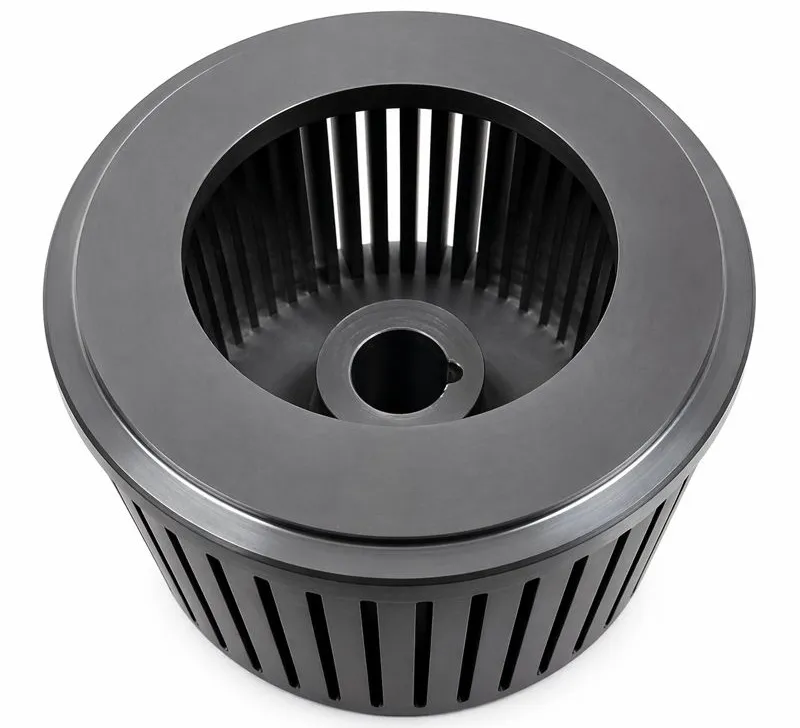
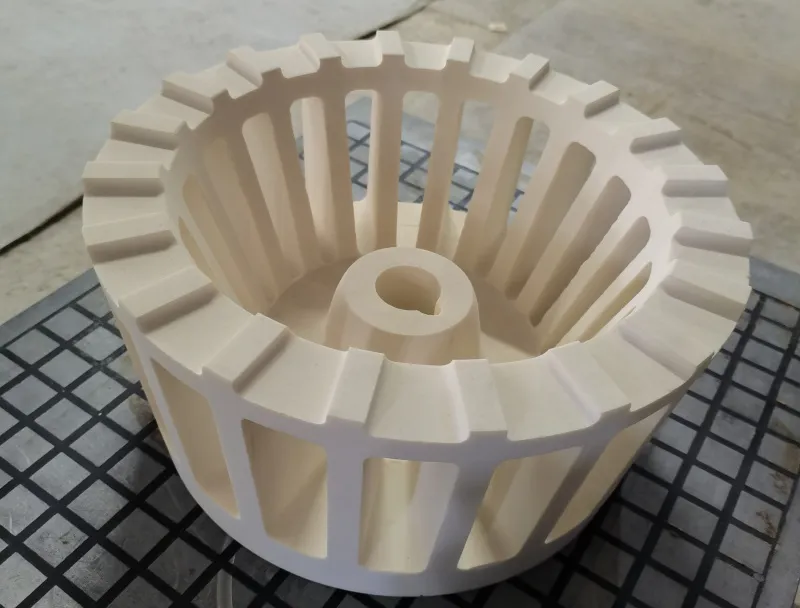
- Yüksek Hızlı Sınıflandırma Çarkı: Son partikül boyutlarının kontrol mekanizması. Dönme hızının ayarlanması, kullanıcıların istedikleri D50 veya D97 toz özelliklerini serbestçe belirlemelerine olanak tanır.
- Vidalı Besleme Sistemi: Malzemenin homojen ve nicelikli bir şekilde beslenmesini sağlar. Besleme hızının kontrolü, optimum öğütme verimliliğini korumak için kritik öneme sahiptir.
- Gaz Arıtma Ünitesi: Çalışma gazının tamamen kuru, yağsız ve susuz olmasını sağlamak için bir hava kompresörü, soğutmalı kurutucu ve hassas filtrelerden oluşmaktadır.
- Tahsilat Sistemi: Son işlemden geçirilmiş ultra ince tozu toplarken mikro tozları da tutan bir siklon ayırıcı ve darbeli jet kumaş torba filtreden oluşmaktadır.
- Elektrik Kontrol Sistemi: Hava basıncını, besleme hızlarını, sınıflandırma hızlarını ve sistem sıcaklıklarını hassas bir şekilde yönetmek için kullanılan entegre bir PLC kontrol paneli.
- Gaz Sirkülasyon Boruları: Tozun dışarı kaçmasını önleyen, sızdırmaz, negatif basınçlı bir ağ. İnert gaz sistemlerinde gaz geri dönüşümünü kolaylaştırır.
Ekipman Seçimi İçin 6 Önemli Nokta
Yanlış makine seçimi, kolayca standart dışı inceliğe, düşük kapasiteye, malzeme oksidasyonuna veya haznenin hızlı aşınmasına yol açabilir. Bu altı seçim kriterini aklınızda bulundurun:
- Malzemenin Fiziksel ve Kimyasal Özelliklerini Analiz Edin: Isıya duyarlı veya düşük erime noktalı malzemeler için kriyojenik bir model seçin. Lityum veya metal tozları için azot/inert gaz korumalı bir model tercih edin. Yüksek saflıkta ilaçlar ve seramik hammaddeleri tam seramik kaplama gerektirir. Yüksek aşındırıcı, yüksek sertlikteki malzemeler için döngülü veya hedef jetli değirmenlere öncelik verin.
- Hedef Parçacık Boyutunu Değerlendirin: Sadece standart mikro tozlara ihtiyacınız varsa, düz tip jet değirmeni yeterlidir. Ölçekte dar parçacık boyutu dağılımlarına sahip ultra ince gereksinimler için akışkan yataklı jet değirmeni tercih edilir. Nano ölçekli tozlar için, sistemi çok aşamalı bir sınıflandırma yapısıyla birleştirin.
- Veri aktarım hızı gereksinimlerini belirleyin: Laboratuvar Ar-Ge çalışmaları için kompakt pilot modelleri tercih edin. Sürekli fabrika seri üretimi için, kapasiteyi artırmak amacıyla paralel olarak bağlanabilen yüksek akışlı akışkan yataklı jet değirmenlerini tercih edin.
- Toz Saflık Standartlarını Kontrol Edin: Demir ve ağır metallere karşı son derece hassas olan sektörler (ilaç, lityum pil katotları, kozmetik) için tamamen demirsiz seramik veya poliüretan kaplama tercih edin.
- Enerji ve İşletme Maliyetlerini Değerlendirin: Uzun vadeli ve büyük ölçekli üretim için akışkan yataklı modelleri tercih edin. Eşdeğer kapasitelerde, düz tip değirmenlere göre 1'e kadar daha az enerji tüketirler ve nozulları ile astarlarının değiştirme ömrü önemli ölçüde daha uzundur.
- Üretim hattının tamamını göz önünde bulundurun: Islak ham maddelerle çalışıyorsanız, önceden kurutma ekipmanını hesaba katın ve sonrasında eleme ve karıştırma ekipmanlarını entegre edin. İnert gaz işlemleri için her zaman çevrimiçi bir oksijen izleme sistemi kurun.
Sık Görülen Arızaların Giderilmesi
Sebepler: Sınıflandırma çarkının hızı çok düşük; taşlama hava basıncı yetersiz; besleme hızı çok yüksek; nozullar aşınmış.
Çözümler: Sınıflandırıcı çark hızını artırın; hava kompresörü basıncını kontrol edin; besleme sıklığını azaltın; aşınmış nozulları söküp değiştirin.
Öğütme uçlarında/öğütme haznesinde sık sık tıkanma veya malzeme birikmesi
Sebepler: Malzemenin nem içeriği standartları aşıyor; toz son derece yapışkan; yüksek nemli ortam; kapatma sonrasında kalan malzemenin temizlenmemesi.
Çözümler: Beslemeden önce bir kurutma işlemi ekleyin; tek besleme hacmini azaltın; her kapatmadan sonra hazneyi ve nozulları iyice temizleyin.
Toz toplayıcının egzozundan toz kaçması veya toz sızıntısı.
Sebepler: Hasarlı filtre torbaları; hatalı filtre torbası montajı veya sızdırmazlık arızası; darbeli jet temizleme solenoid valfi arızası.
Çözümler: Hasarlı filtre torbalarını değiştirin; gövde contalarını güçlendirin; darbe kontrol ünitesine ve solenoid valflere bakım yapın.
Kapasitede önemli düşüş; aynı hava basıncı altında daha düşük üretim.
Sebepler: Aşınma nedeniyle nozul ağızları genişlemiş; hazne astarları incelmiş; gaz hattı filtre elemanları tıkanmış ve bu da basınç düşüşlerine neden olmuştur.
Çözümler: Tüm nozul takımını değiştirin; aşınmaya dayanıklı astarları onarın veya değiştirin; gaz kaynağındaki hassas filtre elemanlarını düzenli olarak değiştirin.
İnert gaz işleme sırasında oksijen seviyeleri güvenlik eşiklerini aşıyor.
Sebepler: Boru bağlantılarında hava kaçağı; yetersiz nitrojen takviye gazı; boşaltma hunisi veya toplama kapağındaki contaların eskimesi.
Çözümler: Tüm gaz hatlarının hava geçirmezliğini iyice kontrol edin; inert gaz besleme hacmini artırın; yıpranmış contaları ve keçeleri değiştirin.
Anormal ekipman sesi; sınıflandırıcı tekerleğinin şiddetli titreşimi.
Sebepler: Hazneye yabancı metal cisimler düşmüş; sınıflandırıcı tekerlek yatakları aşınmış; düzensiz ve dalgalı besleme hızları nedeniyle dengesiz yükleme meydana gelmiş.
Çözümler: Yab cisimlerin hazneden temizlenmesi için sistem kapatılır; yüksek hızlı sınıflandırıcı yatakları değiştirilir; vidalı konveyörün besleme hızı dengelenir.
Rutin Bakım Planı
Jet değirmenleri, çok sayıda yüksek aşınmaya maruz kalan parçaya (hazneler, sınıflandırıcı tekerlekler, nozullar) sahip hassas, yüksek hızlı toz işleme makineleri olduğundan, bakım programına sıkı sıkıya uyulması arıza oranlarını önemli ölçüde düşürecek ve bileşenlerin kullanım ömrünü uzatacaktır:
- Günlük Operasyon Öncesi Kontroller: Çalıştırmadan önce hava kompresörü basıncını, gaz kaynağının kuruluğunu ve tüm vanaların sızdırmazlık bütünlüğünü kontrol edin. Sınıflandırıcı çarkından olağandışı sesler gelip gelmediğini dinlemek için boş bir çalıştırma yapın ve darbeli torba filtre temizleme sisteminin düzgün çalıştığını doğrulayın.
- Gaz Kaynağı Sistemi Bakımı: Kurutma makinesinden yoğuşma suyunu haftalık olarak boşaltın. Malzemeleri kirleten ve nozul aşınmasını hızlandıran su veya yağın hazneye girmesini önlemek için birincil ve ikincil hassas hava filtresi elemanlarını aylık olarak değiştirin.
- Aşınma Parçaları Kontrol Döngüsü: Nozulları 3 ila 12 ayda bir söküp aşınma açısından inceleyin. Seramik kaplamaları ve sınıflandırıcı pervanelerini 6 ayda bir çizik veya aşınma açısından kontrol edin; toz kirlenmesini önlemek için hasar tespit edilirse derhal değiştirin.
- Tesis Kapanışında Detaylı Temizlik: Farklı malzemeler arasında geçiş yaparken, çapraz kontaminasyonu önlemek için öğütme haznesini, sınıflandırma bölgesini ve tüm boruları üfleyerek ve fırçalayarak temizlemelisiniz. Yapışkan tozlar için, kabuklanmayı gidermek için ılık su veya özel temizleme solüsyonları kullanın.
- Elektrik Kontrol ve Tahrik Sistemlerinin Bakımı: Yüksek hızlı sınıflandırıcı tekerlek yataklarını belirli aralıklarla yüksek sıcaklık gresiyle yağlayın. Çok ince tozun devre kartlarına yerleşip kısa devreye neden olmasını önlemek için kontrol kabini kapılarını her gün kapalı tutun.
- İnert Gaz Modelleri için Özel Bakım: Oksijen analiz cihazını haftalık olarak kalibre edin. Ortam havasının içeri sızmasını önlemek için nitrojen sirkülasyon devresinin sızdırmazlığını düzenli olarak kontrol edin; bu durum malzeme oksidasyonuna veya kendiliğinden tutuşmaya yol açabilir.
- Uzun Süreli Depolama Protokolü: Haznedeki tüm malzemeleri boşaltın, boruları temizleyip kurulayın, iç kaplamalara koruyucu bir kaplama uygulayın, gaz kaynağını kapatın ve ana güç kaynağını kesin.
Çözüm
Jet değirmeni, yüksek kaliteli ultra ince toz işleme alanının en değerli parçasıdır. Bilyalı değirmenler gibi mekanik öğütme ekipmanlarından farklı olarak, jet değirmeni benzersiz, ortam gerektirmeyen öğütme özelliklerine sahiptir. Bu avantaj, lityum piller, ilaçlar, gelişmiş seramikler ve ince kimyasallar dahil olmak üzere yüksek katma değerli sektörlerde sağlam bir hakimiyet kurmasını sağlar.
Bu teknolojiyi optimize etmek için operatörlerin üç hayati adımı öğrenmesi gerekir: model sınıflandırmalarını anlamak, hassas seçim sağlamak ve standartlaştırılmış bakımı uygulamak. Sonuç olarak, bu işlemler doğrudan nihai toz kalitesini, hat enerji ölçümlerini ve genel üretim maliyetlerini etkiler.

“Okuduğunuz için teşekkürler. Umarım makalem yardımcı olmuştur. Lütfen aşağıya yorum bırakın. Ayrıca daha fazla sorunuz için Zelda çevrimiçi müşteri temsilcisiyle iletişime geçebilirsiniz.”
— Gönderen Emily Chen