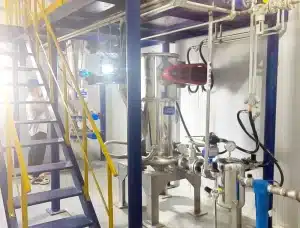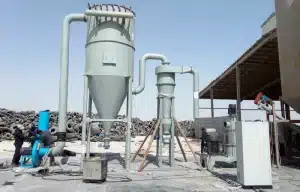
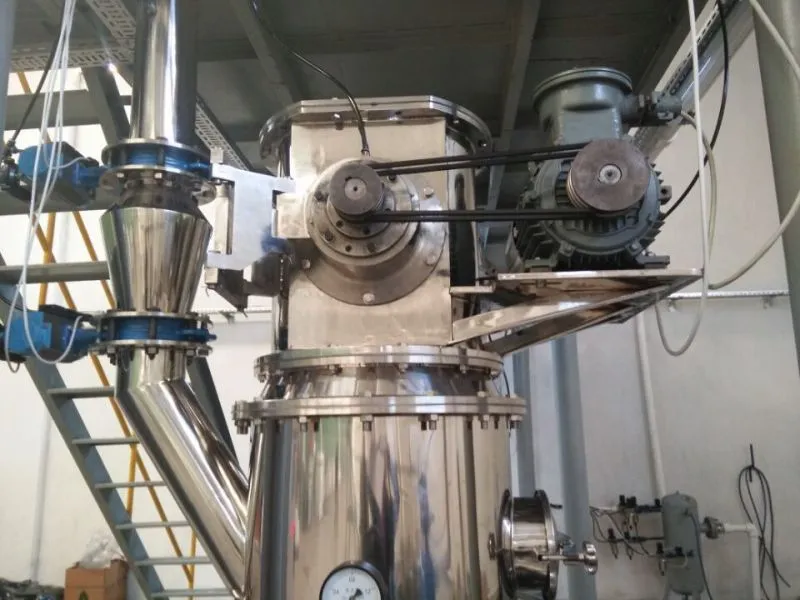
Katot öncüsü üretim dünyasında, lityum karbonatın inceliği sadece bir ölçüt değil, aynı zamanda pil verimliliğinin de anahtarıdır. Epic Powder olarak, yakın zamanda bir pil malzemesi üreticisiyle lityum karbonat öğütme süreçlerini optimize etmek için ortaklık kurduk.
Meydan Okuma: Standart Spesifikasyonların Ötesinde
Müşterinin mevcut üretim süreci, tutarsız parçacık dağılımına sahip malzeme üretiyordu ve bu da şu sonuçlara yol açıyordu:
- Elektrot kaplamasında performans değişkenliği
- Pil montajı sırasında daha yüksek ret oranları
- Hammaddelerin verimsiz kullanımı
Sadece ekipmana değil, süreç kesinliğine de ihtiyaçları vardı.
Epik Çözüm: Akışkan Yataklı Jet Frezeleme
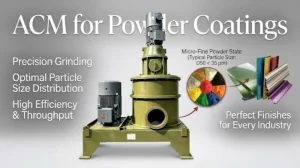
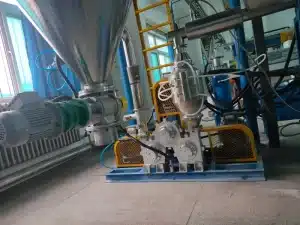
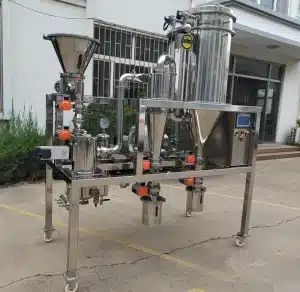
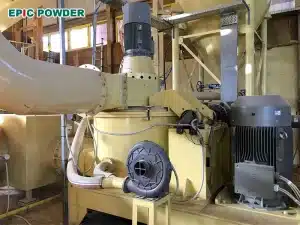
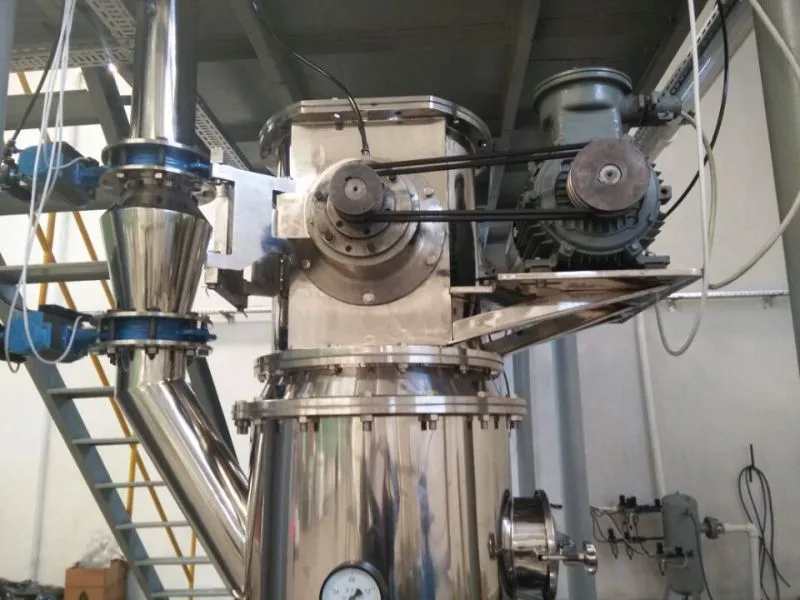
Metalik kirleticilerin ortaya çıkmasına neden olabilen (yüksek saflıktaki lityum için ölümcül bir durum) geleneksel mekanik öğütme yerine, gelişmiş teknolojimizi kullandık. Akışkan Yataklı Jet Frezeleme Teknoloji.
- Kirlenmeden Arındırılmış Öğütme: Parçacıklar arası çarpışmayı sağlamak için yüksek hızlı basınçlı hava kullanarak, lityum karbonatın en yüksek saflıkta kalmasını sağladık.
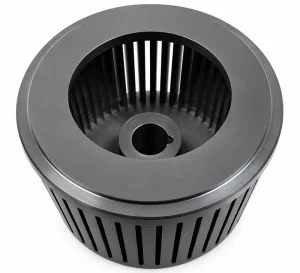
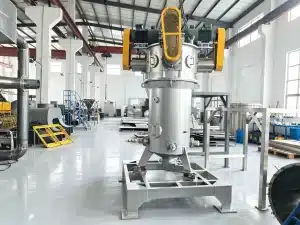
- Entegre Çok Tekerlekli Sınıflandırma: Belirli hedefi vurmak için D97 9,85 μm Hedefe ulaşmak için, dahili sınıflandırıcı hassas bir devir sayısına ayarlandı ve böylece yalnızca tam boyut profiline uyan parçacıkların hazneden çıkması sağlandı.
Neden Önemli?
Pil tedarik zincirinde her mikron önemlidir. Daha dar bir parçacık boyutu dağılımı şu anlama gelir:
- Daha iyi bulamaç homojenliği
- Daha tutarlı elektrot kaplaması
- Son hücrelerde daha yüksek enerji yoğunluğu
Yüksek performanslı pil malzemelerine olan talep arttıkça, hassasiyetten ödün vermeyen sınıflandırma teknolojisine olan ihtiyaç da artmaktadır. Üretimi artırıyor veya ürün kalitesini iyileştiriyor olun, Destansı Toz Geleceğin enerjisini oluşturan malzemeler için tasarlanmış çözümler sunar.
Temel Performans Verileri
Malzeme: Lityum Karbonat (Li2CO3)
Parçacık Boyutu: D97: 9,85 μm
Çıktı: 75 kg/saat