Metalik olmayan mineraller için çok yönlü bir kuru öğütme çözümü olan Halkalı Silindirli Değirmeni keşfedin. Çalışma prensibi, yapısı, faydaları ve toz işleme ihtiyaçlarınız için doğru modeli nasıl seçeceğiniz hakkında bilgi edinin.
Kuru toz hazırlama söz konusu olduğunda, bazı ekipmanlar vazgeçilmezdir. Bunlar arasında şunlar yer alır: Halkalı Silindirli Değirmen Kuru öğütme için klasik bir seçenek olarak öne çıkan bu yöntem, neme duyarlı veya kuru bir nihai ürün gerektiren metalik olmayan minerallerin derinlemesine işlenmesinde yaygın olarak kullanılmaktadır.
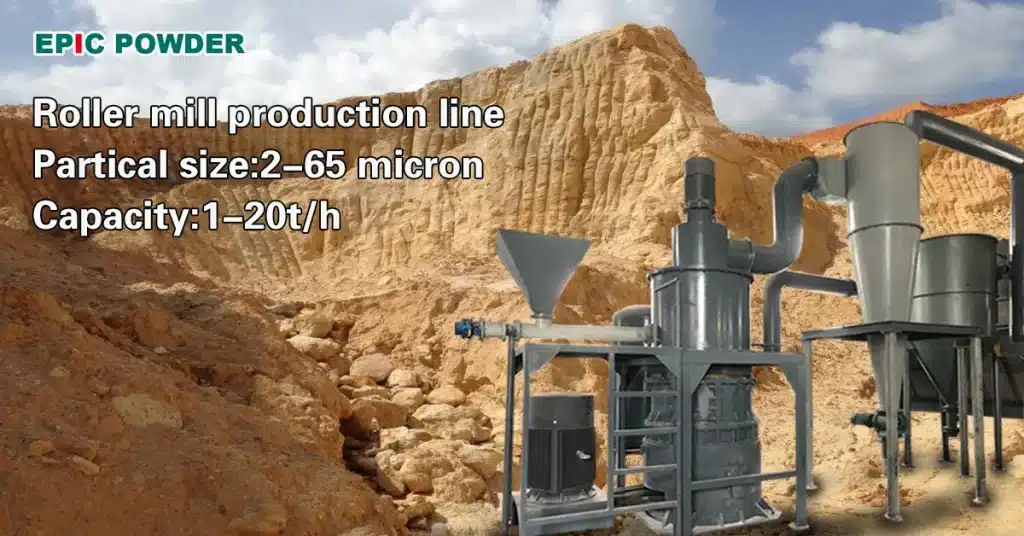
Halkalı öğütme ve çok aşamalı haddelemeyi birleştiren benzersiz mekanizmasıyla halkalı haddeleme değirmeni, incelik kontrolü, enerji verimliliği ve çevresel performans açısından önemli avantajlar sunmaktadır. Modern toz endüstrisinin temel taşlarından biri haline gelmiştir.
Bugün, Destansı Toz Bu ekipman hakkında bilmeniz gereken her şeyi ayrıntılı olarak ele alıyor; tanımını, çalışma prensibini, yapısını, uygulamalarını, avantajlarını ve seçim kılavuzunu kapsıyor.
1. Halkalı Silindirli Değirmen Nedir?
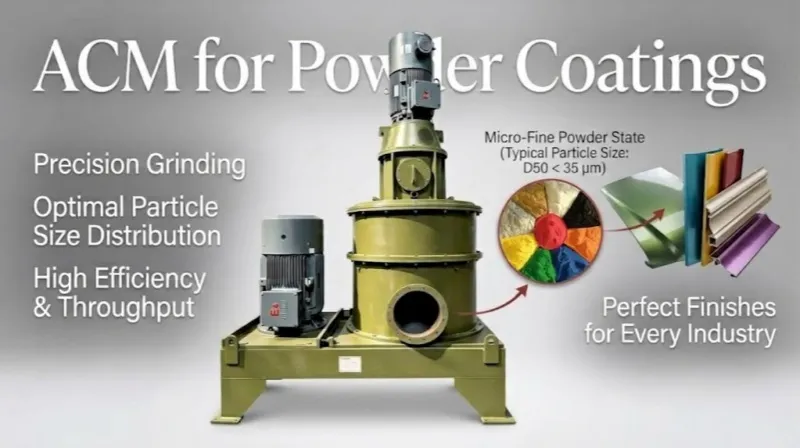
Halkalı Silindirli Değirmen, yüksek verimli, enerji tasarruflu ve çevre dostu kuru ultra ince öğütme makinesidir. Metal dışı madencilik, kimya, inşaat malzemeleri, çevre koruma ve enerji gibi sektörlerde yaygın olarak kullanılmaktadır.
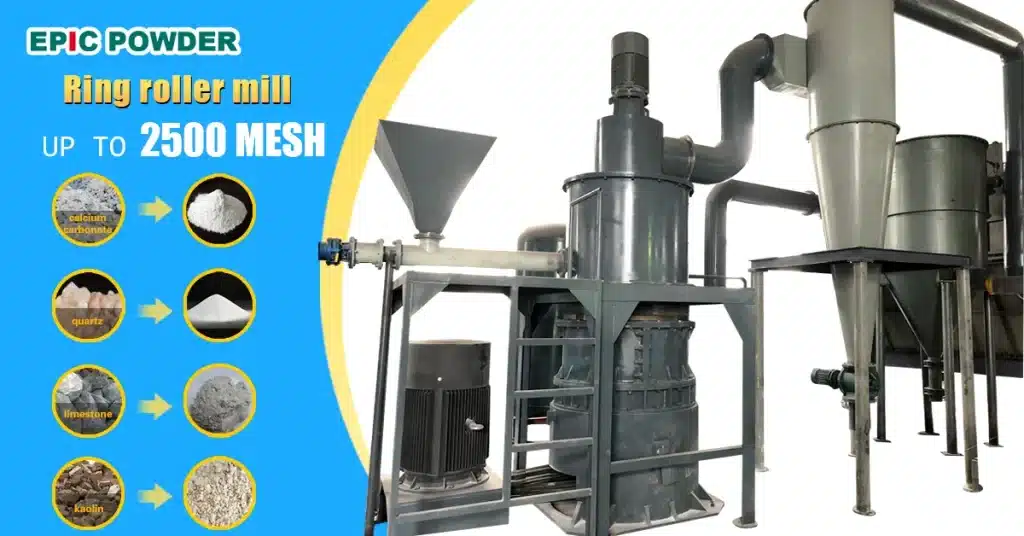
Bu ekipman öncelikle orta ila düşük sertlikteki (Mohs sertliği ≤ 9,3) ve nem içeriği %6%'nin altında olan malzemeleri toz haline getirmek için tasarlanmıştır. Yanıcı olmayan ve patlayıcı olmayan malzemeleri, tipik olarak 5–45 μm (yaklaşık 325–2500 mesh) arasında değişen parçacık boyutu aralığında ince veya ultra ince tozlar haline getirmede üstün performans gösterir.
2. Çalışma Prensibi
Halkalı silindirli değirmenin temel çalışma prensibi, öğütme halkası ile çok kademeli haddeleme kuvvetleri arasındaki sinerjiye dayanır.
• Taşlama İşlemi: Cihazın iç kısmında, sabit bir merkezi halka etrafında dönen çok sayıda taşlama silindiri bulunur. Yaylardan veya hidrolik sistemden gelen basınç altında, silindirler halka yüzeyine sıkıca bastırarak bir taşlama boşluğu oluşturur.
• Malzeme Akışı: Malzemeler makineye beslenir ve merkezkaç kuvvetiyle döner tablanın çevresine doğru fırlatılarak silindirler ve halka arasındaki öğütme bölgesine düşer.
• Öğütme: Ana mil yüksek hızda dönerken, silindirler malzemeyi tekrar tekrar ezme, yuvarlama ve kesme işlemlerine tabi tutarak, kademeli olarak ince toz haline getirir.
• Sınıflandırma: Dahili bir sınıflandırıcı (kafes tipi veya türbinli elek gibi) tozu gerçek zamanlı olarak ayırır. Nitelikli ince toz, hava akımıyla yükselir ve siklon veya torba filtre tarafından toplanır. Kaba parçacıklar, yerçekimi yoluyla öğütme bölgesine geri düşerek yeniden öğütülür.
Bu kapalı devre sirkülasyon sistemi, nihai ürünün son derece homojen bir parçacık boyutu dağılımına sahip olmasını sağlar.
3. Ana Yapısal Bileşim
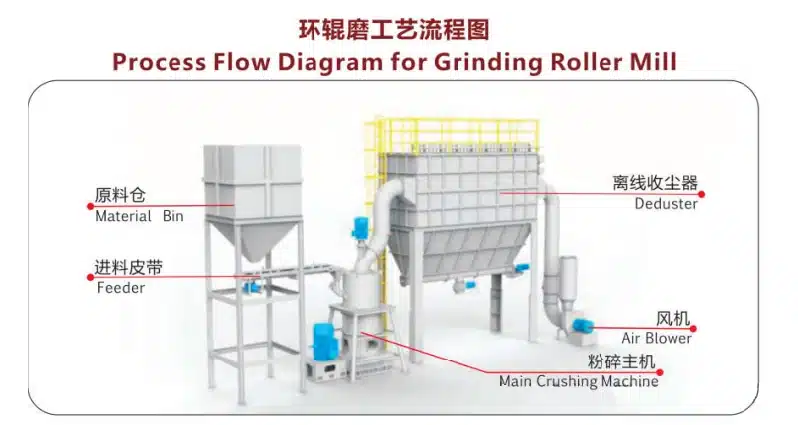
Komple bir halkalı silindirli değirmen sistemi, çeşitli kritik alt sistemlerden oluşur:
• Besleme Sistemi: Düzgün ve sürekli malzeme girişini sağlamak için elektromanyetik titreşimli besleyiciler veya bantlı konveyörler kullanır.
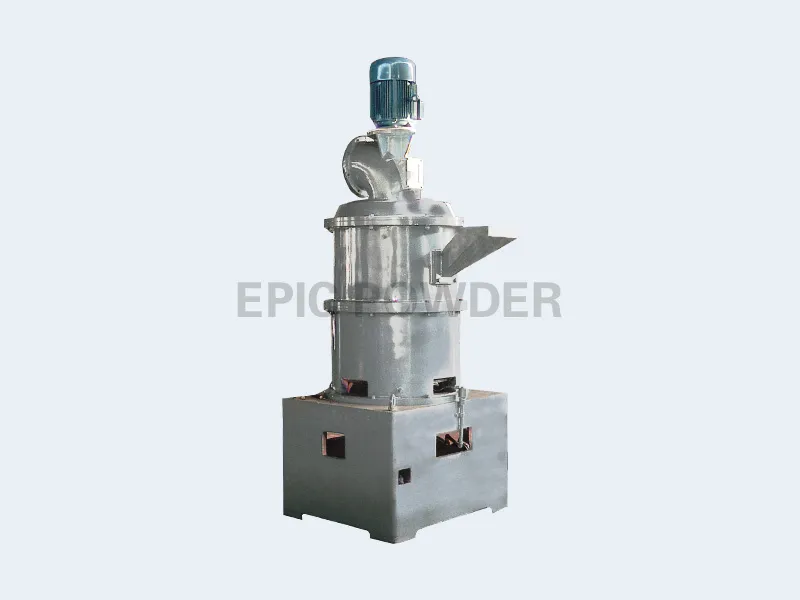
• Ana Ünite: Öğütme işleminin kalbi olup, ana mil, döner tabla, öğütme halkası, silindirler ve braketlerden oluşmaktadır.
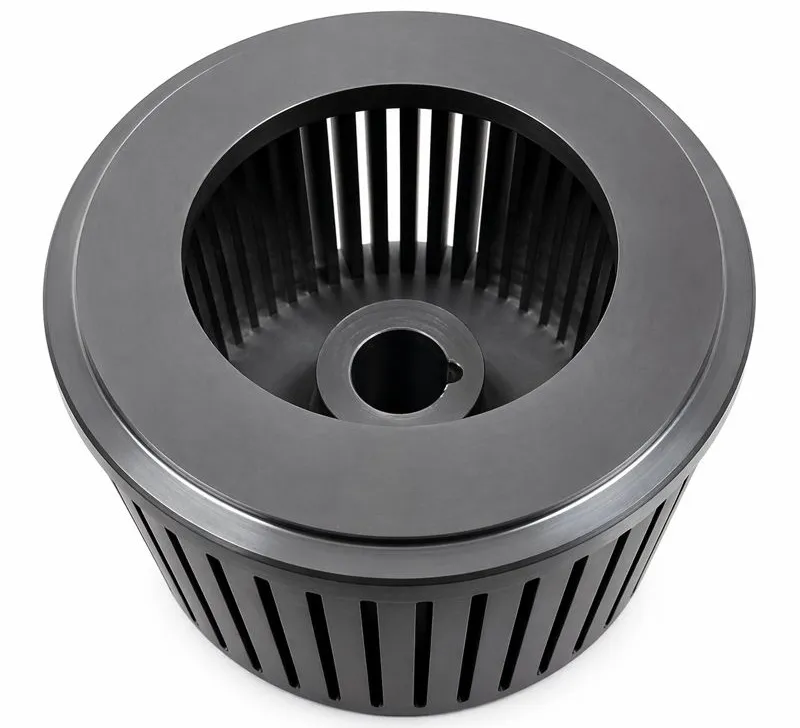
• Sınıflandırma Sistemi: Genellikle ürünün inceliğini hassas bir şekilde kontrol etmek için değişken frekanslı kafes veya pervane sınıflandırıcı kullanır.
• Toplama Sistemi: Bitmiş ürünü havadan ayırmak ve ince tozu toplamak için siklon toplayıcılar ve darbeli torba toz toplayıcılar içerir.
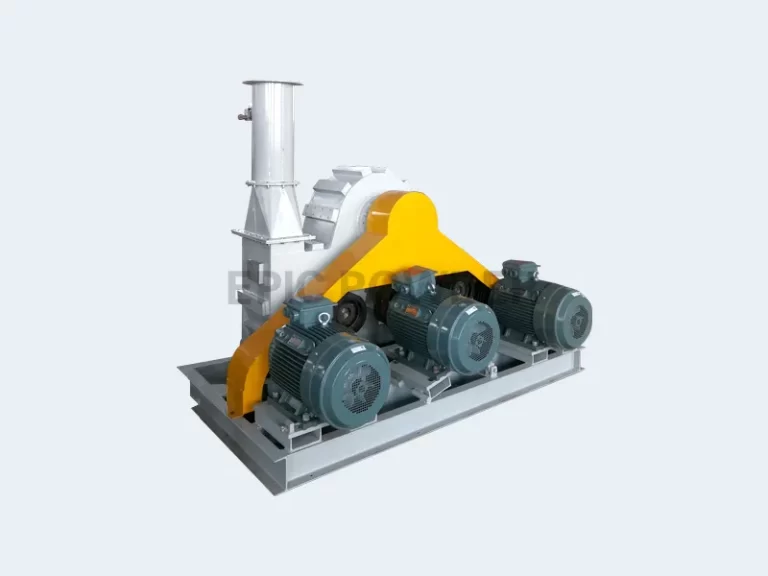
• Pnömatik Taşıma: Yüksek basınçlı santrifüj fan, taşıma ve sınıflandırma için gerekli negatif basınçlı hava akışını sağlar.
• Kontrol Sistemi: Otomatik çalışma ve parametre ayarlaması için entegre PLC veya akıllı kontrol sistemleri.
• Yardımcı Tesisler: Çevre mevzuatına uyumu ve işletme kolaylığını artırmak için susturucular, ses yalıtımlı odalar, depolama siloları ve asansörler.
Not: Modern halkalı silindirli değirmen tasarımları, öğütme haznesinde "rulman yok, vida yok" konfigürasyonuna önem vermektedir. Bu, geleneksel ekipmanlarda rulman aşınması veya gevşek vidalardan kaynaklanan arızaları etkili bir şekilde ortadan kaldırarak güvenilirliği önemli ölçüde artırır.
4. Uygulama Senaryoları
| Uygulama Alanı | Özel Kullanım | Tipik İşlenmiş Malzemeler | Başlıca Gereksinimler / Avantajlar |
| Kalsiyum Karbonatın Derin İşlenmesi | Kağıt, plastik ve kaplamalar için ultra ince öğütülmüş kalsiyum karbonat (GCC) üretimi. | Kalsit, Kireçtaşı, Mermer | Yüksek ürün inceliği (2500 mesh'e kadar), iyi beyazlık, dar parçacık boyutu dağılımı. |
| Alçı Tozu Hazırlanması | Yapı alçıpanı, model alçısı, tıbbi alçı için ince öğütme | Doğal Alçı, Kükürt Giderme Alçısı | Kristal su içeriğini kontrol edin, aşırı ısınma nedeniyle performans düşüşünü önleyin. |
| Enerji Santrali Kükürt Giderici Hazırlığı | Baca gazı kükürt giderme işleminde ıslak/kuru kullanım için yüksek aktiviteli kireçtaşı tozu hazırlanması | Yüksek saflıkta kireç taşı (CaCO₃ ≥ 90%) | İnce parçacık boyutu (D90 ≤ 45 μm), yüksek reaksiyon aktivitesi, düşük enerji tüketimi |
| Metal Olmayan Mineral Toz İşleme | Ultra ince dolgu maddeleri veya fonksiyonel malzemeler için ham madde üretimi | Talk, Kaolin, Wollastonit, Barit, Mika, vb. | Mineral kristal yapısını korur, dağılabilirliği ve dolgu performansını iyileştirir. |
| Atık Kaynaklarının Yeniden Kullanımı | Atık lastik pirolizinden elde edilen karbon siyahının ince öğütülmesi ve saflaştırılması | Pirolitik Karbon Siyahı (safsızlık içerir) | Özgül yüzey alanını ve takviye özelliklerini artırın, kauçuk ürünler için yeniden kullanım standartlarını karşılayın. |
| Kömür Tozu Hazırlama | Endüstriyel kazanlarda yanma, gazlaştırma veya enjeksiyon için yakıt | Bitümlü Kömür, Antrasit | Parçacık boyutunu kontrol edin (tipik olarak 200-325 mesh), patlama riskini azaltın, yanma verimliliğini artırın. |
5. Başlıca Avantajlar
Toz işleme hattınız için neden halkalı silindirli değirmen seçmelisiniz?
1. Yüksek Öğütme Verimliliği ve Kapasitesi
Birden fazla silindir grubu senkronize olarak çalışarak etkili taşlama yüzey alanını önemli ölçüde artırır.
2. Geniş Hassasiyet Ayar Seçeneği
Silindir basıncı, mil hızı ve sınıflandırıcı frekansı ayarlanarak, nihai parçacık boyutu 3–600 μm (325–2500 mesh) arasında esnek bir şekilde kontrol edilebilir. Tek geçişte D97 ≤ 5 μm ultra ince tozlar elde edilebilir.
3. Düşük Enerji Tüketimi
Ünitenin güç tüketimi tipik olarak 100 kWh/t'nin altındadır. Bu, bilyalı değirmenlerin veya Raymond değirmenlerinin ihtiyaç duyduğu enerjinin yalnızca 40%–60%'sine denk gelir ve önemli enerji tasarrufu sağlar.
4. Üstün Çevresel Performans
Sistem tamamen kapalı negatif basınç altında çalışır. Yüksek verimli darbeli toz toplayıcı ile birlikte kullanıldığında, toz emisyon konsantrasyonları <40 mg/m³'ün altında tutulur ve bu da standart çevre düzenlemelerinin çok üzerindedir.
5. Aşınan Parçaların Uzun Hizmet Ömrü
Makaralar ve halkalar yüksek aşınma dirençli alaşım malzemelerden üretilmiştir. Kalsiyum karbonat gibi malzemelerin işlenmesinde kullanım ömürleri 1-5 yıla kadar ulaşarak bakım maliyetlerini önemli ölçüde azaltır.
6. Güçlü Uyarlanabilirlik
Bu cihaz, boyutu ≤ 20 mm ve nem oranı ≤ 10% olan giriş malzemelerini işleyebilir. İnşaat malzemeleri, kimyasallar, enerji santrallerinde kükürt giderme ve kauçuk rejenerasyonu (karbon siyahı işleme) dahil olmak üzere çeşitli alanlar için uygundur.
6. Uygulama Senaryoları
(Not: Orijinal metin başlığı boştu, ancak SEO alaka düzeyini artırmak için ekipman türüne bağlı olarak bu bölümü ekledik.)
Halkalı silindirli değirmen, aşağıdaki işlemlerin gerçekleştirilmesi için tercih edilen ekipmandır:
• Mineraller: Kalsiyum karbonat (kalsit, mermer, kireç taşı), barit, talk, alçı, kaolin, bentonit, mika, grafit.
• Endüstriyel Malzemeler: Karbon siyahı, petrol koku, kimyasal gübreler.
7. Doğru Model Nasıl Seçilir?
Doğru halkalı valsli değirmeni seçmek, verimli, istikrarlı ve karlı bir toz işleme projesi sağlamanın anahtarıdır. Bilimsel seçim, beş boyutu analiz etmeyi gerektirir:
1. Malzeme Özellikleri:
Bu temeldir. Sertlik, nem içeriği ve viskozite, değirmen tipini belirler.
| Parametre | Gereklilik | Açıklama |
| Mohs Sertliği | ≤9,3 (Önerilen ≤6) | Aşırı sertlik, taşlama silindirleri/halkaları üzerindeki aşınmayı hızlandırarak kullanım ömrünü etkiler. |
| Yem Parçacık Boyutu | Genellikle ≤10-20 mm | Daha büyük boyutlar ön kırıcı gerektirir, bu da sistem karmaşıklığını artırır. |
| Nem İçeriği | ≤6% (Bazı modellerde ≤10%) | Yüksek nem, malzemenin silindirlere yapışmasına, tıkanmaya ve sınıflandırıcı arızasına neden olabilir. |
| Kırılganlık/Öğütülebilirlik | Kırılgan malzemeler daha uygundur. | Kalsit, talk gibi malzemeler için uygundur; sert veya lifli tozlar için uygun değildir. |
2. Ürün Teknik Göstergeleri:
İhtiyaç duyduğunuz elek boyutunu (inceliğini) ve parçacık şekli gereksinimlerini tanımlayın.
| Gösterge | Model Seçimi Üzerindeki Etki |
| Hedef İncelik (D97 veya Mesh) | Ultra ince halkalı silindirli değirmenin gerekli olup olmadığını belirler (örneğin, D97 ≤ 5 μm çok katmanlı bir yapı gerektirir). |
| Parçacık Boyutu Dağılım Genişliği (Aralık Değeri) | Dar dağıtım gereksinimleri için yüksek hassasiyetli bir sınıflandırıcıya (değişken frekanslı hız kontrolü türbin tipi) ihtiyaç duyulmaktadır. |
| Beyazlık/Saflık Gereksinimi | Yüksek beyazlık gerektiren uygulamalar (örneğin, kağıt dolgu maddeleri) düşük demir aşınma oranına sahip malzemeler (seramik kaplama veya yüksek krom alaşımı) gerektirir. |
| Çevrimiçi Değişikliğe İhtiyaç Var mı? | Kuru yüzey modifikasyonu gerekiyorsa, modifikasyon makinesini entegre edebilen bir sistem seçilmelidir. |
3. Kapasite ve Enerji Hesaplaması:
Üretim ihtiyaçlarınızı (ton/saat) enerji tüketim maliyetleriyle dengeleyin.
| Çıkış Aralığı (t/h) | Kurulu Güç (kW) | Uygulama Senaryosu |
| 0.5-2 | 70-150 | Pilot hatlar, yüksek katma değerli ürünler (örneğin, ilaç ara maddeleri) |
| 2-5 | 150-200 | Küçük/orta ölçekli kalsiyum karbonat tesisleri, boya dolgu maddeleri |
| 5-10 | 260-300 | Büyük ölçekli kalsiyum karbonat bazları, kükürt giderme üretim hatları |
4. Sistem Eşleştirme:
Bir değirmen tek başına bir ada değildir. Besleme, toplama ve paketleme sistemlerinizle nasıl uyum sağladığını göz önünde bulundurun.
| Alt sistem | Başlıca Seçim Noktaları |
| Alt sistem Başlıca Seçim Noktaları Besleme Sistemi | Düzgün beslemeyi sağlamak için değişken frekans kontrollü titreşimli besleyici. |
| Fan Sistemi | Yüksek basınçlı santrifüj fanın hava hacmi/basıncı, incelik ve çıkış gereksinimleriyle uyumlu olmalıdır. |
| Toz Toplama Sistemi | Darbe püskürtmeli torba filtre (emisyon < 30 mg/m³), torba tıkanmasını/körelmesini önler. |
| Otomatik Kontrol | PLC + dokunmatik ekran, uzaktan izleme ve arıza alarmlarını destekler. |
| Sivil Vakıf | Çoğu model büyük beton temel gerektirmez, bu da kurulum maliyetlerini düşürür. |
5. Uyumluluk ve Güvenlik:
• Toz Emisyonu: Emisyon standartlarını karşılamak için yüksek verimli filtreleme sağlanmalıdır.
• Gürültü Kontrolü: Fabrika sınırında gürültüyü ≤ 65 dB(A) seviyesinde tutmak için ses yalıtım seçeneklerini araştırın.
• Patlamaya Dayanıklı Tasarım: Yanıcı maddeler (kömür tozu veya karbon siyahı gibi) için sistemde azot koruması ve patlama tahliyesi gereklidir.
Destansı Toz
Sektör deneyimi, özelleştirilmiş çözümler ve güçlü bir satış sonrası hizmet ağı sunuyoruz. Bilimsel seçim yoluyla şunları elde edebilirsiniz: Maksimum Yatırım Getirisi, Minimum İşletme Maliyetleri ve Optimize Edilmiş Ürün Kalitesi.
Hâlâ hangi ekipmanı seçeceğinizden emin değil misiniz?
Toz işleme ekipmanlarının karmaşıklığıyla başa çıkmaya çalışıyorsanız, Destansı Toz Yardımcı olmak için buradayız. Bugün bizimle iletişime geçin. Mühendislik ekibimiz, en yüksek ürün kalitesini ve düşük işletme maliyetlerini sağlarken yatırım getirinizi en üst düzeye çıkaracak özel ekipman konfigürasyonunu seçmenize yardımcı olacaktır.

“Okuduğunuz için teşekkürler. Umarım makalem yardımcı olmuştur. Lütfen aşağıya yorum bırakın. Ayrıca EPIC Powder çevrimiçi müşteri temsilcisiyle de iletişime geçebilirsiniz. Zelda Daha fazla bilgi için lütfen iletişime geçin.”
— Gönderen Jason Wang, Kıdemli Mühendis