Plastik bileşimi ve enjeksiyon kalıplama alanında, kalsiyum karbonat ve vollastonitin dolgu maddesi olarak kullanılmasına rağmen, etkilerinin genellikle vasat olduğu bilinmektedir. Ancak, talk dolgu maddesi eklendiğinde, plastiklerin sertliği, rijitliği ve boyutsal stabilitesi önemli ölçüde artar.
Birçok insan talkın iyi performans gösterdiğini bilir, ancak asıl avantajının kimyasal bileşiminde değil, benzersiz mikroskobik pul benzeri yapısında yattığının farkında değildir. Bu aynı zamanda talkın plastiklerde olmazsa olmaz bir takviye edici dolgu maddesi haline gelmesinin ve çoğu geleneksel dolgu maddesinden daha iyi performans göstermesinin temel nedenidir. Gelin talkın "küçük parçacık, büyük performans" sırrını inceleyelim.
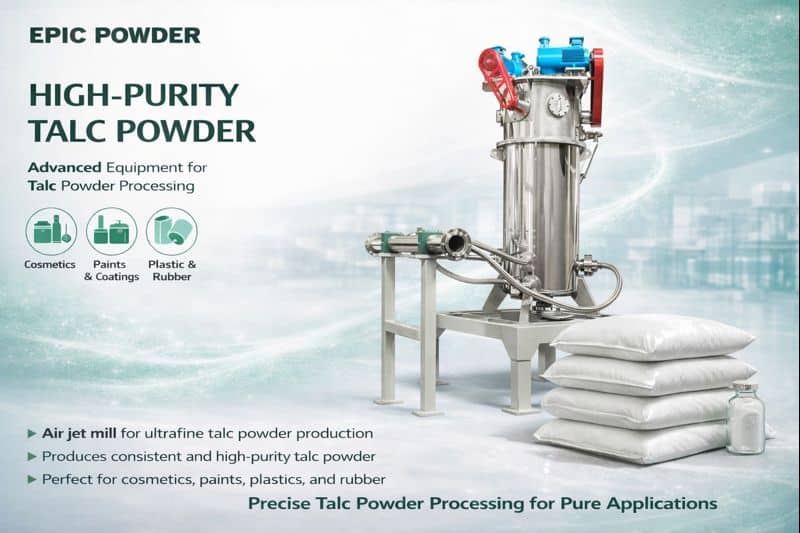
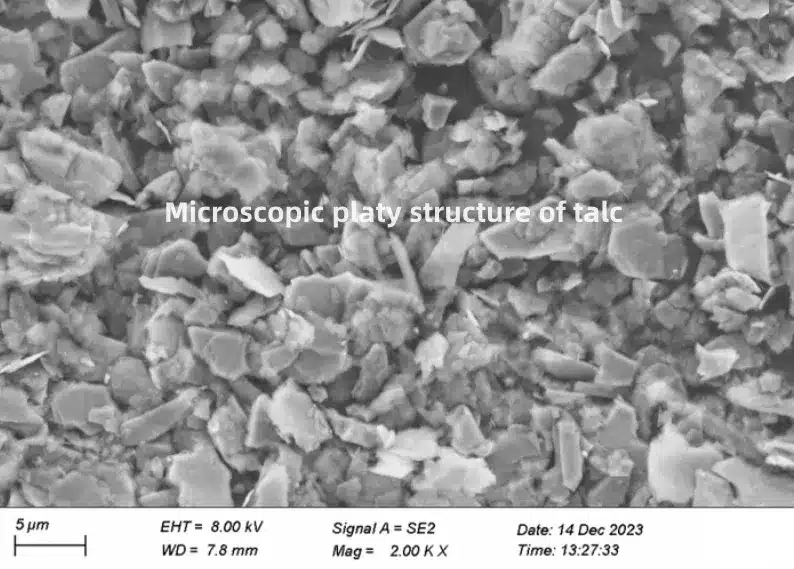
Dahili Takviye Etkisine Sahip Doğal Katmanlı Plaka Yapısı
Talk, özünde özel bir 2:1 "sandviç" katmanlı yapıya sahip, hidratlanmış bir magnezyum silikat mineralidir: iki silika-oksijen tetrahedral tabakası, bir magnezyum-oksijen oktahedral tabakasını çevreler.
Diğer dolgu maddeleriyle karşılaştırıldığında en büyük fark, katmanlar arasındaki bağ kuvvetinin son derece zayıf olması ve kolayca soyularak çok yüksek en boy oranına sahip sayısız ince, düz ve sert iki boyutlu plaka oluşturmasıdır. Basitçe söylemek gerekirse: diğer dolgu maddeleri dağınık parçacıklar iken, talk sayısız mikroskobik "sert çelik levha" gibi davranır.“
Bu ince pulcuklar plastiklerin içinde eşit şekilde dağıldığında, performans artışının temelini oluştururlar. İşte bu nedenle talk dolgu maddesi yüksek performanslı polimer sistemlerinde yaygın olarak kullanılmaktadır.
Yüksek Performanslı Plastikleri Destekleyen Talk Plaka Yapısının Dört Temel Avantajı
Yapısal İskelet Desteği: Yumuşaklığı ve Deformasyonu Ortadan Kaldırmak
Saf plastiklerin en büyük zayıf noktası yumuşaklıkları ve deforme olma eğilimleridir. Stres altında, polimer zincirleri kolayca kayar ve gerilir, bu da düzgünlüğün bozulmasına ve çökmeye neden olur.
Talk pulcukları, beton içindeki çelik çubuklara benzer şekilde, plastik içinde üç boyutlu bir destek ağı oluşturarak polimer zincirlerini sıkıca kilitler. Moleküler zincir hareketini etkili bir şekilde kısıtlayarak eğilme modülünü ve çekme dayanımını önemli ölçüde artırır, enjeksiyon kalıplama yöntemiyle üretilen parçaları daha rijit ve stabil hale getirir ve deformasyon sorunlarını temelden çözer. Bu, talk dolgu maddesinin mühendislik plastiklerinde tercih edilmesinin en önemli nedenlerinden biridir.
Çatlak Engelleme: Mukavemeti ve Dayanıklılığı Artırma
Plastiklerde çatlak yayılımı esasen sürekli çatlak uzaması sürecidir.
Talkın levha yapısı bu sorunu mükemmel bir şekilde çözüyor: bir yandan dış stresi emip dağıtarak, yerel hasarı önlemek için malzemenin tamamına eşit şekilde aktarıyor; diğer yandan, çatlaklar yayıldığında, sert levhalar çatlak yollarını bloke edip saptırırken kırılma enerjisini tüketiyor.
Bu sadece basit bir sertleştirme değil; temel olarak darbe direncini artırarak plastik ürünleri daha dayanıklı ve hasara karşı daha dirençli hale getiriyor.
Azaltılmış Büzülme: Hassas Parçalar için Çarpılma Önleme ve Boyutsal Stabilite
Kalıplama işlemindeki en büyük zorluklardan biri, soğuma sırasında meydana gelen büzülmedir; bu da çarpılmaya ve boyut sapmasına yol açar. Bu durum, özellikle hassas elektronik ve ev aletleri parçaları için kritik öneme sahiptir; zira ufak hatalar bile montajda başarısızlığa neden olabilir.
Talkın termal genleşme katsayısı plastiklere göre çok daha düşüktür. Reçine içinde dağıtıldığında, boyutsal kararlılığı kilitleyen stabil bir sınırlayıcı yapı oluşturur. Büzülmeyi önemli ölçüde azaltır, çarpılma direncini artırır ve sürünme direncini geliştirerek uzun vadeli boyutsal kararlılık ve yüksek hassasiyetli uygulamalar için uygunluk sağlar.
Isıya Dayanıklılığın Artırılması: Yüksek Sıcaklıkta Yumuşamayı Önleme
Yüksek sıcaklıklarda, polimer zincirlerinin hareketliliği önemli ölçüde artar ve bu da yumuşamaya, deformasyona veya çökmeye neden olur.
Talkın pulsu yapısı, polimerin termal hareketini kısıtlar ve termal bir bariyer tabakası oluşturarak ısı sapma sıcaklığını önemli ölçüde artırır. Bu, plastik ürünlerin yüksek sıcaklık koşullarında yapısal stabilitesini korumasını sağlayarak onları otomotiv iç mekanları, ev aletleri gövdeleri ve endüstriyel profiller için uygun hale getirir.
Plaka şeklindeki talk pudrası neden küresel dolgu maddesinden daha iyi performans gösterir?
Birçok kişi, kalsiyum karbonat gibi küresel dolgu maddelerinin neden talk pudrası ile aynı takviye etkisini sağlayamadığını merak ediyor.
Cevap yapısal boyutlulukta yatıyor.
Küresel dolgu maddeleri yalnızca basit boşluk doldurma sağlar ve sertlik, stabilite ve ısı direncinde sınırlı iyileşme sunar; esas olarak maliyeti düşürür. Buna karşılık, levha şeklindeki talk, iki boyutlu düzlemsel takviye sağlar. Yüksek en boy oranı, kapalı bir yapısal ağ oluşturarak sertlik, çatlak direnci, boyutsal stabilite ve ısı direncinde kapsamlı iyileştirmeler sağlar.
Bu aynı zamanda talk dolgusunun yüksek kaliteli modifiye plastiklerde tercih edilmesinin temel nedenidir.
Trombosit Gücünü Nasıl Serbest Bırakabilirsiniz? Ultra İnce Öğütme Ekipmanları Anahtar Etkinleştirici mi?
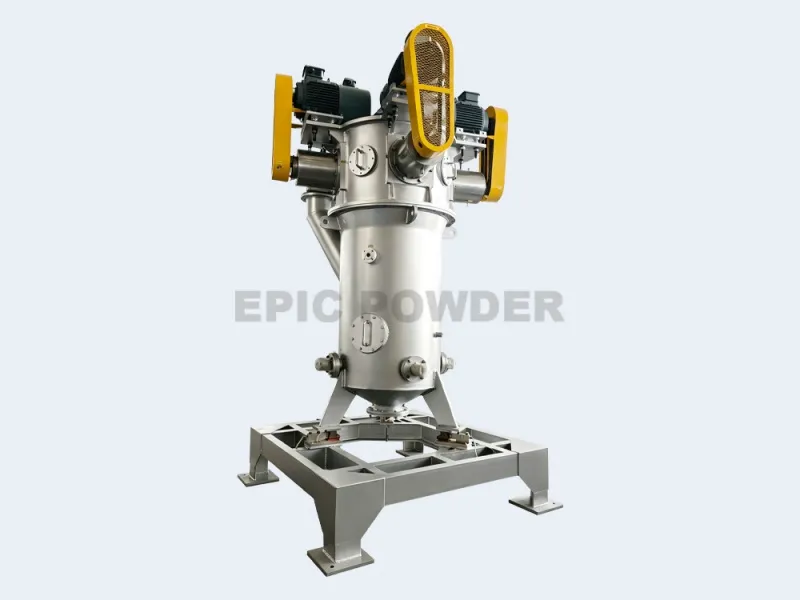
Talkın doğal olarak katmanlı bir yapısı olmasına rağmen, ham cevherin doğrudan plastiklere karıştırılması performansı artırmak bir yana, hatta düşürebilir.
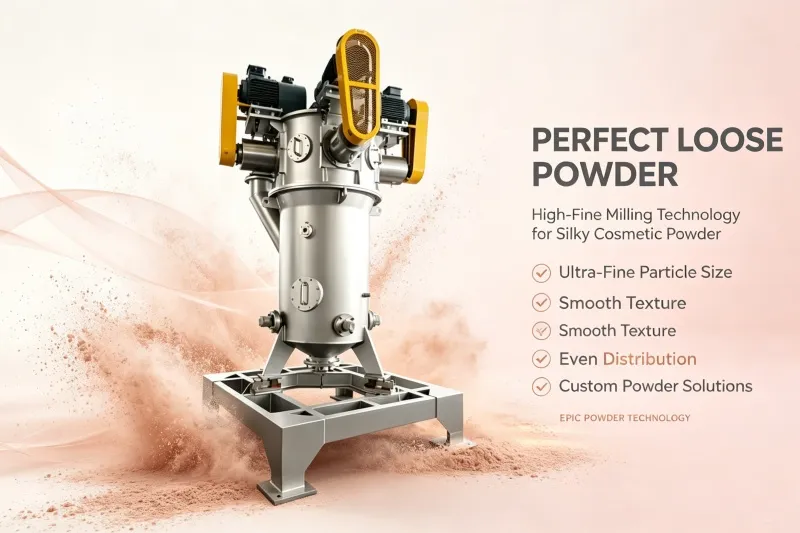
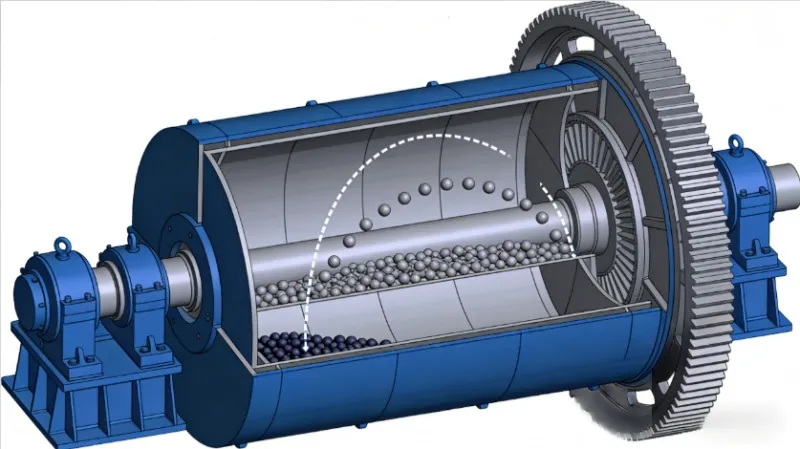
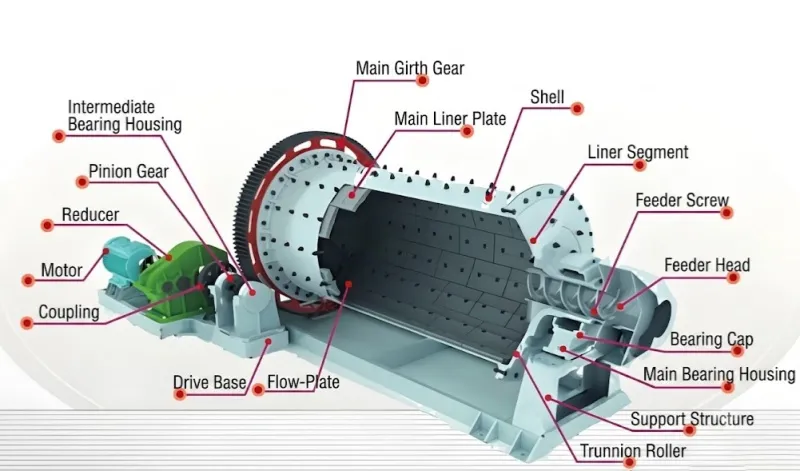
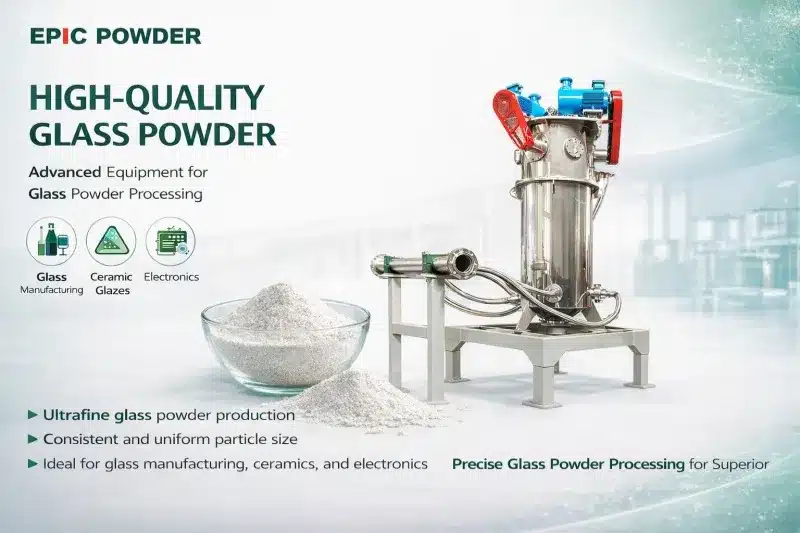
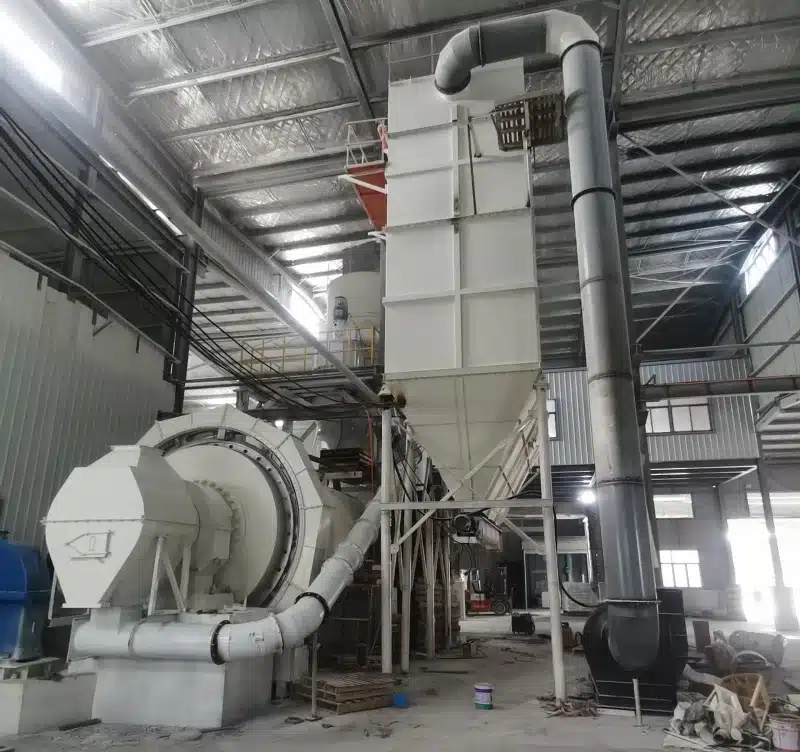
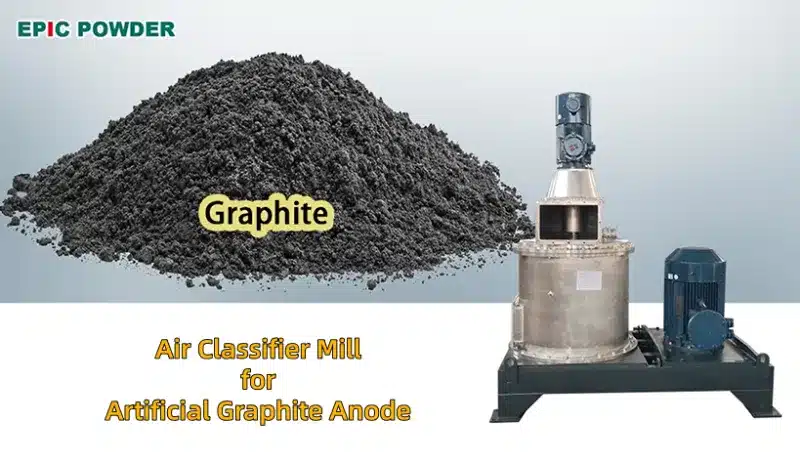
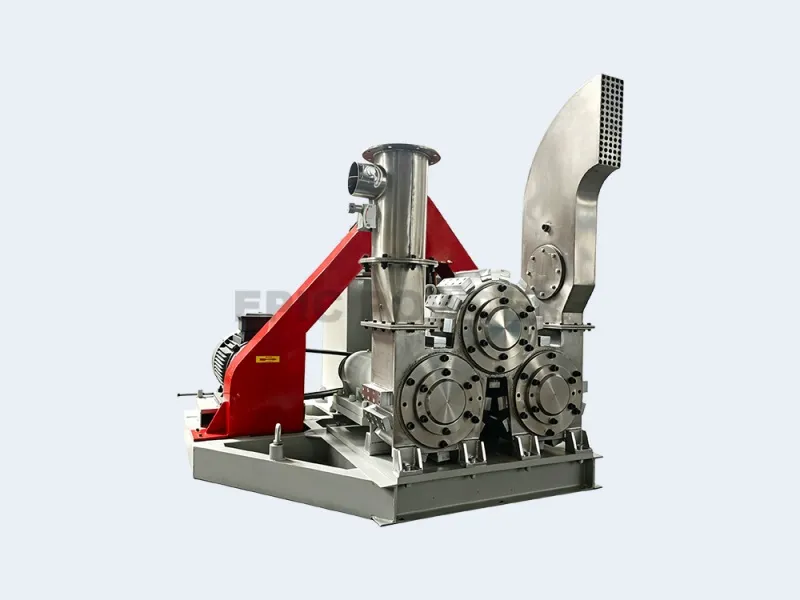
Plastiklerin içine sayısız mikroskobik "sert çelik levha"yı etkili bir şekilde yerleştirmek için ultra ince taşlama ekipmanı şarttır.
Ultra ince öğütme sadece boyut küçültme değil, aynı zamanda talkın mikroskobik düzeyde yapısal yeniden yapılandırılmasıdır.
1. Yüksek En Boy Oranını Koruma: İnce ama Bozulmamış
Talkın takviye performansı, plaka benzeri morfolojisine (yüksek en boy oranı) bağlıdır. Raymond değirmenleri gibi geleneksel ekipmanlar, aşırı darbe kuvveti nedeniyle bu yapıyı tahrip edebilir, plakaları düzensiz parçacıklara ayırarak takviye özelliğini kaybettirebilir.
Modern üst düzey süreçler kullanır akışkan yataklı jet değirmenleri veya dikey karıştırmalı değirmenler:
Jet değirmenleri, parçacıkların birbirleriyle çarpışmasını sağlamak için yüksek hızlı hava akımı kullanır ("parçacık-parçacık öğütme"). Bu nazik mekanizma, yarılma düzlemleri boyunca doğal pul pul dökülmeye (zayıf katmanlar arası bağ) olanak tanır.
Sonuç: Düzlemsel morfolojiyi koruyarak ve yüksek en boy oranını muhafaza ederek kalınlık mikrometre hatta nanometre ölçeğine kadar azaltılmıştır.
2. Ultra İnce Dağılım Elde Etme: Topaklanmayı Ortadan Kaldırma
Daha küçük parçacık boyutu, daha büyük yüzey alanı anlamına gelir ve bu da polimer zincirleriyle etkileşimi önemli ölçüde artırır. İri parçacıklar kümelenme eğilimindedir ve yapısal kusurlar oluşturur.
Ultra ince öğütme sayesinde talk, 1250 mesh, 2500 mesh hatta 5000 mesh seviyelerine (mikron ila nano ölçek) ulaşabilir. Bu ince parçacıklar, yoğun bir ağ gibi polimer matrisler içinde homojen bir şekilde dağılarak hem yüzey pürüzsüzlüğünü hem de iç mekanik homojenliği iyileştirir.
3. Hassas Sınıflandırma Sistemi: Son Performans Kapı Bekçisi
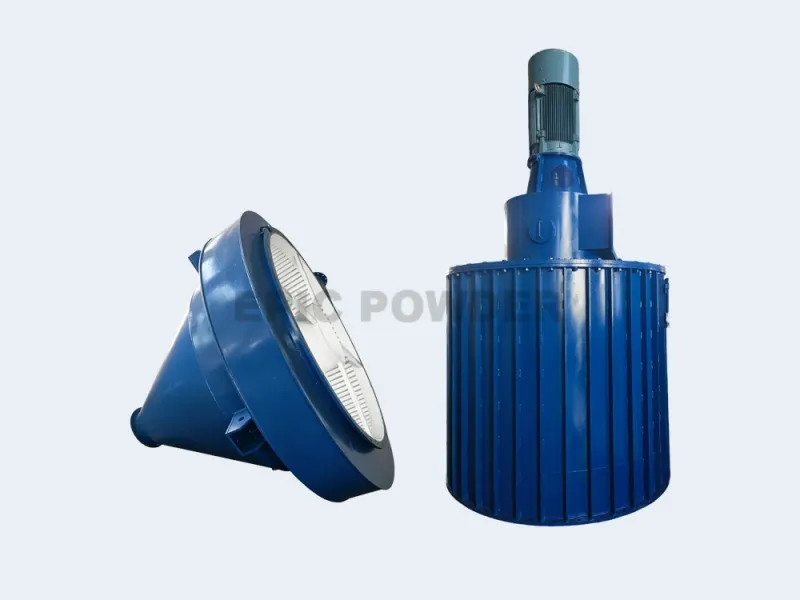
Öğütme yönteminden bağımsız olarak, sınıflandırma son ve kritik adımdır:
- Üst parçacık boyutu sınırını kontrol eder (D97)
- İri parçacıkları ve topakları uzaklaştırır.
- Parçacık boyutu dağılımının tutarlılığını artırır.
- Enjeksiyon kalıplama yöntemiyle üretilen parçaların yüzey kalitesini ve mekanik stabilitesini doğrudan etkiler.
4. Yüzey Modifikasyonu Sinerji: Plastiklerle Mükemmel Uyumluluk Sağlamak
Talk doğası gereği hidrofiliktir, plastikler ise hidrofobiktir; bu da onları tıpkı su ve yağ gibi birbirleriyle uyumsuz kılar.
Gelişmiş ultra ince öğütme sistemleri, öğütme ve yüzey modifikasyonunu bir araya getirir. Yüksek enerjili parçacık kırılması sırasında, silanlar veya titanatlar gibi bağlayıcı maddeler kullanılır.
Yüksek kimyasal aktiviteye sahip taze kırık yüzeyler, değiştiricilerle anında reaksiyona girerek güçlü bağlar oluşturur.
Sonuç: Modifiye edilmiş talk, "plastik dostu" hale gelerek PP, PE, PA ve diğer polimerlerle kimyasal düzeyde entegrasyonu mümkün kılıyor.
5. Başlıca Uygulama Alanları: Modern Endüstrinin Her Yerinde
Eşsiz trombosit güçlendirme özelliği sayesinde talk, plastiklerde önemli bir dolgu maddesi haline gelmiş ve yaygın olarak şu alanlarda kullanılmaktadır:
Otomotiv bileşenleri: gösterge panelleri, iç mekan parçaları, tamponlar; hafiflik, yüksek rijitlik ve ısı direnci elde edilmesi.
Ev aletleri gövdeleri: Düzlüğü ve boyutsal stabilitesi iyileştirilmiş tabanlar ve gövdeler.
Hassas elektronik parçalar: Yüksek boyutsal doğruluk gerektiren küçük gövdeler ve bileşenler.
Borular ve profiller: Geliştirilmiş basınç dayanımı, ısı dayanımı ve eskimeye karşı direnç özelliklerine sahip PPR borular ve plastik profiller.
Çözüm
Özetle, talkın takviye edici performansının temel nedeni, eşsiz katmanlı pulcuk yapısıdır. Gelişmiş ultra ince öğütme teknolojisi ise bu doğal mineralin potansiyelini ortaya çıkarmanın anahtarıdır.
Malzeme yapısı ve işleme teknolojisinin mükemmel birleşimi, bu "endüstriyel baharatın" plastik modifikasyonunda parlamasını sağlayarak, "az girdi, büyük çıktı" performans mucizesini gerçekten gerçekleştiriyor.“
“Okuduğunuz için teşekkürler. Umarım makalem yardımcı olmuştur. Lütfen aşağıya yorum bırakın. Ayrıca daha fazla sorunuz için Zelda çevrimiçi müşteri temsilcisiyle iletişime geçebilirsiniz.”
— Gönderen Emily Chen