Barit mineralinin başlıca uygulama alanları ve özellikleri nelerdir?
Barit, esas olarak baryum sülfattan (BaSO₄) oluşan metalik olmayan bir mineraldir. Kararlı termodinamik ve kimyasal özelliklere sahiptir, suda ve hidroklorik asitte çözünmez, toksik değildir, manyetik değildir ve X ışınlarını ve gama ışınlarını kolayca emer. Kaynak kıtlığı, stratejik önemi ve belirli bir derecede yeri doldurulamazlığı nedeniyle barit uzun zamandır değerli bir mineral olarak sınıflandırılmıştır. kritik mineral Amerika Birleşik Devletleri ve Avrupa Birliği gibi büyük dünya ekonomileri tarafından kullanılmaktadır. Bu makale, baritin başlıca uygulama alanlarını ve özelliklerini, ayrıca ilgili öğütme ekipmanlarını ele almaktadır.
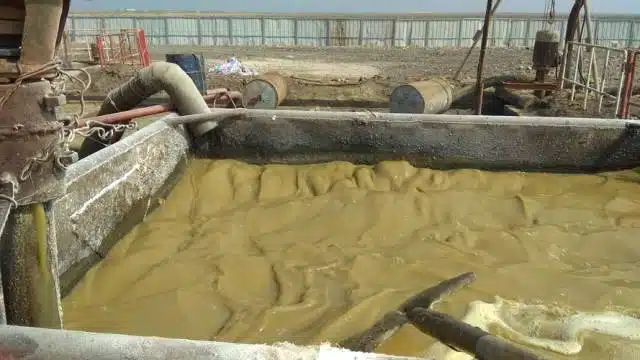
1. Sondaj Çamuru Ağırlıklandırma Maddesi
Baritin başlıca kullanım alanı burası olup, toplam tüketiminin 1–901 milyon tonunu oluşturmaktadır. Matkap uçlarını soğutur, kuyu duvarlarını güçlendirir ve petrol ve gaz basıncını kontrol ederek üretimi stabilize eder ve patlamaları önler. Spesifikasyonlar genellikle belirli bir incelik gerektirir. 325 mesh veya üzeri, bir yoğunluk 4,2 g/cm³'ten büyük, A BaSO₄ içeriği ≥95%, ve çözünebilir tuzlar 1%'den az. Tüketim yaklaşık olarak şöyledir: Sondaj yapılan her 30 metre için 1 ton barit tozu., Derinliğe, çapa, kaya türüne ve sondaj koşullarına bağlı olarak değişir.
2. Çeşitli Baryum Bileşikleri
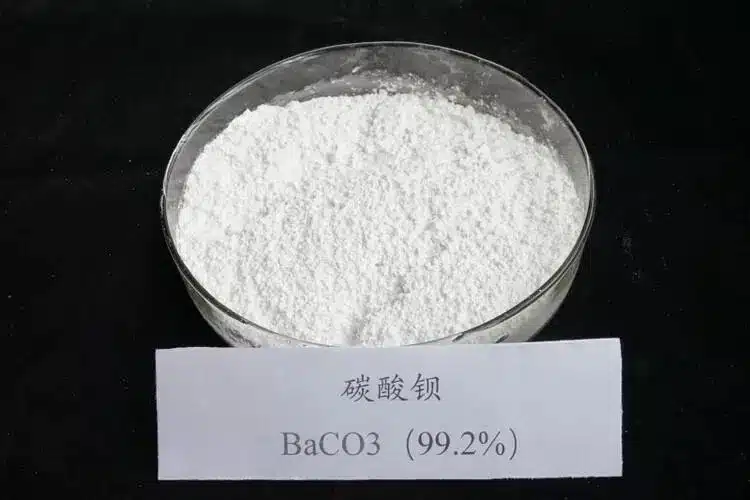
Günümüzde baritin ikinci en büyük kullanım alanı baryum kimyasal ürünlerinin üretimidir. Barit, baryum oksit, karbonat, klorür, nitrat, çöktürülmüş sülfat, hidroksit vb. için hammadde görevi görür. Kimyasal olarak saf baryum sülfat, beyazlık standardıdır. Baryum karbonat, optik cam için hayati öneme sahiptir ve kırılma indeksini artırmak için BaO içerir. Baryum klorür tarımsal bir böcek ilacıdır; baryum nitrat havai fişeklerde ve camda kullanılır; baryum manganat ise yeşil bir pigmenttir.
3. Litopon Pigmenti
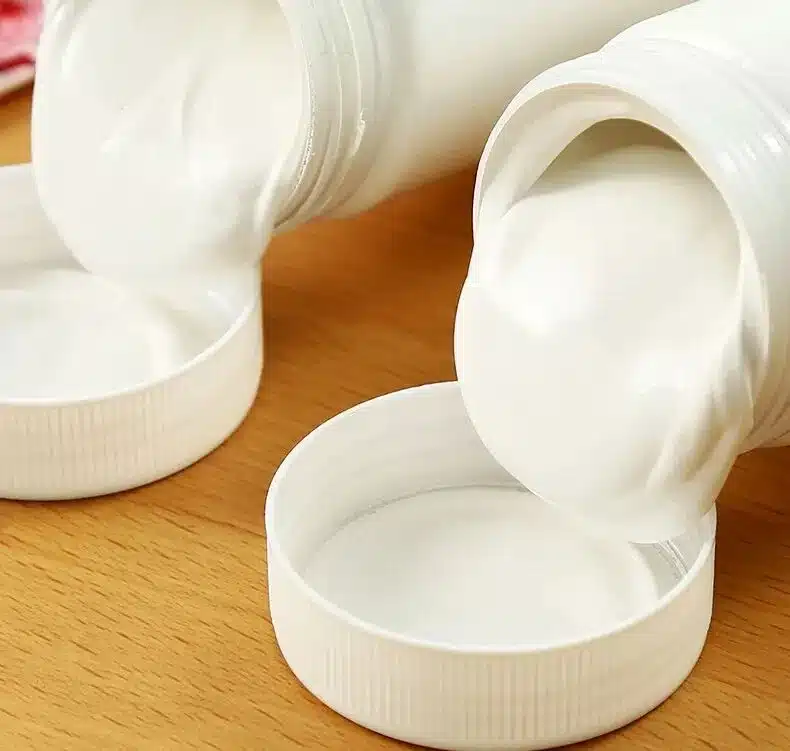
Litopon, boyalar için yüksek kaliteli beyaz bir pigment olup, bir karışımdır. 70% baryum sülfat ve 30% çinko sülfür. Isıtılmış baritin baryum sülfüre (BaS) indirgenmesi ve ardından çinko sülfat (ZnSO₄) ile reaksiyona sokulmasıyla üretilir. Hammadde, BaSO₄ içeriği >95% Gözle görülür renkli safsızlık içermez.
4. Yeni Enerji Depolama Pilleri
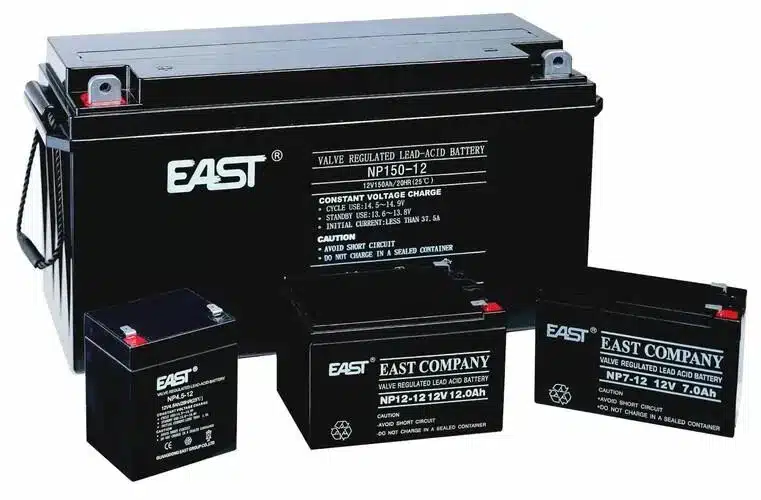
Baryum sülfat, pil üretiminde yaygın olarak kullanılan inorganik bir genleştiricidir. Temel, geri dönüştürülebilir yeni bir enerji kaynağı olarak piller, ulaşım, iletişim, enerji, demiryolları, savunma, bilgisayar ve Ar-Ge alanlarında yaygın olarak kullanılmaktadır. Kurşun-asit pillerde baritin temel rolü şudur: Negatif plakanın aktivitesini artırır, sülfatlaşmayı (başlıca arıza nedenlerinden biri) önler ve pil ömrünü uzatır.
5. İnorganik Dolgu Maddesi
- Boyalar: Barit dolgu maddesi film kalınlığını, mukavemetini ve dayanıklılığını artırır. İç mekan kullanımında, kurşun beyazı ve magnezyum beyazına göre avantajlar sunar. Özellikler: incelik >2000 mesh, beyazlık >95%.
- Kağıt, Kauçuk ve Plastikler: Barit, sertliği, aşınma direncini ve yaşlanma direncini artırır. Özellikler: BaSO₄ >98%, CaO <0,36%, MgO ve Pb içermez. İncelik gereksinimleri, genellikle boyalara göre daha düşüktür. 500–1250 ağ.
6. Çimento Mineralleştirici
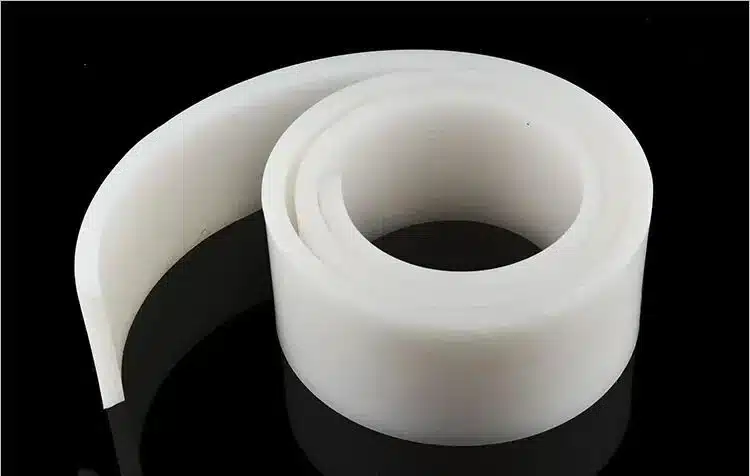
Çimento üretimine barit eklenmesi, C3S oluşumunu ve aktivasyonunu önemli ölçüde destekler. Klinker kalitesini iyileştirir, erken dayanımı ~20–25%, geç dayanımı ~10% artırır ve klinkerleşme sıcaklığını ~1450°C'den düşürür. 1300°C ±50°C. Kömür atıklarından elde edilen ham maddelerle birlikte kullanılması, kapsamlı atık değerlendirmesi ve düşük kalsiyumlu, enerji tasarruflu, erken yüksek mukavemetli çimento üretimi için faydalı bir yol sunmaktadır.
7. Radyasyon Kalkanı Sağlayan Çimento, Harç ve Beton
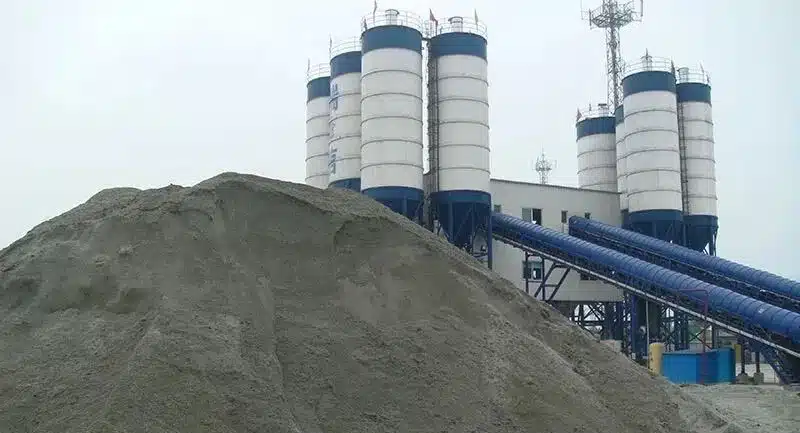
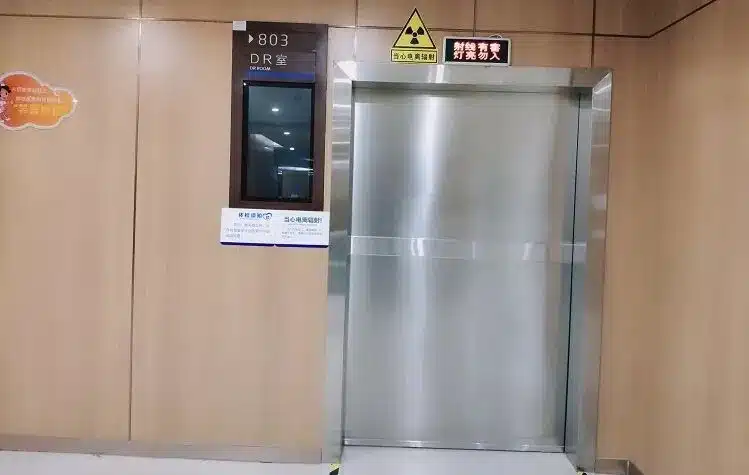
Barit, X ışınlarını emme özelliğinden yararlanarak çeşitli üretimlerde kullanılır. baryum çimento, barit harcı ve barit betonu. Bu malzemeler, nükleer reaktörlerin kalkanlanmasında ve araştırma tesisleri ile hastaneler için X-ışını koruma binalarının yapımında kullanılan kurşun levhaların yerini almaktadır.
8. Baryum Ferrit Manyetik Malzemeler
M tipi baryum ferrit, yüksek doygunluk manyetizasyonu, anizotropik alanı ve kimyasal kararlılığı nedeniyle dikey kayıt, manyetik/manyeto-optik cihazlar, mikrodalga bileşenleri ve EMI kalkanlamasında yaygın olarak kullanılmaktadır. Yaygın bir mikrodalga emicidir. Tipik olarak fizikokimyasal yöntemlerle baryum ve demir tuzlarından üretilir, ancak araştırmalar ayrıca barit ve hematit karışımlarından doğrudan sentezini de incelemektedir.
9. İletken Malzemeler
Doğal beyaz barit tozu, çekirdek-kabuk yapılı iletken malzemeler için mükemmel bir temel oluşturmaktadır. Üzerine katkılı SnO₂ eklenmesiyle açık renkli iletken toz elde edilir ve maliyetler düşürülür. Bu kararlı, ince kimyasal ürün, Çin'in hızla büyüyen elektronik ve yüksek teknoloji endüstrilerinde geniş potansiyele sahiptir.
10. Radyasyon Kalkanı Lifleri
Araştırmalar, kompozit koruyucu lifler geliştirmek için baryum sülfat (barit), baryum titanat ve bizmut oksidin X-ışını emiliminden yararlanmaktadır. Bu liflerden yapılan kumaşlar X-ışınlarını etkili bir şekilde bloke eder. Yöntemler arasında viskoz iplik çözeltilerine barit eklenmesi yer almaktadır. Çalışmalar, viskoz filmlerdeki nano boyutlu baritin X-ışınlarını etkili bir şekilde bloke edebileceğini göstermektedir. 44% ile X-ışını emilimini iyileştirin Saf viskoza kıyasla, ön eğirme enjeksiyonu yoluyla barit eklenmesi, lif kristalliğini ve radyasyon korumasını içeriğiyle orantılı olarak artırır.
11. Yüksek Yansıtmalı Kaplamalar
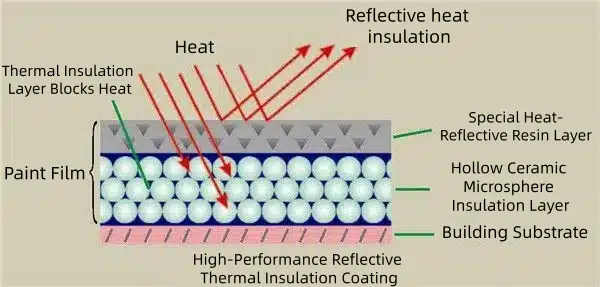
2021 yılında Purdue Üniversitesi araştırmacıları, ultra beyaz bir boya formülü için patent başvurusunda bulundu. baryum sülfat (barit). Bu, bir başarıya ulaşır. 98,1%'ye kadar kayıt yansıma değeri., Diğer beyaz boyalardan daha iyi performans gösteriyor. Formülü şu özellikleri kullanıyor: daha yüksek konsantrasyonlar ve daha geniş parçacık boyutu dağılımı Barit minerali olup, dış yüzeylere uygulandığında çevresel soğutma etkisi sağlar.
12. Diğer Uygulamalar
Barit, gazyağı rafinerisinde ve sindirim sistemi radyografisinde "baryum yemeği" kontrast maddesi olarak kullanılabilir. Yağlarla karıştırıldığında, su geçirmez branda üretiminde de kullanılabilir. Ayrıca, yaklaşık 10% barit içeren kauçuk ve asfalttan otoparklar için dayanıklı bir kaldırım malzemesi yapılabilir.
Enerji kaynaklarının güvenliğinin sağlanmasından ileri teknoloji ve sağlık hizmetlerinin geliştirilmesine kadar, baritin çeşitli özellikleri onu bu 12 kritik alanda vazgeçilmez kılıyor. Önemli bir mineral olarak, küresel endüstri ve inovasyondaki rolü genişlemeye devam ediyor.
Barit öğütmek için genellikle hangi ekipmanlar kullanılır, örneğin jet değirmenleri, sınıflandırıcı değirmenler veya bilyalı değirmenler?
Barit (esas olarak baryum sülfat, BaSO₄'den oluşur) için öğütme ekipmanının seçimi şunlara bağlıdır: nihai ürünün incelik gereksinimleri, saflık standartları, üretim ölçeği ve maliyet kontrolü. Bahsettiğiniz seçenekler -jet değirmeni, sınıflandırıcı değirmen ve bilyalı değirmen- yaygın tercihlerdir, ancak her birinin kendine özgü bir amacı vardır.
Aşağıda bu ekipman türlerinin barit öğütme işlemindeki uygulamalarına ilişkin detaylı bir analiz yer almaktadır:
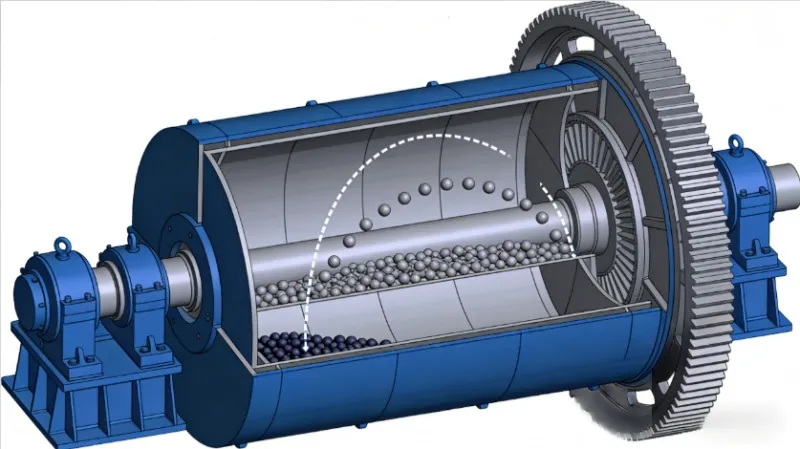
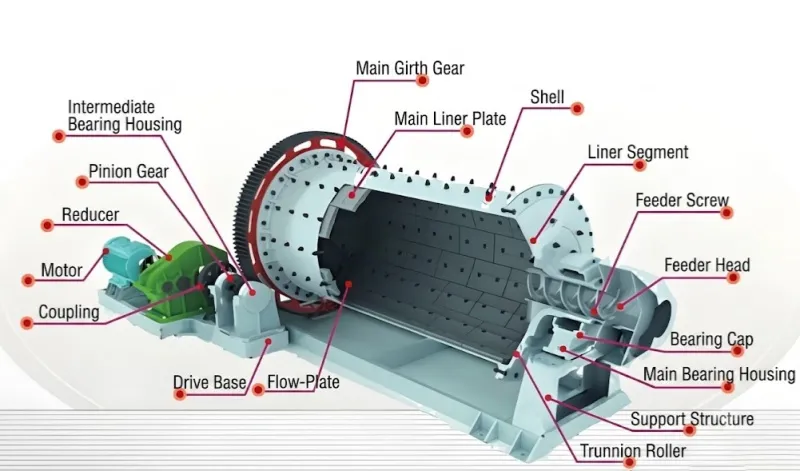
1. Bilyalı Değirmen
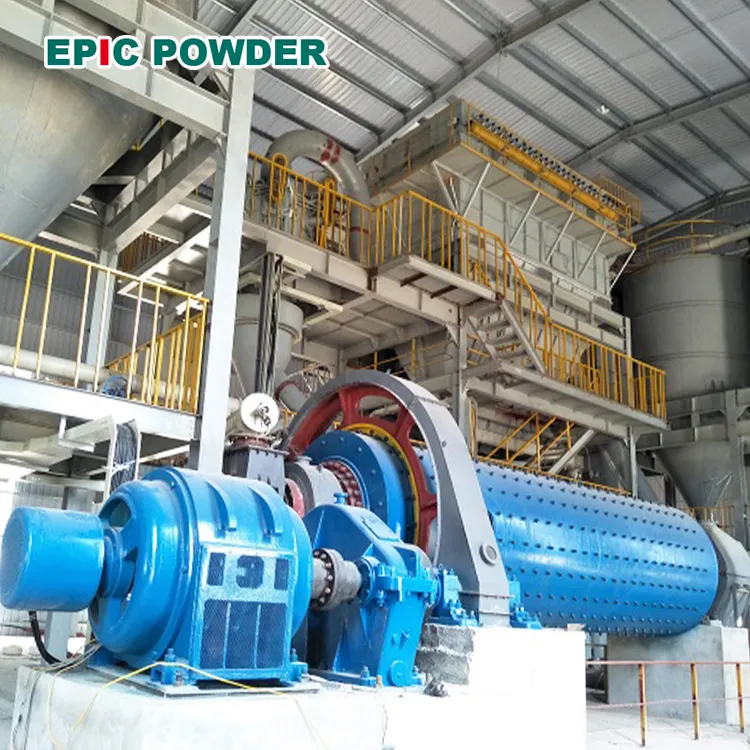
Bu, en geleneksel ve yaygın olarak kullanılan öğütme ekipmanıdır.
- Çalışma PrensibiMalzeme, dönen bir silindir içindeki çelik veya seramik bilyelerin çarpma ve öğütme etkisiyle ezilir.
- Uygun ÜrünBarit tozu üretimi için idealdir. 200 ila 600 mesh arasında değişen geleneksel parçacık boyutları. (yaklaşık 74 μm ila 23 μm).
- Avantajlar:
- Düşük yatırım ve işletme maliyetleri, Basit yapı, kolay bakım.
- Yüksek üretim kapasitesi, sürekli veya kesikli çalışma için uygundur.
- Yem partikül boyutuna karşı güçlü uyum yeteneği.
- Dezavantajlar:
- Çok ince toz (örneğin, 1250 mesh'in üzerinde) üretmek zordur. "Aşırı öğütme" ve "top kaplama"ya eğilimlidir, bu da verimliliğin azalmasına yol açar.
- Öğütme ortamının aşınması demir kirliliğine yol açabilir (seramik astarlar ve bilyeler kullanılarak bu durum azaltılabilir, ancak bu verimliliği etkiler).
- Nispeten yüksek enerji tüketimi, geniş parçacık boyutu dağılımı.
- ÖzetÜretim için yaygın ve ekonomik tercih orta ila düşük dereceli barit tozu Sondaj çamuru ağırlıklandırma maddeleri ve boya dolgu maddeleri gibi uygulamalar için. Genellikle şu alanlarda kullanılır: sınıflandırıcı içeren kapalı devre sistem Verimliliği artırmak ve parçacık boyutunu kontrol etmek için.
2. Sınıflandırma Değirmeni / Silindirli Değirmen
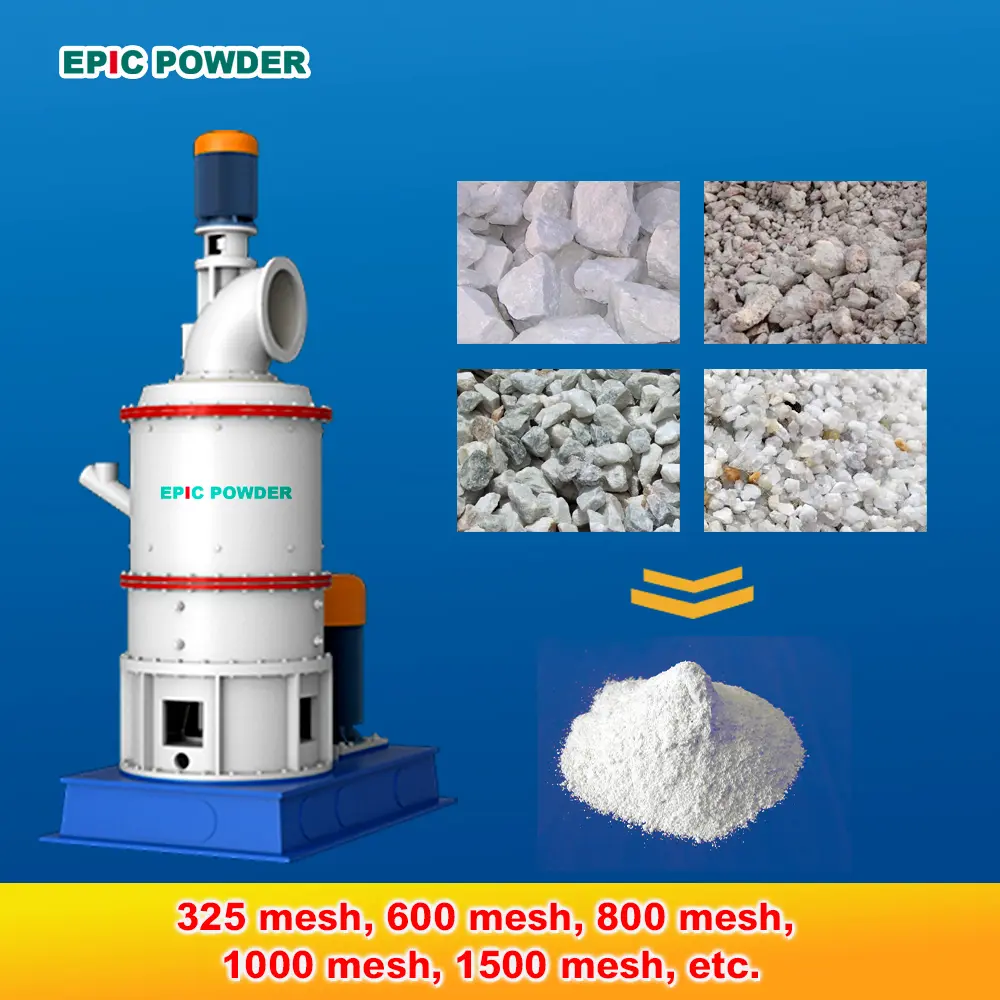
(Genellikle şu anlama gelir:) Sınıflandırıcı değirmenler veya silindirli değirmenler (entegre veya bağlanabilir verimli sınıflandırma sistemleriyle)
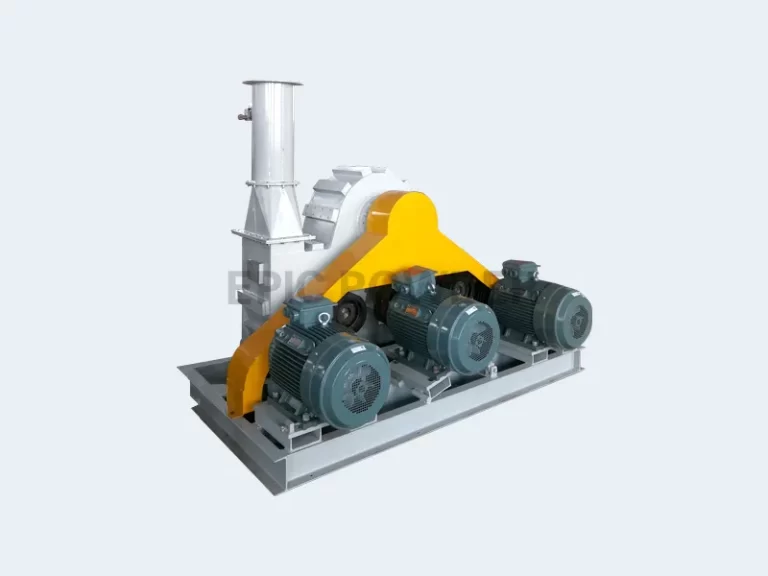
- Çalışma PrensibiÖğütme işlemi, öğütme silindirleri ve öğütme tablası arasındaki göreceli hareketle gerçekleştirilir. Dahili veya harici bir öğütme tablası olabilir. sınıflandırıcı İnce parçacıkları aynı anda ayırarak belirtilen özelliklere uygun hale getirirken, iri parçacıkları daha fazla öğütme için geri gönderir.
- Uygun ÜrünÜretim için çok uygundur. 400 ila 1250 mesh arasında ince toz (yaklaşık 38 μm ila 10 μm), genellikle barit işlemesinde kullanılır.
- Avantajlar:
- Yüksek öğütme verimliliği, bilyalı değirmenlere kıyasla daha düşük enerji tüketimi. (Yatak sıkıştırma prensibine dayanmaktadır).
- Dahili dinamik sınıflandırma şunlara olanak tanır: Nispeten dar bir dağılımla parçacık boyutunun kolay kontrolü.
- Yüksek sistem entegrasyonu, düşük alan gereksinimi.
- Geleneksel bilyalı değirmenlere göre daha az demir kirliliği.
- Dezavantajlar:
- Bilyalı değirmenlere göre daha yüksek ekipman yatırımı gerektirir.
- Daha yüksek incelik (örneğin, 2000 mesh üzeri) veya çok yüksek saflık gereksinimlerine ulaşmada hâlâ sınırlamalar olabilir.
- ÖzetÜretim için temel ekipman seçimi: Boyalar, plastikler ve kauçuk dolgu maddeleri için yüksek kaliteli barit tozu., Bu sayede verimlilik ve parçacık boyutu kontrolü arasında iyi bir denge sağlanmaktadır.
3. Jet Değirmeni
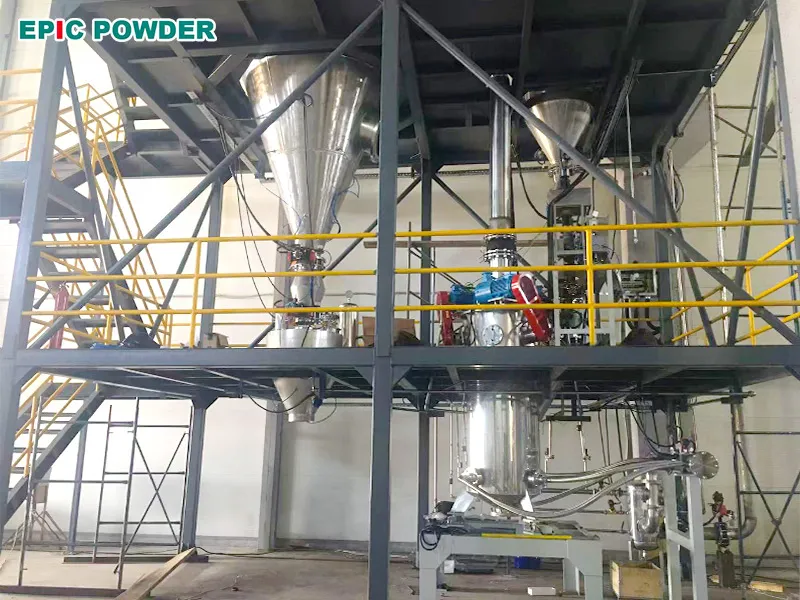
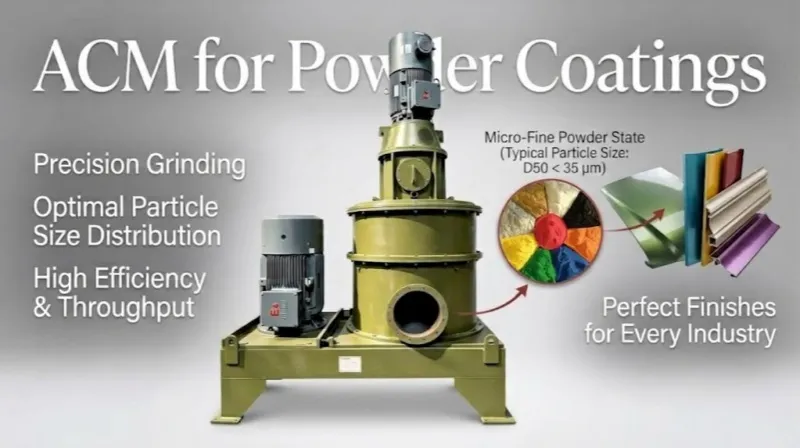
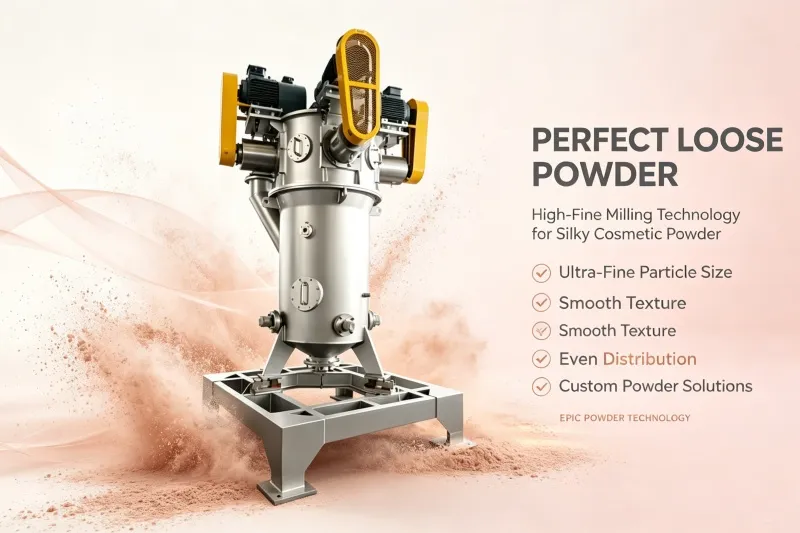
Bu, üretim için gerekli temel ekipmandır. ultra ince, yüksek saflıkta, yüksek katma değerli barit tozu.
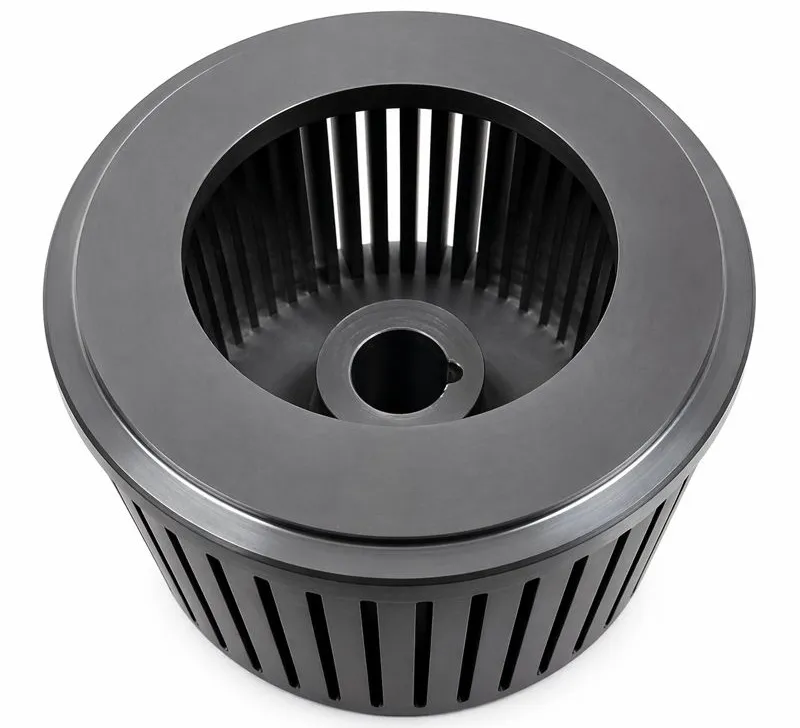
- Çalışma PrensibiYüksek basınçlı gaz akımlarını (hava, aşırı ısıtılmış buhar veya inert gaz) kullanarak parçacıkları hızlandırır ve bunların çarpışma ve sürtünme yoluyla parçalanmasına neden olur. Tipik olarak sınıflandırıcı ile bütünleşik olarak tasarlanmıştır (Örneğin, düz akışkan yataklı karşılıklı jet değirmenleri), "eş zamanlı öğütme ve sınıflandırma" olanağı sağlar.“
- Uygun Ürün: Özellikle üretim için tasarlanmıştır ultra ince toz (1250 mesh üzeri, d97 < 10 μm, hatta d97 < 2 μm'ye kadar) Ve yüksek saflıkta toz.
- Avantajlar:
- Öğütücü madde içermez, neredeyse tamamen kirlenmeden arındırılmıştır., Bu sayede baritin beyazlığı ve saflığı azami ölçüde korunur.
- Ürün çok ince, dar bir boyut dağılımına sahip ve pürüzsüz yüzeylere sahip., İyi bir dağılabilirlik sunuyor.
- Isıya duyarlı ve sert malzemeler için uygundur. (Barit, 3-3,5 arasında değişen orta düzeyde bir Mohs sertliğine sahiptir).
- Dezavantajlar:
- Çok yüksek enerji tüketimi, Bilyalı değirmenlere göre birkaç kat, hatta on kat daha yüksek verimlilik.
- Nispeten düşük üretim kapasitesi, Yüksek ekipman yatırımı.
- Yem partikül boyutuna (genellikle <1 mm) ve nem içeriğine ilişkin katı gereksinimler.
- ÖzetÜretiminde kullanılır ultra ince, yüksek beyazlıkta, yüksek saflıkta baryum sülfat gerekli Gelişmiş kaplamalar (örneğin, otomotiv boyası), mürekkepler, yüksek kaliteli plastikler, kozmetik ürünler ve tıbbi kontrast maddeleri..
Kapsamlı Karşılaştırma ve Seçim Tavsiyeleri
| Ekipman Türü | Optimum İncelik Aralığı | Ürün Özellikleri | Yatırım ve İşletme Maliyeti | Tipik Uygulama Alanları |
|---|---|---|---|---|
| Bilyalı Değirmen | 200 – 600 ağ | Daha iri parçacıklar, geniş dağılım, potansiyel demir kirliliği | Düşük | Petrol sondaj çamuru ağırlıklandırma maddeleri, sıradan mimari kaplamalar, zemin dolgu malzemeleri |
| Sınıflandırma Değirmeni / Silindirli Değirmen | 400 – 1250 ağ | İyi parçacık boyutu kontrolü, dar dağılım, nispeten yüksek saflık | Orta | Orta ve yüksek kaliteli boyalar, plastikler, kauçuk dolgu maddeleri, cam hammaddeleri |
| Jet Değirmeni | 1250 mesh üzeri (Ultra ince) | Ultra ince, yüksek saflıkta, homojen boyutlu, yüksek beyazlıkta | Yüksek | Gelişmiş kaplamalar, mürekkepler, fonksiyonel plastikler, kozmetik ürünler, ilaçlar |
Gerçek Üretimde Sık Kullanılan Süreçler
Modern barit işleme süreçleri genellikle şunları içerir: çok aşamalı kırma ve sınıflandırma kombinasyonu:
- Birincil Kırma ve YıkamaMadenden çıkarılan cevher, çeneli kırıcılar gibi ekipmanlarla kaba bir şekilde kırılır ve saflaştırma için yıkama ve zenginleştirme işlemlerine tabi tutulabilir.
- Orta ve İnce Öğütme: Kullanımı silindirli değirmen + sınıflandırıcı veya bilyalı değirmen + sınıflandırıcı sistemi İnce toz baz (örneğin, 325 mesh) üretmek için.
- Çok ince öğütme (gerekirse): Temel ince tozu besleme malzemesi olarak kullanarak jet değirmeni sistemi Yüksek katma değerli ürünler üretmek için hassas işleme amacıyla.
Sonuç ve Öneriler:
- Eğer hedef sondaj kalitesinde veya sıradan dolgu malzemesi ise, birini seçmek bilyalı değirmen (sınıflandırıcı ile birlikte) En ekonomik seçenektir.
- Eğer hedef, boya ve plastik gibi sektörler için yüksek kaliteli dolgu malzemesi (600-1250 mesh) ise, o silindirli değirmen/sınıflandırıcı değirmen daha verimli ve yaygın bir seçenektir.
- Hedef, yüksek kaliteli fonksiyonel malzemeler (ultra ince, yüksek saflıkta) ise, A jet değirmeni Daha yüksek maliyetlere rağmen, bu şarttır.
Bu nedenle, öncelikle makine seçiminizi netleştirmeniz gerekir. hedef ürün özellikleri ve pazar konumlandırması.
Destansı Toz
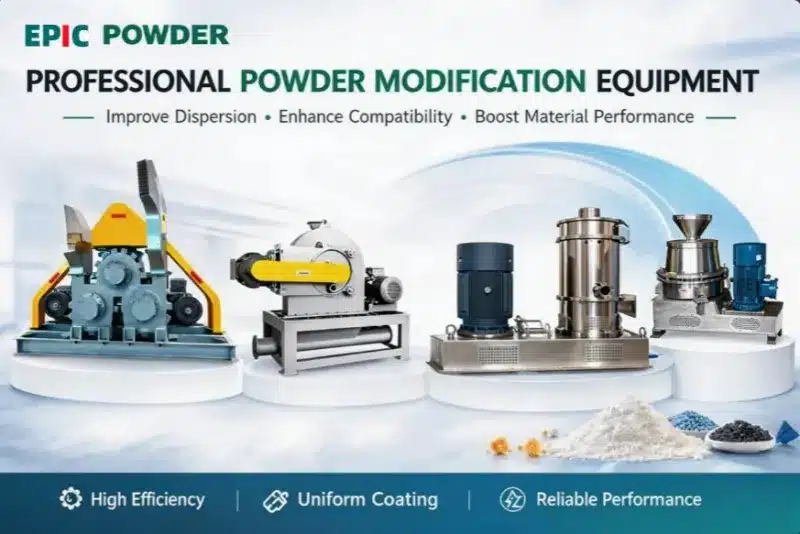
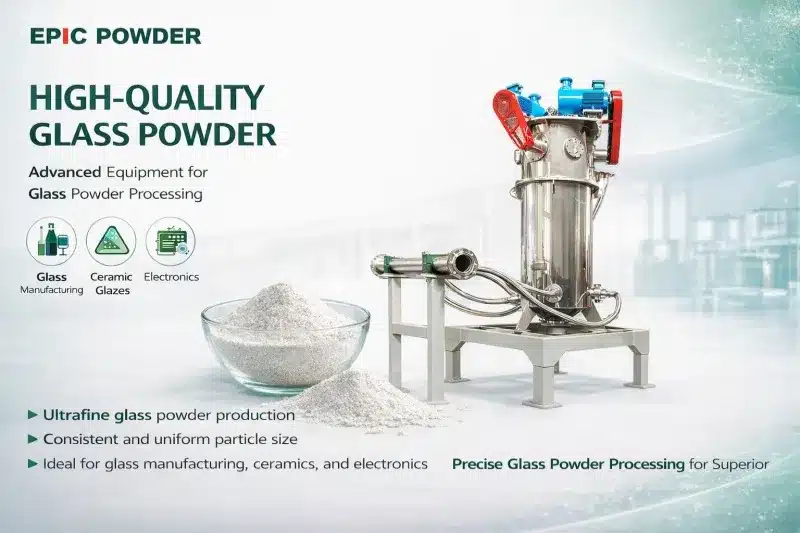
At Destansı Toz, Geniş bir ekipman modeli yelpazesi sunuyoruz ve özel ihtiyaçlarınızı karşılayacak çözümler geliştiriyoruz. Ekibimiz, çeşitli toz işleme alanlarında 20 yılı aşkın deneyime sahiptir. Epic Powder, maden endüstrisi, kimya endüstrisi, gıda endüstrisi, ilaç endüstrisi vb. için ince toz işleme teknolojisinde uzmanlaşmıştır.
Ücretsiz danışmanlık ve size özel çözümler için bugün bizimle iletişime geçin!

“Okuduğunuz için teşekkürler. Umarım makalem yardımcı olmuştur. Lütfen aşağıya yorum bırakın. Ayrıca EPIC Powder çevrimiçi müşteri temsilcisiyle de iletişime geçebilirsiniz. Zelda Daha fazla bilgi için lütfen iletişime geçin.”
— Jason Wang, Gönüllü