Gelişmiş malzeme işleme dünyasında silikon, benzersiz bir zorluk sunmaktadır. Esneklik, termal kararlılık ve kimyasal inertlik gibi değerli özellikleri, ince ve tutarlı bir toz elde etme hedefi söz konusu olduğunda engel teşkil eder. Geleneksel öğütme yöntemleri genellikle başarısız olur ve erimiş, yapışkan kütleler veya tutarsız parçacıklarla sonuçlanır. İşte burada jet değirmeni, silikon öğütme için kesin çözüm olarak devreye giriyor. Tıbbi cihazlardan gelişmiş kaplamalara ve eklemeli üretime kadar çeşitli sektörlerdeki üreticiler için, silikonun jet değirmeniyle işlenmesinde ustalaşmak, yeni ürün yeteneklerinin ve performansının kilidini açmanın anahtarıdır. Bu kılavuz, sert silikon malzemelerini yüksek kaliteli ultra ince toza etkili bir şekilde dönüştürmek için gerekli olan kesin mekanizmaları ve optimize edilmiş adımları ayrıntılı olarak açıklayacaktır.
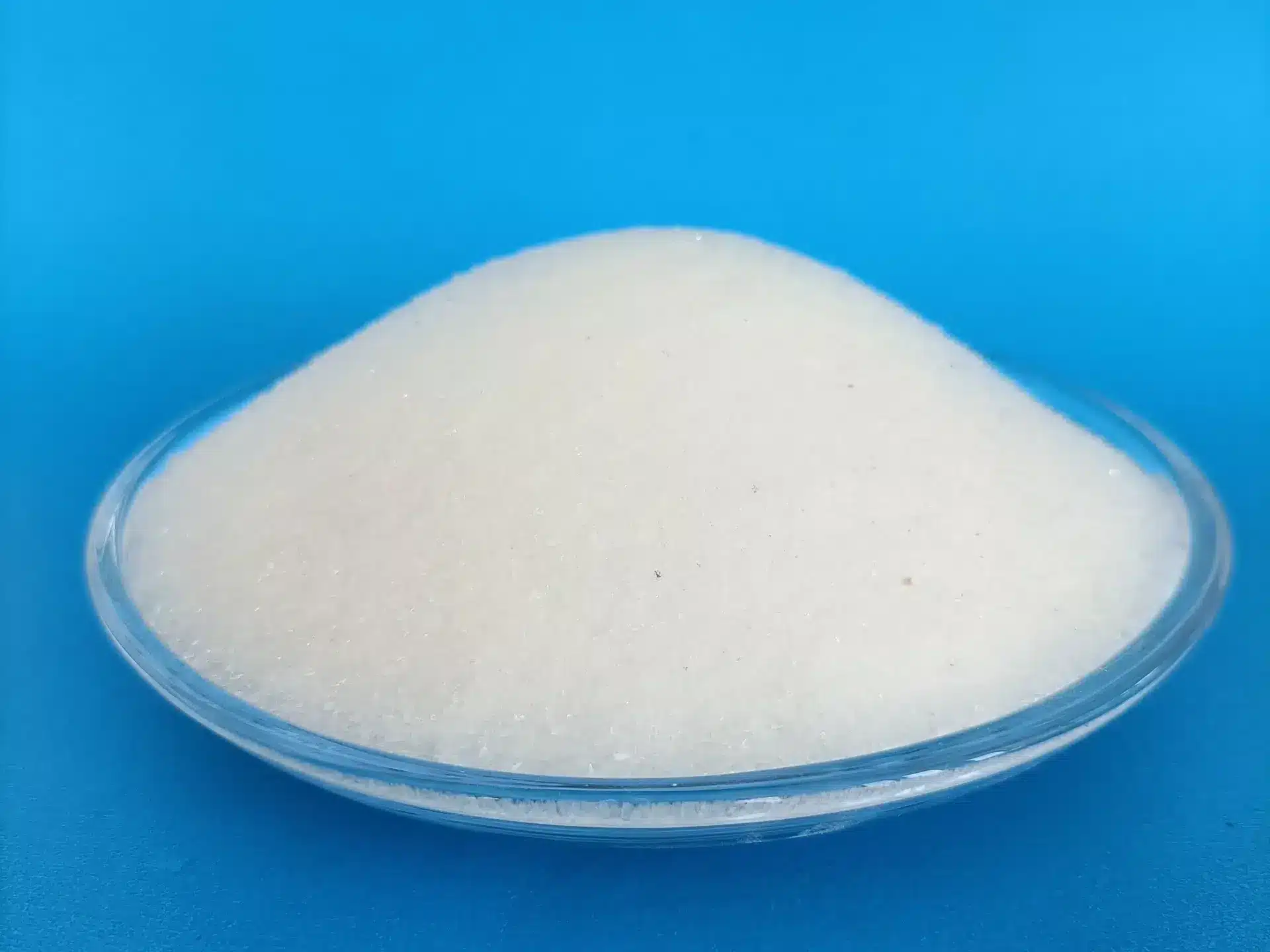
Temel Zorluğu ve Teknolojiyi Anlamak
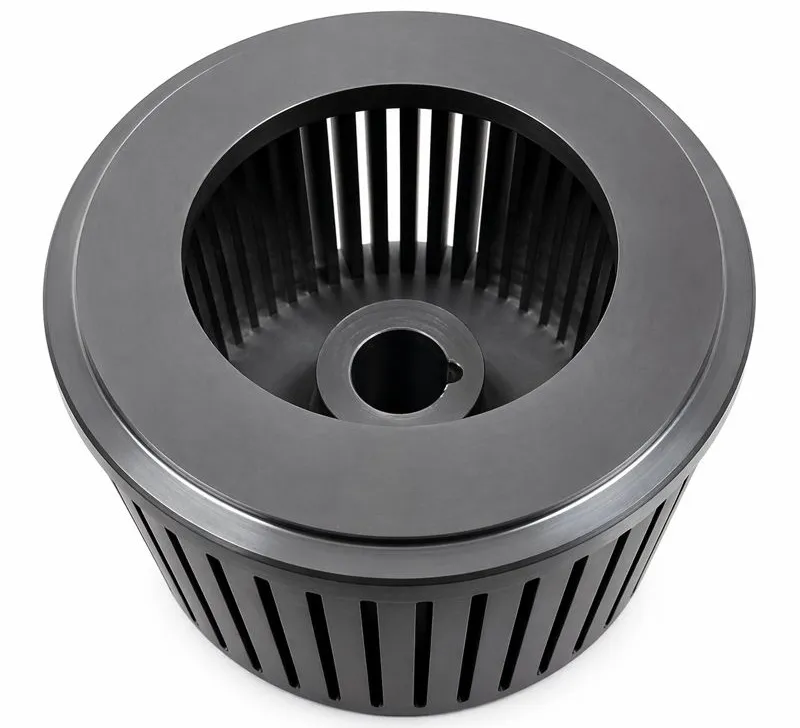
Akışkan enerjili değirmen olarak da bilinen jet değirmeni, son derece basit ama güçlü bir prensiple çalışır. Öğütme haznesinde süpersonik jetler oluşturmak için sıkıştırılmış hava, gaz veya buhar kullanır. Bu hazneye beslenen malzeme, bu jetler tarafından hızlandırılır ve yüksek hızlı, parçacıklar arası çarpışmalara neden olur. İşin içinde olan temel kuvvetler, parçacıkları kıran darbe ve aşınmadır. Kritik bir bileşen, yalnızca hedef boyutun altındaki parçacıkların çıkmasına izin veren ve hassas ve dar bir parçacık boyutu dağılımı sağlayan entegre dinamik sınıflandırıcıdır (yüksek hızlı dönen bir tekerlek).
Silikon öğütmeyi zorlaştıran nedir?
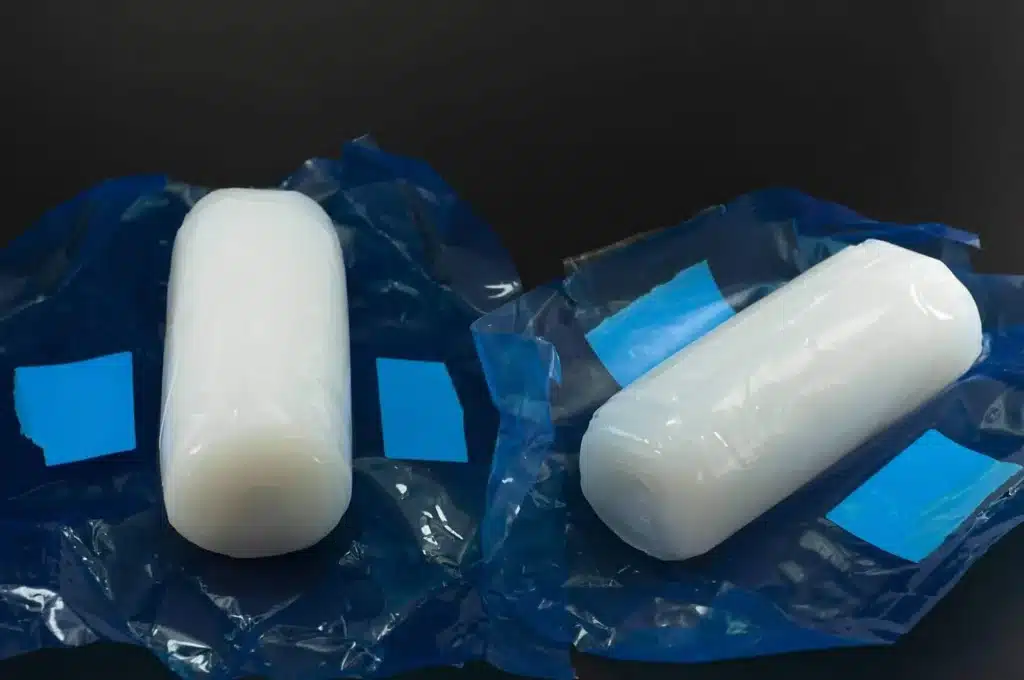
Polidimetilsiloksan (PDMS) ve silika dolgulu bileşikler gibi silikon malzemeler, geleneksel boyut küçültme yöntemlerine meydan okuyan doğal özelliklere sahiptir:
Kırılgan malzemelerin aksine, silikon stres altında (örneğin çekiçle vurulmak gibi) deforme olabilir ve eski haline dönerek kırılması için gereken enerjiyi emebilir. Mekanik değirmenlerde sürtünme sonucu kolayca oluşan aşırı ısı, silikonun yumuşamasına, erimesine veya yapışkan hale gelmesine neden olarak makine tıkanmasına ve ürün bozulmasına yol açabilir. Özellikle silika dolgulu bileşikler, geleneksel değirmenlerin temas eden parçalarını hızla aşındırabilir.
Hedef: Yüksek Değerli Ultra İnce Silikon Tozu
Genellikle ortalama çapı belirli bir değere sahip parçacıklar olarak tanımlanan ultra ince bir toz elde etmek. (D50) 10-20 mikronun altında—mesele sadece incelik değil. Mesele, şu özelliklere sahip bir toz yaratmak: Tutarlı boyut, küresel şekil (çoğunlukla çarpışma sürecinden kaynaklanır) ve korunmuş kimyasal bütünlük. Bu özellik, pürüzsüz ve homojen tıbbi cihaz kaplamaları, homojen kompozit malzemeler ve 3D baskı için serbest akışlı hammadde gibi uygulamalar için çok önemlidir.
İdeal Çözüm Olarak Jet Değirmeni
Jet değirmeni, silikonun yarattığı zorluklara doğrudan karşı koymaktadır. temassız, soğutma etkili taşlama Ve Yüksek hızlı darbe yoluyla malzemeleri kırma yeteneği Bu durum, onu bu elastik, ısıya duyarlı polimer için benzersiz bir şekilde uygun hale getiriyor. Temel soru şuradan kaynaklanıyor: “Bu mümkün mü?” ile “En iyi şekilde nasıl yapılır?”
Sıkça Sorulan Sorular
S1: Standart mekanik öğütücüler silikonla çalışırken neden başarısız olurken, jet öğütücüler başarılı olur?
A: Mekanik öğütücüler (örneğin, çekiçli değirmenler, bilyalı değirmenler) bıçaklar, çekiçler veya öğütme ortamıyla doğrudan temas sonucu oluşan kesme, sıkıştırma ve sürtünmeye dayanır. Silikon için bu, aşırı ısı üretir (erimeye neden olur) ve elastik malzemeleri parçalamada verimsizdir. Jet değirmeni mekanik teması ortadan kaldırır. Gaz jetlerinden gelen kinetik enerjiyi kullanarak parçacıkların birbirini parçalamasını sağlar. Bu yöntem çok daha az ısı üretir ve yüksek hızlı darbe yoluyla elastik yapıları parçalamada daha etkilidir.
S2: Yüksek hızlı işlem ısı üretmez mi? Isı hasarı nasıl önlenir?
A: Bu, jet değirmeninin ısıya duyarlı malzemeler için en önemli avantajıdır. Öğütme işlemi doğası gereği kolaydır. adyabatik ve soğutma. Sıkıştırılmış gaz, nozullardan öğütme odasına doğru genişlerken, basıncında hızlı bir düşüşe uğrar; ısıyı emer (Joule-Thomson etkisi). Bu, öğütme ortamını serin tutar, genellikle ortam sıcaklığının altında kalmasını sağlar ve silikonun termal bozulmasını veya erimesini etkili bir şekilde önler.
Silikonun Jet Frezeleme Yöntemiyle İşlenmesinin Faydaları
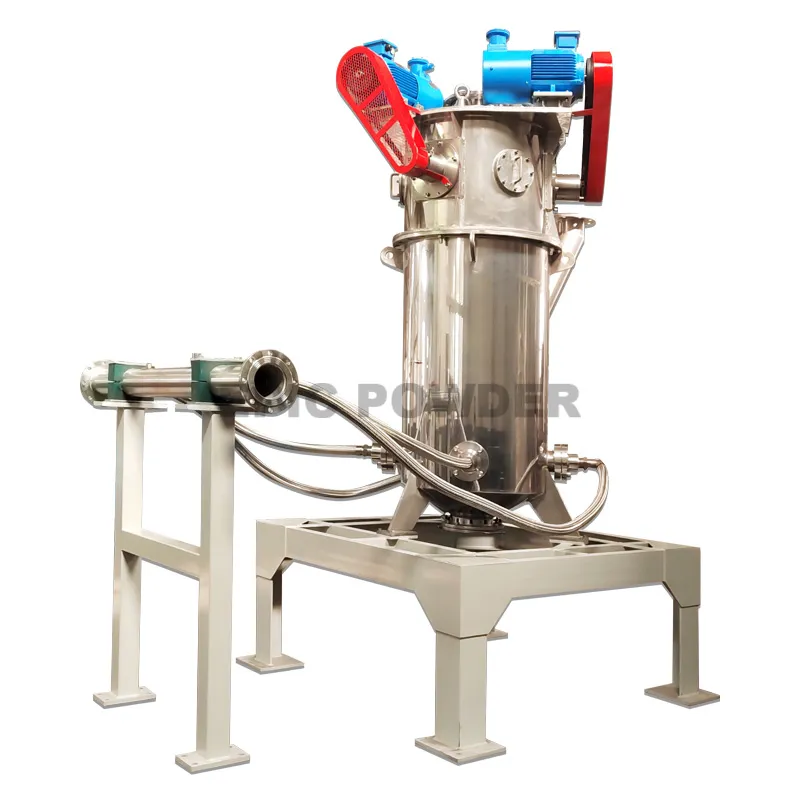
Silikon için jet frezeleme yönteminin benimsenmesi, doğrudan ürün ve süreç avantajları anlamına gelir:
Düşük sıcaklıkta gerçekleştirilen işlem, silikonun moleküler yapısının, temel özelliklerinin (biyouyumluluk gibi) ve yüzey kimyasının değişmeden kalmasını sağlar. Ürünle temas eden öğütücü ortam veya hareketli parçalar olmadığı için, metalik veya seramik aşınma kalıntılarının tozu kirletme riski yoktur; bu da tıbbi ve elektronik sınıflar için vazgeçilmez bir gerekliliktir.
Entegre dinamik sınıflandırıcı, üst parçacık boyutunun hassas bir şekilde ayarlanmasına olanak tanıyarak, parti bazında tutarlı performans için gerekli olan son derece dar bir dağılım sağlar. Elastik sakızlarda, sert vulkanize kauçukta ve kırılgan önceden soğutulmuş bloklarda etkili olup, olağanüstü proses esnekliği sunar. Ultra ince, küresel toz, sıvılarda ve polimerlerde dağılımı artırır, eklemeli imalatta sinterlemeyi iyileştirir ve daha pürüzsüz, daha hatasız kaplamalar oluşturur.
Adım Adım Süreç Optimizasyon Kılavuzu
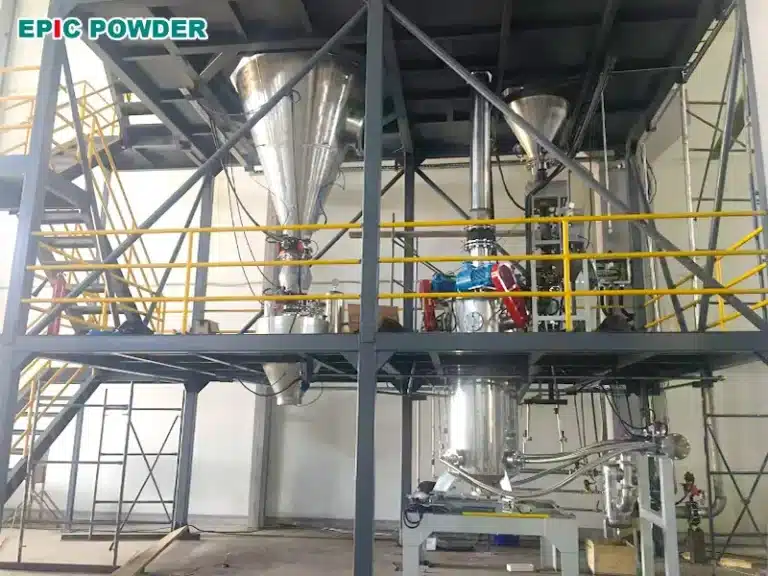
Silikonu ultra ince toz haline getirmek için şu optimize edilmiş sırayı izleyin:
Adım 1: Malzeme Hazırlığı ve Besleme
Yüksek elastikiyete veya yüksek sertlik derecesine sahip silikonlar için, kriyojenik kırılganlık Sıvı azot kullanımı oldukça etkilidir. Malzemenin cam geçiş sıcaklığının altına soğutulması, onu kırılgan ve kolayca kırılabilir hale getirir. Yığın halindeki silikonu granüllere veya küçük parçalara (örneğin, 1-5 mm) indirgemek için kaba bir kırıcı veya ön kırıcı kullanın. Bu, tutarlı bir besleme hızı sağlar ve tıkanmaları önler.
Birini işe alın ağırlık kaybı veya titreşimli besleyici Öğütme haznesine malzemenin hassas ve tutarlı bir şekilde iletilmesi için. Burada tutarlılık, istikrarlı öğütme dinamikleri için kritik öneme sahiptir.
Adım 2: Jet Değirmeni Parametre Optimizasyonu (Kritik Aşama)
Kullanmak yağsız, kuru basınçlı hava Çoğu uygulama için uygundur. Yüksek oranda oksitleyici veya hassas malzemeler için, Azot (N₂) gibi inert gazlar Bozulmayı önlemek için gereklidirler. Meme basıncını optimize edin (tipik olarak şu aralıkta: 6 ila 10 bar / 90 ila 150 psiDaha yüksek basınç, jet hızını ve çarpışma enerjisini artırır; bu da sert silikon parçacıklarını kırmak için çok önemlidir.
Bu, nihai incelik için birincil kontrol. Dinamik sınıflandırıcı tekerleğin daha yüksek dönüş hızı, daha sıkı bir merkezkaç kuvveti uygulayarak yalnızca daha ince parçacıkların geçmesine izin verir. Hedeflediğiniz D50 veya D97 değerine ulaşmak için bu parametreyi ayarlayın. Besleme hızını öğütme basıncıyla dengeleyin. Aşırı yüklenmiş bir hazne çarpışma verimliliğini azaltırken, yetersiz besleme enerji israfına neden olur. Maksimum verim ve incelik için "en uygun noktayı" bulun.
3. Adım: Süreç İçi İzleme ve Veri Toplama
Değirmen çıkışına, düşük sıcaklıkta çalışmayı sürekli olarak doğrulamak ve ısıya duyarlı işlemeyi teyit etmek için bir sensör takın. yüksek verimli siklon Ürünün büyük çoğunluğunu yakalayacak. İkincil bir yaklaşım ise... torba filtre veya kartuş filtre En ince fraksiyonu toplamak, yüksek verim sağlamak ve temiz bir çalışma ortamı oluşturmak için çok önemlidir.
Adım 4: Son İşlem ve Yönetim
Çok ince toz, yumuşak topaklar oluşturabilir. Nazik bir işlem kümelenmenin giderilmesi (Örneğin, elek değirmeni kullanarak) bir adım, mükemmel akışkanlık sağlayabilir. Silikon tozu önemli miktarda statik yük geliştirebilir. Elleçleme ve paketleme sırasında antistatik ekipman, iyonize hava veya nem kontrolü kullanın. Hemen paketleyin. nem bariyerli kaplar Nem çekici ince tanelerin atmosferdeki nemi emmesini ve topaklanmasını önlemek için.
Bölüm 5: Referans
İmplant Kaplamaları için Tıbbi Sınıf Silikon Tozu
Bir tıbbi cihaz üreticisi, implantlar üzerinde püskürtülebilir bir kaplama için yüksek kıvamlı silikon elastomerden (HCR) 20 mikronun altında bir toz elde etmeye ihtiyaç duyuyordu. Mekanik öğütme erimeye ve bozulmaya neden oluyordu. Azot gazlı spiral jet değirmeni, Onlar bir başarıya ulaştılar. D90 değeri 12 µm Mükemmel küresel bir morfolojiye sahip. İşlem sürekli olarak 25°C'nin altında gerçekleştirildi ve malzemenin USP Sınıf VI sertifikasını korudu. Elde edilen toz, tüm biyouyumluluk testlerinden geçen pürüzsüz ve homojen bir kaplama sağladı.
Gelişmiş 3D Baskı Hammaddesi için Silika Dolgulu Silikon
Katmanlı üretim yöntemiyle yüksek mukavemetli silikon parçalar geliştiren bir şirket, hammadde parçacık boyutu ve akışkanlığı konusunda zorluk yaşıyordu. Silika dolgulu bileşikleri, geleneksel değirmenler için çok sertti. Yeni bir yaklaşım uygulamak... yüksek hassasiyetli sınıflandırıcıya sahip akışkan yataklı jet değirmeni, Sınıflandırıcı hızını optimize ederek, belirli bir özelliğe sahip bir toz ürettiler. D50 değeri 7 µm ve D90 değeri 15 µm'dir.. Dar dağılım ve küresel şekil, mükemmel akışkanlık ve katman yoğunluğu sağlayarak 3 boyutlu yazdırılan parçaların çözünürlüğünü ve mekanik özelliklerini önemli ölçüde iyileştirdi.
Silikonu ultra ince toz haline getirmek, güç değil, incelik gerektirir. Soğutma, temassız öğütme ve hassas sınıflandırmanın benzersiz kombinasyonuna sahip jet değirmeni, bu zorluğun üstesinden güvenilir bir şekilde gelen tek teknolojidir. Malzemenin özelliklerini anlayarak ve kriyojenik ön işlemden sınıflandırıcı hız kontrolüne kadar işlem adımlarını titizlikle optimize ederek, üreticiler zor bir malzemeyi, en ileri endüstrilerde yeniliği yönlendiren yüksek değerli bir toza dönüştürebilirler. Silikonla mümkün olanın sınırlarını zorlamak isteyenler için, jet öğütme işlemine hakim olmak önemli bir rekabet avantajıdır.
Destansı Toz
Silikon malzemelerinizi dönüştürmeye hazır mısınız? Destansı Toz, Silikon dahil olmak üzere en zorlu polimerler için özel jet frezeleme çözümleri geliştirme konusunda uzmanlaşmış bulunuyoruz. Uzmanlarımız, laboratuvar ölçeğinden tam üretime kadar sürecinizi optimize etmenize yardımcı olabilir. Kişiselleştirilmiş bir danışmanlık için veya malzemenizle ilgili bir fizibilite testi talep etmek için bugün bizimle iletişime geçin.

“Okuduğunuz için teşekkürler. Umarım makalem yardımcı olmuştur. Lütfen aşağıya yorum bırakın. Ayrıca EPIC Powder çevrimiçi müşteri temsilcisiyle de iletişime geçebilirsiniz. Zelda Daha fazla bilgi için lütfen iletişime geçin.”
— Jason Wang, Kıdemli Mühendis