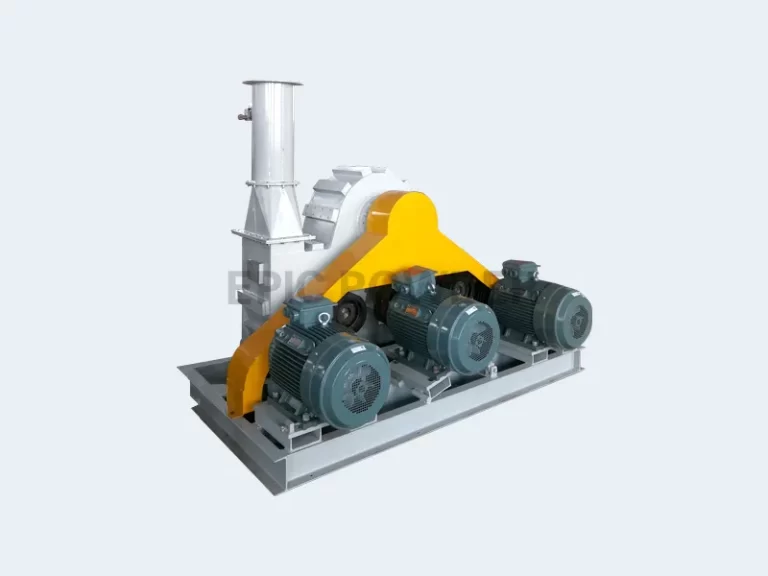
في الصناعات المساحيق المتطورة - مثل مواد بطاريات الليثيوم الجديدة، والمستحضرات الصيدلانية، والسيراميك الدقيق، والمواد الكيميائية، والأغذية، وأشباه الموصلات - تعتبر مطحنة النفث (المعروفة أيضًا باسم مطحنة الطاقة السائلة) هي المعدات الأساسية المستخدمة لتحقيق الطحن فائق الدقة بدون وسائط.
إنها أداة لا غنى عنها في خط الإنتاج. ويتجلى ذلك بوضوح عند إنتاج مساحيق عالية النقاء بمستويات الميكرون وما دونه، وتجنب التلوث المعدني، أو معالجة المواد الحساسة للحرارة والقابلة للاشتعال/الانفجار. اليوم، سنشرح بالتفصيل كل ما تحتاجون معرفته عن مطاحن النفث في هذا الدليل الشامل!
ما هو مطحنة جيت?
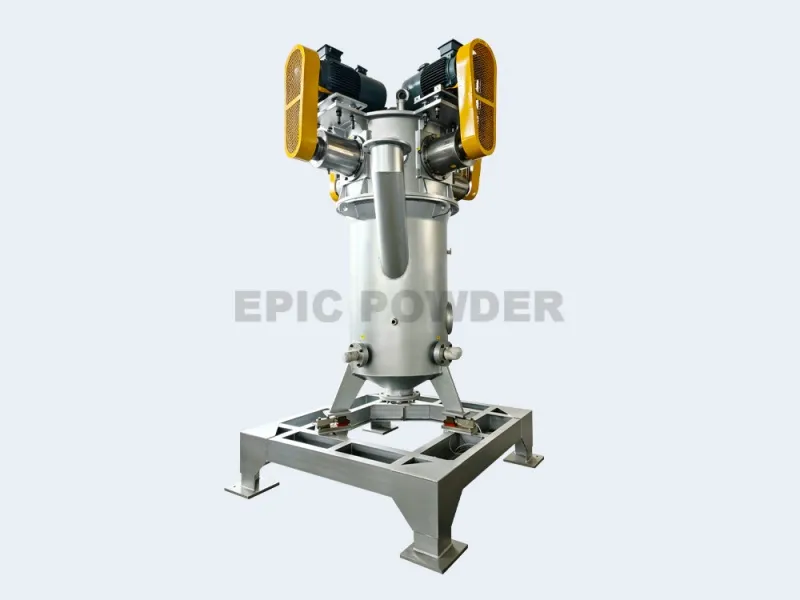
تعتمد مطحنة النفث على تيارات غازية عالية الضغط وفوق صوتية لتسريع جزيئات المواد. تتصادم هذه الجزيئات وتصطدم ببعضها البعض، مما يؤدي إلى احتكاكها وقصها لتقليل حجمها. وبفضل عجلة التصنيف الديناميكية المدمجة عالية السرعة، تقوم هذه المعدات بعمليتي الطحن والتصنيف في آنٍ واحد. وهذا يسمح لها بإنتاج مساحيق فائقة النعومة بأحجام جزيئات قابلة للتحكم بدقة في خطوة واحدة.
يمكن تشغيلها باستخدام الهواء المضغوط أو النيتروجين أو الغازات الخاملة أو الهواء المبرد. وهذا يجعلها مثالية للمواد عالية النقاء، والحساسة للحرارة، وسريعة التأكسد، أو القابلة للاشتعال والانفجار. وتُعدّ هذه الآلة من المعدات الأساسية لمعالجة المساحيق الدقيقة عالية الجودة، حيث يمكنها التعامل مع جميع العمليات بدءًا من الطحن الخشن وصولًا إلى إنتاج المساحيق فائقة النعومة والنانوية.
كيف تعمل طاحونة الهواء النفاثة
فيما يلي شرح مبسط ومفصل لمبدأ تشغيله:
- التسارع بالغاز: يتم تسريع الغاز المضغوط المجفف والمُرشح عبر فوهات لافال إلى سرعات تفوق سرعة الصوت. سرعة تتراوح بين 1.5 إلى 2.0 ماخ أو أعلى, ثم يتم حقنها في غرفة طحن مغلقة.
- تمييع المواد والتصادم: يقوم مغذي لولبي بإدخال المواد الخام إلى منطقة الطحن. تعمل تيارات الغاز عالية السرعة على تسييل الجزيئات وتعليقها. وبفعل الاضطراب الشديد، تصطدم الجزيئات ببعضها البعض بسرعات عالية وتتمزق بفعل الاحتكاك، مما يحقق تصغيرًا فائق الدقة للجزيئات.
- التصنيف التلقائي: يحمل تيار الغاز المسحوق المطحون إلى أعلى نحو منطقة التصنيف. وتولد عجلة التصنيف الدوارة بسرعة قوى طرد مركزي قوية: فتُقذف الجزيئات الخشنة إلى الخارج وتسقط عائدة إلى حجرة الطحن للطحن الثانوي، بينما تمر الجزيئات الدقيقة المؤهلة عبر العجلة وتتحرك نحو نظام التجميع.
- مجموعة المنتجات: يدخل المسحوق فائق النعومة والمتوافق مع المعايير إلى فاصل إعصاري وفلتر أكياس نفاث نبضي للتجميع، بينما يتم تصريف هواء العادم النظيف. وتعمل العملية برمتها تحت ضغط سلبي لمنع تسرب الغبار.
باختصار: يعمل الغاز عالي الضغط على تسريع المادة، فتتصادم الجزيئات مع بعضها البعض لطحنها، ثم تقوم عجلة الفرز بفصل المسحوق تلقائيًا، وتُعاد تدوير المواد الخشنة لإعادة طحنها. ويؤدي الاصطدام المباشر بين الجزيئات دون استخدام وسائط طحن إلى القضاء التام على تلوث الشوائب المعدنية من مصدرها.
التصنيفات الرئيسية لطواحين الهواء النفاثة
تُصنّف مطاحن النفث المتوفرة في السوق عمومًا إلى أربع فئات رئيسية بناءً على هيكلها وعملية تصنيعها وتطبيقاتها. وتختلف النماذج المختلفة اختلافًا كبيرًا في المواد التي تُناسب معالجتها على أفضل وجه.
1. حسب التكوين الهيكلي
مطحنة نفاثة حلزونية:
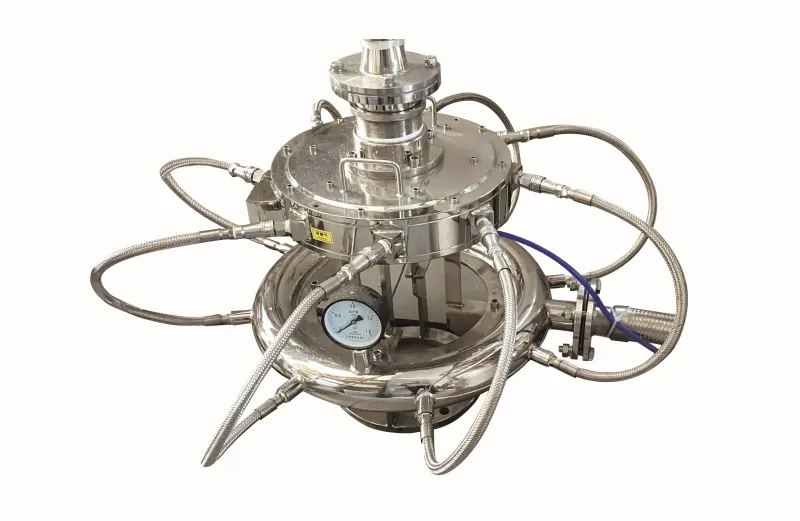
تتميز هذه المطحنة بحجرة طحن مسطحة على شكل قرص مزودة بفوهات متعددة فوق صوتية موزعة بالتساوي حول محيطها. تدور المواد بسرعات عالية داخل حجرة القرص، وتتعرض لتصادمات مستمرة. توفر هذه المطحنة توزيعًا دقيقًا لأحجام الجسيمات، وهي مثالية للمعادن متوسطة الصلابة والحشوات الكيميائية. وباعتبارها واحدة من أقدم النماذج الكلاسيكية المستخدمة محليًا، فإن عيبها الوحيد هو استهلاكها العالي نسبيًا للطاقة.
مطحنة نفاثة ذات طبقة مميعة:
يُعدّ هذا الجهاز القوة الدافعة الرئيسية للإنتاج الصناعي الضخم. تتوزع فوهات متعددة متقابلة في قاع الحجرة، مما يسمح للمواد بالتصادم والطحن وهي معلقة بالكامل في حالة مميعة. يجمع هذا الجهاز بين تصميم متعدد الفوهات، وتقنيات التمييع، وتصنيف التوربينات. يتميز باستهلاك منخفض للطاقة، وتآكل ضئيل للحجرة، وقدرة إنتاجية عالية، وتكاليف صيانة منخفضة. يتميز المسحوق المُعالَج بنقائه التام وجودته العالية، مما يجعله واسع الاستخدام في خطوط الإنتاج الدقيقة المتطورة، مثل مواد بطاريات الليثيوم، والمكونات الصيدلانية الفعالة، ومساحيق الأغذية.
مطحنة نفاثة حلقية (مطحنة نفاثة بيضاوية/أنبوبية):
تعتمد هذه الآلة على هيكل أنبوبي طويل حلقي الشكل يسمح بتدوير المواد وطحنها بشكل متكرر. وهي الأنسب للمعالجة فائقة الدقة للمواد الهشة منخفضة الصلابة مثل كربونات الكالسيوم والتلك. وتنتج أحجام جسيمات متجانسة، مع أن بعض الأنواع المتخصصة فقط قادرة على معالجة المواد الأكثر صلابة. وتشغل هذه الآلة مساحة كبيرة نسبياً.
مطحنة الطائرات النفاثة المعارضة:
تعتمد هذه التقنية على مبدأ المحاذاة الدقيقة للفوهات وجهاً لوجه. حيث يقوم تياران غازيان عاليان السرعة بنقل المواد مباشرةً إلى تصادم مباشر. وتعتمد عملية الطحن كلياً على الاصطدام الذاتي للجسيمات، مما يعني انعدام تلوث الوسائط وانعدام تآكل حجرة الطحن. تتميز هذه التقنية بكفاءة طحن عالية وتجانس ممتاز في حجم الجسيمات، إلا أن بنيتها المعقدة وحجمها الكبير واستهلاكها العالي للطاقة يحد من استخدامها في الغالب لإنتاج كميات صغيرة من المساحيق المتخصصة عالية النظافة، مثل المستحضرات الصيدلانية والمضافات الغذائية.
مطحنة تارجت جيت:
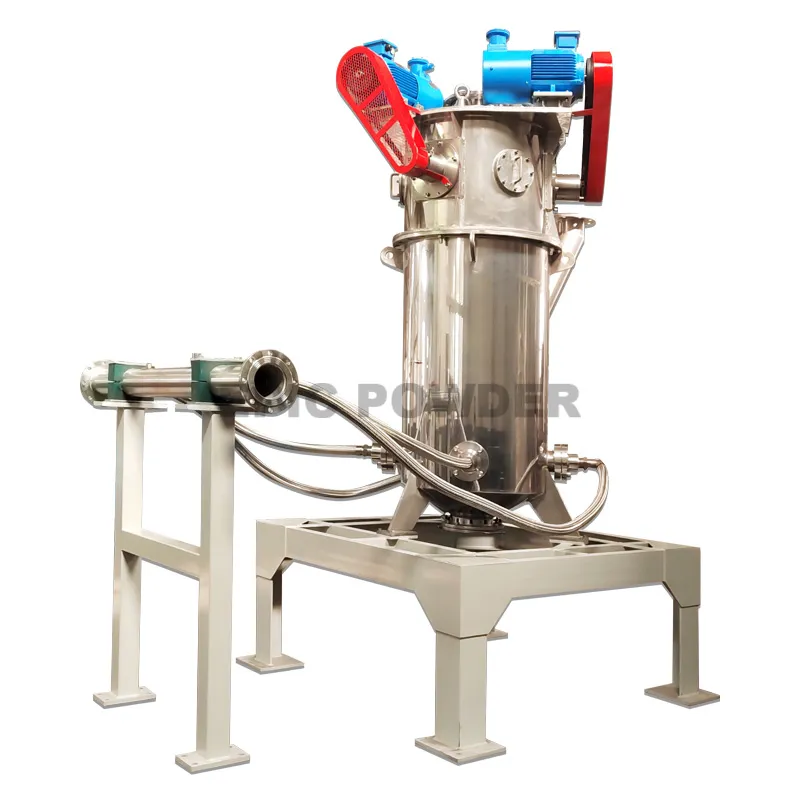
مطحنة نفاثة متخصصة تُستخدم غالبًا في الهندسة الكيميائية. تُسرّع المواد عبر فوهة وتصطدم بلوحة هدف ثابتة أو متحركة لتقليل حجمها. يمكنها تشكيل نظام مغلق مع مصنف هوائي، وهي مناسبة للطحن فائق الدقة للمواد ذات صلابة موس أقل من 9، وخاصة المواد الحساسة للحرارة ومواد المغناطيس الدائم المصنوعة من العناصر الأرضية النادرة. مع ذلك، تعاني من تآكل شديد في لوحة الهدف، ومخاطر تلوث المنتج، واستهلاك عالٍ للطاقة.
2. بواسطة عملية الغاز الواقي
- نوع الهواء القياسي: يستخدم هذا النظام الهواء المحيط للمواد التقليدية غير القابلة للأكسدة مثل كربونات الكالسيوم والتلك والألومينا وحشوات الطلاء. وهو الخيار الأكثر فعالية من حيث التكلفة.
- النوع المحمي بالغاز الخامل (النيتروجين / الأرجون): يُستخدم هذا الجهاز مع المواد سريعة التأكسد أو الاشتعال أو الانفجار، مثل مصاعد بطاريات الليثيوم ومساحيق المعادن والفوسفيدات. ويعمل في دائرة مغلقة تمامًا، مما يعزل الأكسجين.
- مطحنة نفاثة مبردة (تبريد عميق): بفضل مصدر غاز التبريد، تم تصميمها خصيصًا للمواد شديدة الحساسية للحرارة (المواد الخام الصيدلانية، والمضافات الغذائية، ومساحيق الراتنج)، مما يضمن بقاء عملية الطحن بأكملها في درجات حرارة منخفضة لمنع التكتل أو التدهور الحراري.
3. حسب حجم الإنتاج
- مطحنة نفاثة على نطاق المختبر: مصمم لإجراء عمليات البحث والتطوير وأخذ العينات بكميات صغيرة تتراوح بين 50 و300 لتر. يقلل من فقدان المواد وهو مثالي للجامعات ومختبرات الأبحاث.
- مطحنة نفاثة للإنتاج الصناعي: توفر معدلات إنتاج تتراوح من عشرات الكيلوغرامات إلى عدة أطنان في الساعة، وهي مصممة خصيصًا لخطوط الإنتاج واسعة النطاق في مصانع الطاقة الجديدة والصناعات الدوائية.
4. بواسطة مادة البطانة الداخلية
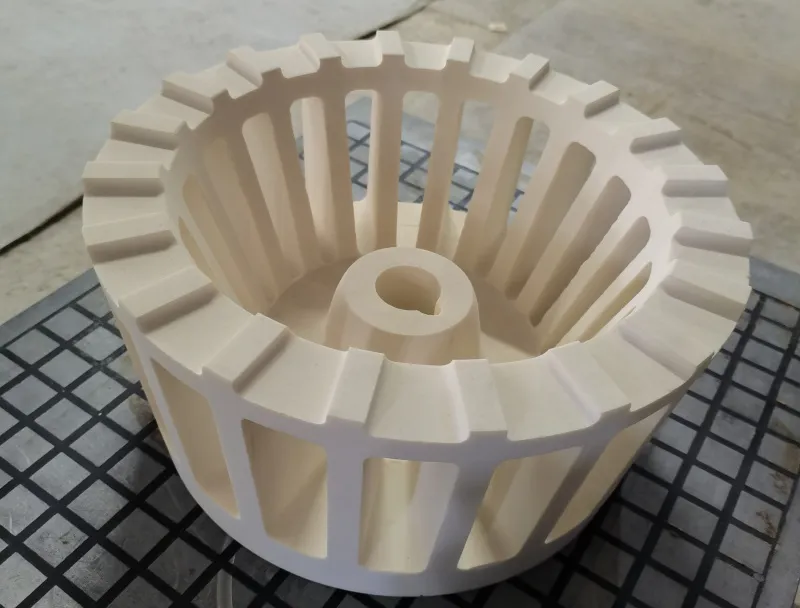
- متوفر في بطانات من الفولاذ المقاوم للصدأ، وبطانات من السيراميك، وبطانات من البولي يوريثان. يتعين على الصناعات التي تتطلب منتجات عالية النقاء وخالية من الحديد اختيار نماذج مزودة بـ بطانة سيراميك كاملة.
المكونات الأساسية لنظام طاحونة نفاثة
يعتمد نظام الطحن النفاث ذو الحلقة المغلقة الكامل على عدة مكونات حيوية تعمل بتناغم. يؤثر كل منها بشكل مباشر على نقاء المسحوق، والقدرة الإنتاجية، وعمر المعدات.
- غرفة طحن المضيف: مساحة العمل المركزية حيث تحدث تصادمات المواد. وهي مزودة ببطانات قابلة للاستبدال ومقاومة للتآكل لحماية الحجرة ومنع التلوث.
- فوهات لافال فوق الصوتية: المكونات الأساسية المسؤولة عن تسريع الغاز عالي الضغط. أي تآكل في الفوهة سيؤدي فوراً إلى انخفاض دقة الطحن والإنتاجية.
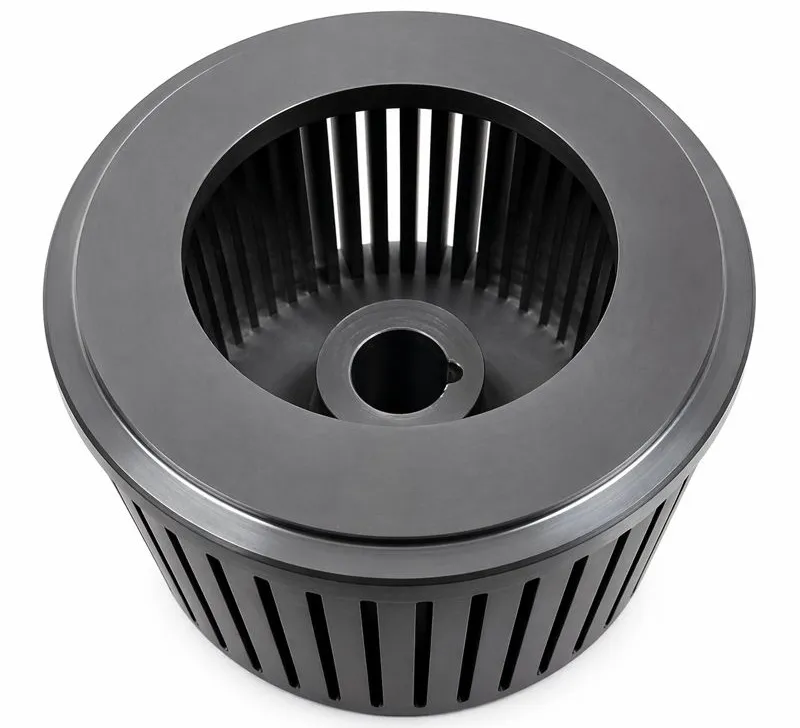
- عجلة التصنيف عالية السرعة: يُعدّ هذا الجهاز بمثابة بوابة التحكم في أحجام الجسيمات النهائية. ويتيح ضبط سرعة دورانه للمستخدمين تحديد مواصفات مسحوق D50 أو D97 المطلوبة بحرية.
- نظام التغذية اللولبية: يضمن تغذية المواد بشكل موحد وكمي. ويُعد التحكم في معدل التغذية أمراً بالغ الأهمية للحفاظ على كفاءة الطحن المثلى.
- وحدة معالجة الغاز: يتكون من ضاغط هواء، ومجفف مبرد، وفلاتر دقيقة لضمان أن يكون غاز التشغيل جافًا تمامًا وخاليًا من الزيت والماء.
- نظام التحصيل: يتكون من فاصل إعصاري ومرشح كيس قماشي نفاث نبضي لجمع المسحوق فائق النعومة النهائي مع اعتراض الغبار الدقيق.
- نظام التحكم الكهربائي: خزانة تحكم PLC متكاملة تُستخدم لإدارة ضغط الهواء ومعدلات التغذية وسرعات التصنيف ودرجات حرارة النظام بدقة.
- أنابيب تدوير الغاز: شبكة محكمة الإغلاق ذات ضغط سلبي تمنع تسرب الغبار. بالنسبة لأنظمة الغاز الخامل، فهي تسهل إعادة تدوير الغاز.
6 نقاط أساسية لاختيار المعدات
قد يؤدي اختيار الآلة الخاطئة بسهولة إلى نتائج غير مطابقة للمواصفات، وانخفاض السعة، وتأكسد المواد، أو تآكل سريع للحجرة. ضع في اعتبارك معايير الاختيار الستة التالية:
- تحليل الخصائص الفيزيائية والكيميائية للمواد: بالنسبة للمواد الحساسة للحرارة أو ذات نقطة الانصهار المنخفضة، اختر نموذجًا يعمل بالتبريد الشديد. أما بالنسبة لمساحيق الليثيوم أو المعادن، فاختر نموذجًا محميًا بالنيتروجين أو الغاز الخامل. تتطلب المستحضرات الصيدلانية عالية النقاء والمواد الخام الخزفية بطانات خزفية كاملة. بالنسبة للمواد شديدة الكشط والصلابة، يُفضل استخدام مطاحن الحلقة أو مطاحن النفث الموجه.
- تقييم حجم الجسيمات المستهدفة: إذا كنت تحتاج فقط إلى مساحيق دقيقة قياسية، فإن مطحنة نفاثة مسطحة تكفي. أما بالنسبة لمتطلبات المساحيق فائقة النعومة ذات التوزيعات الضيقة لأحجام الجسيمات على نطاق واسع، فيُفضل استخدام مطحنة نفاثة ذات طبقة مميعة. وللمساحيق النانوية، يُنصح بربط النظام بهيكل تصنيف متعدد المراحل.
- تحديد متطلبات الإنتاجية: اختر نماذج تجريبية صغيرة الحجم لأغراض البحث والتطوير في المختبر. أما بالنسبة للإنتاج الضخم المستمر في المصانع، فاختر مطاحن النفث ذات الطبقة المميعة عالية التدفق، والتي يمكن توصيلها بالتوازي لزيادة الطاقة الإنتاجية.
- تحقق من معايير نقاء المسحوق: بالنسبة للصناعات شديدة الحساسية للحديد والمعادن الثقيلة (الأدوية، كاثودات بطاريات الليثيوم، مستحضرات التجميل)، اختر بطانة سيراميك أو بولي يوريثان خالية تمامًا من الحديد.
- تقييم تكاليف الطاقة والتشغيل: للإنتاج طويل الأمد وعلى نطاق واسع، يُفضل استخدام نماذج المطاحن ذات الطبقة المميعة. عند القدرات المكافئة، تستهلك هذه المطاحن طاقة أقل بما يصل إلى 30% من مطاحن الفطائر، كما أن فوهاتها وبطاناتها تتمتع بعمر افتراضي أطول بكثير.
- ضع في اعتبارك خط الإنتاج بأكمله: ضع في اعتبارك معدات التجفيف الأولية عند التعامل مع المواد الخام الرطبة، وقم بدمج معدات الفرز والخلط اللاحقة. بالنسبة لعمليات الغاز الخامل، قم دائمًا بتركيب نظام مراقبة الأكسجين عبر الإنترنت.
استكشاف الأخطاء وإصلاحها
الأسباب: سرعة عجلة التصنيف منخفضة للغاية؛ ضغط هواء الطحن غير كافٍ؛ معدل التغذية سريع للغاية؛ الفوهات مهترئة.
الحلول: زيادة سرعة عجلة التصنيف؛ فحص ضغط ضاغط الهواء؛ تقليل وتيرة التغذية؛ تفكيك واستبدال الفوهات البالية.
انسداد متكرر أو تراكم المواد في الفوهات/غرفة الطحن
الأسباب: نسبة الرطوبة في المادة تتجاوز المعايير؛ المسحوق شديد التماسك؛ بيئة محيطة ذات رطوبة عالية؛ عدم تنظيف المواد المتبقية بعد الإغلاق.
الحلول: أضف عملية تجفيف قبل التغذية؛ قلل حجم التغذية الفردية؛ قم بتنظيف شامل للحجرة والفوهات بعد كل عملية إيقاف تشغيل.
غبار متسرب أو مسحوق متسرب من عادم جهاز تجميع الغبار
الأسباب: أكياس ترشيح تالفة؛ تركيب خاطئ لأكياس الترشيح أو فشل في إحكام الإغلاق؛ عطل في صمام الملف اللولبي لتنظيف النبضات النفاثة.
الحلول: استبدل أكياس الترشيح التالفة؛ عزز أختام الغلاف؛ قم بصيانة وحدة التحكم بالنبض والصمامات اللولبية.
انخفاض ملحوظ في السعة؛ انخفاض الإنتاج تحت ضغط هواء متطابق
الأسباب: اتسعت فتحات الفوهات بسبب التآكل؛ وأصبحت بطانات الحجرة رقيقة ومتآكلة؛ وانسدت عناصر مرشح خط الغاز، مما تسبب في انخفاض الضغط.
الحلول: استبدل مجموعة الفوهات بالكامل؛ أصلح أو استبدل البطانات المقاومة للتآكل؛ استبدل عناصر الترشيح الدقيقة في مصدر الغاز بانتظام.
تتجاوز مستويات الأكسجين عتبات الأمان أثناء معالجة الغاز الخامل
الأسباب: تسرب الهواء على طول وصلات الأنابيب؛ عدم كفاية غاز النيتروجين التعويضي؛ تلف موانع التسرب على قادوس التفريغ أو أبواب المجمع.
الحلول: قم بفحص إحكام جميع خطوط الغاز بدقة؛ وقم بزيادة حجم إمداد الغاز الخامل؛ واستبدل الحشيات والأختام المتآكلة.
ضوضاء غير طبيعية في المعدات؛ اهتزاز شديد لعجلة المصنف
الأسباب: سقطت أجسام معدنية غريبة في الحجرة؛ وتآكلت محامل عجلات المصنف؛ وحدث تحميل غير متساوٍ بسبب معدلات التغذية المتقلبة والمتزايدة.
الحلول: إيقاف التشغيل لإزالة الأجسام الغريبة من الحجرة؛ استبدال محامل المصنف عالي السرعة؛ تثبيت سرعة تغذية ناقل البرغي.
مخطط الصيانة الروتينية
نظراً لأن مطاحن النفث عبارة عن آلات دقيقة وعالية السرعة لمعالجة المساحيق، وتحتوي على أجزاء متعددة معرضة للتآكل الشديد (غرف، عجلات تصنيف، فوهات)، فإن الالتزام الصارم بجدول الصيانة سيقلل بشكل كبير من معدلات الفشل ويطيل عمر المكونات:
- الفحوصات اليومية قبل العملية: قبل البدء، تحقق من ضغط ضاغط الهواء، وجفاف مصدر الغاز، وسلامة إحكام جميع الصمامات. قم بتشغيل الجهاز فارغًا للاستماع إلى أي أصوات غير معتادة من عجلة التصنيف، وتأكد من أن نظام تنظيف أكياس التجميع يعمل بشكل صحيح.
- صيانة نظام مصدر الغاز: قم بتصريف مياه التكثيف من المجفف أسبوعياً. استبدل عناصر فلتر الهواء الدقيق الأساسي والثانوي شهرياً لمنع دخول الماء أو الزيت إلى الحجرة، مما يؤدي إلى تلوث المواد وتسريع تآكل الفوهات.
- دورة فحص مكونات التآكل: قم بتفكيك الفوهات وفحصها بحثًا عن التآكل كل 3 إلى 12 شهرًا. افحص البطانات الخزفية ومراوح التصنيف كل 6 أشهر بحثًا عن الخدوش أو التآكل؛ واستبدلها فورًا في حالة وجود تلف لتجنب تلوث المسحوق.
- عمليات تنظيف شاملة عند الإغلاق: عند التبديل بين المواد المختلفة، يجب تنظيف حجرة الطحن ومنطقة التصنيف وجميع الأنابيب بالنفخ والفرشاة لمنع التلوث المتبادل. بالنسبة للمساحيق اللزجة، استخدم الماء الدافئ أو محاليل التنظيف المتخصصة لإزالة القشور.
- صيانة أنظمة التحكم الكهربائية والمحركات: قم بتشحيم محامل عجلات المصنف عالي السرعة بشحم مقاوم للحرارة العالية على فترات منتظمة. حافظ على إغلاق أبواب خزانة التحكم يوميًا لمنع تراكم الغبار فائق النعومة على لوحات الدوائر الكهربائية وحدوث ماس كهربائي.
- رعاية متخصصة لنماذج الغاز الخامل: قم بمعايرة جهاز تحليل الأكسجين أسبوعياً. تحقق بانتظام من إحكام غلق حلقة تدوير النيتروجين لمنع تسرب الهواء المحيط، مما قد يؤدي إلى أكسدة المواد أو احتراقها تلقائياً.
- بروتوكول التخزين طويل الأمد: قم بإفراغ جميع المواد من الحجرة، وتنظيف الأنابيب وتجفيفها، ووضع طبقة واقية على البطانات الداخلية، وإغلاق مصدر الغاز، وفصل مصدر الطاقة الرئيسي.
خاتمة
تُعدّ مطحنة النفث جوهرة التاج في مجال معالجة المساحيق فائقة النعومة. وعلى عكس معدات الطحن الميكانيكية كالمطاحن الكروية، تتميز مطحنة النفث بخصائص طحن فريدة وخالية من الوسائط. هذه الميزة تُمكّنها من الهيمنة بقوة على الصناعات ذات القيمة المضافة العالية، بما في ذلك بطاريات الليثيوم، والمستحضرات الصيدلانية، والسيراميك المتقدم، والمواد الكيميائية الدقيقة.
لتحسين هذه التقنية، يجب على المشغلين إتقان ثلاث خطوات أساسية: فهم تصنيفات النماذج، وضمان الاختيار الدقيق، وتطبيق الصيانة الموحدة. في نهاية المطاف، تؤثر هذه الإجراءات بشكل مباشر على جودة المسحوق النهائي، ومؤشرات استهلاك الطاقة في خط الإنتاج، وتكاليف التصنيع الإجمالية.

“شكراً لقراءتكم. أتمنى أن يكون مقالي مفيداً. يُرجى ترك تعليق أدناه. كما يمكنكم التواصل مع ممثل خدمة عملاء زيلدا عبر الإنترنت لأي استفسارات أخرى.”
— نشر بواسطة إميلي تشين