목차

제트 밀이란 무엇일까요? 원리와 분류부터 선택 및 유지 관리까지, 알아야 할 모든 것을 알려드립니다.

In high-end powder industries—such as new lithium battery materials, pharmaceuticals, fine ceramics, chemicals, 음식, and semiconductors—the 제트밀 (also known as a fluid energy mill) is the core equipment used to achieve media-free, ultra-fine grinding.

It is an irreplaceable asset on the production line. This is especially true when producing micron- and sub-micron-level high-purity powders, avoiding metal contamination, or processing heat-sensitive and flammable/explosive materials. Today, we are breaking down everything you need to know about jet mills in this comprehensive guide!

무엇이 제트 밀?

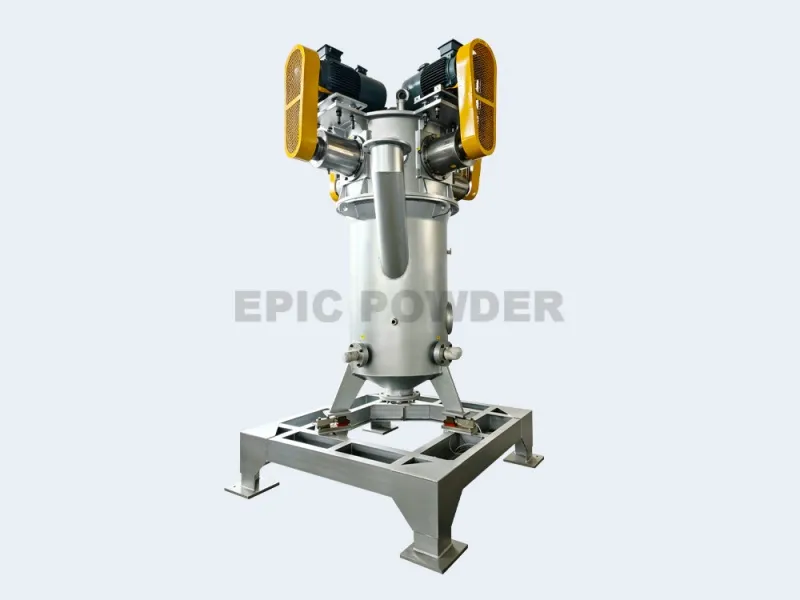
제트 밀 MQW-60-1

A jet mill relies on high-pressure, supersonic gas streams to accelerate material particles. These particles collide, impact, friction, and shear against each other to achieve size reduction. Featuring an integrated, high-speed dynamic 분류기 wheel, the equipment performs grinding and classifying simultaneously. This allows it to deliver ultra-fine powders with precisely controllable particle sizes in a single step.

It can operate using compressed air, nitrogen, inert gases, or chilled air. This makes it perfectly suited for high-purity, heat-sensitive, easily oxidized, or flammable and explosive materials. It stands as the mainstream equipment for high-end, fine powder processing, capable of handling everything from coarse grinding to ultra-fine and nano-scale powder production.

How a Jet Mill Works

Here is a simple, step-by-step breakdown of its operating principle:

  • Gas Acceleration: Dried and filtered compressed gas is accelerated through Laval nozzles to supersonic speeds of Mach 1.5 to 2.0 or higher, then injected into a sealed grinding chamber.
  • Material Fluidization & Collision: A screw feeder introduces raw materials into the grinding zone. The high-velocity gas streams fluidize and suspend the particles. Driven by the intense turbulence, particles slam into each other at high speeds and tear apart via friction, achieving ultra-fine particle reduction.
  • Automatic 분류: The gas stream carries the ground powder upward to the classification zone. A rapidly spinning classifier wheel generates strong centrifugal forces: coarse particles are thrown outward and fall back into the grinding chamber for secondary milling, while qualified fine particles pass through the wheel and move toward the collection system.
  • Product Collection: The compliant ultra-fine powder enters a cyclone separator and a pulse jet bag filter for collection, while clean exhaust air is discharged. The entire process operates under negative pressure to prevent dust leakage.

In short: High-pressure gas accelerates the material → particles collide with each other to grind → the classifier wheel automatically screens the powder → coarse materials recycle for re-grinding. Pure particle-to-particle impact without grinding media completely eliminates metal impurity contamination at the source.

Main Classifications of Jet Mills

Jet mills available on the market are generally divided into four major categories based on structure, process, and application scenarios. Different models vary drastically in the materials they are best suited to process.

1. By Structural Configuration

스파이럴 제트 밀:

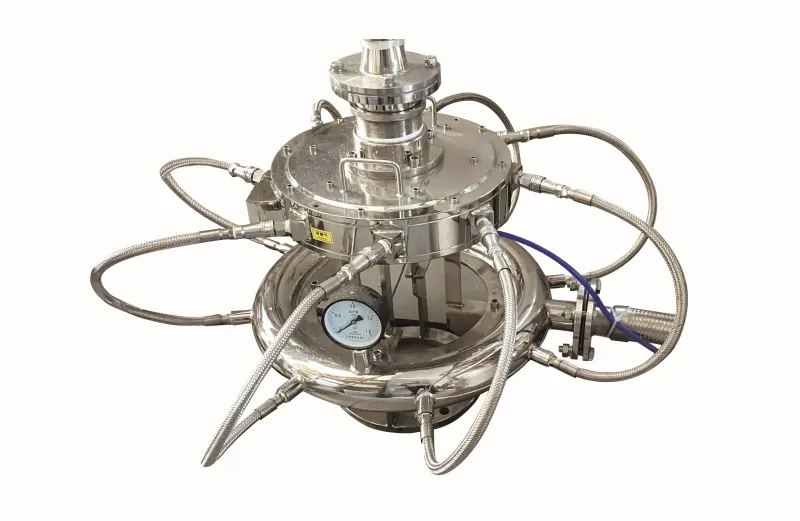
나선형 제트 밀

Features a flat, disc-shaped grinding chamber with multiple supersonic nozzles arranged evenly around the periphery. Materials circulate at high speeds within the disc chamber, undergoing continuous collisions. This mill delivers narrow particle size distributions and is ideal for medium-hardness minerals and chemical fillers. As one of the earliest classic models used domestically, its only downside is its relatively high specific energy consumption.

유동층 제트 밀:

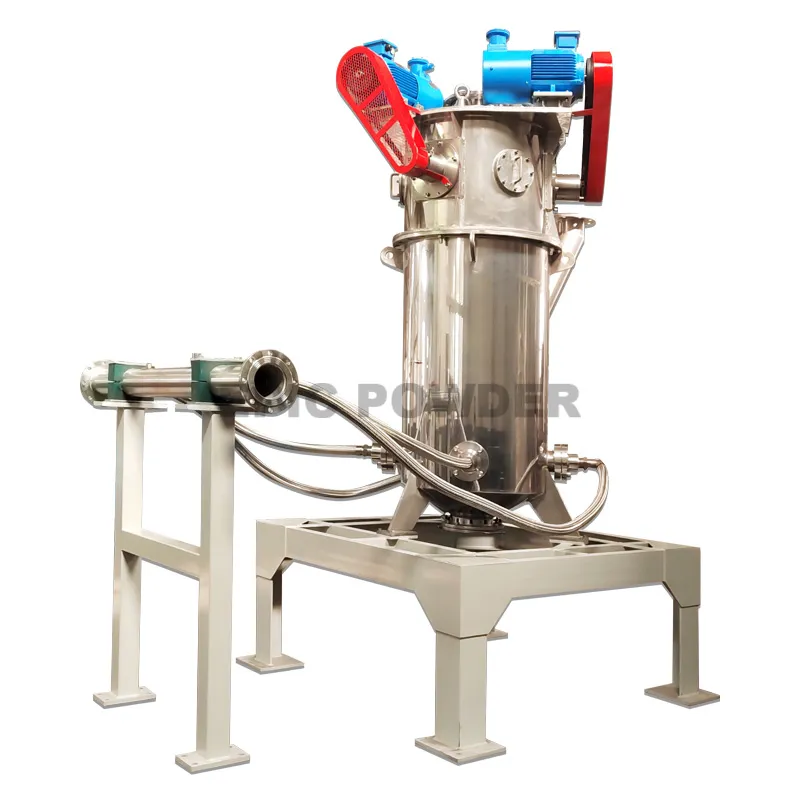
The mainstream powerhouse for industrial mass production. Multiple opposing nozzles are arranged at the bottom of the chamber, allowing materials to collide and grind while fully suspended in a fluidized state. It integrates multi-nozzle design, fluidization, and turbine classification technologies. It offers low energy consumption, minimal chamber wear, high capacity, and low 유지 costs. The processed powder is contamination-free and of premium quality, making it widely used in high-end fine production lines like lithium battery materials, active pharmaceutical ingredients (APIs), and food powders.

Loop Jet Mill (Oval/Pipe Jet Mill):

Utilizes a long, loop-shaped pipe structure that allows materials to circulate and grind repeatedly. It is best suited for ultra-fine processing of brittle, low-hardness materials such as calcium carbonate and talc. It yields uniform particle sizes, though only a few specialized variants can handle harder materials. The overall equipment footprint is relatively large.

Opposed Jet Mill:

Relies on the principle of precise, face-to-face nozzle alignment. Two high-velocity gas streams carry materials directly into a head-on collision. Grinding relies solely on particle self-impact, meaning there is zero media contamination and zero chamber wear. It features high grinding efficiency and excellent particle size consistency, but its complex structure, large footprint, and high energy consumption limit its use mostly to small-batch, highly hygienic specialty powders like pharmaceuticals and food additives.

유동층 제트 밀
유동층 제트 밀

Target Jet Mill:

A specialized jet mill mostly utilized in chemical engineering. Materials are accelerated through a nozzle and impact a stationary or moving target plate to achieve size reduction. It can form a closed-loop system with an air classifier and is suitable for ultra-fine grinding of materials with a Mohs hardness below 9, particularly heat-sensitive materials and rare earth permanent magnet materials. However, it suffers from severe target plate erosion, product contamination risks, and high energy consumption.

2. By Protective Gas Process

  • Standard Air Type: Uses ambient air for conventional, non-oxidizable materials like calcium carbonate, talc, alumina, and coating fillers. This is the most cost-effective option.
  • Inert Gas Protected Type (Nitrogen / Argon): Used for easily oxidized, flammable, or explosive materials such as lithium battery anodes, metal powders, and phosphides. It operates in a completely sealed loop, isolating oxygen.
  • Cryogenic (Deep-Cooling) Jet Mill: Equipped with a chilling gas source, it is tailor-made for highly heat-sensitive materials (pharmaceutical raw materials, food additives, resin powders), ensuring the entire grinding process stays at low temperatures to prevent caking or thermal degradation.

3. By Production Scale

  • Laboratory Scale Jet Mill: Designed for 50–300L small-batch R&D and sampling. It minimizes material loss and is ideal for universities and research labs.
  • Industrial Production Jet Mill: Offers throughputs ranging from tens of kilograms to several tons per hour, tailored for large-scale production lines in new energy and pharmaceutical factories.

4. By Internal Lining Material

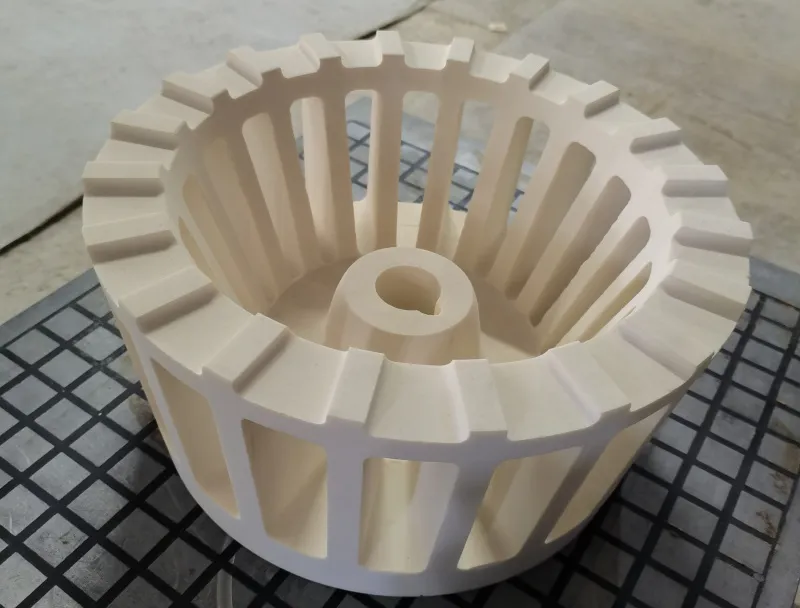
  • Available in stainless steel linings, ceramic linings, and polyurethane linings. Industries requiring high-purity, iron-free products must choose models equipped with a full ceramic lining.
세라믹 부품

Core Components of a Jet Mill System

A complete closed-loop jet milling system relies on several vital components working in harmony. Each directly affects powder purity, capacity, and equipment lifespan:

  • Grinding Host Chamber: The central workspace where material collisions happen. It features replaceable, wear-resistant liners to protect the chamber and prevent contamination.
  • Laval Supersonic Nozzles: The core components responsible for accelerating high-pressure gas. Any nozzle wear will immediately reduce grinding fineness and throughput.
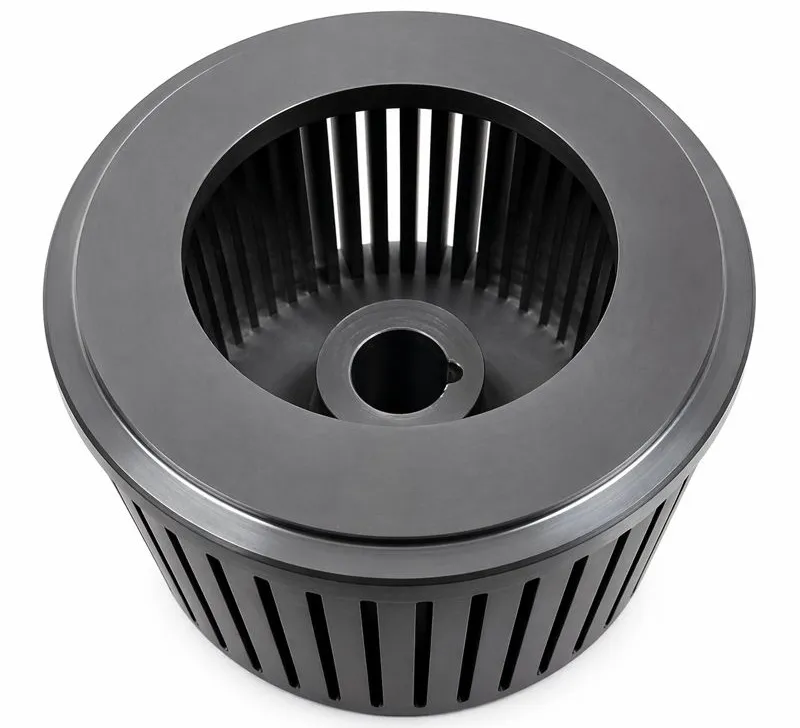
  • High-Speed Classifier Wheel: The gatekeeper for finished particle sizes. Adjusting its rotational speed allows users to freely dial in the desired D50 or D97 powder specs.
  • Screw Feeding System: Ensures uniform, quantitative material feeding. Controlling the feed rate is critical to maintaining optimal grinding efficiency.
  • Gas Treatment Unit: Consists of an air compressor, refrigerated dryer, and precision filters to ensure the operating gas is completely dry, oil-free, and water-free.
  • Collection System: Comprises a cyclone separator and a pulse jet fabric bag filter to gather the finished ultra-fine powder while intercepting micro-dust.
  • Electrical Control System: An integrated PLC control cabinet used to precisely manage air pressure, feed rates, classification speeds, and system temperatures.
  • Gas Circulation Piping: A sealed, negative-pressure network that prevents dust from escaping. For inert gas systems, it facilitates gas recycling.

6 Key Points for Equipment Selection

Choosing the wrong machine can easily lead to off-spec fineness, low capacity, material oxidation, or rapid chamber wear. Keep these six selection criteria in mind:

  1. Analyze Material Physical & Chemical Properties: For heat-sensitive or low-melting-point materials, select a cryogenic model. For lithium or metal powders, choose a nitrogen/inert gas protected model. High-purity pharmaceuticals and ceramic raw materials require full ceramic linings. For highly abrasive, high-hardness materials, prioritize loop or target jet mills.
  2. Evaluate Target Particle Size: If you only need standard micro-powders, a pancake jet mill suffices. For ultra-fine requirements with narrow particle size distributions at scale, a fluidized bed jet mill is preferred. For nano-scale powders, pair the system with a multi-stage classification structure.
  3. Determine Throughput Requirements: Choose compact pilot models for laboratory R&D. For continuous factory mass production, opt for high-flow fluidized bed jet mills, which can be connected in parallel to expand capacity.
  4. Check Powder Purity Standards: For industries highly sensitive to iron and heavy metals (pharmaceuticals, lithium battery cathodes, cosmetics), choose an entirely iron-free ceramic or polyurethane lining.
  5. Assess Energy & Operational Costs: For long-term, large-scale production, prefer fluidized bed models. At equivalent capacities, they consume up to 30% less energy than pancake mills, and their nozzles and liners have significantly longer replacement lifecycles.
  6. Consider the Entire Production Line: Factor in upfront drying equipment if dealing with wet raw materials, and integrate downstream screening and blending gear. For inert gas operations, always install an online oxygen monitoring system.

Troubleshooting Common Faults

Causes: Classifier wheel speed is too low; grinding air pressure is insufficient; feeding rate is too fast; nozzles are worn out.

해결책: Increase classifier wheel speed; check air compressor pressure; reduce feeding frequency; disassemble and replace worn nozzles.

Frequent clogging or material caking in nozzles/grinding chamber

Causes: Material moisture content exceeds standards; powder is highly cohesive; high-humidity ambient environment; failure to clean residual material after shutdown.

해결책: Add a drying process prior to feeding; lower the single feed volume; perform a thorough cleaning of the chamber and nozzles after every shutdown.

Dust escaping or powder leaking from the dust collector exhaust

Causes: Damaged filter bags; faulty filter bag installation or seal failure; pulse jet cleaning solenoid valve malfunction.

해결책: Replace damaged filter bags; reinforce the housing seals; service the pulse controller and solenoid valves.

Significant drop in capacity; lower output under identical air pressure

Causes: Nozzle orifices have widened due to wear; chamber liners are worn thin; gas line filter elements are clogged, causing pressure drops.

해결책: Replace the entire set of nozzles; repair or replace wear-resistant liners; regularly swap out precision filter elements in the gas source.

Oxygen levels exceed safety thresholds during inert gas processing

Causes: Air leakage along piping connections; insufficient nitrogen make-up gas; aging seals on the discharge hopper or collector doors.

해결책: Thoroughly inspect the airtightness of all gas lines; increase the inert gas supply volume; replace degraded gaskets and seals.

Abnormal equipment noise; severe vibration of the classifier wheel

Causes: Foreign metal objects have dropped into the chamber; classifier wheel bearings are worn out; uneven loading caused by erratic, surging feed rates.

해결책: Shut down to clear foreign objects from the chamber; replace high-speed classifier bearings; stabilize the screw conveyor’s feeding speed.

Routine Maintenance Blueprint

Because jet mills are precision, high-speed powder processing machines with multiple high-wear parts (chambers, classifier wheels, nozzles), strict adherence to a maintenance schedule will dramatically lower failure rates and extend component lifespans:

  • Daily Pre-operation Inspections: Check air compressor pressure, gas source dryness, and the seal integrity of all valves before starting. Run an empty start to listen for unusual noises from the classifier wheel, and confirm the pulse bag house cleaning system triggers properly.
  • Gas Source System Upkeep: Drain condensate water from the dryer weekly. Replace primary and secondary precision air filter elements monthly to prevent water or oil from entering the chamber, which contaminates materials and accelerates nozzle wear.
  • Wear Components Inspection Cycle: Disassemble and inspect nozzles for wear every 3 to 12 months. Examine ceramic linings and classifier impellers every 6 months for scratches or pitting; replace them immediately if damage is found to avoid powder contamination.
  • Thorough Cleanouts at Shutdown: When switching between different materials, you must blow out and brush down the grinding chamber, classification zone, and all piping to prevent cross-contamination. For sticky powders, use warm water or specialized cleaning solutions to clear away crusting.
  • Electrical Control & Drive Maintenance: Lubricate high-speed classifier wheel bearings with high-temperature grease at scheduled intervals. Keep the control cabinet doors closed daily to prevent ultra-fine dust from settling on circuit boards and causing short circuits.
  • Specialized Care for Inert Gas Models: Calibrate the oxygen analyzer weekly. Regularly check the sealing of the nitrogen circulation loop to prevent ambient air from leaking in, which risks material oxidation or spontaneous combustion.
  • Long-term Storage Protocol: Empty all materials from the chamber, purge and dry the piping, apply a protective coating to the inner linings, shut off the gas source, and disconnect the main power supply.

결론

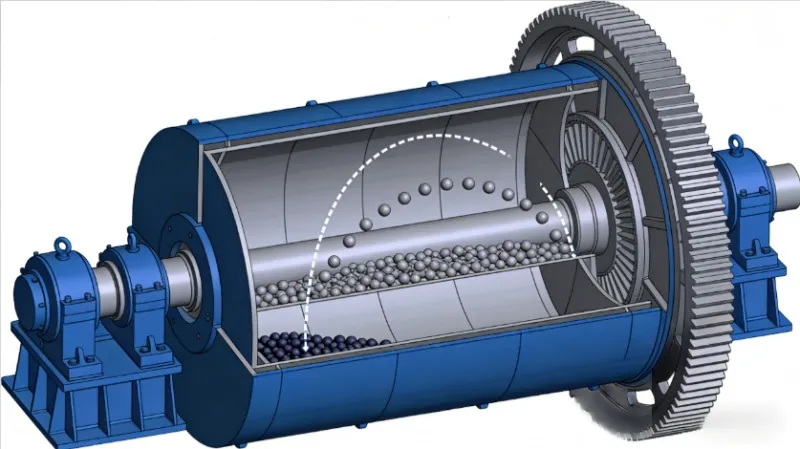
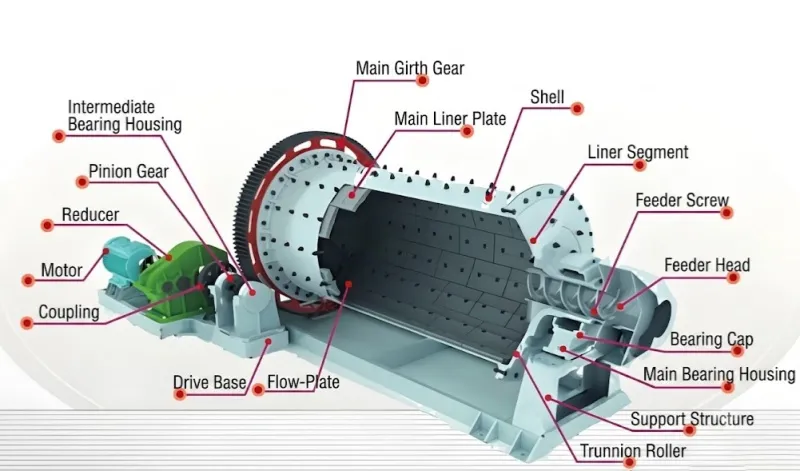
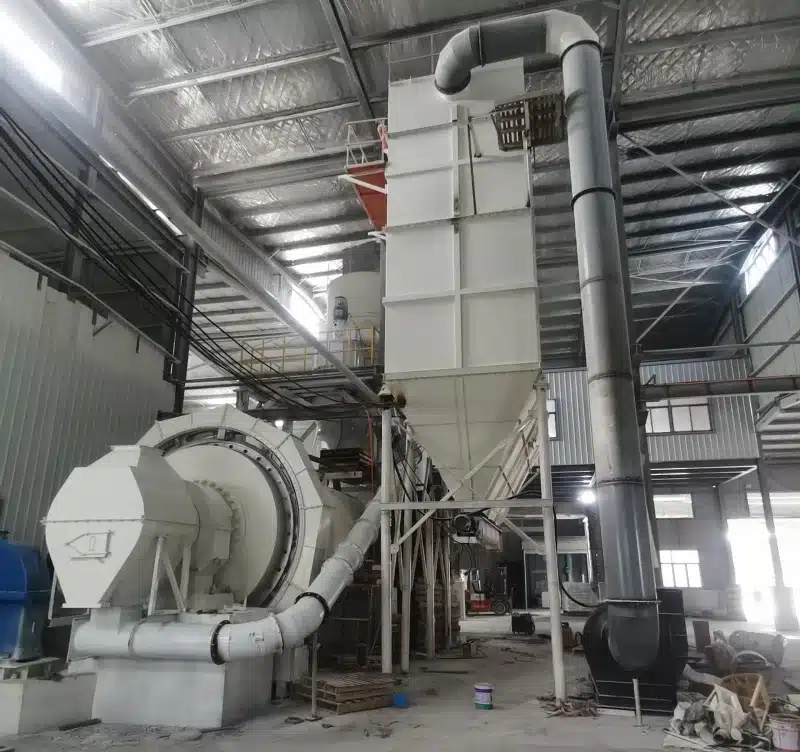
The jet mill is the crown jewel of high-end ultra-fine powder processing. Unlike mechanical grinding equipment like ball mills, the jet mill features unique, media-free milling characteristics. This advantage allows it to firmly dominate high-value-add industries, including lithium batteries, pharmaceuticals, advanced ceramics, and fine chemicals.

To optimize this technology, operators must master three vital steps: understanding model classifications, ensuring precise selection, and enforcing standardized maintenance. Ultimately, these actions directly impact finished powder quality, line energy metrics, and overall manufacturing costs.


에밀리 첸

“"읽어주셔서 감사합니다. 제 글이 도움이 되었으면 좋겠습니다. 아래에 댓글을 남겨주세요. 추가 문의 사항이 있으시면 젤다 온라인 고객 상담원에게 문의하셔도 됩니다."”

— 게시자 에밀리 첸
문의하기

당사 전문가가 6시간 이내에 연락하여 기계 및 프로세스에 대한 귀하의 요구 사항을 논의해 드립니다.

    다음을 선택하여 인간임을 증명하십시오..

    관련 게시물