Yüksek mukavemeti, dayanıklılığı, mükemmel plastisitesi ve düşük maliyetiyle bilinen çimento, hayati bir inşaat malzemesidir. Piyasa taleplerini karşılamak ve rekabet gücünü artırmak için çimento üreticileri, bilyalı değirmenler gibi üretim ekipmanlarını modernize etmeye yoğun yatırım yapmaktadır. Başlıca amaçlar, ekipman performansını güçlendirmek, çimento üretim verimliliğini artırmak, enerji tüketimini azaltmak ve optimize edilmiş bilyalı değirmen işletme stratejileri geliştirmektir.
1. Bilyalı Değirmenlerde Enerji Tasarrufu Dönüşümündeki Başlıca Zorluklar
1.1 Bilyalı Değirmenlerin Teknik Prensibi
Endüstriyel atık cüruf, bölgesel toprak ve su kaynakları için önemli tehlikeler ve zararlar oluşturmaktadır. Azaltma, kaynak geri kazanımı ve zararsızlığı vurgulayan düzenlemelere uygun olarak çevre dostu bir işlem elde etmek için atık cüruf toplanmakta, depolanmakta ve kullanılmaktadır. Japonya, ABD ve Almanya gibi gelişmiş ülkelerden öğrenilenlere göre, atık cürufun çimento hazırlama hammaddesi olarak kullanılması, çevre dostu kullanımını teşvik eden yeşil bir uygulamadır [1].
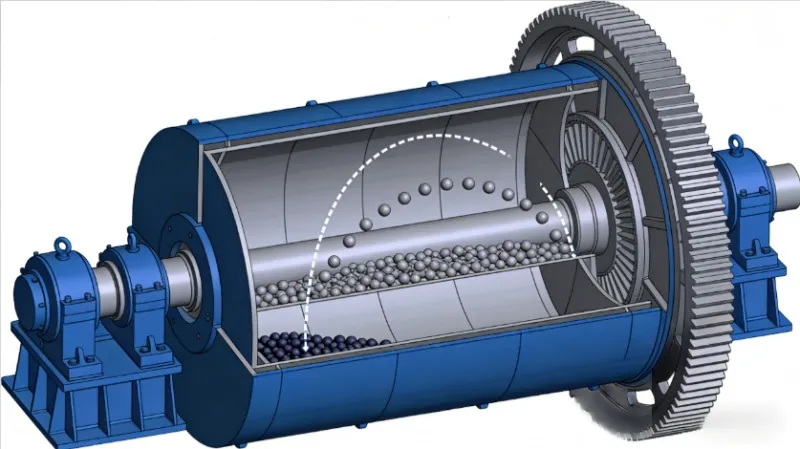
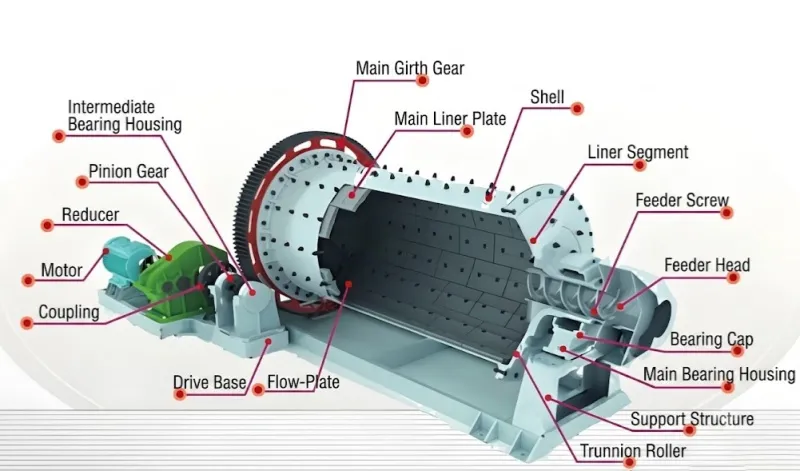
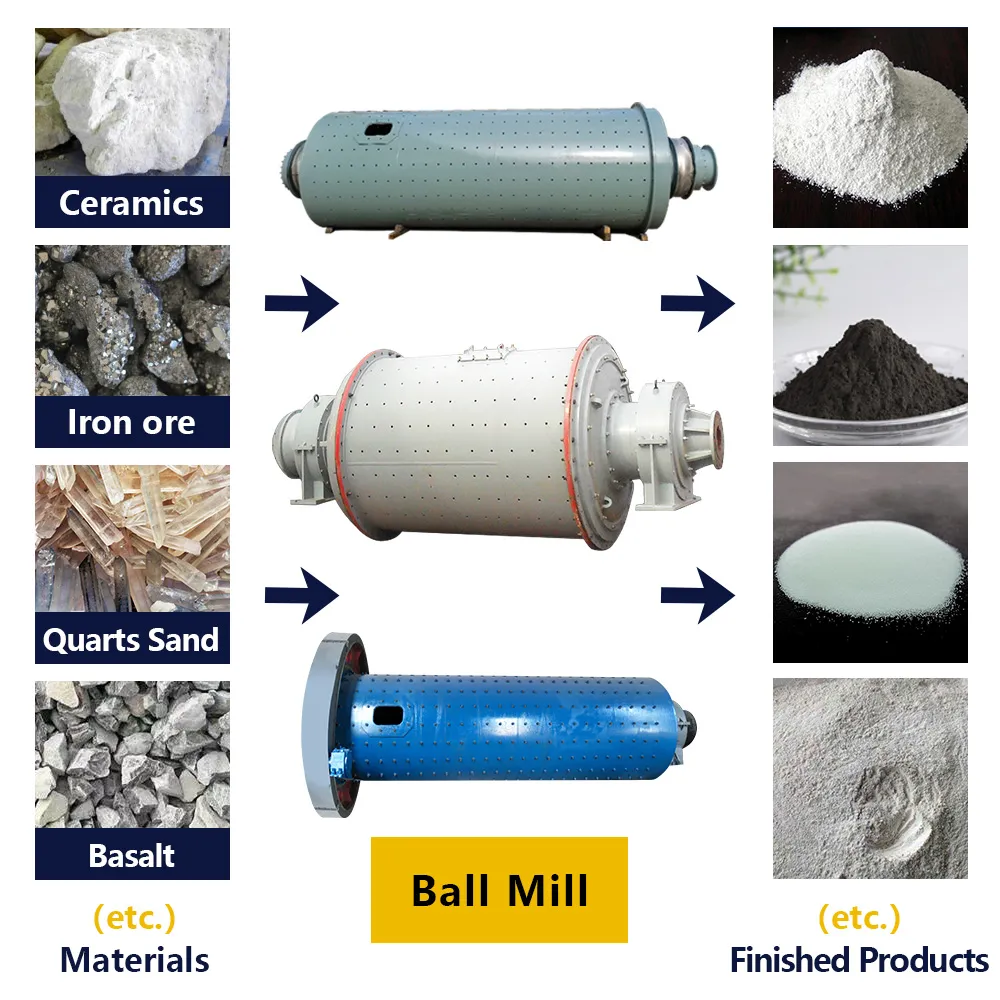
Çalışma sırasında, bilyalı değirmen, ham maddeleri öğütmek ve parçalamak için dönen tambura dayanır. Santrifüj kuvveti, kademeli hareket ve yuvarlanma süreçlerinin yanı sıra kaba ve ince öğütme aşamaları sayesinde, malzemeler istenen parçacık boyutuna ve inceliğine ulaşır. Bilyalı değirmen yapısının şematik diyagramı Şekil 1'de gösterilmiştir.
Yıllar süren geliştirme çalışmalarının ardından, bilyalı değirmen teknolojisi olgunlaşmıştır. Tambur hızı, dolum oranı ve malzeme boyutunun makul bir şekilde kontrol edilmesiyle, malzeme özelliklerine sürekli olarak ulaşılabilir. Çimento üretiminde verimliliği sağlamak için, bilyalı değirmenler cüruf ön işlemesinde kullanılır, partikül iriliğini uygun bir aralıkta tutar ve 300-350 m²/kg özgül yüzey alanı elde edilir. Bu, sonraki çimento hazırlığında klinker için gereken şartları karşılar ve nihai çimento ürününün mukavemetini sağlar.
1.2 Bilyalı Değirmen Ekipmanının Mevcut Operasyonel Durumu
1.2.1 Yüksek Enerji Tüketimi
Bilyalı değirmenler genellikle yüksek enerji tüketimi, önemli gürültü, ciddi aşınma, düşük otomasyon ve sınırlı malzeme uyarlanabilirliği gibi sorunlar sergiler. Bu sorunlar uygun şekilde ele alınmazsa, genel öğütme verimliliğini ve ekipman performansını olumsuz etkiler [2]. Bilyalı değirmen çalışması, tamburu ve öğütme ortamını çalıştırmak için önemli miktarda elektrik tüketir. Öğütme ortamları arasında ve ortam ile astar arasında sürtünme nedeniyle önemli miktarda enerji israf edilir. Veriler, bilyalı değirmen enerji kullanımının bir çimento fabrikasının toplam enerji tüketiminin yaklaşık 401.000.000'ini oluşturabileceğini ve işletme maliyetlerini önemli ölçüde artırabileceğini göstermektedir.
1.2.2 Yüksek Gürültü Seviyeleri
Malzeme işleme sırasında, tambur, öğütme ortamı ve malzemeler arasındaki çarpışmalar yoğun gürültüye neden olur. Tipik olarak, bilyalı değirmen gürültüsü 90 dB'ye ulaşabilir ve eski ekipmanlarda bazen 100 dB'yi aşabilir. Bu kadar yüksek gürültü seviyeleri üretimi aksatır ve işçi sağlığını tehdit eder. Bu çevresel ve operasyonel tehlikeyi kontrol altına almak ve azaltmak için proaktif önlemler gereklidir.
1.2.3 Aşırı Aşınma ve Yıpranma
Uzun süreli kullanımda, öğütme ortamı, astarlar ve tamburun kendisi gibi bileşenler yapısal hasara ve sık arızalara eğilimlidir; bu da verimliliği etkiler ve sürekli cüruf işlemesini aksatır. Ortam ile malzeme arasındaki sürtünme ve ortamın astarlara etkisi, bileşen mukavemetini sürekli olarak düşürerek hizmet ömrünü önemli ölçüde kısaltır. Verimliliğin korunması, endüstri standartlarına göre sık parça değişimini gerektirir; bu da bakım maliyetlerini artırır ve üretimde duraksamaya neden olur [3]. Örneğin, bazı işletmeler astarları birkaç ayda bir değiştirerek işletme giderlerini görünmez bir şekilde artırır.
1.2.4 Düşük Otomasyon Seviyesi
Birçok eski bilyalı değirmen düşük otomasyon seviyesine sahiptir ve parametreleri ayarlamak, durumu izlemek ve işlem ayarlarını düzeltmek için manuel müdahale gerektirir. Bu durum, iş gücü yoğunluğunu artırır, insan hatası ve yanlış işlem riskini yükseltir ve nihayetinde operasyonel verimliliği ve ürün kalitesini etkiler. Örneğin, besleme hızı ve öğütme süresi üzerindeki manuel kontrol genellikle hassasiyetten yoksundur, bu da istikrarsız çalışmaya ve artan enerji tüketimine yol açar. Ayrıca, bilyalı değirmenler yüksek sertlik, viskozite veya nem içeriğine sahip malzemelere sınırlı uyum sağlar, bu da öğütme etkinliğini tehlikeye atabilir.
2. Bilyalı Değirmenlerde Enerji Tasarrufu ve Verimliliğin Artırılmasına Yönelik Temel Yaklaşım
Bilyalı değirmenlerin iyileştirilmesinde pratiklik ve yönlendirme sağlamak için net bir temel yaklaşım şarttır.
2.1 Atık Cüruf Morfolojisinin Doğru Karakterizasyonu
Enerji tasarrufu sağlayan dönüşüm, hammadde olarak kullanılan atık cürufun fiziksel ve kimyasal özelliklerinin aktif olarak karakterize edilmesiyle başlamalıdır. Bu, çimento formülasyonu ve işlenmesi için bir temel oluşturarak cüruf kullanım kapasitesini artırır. Özellikle, tarayıcılar ve stereoskopik mikroskoplar gibi araçlar, parçacık boyutu, yuvarlaklık ve açısallık gibi parametreleri analiz etmek için 2 boyutlu dijital görüntüler elde edebilir. Bu karakteristik göstergeler, morfolojik desenleri ortaya çıkararak bilyalı değirmenin performans ayarlamalarına ve yapısal optimizasyonuna rehberlik eder.
2.2 Atık Cüruf Kullanılabilirliğinin Bilimsel Olarak Değerlendirilmesi
Farklı cüruf morfolojilerinin bilyalı değirmen enerji tüketimi üzerindeki etkisinin, karışım tasarımının rasyonelliğini artırmak için uygun modeller kullanılarak kapsamlı bir şekilde analiz edilmesi gerekmektedir. Örneğin, Burgers viskoelastik modeli, cüruf ve asfalt beton agregaları arasındaki etkileşimi tanımlayarak, malzeme içindeki dislokasyon hareketlerinin hızını ve yönünü anlamaya yardımcı olabilir.
Model şu şekilde ifade edilebilir: v = μbF (1)
Nerede: v dislokasyon hızıdır., μ dislokasyon hareketlilik katsayısıdır., b Burgers vektörü ve F Uygulanan kuvvettir.
Teknik ekipler bu modeli kullanarak farklı cüruf özelliklerini anlayabilirler. Kapsamlı yuvarlaklık, köşelilik ve korozyon-şişme alanı oranı gibi parametreler analiz edilerek, asfalt-beton karışımlarının elastikiyeti gibi temel ölçütler üzerindeki etkileri değerlendirilebilir. Prony serisi ve Laplace dönüşümü gibi teknikler, sürünme uyumluluğu ve gevşeme modülü arasındaki ilişkileri açıklığa kavuşturarak, farklı cüruf morfolojilerinin bilyalı değirmen çalışma parametrelerini nasıl etkilediğini detaylandırabilir. Bu, düzenli çimento hazırlığı için cüruf boyutunu ve şeklini belirlemeye yardımcı olur.
3. Bilyalı Değirmenlerde Enerji Tasarrufu Dönüşümü için Uygulama Yolları
Sağlam uygulama yollarının oluşturulması, üretim hedeflerine ulaşırken enerji tüketimini kontrol etmenin ve verimliliği artırmanın anahtarıdır.
3.1 Güç Sistemi Yükseltmeleri
(1) Motor Yenileme: Standart motorları yüksek verimli, enerji tasarruflu modellerle değiştirin. Yüksek verimli motorlar, uzun vadeli güç tüketimini önemli ölçüde azaltarak ,51 oranında daha verimli olabilir. Örneğin, ulusal 1. sınıf enerji verimliliği standartlarını karşılayan motorların seçilmesi, yüksüz ve yük altındaki kayıpların daha düşük olmasını sağlar.
(2) Değişken Frekans Sürücüsü (VFD) Kontrolü: Motor hızını gerçek yüke ve proses gereksinimlerine göre gerçek zamanlı olarak ayarlamak için VFD'ler (Değişken Frekans Sürücüleri) kurun. Çalıştırma sırasında, VFD'ler yumuşak başlatma sağlayarak ani akımı azaltır. Çalışma sırasında, hız taşlama koşullarına göre dinamik olarak ayarlanabilir, gereksiz yüksek hızlı çalışma önlenir ve enerji tasarrufu sağlanır.
(3) Tahrik Mili ve Kaplin Optimizasyonu: Yüksek hassasiyetli, düşük sürtünmeli tahrik milleri ve yüksek performanslı esnek kaplinler (örneğin, diyafram kaplinler) kullanılarak, iyi titreşim sönümlemesi ve hizalama hatası telafisi ile düzgün ve verimli güç aktarımı sağlanarak genel tahrik verimliliği artırılır [4].
3.2 Akıllı Kontrol Sistemi Geliştirme
Gerçek zamanlı bir izleme ve geri bildirim mekanizması oluşturun. Tambur, rulmanlar ve motor gibi önemli parçalara sensörler (sıcaklık, titreşim, basınç, akım) yerleştirin. Endüstriyel Ethernet veya kablosuz ağlar aracılığıyla toplanan veriler merkezi bir kontrol sistemine aktarılır. Büyük veri analizi ve matematiksel modeller daha sonra gerçek zamanlı çalışma durumunu ve enerji verimliliğini değerlendirerek optimizasyon rehberliği sağlar.
Örneğin, sistem anormal titreşimleri azaltmak için parametreleri otomatik olarak ayarlayabilir. Uzaktan izleme ve kontrol özellikleri, operatörlerin durumu görüntülemesine ve uzaktan ayarlamalar yapmasına olanak tanıyarak, özellikle zorlu ortamlarda kolaylık ve güvenliği artırır.
3.3 Enerji Geri Dönüşümü ve Yeniden Kullanımı
Net enerji tüketimini azaltmak için atık ısı geri kazanımına odaklanın.
(1) Yüzey Isı Geri Kazanımı: Atık ısıyı yakalamak ve suya veya başka ortamlara aktarmak için tambur yüzeyine yüksek verimli ısı eşanjörleri (örneğin, ısı borulu tipler) monte edin.
(2) Egzoz Gazı Isı Geri Kazanımı: Havalandırma sistemine ısı geri kazanım üniteleri takarak, ısı eşanjörleri aracılığıyla egzoz gazlarından ısıyı çekin, taze havayı veya diğer proses akışlarını önceden ısıtın ve böylece genel enerji kullanımını iyileştirin.
4. Bilyalı Değirmen Verimliliğini Artırmanın Başlıca Yöntemleri
Bilyalı değirmenin verimliliğinin artırılması, istikrarlı çalışma sağlar, malzeme tıkanması gibi arızaları azaltır, süreçleri basitleştirir ve modern çimento üretim taleplerini karşılar.
4.1 Ekipman Yapısı Optimizasyonu
(1) Astar Geliştirme: Sürtünmeyi azaltmak için daha yüksek aşınma direnci ve kendi kendini yağlama özelliklerine sahip (örneğin, yeni polimer kompozit malzemeler) astarlar seçin. Astar şeklini optimize etmek—düz tasarımlardan dalgalı veya oluklu tasarımlara geçmek—taşlama ortamının hareket yörüngelerini iyileştirerek taşlama verimliliğini artırabilir ve enerji kaybını azaltabilir.
(2) Davul Yalıtımı: Isı kaybını en aza indirmek, çevresel sıcaklık etkisini azaltmak ve enerji kullanımını iyileştirmek için tamburun dış yüzeyine yüksek verimli ısı yalıtım kaplamaları veya kılıfları uygulayın.
4.2 Besleme ve Boşaltma Sistemi Optimizasyonu
(1) Besleme Girişi Tasarımı: Malzeme girişini daha düzgün ve pürüzsüz hale getirmek, birikmeleri ve tıkanmaları önlemek için spiral veya eğimli besleme girişleri tasarlayın. Öğütme ortamıyla hızlı karışımı sağlamak için girişe malzeme dağıtıcıları yerleştirin.
(2) Taburculuk Sonrası Değerlendirme: Yüksek hassasiyetli dinamik eleme ekipmanlarını (örneğin, çok katmanlı titreşimli elekler) boşaltma noktasına kurarak ince ürünlerin hızlı bir şekilde ayrılmasını ve aşırı öğütülmesinin önlenmesini sağlayın. Bu, farklı boyut gereksinimlerine göre kademeli ayırmaya olanak tanıyarak boşaltma verimliliğini artırır.
4.3 Öğütme Prosesi Ayarlaması
(1) Öğütme Ortamı Optimizasyonu: Öğütme ortamının boyutunu ve oranını, malzeme özelliklerine (sertlik, boyut dağılımı) ve değirmen özelliklerine göre hassas bir şekilde hesaplayın [5]. Sert malzemeler için, genel verimliliği artırmak amacıyla, büyük, orta ve küçük çaplı bilyelerin bir karışımı kullanılabilir; büyük bilyeler kırma, küçük bilyeler ise ince öğütme için kullanılır.
(2) Gelişmiş Medya Malzemeleri: Yüksek sertlikte ve yüksek aşınma direncine sahip malzemelerden (örneğin, yeni alaşımlı öğütme bilyeleri) yapılmış öğütme ortamı seçin. Bunlar, aynı hızda daha büyük darbe kuvveti sağlayabilir, öğütme verimliliğini artırabilir ve aşınma nedeniyle ortam yenileme sıklığını azaltarak işletme maliyetlerini düşürebilir.
5. Sonuç
Cüruf işleme için hayati bir araç olan bilyalı değirmenler, özgül yüzey alanını kontrol eder, cüruf geri dönüşümünü sağlar ve çimento kalitesini güvence altına alır. Bu makale, mevcut operasyonel zorlukları çok yönlü olarak analiz etmektedir. Sistematik teori uygulayarak, geçmiş araştırmalardan yararlanarak ve güç sistemleri, akıllı kontrol, enerji geri dönüşümü, yapısal optimizasyon ve süreç ayarlamalarına odaklanan hedefli teknik yenilikleri uygulayarak, enerji tasarrufu ve operasyonel verimlilikte önemli iyileştirmeler elde edilebilir. Bu, çimento üretiminde daha etkili ve sürdürülebilir cüruf kullanımının önünü açmaktadır.
Destansı Toz
Bilyalı değirmen optimizasyonu arayışı; enerji tüketimini azaltmak, aşınmayı en aza indirmek ve ürün tutarlılığını iyileştirmek, modern endüstriyel işlemenin temelini oluşturmaktadır. Yukarıdaki stratejilerde vurgulandığı gibi, parçacık boyutu dağılımı üzerinde hassas kontrol sağlamak bu hedef için temeldir.
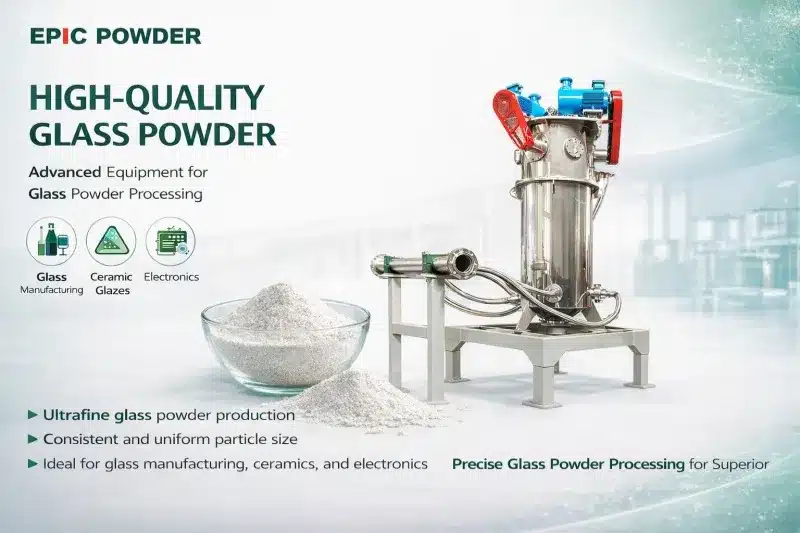
İster mevcut bilyalı değirmenleri değiştiriyor olun ister yeni üretim hatları tasarlıyor olun, Epic Powder'ın sınıflandırma çözümleri Bu, daha yüksek verim, daha iyi kalite ve önemli enerji tasarrufu sağlamanın anahtarı olabilir.
Bilyalı değirmeninizin işletimini ve genel üretim verimliliğini nasıl optimize edebileceğimizi keşfetmek için bugün Epic Powder ile iletişime geçin.

“Okuduğunuz için teşekkürler. Umarım makalem yardımcı olmuştur. Lütfen aşağıya yorum bırakın. Ayrıca, daha fazla sorunuz için EPIC Powder çevrimiçi müşteri temsilcisi Zelda ile iletişime geçebilirsiniz.”
— Jason Wang, Kıdemli Mühendis