Solunum Yoluyla Kullanıma Uygun ve Yüksek Performanslı Laktoz Üretimi
Kuru Toz İnhalatörler (DPI) için inhalasyon kalitesinde laktoz üretilirken, katı partikül boyutu gereksinimlerini karşılamak kritik öneme sahiptir. Taşıyıcı laktoz, uygun akışkanlığı, homojen ilaç dağıtımını ve hasta güvenliğini sağlamak için genellikle dar bir partikül boyutu dağılımı gerektirir; bu genellikle D90'ın 15 μm'nin altında ve d99'un 30 ila 35 μm'nin altında olmasıdır. Bu, saflık ve performans standartlarının giderek daha katı olduğu hem gıda sınıfı hem de yardımcı madde sınıfı laktoz için geçerlidir. Bu durum, özel ekipman seçimini önemli hale getirir. laktoz öğütme Üretim sürecinde kritik bir adım.
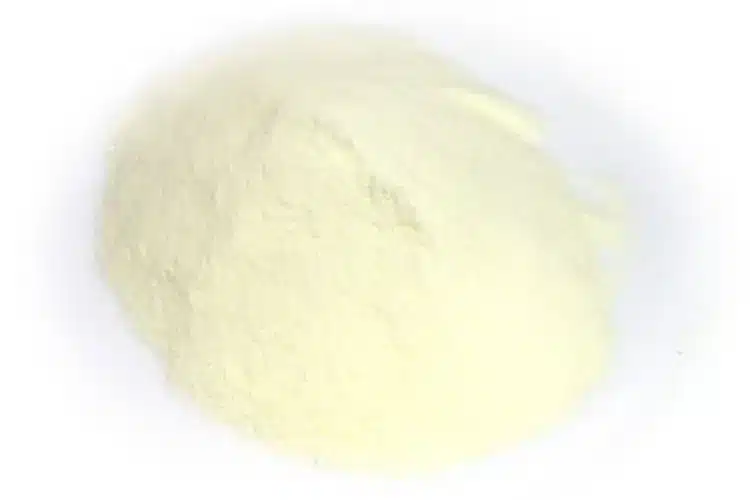
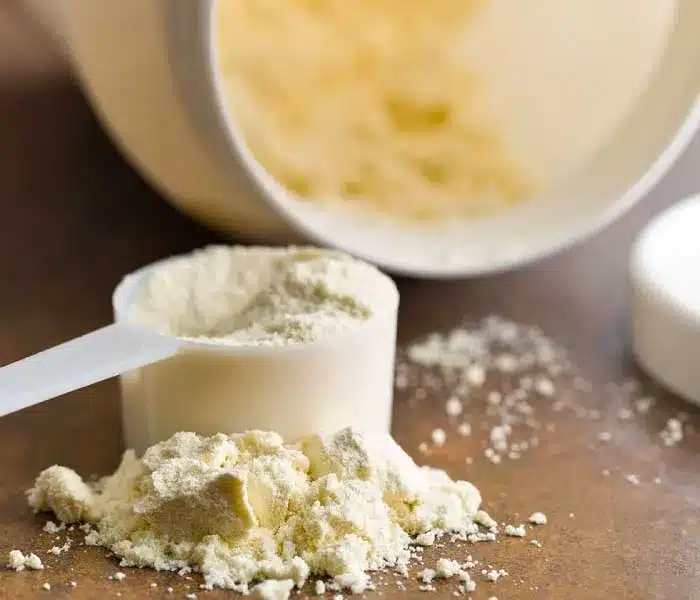
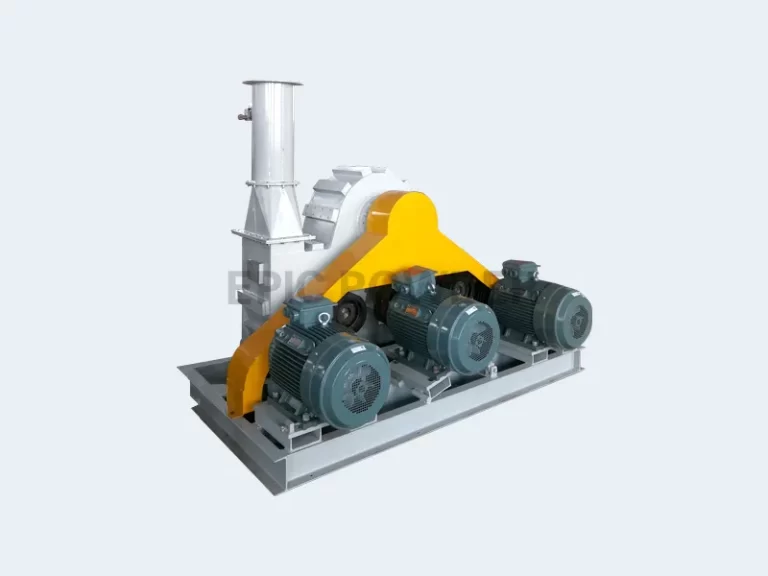
Ekipman Tanıtımı: Epic Powder MJW280-L Hava Sınıflandırma Değirmeni
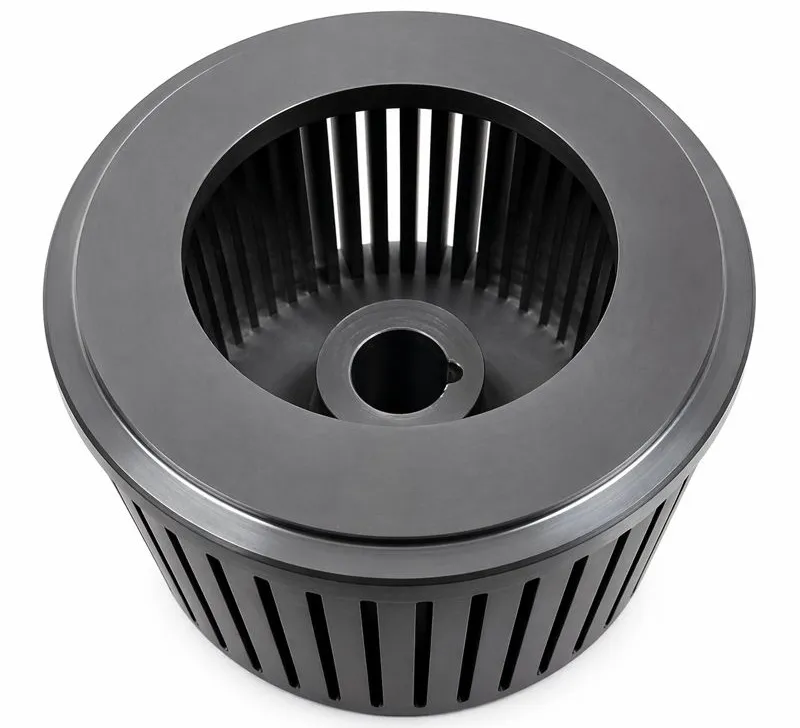
Epic Powder MJW280-L Hava Sınıflandırmalı Değirmen, özellikle düşük sıcaklık "-L" versiyonu olarak tasarlanmış 280 mm'lik sınıflandırma tekerleğiyle öne çıkıyor. Bu daha düşük sıcaklıkta çalışma, ısıya duyarlı laktozla çalışırken çok önemlidir ve geleneksel öğütme yöntemlerinde meydana gelebilecek erime veya kristalliğin kaybı gibi sorunları önler.
Geleneksel jet değirmenlerinden farklı olarak, MJW280-L entegre bir dinamik sınıflandırıcı kullanır ve bu da parçacık boyutu dağılımı üzerinde hassas kontrol sağlar. Bu teknoloji, 30 μm civarında D99 gibi özelliklere daha sıkı uyumu sağlamakla kalmaz, aynı zamanda ince parçacık oluşumunu azaltır ve genel verimi artırır.
İstenilen inceliğe bağlı olarak saatte 200 ila 800 kg arasında laktoz işleme kapasitesine sahip olan bu cihaz, DPI taşıyıcı laktoz üretimi ve diğer ince laktoz tozu işleme ihtiyaçları için esnek bir çözüm sunmaktadır. Bu verimlilik ve hassasiyet dengesi, MJW280-L'yi standart jet değirmen laktoz öğütme yöntemine verimli bir alternatif haline getirmektedir.
Öğütme ekipmanlarının performansını istikrarlı tutmak için bakım yöntemleri hakkında daha fazla bilgi edinmek için Epic Powder'ın bakım uygulamalarına ilişkin görüşlerine göz atın.
Vaka İncelemesi: 137 No'lu Şartnameye Ulaşma (d99 = 29,4 μm)
Süt ve ilaç sektörlerinde önde gelen gizli bir küresel lider firma, katı partikül boyutu gereksinimlerine sahip inhalasyon kalitesinde laktoz üretme görevini bize verdi. Hedef partikül boyutu dağılımı (PSD), D50 yaklaşık 8–12 μm, D90 20 μm'nin altında ve d99 30 μm veya altında olarak belirlendi. Bu özellikler, DPI taşıyıcı laktoz kalitesi için zorlu standartlarla uyumludur.
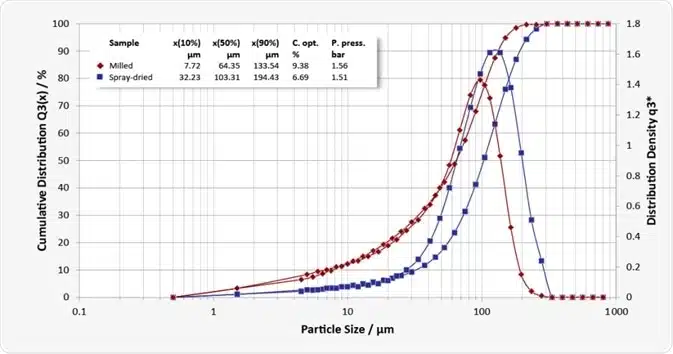
Epic Powder MJW280-L hava sınıflandırıcılı öğütücü kullanarak, 137 numaralı spesifikasyona mükemmel şekilde uyan 29,4 μm'lik bir D99 değerine başarıyla ulaştık. Malvern Mastersizer PSD eğrileri, D50'den sonra düzgün bir düşüşle sıkı bir şekilde kontrol edilen bir dağılımı açıkça göstermekte olup, aşırı büyük parçacıklar olmadan tutarlı mikronizasyonu işaret etmektedir.
Performansın öne çıkan noktaları şunlardı:
98%'nin üzerinde verim, malzeme kaybını en aza indirmek
Üretim hızı saatte 450 kg'da sabit kaldı., endüstriyel ölçekteki talepleri karşılamak
Özgül enerji tüketimi önemli ölçüde daha düşük Geleneksel jet değirmenleriyle karşılaştırıldığında, işletme maliyetlerini düşürüyor.
Tamamlamak nem tutma Ve kristalliğin korunması, inhalasyon yoluyla kullanılan laktoz performansı için hayati öneme sahip.
Bu örnek, MJW280-L'nin yalnızca hassasiyet değil, aynı zamanda operasyonel verimlilik de sunduğunu ve bu nedenle sıkı parçacık boyutu dağılımı kontrolünün ve ürün bütünlüğünün vazgeçilmez olduğu ultra ince laktoz öğütme işlemleri için ideal çözüm olduğunu göstermektedir.
Verimli ince toz işleme hakkında daha fazla bilgi edinmek için, Astra Portföyümüzün hassas parçacık boyutlarının üretimini nasıl desteklediğine göz atın.
Fark Yaratan Proses Parametreleri
İşlemin ince ayarı, özellikle ürüne zarar vermeden 30 μm civarında D99 değerine ulaşmak gibi katı laktoz parçacık boyutu spesifikasyonlarını tutturmanın anahtarıdır. MJW280-L ile ilgili asıl önemli olan şunlardır:
| Parametre | Laktoz Mikronizasyonuna Etkisi | Notlar |
| Sınıflandırıcı tekerlek hızı | Parçacık kesme boyutunu kontrol eder. | Daha yüksek hız = daha ince parçacıklar |
| Hava akışı ayarları | Ayırma verimliliğini ve işlem hacmini etkiler. | Tutarlı PSD ve verim için dengelenmiştir. |
| Besleme hızı | Parçacık boyutu homojenliğini ve öğütme yükünü etkiler. | Aşırı yüklenmeyi/yapışkanlığı önlemek için optimize edilmiştir. |
| Soğutma havası sıcaklığı | Isı birikimini önler, laktoz kalitesini korur. | Kristalliğin korunması için kritik öneme sahiptir. |
| İç yapışmaz kaplama | Birikmeyi azaltır ve akışı iyileştirir. | Çalışma süresini uzatır ve bakımı kolaylaştırır. |
Öğütme sırasında düşük sıcaklık koşullarını korumak, laktozun bozulmasına veya topaklanmasına neden olabilecek aşırı ısınmayı önler. Bu nedenle MJW280-L'nin soğutma hava sistemi ve düşük sıcaklık tasarımı, oyunun kurallarını değiştiren özelliklerdir.
Bu parametreleri birlikte ayarlamak, laktozun D90 ve D99 sınırları içinde kalmasını sağlarken verimi ve enerji verimliliğini en üst düzeye çıkarır. Ekipman kurulumuyla ilgili ayrıntılı operasyonel kılavuz için, tozların kurutulması ve dağıtılmasıyla ilgili ipuçlarımıza göz atın.
Karşılaştırma: Ultra İnce Laktoz İçin MJW280-L, Jet Mill ve Pin Mill Karşılaştırması
Ultra ince laktoz öğütmek için doğru değirmeni seçerken, özellikle D99 ≤ 30 μm gibi inhalasyon sınıfı özelliklerini karşılamak için, performans, maliyet ve ürün kalitesini göz önünde bulundurmak önemlidir. İşte MJW280-L hava sınıflandırıcılı değirmen, geleneksel jet değirmenleri ve pimli değirmenlerin hızlı bir yan yana karşılaştırması.
| Özellik | MJW280-L Hava Sınıflandırıcı Değirmen | Jet Değirmeni | Pim Değirmeni |
| Parçacık Boyutu (D99) | ≤ 30 μm (tipik 29,4 μm) | ~20–30 μm | Genellikle > 40 μm |
| Parçacık Boyutu Dağılımı | Dar PSD, dinamik sınıflandırıcı ile sıkı kontrol | Geniş PSD, ultra incelerde zorlayıcı | Geniş PSD, daha az hassas |
| Teslim olmak | 98% (yüksek verim) | 85–90% (dahili kayıplar nedeniyle daha düşük) | 75–85% (yüksek kayıplar) |
| Enerji Tüketimi | Jet değirmenlerinden daha düşük özgül enerji | Yüksek enerji talebi | Orta enerji |
| Isı Üretimi | Düşük sıcaklıkta çalışan "-L" tasarımı laktoz stabilitesini korur. | Yüksek ısı, laktoz bozulma riski | Orta derecede ısı |
| Ürün Kalitesi | Laktoz kristalliğini ve nemini korur. | Aşırı mikronizasyon ve amorflaşma riski | Parçacık kırılması yaygındır |
| Bakım ve Aşınma | Daha az aşınma, daha kolay temizlik | Yüksek aşınma gösteren parçalar, sık bakım | Yüksek aşınma, sık bıçak değişimi |
| CAPEX ve OPEX | Orta düzeyde sermaye harcaması (CAPEX), verimlilik sayesinde daha düşük işletme giderleri (OPEX). | Yüksek sermaye ve işletme giderleri | Düşük sermaye harcaması (CAPEX), aşınma nedeniyle daha yüksek işletme gideri (OPEX). |
| DPI Taşıyıcı için Uygunluk | İlaç kalitesinde laktoz için mükemmel | İyi ama bazı sınırlamaları var. | Tavsiye edilmez |
O MJW280-L hava sınıflandırıcılı değirmen Destansı Toz Partikül boyutu dağılımı üzerinde üstün kontrol ve daha düşük enerji kullanımıyla yüksek verim sağlayan bu cihaz, inhalasyon amaçlı laktoz için idealdir. Jet değirmenleri ve pimli değirmenlerin aksine, MJW280-L'nin düşük sıcaklık tasarımı ısı hasarını azaltarak, laktozun DPI taşıyıcı performansı için gerekli olan fiziksel ve kimyasal özelliklerini korur.
Hassas parçacık sınıflandırması ve verimli öğütme hakkında daha fazla bilgi için, benzer teknoloji avantajlarını vurgulayan Suzhou'daki bir Malzeme İşletmesinin Elektronik Sınıfı Kuvars Sınıflandırma Hattı hakkındaki genel bakışımıza göz atabilirsiniz.
Kalite Kontrol ve Doğrulama Verileri
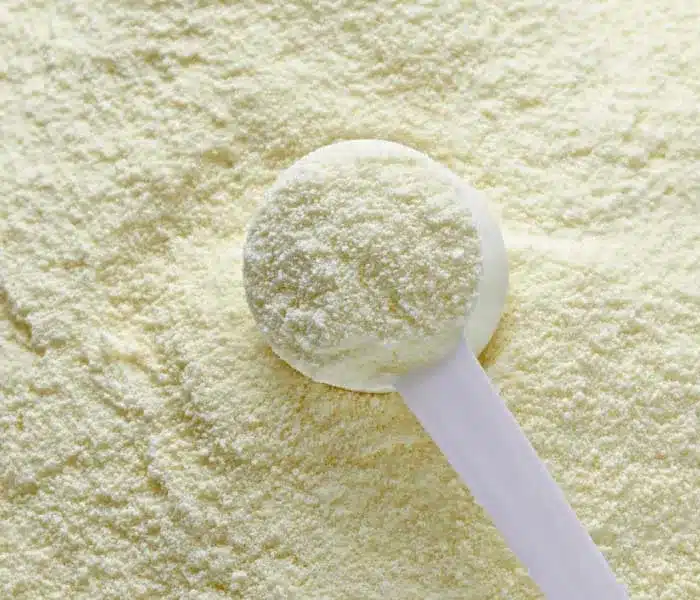
Solunum yoluyla kullanılan laktozun katı D99 ≤ 30 μm spesifikasyonuna uygun olmasını sağlamak, güvenilir parçacık boyutu analiziyle başlar. Lazer kırınımı, doğruluğu ve hızı sayesinde bunu doğrulamak için başvurulan en yaygın yöntemdir. Lazer kırınımı kullanırken şunlara dikkat edin:
Sonuçları etkileyebilecek topaklanmaları önlemek için numuneyi uygun şekilde dağıtın.
Tutarlılık sağlamak için birden fazla tekrarlama işlemi gerçekleştirin.
Cihazı düzenli olarak referans standartlarına göre kalibre edin.
Taramalı Elektron Mikroskobu (SEM), parçacık morfolojisini göstererek değerli görsel kanıtlar sunar. MJW280-L değirmeninden elde edilen yüksek kaliteli laktoz, diğer öğütme yöntemlerinde yaygın olan kırık veya düzensiz şekiller yerine pürüzsüz, küresel parçacıklara sahiptir. Bu küresel şekil, Kuru Toz İnhalatörlerinde (DPI) toz akışını ve dozlama doğruluğunu iyileştirmeye yardımcı olur.
Mikronizasyondan sonra akışkanlık önemli ölçüde iyileşir; bu da Carr indeksi kullanılarak ölçülebilir – daha düşük bir indeks daha iyi akış anlamına gelir. Tipik olarak, düşük sıcaklıklı hava sınıflandırıcı değirmenle işlenmiş laktozda Carr indeksinde belirgin bir azalma görülür; bu da doğrudan daha kolay kullanım ve sonraki işlemlerde daha iyi performans anlamına gelir.
Toz işleme ve partikül boyutu yönetimiyle ilgili daha fazla ipucu için, mesh'ten mikrometreye nasıl dönüştürüleceğine dair ayrıntılı kılavuzumuza göz atın.
MJW280-L Laktoz Mikronizasyonu Hakkında Sıkça Sorulan Sorular
Sistem GMP ve FDA standartlarına uygun mu?
MJW280-L, endüstri standartları göz önünde bulundurularak tasarlanmıştır ve GMP ortamları için uygundur. Düşük sıcaklıkta öğütme ve yapışmaz kaplamaları, ürün bütünlüğünü koruyarak farmasötik sınıf gereksinimlerini karşılar.
Jet frezeleme yönteminden geçiş yapıldığında tipik yatırım getirisi (ROI) nedir?
Geleneksel jet değirmenlerinden MJW280-L'ye geçiş, genellikle aşağıdaki nedenlerle güçlü bir yatırım getirisi sağlar:
Daha yüksek verim (>98%), hammadde israfını azaltır.
Daha düşük özgül enerji tüketimi, işletme maliyetlerinde azalma
Daha sıkı parçacık boyutu dağılımı ile ürün kalitesinde iyileşme.
Aşınma ve aşırı ısınmanın azalması nedeniyle bakım ve arıza süreleri azalır.
200–800 kg/saat arasında değişen verim seçenekleriyle artırılmış ölçeklenebilirlik.
Ölçeğinize ve ürün gereksinimlerinize bağlı olarak, birçok kullanıcı 12-18 aydan daha kısa sürede yatırım getirisini görüyor. MJW280-L, hem maliyet tasarrufu hem de kalite iyileştirmeleriyle desteklenen yüksek performanslı laktoz mikronizasyonu için akıllı bir yükseltmedir.
Destansı Toz
At Destansı Toz, Geniş bir ekipman modeli yelpazesi sunuyoruz ve özel ihtiyaçlarınıza uygun çözümler geliştiriyoruz. Ücretsiz danışmanlık ve özelleştirilmiş çözümler için bugün bizimle iletişime geçin! Uzman ekibimiz, toz işleme süreçlerinizin değerini en üst düzeye çıkarmak için yüksek kaliteli ürünler ve hizmetler sunmaya kendini adamıştır.
Epic Powder—Güvenilir Toz İşleme Uzmanınız!

“Okuduğunuz için teşekkürler. Umarım makalem yardımcı olmuştur. Lütfen aşağıya yorum bırakın. Ayrıca EPIC Powder çevrimiçi müşteri temsilcisiyle de iletişime geçebilirsiniz. Zelda Daha fazla bilgi için lütfen iletişime geçin.”
— Jason Wang, Kıdemli Mühendis