Bilyalı değirmen, genellikle konsantratörün kalbi olarak adlandırılır ve bu tanım yerindedir. Çoğu mineral işleme tesisinde, yukarı akışta yer alan her adım (patlatma, kırma, eleme) cevheri bilyalı değirmen için hazırlamak içindir ve aşağı akışta yer alan her adım (flotasyon, manyetik ayırma, liç) bilyalı değirmenin sağladığına bağlıdır. Bu kılavuz, mineral işlemede bilyalı değirmen öğütmesinin temel unsurlarını ele almaktadır: boyut küçültmenin nasıl gerçekleştiğinin fiziği, bilyalı değirmenin tesis ekonomisi üzerindeki bu kadar büyük etkisinin nedenleri, öğütme verimliliğini belirleyen üç operasyonel değişken ve değirmenin tüm çalışma ömrü boyunca performans göstermesini sağlayan kurulum ve bakım uygulamaları.
EPIC Powder Machinery olarak, 20 yılı aşkın süredir altın, bakır, demir cevheri, lityum ve endüstriyel mineral uygulamalarında kullanılan konsantratörler için bilyalı değirmenler ve öğütme devresi ekipmanları tedarik ediyoruz. Bu makale, bu deneyimden yola çıkarak size pratik, tesis odaklı bir kılavuz sunuyor – sadece teori değil.
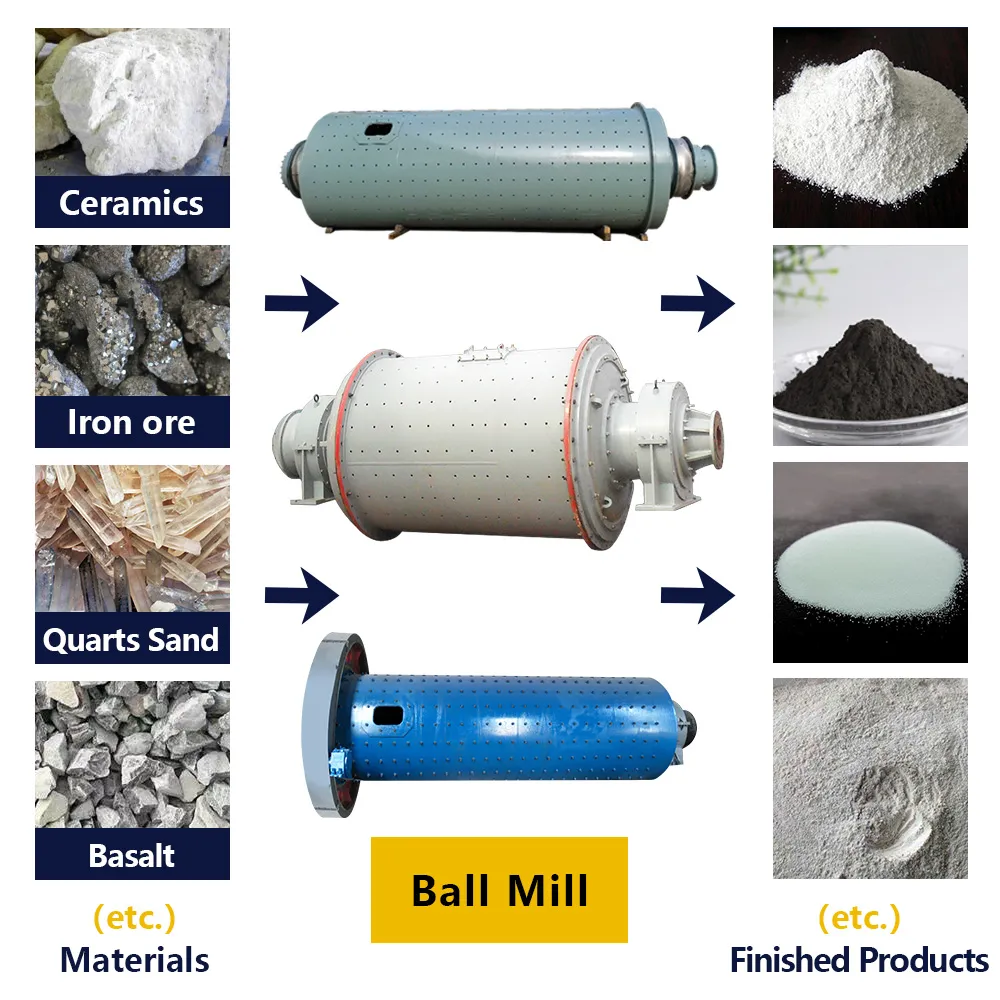
Bilyalı Değirmen Nasıl Çalışır: Boyut Küçültmenin İki Mekanizması
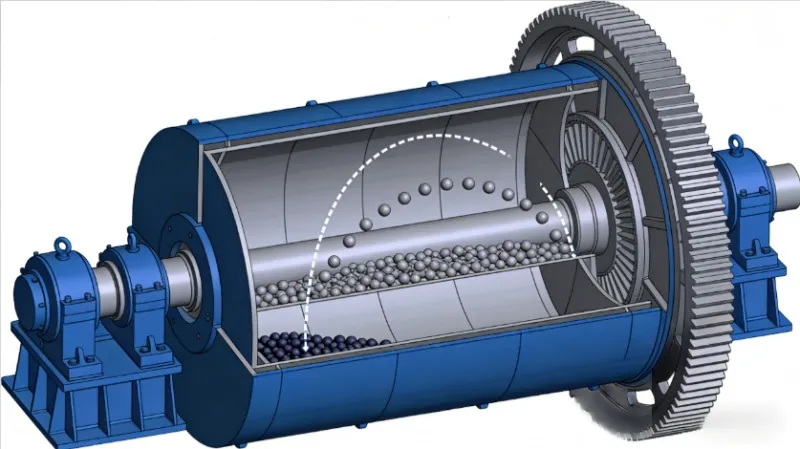
Bilyalı değirmen, kısmen çelik öğütme ortamı (bilyeler) ve öğütülecek malzeme ile doldurulmuş, dönen silindirik bir gövdedir. Gövde dönerken, içindeki malzeme öngörülebilir bir hareket düzeni izler ve bu hareket, iki eş zamanlı mekanizma aracılığıyla boyut küçültmeyi sağlar.
Darbe (Ezme)
Değirmen dönerken, merkezkaç kuvveti çelik bilyeleri değirmen duvarına doğru iter ve yukarı doğru taşır. Kritik bir yükseklikte, yerçekimi merkezkaç kuvvetini aşar ve bilyeler havada kademeli veya şelale benzeri bir hareketle fırlatılır. Aşağıdaki cevher parçacıklarına düştüklerinde, çarpmanın kinetik enerjisi daha büyük parçacıkları ezer ve kırar. Bu çarpma mekanizması, daha iri taneli besleme malzemesinde en etkilidir.
Yıpranma (Sürekli Çalışma)
Aynı anda, bilyelerin birbirine ve değirmen astarına karşı yuvarlanma ve kayma hareketi aşındırıcı kesme kuvvetleri oluşturur. Bu aşındırma mekanizması, daha ince parçacıklarda en etkilidir; ani darbe yerine tekrarlanan yüzey teması yoluyla onları kademeli olarak öğütür. Darbe ve aşındırma arasındaki denge, değirmen hızı, bilye boyutu ve yük hacminden etkilenir ve farklı cevher türlerine ve hedef parçacık boyutlarına uyacak şekilde ayarlanabilir.
Bu iki mekanizma birlikte, cevheri değirmen besleme boyutundan (ezme işleminden sonra tipik olarak 5 ila 20 mm) ayırmaya hazır ürün boyutuna (tipik olarak 0,074 ila 0,2 mm veya 74 ila 200 mikron) indirger. Bu, en değerli minerallerin çevredeki atık kayadan serbest bırakıldığı boyut aralığıdır.gang) ve flotasyon, manyetik ayırma veya diğer sonraki işlemlerle verimli bir şekilde ayrılabilirler.
| 60%+ | 40-70% | 90% | ~30% |
| toplam tesis inşaat maliyetininÖğütme bölümü ve destekleyici ekipmanlar | toplam tesis enerji tüketimininÖğütme bölümünün enerji kullanımı | öğütme bölümü enerjisiBilyalı değirmenin öğütme enerjisindeki payı | toplam bitki materyali maliyetlerininÇelik bilyeler ve astarlar (sarf malzemeleri) |
Bilyalı Değirmenin Bitki Ekonomisi Üzerindeki Bu Kadar Büyük Etkisinin Sebebi
Yukarıdaki rakamlar her şeyi açıkça anlatıyor. Bilyalı değirmen, bir konsantratör için sadece teknik olarak merkezi bir öneme sahip değil; aynı zamanda tesisin sermaye maliyetini, işletme maliyetini ve enerji bütçesini de belirliyor. Bunu anlamak, ekipman seçimi, devre tasarımı ve operasyonel öncelikler için doğru çerçeveyi sağlar.
Kurtuluş: Teknik Temel
Öğütmenin temel amacı, değerli mineral taneleri ile çevredeki atık madde arasındaki fiziksel bağı kopararak ayrıştırmaktır. Bu bağ kopana kadar, sonraki aşamalardaki ekipman ne kadar iyi çalışırsa çalışsın, hiçbir ayırma işlemi değerli minerali verimli bir şekilde geri kazanamaz.
Bilyalı değirmen, üretim ölçeğinde mineral ayrıştırmayı sağlamak için en etkili endüstriyel araçtır. Doğru partikül boyutuna öğütme – çok kaba olmamalı (zayıf ayrıştırma) ve çok ince olmamalı (gereksiz enerji maliyeti ve flotasyonda çamur kayıpları) – yüksek geri kazanım oranları ve yüksek kaliteli konsantre elde etmede en önemli faktördür. Geri kalan her şey bundan kaynaklanır.
Temel Taşlama Performans Ölçütleri
| Metrik | Birim | Size Ne Anlatıyor? |
| Taşıma kapasitesi (Q) | t/h | Fabrikanın toplam üretim kapasitesi – brüt üretim oranı |
| Birim hacim kapasitesi (bkz.) | t/m3 saatte | Değirmen hacminin metreküpü başına verim – farklı değirmen boyutları arasında karşılaştırma yapılmasına olanak tanır. |
| -200 ağ kullanım faktörü (q-200) | -200 mesh t/m3 saatte | Değirmen hacmi birimi başına üretilen yeni ince malzeme – öğütme verimliliğinin en doğrudan ölçüsü |
-200 mesh kullanım faktörü, operasyonel izleme için bu üç ölçümden en kullanışlı olanıdır. Bu faktör, öğütme işleminin amacı olan yeni ince malzemenin ne kadar üretildiğini ölçer; sadece ne kadar malzemenin geçtiğini değil. Bu ölçümü zaman içinde takip etmek, aksi takdirde brüt verim rakamlarında gizli kalacak olan cevher sertliğindeki, ortam koşullarındaki veya besleme boyutundaki değişiklikleri hızla ortaya çıkarır.
Devre Tasarımı Yönergeleri
Sektör deneyimi, sıfırdan tasarım yapmıyor olsanız bile bilmeye değer pratik taşlama devresi tasarım kılavuzları ortaya koymuştur; çünkü bu kılavuzlar mevcut devrenizin neden bu şekilde yapılandırıldığını açıklar:
- Tek aşamalı öğütme: Hedef ürün boyutunun 0,15-0,2 mm'den (200 mesh'ten geçen 60-72%) daha iri olduğu durumlarda uygundur. Daha düşük yatırım maliyeti, daha basit kullanım.
- Daha küçük tesislerde tek aşamalı süreç: İşlem basitliğinin öncelikli olduğu ve tesis ölçeğinin verimlilikteki ödünleşmeyi haklı çıkardığı durumlarda, 200 mesh'ten geçen 80% kadar ince ürünler için bazen kullanılabilir.
- İki aşamalı öğütme: 0,15 mm'den daha ince ürün gerektiren orta ve büyük ölçekli tesisler için daha ekonomik bir seçenektir. Birinci aşama boyut küçültmenin büyük kısmını halleder; ikinci aşama ise daha iyi enerji verimliliği ve daha sıkı parçacık boyutu dağılımı kontrolü ile nihai ince ürünü sağlar.
Öğütme Verimliliğini Kontrol Eden Üç Operasyonel Değişken
Öğütmeyi etkileyen bazı faktörler – cevher sertliği, değirmen boyutları, dönüş hızı – devre kurulduktan sonra sabitlenir. Ancak üç kritik değişken her vardiyada operatörün doğrudan kontrolü altında kalır. Bunlara genellikle Üç Besleme denir. Bunlara hakim olmak, ,1 verimlilikle çalışan bir değirmen ile ,1 verimlilikle çalışan bir değirmen arasındaki farkı yaratır.
1. Besleme Hızı ve Dolaşım Yükü
Değirmen beslemesi iki bileşenden oluşur: devreye giren yeni cevher ve dolaşımdaki yük – ürün boyut spesifikasyonunu karşılayamayan ve sınıflandırıcıdan geri dönen kaba malzeme.
Besleme hızı, değirmenin doluluk seviyesini kontrol eder. Çok düşük olursa, değirmen yetersiz yüklenir; çelik bilyeler cevher yerine birbirine çarpar, enerji israfına ve öğütme ortamı aşınmasının hızlanmasına neden olur. Çok yüksek olursa, değirmen tıkanır, daha iri taneli ürün üretilir ve sınıflandırıcı aşırı yüklenebilir. Optimum besleme hızı, değirmenin tasarım doluluk seviyesinde ve sabit bir sirkülasyon yüküyle çalışmasını sağlar.
Yeni cevher ve iadelerden oluşan birleşik değirmen beslemesinin parçacık boyutu dağılımını analiz etmek, aslında hangi bilye boyutu dağılımına ihtiyacınız olduğunu gösterir. Bu genellikle göz ardı edilir: operatörler, mevcut besleme parçacık boyutu dağılımının gerektirdiğinden ziyade alışkanlıklarına göre ek bilyeler eklerler.
2. Besleme Suyu (Posa Yoğunluğu Kontrolü)
Su, öğütme değirmeninin içindeki bulamaçta katı madde ile sıvı madde oranını belirleyen hamur yoğunluğunu kontrol eder. Bu önemlidir çünkü viskozite, öğütme ortamının cevher parçacıklarıyla ne kadar iyi etkileşim kurduğunu doğrudan etkiler.
Çok yoğun bir hamur (yüksek katı madde, düşük su) viskoziteyi, öğütme ortamının hareketini kısıtlayacak ve öğütme verimliliğini düşürecek noktaya kadar artırır. Çok seyreltik bir hamur (düşük katı madde, yüksek su) ise öğütme ortamı ile cevher arasındaki teması azaltır ve ince parçacıkların düzgün bir şekilde öğütülmeden önce değirmenden yıkanmasına neden olabilir. Çoğu cevher için optimum hamur yoğunluğu ağırlıkça -801 katı madde aralığındadır, ancak bu cevher türüne göre değişir ve testlerle doğrulanmalıdır.
Vardiya boyunca doğru yoğunluk kontrolünü sağlamak için su, değirmen girişinde eklenen besleme suyu, gelen cevherdeki nem ve sınıflandırıcıdan çıkan nem olmak üzere birden fazla noktada takip edilmelidir.
3. Öğütme Ortamı Yönetimi
Çelik bilye yükü, bilyalı değirmenin çalışma aracıdır. Durumu, öğütme verimliliğini ve ürünün parçacık boyutu dağılımını doğrudan belirler. Üç karar önemlidir:
- Topun şarj hacmi (doldurma oranı): Çoğu bilyalı değirmen için optimum dolum oranı, değirmen hacminin 35-45%'si arasındadır. 35%'nin altında, verimli öğütme için yeterli öğütme malzemesi bulunmaz. 45%'nin üzerinde ise kademeli hareket bozulur ve darbe enerjisi, öğütme malzemelerinin birbirine teması nedeniyle boşa harcanır.
- İlk top boyut dağılımı: Daha büyük bilyeler (80-100 mm), iri besleme parçacıklarını kırmak için darbe enerjisi sağlar. Daha küçük bilyeler (25-40 mm) ise ince öğütme için yüzey alanı sağlar. Doğru dağılım, besleme boyutuna ve hedef ürün boyutuna bağlıdır; tahmin edilmemeli, hesaplanmalıdır.
- Makyaj topunun boyutu ve sıklığı: Çalışma sırasında bilyeler sürekli olarak aşınır. Takviye bilyelerinin yanlış boyutta veya sıklıkta eklenmesi, şarj bileşimini optimumdan uzaklaştırarak öğütme verimliliğini kademeli olarak düşürür. Takviye bilyesi boyutu, geçmiş uygulamalara değil, mevcut besleme parçacık boyutu dağılımına (PSD) uygun olmalıdır.
| Hızlı Referans: Öğütme devrenizin bakıma ihtiyacı olduğuna dair işaretler Ürün PSD'si daha kaba hale geliyor: Sınıflandırıcı taşmasını, besleme hızını ve top yükleme hacmini kontrol edin – bunlar en yaygın nedenlerdir. Enerji tüketimi artıyor: Genellikle ortam aşınmasını, astar aşınmasını veya besleme sertliğindeki değişimi gösterir – temel ölçüt olarak ton başına kWh'yi takip edin. Veri aktarım hızı düşüyor: Değirmenin aşırı yüklenmesi, sınıflandırıcı arızası veya yukarı akıştan gelen besleme boyutundaki artışı kontrol edin. Dolaşımdaki yük artıyor: Genellikle yetersiz öğütme anlamına gelir – bilye yükünü, besleme hızını ve hamur yoğunluğunu kontrol edin. -200 mesh faktörü düşüyor: Öğütme verimliliği kaybının en hassas erken göstergesi – geri kazanımı etkilemeden önce araştırın. |
Kurulum: Sandığınızdan Daha Önemli
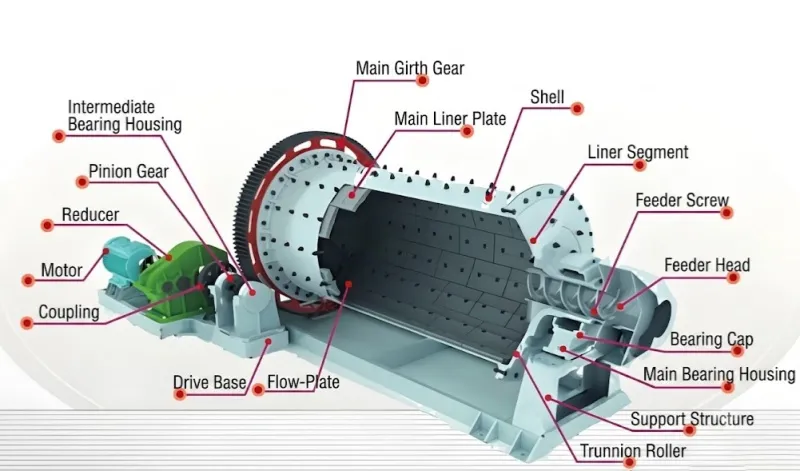
Üreticiden teslim edilen bir bilyalı değirmen, gerçek anlamda yalnızca yarı tamamlanmış haldedir. Ancak uygun bir temele profesyonelce monte edildikten, tüm tahrik bileşenlerinin doğru hizalanması ve makine boyunca boşlukların doğrulanmasından sonra verimli bir varlığa dönüşür.
Sektörde kullanılan ve bazen "30% imalat, 70% kurulum" şeklinde ifade edilen bir söz vardır ki, abartılı olsa da geçerli bir noktaya değinir: Kötü kurulum, yıllarca süren iyi mühendislik çalışmalarını boşa çıkarabilir. Yanlış hizalanmış, yetersiz desteklenmiş veya yanlış devreye alınmış bir bilyalı değirmen, aşırı titreşim, hızlanmış yatak aşınması ve hiçbir operasyonel ayarlamanın düzeltemeyeceği kalıcı hizalama sorunlarıyla çalışacaktır.
- Vakıf uyumluluğu: Temel, değirmenin çalışma kütlesine, dinamik yüklerine ve titreşim özelliklerine göre tasarlanmalıdır. Büyük değirmenler için standart bir beton zemin nadiren yeterlidir; döner ekipman deneyimine sahip bir yapı mühendisine danışın.
- Hizalama hassasiyeti: Değirmen tahrik sistemi – motor, dişli kutusu, pinyon, halka dişli – yalnızca "yeterince yakın" değil, üreticinin toleranslarına göre hizalanmalıdır. Yanlış hizalama, dişli ve yatak arızalarının en yaygın nedenidir.
- Mafsal yatak boşlukları: Bu değerler, çalıştırmadan önce doğru şekilde ayarlanmalı ve ilk çalışma saatlerinden sonra doğrulanmalıdır. Yanlış boşluklar aşırı ısınmaya ve erken arızaya neden olur.
- Devreye alma sırası: Üreticinin önerdiği başlatma sırasını kısayollar kullanmadan takip edin. Kurulum hatalarının çoğu ilk çalıştırma döneminde ortaya çıkar; bu hataları o zaman bulmak, altı aylık çalışmadan sonra bulmaktan çok daha az maliyetlidir.
Deneyimli ve kalifiye bir kurulum ekibi kullanın. Profesyonel kurulumun maliyeti, ekipmanın maliyetine kıyasla düşüktür ve kötü kurulumdan kaynaklanan büyük bir arızanın maliyetine kıyasla ihmal edilebilir düzeydedir.
Bakım: Kalbin Atmaya Devam Etmesini Sağlamak
Bilyalı değirmenler uzun hizmet ömrü için tasarlanmıştır; iyi bakımlı bir makine için 15 ila 25 yıl olağan dışı bir süre değildir. Ancak bu hizmet ömrü, reaktif onarımlardan ziyade tutarlı ve sistematik bakıma bağlıdır.
Astarlar
Değirmen astarları, gövdeyi korur ve bilye yüküne kaldırma hareketi sağlar. Sürekli aşınırlar ve gövdeye kadar aşınmadan önce değiştirilmeleri gerekir. Cevher türünüz ve değirmen hızınız için doğru astar malzemesini kullanın – yanlış seçim aşınmayı hızlandırır ve öğütme verimliliğini azaltacak şekilde yük hareketini değiştirebilir. Astar profillerini düzenli aralıklarla ölçün ve minimum güvenli kalınlığa ulaşmadan önce, sonrasında değil, değiştirme işlemini planlayın.
Öğütme Ortamı
İşlenen cevherin tonu başına kilogram cinsinden ortam tüketimini takip edin. Ani bir artış, cevherin aşındırıcılığında bir değişikliğe veya astar durumunda bir soruna işaret eder. Sık aralıklarla toplu halde eklemek yerine, tutarlı miktarda kompozit top ekleyin – büyük ve seyrek eklemeler, ürünün parçacık boyutu dağılımını etkileyen şarj bileşiminde dalgalanmalara neden olur.
Rulmanlar ve Tahrik Sistemleri
Mil yatakları ve halka dişli-pinyon dişli ağı, değirmende en yüksek riskli aşınma parçalarıdır. Titreşim izleme, yağ analizi ve dişli ağının durumunun düzenli görsel muayenesi, bu bileşenler için öngörücü bakım programının üç temel direğidir. Gelişmekte olan bir yatak veya dişli sorununu erken tespit etmek, planlı bir bakım duruşuna mal olur. Bunu gözden kaçırmak ise, muhtemelen bitişik bileşenlere de zarar verecek şekilde, plansız bir duruşa neden olur.
Denetim Programı
| Sıklık | Kontrol Edilecek Maddeler | Nelere dikkat etmeli? |
| Her vardiya | Besleme hızı, hamur yoğunluğu, ürün parçacık boyutu dağılımı, motor akımı, yatak sıcaklıkları | Temel değerden sapma – gelişmekte olan sorunların erken uyarısı |
| Haftalık | Astar profilleri, ortam yük seviyesi, yağlama sistemleri, conta durumu | Aşınma ilerlemesi, yağ durumu, sızıntılar |
| Aylık | Halka dişli ve pinyon dişlisinin birbirine geçmesi, mafsal yatak boşlukları, tahrik sistemi hizalaması | Aşınma desenleri, boşluk kayması, titreşim değişiklikleri |
| Planlanan her kapatma | Komple hat incelemesi ve profil araştırması, bilye yükü denetimi, rulman incelemesi | Değişim planlaması, şarj bileşiminin doğrulanması |
| EPIC Toz Makineleri ile Öğütme Devrenizi Optimize Edin İster yeni bir konsantratör öğütme devresi tasarlıyor olun, ister mevcut bir operasyondaki verimlilik veya verim sorunlarını gidermeye çalışıyor olun, isterse de ortam ve astar seçeneklerini değerlendiriyor olun, EPIC Powder Machinery'nin mühendislik ekibi size yardımcı olabilir. Maden işleme öğütme ekipmanları konusunda 20 yılı aşkın deneyime sahibiz ve altın, bakır, demir cevheri, lityum ve endüstriyel mineral uygulamalarında konsantratörlerle çalışıyoruz. Ücretsiz proses danışmanlığı, öğütme devresi denetimi ve garantili performans verileri içeren ekipman teklifleri sunuyoruz. Ücretsiz Danışmanlık Talep Edin: www.epic-powder.com/contact Bilyalı Değirmen Ürün Yelpazemizi Keşfedin: www.epic-powder.com |
Sıkça Sorulan Sorular
Bilyalı değirmen için en uygun bilye yükleme oranı nedir?
Çoğu mineral işleme uygulaması için, optimum çelik bilye yükleme hacmi, değirmenin iç hacminin -45%'si arasındadır. 35%'nin altında, verimli öğütme için yeterli ortam kütlesi bulunmaz ve bilyeler cevher parçacıkları yerine birbirine çarparak enerji kaybına ve aşınmanın hızlanmasına neden olur. 45%'nin üzerinde, darbe enerjisi üreten kademeli hareket bozulur – yükleme daha çok kayan bir kütle haline gelir ve öğütme verimliliği düşer. Bu aralıktaki tam optimum nokta, değirmenin özel geometrisine, cevher sertliğine ve hedef ürün boyutuna bağlıdır. Basit bir operasyonel kontrol: Yüklemeyi ayarlarken motor akımını izleyin. En yüksek öğütme verimliliği genellikle tasarım çalışma noktasındaki en yüksek güç tüketimiyle örtüşür.
Bilyalı değirmenim için doğru bilye boyutunu nasıl seçerim?
Bilye boyutu seçimi, yalnızca deneyime dayanarak tahmin edilmemeli, besleme parçacık boyutu ve cevher yoğunluğuna göre hesaplanmalıdır. Standart yaklaşım, cevher işleme indeksi, besleme F80, değirmen çapı ve dönüş hızını dikkate alan Bond bilye boyutu formülünü kullanır. Pratik bir kılavuz olarak: besleme kaba (F80 10 mm'nin üzerinde) ve cevher sert olduğunda daha büyük bilyeler (75-100 mm) kullanılır; daha ince besleme ve daha yumuşak cevher için daha küçük bilyeler (25-40 mm) kullanılır. Çoğu üretim devresi, hem kaba darbe hem de ince aşındırmayı aynı anda işlemek için çeşitli boyutları kapsayan karışık bir şarj kullanır. Besleme boyutunuz zaman içinde değiştiyse, takviye bilyeleri orijinal tasarım spesifikasyonuna göre değil, mevcut besleme parçacık boyutu dağılımına göre boyutlandırılmalıdır.
Öğütme işlemi neden bitki enerjisinin bu kadar büyük bir bölümünü tüketir?
Boyut küçültme, doğası gereği enerji yoğun bir işlemdir. Bir parçacığı kırmak için, malzemede çatlaklar yayarak yeni yüzey alanı oluşturmak için yeterli enerji uygulamanız gerekir; hedef ürününüz ne kadar inceyse, o kadar fazla yeni yüzey alanı oluşturursunuz ve bu da o kadar fazla enerji gerektirir. Kırıcı çıkışından bilyalı değirmen ürününe kadar olan boyut küçültme oranı tipik olarak 100:1 veya daha fazladır ve boyut küçültmede her bir büyüklük derecesi, ton başına giderek daha fazla enerji gerektirir. Bilyalı değirmenler ayrıca elektrik enerjisini faydalı öğütme işine dönüştürmede verimsizdir; çoğu tahmin, mekanik verimliliklerini 5-20% olarak belirtir, bu da giriş enerjisinin 80-95%'sinin ısı ve gürültü olarak kaybolduğu anlamına gelir. Bu nedenle öğütme devresi optimizasyonunun işletme maliyeti üzerinde bu kadar büyük bir etkisi vardır.
Destansı Toz
Destansı Toz, 20 yılı aşkın süredir ultra ince toz endüstrisinde iş tecrübesine sahibiz. Ultra ince tozun kırma, öğütme, sınıflandırma ve modifikasyon süreçlerine odaklanarak, ultra ince tozun gelecekteki gelişimini aktif olarak destekliyoruz. Ücretsiz danışmanlık ve özelleştirilmiş çözümler için bizimle iletişime geçin! Uzman ekibimiz, toz işleme değerlerinizi en üst düzeye çıkarmak için yüksek kaliteli ürünler ve hizmetler sunmaya kendini adamıştır. Epic Powder – Güvenilir Toz İşleme Uzmanınız!