Eğer siz de bu konuda yer alıyorsanız çimento üretimi, mineral işleme, veya metal tozu üretimi, Biliyorsunuz, verimli öğütme ekipmanının ne kadar kritik olduğunu. İyi seçilmiş bir ekipman... Çimento, mineral ve metal tozları için bilyalı değirmen Bu, katı kalite standartlarını karşılamak ile yetersiz kalmak arasındaki fark anlamına gelebilir. Bu yazıda, bu çok yönlü değirmenlerin neden sektörün temel taşları olduğunu, nasıl çalıştıklarını ve en iyi modelleri diğerlerinden ayıran özellikleri keşfedeceksiniz. İster daha ince partikül boyutları, ister enerji tasarrufu veya dayanıklı performans hedefliyor olun, seçeneklerinizi anlamak çok önemlidir. İşletmeniz için mükemmel bilyalı değirmeni neyin oluşturduğunu ve Epic Powder'ın gerçek dünyadaki öğütme zorluklarına nasıl özel çözümler sunduğunu birlikte inceleyelim.
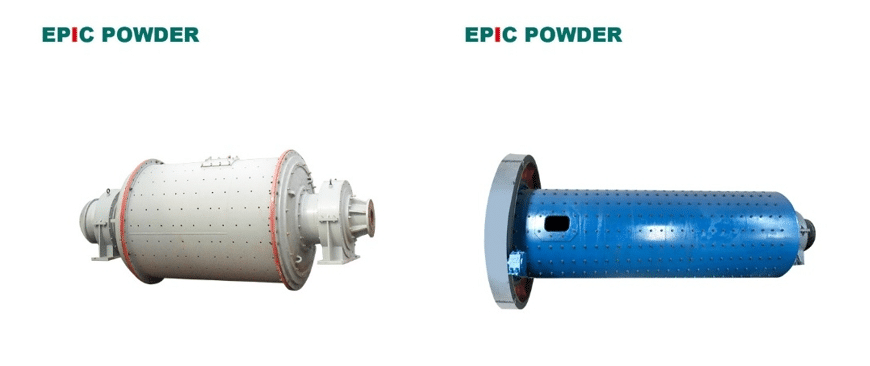
Bilyalı değirmen nedir ve nasıl çalışır?
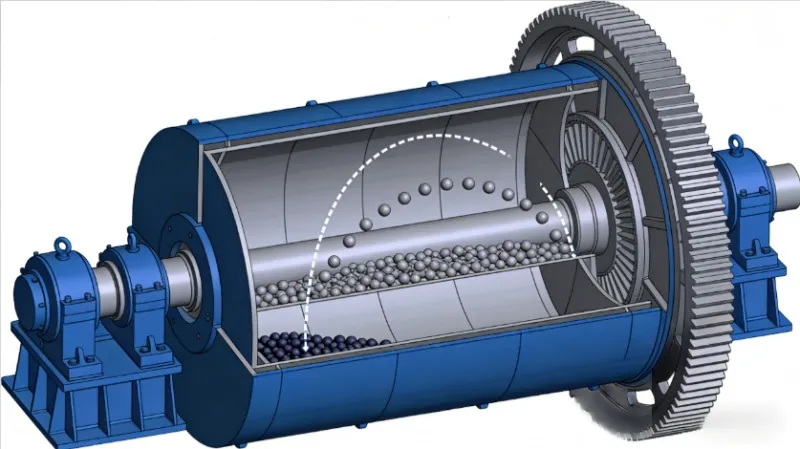
A bilyalı değirmen Endüstriyel bir öğütme makinesi olan öğütücü, malzemeleri darbe ve aşınma yoluyla ince tozlara ayırmak için kullanılır. Temel prensip, genellikle çelik veya seramikten yapılmış öğütme bilyeleriyle kısmen doldurulmuş dönen bir silindir veya kabuktan oluşur; değirmen dönerken bilyeler yuvarlanarak içindeki malzemeyi ezer.
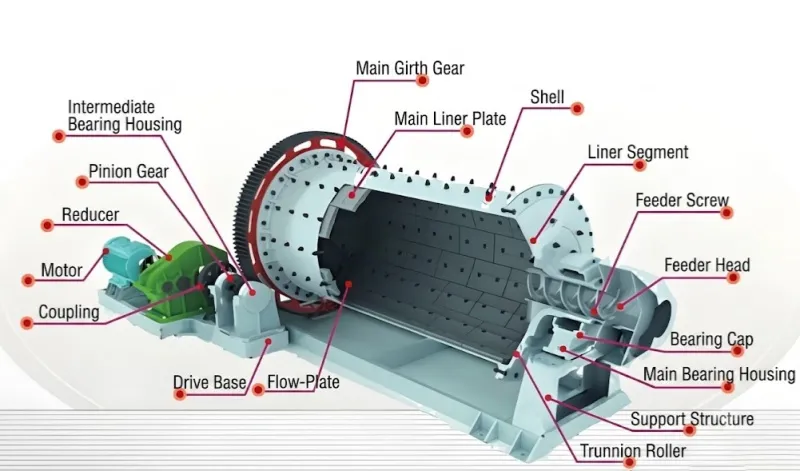
Bilyalı Değirmenin Başlıca Bileşenleri:
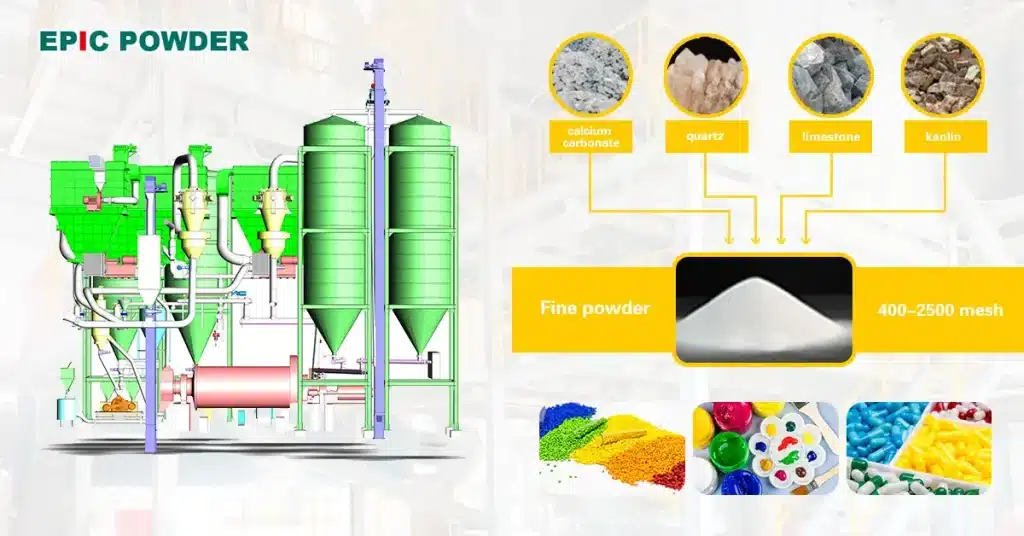
- Kabuk: Malzemelerin ve öğütme ortamının etkileşimde bulunduğu dönen tambur.
- Astarlar: Kabuğun iç kısmında aşınmaya karşı direnç gösteren ve taşlama verimliliğini artıran koruyucu katmanlar bulunur.
- Öğütme Topları: Çelik veya seramik bilyeler, darbe yoluyla malzemeyi etkili bir şekilde öğütür.
- Tahrik Sistemi: Kabuğun dönmesini sağlar, genellikle bir motor ve dişli tertibatı aracılığıyla.
- Boşaltım Mekanizmaları: Taşma veya ızgara tahliyesi yoluyla topraktan malzeme uzaklaştıran sistemler.
Bilyalı değirmenler ıslak veya kuru öğütme modlarında çalışabilir. ıslak bilyalı değirmenler, Malzemeler, genellikle su olmak üzere sıvı ile karıştırılır; bu da çimento şerbeti veya cevher hamuru gibi malzemelerin verimli bir şekilde öğütülmesini kolaylaştırır. Buna karşılık, kuru bilyalı değirmenler Nem ilavesi olmadan malzemeleri öğütmek için uygundur; mineral veya metal tozları gibi kuru tozlar için idealdir. Islak ve kuru öğütme arasında seçim yapmak büyük ölçüde malzemenin özelliklerine ve istenen nihai ürüne bağlıdır.
Bu tasarım sayesinde bilyalı değirmenler, çimento klinkeri, mineraller ve metal tozları gibi çeşitli malzemeleri öğütmek için çok yönlüdür ve endüstriyel uygulamalar için gerekli olan hassas parçacık boyutlandırmasını ve tutarlı çıktıyı sağlar.
Çimento Üretiminde Bilyalı Değirmenlerin Uygulamaları
Bilyalı değirmenler, klinker, alçı ve diğer katkı maddelerini istenilen inceliğe öğütmede çimento üretiminde çok önemli bir rol oynar. Bu ince öğütme, tutarlı kalite ve performansa sahip çimento üretimi için gereklidir.
Çimento öğütme işlemindeki temel işlevler:
- Cüruf Öğütme: Sertleşmiş klinkeri ince parçacıklara ayırır.
- Alçı Öğütme: Çimento sertleşme süresini kontrol eder.
- Katkı Maddeli Öğütme: Daha yüksek mukavemet için homojen bir karışım sağlar.
Kuru ve ıslak çimento üretim süreçlerindeki faydaları:
| İşlem Türü | Bilyalı Değirmenlerin Avantajları |
|---|---|
| Kuru Öğütme | Daha düşük nem, enerji verimliliği, daha az aşınma |
| Islak Öğütme | Daha iyi ısı dağılımı, daha yüksek öğütme oranları |
Bilyalı değirmenlerin kullanılması şunları sağlar: tekdüze parçacık boyutu, Bu durum, çimentonun mukavemetini ve dayanıklılığını doğrudan etkiler. Uygun incelik, inşaat uygulamalarında hidratasyonu ve performansı iyileştirir.
Çimento öğütme işlemini optimize eden öğütme ortamı ve astar seçenekleri hakkında detaylı bilgi için, yayınladığımız makalemize göz atabilirsiniz. parçacık boyutu dağılımları.
Mineral İşlemede Bilyalı Değirmenler
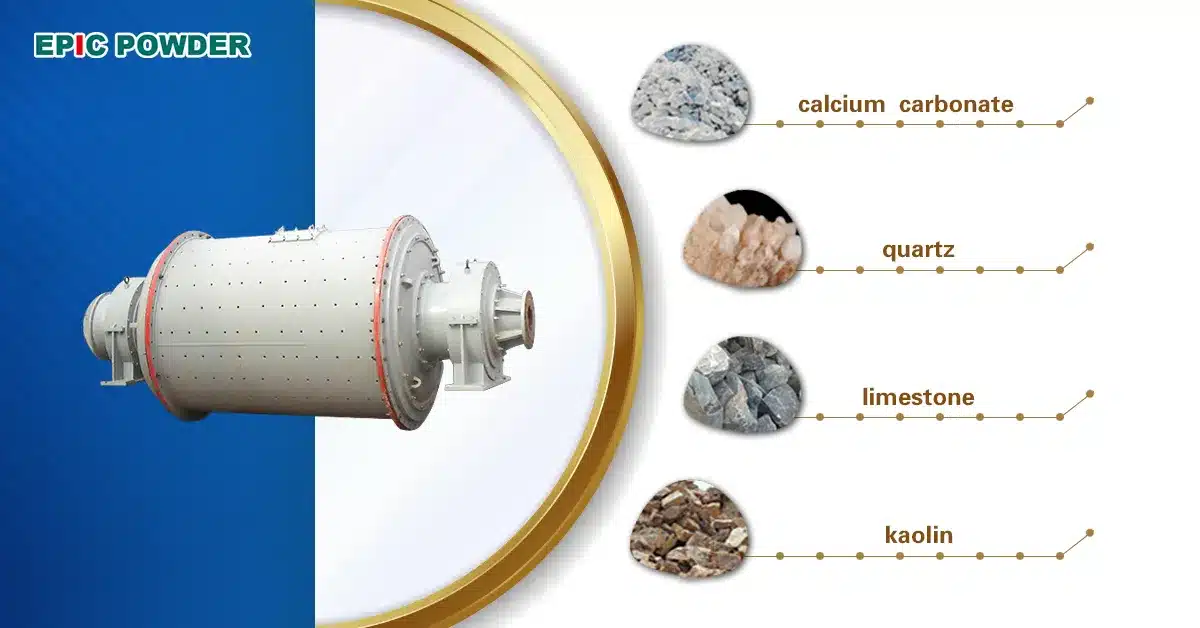
Bilyalı değirmenler, cevherleri ve silika, kireç, fosfatlar ve alümina gibi endüstriyel mineralleri ince toz haline getirerek mineral işlemede çok önemli bir rol oynar. Bu değirmenler, madencilik faaliyetlerinde yaygın olarak bulunan aşındırıcı ve yüksek sertlikteki malzemeleri işlemek üzere tasarlanmıştır ve zorlu koşullarda bile tutarlı parçacık boyutu küçültülmesini sağlar.
Verimliliği en üst düzeye çıkarmak için, bilyalı değirmenler genellikle kırıcılar, sınıflandırıcılar ve ayırıcılarla entegre edilerek, daha verimli bir zenginleştirme süreci oluşturulur. Bu sinerji, cevher öğütme işlemini optimize etmeye, geri kazanım oranlarını iyileştirmeye ve genel işlem süresini azaltmaya yardımcı olur. İster sert cevherler ister daha yumuşak mineraller işlensin, mineral işleme bilyalı değirmeni, malzemelerin daha fazla rafine edilmesi veya endüstriyel uygulamalarda kullanılması için etkili bir şekilde öğütülmesi ve hazırlanması için güvenilir bir seçenek olmaya devam etmektedir.
Çeşitli endüstriyel mineraller için uygun öğütme ekipmanları hakkında detaylı bilgi edinmek için, silika ve kaolin de dahil olmak üzere fonksiyonel dolgu maddelerinin çok yönlü dünyası hakkındaki makalemizi inceleyin.
Metal Tozu Üretimi için Bilyalı Değirmenler
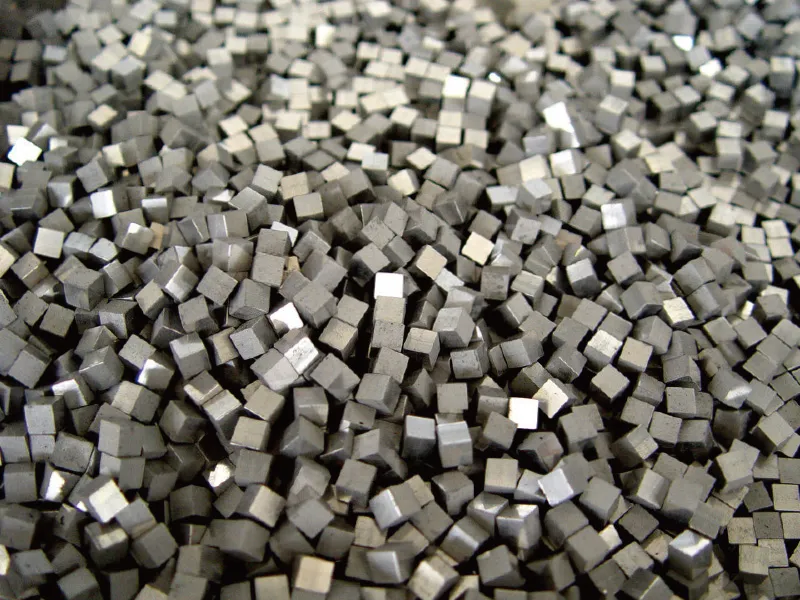
Bilyalı değirmenler, hem demirli hem de demirsiz metallerden ince metal tozları üretmede hayati bir rol oynar. Bu değirmenler, metal hurdalarını ve ham maddeleri, metalurji, toz metalurjisi ve hızla büyüyen eklemeli imalat alanında gerekli olan ince tozlara öğütür. Parçacık boyutu dağılımını dikkatlice kontrol ederek, bilyalı değirmenler tutarlı özelliklere sahip yüksek kaliteli metal tozları sağlar.
Doğru öğütme ortamı ve değirmen tasarımı kullanılarak, üreticiler sinterleme ve 3D baskı dahil olmak üzere çeşitli endüstriyel süreçler için uygun, ince öğütülmüş metal tozları elde edebilirler. Parçacık boyutu üzerindeki bu hassas kontrol, dayanıklı ve yüksek performanslı metal bileşenlerin üretimi için kritik faktörler olan akışkanlığı ve paketleme yoğunluğunu da iyileştirir.
Metal tozu öğütmeye dayalı endüstriler için modern bilyalı değirmenler, gelişen kalite standartlarını ve üretim taleplerini karşılamak için gereken esnekliği ve verimliliği sunar.
Bu Sektörler İçin Bilyalı Değirmen Çeşitleri
Çimento, mineraller ve metal tozlarının öğütülmesi söz konusu olduğunda, yatay bilyalı değirmenler Bunlar sektör standardıdır. Sağlam tasarımları, klinker, cevher ve metal malzemelerin verimli bir şekilde öğütülmesinin ağır iş gereksinimlerine uygundur. Bu değirmenler, içindeki öğütme bilyelerini kullanarak malzemeyi ezmek ve öğütmek için yatay bir eksen üzerinde döner.
Dikkate alınması gereken iki ana çalışma modu vardır:
- Parti tipi bilyalı değirmenler, Malzemelerin belirli miktarlarda işlendiği bu yöntem, küçük üretim serileri veya testler için idealdir.
- Sürekli bilyalı değirmenler, Bu sistem, sürekli malzeme beslemesi sağlayarak daha yüksek verimlilik ve istikrarlı üretim sunar; büyük ölçekli çimento öğütme tesisleri ve mineral işleme operasyonları için idealdir.
Özel tasarımlar da performansı optimize etmede önemli bir rol oynar:
- Taşma değirmenleri Malzemelerin tahliye ucundan taşmasına izin verir, bu da ince toz üretimi için idealdir.
- Izgaralı boşaltma değirmenleri Daha hızlı işleme ve parçacık boyutu üzerinde daha iyi kontrol sağlamak için boşaltma ucunda bir ızgara bulunur.
- Bölmeli değirmenler Öğütme haznesini farklı öğütme ortamı boyutlarına veya astarlara sahip bölümlere ayırarak, verimliliği ve parçacık boyutu dağılımını iyileştirir ve daha özel öğütme işlemleri gerçekleştirebilirsiniz.
Doğru tip seçimi büyük ölçüde malzeme özelliklerinize ve üretim taleplerinize bağlıdır. Örneğin, sürekli yatay değirmenler büyük çimento klinker değirmenlerine uygundur, oysa partili çalışma daha küçük ölçekli veya özel maden cevheri zenginleştirme projelerine uyar.
İhtiyaçlarınıza uygun doğru frezeleme ekipmanını seçme konusunda daha fazla bilgi edinmek için bu detaylı kılavuza göz atın. İhtiyaçlarınıza uygun laboratuvar bilyalı değirmenini nasıl seçersiniz?.
Bilyalı Değirmen Seçiminde Dikkat Edilmesi Gereken Başlıca Faktörler
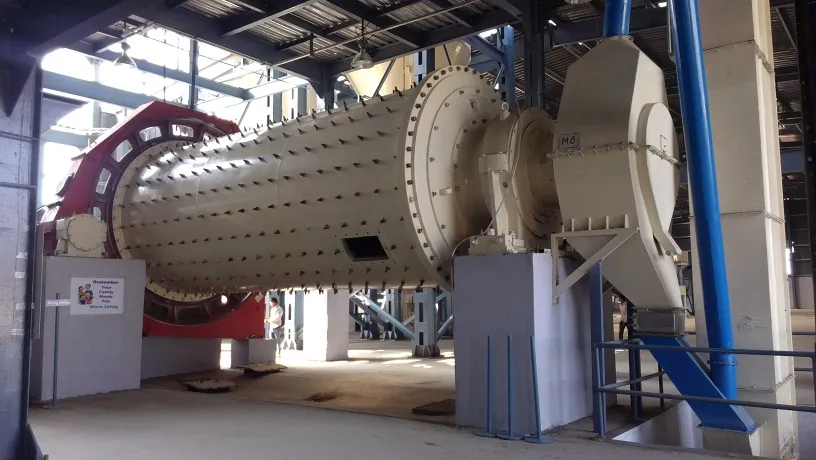
Çimento, mineral veya metal tozları için doğru bilyalı değirmeni seçmek büyük ölçüde birkaç önemli faktöre bağlıdır:
- Malzeme özellikleri: Öğüteceğiniz malzemenin sertliğini, aşındırıcılığını ve nem içeriğini göz önünde bulundurun. Daha sert veya daha aşındırıcı cevherler ve mineraller, aşırı aşınmayı önlemek için daha dayanıklı astarlara ve güvenilir öğütme bilyelerine sahip değirmenler gerektirir.
- İstenilen incelik: Hedeflenen parçacık boyutu veya inceliği, kullanmanız gereken bilyalı değirmen tipini ve öğütme işlemini (ıslak bilyalı değirmen veya kuru bilyalı değirmen) etkiler. Özellikle çimento klinker öğütme veya metal tozu öğütme işlemlerinde ince toz üretimi elde etmek, genellikle değirmen hızı ve öğütme ortamı boyutunun hassas kontrolünü gerektirir.
- Veri aktarım kapasitesi: Üretim hacminiz, değirmen boyutu ve tipiyle birlikte, partili veya sürekli işletmenin hangisinin en uygun olduğunu belirler. Daha yüksek verim, enerji verimliliğini ve çıktı kalitesini korumak için ızgaralı boşaltma veya bölmeli değirmenler gibi özel tasarımlar gerektirebilir.
- Enerji verimliliği ve işletme maliyetleri: Verimli enerji kullanımı üretim maliyetlerini düşürür. Güç tüketimini en aza indiren optimize edilmiş astarlara ve sağlam tahrik sistemlerine sahip bilyalı değirmenler arayın. Ayrıca, bakım kaynaklı arıza sürelerini azaltmak için bilyalı değirmen astarlarının dayanıklılığını da göz önünde bulundurun.
- Özelleştirme: Farklı sektörlerin kendine özgü gereksinimleri vardır; ister maden cevheri zenginleştirme, ister çimento öğütme değirmeni, ister metal tozu üretimi olsun. Özel çözümler, performansı optimize etmeye yardımcı olur; örneğin, özel olarak tasarlanmış astarlar, özel öğütme ortamı bileşimi ve daha iyi ayırma için sınıflandırıcılarla entegrasyon.
Bu faktörleri dikkatlice değerlendirerek, performans, maliyet ve uzun ömürlülüğü dengeleyen ve endüstriyel öğütme ihtiyaçlarınıza ideal şekilde uygun, enerji verimli bir bilyalı değirmen seçebilirsiniz. Malzemelerinize özel gelişmiş öğütme sistemleri için, yüksek verimli değirmen bileşenlerini incelemek gerçek bir fark yaratabilir.
Epic Powder'dan Modern Bilyalı Değirmenlerin Avantajları
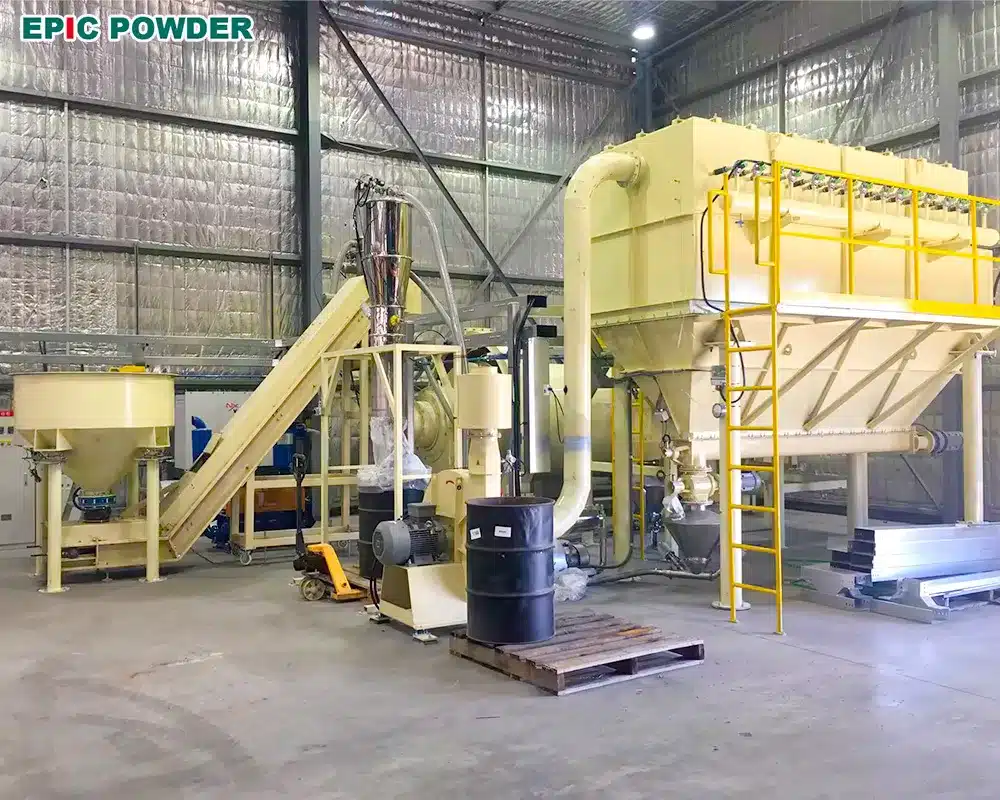
Epic Powder'ın modern bilyalı değirmenleri, çimento öğütme değirmeni, mineral işleme bilyalı değirmeni ve metal tozu öğütme uygulamalarında verimliliği ve dayanıklılığı artırmak için tasarlanmış gelişmiş özelliklere sahiptir. Değirmenlerimiz, aşınmayı azaltan ve kullanım ömrünü uzatan optimize edilmiş bilyalı değirmen astarları ve ince toz üretimi için partikül boyutu kontrolünü iyileştiren yüksek verimli sınıflandırıcılar kullanır. Sağlam rulmanlar ve mühendislik ürünü tahrik sistemleri, ağır yükler altında bile sorunsuz çalışma sağlar.
Enerji tasarrufu önemli bir avantajdır, çünkü enerji verimli bilyalı değirmenlerimiz verimlilikten ödün vermeden daha az enerji tüketir. Bu, geleneksel değirmenlere kıyasla öğütme performansını artırırken işletme maliyetlerini düşürür. Daha kolay astar değişimi ve daha iyi izleme sistemleri sayesinde bakım kaynaklı arıza süreleri de en aza indirilir; bu da bu değirmenleri zorlu endüstriler için güvenilir bir seçenek haline getirir.
Çimento klinker değirmenlerinde, cevher öğütme makinelerinde ve metal tozları için endüstriyel öğütme değirmenlerinde güvenilen Epic Powder ekipmanları, sürekli olarak daha iyi öğütme sonuçları ve maliyet tasarrufu sağlar. Mineral ve metal tozlarında gelişmiş işleme seçeneklerini araştıranlar için çözümlerimiz hem kalite hem de uzun vadeli değer vaat ediyor.
Teknolojimizin, toz metalurjisinde üstün sonuçlar için metal tozu sınıflandırmasını ve dağıtımını nasıl desteklediğini keşfedin. Burada.
Bilyalı Değirmenler İçin Bakım ve Optimizasyon İpuçları
Çimento, mineral ve metal tozları için kullandığınız bilyalı değirmeninizin sorunsuz çalışması için düzenli bakım şarttır. İşte bazı pratik ipuçları:
- Astarları ve öğütme ortamını düzenli olarak kontrol edin: Bilyalı değirmen astarlarında ve öğütme ortamı bilyelerinde aşınma ve yıpranma olup olmadığını kontrol edin. Aşınmış astarlar öğütme verimliliğini düşürür ve gövdeye zarar verebilir, bu nedenle zamanında değiştirme veya onarım şarttır.
- Medya ücretini izleyin: Öğütme malzemesinin miktarının ve boyutunun optimum olduğundan emin olun. Çok az bilye öğütme kapasitesini azaltabilirken, çok fazla bilye sistemi aşırı yükleyebilir ve enerji tüketimini artırabilir.
- Rulmanları ve tahrik sistemlerini kontrol edin: Aşınmış veya hasar görmüş rulmanlar titreşimi artırır ve makine arızalarına neden olabilir. Düzenli kontrol ve yağlama, ömürlerini uzatmaya ve tahrik sisteminin stabil kalmasına yardımcı olur.
- Palet taşlama verimliliği: Islak veya kuru bilyalı değirmen işlemlerinde sorunları erken tespit etmek ve aşırı yüklenmeleri veya tıkanmaları önlemek için verim, incelik ve enerji tüketimi gibi performans göstergelerini kullanın.
- Kullanım ömrünü uzatmanın en iyi yolları:
- Ani yük artışlarını önlemek için yem boyutunu ve nem içeriğini tutarlı tutun.
- Aşınmayı azaltmak için enerji verimli bilyalı değirmen tasarımları ve optimize edilmiş astarlar kullanın.
- Detaylı temizlik ve incelemeler için düzenli bakım durdurmaları planlayın.
Bu adımları izlemek, endüstriyel öğütme değirmeninizin ömrünü uzatmakla kalmaz, aynı zamanda çimento klinker değirmeni, mineral cevheri zenginleştirme veya metal tozu öğütme ihtiyaçlarınız için istikrarlı ve yüksek kaliteli çıktı sağlar.
Öğütme performansını artırmak için sınıflandırma ve partikül boyutu kontrolünü optimize etme konusunda daha detaylı bilgi edinmek için, ayrıntılı kılavuzumuza göz atın. Çok kademeli hava sınıflandırıcısının performans özellikleri ve malzeme seçimi.
Destansı Toz
Epic Powder, maden endüstrisi, kimya endüstrisi, gıda endüstrisi, ilaç endüstrisi vb. için ince toz işleme teknolojisinde uzmanlaşmıştır. Ekibimiz, çeşitli toz işleme alanında 20 yılı aşkın deneyime sahiptir ve Çin'deki en büyük ultra ince barit tozu üretim hattı olan Jet Değirmen Hattını tasarlayıp kurmuştur.
Toz işleme projelerinde, özellikle toz öğütme, toz sınıflandırma, toz dağıtma, toz yüzey işleme ve atık geri dönüşümü konularında son derece profesyonel bir tedarikçiyiz. Danışmanlık, test, proje tasarımı, makineler, devreye alma ve eğitim hizmetleri sunuyoruz.

“Okuduğunuz için teşekkürler. Umarım makalem yardımcı olmuştur. Lütfen aşağıya yorum bırakın. Ayrıca EPIC Powder çevrimiçi müşteri temsilcisiyle de iletişime geçebilirsiniz. Zelda Daha fazla bilgi için lütfen iletişime geçin.”
— Jason Wang, Kıdemli Mühendis