목차

액상 파운데이션과 루스 파우더에 구형 실리콘 수지 분말이 첨가되는 이유는 무엇일까요? 분말 가공 장비부터 촉감 및 광택 효과까지 그 이유를 알아보세요.

When you gently press a powder puff onto your skin, your pores seem to be instantly smoothed out. Your fingertips glide across your skin like silk—this unassuming name on the ingredient list is Spherical Silicone Resin Powder. It’s the core ingredient that achieves this exceptional skin feel.

However, obtaining the ideal soft-focus and silky smooth experience depends not only on the chemical structure of the material itself, but also on the precise control of powder geometry and particle size distribution (PSD) by upstream grinding, synthesis, and classification equipment. This article will dissect the physical mysteries of spherical silicone resin powder from the dual perspectives of powder processing engineering and end-use applications.

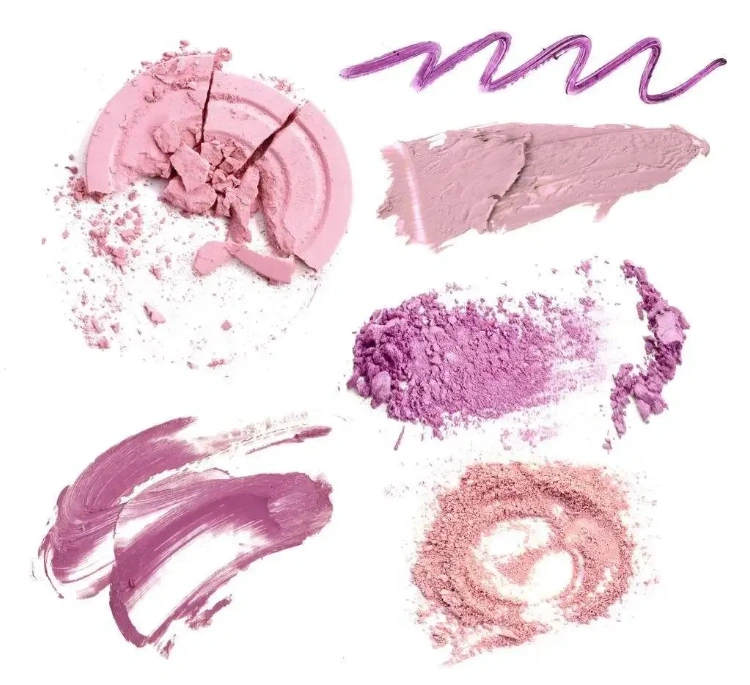
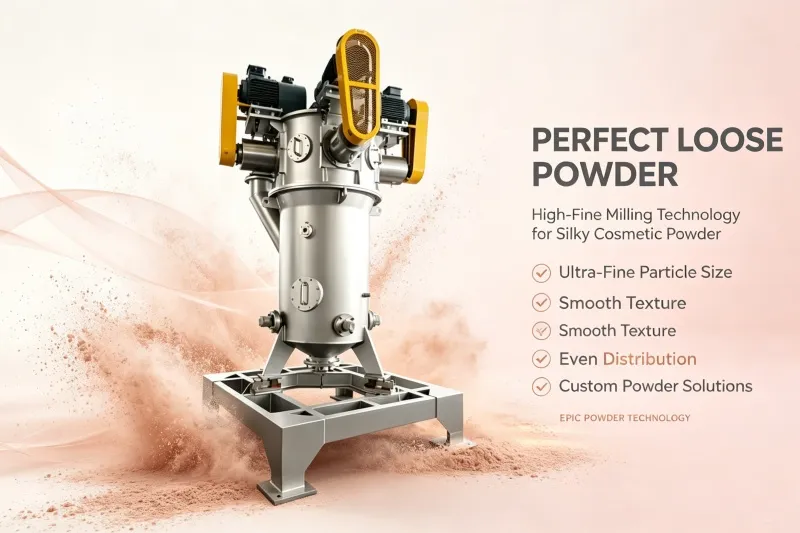
loose powder

Raw Material Characteristics: What is Spherical Silicone Resin Powder?

Spherical silicone resin powder is a micropowder with a highly regular spherical shape and a three-dimensional cross-linked polysiloxane (such as polymethylsilsesquioxane). The particle size is typically strictly controlled within the range of 1–15 μm.

Silicone oil (Dimethicone): A linear molecule, liquid, possessing high lubricity but lacking a fixed physical form.

Silicone resin powder: Developed through liquid-phase hydrolysis condensation combined with specific spray molding or controlled crystallization processes. This “locks” the silicon-oxygen bond network into extremely smooth solid microspheres. It retains the low surface energy of organosilicon while possessing the physical characteristics of high hardness and high dispersibility of solid particles.

Why Must They Be Spherical? — Particle Morphology and 연마 Control

The microscopic geometry of powders directly determines the rheological response and tribological behavior of the system.

The Tribological Shift from “Surface Contact” to “Point Contact”

Flat/irregularly shaped powders (such as un-spheroidized mica or talc):

Particles are in surface contact, resulting in high sliding friction and a tendency to drag or even jam.

Spherical powders:

Particles are in point contact with the skin, creating a “miniature ball bearing” effect under the pressure of the fingertip, converting sliding friction into extremely low rolling friction.

Comparison Table of Physical Behavior and Skin Feel of Powders with Different Morphologies

Particle TypesGeometric CharacteristicsMechanical Friction BehaviorDownstream Skin Feel
Spherical ParticlesRound and smooth, high sphericityRolling FrictionSilky, very easy to spread, highly spreadable
Flaky PowdersFlat and stacked, large aspect ratioSliding FrictionFits well but feels heavy, high wiping resistance
Angular PowdersSharp edges, many irregular fracturesHigh Dry Friction/High ResistanceEasily settles into lines, appears rough, stings slightly

Implications from machining:

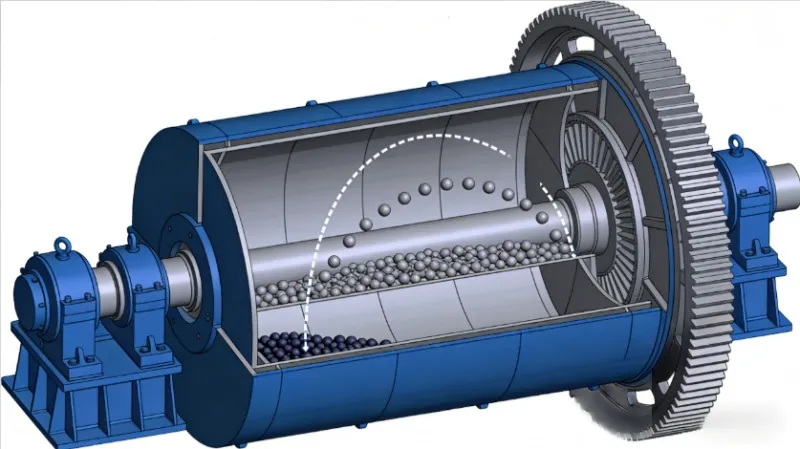
Mineral powders prepared by mechanical shearing and grinding (such as conventional crushing and airflow milling) often exhibit irregular fractures or angular shapes. To achieve a high ball-bearing effect, wet synthesis crystallization control or spheroidization modification equipment is typically required. This ensures the powder possesses extremely high sphericity and a narrow particle size distribution.

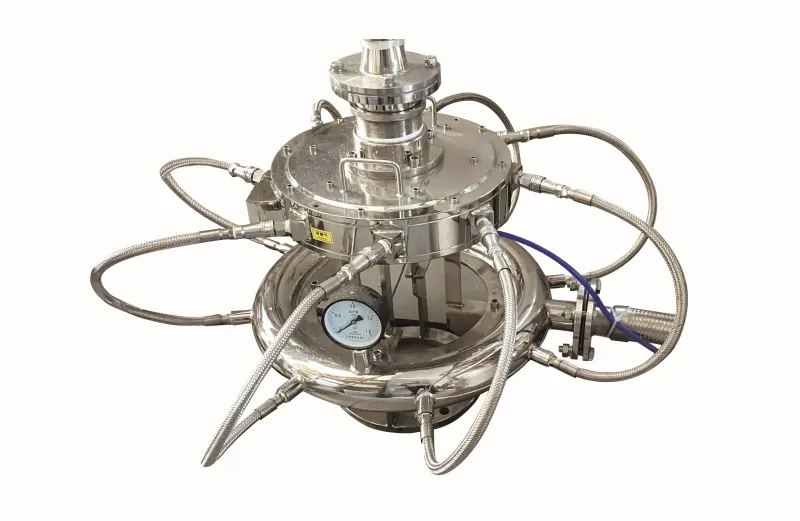
나선형 제트 밀

Why Silicone Resin? — Chemical Nature and Material Properties

Even among spherical powders, Nylon-12, PMMA microspheres, polyurethane powder, and silicone resin powder exhibit significant differences in their physicochemical behavior:

Extremely low surface energy (20–25 mN/m): Far lower than water and common oils. The powder is hydrophobic and oleophobic, does not easily agglomerate in humid environments, and suppresses oil without absorbing moisture.

Refractive index matching and optical soft focusing (Refractive Index ~1.40–1.42): Spherical light scattering causes incident light to undergo multiple diffuse reflections on the microsphere surface. This physically smooths out fine lines and pore shadows.

Chemical inertness and shear resistance: During high-speed stirring and homogenizing pump shearing processes, the highly cross-linked silicone resin microspheres maintain a stable structure and are not easily broken or swollen.

Low bulk density (1.1–1.3 g/cm³): Significantly lower than heavy silica (~2.2) and talc (~2.7). It gives the system excellent suspension stability and a weightless makeup effect.

Engineering Roles in Liquid and Loose Powder Foundation

In Liquid Foundation: Anti-caking and Rheology Control

Inorganic pigments and fillers in liquid foundation (such as titanium dioxide, iron oxide red/yellow/black) are highly prone to secondary agglomeration due to their high surface energy.

Stereoscopic barrier: Spherical silicone powder acts as a “physical spacer” in the formulation, preventing pigment particles from adsorbing and agglomerating.

Shear thinning aid: When a spreading shear force is applied, the ball-bead effect rapidly reduces the system viscosity, achieving “melt-in-your-mouth” spreadability.

In loose powder: Dispersibility and aerodynamic properties

High flowability (Free-flowing): High sphericity and narrow particle size distribution give loose powder excellent flowability. This ensures extremely even application when fluidized by airflow or picked up by a powder puff.

Physical oil control and light scattering: Microspheres embedded in the micro-gaps of the foundation film physically disperse the optical reflection of the continuous oil film, achieving a matte finish.

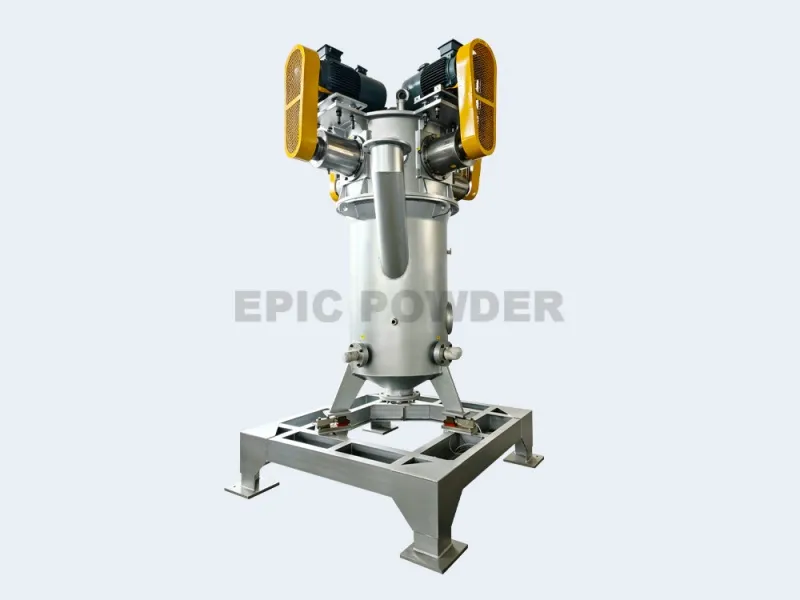
제트 밀 MQW-60-1

Horizontal Comparison of Common Cosmetic Powders

파우더 타입입자 형태학Processing / SourceSilky TouchSoft-Focus EffectOil ControlBulk Density비용
Spherical Silicone Resin PowderPrecision MicrospheresChemical Synthesis / Controlled Crystallization★★★★★★★★★★★★★☆☆낮은높은
Porous SilicaSpherical / PorousSol-Gel Method / Calcination★★★☆☆★★★★☆★★★★★매우 낮음중간
PMMA MicrospheresSphericalSuspension Polymerization★★★★☆★★★★☆★★☆☆☆낮은중간
Talc / MicaPlate-likeMechanical Impact Mill / Jet Mill★★☆☆☆★☆☆☆☆★★☆☆☆높은낮은

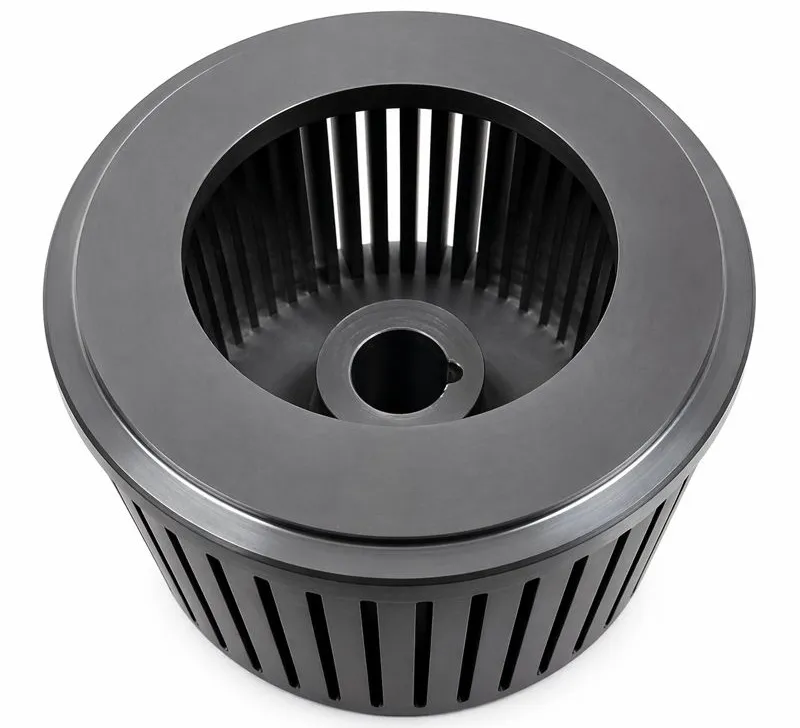
In-Depth Extension: The Key Role of Ultrafine Grinding and 분류 Equipment in Formulation

The high cost and superior performance of spherical silicone resin powder are closely related to its underlying fine powder processing technology:

Ultrafine Classification:

fter synthesis, microspheres must undergo high-precision air classifiers (such as vertical turbine classifiers) to remove excessively large particles (>15μm to avoid a gritty feel) and excessively small particles (<1μm to avoid clogging pores). This ensures an extremely narrow normal particle size distribution.

Dispersion and De-agglomeration:

Before adding to the liquid system, the powder needs to be pre-dispersed using a vertical sand mill, high-pressure homogenizer, or airflow fluidized bed. This eliminates electrostatic secondary agglomeration and releases the physical activity of the monodisperse spherical particles.

표면 개조:

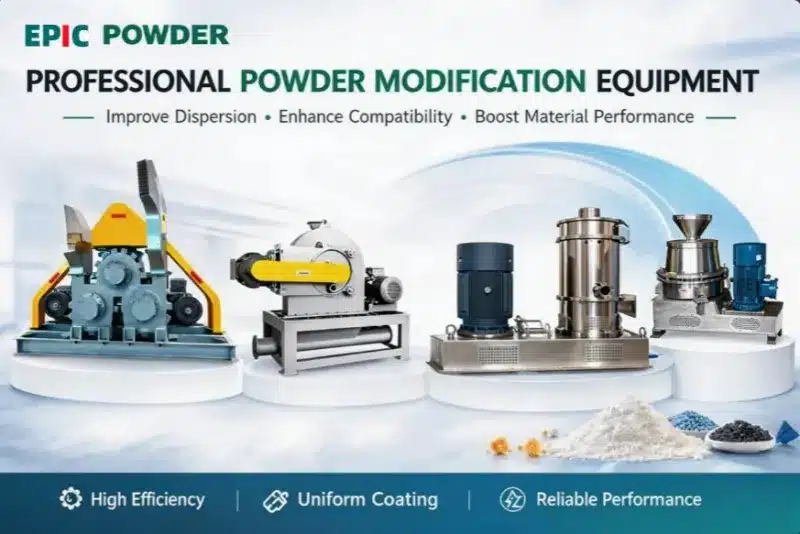
Continuous powder surface modification machines are typically used to modify the surface of spherical microspheres with specific coupling agents or fluorides. This further enhances their hydrophobic and oleophobic properties and dispersion stability in the oil phase.

결론

Spherical silicone resin powder represents both chemical synthesis and advanced powder technology in consumer goods.

By regulating geometry and particle size through precision classification equipment, each invisible microsphere acts as a “miniature ball bearing.” Collectively, they build the core competitive barrier of modern high-end cosmetics.


에밀리 첸

“"읽어주셔서 감사합니다. 제 글이 도움이 되었으면 좋겠습니다. 아래에 댓글을 남겨주세요. 추가 문의 사항이 있으시면 젤다 온라인 고객 상담원에게 문의하셔도 됩니다."”

— 에밀리 첸 게시글
문의하기

당사 전문가가 6시간 이내에 연락하여 기계 및 프로세스에 대한 귀하의 요구 사항을 논의해 드립니다.

    다음을 선택하여 인간임을 증명하십시오. 열쇠.

    관련 게시물