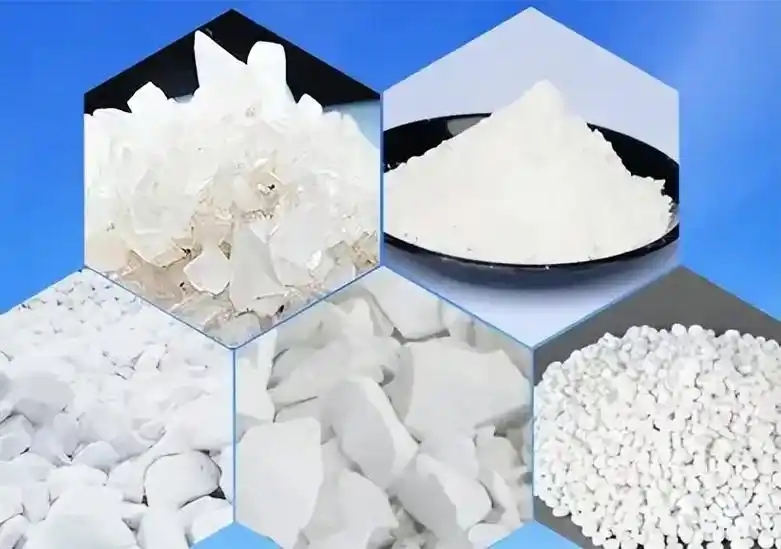
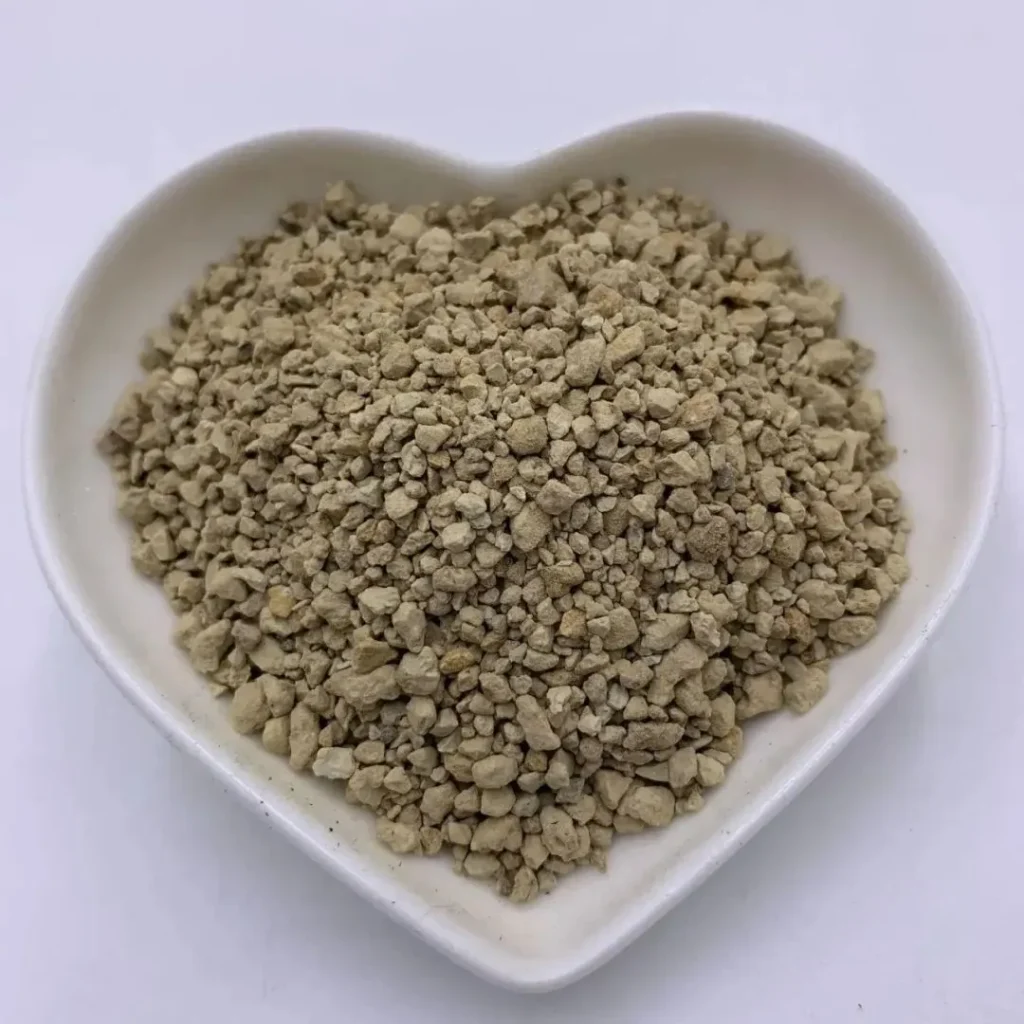
Malzeme Bilgileri

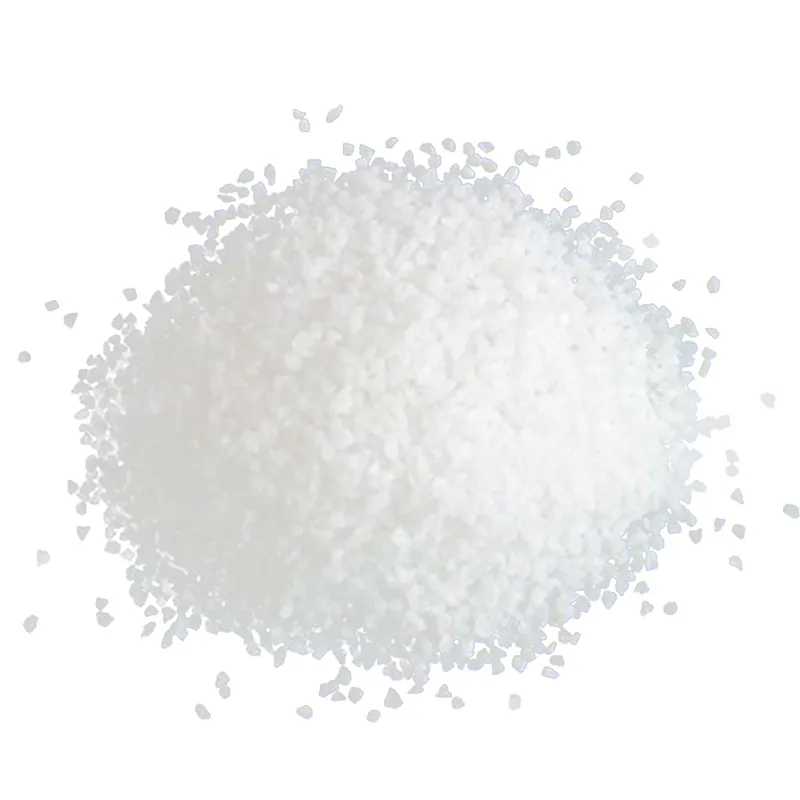
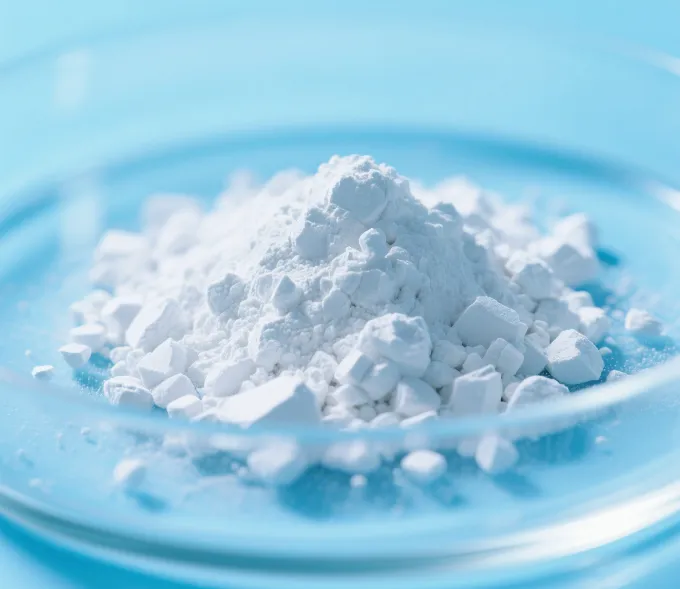
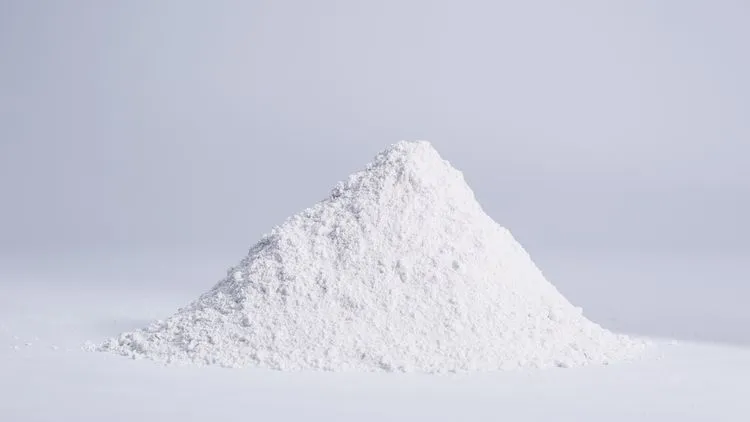
Toz halindeki malzemeler, ilaç, metalurji ve eklemeli imalat dahil olmak üzere birçok endüstride hayati öneme sahiptir. Mikrometreden milimetreye kadar değişen boyutlardaki bu ince parçacıklar, benzersiz özelliklere sahiptir ve birçok uygulama için uygundur. Tozların özelliklerini ve davranışlarını bilmek çok önemlidir. Bu, süreçleri optimize etmek ve istenen sonuçları elde etmek için hayati öneme sahiptir.

Toz halindeki malzemelerde en önemli faktörlerden biri parçacık boyutu ve dağılımıdır. Bu faktörler, tozların akışkanlığını, paketleme yoğunluğunu ve reaktivitesini önemli ölçüde etkiler. Katmanlı üretimde, dar bir parçacık boyutu aralığı katman homojenliğini artırabilir. Bu da nihai üründe daha iyi mekanik özelliklere yol açar.

Bir diğer önemli husus ise parçacıkların morfolojisidir. Toz halindeki malzemelerin şekli ve yüzey dokusu, işleme sırasındaki davranışlarını etkileyebilir. Küresel tozlar, düzensiz şekilli parçacıklara göre daha iyi akar ve paketlenir. Bu nedenle, 3D baskı için idealdirler.

Ayrıca, toz halindeki malzemelerin kimyasal bileşimi, ilaç sektörü gibi alanlarda kritik öneme sahiptir. Bu alanda saflık ve tutarlılık hayati önem taşır. Üreticiler, tozların sıkı kalite standartlarını karşıladığından emin olmalıdır. Bu, nihai ürünlerin etkinliğini ve güvenliğini garanti altına almak içindir.

Son olarak, toz halindeki malzemelerin nasıl saklanacağı ve kullanılacağını anlamak çok önemlidir. Bu, kirlenmeyi ve bozulmayı önler. İyi teknikler tozların bozulmadan kalmasını sağlar. Böylece, amaçlanan kullanımlarında iyi performans göstereceklerdir.

Sonuç olarak, toz halindeki malzemelerle ilgili bilgiler birçok faktörü içerir. Bunlar arasında parçacık boyutu, morfoloji, kimyasal bileşim ve işleme yöntemleri yer alır. Toz halindeki malzemeleri kullanarak ürünlerini yenileyen ve geliştiren endüstriler için bu unsurların kapsamlı bir şekilde anlaşılması hayati önem taşır.

PVC

How to Determine if Calcium Powder Residue Affects PVC Product Performance

Calcium powder residue can significantly influence the performance and quality of PVC products. This article outlines key methods to identify whether calcium powder residue is the culprit behind performance issues, ensuring you maintain optimal product standards. 1. Appearance Inspection The first step in identifying issues is to observe surface gloss, color uniformity and whether there […]

How to Determine if Calcium Powder Residue Affects PVC Product Performance Devamını oku "»

Adhesives

Application of Powder in Adhesives

Adhesives, as an important industrial cornerstone, are used in many key fields. Such as construction, automobile manufacturing, electronics industry and packaging, highlighting their indispensable significance. In these applications, powder as the key additive of adhesives, is like magic in the hands of a magician. It plays a pivotal role and adds infinite possibilities to the

Application of Powder in Adhesives Devamını oku "»

calcium carbonate powder

Thousands of Dollars: The Eight Noble Grades of Calcium Carbonate Products

In recent years, the calcium carbonate industry has faced intense internal competition, marked by aggressive price wars. As a result, the industry’s development model has progressively transitioned toward innovation-driven strategies. At the same time, high value-added products such as modified calcium carbonate, ultrafine heavy calcium carbonate (particle size≤5μm), nano calcium carbonate, calcium carbonate for toothpaste,

Thousands of Dollars: The Eight Noble Grades of Calcium Carbonate Products Devamını oku "»

Layered oxide sodium cathode materials

What are the interface modification strategies for layered oxide sodium cathode materials?

Sodium-ion batteries (NIBs, SIBs, or Na-ion batteries) are several types of rechargeable batteries. They use sodium ions (Na+) as their charge carriers. In some cases, its working principle and cell construction are similar to those of lithium-ion battery (LIB) types. But it replaces lithium with sodium as the intercalating ion. Sodium belongs to the same

What are the interface modification strategies for layered oxide sodium cathode materials? Devamını oku "»

Calcium Carbonate (2)

The Difference Between Activated Calcium Carbonate and Light Calcium Carbonate

Calcium carbonate is a common inorganic compound that widely exists in nature. It is widely used in various industrial fields due to its diverse physical and chemical properties. Among them, activated calcium carbonate and light calcium carbonate are two important calcium carbonate products. They have significant differences in production technology, physical properties and application fields.

The Difference Between Activated Calcium Carbonate and Light Calcium Carbonate Devamını oku "»

Dry grinding

Dry Grinding vs. Wet Grinding: Choosing the Right Method for Nano Powder Production

For nano powder manufacturers, it’s important to achieve the desired particle size. Many aim to reach nano-scale results through dry grinding. However, dry grinding has its challenges. During the grinding process, a significant amount of energy is introduced. It causes the powder temperature to increase rapidly. This temperature rises, combined with the fine particle nature of nano powders, can

Dry Grinding vs. Wet Grinding: Choosing the Right Method for Nano Powder Production Devamını oku "»

Silica Dispersion 1

How to Improve Silica Dispersion in Rubber Compounds

Silica is widely used in rubber manufacturing, particularly in tire production. That is due to its favorable physical properties. However, its strong polarity leads to poor compatibility with rubber molecules. This results in challenges with dispersion. Adding a silica dispersant can help improve the processing performance of rubber compounds by enhancing the dispersion of silica.

How to Improve Silica Dispersion in Rubber Compounds Devamını oku "»

Alumina Powder

How Alumina Powder Improves the Heat Dissipation Performance of Lithium Batteries

To enhance the heat dissipation performance of lithium batteries, researchers have explored various methods. Among these, thermally conductive alumina has emerged as a prominent high-performance filler due to its excellent thermal conductivity, chemical stability, and cost-effectiveness. Currently, thermally conductive alumina is widely utilized in the heat dissipation design of lithium batteries. By incorporating it into

How Alumina Powder Improves the Heat Dissipation Performance of Lithium Batteries Devamını oku "»

Calcium carbonate powder of different particle sizes

Factors Affecting the Whiteness of Calcium Carbonate and Solutions

As an inorganic filler commonly used in plastics, rubber, coatings, and papermaking, the whiteness of calcium carbonate is a key quality indicator. It impacts both the product’s appearance and its market value, as well as its application performance. This article delves into the primary factors influencing the whiteness of calcium carbonate and presents effective solutions.

Factors Affecting the Whiteness of Calcium Carbonate and Solutions Devamını oku "»