Dünya sürdürülebilir teknoloji ve gelişmiş malzemelere odaklanırken, bazı metalik olmayan minerallere olan talep artıyor. 2026 yılı, endüstriyel, teknolojik ve çevresel trendlerin bir araya gelerek pazar önceliklerini yeniden tanımladığı bir dönüm noktası olarak öne çıkıyor. Üreticiler ve yatırımcılar için bu değişimi anlamak sadece pazar istihbaratı değil, operasyonel hayatta kalma ve stratejik büyüme ile de ilgili. 2026'ya damgasını vuracak mineraller sadece emtia değil. Yeşil dönüşümün, dijitalleşmenin ve gelişmiş imalatın itici güçleridirler. Ancak bu değeri yakalamak, doğru mineralleri belirlemekten daha fazlasını gerektirir. İşleme yöntemlerinin ve ekipman kapasitelerinin temelden yeniden değerlendirilmesini gerektirir. Bu makale, 2026'da olağanüstü talep artışı için hazır olan beş metalik olmayan minerali analiz ediyor. Ayrıca, bu metalik olmayan mineralleri yüksek değerli ürünlere dönüştürmek için gerekli olan gelişmiş işleme yöntemlerini de inceliyor. Sadece neyin çıkarılacağını değil, nasıl verimli, sürdürülebilir ve karlı bir şekilde işleneceğini de araştırıyoruz.
1. Yüksek Saflıkta Kuvars
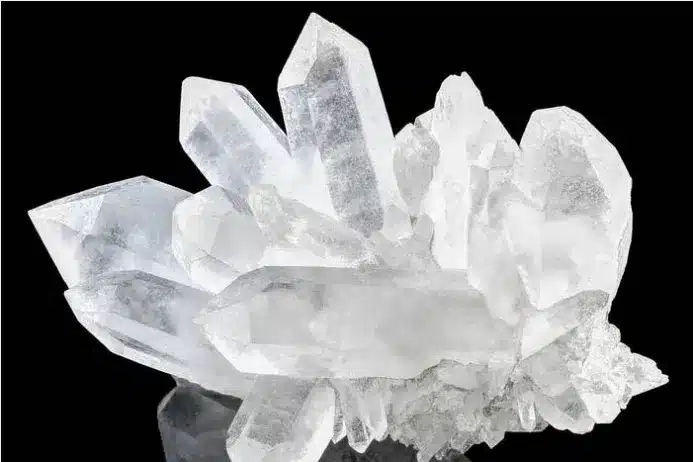
Yarı iletken ve fotovoltaik endüstrileri benzeri görülmemiş bir genişleme evresine giriyor. Yüksek saflıkta kuvars (SiO₂ içeriği >,995%), silikon levhaların, potaların ve güneş pili bileşenlerinin üretiminde temel bir malzemedir. Küresel çip üretim kapasitesinin 2026 yılına kadar % artması ve güneş enerjisi kurulumlarının çift haneli büyüme göstermeye devam etmesiyle, özellikle 4N8 (,998%) ve 5N (,999%) kaliteleri için yüksek saflıkta kuvars talebinin arzı aşması bekleniyor.
Doğal kuvars nadiren bu saflık standartlarını karşılar. Başlıca kirleticiler olan alüminyum, demir, lityum ve potasyumun milyonda bir veya hatta milyarda bir seviyelerine kadar azaltılması gerekir. Geleneksel işleme yöntemleri, aşınma parçalarından kaynaklanan kirlenmeyi önleyerek tutarlı ultra ince öğütme sağlamakta zorlanırken, geleneksel kimyasal liçleme genellikle verimsiz ve çevresel açıdan sorunlu olmaktadır.
Başarı, çok aşamalı bir yaklaşıma bağlıdır:
- Kirlenmeden Arındırılmış Ultra İnce Öğütme: Yüksek alümina veya polimer seramik içeren gelişmiş astarlı değirmenler, 10-50 mikron boyuta indirgeme sırasında metalik kirlenmeyi önlemek için gereklidir.
- Yüksek Verimlilik Sınıflandırması: Hassas hava sınıflandırıcıları, safsızlıkları izole etmek için parçacıkları yalnızca boyutlarına göre değil, şekillerine ve yoğunluklarına göre de ayırmalıdır.
- Termal ve Kimyasal İşleme Entegrasyonu: Modern sistemler, kimyasal tüketimi en aza indiren kapalı devre asit liç reaktörleriyle (saflık için yakıt bazlı ısıtma yerine elektrik bazlı ısıtma kullanarak) kontrollü termal şoku entegre eder.
- Yapay Zeka Destekli Proses Kontrolü: Safsızlık seviyelerinin gerçek zamanlı olarak izlenmesi, parametrelerin dinamik olarak ayarlanmasına ve yüksek kaliteli ürün veriminin en üst düzeye çıkarılmasına olanak tanır.
Bu entegre, kirlenmeyi algılayan işleme hattına yatırım yapan üreticiler, yarı iletken tedarik zincirinde yüksek fiyatlar talep edeceklerdir.
2. Spodumen ve Lepidolit
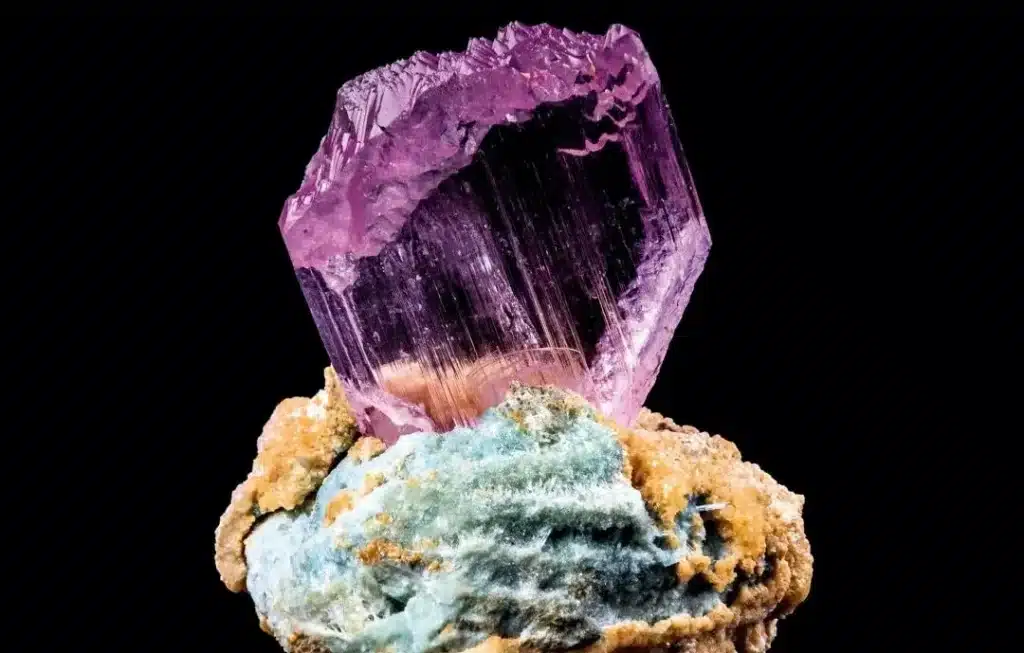
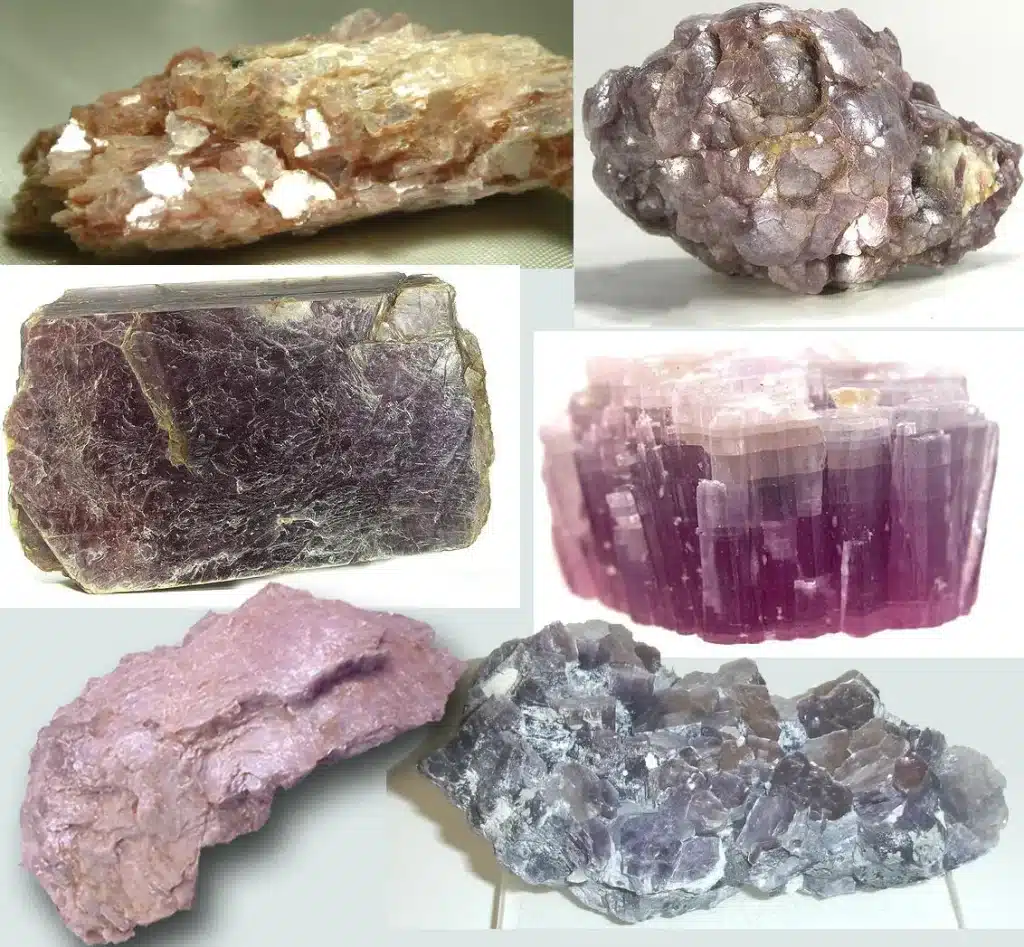
Lityumun kendisi bir metal olsa da, birincil kaynakları olan spodumen ve lepidolit, lityum iyon pil mega trendi için kritik öneme sahip metalik olmayan minerallerdir. Elektrikli araç üretiminin 2026 yılına kadar yıllık 25 milyon adede ulaşması ve yaklaşık 2,5 milyon ton lityum karbonat eşdeğerine ihtiyaç duyması bekleniyor. Otomotiv sektörünün ötesinde, şebeke depolama ve tüketici elektroniği de güçlü bir talep artışını destekliyor.
Sektör iki yönlü bir zorlukla karşı karşıya: yüksek kaliteli kaynaklar tükenirken düşük kaliteli cevherlerin işlenmesi ve özellikle düşük demir, sodyum ve magnezyum içeriği olmak üzere, pil sınıfı kimyasal özelliklerinin titizlikle karşılanması. Geleneksel öğütme ve flotasyon yöntemleri, aşırı öğütme olmadan gerekli ayrışmayı sağlamada genellikle başarısız olur; bu da kavurma ve liçleme işlemlerinde sorunlara yol açar.
Ekipman Gereklilikleri: Odak noktası seçici serbestleştirme ve verimli ayrıştırmaya kaydı:
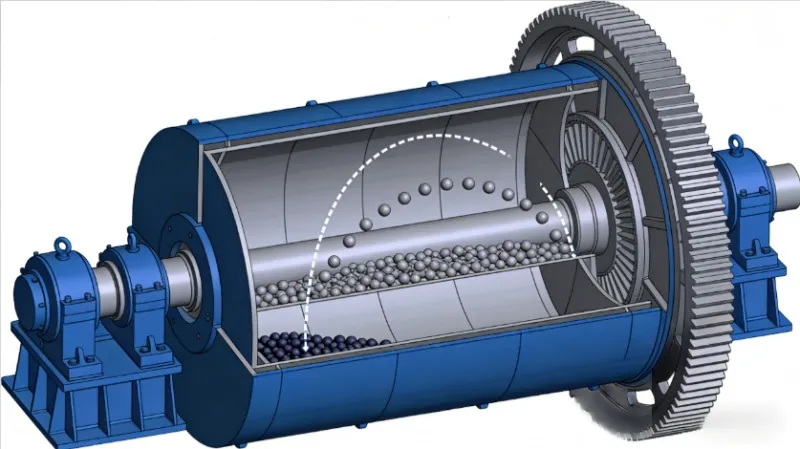
Yüksek Basınçlı Öğütme Merdaneleri (HPGR): Bunlar, bilyalı değirmenlere kıyasla daha düşük enerji tüketimiyle tane sınırları boyunca daha verimli partikül kırılması sağlayarak, sonraki flotasyon performansını iyileştirir.
- Sensör Tabanlı Cevher Ayırma: Yakın kızılötesi ve lazer ayırma teknolojisi, atık kayaları işlemin başlarında uzaklaştırarak, üretilen lityumun tonu başına enerji ve su tüketimini önemli ölçüde azaltır.
- Isıl İşlemler için Dikey Silindirli Değirmenler: Kalsinasyon aşaması için, modern dikey silindirli değirmenler, döner fırınlara kıyasla daha homojen ısı transferi ve hassas sıcaklık kontrolü sağlayarak enerji kullanımını -35 oranında azaltırken dönüşüm verimliliğini de artırır.
- Su Geri Dönüşüm Sistemleri: Madencilik bölgelerinde yaygın olan su kıtlığı yaşanan bölgelerde, gelişmiş filtreleme sistemlerine sahip kapalı devre su sistemleri standart hale geliyor ve tatlı su tüketimini 901.000 tondan fazla azaltıyor.
2026 yılındaki lityum işleme tesisleri, akıllı ekipman seçimleriyle mümkün kılınan enerji ve su verimliliğiyle öne çıkacak.
3. Grafit
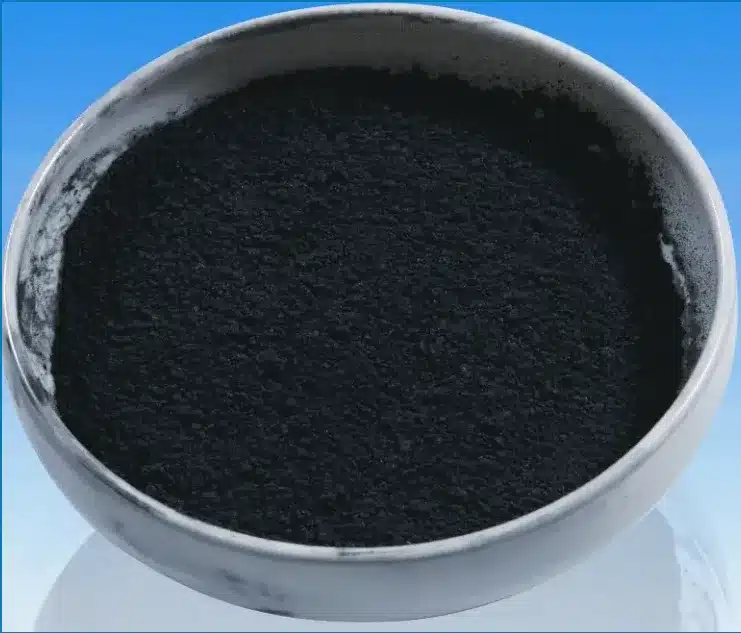
Grafitin rolü önemli ölçüde değişti. Refrakter uygulamalar istikrarlı kalırken, patlayıcı büyüme pil anotlarından (her elektrikli araç 50-100 kg grafit içerir) ve yeni ortaya çıkan grafen uygulamalarından kaynaklanıyor. Sadece anot sınıfı pul grafit pazarının bile 2026 yılına kadar 1,3 trilyonluk bileşik yıllık büyüme oranıyla (CAGR) büyümesi bekleniyor. Ek olarak, alev geciktiriciler için genleşebilir grafit, inşaat ve elektronik sektörlerinden artan talep görüyor.
Farklı uygulamalar, önemli ölçüde farklı özellikler gerektirir. Pil anotları, yüksek saflıkta (>,95% C), doğru boyutta ve optimum şekle sahip pullar gerektirir. Grafen üretimi, kristal yapısına zarar vermeden hassas pul pul ayrıştırma gerektirir. Geleneksel kırma işlemi genellikle pullara zarar vererek değerini düşürürken, kaplamalar için "mikronize" boyutlara (1-10 mikron) kirlenme olmadan ulaşmak zorlu bir iştir.
Kristal yapısının korunması son derece önemlidir:
- Hafif Sallama ve Öğütme: Değiştirilmiş elek sistemleri ve darbe kuvveti yerine kesme kuvveti uygulayan özel değirmenler, pul boyutunu ve yapısını koruyarak, birinci sınıf +80 mesh pulların verimini en üst düzeye çıkarır.
- Ultra İnce Hava Jetli Değirmenler: Mikronize veya küresel grafit gerektiren uygulamalar için, buhar veya azotla çalışan jet değirmenleri, dar parçacık dağılımıyla 10 mikronun altına kadar kirlenme içermeyen boyut küçültme sağlar.
- Yüksek Sıcaklıkta Arıtma: Pil üretiminde kullanılan malzemeler için, hassas sıcaklık profillerine (3000°C'ye kadar) ve inert atmosferlere sahip gelişmiş grafitizasyon fırınları, geleneksel kimyasal arıtma yöntemleriyle tek başına ulaşılamayan saflık seviyelerine ulaşılmasını sağlar.
- Sürekli İşleme Hatları: Kırma işleminden arıtma işlemine kadar entegre sistemler, elle işlemeyi en aza indirerek kirlenme riskini ve işletme maliyetlerini düşürür.
Kötü ve uzman tarafından işlenmiş grafit arasındaki değer farkı oldukça büyüktür; ekipman seçimleri doğrudan karlılığı belirler.
4. Bentonit
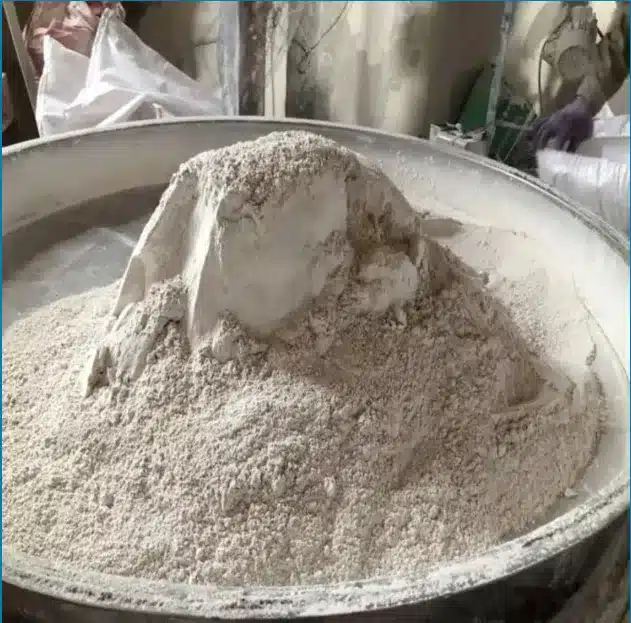
Bentonitin eşsiz şişme ve adsorpsiyon özellikleri, çeşitli sektörlerdeki talebi artırmaktadır. Otomotiv dökümünde kullanılan döküm kumları önemli bir yer tutmaya devam ederken, en hızlı büyüme çevresel uygulamalardan gelmektedir: çöp depolama alanlarının astarları, jeotermal kuyular için sondaj çamuru ve toprak iyileştirme. Ayrıca, demir cevheri peletlemesinde bağlayıcı olarak kullanımı çelik üretimini desteklemektedir. Küresel bentonit pazarının 2026 yılına kadar 1,5 trilyon doları aşması beklenmektedir.
Doğal bentonit, montmorillonit içeriği ve katyon değişim kapasitesi bakımından önemli ölçüde farklılık gösterir. Tutarlılık, endüstriyel alıcılar için çok önemlidir. Geleneksel güneşte kurutma ve kırma yöntemleri tutarsız ürünler ortaya çıkarır. Modern uygulamalar genellikle kristal yapıyı bozmadan şişme kapasitesini optimize etmek için hassas aktivasyon (genellikle sodyum karbonat ile) ve kontrollü kurutma gerektirir.
Kontrollü modifikasyon ve sınıflandırma çok önemlidir:
- Sürekli Aktivasyon Sistemleri: Modern paletli karıştırıcılar veya akışkan yataklı reaktörler, tutarsız parti işlemlerinin yerini alarak bentonit ve aktivatörler arasında homojen temas sağlar.
- Sıcaklık Kontrollü Hızlı Kurutucular: Kenarları aşırı ısıtabilen döner kurutucuların aksine, hassas sıcaklık kontrolüne sahip (tipik olarak 400°F'nin altında) flaş kurutucular, nemi hızla azaltırken şişme kapasitesini korur.
- Ürün Sınıflandırması için Hava Sınıflandırıcıları: Gelişmiş sınıflandırıcılar, bentoniti belirli uygulamalar için özel olarak tasarlanmış farklı parçacık boyutu fraksiyonlarına ayırır; daha ince taneler kozmetik ve ilaç endüstrisi için, daha kalın taneler ise kedi kumu ve dökümhaneler için kullanılır.
- Kompakt Granülasyon Sistemleri: Tozsuz ve akışkan ürünler gerektiren uygulamalar için (örneğin sondaj çamuru), entegre granülasyon sistemleri, şişme özelliklerini koruyan homojen granüller oluşturur.
Bentonit işleme tesisleri için, tutarlı ve spesifikasyonlara uygun ürünlerle birden fazla pazara hizmet verebilme esnekliği, 2026'daki ticari başarının belirleyici unsuru olacaktır.
Bentonit işleme tesisleri için, tutarlı ve spesifikasyonlara uygun ürünlerle birden fazla pazara hizmet verebilme esnekliği, 2026'daki ticari başarının belirleyici unsuru olacaktır.
5. Diyatomlu Toprak
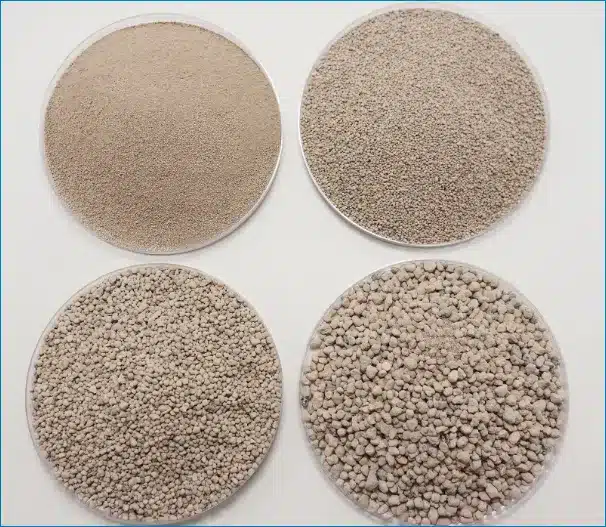
Diatomlu toprak, filtrasyon alanında (bira, şarap, ilaç, yüzme havuzları) istikrarlı büyümesini sürdürürken, tarımda (doğal pestisit taşıyıcı ve toprak düzenleyici olarak) ve gelişmiş malzemelerde (kompozit dolgu maddesi, katalizör desteği) yeni uygulamalar pazarını genişletiyor. Sentetik filtrelere ve katkı maddelerine doğal alternatifler arayışı, özellikle yüksek saflıkta, gıda sınıfı diatomlu toprağa olan talebi destekliyor.
DE'nin hassas fosilleşmiş yapısı, yüksek gözenekliliğini ve yüzey alanını korumak için işleme sırasında muhafaza edilmelidir. Aşırı agresif öğütme bu özellikleri yok eder. Ek olarak, doğal DE, asit yıkaması yapılmadan (birçok gıda sınıfı uygulama için) uzaklaştırılması gereken değişen kil ve silt içeriği içerir. Parlaklığı ve sertliği artırmak için kalsinasyon, gözeneklerin sinterlenmesini önlemek için dikkatlice kontrol edilmelidir.
Hassas kullanım ve doğru ısıl işlem:
- Düşük Hızlı Aşındırma Frezeleri: Bunlar, yüksek hızlı çekiçli değirmenlerin aksine, diyatom kabuklarını tahrip etmeden agregaları parçalayan nazik bir boyut küçültme işlemi sağlar.
- Çok Aşamalı Hava Sınıflandırması: Ardışık sınıflandırıcılar hem büyük boyutlu hem de ince kil/çamur kirleticilerini uzaklaştırarak, belirli filtrasyon hızları için optimize edilmiş tutarlı parçacık boyutu dağılımları üretir.
- Kontrollü Atmosferli Döner Kalsiyumlaştırıcılar: Parlatılmış veya akı ile kalsine edilmiş DE üretimi için, hassas sıcaklık bölgelerine ve kontrollü oksijen seviyelerine sahip modern kalsifikasyon cihazları, gözenek çökmesi olmadan parlaklık ve sertliği optimize eder.
- Otomatik Parti Hazırlama ve Karıştırma: Katma değerli ürünler, örneğin karışım halindeki filtre yardımcıları için, otomatik sistemler, müşterinin tam spesifikasyonlarını karşılayan tutarlı karışımlar sağlar.
Sıradan DE ürünleri ile birinci sınıf özel ürünler arasındaki fark, işleme inceliğinde yatmaktadır; nazik ve kontrollü sistemler yüksek kar marjları sağlar.
Epic Powder'ın Avantajı: 2026'nın Mineralleri İçin Mühendislik Çözümleri
Epic Powder olarak, yarının maden fırsatlarının bugünün teknolojik hazırlığını gerektirdiğinin farkındayız. Ekipman çözümlerimiz, yukarıda belirtilen zorluklara özel olarak tasarlanmıştır:
Ultra ince, kirlenmeye duyarlı işleme için:
Bizim Seramik Kaplı Jet Değirmenleri ve Sınıflandırıcılar Yüksek saflıkta kuvars ve pil minerali işleme için en üstün çözümü sunar. Gelişmiş seramikten üretilen aşınma parçalarıyla, metalik kirlenmeyi ortadan kaldırırken 1 mikrona kadar dar parçacık dağılımları elde ederler. Entegre sensör sistemleri, parçacık boyutunu gerçek zamanlı olarak izleyerek, eşsiz bir tutarlılık için kapalı döngü kontrolü sağlar.
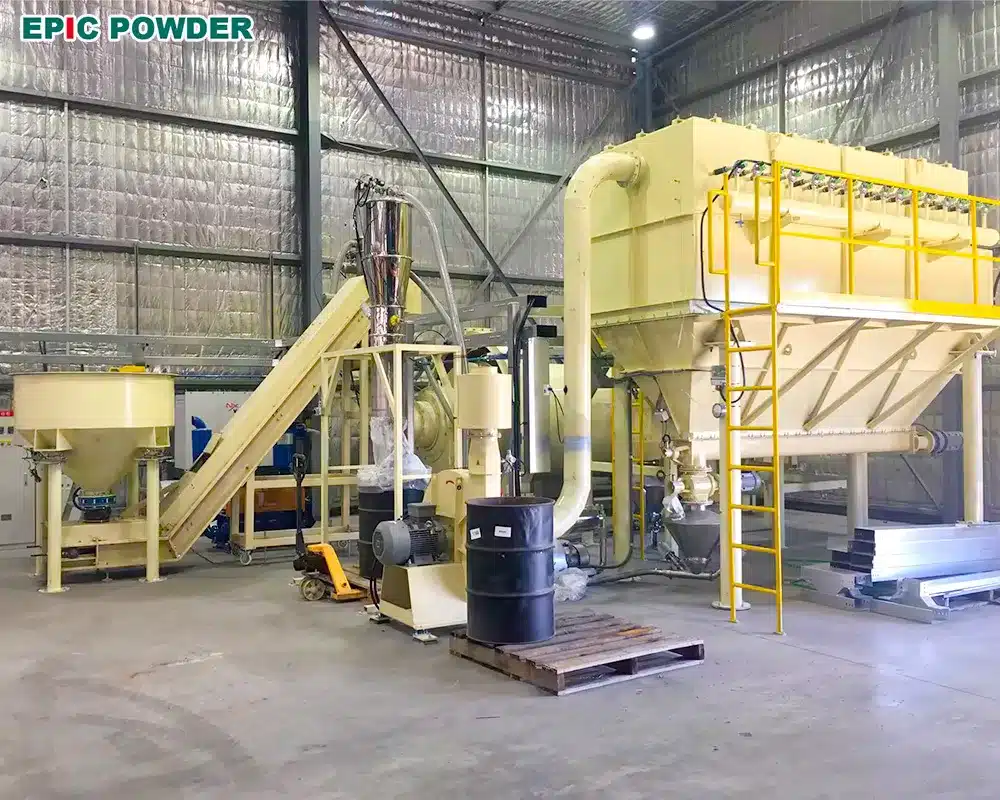
Enerji Verimliliği Sağlayan Boyut Küçültme İçin:
O EPIC Dikey Silindirli Değirmen Serisi Geleneksel bilyalı değirmenlere göre 30-501 ton daha az enerji tüketerek öğütme verimliliğinde bir atılımı temsil etmektedir. Özellikle lityum mineralleri ve bentonit için etkili olan dikey değirmenlerimiz, tek bir ünitede eş zamanlı kurutma, öğütme ve sınıflandırma imkanı sunarak, alan ihtiyacını ve operasyonel karmaşıklığı azaltırken olağanüstü ürün homojenliği sağlamaktadır.
Gelişmiş Sınıflandırma ve Sıralama İçin:
Bizim Turbo Hava Sınıflandırıcıları Ayarlanabilir rotor tasarımları, benzeri görülmemiş bir keskinlikle 3 ila 150 mikron arasında kesim noktaları elde etmeyi sağlar. Sensör tabanlı ön ayırma teknolojisiyle birleştirildiğinde, bu, üreticilerin ister +80 mesh grafit pulları isterse hassas bir şekilde sınıflandırılmış bentonit olsun, birinci sınıf ürün fraksiyonlarının verimini en üst düzeye çıkarmalarını sağlar.
Entegre, Akıllı İşleme Tesisleri İçin:
Epic Powder, tek tek makinelerin ötesinde tasarımlar sunuyor. Komple İşleme Sistemleri Endüstri 4.0 entegrasyonu ile. Tescilli kontrol sistemlerimiz, makine öğrenimi algoritmalarını kullanarak parametreleri gerçek zamanlı olarak optimize eder, cevher değişkenliğine uyum sağlar ve spesifikasyonlara uygun ürün verimliliğini en üst düzeye çıkarır. Uzaktan izleme ve öngörücü bakım yetenekleri, arıza süresini ve operasyonel riski en aza indirir.
Operasyonunuzu 2026 Fırsat Penceresine Hazırlamak
Burada vurgulanan metalik olmayan mineraller, sadece birer emtia olmaktan öte, dünyanın sürdürülebilir enerjiye, ileri teknolojiye ve sorumlu endüstriyel uygulamalara geçişinde kritik öneme sahip girdilerdir. 2026'da açılacak pazar fırsatı, sadece miktar değil, kalite, tutarlılık ve izlenebilirlik de sunabilen üreticileri ödüllendirecektir.
Gelişmiş işleme ekipmanlarına yatırım yapmak sadece bir sermaye harcaması değil, stratejik bir yeniden konumlandırmadır. Doğru teknoloji:
- Mineral potansiyelini yüksek fiyatlara dönüştürüyor. son kullanıcı spesifikasyonlarını titizlikle karşılayarak
- Operasyonları geleceğe hazırlar Enerji ve su tüketimini azaltarak çevre düzenlemelerinin sıkılaştırılmasına karşı
- Operasyonel dayanıklılığı artırır. otomasyon ve uzaktan yönetim yetenekleri aracılığıyla
- Rekabetçi farklılaşma yaratır. giderek kalabalıklaşan pazarlarda
2026'ya kadar olan zaman çizelgesi kritik önem taşıyor. Bu gelişmiş sistemlerin planlanması, mühendisliği ve kurulumu, çoğu işletme için 12-24 aylık bir zaman dilimi gerektiriyor. Bu geçişe şimdi başlayan üreticiler, talep hızlandıkça maksimum değeri yakalama konusunda avantajlı konumda olacaklar.
Epic Powder'da, mineral üreticileriyle iş birliği yaparak işleme çözümleri tasarlıyor ve uyguluyoruz. Mühendis ekibimiz, kritik metalik olmayan minerallerin özel zorluklarına yönelik özelleştirilmiş yaklaşımlar geliştirmede uzmanlaşmıştır.
Temas etmek Destansı Toz Bugün İşletmenizin 2026 fırsatına nasıl hazırlanabileceğine dair kapsamlı bir değerlendirme için uzmanlarımızla iletişime geçin. Uzmanlarımız mineral yataklarınızı ve işleme zorluklarınızı analiz etsin ve gelişen metalik olmayan mineraller ortamında daha yüksek verimlilik, üstün ürün kalitesi ve artan karlılık için size özel bir yol haritası sunsun.
Destansı Toz
“Okuduğunuz için teşekkürler. Umarım makalem yardımcı olmuştur. Lütfen aşağıya yorum bırakın. Ayrıca EPIC Powder çevrimiçi müşteri temsilcisiyle de iletişime geçebilirsiniz. Zelda Daha fazla bilgi için lütfen iletişime geçin.”
— Jason Wang, Kıdemli Mühendis