目次

How to Modify Inorganic Powders?

In recent years, the usage and demand for inorganic powders have been continuously increasing, and their production is also developing towards ultrafine, specialized, and high-value applications. One of the keys to transforming ordinary powders into high-end functional fillers is surface modification.

炭酸カルシウム粉末コーティング機

How to Modify Inorganic Powders?

Based on whether a chemical reaction occurs on the surface of the inorganic filler, modification methods can be divided into three categories: surface physical modification, surface chemical modification, and composite modification. According to specific processes, they can be further divided into coating methods and surface modification methods. Coating methods include solid-phase methods, liquid-phase methods, and gas-phase methods.

1. Surface physical modification

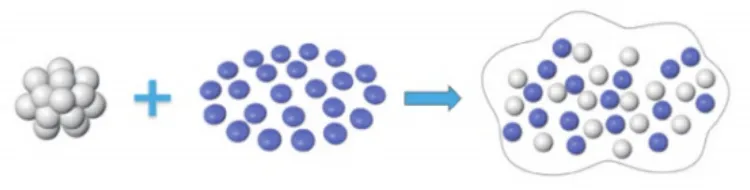
Surface physical modification utilizes inorganic or organic modifiers to form a coating film on the surface of inorganic powders. This process relies on intermolecular forces, such as van der Waals forces and hydrogen bonds. This coating film can alter the surface polarity of the powder, reduce powder agglomeration, and achieve uniform and stable dispersion of the powder.

Inorganic filler surface physical modification mechanism

Physical Coating Modification

Physical coating modification, also known as surface coating modification, is a method for simple modification of the surface of inorganic fillers. It primarily involves using surfactants, water-soluble or oil-soluble polymers, and resins to “coat” the filler surface, thereby achieving surface modification.

Surfactant Modification

Surfactants, with their unique hydrophobic and hydrophilic groups, can significantly alter the properties of material surfaces or interfaces. They have two main characteristics:

  • First, they easily align themselves on material surfaces or interfaces, causing significant changes in properties;
  • Second, they have low solubility and typically exist in micelle form, effectively reducing surface tension.

High-energy surface modification

High-energy surface modification technology utilizes infrared, ultraviolet, electron beam radiation, and plasma to treat inorganic powders.

This adjusts their surface composition and structure, optimizing surface properties.

Plasma modification, in particular, employs a glow discharge plasma system and selects one or more gases as the treatment medium. When evaluating how best to modify inorganic powders? using high-energy techniques compared to chemical methods, plasma modification offers two significant advantages:

  • First, it offers higher temperature and energy density;
  • Second, it can induce physical changes and chemical reactions that are difficult to achieve in conventional chemical reactions.

High-energy modification uses fewer modifiers, thus avoiding environmental pollution. However, due to the complexity of the technology, high cost, limited production capacity, and unstable modification effects, its practical application is relatively limited.

シリカ表面改質装置

2. Surface Chemical Modification

Surface chemical modification of inorganic fillers refers to the chemical reaction between the filler surface and a surface modifier, thereby altering its surface structure and state. Surface modifiers contain polar groups that can react and bond with the filler surface. Their non-polar groups can interact with the matrix, improving the filler’s dispersibility within the matrix and thus enhancing product performance.

Surface Deposition Coating

Surface deposition coating involves initiating a precipitation reaction of inorganic compounds on the surface of filler particles to form one or more coating layers, thereby optimizing the surface properties of the powder.

Surface Chemical Coating

Surface chemical coating is mainly achieved through a series of chemical reactions, such as functional group reactions, free radical reactions, coordination reactions, and sol adsorption. These reactions securely bind functional organic molecules or polymers to the surface of inorganic filler particles, forming one or multiple organic coating layers. These layers not only modify the surface polarity, wettability, and dispersibility of the inorganic fillers, but also enhance the interfacial compatibility between the fillers and the matrix, thereby improving the overall performance of the composite material.

Examples include the sol-gel method, which can be used both for coating ultrafine powders and for synthesizing them. Another approach is the heterogeneous coagulation method. In this process, a dispersant is first added to disperse the two materials. Next, the pH level is adjusted or a surfactant is introduced to impart opposite surface charges onto the coating and core particles. The single-layer coating is then formed via electrostatic attraction. Finally, the surface graft polymerization method connects polymeric materials onto the surfaces of inorganic particles through chemical reactions. A key feature of this method is that the polymer modifier grafted onto the target material is synthesized simultaneously during the modification process.

ピンミルコーティング
ピンミルコーティング

Mechanochemical Modification

Mechanochemical modification refers to a series of changes that occur in inorganic filler particles under mechanical force. These include amorphization, lattice distortion, crystal form transformation, and overall structural deformation of the crystal structure. These changes are accompanied by an increase in the internal energy and temperature of the system, and may also induce free radical formation, increased surface free energy, and externally excited electron emission and plasma region phenomena. This places the particles in a metastable high-energy state.

インターカレーション修飾

When considering how to modify inorganic powders? with layered structures, intercalation modification provides an ideal path. Intercalation modification is a modification method based on the characteristics of layered mineral powder particles. These mineral powder particles have weak interlayer bonding forces (molecular bonds or van der Waals forces) or contain exchangeable cations. The interfacial properties of the mineral powder particles can be significantly altered through ion exchange reactions or specific chemical reactions. This method is suitable for powders with layered crystal structures, such as graphite, montmorillonite, and kaolinite. In these materials, intercalation modification can significantly change their physical and chemical properties, thereby broadening their application range.

3. Composite Modification

Composite modification refers to the simultaneous application of two or more surface modification methods (including physical, chemical, and mechanical methods) to alter the surface properties of inorganic powders, thereby meeting specific application requirements. Common composite modification methods include physical/chemical coating and mechanochemical/chemical coating.

In addition, there are many other surface modification methods, such as encapsulation modification, in-situ modification, and particle fluidized bed CVD coating surface modification.

When determining how to modify inorganic powders? for industrial applications, the specific method used depends on the functional properties of the powder or material. Furthermore, the modification effect is related to the surface modifier and its formulation, as well as the surface modification equipment. Regardless of the method used, the overall economic benefits must be considered in addition to the modification effect.

Conclusion: Advanced Equipment to Modify Inorganic Powders?

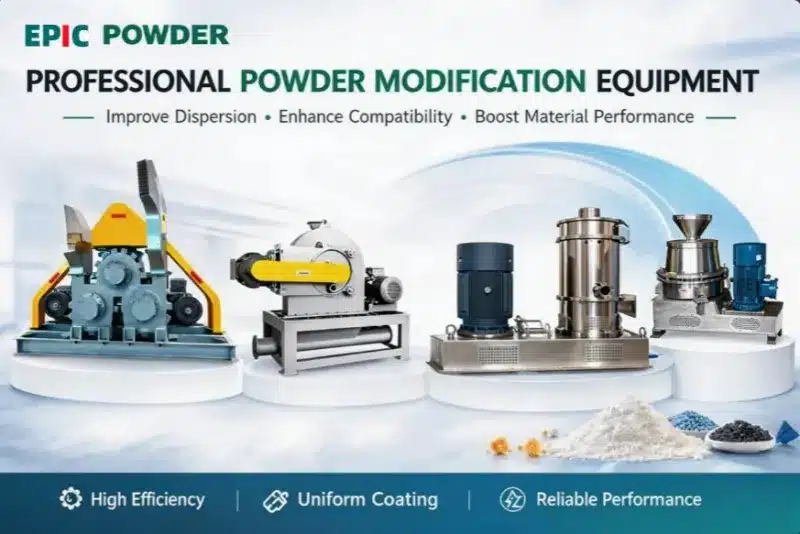
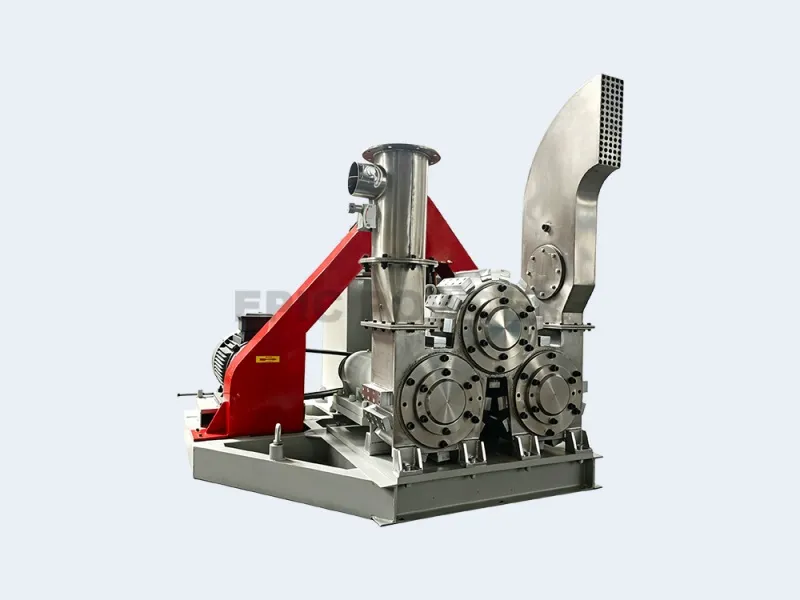
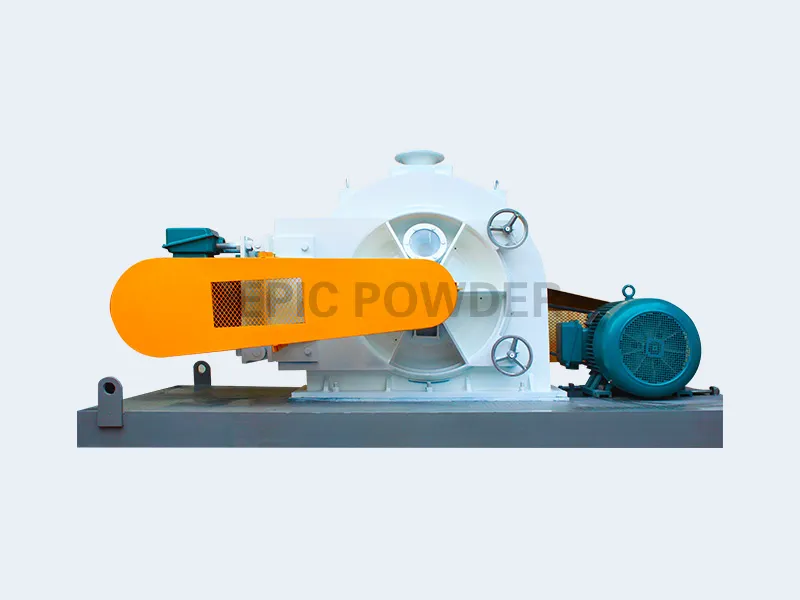
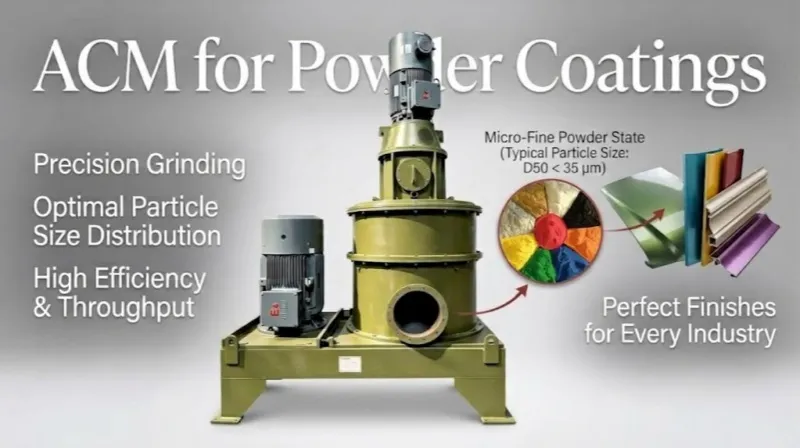
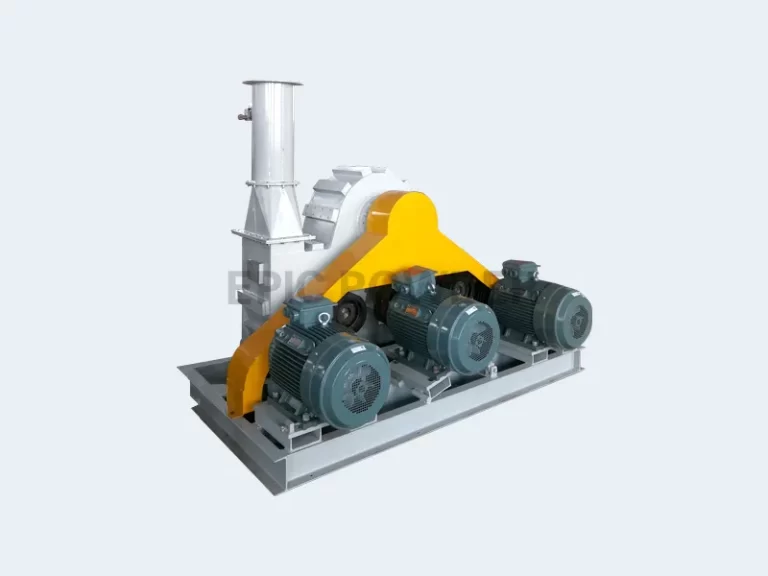
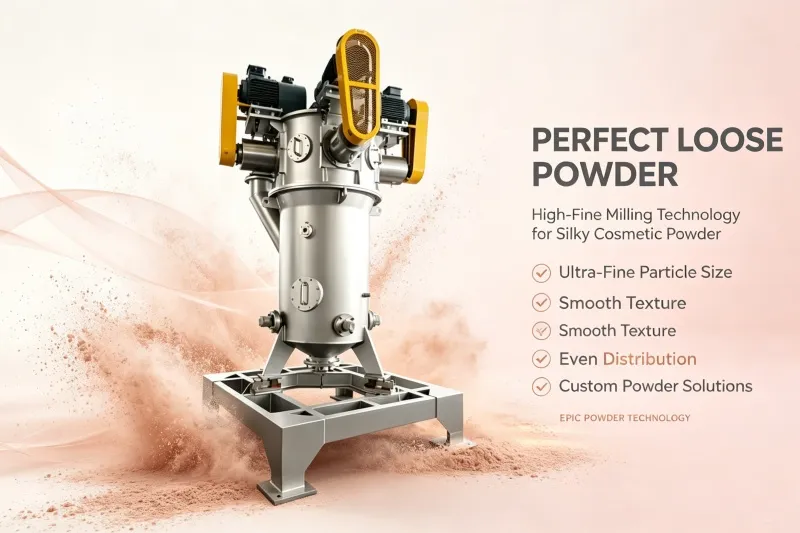
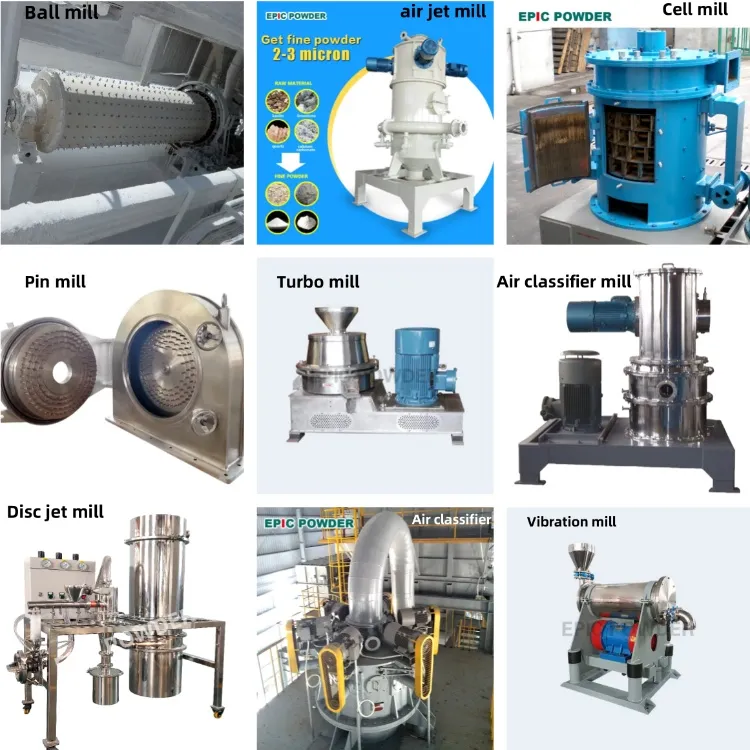
Regardless of whether physical coating, chemical coating, or complex composite modification is chosen, the final effect of surface modification relies heavily on advanced processes and sophisticated equipment. As a professional service provider in ultrafine powder processing and modification, Epic Powder leverages its profound technological expertise. The company has developed a range of high-efficiency modification equipment, including honeycomb mills, continuous three-roller mills, and turb mills.

Epic Powder is committed to transforming cutting-edge surface modification theories into efficient industrial productivity. It not only precisely controls modifier formulations and coating rates but also considers modification uniformity, energy consumption control, and overall economic benefits. Whether it’s improving the dispersibility and compatibility of fillers or creating high-value-added functional powders,

Epic Powder can provide you with customized powder surface modification system solutions, helping ordinary powders achieve a high-end “major upgrade.”


エミリー・チェン

“お読みいただきありがとうございます。この記事がお役に立てば幸いです。ご意見・ご感想は下のコメント欄にお寄せください。その他ご質問がございましたら、ゼルダのオンラインカスタマーサポートまでお問い合わせください。”

— 投稿者 エミリー・チェン
お問い合わせ

弊社の専門家が 6 時間以内にお客様に連絡し、機械とプロセスに関するお客様のニーズについてご相談させていただきます。

    あなたが人間であることを証明するために、

    関連記事