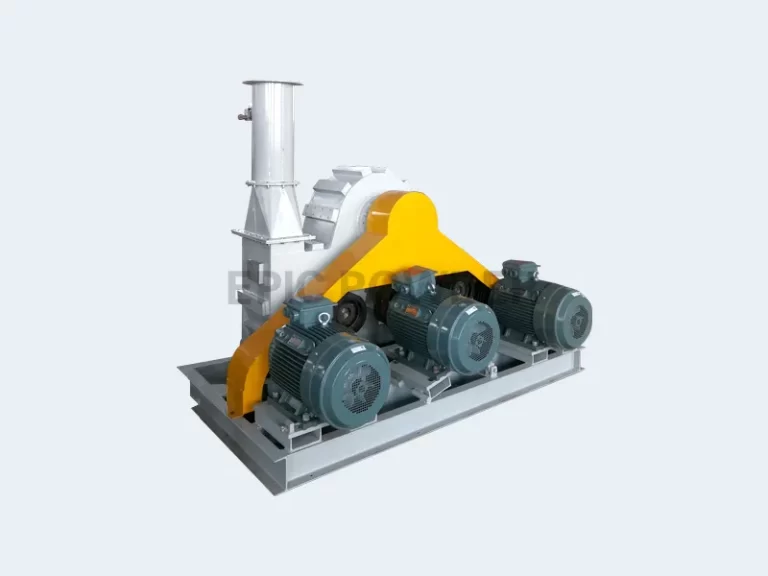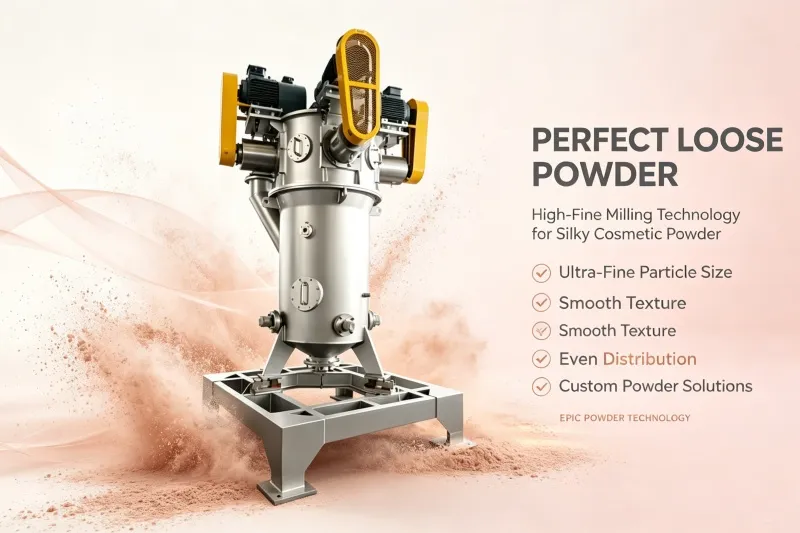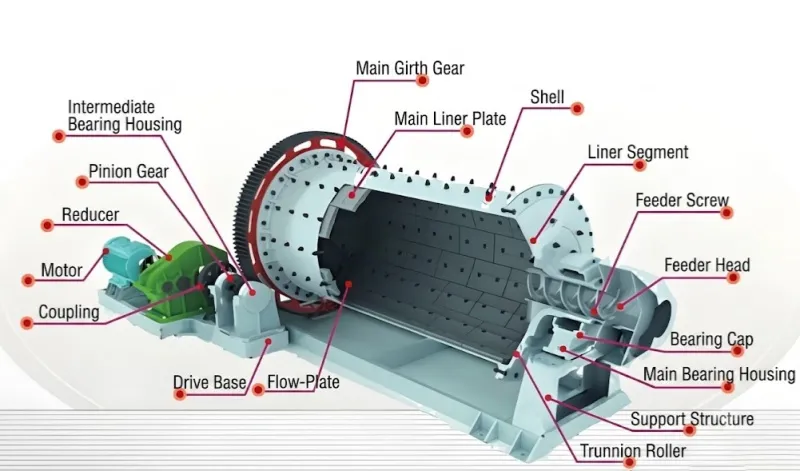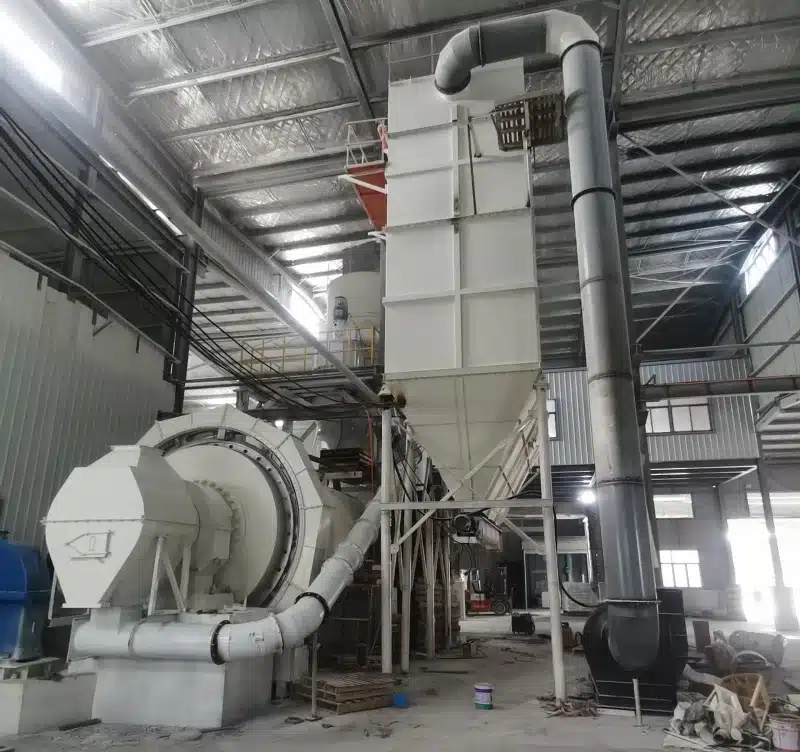
En las industrias químicas y agrícolas modernas, la demanda de azufre finamente molido de alta calidad ha experimentado un aumento significativo. Ya sea para la vulcanización del caucho, la formulación de pesticidas o la producción de fertilizantes de alta calidad, lograr un tamaño de partícula uniforme es fundamental. Específicamente, alcanzar el umbral de "ultrafino" de 325 mallas (aproximadamente 44 micras) requiere más que una simple trituración estándar; exige un proceso sofisticado. Sistema de molienda de azufre Diseñado para la precisión, la eficiencia y, lo más importante, la seguridad.
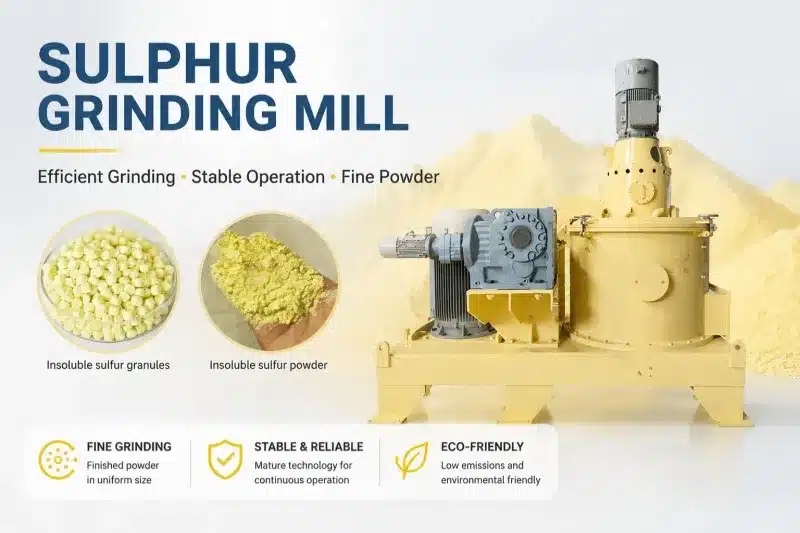
Comprender el desafío de la malla 325
Antes de profundizar en el "cómo", debemos comprender el "qué". Una especificación de malla 325 significa que entre el 951 % y el 991 % de las partículas deben pasar a través de una malla con 325 aberturas por pulgada lineal. Para un material como el azufre, que tiene un punto de fusión relativamente bajo (alrededor de 115 °C) y es muy propenso a la acumulación de electricidad estática y a la combustión, lograr este nivel de finura es una proeza técnica compleja.
1. Conceptos básicos: La mecánica de Molienda fina de azufre
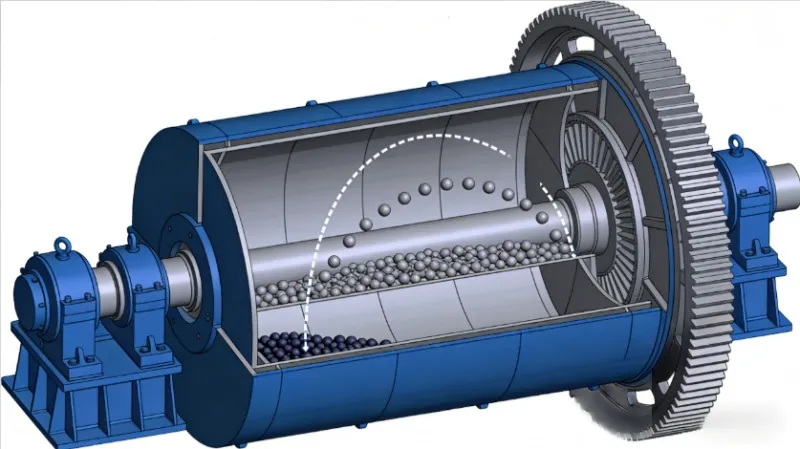
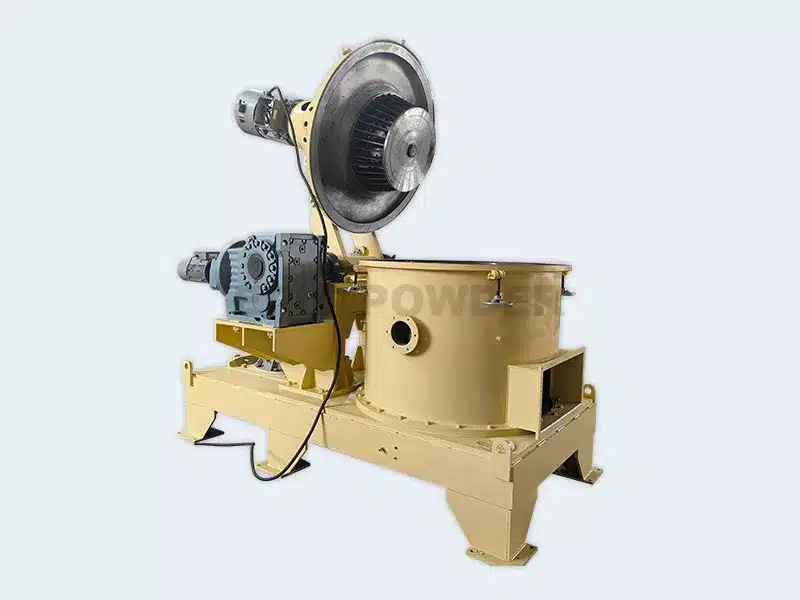
Para alcanzar niveles ultrafinos, un molino de azufre suele emplear tecnologías de molienda por impacto o por chorro. A diferencia de los molinos de bolas tradicionales, que pueden generar calor excesivo, los molinos clasificadores modernos utilizan rotación a alta velocidad y flujo de aire controlado para descomponer las partículas.
- Rectificado por impacto: El material es golpeado por rotores de alta velocidad, lo que provoca que los cristales de azufre se rompan contra los revestimientos.
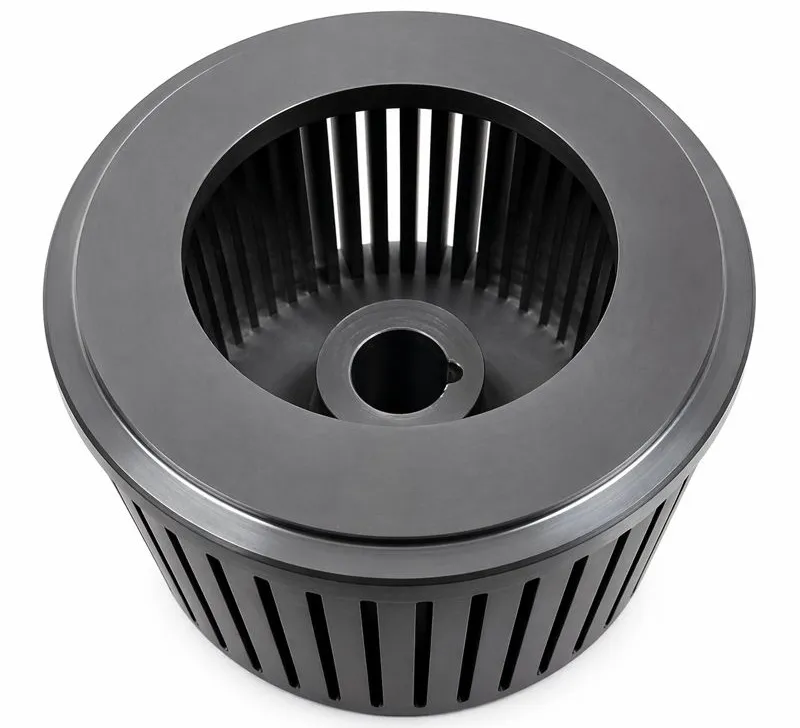
- Clasificación aérea: Este es el “cerebro” del molino. Una rueda clasificadora integrada gira a alta velocidad, permitiendo el paso únicamente de las partículas que han alcanzado el tamaño objetivo de 325 mallas, mientras que las partículas más grandes regresan a la cámara de molienda.
Preguntas frecuentes sobre el procesamiento de azufre ultrafino
Cuando los operadores buscan una malla de 325, suelen surgir varios obstáculos técnicos. A continuación, se abordan las preguntas más importantes:
P1: ¿Cómo se evita que el azufre se derrita durante la molienda a alta velocidad?
El azufre es sensible al calor. La fricción generada durante el proceso de molienda puede elevar rápidamente la temperatura por encima de los 115 °C, lo que provoca que el azufre se ablande, se adhiera al equipo (incrustación) o se derrita por completo.
- La solución: Los molinos especializados incorporan un sistema de flujo de aire de alto volumen o camisas de refrigeración por agua alrededor de la cámara de molienda. Al mantener una temperatura interna estable, el material permanece quebradizo y fácil de pulverizar.
P2: ¿Por qué es esencial la protección con nitrógeno (gas inerte) para una finura de malla 325?
Cuanto más fino sea el polvo, mayor será la superficie expuesta y mayor el riesgo de explosión. Con un tamaño de partícula de 325 mallas, el polvo de azufre es extremadamente volátil.
- La solución: Un sistema de circuito cerrado sustituye el oxígeno por nitrógeno (N2). Al mantener los niveles de oxígeno por debajo de 8%, se neutraliza eficazmente el riesgo de combustión, lo que permite que el molino de azufre funcione a altas velocidades de forma segura.
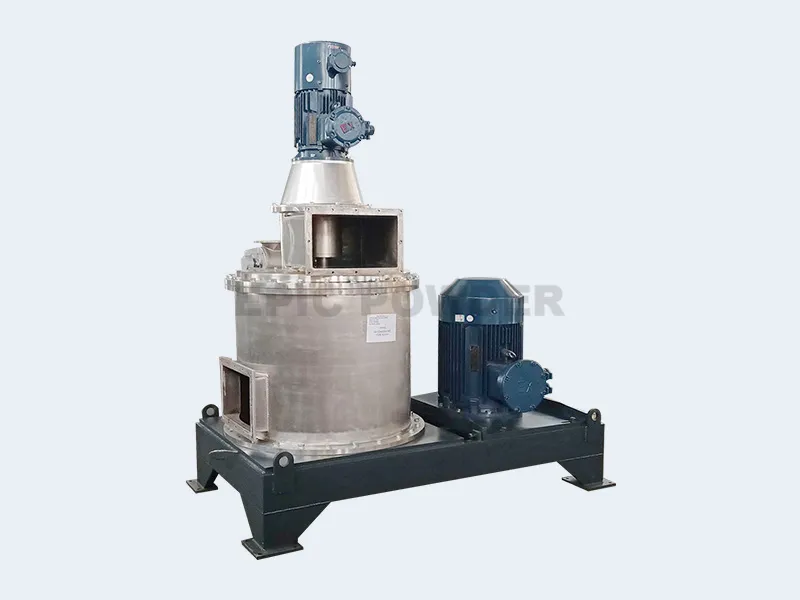
Guía paso a paso: Cómo lograr una malla de 325 de forma consistente
Lograr una producción ultrafina es el resultado de la sincronización de los parámetros mecánicos. Siga estos pasos para obtener resultados óptimos:
Paso 1: Pretratamiento de la materia prima
Asegúrese de que el material de alimentación esté seco y dentro del límite de tamaño recomendado (generalmente <10 mm). El exceso de humedad puede provocar aglomeración, lo que imposibilita alcanzar una granulometría de 325, independientemente de la potencia del molino.
Paso 2: Calibración de la velocidad del clasificador
La finura del polvo es directamente proporcional a la velocidad de la rueda clasificadora. Para alcanzar una granulometría de 325 mallas, el inversor de frecuencia del clasificador debe ajustarse a altas revoluciones por minuto. Esto genera una fuerza centrífuga que rechaza cualquier partícula de tamaño superior a 44 micras.
Paso 3: Gestión del flujo de aire y la velocidad de alimentación
Debe existir un equilibrio entre la alimentación y el flujo de aire. Si la velocidad de alimentación es demasiado alta, el molino se sobrecarga y la distribución del tamaño de partícula (DTP) se amplía. El uso de un alimentador de tornillo automatizado conectado a la carga del motor del molino garantiza un flujo constante y óptimo.
Paso 4: Monitoreo de la presión del sistema
Un entorno de presión negativa estable evita la fuga de polvo y garantiza que las partículas de malla 325 se transporten de manera eficiente al colector ciclónico y al filtro de mangas.
Beneficios de la producción profesional con malla 325
Invertir en un sistema de molienda de azufre de alta gama ofrece varias ventajas estratégicas:
- Reactividad superior del producto: El azufre de malla 325 reacciona mucho más rápido en los procesos químicos en comparación con el de malla 200, lo que aumenta la eficiencia del producto final (por ejemplo, una vulcanización más rápida en la fabricación de neumáticos).
- Suspensión mejorada: En los productos agrícolas pulverizados, el azufre ultrafino permanece en suspensión durante más tiempo, lo que proporciona una cobertura más uniforme en los cultivos.
- Reducción de residuos: La clasificación de precisión garantiza una mínima "sobremolienda", lo que ahorra energía y preserva las propiedades físicas del azufre.
Caso práctico: Éxito en el campo
En un proyecto reciente para un importante proveedor de productos químicos, se instaló un sistema especializado de molienda de azufre para reemplazar un molino mecánico obsoleto. El objetivo era lograr un D90 constante inferior a 45 μm (malla 325) con una capacidad de 2 toneladas por hora.
Mediante la implementación de un sistema protegido con nitrógeno y un Molino clasificador de aire de alta precisión serie MJW, El cliente logró:
- Seguridad: Cero incidentes de incendio durante 12 meses de funcionamiento continuo.
- Consistencia: Una distribución estrecha del tamaño de las partículas que cumplía con las estrictas normas internacionales de exportación.
- Eficiencia: Una reducción del 20% en el consumo de energía en comparación con su intento anterior de fresado por chorro de aire.
Conclusión
La obtención de polvo ultrafino de 325 mallas es un proceso que requiere un equilibrio entre la fuerza mecánica, la clasificación aerodinámica y rigurosos protocolos de seguridad. Mediante el uso de un molino de azufre especializado, equipado con protección de gas inerte y refrigeración avanzada, los fabricantes pueden cumplir con los más altos estándares de la industria, garantizando al mismo tiempo la seguridad de su personal e instalaciones.
Si desea mejorar sus capacidades de procesamiento de azufre, centrarse en la integración del clasificador y la seguridad del entorno de molienda es el camino más seguro hacia el éxito.

“Gracias por leer. Espero que mi artículo les sea útil. Dejen sus comentarios abajo. También pueden contactar al servicio de atención al cliente de Zelda para cualquier otra consulta.”
— Publicado por Emily Chen