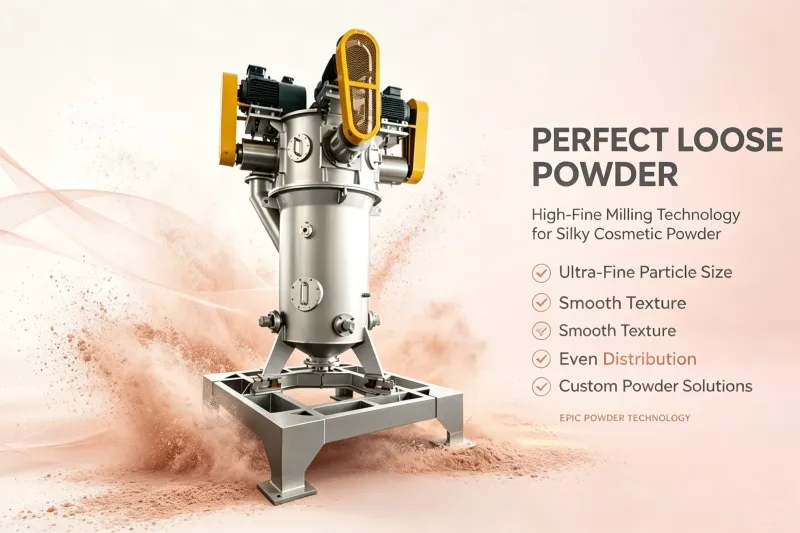
Polvo ultrafino generally refers to particles at the micrometer or nanometer scale. Compared with bulk conventional materials, it has a much larger specific surface area, higher surface activity, and higher surface energy. As a result, it exhibits excellent optical, thermal, electrical, magnetic, and catalytic properties. However, ultrafine powder is highly prone to agglomeration. This tendency causes it to lose many of its excellent properties and severely limits its industrial application. One of the most effective solutions is surface coating modification. Different coating processes require matching powder modification equipment to achieve stable, large-scale production. This article reviews 14 mainstream coating methods and their mechanisms, and then explains how to match them with the right powder modification equipment.
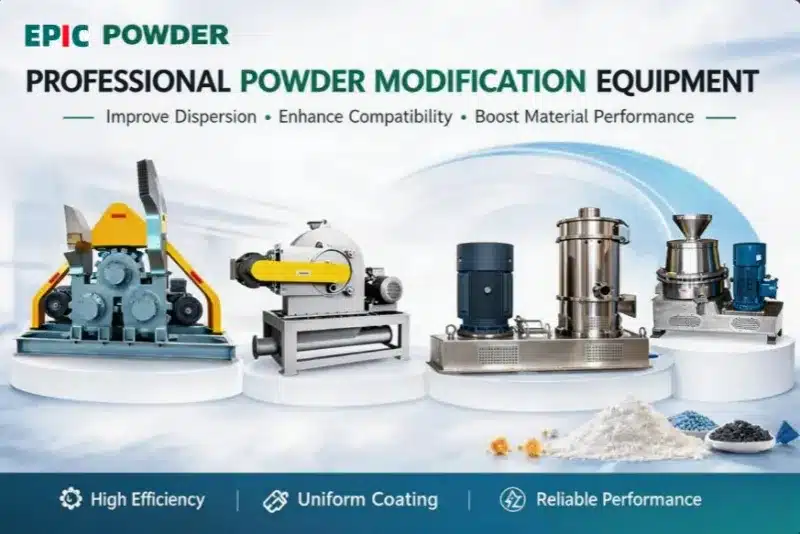
1. Why Ultrafine Powder Needs Surface Coating Modification
Ultrafine powder is a functional material that has been widely used across many sectors of the national economy in recent years. However, its large specific surface area and high surface energy are a double-edged sword: the particles agglomerate easily and lose many of their excellent properties. By applying a surface coating to the powder particles, the particle surface gains new physical, chemical, and functional characteristics. This significantly improves the dispersibility of the particles and their compatibility with other materials. In short, surface coating technology is a key means of solving the agglomeration problem and enabling the industrial application of ultrafine powder.
2. Three Main Coating Mechanisms
The coating mechanism is still under study, and no consensus has been reached. The three mainstream views are as follows:
- Coulomb electrostatic attraction mechanism: The coating agent carries a charge opposite to that of the substrate particle surface. The two attract each other through electrostatic force, so the coating agent adsorbs onto the particle surface.
- Chemical bonding mechanism: A chemical reaction forms strong chemical bonds between the substrate and the coating material. This produces a uniform and dense coating layer.
- Supersaturation mechanism: Viewed from a crystallographic perspective, at a certain pH value and in the presence of a foreign-phase substance, once the solution exceeds its supersaturation, a large number of nuclei form immediately. These nuclei deposit onto the surface of the foreign-phase particles and form a coating layer.
3. Fourteen Surface Coating and Modification Methods for Ultrafine Powder
Based on process characteristics, the 14 methods can be grouped into four categories.
Mechanical-Force Modification
1. Mechanical mixing method:
Mechanical forces such as compression, impact, shear, and friction distribute the modifier uniformly on the outer surface of the powder particles. The various components then interpenetrate and diffuse to form a coating. The main industrial forms of this method are ball milling, stirred milling, and high-speed impact.
- Advantages: Short processing time and easy process control. It supports continuous mass production. It is especially suitable for coating powder particles with resins, waxes, and flowability modifiers.
- Limitations: It only applies to micron-scale powders, and the powder must be mono-dispersed.
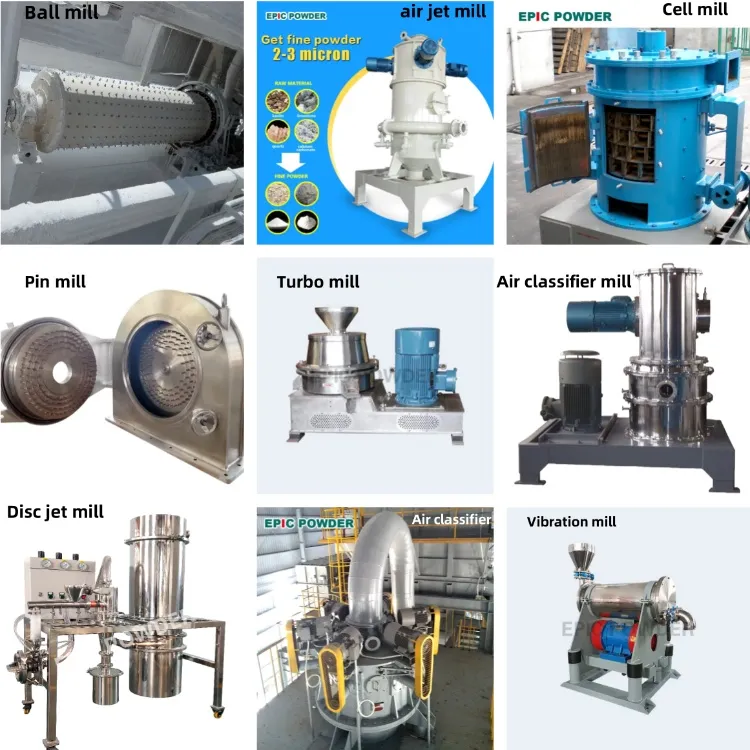
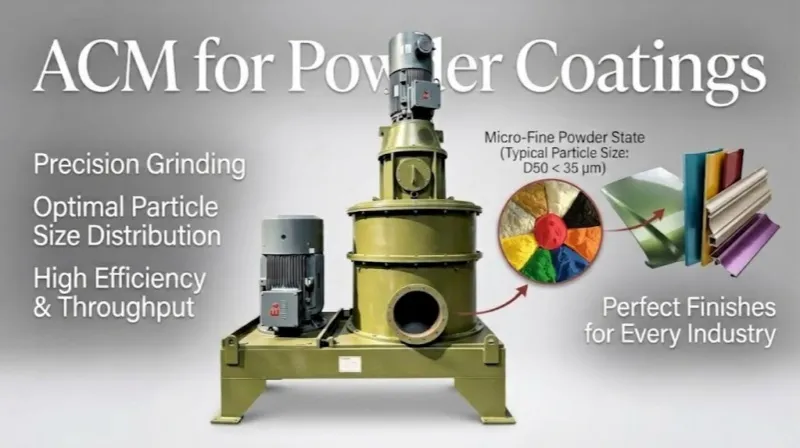
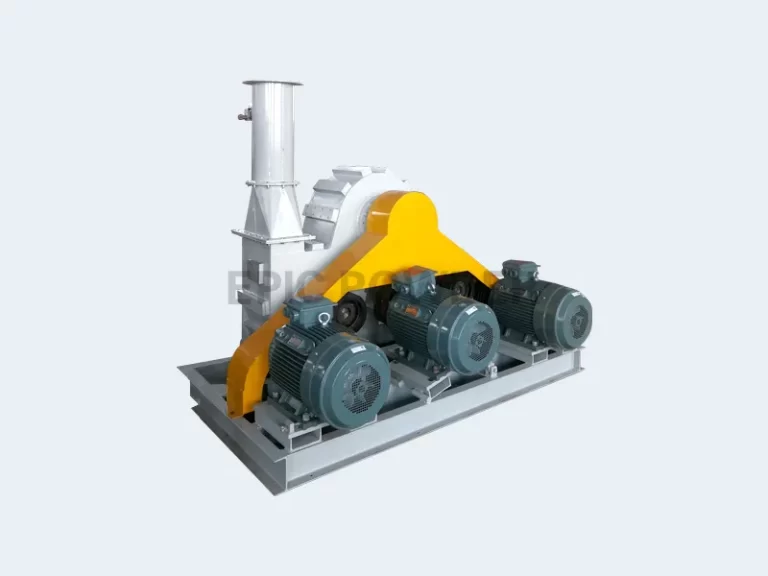
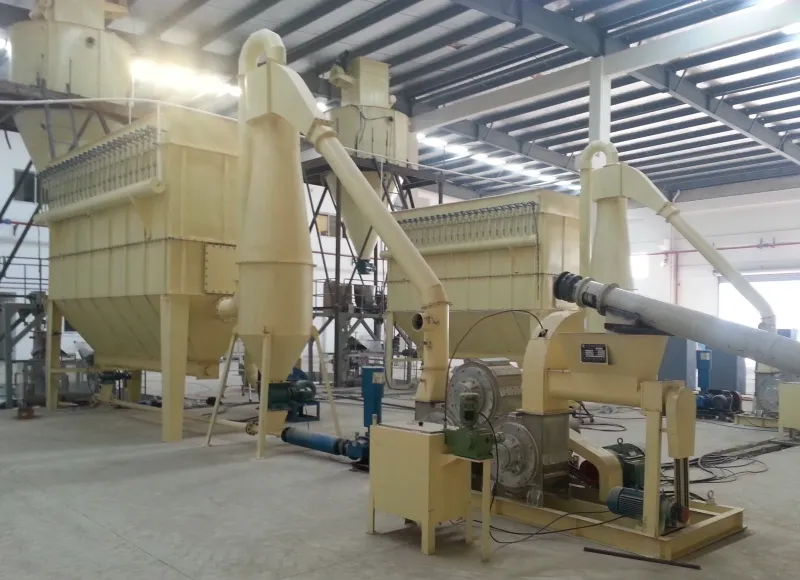
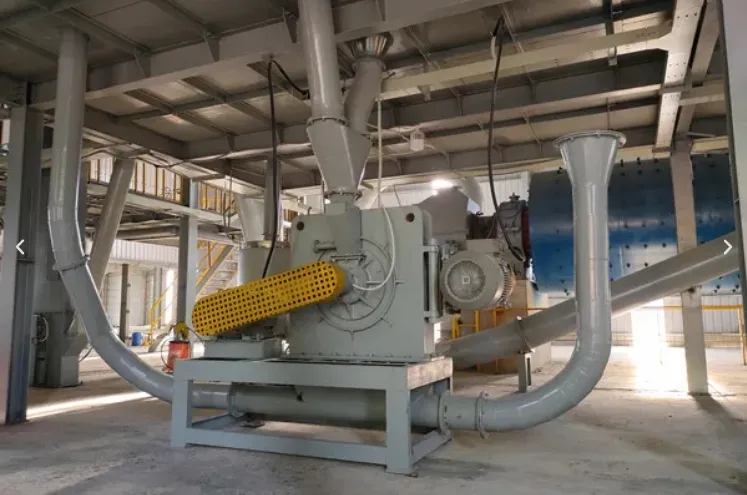
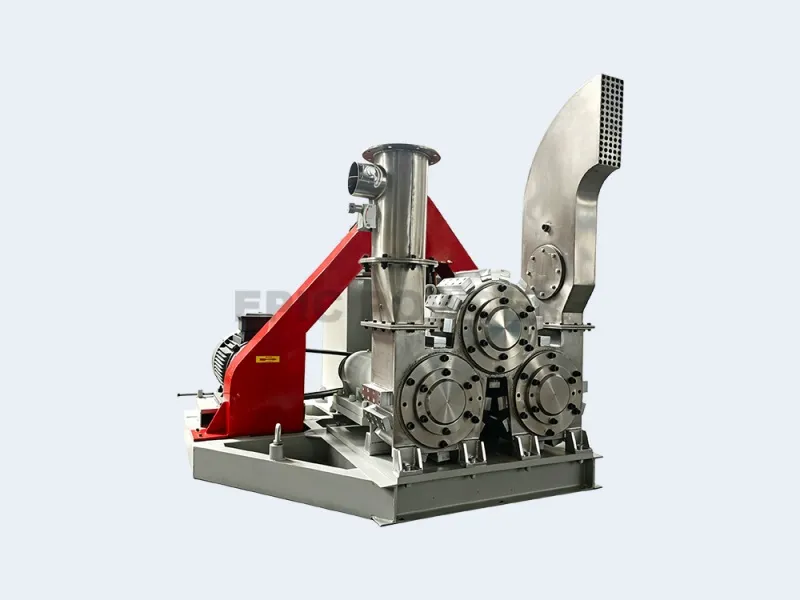
Equipment note: This route depends directly on powder modification equipment — continuous powder surface modification machines, high-speed impact modifiers, stirred mills, and similar units. It is the most widely used route in industrial production lines.
Liquid-Phase Chemical Methods
2. Solid-state reaction method:
Several metal salts or metal oxides are mixed and ground thoroughly according to the formulation. The mixture is then calcined. A solid-state reaction directly yields the ultrafine coated powder.
3. Hydrothermal method:
In a closed system at high temperature and high pressure, water serves as the reaction medium. This creates special physicochemical conditions that cannot be achieved at atmospheric pressure. The precursors dissolve fully and reach a certain degree of supersaturation. Growth units then form, followed by nucleation and crystallization, yielding composite powder. The advantages of the hydrothermal method include: high purity of the core–shell nanoscale powder and a narrow particle size distribution; controllable grain composition and morphology; well-developed grains and low agglomeration; a dense and uniform shell layer; and no need for post-crystallization heat treatment.
4. Sol–gel method:
First, the modifier precursor is dissolved in water (or an organic solvent) to form a homogeneous solution. Hydrolysis or alcoholysis converts the solute into a sol. Next, the pre-treated substrate particles are mixed uniformly into the sol, so the particles disperse evenly. The sol is then treated to form a gel. Calcination at high temperature yields a powder whose surface is coated with the modifier, completing the surface modification. Composite particles made by the sol–gel method offer high purity, good chemical homogeneity, fine particles, and a narrow size distribution. The process is easy to operate and requires simple equipment. It can prepare various functional materials at relatively low temperatures. It has been applied successfully in magnetic composites, luminescent composites, catalytic composites, and sensor manufacturing.
5. Precipitation method:
A precipitating agent is added to a solution containing the powder particles. Alternatively, a substance is added that triggers the in-situ generation of the precipitating agent. The modifying ions then precipitate and deposit on the particle surface, forming a coating. Precipitation coating is often used to coat inorganic oxides onto nanoparticle surfaces. The concentration of metal ions and the release rate and dosage of the precipitant can be controlled conveniently. This makes the method especially suitable for coating micron and submicron powders with inorganic modifiers.
6. Heterocoagulation method:
This method is based on the principle that particles carrying opposite surface charges attract each other and coagulate. When one type of particle is far smaller in diameter than the oppositely charged particles, the small particles adsorb onto the outer surface of the large particles and form a coating layer. The key is to modify the particle surface, or to adjust the pH of the solution directly, in order to change the surface charge of the particles.
7. Microemulsion coating method:
First, the ultrafine powder to be coated is prepared within the tiny water cores of a W/O (water-in-oil) microemulsion. The powder is then coated and modified through microemulsion polymerization. Compared with other nanomaterial preparation methods, the microemulsion method has these features: the particle size distribution is narrow and easy to control; the particle surface is covered with one or more layers of surfactant molecules, so the particles do not easily aggregate and the resulting organosol is stable and can be stored for a long time; and the reaction proceeds at atmospheric pressure and mild temperature, with simple equipment that is easy to implement.
8. Heterogeneous nucleation method:
Based on LAMER’s crystallization theory, this method forms a coating layer through heterogeneous nucleation and growth of modifier particles on the substrate powder. It allows precise control of the coating thickness and chemical composition. In this process, the mass concentration of the modifier is kept between the critical concentration for heterogeneous nucleation and the critical supersaturation concentration. In other words, heterogeneous nucleation coating is a type of precipitation coating that occurs between the critical concentration for heterogeneous nucleation and that for homogeneous nucleation.
9. Electroless plating method:
This refers to the deposition of metal by chemical means without applying an external current. It includes three approaches: displacement plating, contact plating, and reduction plating. It is mainly used to coat metal or composite coatings onto ceramic powder surfaces. This achieves a uniform mixture of ceramic and metal for preparing metal–ceramic composite materials. In essence, metal ions in the plating bath are reduced by a reducing agent under catalytic action. The metal particles then deposit on the powder surface. This is a self-catalyzed oxidation–reduction process, so a metal coating of a certain thickness can be obtained.
(3) Gas-Phase and High-Energy Methods
10. Supercritical fluid method:
This is a new technology still under research. Under supercritical conditions, reducing the pressure induces supersaturation, and a high supersaturation rate can be reached. The solid solute then crystallizes out of the supercritical solution. Because crystallization takes place in a quasi-uniform medium, the process can be controlled more precisely.
11. Chemical vapor deposition (CVD) method:
At relatively high temperatures, a mixed gas interacts with the substrate surface. Certain components of the gas decompose and form a metal or compound coating layer on the substrate. The process generally involves three steps: gas-source generation, gas-phase transport, and surface deposition.
12. High-energy method:
This term covers methods that coat and modify nanoparticles using infrared rays, ultraviolet rays, gamma rays, corona discharge, plasma, and similar high-energy sources. These methods typically use substances with reactive functional groups. Under the action of high-energy particles, these groups react with the powder surface to achieve grafting or coating.
13. Spray pyrolysis method:
A mixed solution of several salts containing the required cations is atomized into a fine mist. The mist is fed into a reaction chamber heated to a set temperature. Thermal decomposition then directly produces fine composite powder particles. The process runs continuously from raw material to finished product.
(4) Composite Film-Forming Methods
14. Microencapsulation method:
This is a surface modification method in which a homogeneous film of a certain thickness is deposited on the powder surface. The microcapsules produced typically range from 2 to 1000 μm in size, with a wall thickness of 0.2 to 10 μm. Microcapsules can change the appearance and form of the core substance without changing its properties. They can control the release conditions of the core material. They can isolate substances that react across phases, allowing long-term storage. They can also conceal toxic substances. The technology is widely used in pharmaceuticals, food, coatings, adhesives, printing, and other fields.
4. How to Select a Method Based on Powder Modification Equipment
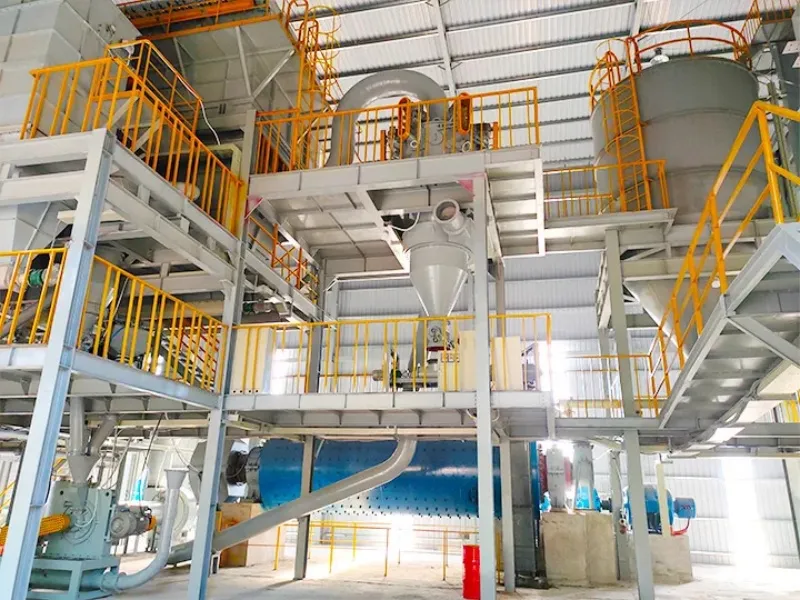
The choice of coating technology should take three factors into account: the properties of the core powder, the properties of the coating material, and the intended application of the modified composite powder. The choice should then be matched to the corresponding powder modification equipment:
- Large-scale industrial production (organic modification with resins, waxes, silane coupling agents, etc.): Prefer the mechanical mixing route. Configure continuous powder surface modification machines or high-speed impact modification equipment. Processing time is short and continuous mass production is supported.
- Nanoscale, high-purity core–shell powders: The hydrothermal method, sol–gel method, and heterogeneous nucleation method are more suitable. These are mainly kettle-type reaction processes, so capital investment and energy consumption are higher.
- Inorganic oxide coating: The precipitation method is mature and easy to control. It fits well with existing wet-process production lines.
- Metal/ceramic composite powders: Electroless plating is the main route. It requires supporting circulation of the plating bath and wastewater treatment.
- Surface grafting and activation: Consider high-energy methods such as plasma or ultraviolet treatment. These units occupy little space and involve no solvent emissions.
5. Conclusión
With the advancement of science and technology, ultrafine powder coating technology will continue to improve. It is expected to produce ultrafine composite particles that are multifunctional, multi-component, and more stable. This will open up broader application prospects for composite particles. In-depth research into ultrafine powder coating mechanisms, together with the combined application of multiple coating methods and powder modification equipment, will be an important development direction in this field.

“Gracias por leer. Espero que mi artículo les haya sido útil. Dejen sus comentarios abajo. También pueden contactar al servicio de atención al cliente de Molly para cualquier otra consulta.”
— Publicado por Emily Chen