目次

粉末粉砕と研削:原理、装置、そして最適なソリューションの選び方

Whether you’re processing 食べ物 ingredients, chemicals, or minerals, selecting the right grinding technology is critical to product quality and production efficiency. This guide covers the core principles of solid particle milling and walks through the key equipment types — so you can make confident decisions for your process.

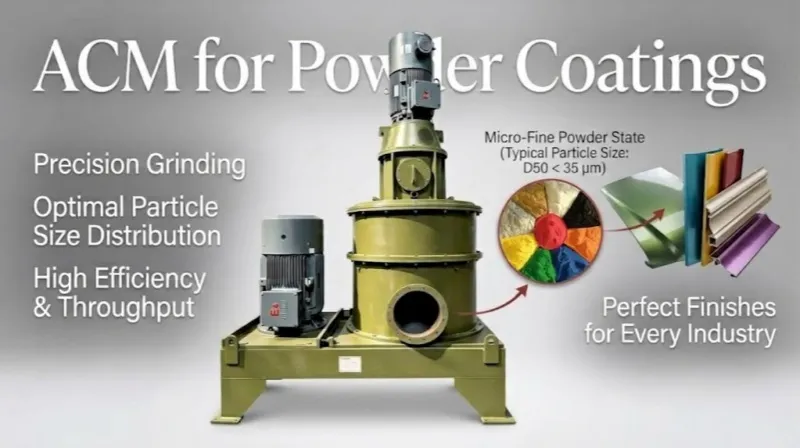
ACM20220420

1. The Fundamentals of Solid Particle Grinding

Grinding — also referred to as milling, size reduction, or comminution — is the process of reducing solid particle size through mechanical action. When mechanical forces are applied to a particle, internal stresses build up until cracks form and the particle fractures into smaller pieces.

Industrial grinding equipment achieves size reduction through several distinct mechanisms:

MechanismHow It Works典型的なアプリケーション
Dual-surface compressionParticles are crushed or sheared between two solid surfacesRoll mills, jaw crushers
Single-surface impactParticles are accelerated and strike a solid surface at high velocityHammer mills, jet mills
Cutting & shearShear forces or pressure waves fracture the particlesColloid mills, disc mills

Grinding can be performed in either dry or wet conditions, and the choice between these significantly affects equipment selection, downstream processing, and product characteristics.

Energy efficiency note: Grinding is one of the most energy-intensive operations in powder processing — yet only 1–2% of the energy consumed actually goes into particle size reduction. The rest is lost to friction and heat inside the mill. Energy optimisation of your grinding circuit is one of the highest-impact cost reduction opportunities in your plant.

Because so many variables affect grinding performance, equipment sizing is largely empirical. At Epic Powder Machinery, we strongly recommend validating your process through lab-scale or pilot-scale trials before committing to full production equipment — and we’re here to support that process.

2. Common Industrial Milling Equipment

Below is an overview of the major grinding equipment types used in industrial powder processing, including their operating principles and typical use 症例.

Roll Mills (Roller Mills)

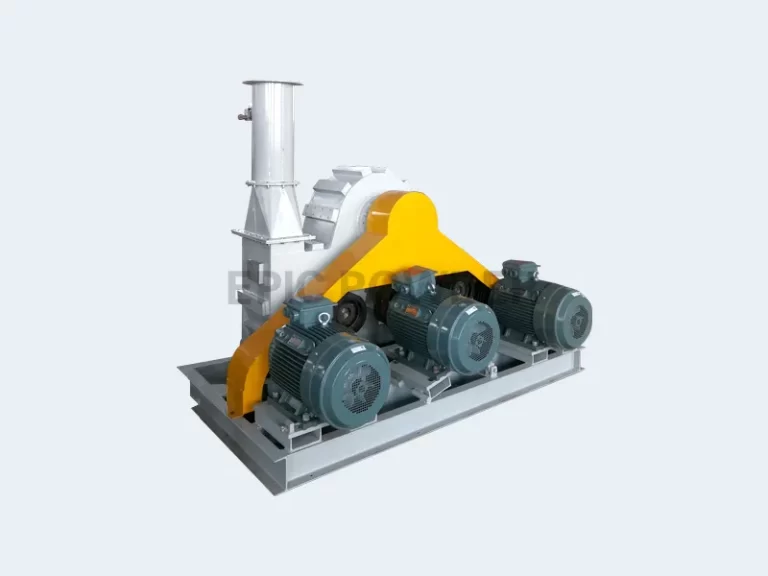
ローラーミル-20220620-2

Roll mills use two counter-rotating rollers. Material is fed between the rollers and subjected to compressive and shear forces as it passes through the gap, reducing particle size. For improved efficiency, multiple roller pairs can be arranged in series with progressively narrowing gaps. Rollers can also be grooved to improve material bite.

High-pressure roll mills (operating at 10–50 bar) deliver significantly enhanced grinding intensity. These systems incorporate spring-release mechanisms to protect against overload when tramp material enters the feed.

Impact Mills

Impact mills achieve size reduction by accelerating material into high-speed impact elements — such as hammers, pins, or beaters — rotating at very high peripheral speeds.

Pin mills (disc mills) feature a stationary disc and a rotating disc, each fitted with multiple pins. Material forced through the pin array is repeatedly struck and broken down.

Hammer mills use a rotating disc fitted with swing hammers that strike material and propel it against the mill casing. Integrated screen meshes can be used to tighten the resulting particle size distribution. High-speed hammer mills (tip speeds of 40–70 m/s) can produce particles below 0.1 mm.

Universal mills are an advanced variant featuring more complex impact elements, grinding tracks, and screen inserts, operating at tip speeds of 40–100 m/s for finer output.

Jet Mills (Air Jet Mills)

エアジェットミル
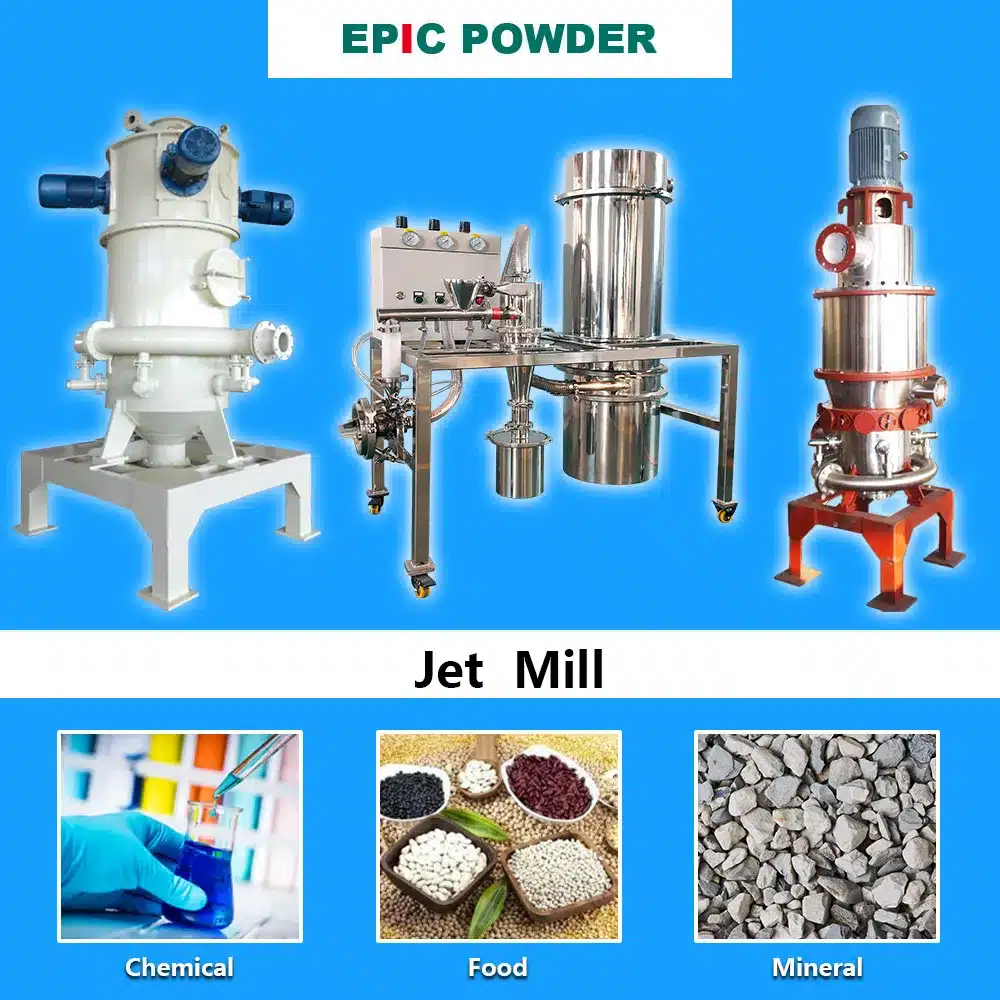
Epic Powderのジェットミル

Jet mills use compressed gas to accelerate particles to very high velocities — up to 250 m/s — before directing them at a static target or a counter-flowing stream of accelerated particles. The kinetic energy of the collision causes fracture without any mechanical contact parts, making jet mills ideal for heat-sensitive or ultra-hard materials.

Because a single pass produces a broad particle size distribution, jet mills are always equipped with an integrated 分類器 that recirculates oversized particles for further grinding until the target particle size is achieved.

Ball Mills — Dry

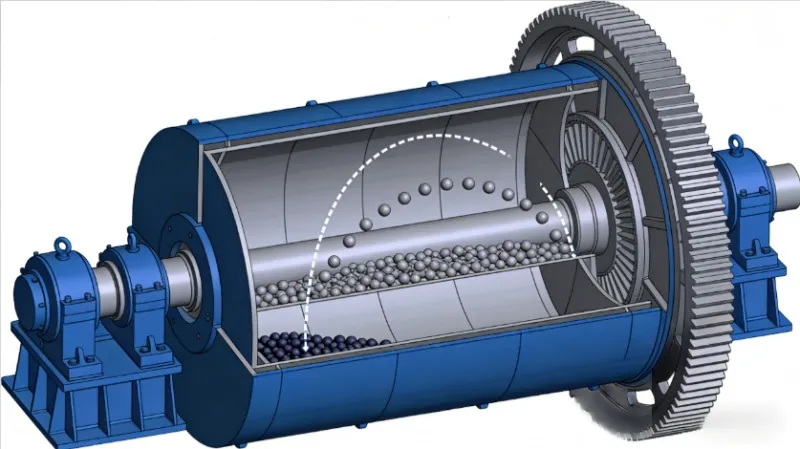
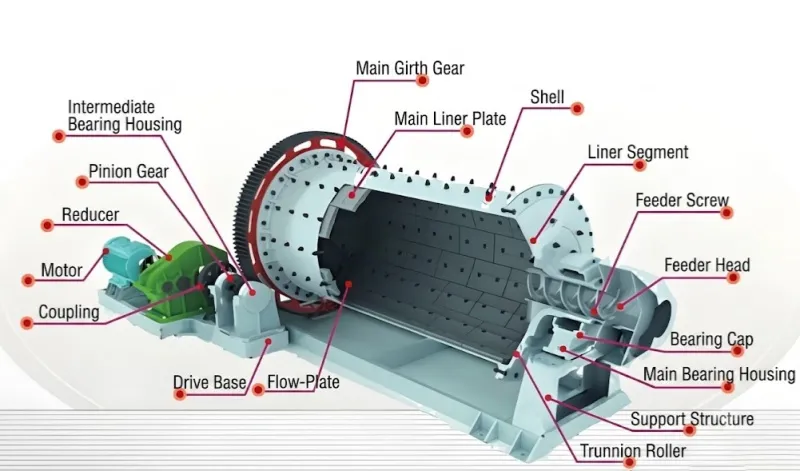
Dry ball mills consist of a rotating cylinder partially filled with grinding media — typically ceramic or steel balls. As the cylinder rotates and the media tumbles, particles are broken by impact between balls, between balls and the cylinder wall, and by attrition. In some designs, an internal agitator drives media movement rather than the cylinder itself.

Ball Mills — Wet (Agitated Bead Mills)

For wet grinding, agitated bead mills are the preferred technology. Rather than a tumbling cylinder, an internal agitator drives the grinding media (beads) to create intense impact and attrition forces on the suspended particles. Compact vertical designs with densely packed agitated bead beds can absorb high power inputs and achieve fine particle sizes down to tens of microns.

A screen at the mill outlet separates the grinding media from the product. Because agitating densely packed beads generates significant heat, these mills require jacketed cooling to protect thermally sensitive products.

Colloid Mills

空気分級機ミル
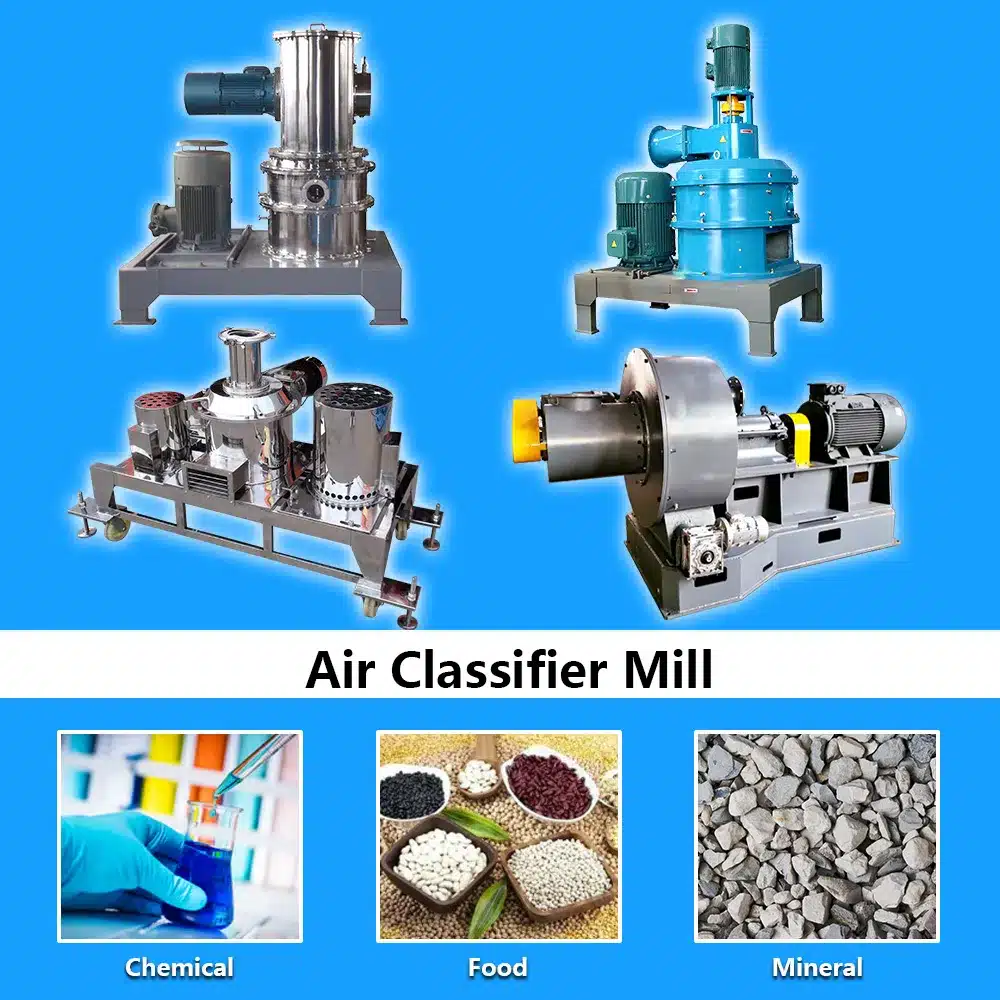
Air Classifiers Mills by Epic Powder

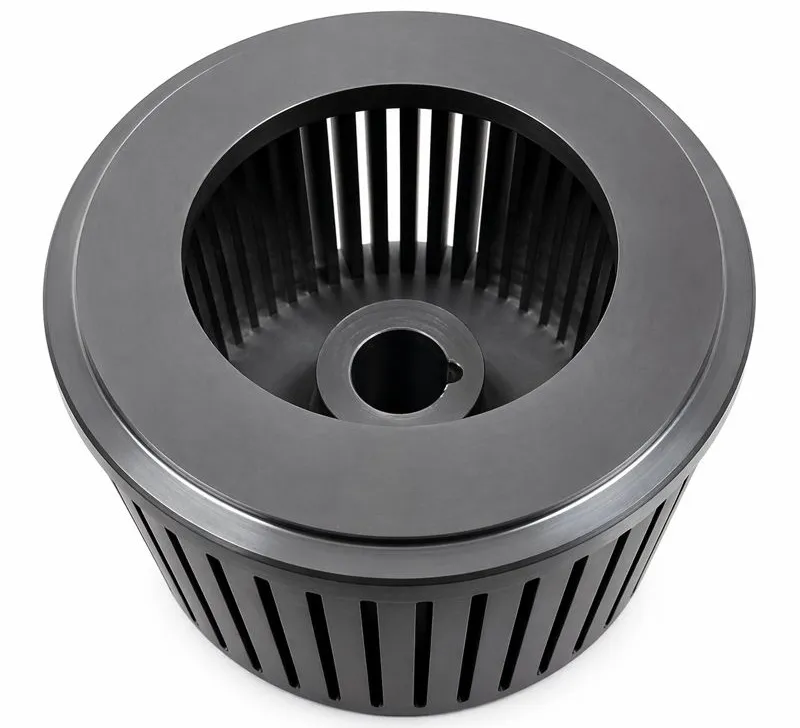
Colloid mills are widely used in industrial slurry processing, particularly where a compact, easy-to-integrate solution is needed. A high-speed rotor spinning inside a close-tolerance casing generates intense shear forces that break down particles in a liquid medium. Discharge openings in the casing allow processed material to exit continuously.
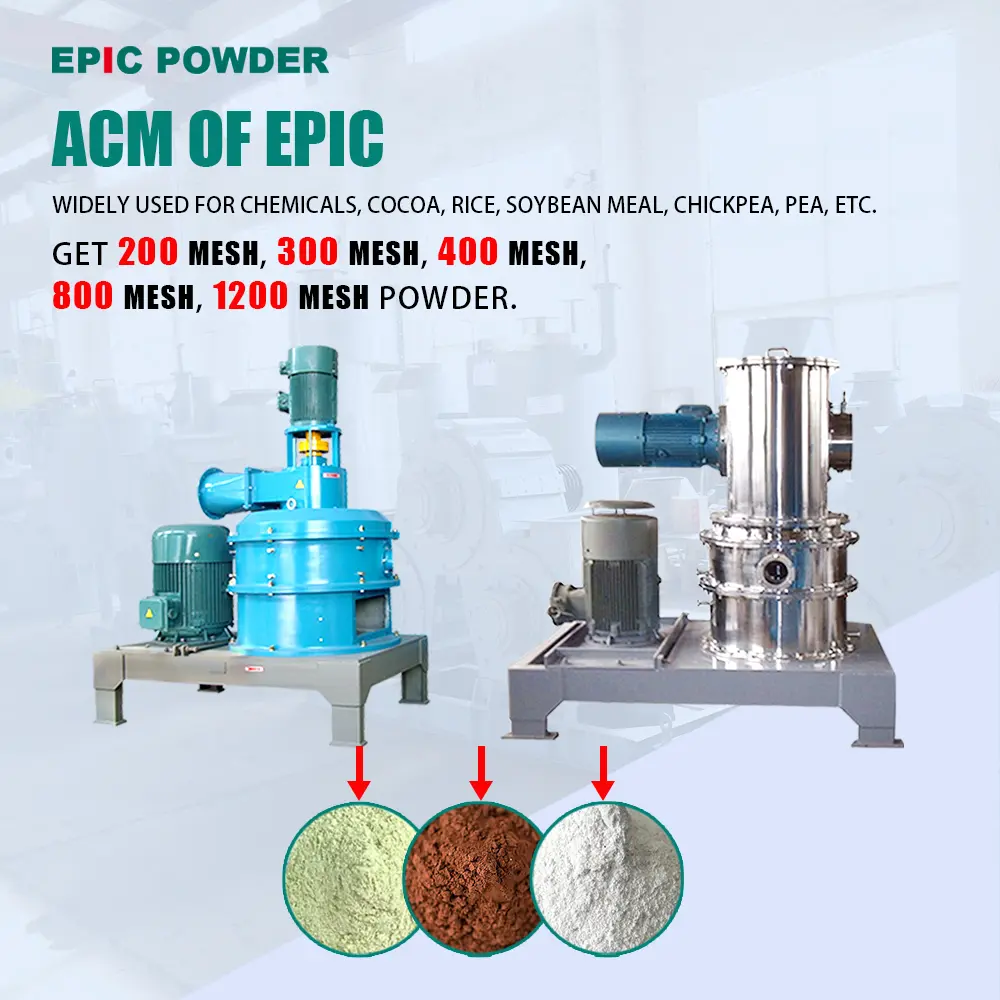
Colloid mills can be configured in either open-circuit (single pass) or closed-circuit (recirculating with 分類) mode, depending on the required particle size reduction and the hardness of the material.

3. How to Select the Right Grinding Machine

Choosing the right mill requires evaluating two primary factors: target particle size and material hardness. Use the tables below as a starting framework, then contact our engineering team for a detailed process assessment.

Selection by Target Particle Size (d50)

目標粒子サイズSuitable Technologies
Coarse (~10 mm)Roll mills, hammer crushers
Medium-fine (~1 mm)Roll mills, hammer mills
Fine (~0.1 mm)Multi-stage roll mills, high-pressure roll mills, high-speed hammer mills, universal mills, pin/disc mills
Ultrafine (~0.025 mm / 25 µm)Universal mills, pin/disc mills, jet mills, wet agitated bead mills

Selection by Material Hardness (Mohs Scale)

モース硬度Example MaterialsSuitable Technologies
1–3 (Soft)Talc, gypsum, salt, calciteRoll mills, high-pressure roll mills, hammer mills, universal mills, pin/disc mills, wet bead mills, colloid mills
4–6 (Medium)Fluorite, apatite, feldsparHigh-pressure roll mills, universal mills, wet agitated bead mills
7–10 (Hard)Quartz, topaz, corundum, diamondHigh-pressure roll mills, jet mills, wet agitated bead mills

Wet vs. dry grinding: If your process requires a slurry output — or if your material is temperature-sensitive and benefits from liquid cooling — wet grinding with an agitated bead mill or colloid mill is typically the starting point. For free-flowing powders with a dry final form, dry milling technologies (impact mills, jet mills, roll mills) are generally preferred.

4. Summary

Selecting the right powder grinding solution is a multi-variable decision that takes into account material properties, target particle size, wet or dry processing requirements, energy consumption, and downstream integration. This guide provides a structured starting framework — but every process has unique requirements that deserve a tailored engineering assessment.

エピックパウダー

エピックパウダー, 当社は幅広い機器モデルを取り揃え、お客様の特定のニーズに合わせてソリューションをカスタマイズいたします。当社のチームは、様々な粉体加工において20年以上の経験を有しています。Epic Powderは、鉱業、化学工業、食品産業、製薬産業など向けの微粉加工技術を専門としています。.

無料のコンサルティングとカスタマイズされたソリューションについては、今すぐお問い合わせください。

Ready to find the right grinding solution for your process?
Contact the Epic Powder Machinery engineering team at www.epic-powder.com/contact


王工写真

“読んでいただきありがとうございます。この記事が少しでもお役に立てれば幸いです。ぜひ下のコメント欄にご意見をお寄せください。ご質問等ございましたら、EPIC Powderのオンラインカスタマー担当Zeldaまでお気軽にお問い合わせください。”

ジェイソン・ワン, エンジニア

お問い合わせ

弊社の専門家が 6 時間以内にお客様に連絡し、機械とプロセスに関するお客様のニーズについてご相談させていただきます。

    あなたが人間であることを証明するために、

    関連記事