Независимо от того, занимаетесь ли вы переработкой пищевых ингредиентов, химикатов или минералов, выбор правильной технологии измельчения имеет решающее значение для качества продукции и эффективности производства. В этом руководстве рассматриваются основные принципы измельчения твердых частиц и описываются ключевые типы оборудования, чтобы вы могли принимать уверенные решения для своего процесса.
1. Основы измельчения твердых частиц
Измельчение — также называемое помолом, уменьшением размера или дроблением — это процесс уменьшения размера твердых частиц под действием механических сил. При воздействии механических сил на частицу накапливаются внутренние напряжения, пока не образуются трещины и частица не расколется на более мелкие фрагменты.
Промышленное измельчающее оборудование обеспечивает уменьшение размера частиц за счет нескольких различных механизмов:
| Механизм | Как это работает | Типичное применение |
| двухповерхностное сжатие | Частицы измельчаются или сдвигаются между двумя твердыми поверхностями. | Вальцовые мельницы, щековые дробилки |
| Удар по одной поверхности | Частицы ускоряются и сталкиваются с твердой поверхностью с высокой скоростью. | Молотковые мельницы, струйные мельницы |
| Резка и раскрой | Сдвиговые силы или ударные волны разрушают частицы. | Коллоидные мельницы, дисковые мельницы |
Измельчение может проводиться как в сухих, так и во влажных условиях, и выбор между ними существенно влияет на выбор оборудования, последующую обработку и характеристики продукта.
| Примечание по энергоэффективности: Измельчение — одна из самых энергоемких операций в порошковой обработке, однако только 1–21 тонна энергии фактически идет на уменьшение размера частиц. Остальное теряется на трение и нагрев внутри мельницы. Оптимизация энергопотребления вашей измельчающей установки — одна из наиболее эффективных возможностей снижения затрат на вашем предприятии. |
Поскольку на производительность шлифовки влияет множество переменных, подбор оборудования в значительной степени осуществляется эмпирическим путем. В компании Epic Powder Machinery мы настоятельно рекомендуем подтвердить работоспособность вашего процесса с помощью лабораторных или опытно-промышленных испытаний, прежде чем принимать решение о полномасштабном производстве оборудования, и мы готовы оказать вам в этом поддержку.
2. Распространенное промышленное фрезерное оборудование
Ниже представлен обзор основных типов измельчительного оборудования, используемого в промышленной обработке порошков, включая принципы их работы и типичные сценарии применения.
Вальцовые мельницы (валковые мельницы)
В валковых мельницах используются два вращающихся в противоположных направлениях валка. Материал подается между валками и подвергается сжимающим и сдвиговым силам по мере прохождения через зазор, что приводит к уменьшению размера частиц. Для повышения эффективности можно использовать несколько пар валков, расположенных последовательно, с постепенно уменьшающимися зазорами. Валки также могут иметь канавки для улучшения сцепления материала.
Валковые мельницы высокого давления (работающие при давлении 10–50 бар) обеспечивают значительно повышенную интенсивность измельчения. В этих системах используются пружинные механизмы защиты от перегрузки при попадании посторонних материалов в загрузочный бункер.
Ударные мельницы
Ударные мельницы измельчают материал за счет ускорения его потока в высокоскоростные ударные элементы — такие как молотки, штифты или биты — вращающиеся с очень высокими периферийными скоростями.
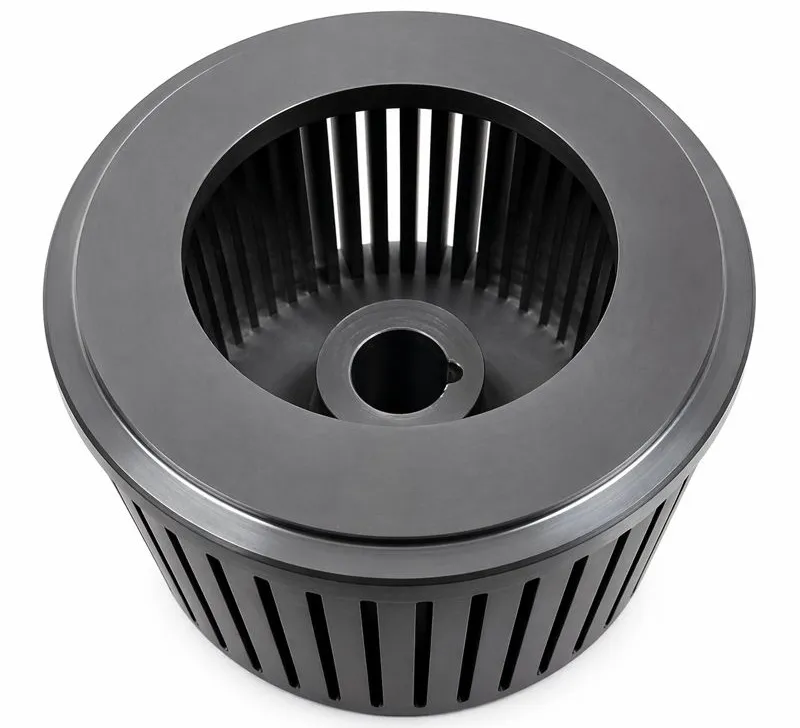
Дисковые мельницы (штырьковые мельницы) Устройство состоит из неподвижного и вращающегося дисков, каждый из которых снабжен множеством штифтов. Материал, проходящий через систему штифтов, многократно ударяется и измельчается.
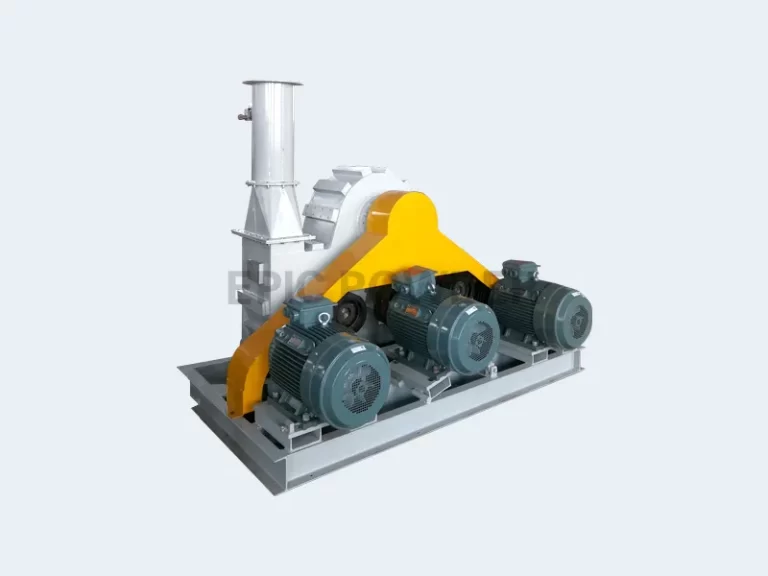
Молотковые дробилки В мельнице используется вращающийся диск, оснащенный качающимися молотками, которые ударяют по материалу и отбрасывают его к корпусу мельницы. Для более точного распределения частиц по размерам могут использоваться встроенные сита. Высокоскоростные молотковые мельницы (скорость вращения лопастей 40–70 м/с) могут производить частицы размером менее 0,1 мм.
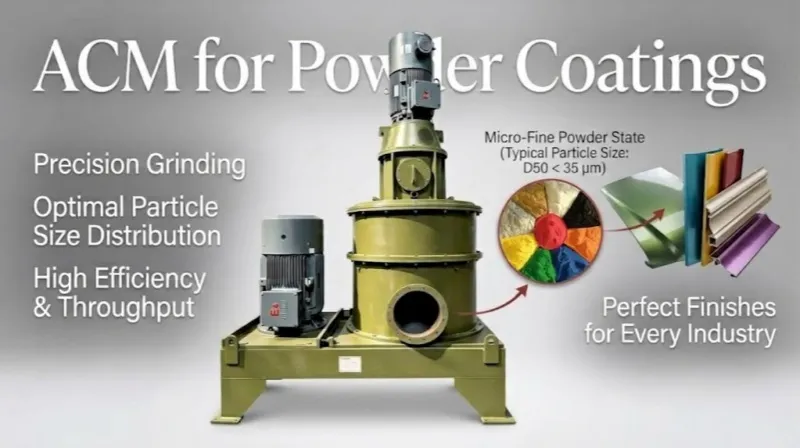
Универсальные мельницы Это усовершенствованный вариант, отличающийся более сложными ударными элементами, шлифовальными дорожками и ситовыми вставками, работающий со скоростью вращения наконечника 40–100 м/с для получения более тонкого продукта.
Реактивные фабрики (воздушные реактивные фабрики)
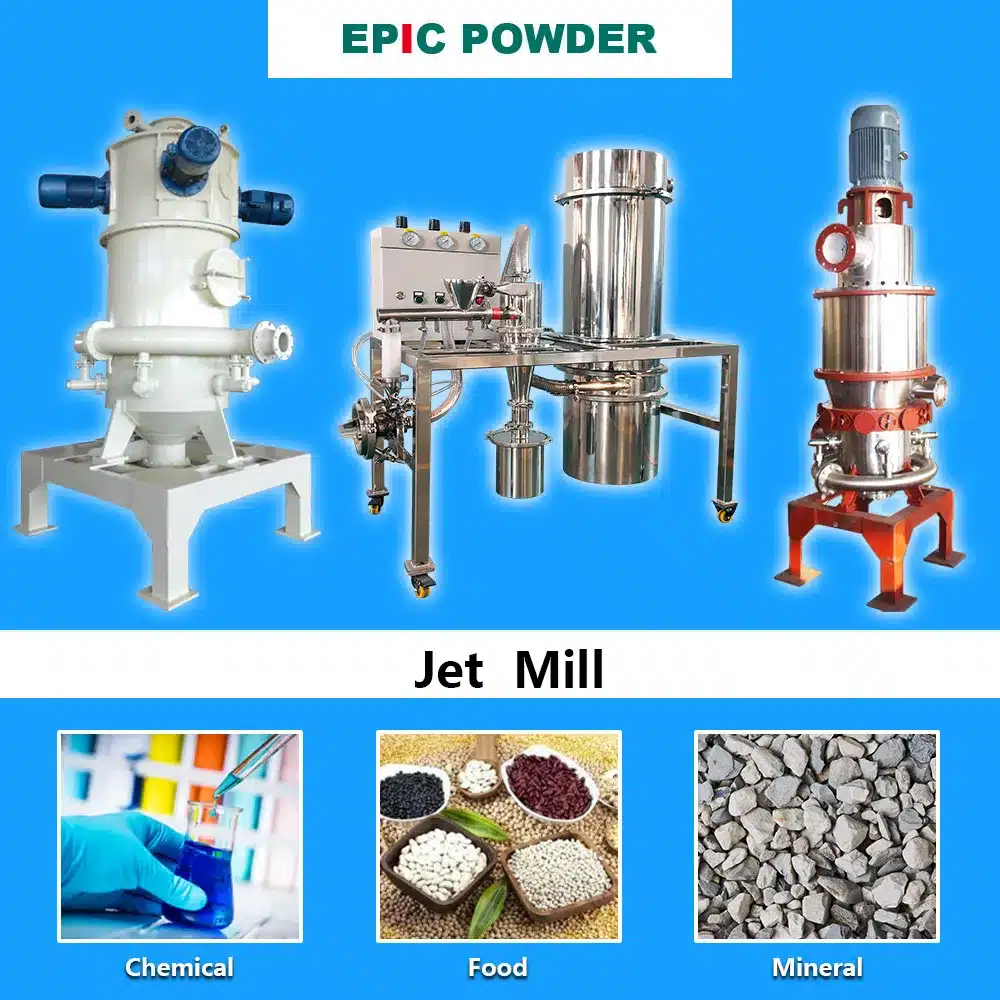
Струйные мельницы используют сжатый газ для ускорения частиц до очень высоких скоростей — до 250 м/с — перед направлением их на статическую мишень или в противоточный поток ускоренных частиц. Кинетическая энергия столкновения вызывает разрушение без каких-либо механических контактных частей, что делает струйные мельницы идеальными для термочувствительных или сверхтвердых материалов.
Поскольку однократный проход обеспечивает широкое распределение частиц по размерам, струйные мельницы всегда оснащаются встроенным классификатором, который рециркулирует частицы большего размера для дальнейшего измельчения до достижения целевого размера частиц.
Шаровые мельницы — сухие
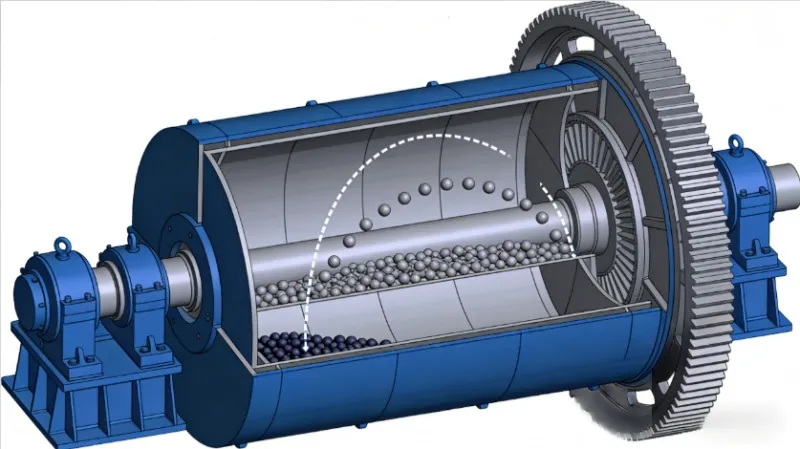
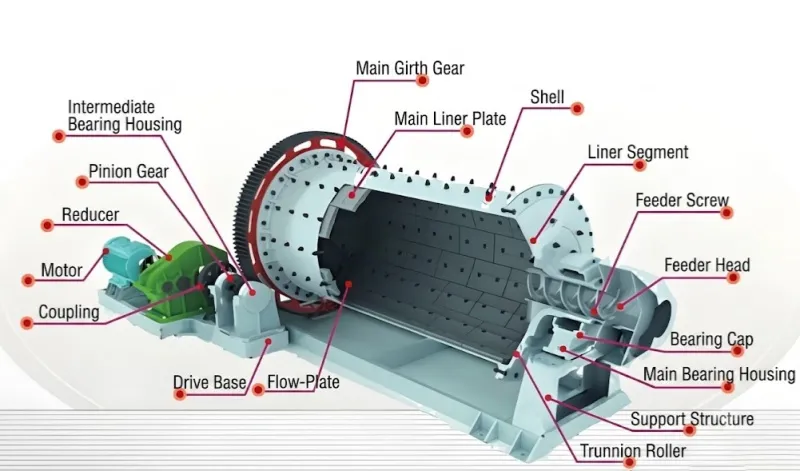
Сухие шаровые мельницы состоят из вращающегося цилиндра, частично заполненного мелющими шариками — обычно керамическими или стальными. По мере вращения цилиндра и перекатывания шариков частицы измельчаются за счет ударов между шариками, между шариками и стенкой цилиндра, а также за счет истирания. В некоторых конструкциях движение шариков обеспечивается внутренним перемешивающим устройством, а не самим цилиндром.
Шаровые мельницы — мокрые (мешалки с перемешиванием)
Для мокрого измельчения предпочтительной технологией являются шаровые мельницы с мешалкой. Вместо вращающегося цилиндра внутренний мешатель приводит в движение измельчающие элементы (шарики), создавая интенсивные ударные и истирающие силы на взвешенные частицы. Компактные вертикальные конструкции с плотно расположенными слоями шаров с мешалкой позволяют использовать высокую мощность и получать мелкие частицы размером до десятков микрон.
На выходе из мельницы сито отделяет мелющие шарики от продукта. Поскольку перемешивание плотно упакованных шариков выделяет значительное количество тепла, для защиты термочувствительных продуктов в таких мельницах требуется система охлаждения с рубашкой.
Коллоидные мельницы
Коллоидные мельницы широко используются в промышленной переработке суспензий, особенно там, где требуется компактное и легко интегрируемое решение. Высокоскоростной ротор, вращающийся внутри корпуса с жесткими допусками, создает интенсивные сдвиговые силы, которые разрушают частицы в жидкой среде. Выходные отверстия в корпусе обеспечивают непрерывный выход перерабатываемого материала.
Коллоидные мельницы могут быть сконфигурированы как в режиме открытого контура (однопроходный режим), так и в режиме закрытого контура (рециркуляционный режим с классификацией), в зависимости от требуемого уменьшения размера частиц и твердости материала.
3. Как выбрать подходящий шлифовальный станок
Для выбора подходящей мельницы необходимо оценить два основных фактора: целевой размер частиц и твердость материала. Используйте приведенные ниже таблицы в качестве отправной точки, а затем свяжитесь с нашей инженерной командой для детальной оценки технологического процесса.
Выбор по целевому размеру частиц (d50)
| Размер целевой частицы | Подходящие технологии |
| Крупнозернистый (~10 мм) | Вальцовые мельницы, молотковые дробилки |
| Средне-тонкий (~1 мм) | Вальцовые мельницы, молотковые мельницы |
| Мелкие (~0,1 мм) | Многоступенчатые валковые мельницы, валковые мельницы высокого давления, высокоскоростные молотковые мельницы, универсальные мельницы, штифтовые/дисковые мельницы |
| Сверхтонкие (~0,025 мм / 25 мкм) | Универсальные мельницы, дисковые мельницы, струйные мельницы, шаровые мельницы с мокрым перемешиванием. |
Выбор материала по твердости (шкала Мооса)
| Твердость по шкале Мооса | Примеры материалов | Подходящие технологии |
| 1–3 (Мягкий) | Тальк, гипс, соль, кальцит | Валковые мельницы, валковые мельницы высокого давления, молотковые мельницы, универсальные мельницы, штифтовые/дисковые мельницы, мельницы с мокрым шариком, коллоидные мельницы |
| 4–6 (Средний) | Флюорит, апатит, полевой шпат | Валковые мельницы высокого давления, универсальные мельницы, шаровые мельницы с мокрым перемешиванием |
| 7–10 (Трудный) | Кварц, топаз, корунд, алмаз | Валковые мельницы высокого давления, струйные мельницы, шаровые мельницы с мокрым перемешиванием |
Влажное или сухое измельчение: если ваш процесс требует получения суспензии — или если ваш материал чувствителен к температуре и нуждается в жидкостном охлаждении, — то обычно отправной точкой является влажное измельчение с помощью шаровой мельницы с мешалкой или коллоидной мельницы. Для сыпучих порошков с сухим конечным продуктом, как правило, предпочтительнее использовать технологии сухого измельчения (ударные мельницы, струйные мельницы, валковые мельницы).
4. Резюме
Выбор оптимального решения для измельчения порошка — это многофакторный процесс, учитывающий свойства материала, целевой размер частиц, требования к мокрой или сухой обработке, энергопотребление и интеграцию в последующие этапы. Данное руководство предоставляет структурированную исходную основу, но каждый процесс имеет уникальные требования, которые заслуживают индивидуальной инженерной оценки.
Эпический порошок
В Эпический порошок, Мы предлагаем широкий выбор моделей оборудования и разрабатываем индивидуальные решения, отвечающие вашим конкретным потребностям. Наша команда имеет более чем 20-летний опыт в обработке различных порошков. Компания Epic Powder специализируется на технологиях обработки мелкодисперсных порошков для горнодобывающей, химической, пищевой, фармацевтической и других отраслей промышленности.
Свяжитесь с нами сегодня для бесплатной консультации и получения индивидуальных решений!
Готовы найти оптимальное решение для шлифовки в вашем технологическом процессе?
Связаться с инженерной командой Epic Powder Machinery можно по адресу www.epic-powder.com/contact

“Спасибо за прочтение. Надеюсь, моя статья вам поможет. Пожалуйста, оставьте комментарий ниже. Вы также можете связаться с представителем службы поддержки клиентов EPIC Powder, Зельдой, по любым дополнительным вопросам”.”
— Джейсон Ван, Инженер